Best Bait for Redear Sunfish
Catching redear sunfish, often affectionately called "shellcrackers" here in Mississippi, can be one of the most rewarding experiences on the water, especially if you're looking for a peaceful day of fishing with a good chance of a consistent bite. However, unlike their bluegill cousins who seem to eat anything, redears can be a bit more discerning. If you've ever cast out a standard piece of worm and come up empty while everyone else is reeling in, you know the frustration. This guide is all about cutting through that guesswork, diving deep into what these finicky eaters really crave, and helping you choose the best bait to fill your cooler with those delicious shellcrackers.
Understanding Redear Sunfish: The Shellcracker's Habits
Before we even talk about what to put on your hook, it's crucial to understand the fish you're targeting. Redear sunfish are truly unique members of the sunfish family, and their preferences directly dictate the most effective baits and techniques. Think of it like this: you wouldn't offer a steak to a rabbit, right? The same goes for redears.
What Makes Redear Sunfish Unique?
The key to unlocking redear success lies right in their common nickname: "shellcracker." This isn't just a charming Southern moniker; it's a direct reference to their primary diet and the specialized crushing plates they have in their throats. While other panfish might be more opportunistic eaters, gobbling up insects off the surface or small baitfish, redears are bottom-feeders by nature. Their mouths are designed for rooting around in the substrate, picking up snails, clams, mussels, and various other invertebrates. They use those powerful pharyngeal teeth (the "shellcrackers") to crush the shells of their prey before swallowing.
This unique dietary preference means that baits that mimic these bottom-dwelling morsels are going to be far more effective than something purely flashy or artificial. They're not chasing fast-moving prey; they're slowly foraging. They typically aren't as aggressive as a hungry bluegill, so patience and precise bait presentation become critical. Understanding this fundamental difference between them and other Panfish Species Found in Mississippi is your first step toward consistent catches.
Where to Find Redear Sunfish in Mississippi
Knowing what they eat is one thing; knowing where they eat is another. Redear sunfish in Mississippi generally prefer clearer, warmer waters with plenty of aquatic vegetation and firm, sandy, or mucky bottoms where their preferred food sources thrive. You won't typically find them in fast-moving rivers, but rather in the calmer waters of lakes, ponds, reservoirs, and slow-moving bayous.
Look for areas with submerged grass beds, lily pad fields, brush piles, or old stumps. These structures provide cover, attract invertebrates, and offer the kind of bottom redears love to scour. Depths can vary, but during warmer months, they often hold in 3-10 feet of water, especially around the edges of deeper channels or flats adjacent to cover. During colder periods or spawning, they might move shallower or deeper, so paying attention to the Mississippi Fishing Seasons Calendar can be incredibly helpful. Excellent spots often include the numerous state fishing lakes, private ponds, and the calmer sections of larger reservoirs like Ross Barnett or Sardis Lake. When fishing in state parks or public waters, always be mindful of Mississippi Fishing Regulations Explained and any specific permits required, such as those for Mississippi State Park Lake Fishing Permits.
The Best Live Baits for Redear Sunfish
When it comes to tempting a shellcracker, nothing beats the real thing. Live bait is almost always the most effective choice because it perfectly mimics their natural diet and provides the movement and scent that artificial lures often lack.
Worms: The Unbeatable Classic
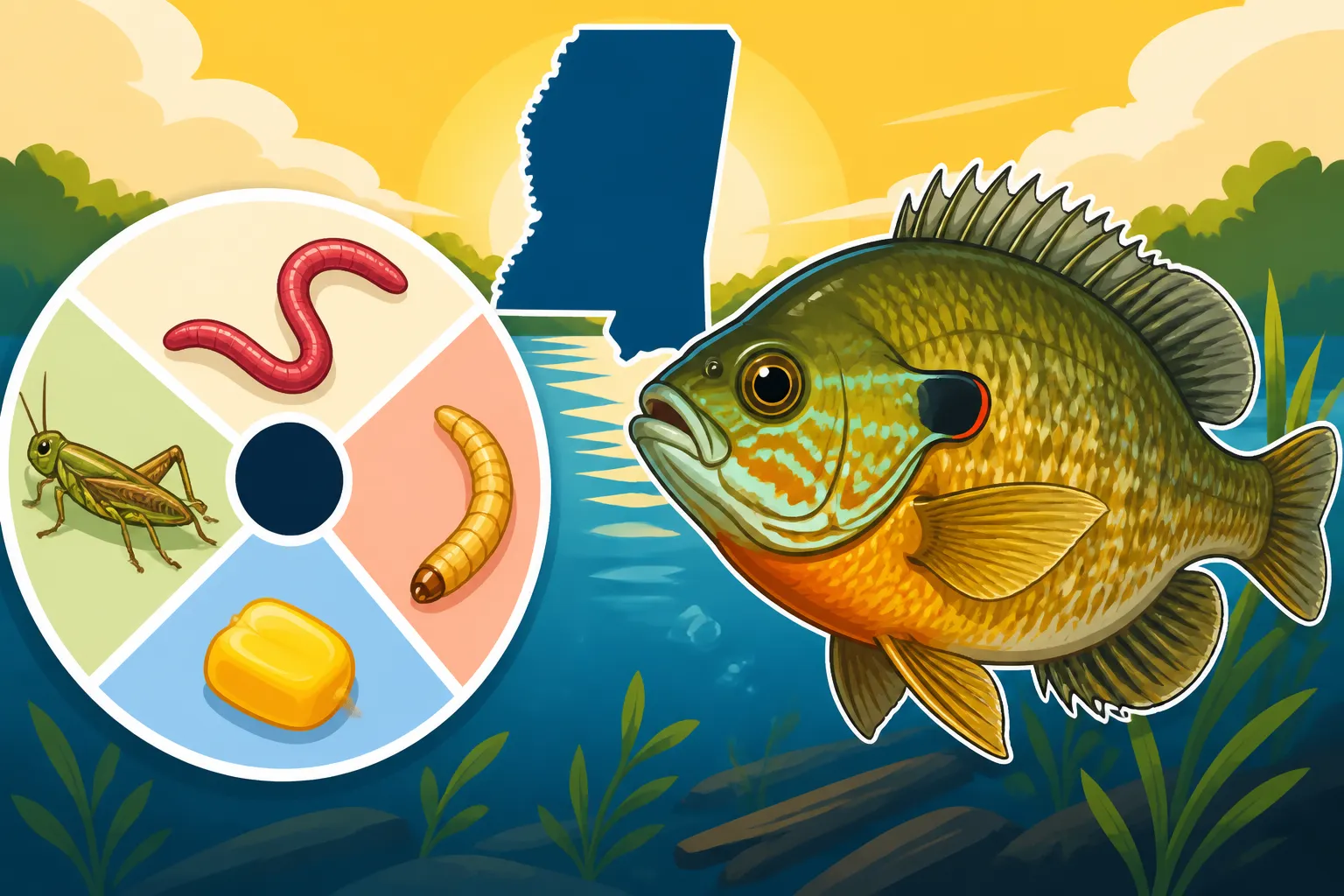
If there's one bait that's universally effective for almost any panfish, it's the humble worm, and redears are no exception. Worms are probably the closest thing you can get to the small invertebrates they naturally consume.
- Red Wigglers (Compost Worms): These are, hands down, the top choice for redear sunfish. They're small, active, and ooze a natural scent that redears find irresistible. You can often find them at local bait shops, or even cultivate your own in a compost bin. To rig them, simply thread one or two onto a small hook (size 8 or 10 is perfect), leaving a little bit of the worm wiggling at the end. This movement is a huge attractant.
- Nightcrawlers (Canadian Nightcrawlers): While larger than red wigglers, nightcrawlers can also be very effective. The trick is to use only a small piece. Pinch off a section about 1-2 inches long. This smaller piece is more manageable for a redear's mouth and provides plenty of natural scent and wiggle. Rig it similarly to a red wiggler, ensuring the hook point is exposed.
When using worms, a slow, gentle presentation is key. Let your bait settle on the bottom or suspend it just slightly above, giving it time for the scent to disperse. Redears often "mouth" the bait before fully committing, so be patient and watch for subtle taps on your line or bobber. For more general advice on panfish, you might find some crossover tips in our guide on Best Bait for Bream and Bluegill.
Crickets and Grasshoppers: Seasonal Delights
As the weather warms up and terrestrial insects become more active, crickets and grasshoppers transform into incredibly effective baits, especially during late spring and summer.
- Crickets: These noisy little insects are a favorite of many panfish, including redears. Their natural movement on the surface or just below can trigger a strike. You can buy crickets in bulk at most bait shops. For redears, a single cricket hooked lightly through the collar (the hard part behind its head) is usually sufficient. This allows it to kick and struggle naturally in the water, mimicking an insect that has fallen in.
- Grasshoppers: If you can catch them, grasshoppers are another fantastic option. They're a bit larger, so they might attract bigger redears. Hook them similarly to crickets.
The appeal of crickets and grasshoppers is their natural presentation. Whether fished under a small bobber or allowed to drift naturally, their struggles send out vibrations that opportunistic redears can detect. This is particularly effective near grassy banks or overhanging vegetation where these insects might naturally fall into the water.
Grubs and Larvae: Nature's Candy
Beyond traditional worms and insects, various types of larvae and grubs are absolutely deadly for redear sunfish. These soft-bodied treats are packed with protein and are a staple in many aquatic diets. You can often find a good selection of these readily available for purchase, sometimes even through online retailers like Amazon.
- Wax Worms: These small, creamy-colored larvae are a panfish magnet. They're soft, easy to hook, and incredibly active. Thread one or two onto a small jig head or a bare hook. Their constant wiggling underwater is a strong visual attractant, and their natural scent quickly draws in nearby redears.
- Mealworms: Similar to wax worms but generally firmer, mealworms are another excellent choice. They're durable on the hook and provide a good profile. Again, a small hook and a light presentation will serve you well.
- Beetle Larvae: Sometimes available seasonally or from specialty bait suppliers, various beetle larvae can be highly effective. If you have access to a garden, you might even find some in your soil (just make sure you're not using any harmful chemicals around them!).
These grubs and larvae are particularly good when redears are holding tight to cover or are a bit more lethargic. Their compact size makes them easy for redears to engulf, leading to more solid hooksets. The natural smell and subtle movement are often enough to tempt even the most hesitant shellcracker. Many anglers swear by using wax worms specifically for larger redears due to their enticing appeal.
Artificial Baits and Other Effective Options
While live bait often reigns supreme for redear sunfish, there are certainly times when artificial offerings can be incredibly effective, whether due to convenience, local regulations, or just a desire to try something different. Sometimes, these options are even easier to stock up on ahead of time from Amazon without a trip to the bait shop.
Small Jigs and Flies: Finesse for Finicky Eaters
For anglers who prefer the challenge of artificials or want to travel light, small jigs and flies can absolutely fool a redear, especially if fished with finesse.
- Micro Jigs: Think tiny – jig heads in the 1/64 to 1/32 ounce range are perfect. Pair these with equally small plastic bodies, like curly tail grubs, tubes, or small insect imitations. Colors like chartreuse, white, black, or natural insect hues tend to work best. The key is to fish them very slowly, often just a subtle twitch-and-pause retrieve, or suspended under a small float. The goal is to mimic a small invertebrate slowly moving along the bottom or hovering near structure. This technique is similar to light jigging for crappie, but even more scaled down.
- Flies: Fly fishing for redears is a wonderfully rewarding experience. Small nymphs, wet flies, and even some dry flies (especially ant or beetle patterns) can be irresistible. A simple bead-head nymph fished slowly along the bottom or stripped gently through a weed bed can produce fantastic results. For surface action, a tiny popper or a foam spider pattern twitched subtly will often bring a redear up for a look.
The finesse required with these baits means paying close attention to your line and feeling for the lightest taps. Often, a redear's bite is incredibly subtle, feeling more like a slight weight on the line than an aggressive strike. Ultralight tackle really shines here, allowing you to detect those faint bites.
Prepared Baits and Dough Balls: Convenient Alternatives
Sometimes, you want something easy to handle that stays on the hook, especially if you're fishing with kids or just want to relax without constantly re-baiting. Prepared baits and homemade dough balls can fit this bill.
- Commercial Panfish Baits: Many companies offer pre-made baits specifically designed for sunfish and other panfish. These often come in small jars or tubs and have a strong, attractive scent. While not always as effective as live bait for finicky redears, some formulas can work, particularly those designed to mimic larvae or worms. The advantage here is convenience and shelf life.
- Homemade Dough Balls: For the DIY angler, dough balls can be made from a variety of ingredients, often involving flour, cornmeal, cheese, and a secret ingredient or two for scent (think garlic, anise, or even a bit of fish food). The texture is important: you want it firm enough to stay on a small hook but soft enough to release scent. These are often fished on a small treble or Aberdeen hook.
The effectiveness of prepared baits and dough balls can vary widely depending on the fish's mood and the specific formula. It's often best to experiment with a few different types and scents to see what the redears in your chosen water body prefer on a given day. They might not be the best bait every time, but they certainly have their place in a redear angler's arsenal.
Considering Scent and Presentation
No matter what bait you choose, two factors can make or break your redear fishing day: scent and presentation. Redear sunfish rely heavily on their sense of smell to locate food, especially their primary diet of bottom-dwelling invertebrates.
- Scent Enhancers: Even with live bait, adding a drop of a commercial scent attractant can sometimes make a difference. These come in various flavors and formulas, often mimicking the natural odors of worms, krill, or other aquatic creatures. Apply a small amount directly to your bait or artificial lure. For artificials, choosing soft plastics that are already impregnated with scent, or those designed to absorb and hold added scent, can significantly boost their effectiveness. Many reputable brands offer these products, and you can easily explore options on Amazon.
- Subtle Presentation: Redears are not aggressive chasers. They are slow, methodical foragers. This means your presentation needs to match their behavior. Avoid heavy weights that cause your bait to plummet violently. Use light line, small hooks, and a gentle retrieve. If you're using a bobber, make sure it's just buoyant enough to suspend your bait without dragging it unnaturally. Letting your bait sit motionless on the bottom for extended periods, or imparting only the slightest twitch, will often get more bites than an erratic retrieve. Remember, the goal is to make it look like a natural, easy meal, not something trying to escape.
Gear and Techniques for Redear Success
Having the right bait is a huge part of the equation, but it's only one piece of the puzzle. The gear you use and how you present that bait are equally important for consistent redear sunfish success.
Rod, Reel, and Line Choices
Redear sunfish aren't known for their brutal fighting power, but they can put up a respectable scrap on appropriate tackle. The key here is sensitivity and matching your gear to the size of the fish and the baits you'll be using.
- Rod: An ultralight or light action spinning rod, typically 5 to 6.5 feet long, is ideal. The softer tip allows you to cast those tiny baits a good distance and, more importantly, provides incredible sensitivity to detect those subtle redear bites. A good quality graphite rod will transmit even the slightest tap directly to your hand. When picking out new gear, check out our guide on Choosing the Right Rod and Reel for Mississippi Fishing for more general advice.
- Reel: Pair your ultralight rod with a small spinning reel (500 or 1000 series). It should be smooth, with a decent drag system, though you won't be battling monster fish. The small size keeps the combo light and balanced, reducing fatigue during a long day of casting.
- Line: Light line is non-negotiable for redear fishing. 2 to 4-pound test monofilament is the standard. Monofilament offers a good balance of stretch (which helps cushion sudden runs and prevents hooks from tearing out of soft mouths), knot strength, and manageability for small baits. Fluorocarbon leader material (4-pound test) can also be used for increased abrasion resistance and reduced visibility, especially in clear water. Superbraid lines are generally overkill for redears and can make detecting subtle bites harder due to their lack of stretch and thin diameter sometimes cutting into soft rod guides.
Using appropriate tackle dramatically increases your enjoyment and success. You'll feel more bites, get better hooksets, and experience a more exciting fight from every fish.
Essential Rigs and Floats
The way you rig your bait is just as important as the bait itself. For redears, simplicity and natural presentation are paramount.
- Bobber Rigs: The classic bobber rig is incredibly effective for redears, allowing you to suspend your bait at a precise depth.
- Fixed Bobber: For shallower water (under 6-8 feet), a small clip-on bobber is simple and efficient. Place a small split shot weight a few inches above your hook to get the bait down, but not so much that it pulls the bobber under.
- Slip Bobber: For deeper water or when you need to cast a long distance, a slip bobber rig is superior. This involves a slip knot or bobber stop, a small bead, the slip bobber itself, and then your weight and hook. This allows you to set your bait at any depth while still being able to reel the bobber down to your weight for easy casting.
- Bottom Rigs: When redears are strictly on the bottom, or in windy conditions where a bobber might drift too much, a simple bottom rig works well. Tie a small bell sinker or a few split shot weights to the end of your line, then tie a loop knot a few inches above the weight and attach a small hook to that loop. This keeps your bait right on the bottom where redears are foraging.
- Hook Size: Always use small, sharp hooks. Sizes 8, 10, or even 12 Aberdeen or Kahle hooks are perfect. Aberdeen hooks have a fine wire that straightens out under pressure, which can help save your tackle if you get snagged, and their wide gap allows for good hooksets.
Remember, the goal is to make your bait look as natural and unencumbered as possible. Avoid excessive hardware, heavy swivels, or large weights that might spook these cautious eaters.
Mastering the Approach for Redear
Beyond gear and bait, your overall approach and demeanor on the water will greatly influence your redear success. These fish can be surprisingly skittish.
- Stealth: Redears are easily spooked. Approach your fishing spots quietly, especially if you're bank fishing. Avoid heavy footsteps, loud noises, or casting a long shadow over the water. If you're in a boat, use your trolling motor sparingly or anchor upwind and drift silently into your desired position.
- Patience and Observation: Redear fishing is not usually a fast and furious affair. Cast your bait, let it settle, and be patient. Watch your line and bobber intently. Sometimes, a redear bite is just a slight twitch, a brief pause in the drift, or the bobber simply laying flat on the water. Don't be too quick to set the hook; often, letting the fish take the bait for a second or two longer will result in a better hookup.
- Fan Casting and Focussing on Structure: Don't just cast to one spot. Fan cast around your target area, exploring different depths and pieces of cover. If you catch one redear in a spot, there are almost certainly more, so concentrate your efforts there. Look for submerged brush, weed line edges, drop-offs, or areas with a transition in bottom composition. For specific locations, our guides like Best Small Lakes for Family Fishing Near Jackson can help you pinpoint promising waters.
- Temperature and Time of Day: While redears can be caught throughout the day, early mornings and late evenings are often the most productive, especially during warmer months. During the peak heat of summer, they might retreat to deeper, cooler water, making a midday bite tougher. Conversely, on cooler days, the mid-afternoon sun can warm the shallows and make them more active. Pay attention to the Best Time of Year to Fish in Mississippi for overall seasonal trends.
By combining the right bait, appropriate tackle, and a patient, stealthy approach, you'll be well on your way to consistently catching those delightful Mississippi redear sunfish. It’s all about respecting their nature and giving them what they want, where they want it.
| Bait Type | Pros | Cons | Best Use Case |
|---|---|---|---|
| Red Wigglers | Highly effective, natural scent & movement | Can be messy, not always readily available | All seasons, especially around bottom structure |
| Nightcrawlers (pieces) | Readily available, strong scent | Larger than ideal, easy to steal | Deeper water, larger redears, bottom fishing |
| Crickets | Great surface action, natural | Seasonal, fragile, can be hard to keep alive | Warm months, topwater or shallow bobber fishing |
| Wax Worms/Mealworms | Extremely effective, easy to hook | Can be delicate, smaller profile | All seasons, finesse fishing, under bobbers |
| Micro Jigs (w/ plastics) | Clean, versatile, can cover water | Requires finesse, less natural scent | Anglers preferring artificials, active retrieve |
| Nymph Flies | Natural look, stealthy presentation | Requires fly tackle, learning curve | Clear water, shy fish, fly fishing enthusiasts |
| Prepared Baits | Convenient, long shelf life, less mess | Less natural movement, variable effectiveness | Casual fishing, fishing with children, convenience |
Remember, while this guide offers a fantastic starting point, fishing is always an adventure of discovery. Don't be afraid to experiment! Sometimes, the redears in your local lake might surprise you with a preference for something unexpected. The more time you spend observing and trying different approaches, the better you'll become at cracking the code of these delightful "shellcrackers."
Disclaimer
This article is for general informational purposes only and does not constitute professional advice. Laws, prices and regulations vary by location and change over time. Consult a qualified professional for guidance on your specific situation.