Bream and Bluegill Fishing in Mississippi
Oh, the humble bream and bluegill! These little powerhouses are often overlooked in the pursuit of larger, flashier game fish, but let me tell you, there's nothing quite like a day spent pulling these feisty fighters from a Mississippi lake or pond. If you're looking for an accessible, incredibly fun, and often delicious fishing experience that's perfect for anglers of all skill levels, especially families, then this comprehensive guide is exactly what you need to master bream and bluegill fishing in the Hospitality State.
Understanding Bream and Bluegill: The Mississippi Favorites
When you hear folks around Mississippi talk about "bream," it's usually a catch-all term for a wonderful group of small, pan-sized fish that are abundant in our waters. These aren't just any fish; they're the backbone of many a childhood fishing memory and a staple for a relaxed afternoon on the water. While the term broadly includes several sunfish species, the bluegill truly stands out as the most iconic, but let's dive into what makes these fish so special and often so delightfully confusing to newcomers.
What Exactly Are "Bream" in Mississippi?
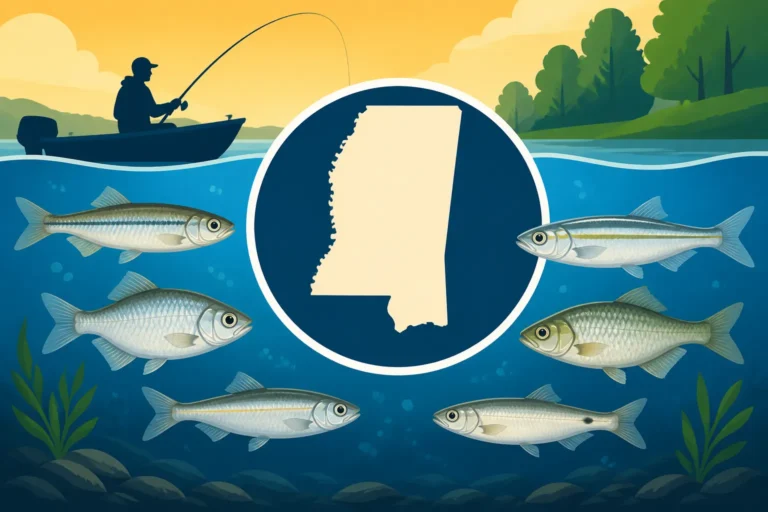
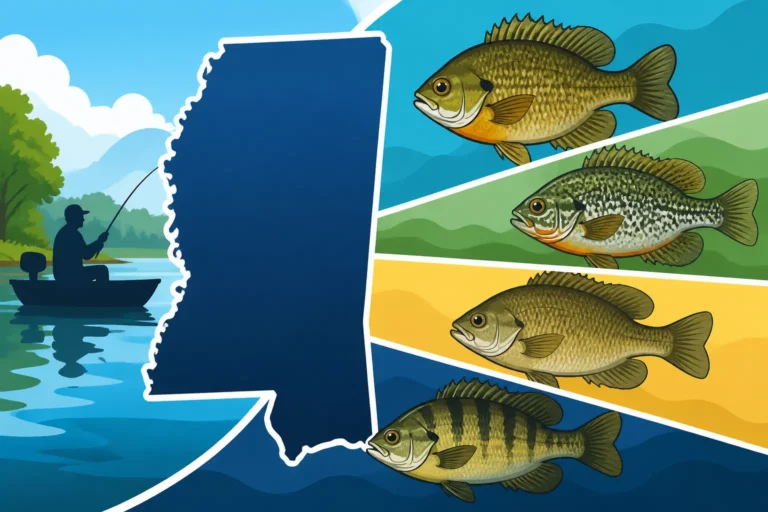
In Mississippi, when an angler says "bream," they're generally referring to a collection of sunfish species from the Centrarchidae family. This isn't just one type of fish, but rather a group that includes bluegill, redear sunfish (often called shellcrackers), warmouth, green sunfish, and sometimes even a few others. The shared characteristics among them are their relatively small size, disc-shaped bodies, and the fact that they're all incredibly fun to catch on light tackle.
Their widespread presence across nearly every freshwater body in Mississippi — from farm ponds to vast reservoirs and winding rivers — makes them incredibly popular. They reproduce quickly, are generally not too picky about what they eat, and provide consistent action, which is why they are often the first fish many children ever catch. The sheer joy of watching a bobber dip and then feeling that tug on the line is a universal fishing experience, and bream are often the stars of that show. Their accessibility and abundance are huge reasons why they hold such a cherished place in the hearts of Mississippi anglers, old and new.
Bluegill: The Iconic Panfish
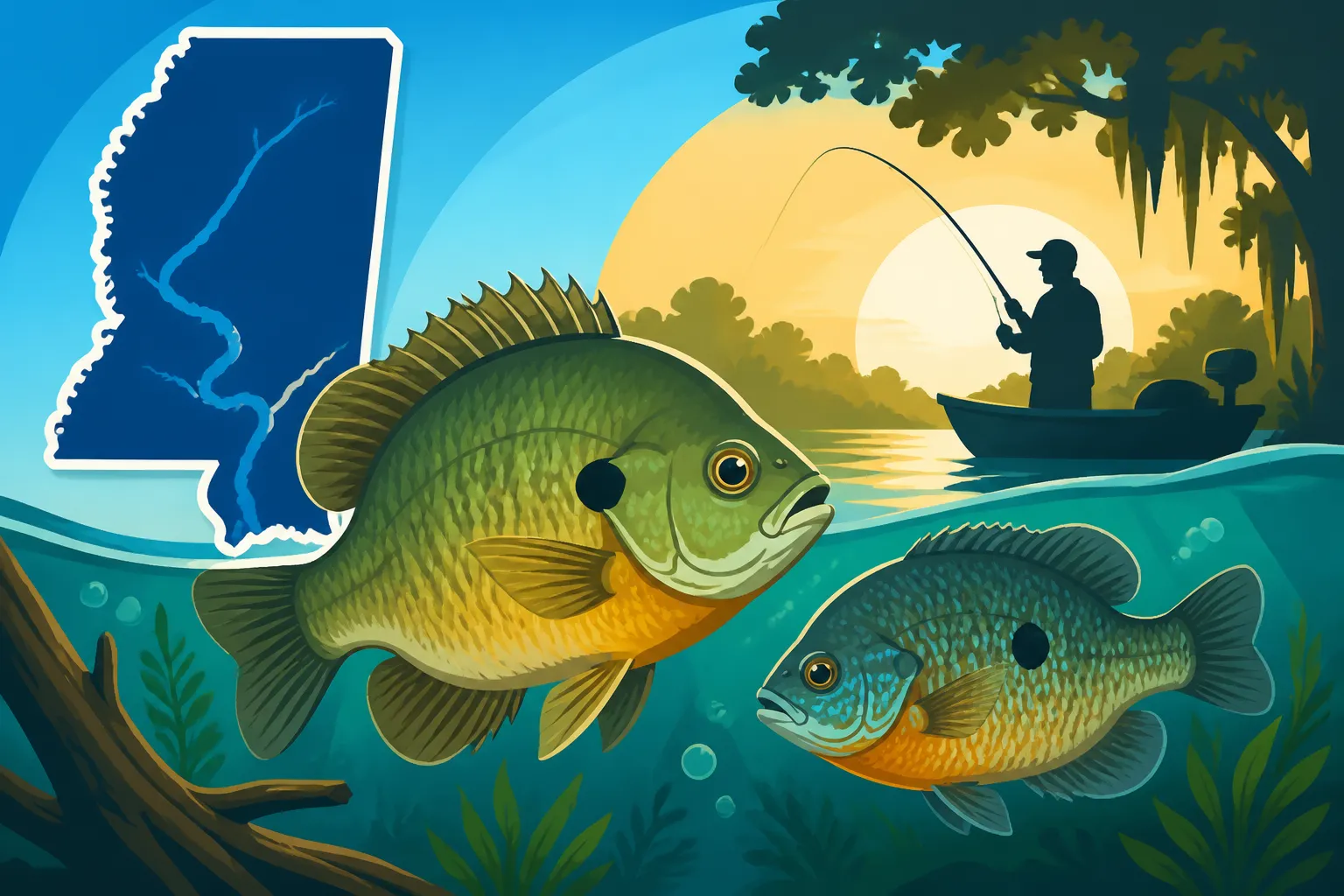
If there's one fish that epitomizes "bream" in Mississippi, it's the bluegill. Easily recognizable by their dark "ear" flap (part of their gill cover), vertically barred sides, and often a vibrant blue-green sheen, bluegill are perhaps the most common and beloved panfish in the state. They typically range from 6 to 10 inches, with some reaching over a pound, offering a surprisingly strong fight for their size. Catching a larger bluegill on ultralight gear can feel like wrestling a dinner plate!
Bluegill are found almost everywhere there's freshwater – from the smallest farm pond to the largest reservoir. They thrive in various conditions but generally prefer clear, warm water with plenty of vegetation or submerged structure to hide from predators and ambush prey. Their diet is diverse, including insects, small crustaceans, and even fish eggs, making them receptive to a wide range of baits. Their eagerness to bite and aggressive nature make them an absolute blast for anglers of all ages, proving that you don't need a trophy-sized leviathan to have an exhilarating day on the water.
Other Popular Bream Species to Target
While bluegill are the undisputed champions of the bream world, several other species contribute to the "bream" bounty in Mississippi and offer slightly different fishing experiences. The Redear Sunfish, affectionately known as "shellcrackers" due to their strong pharyngeal teeth used to crush snail shells, are another highly sought-after species. They often grow a bit larger than bluegill and prefer to feed on the bottom, making them a fun challenge for those who like to vary their tactics. You can identify them by the distinctive red or orange margin on their gill flap.
Then there's the Warmouth, a stockier, more bass-like sunfish with a mottled brown appearance and usually three to five dark lines radiating back from its eye. Warmouth tend to prefer muddier, slower waters and are often found in areas with heavy vegetation or woody debris. They're aggressive eaters and will readily strike at lures or live bait. Lastly, you might encounter Green Sunfish, which have a larger mouth than bluegill and a more elongated body, often with bright blue spots and a yellow-orange fringe on their fins. They are also aggressive and opportunistic feeders, commonly found in creeks and smaller ponds. Understanding these subtle differences can help you tailor your approach and appreciate the diversity of Mississippi's panfish population.
Prime Habitats: Where to Find Bream and Bluegill in Mississippi
One of the greatest things about bream and bluegill fishing in Mississippi is just how widespread these fish are. You don't need fancy equipment or a specific type of boat to find them; they're practically everywhere! However, knowing their preferred haunts can significantly increase your chances of a successful outing, whether you're casting from the bank or drifting from a boat. From vast reservoirs to hidden farm ponds, Mississippi offers an abundance of bream-rich waters. If you want a broader overview of the state's diverse fishing spots, you might find Best Fishing Spots in Mississippi a helpful read.
Lakes, Ponds, and Reservoirs
Mississippi's many lakes, ponds, and large reservoirs are absolute goldmines for bream and bluegill. These fish thrive in environments that offer a good mix of cover, food, and moderate water temperatures. When you're on a bigger body of water, look for shallow coves, especially those with lily pads, cattails, or other aquatic vegetation. These areas provide excellent ambush points, shelter from predators, and a rich feeding ground for insects and other small organisms. Submerged timber, brush piles, and fallen trees are also prime locations, as bream love to congregate around these structures.
Docks and piers, both public and private, are another fantastic spot. The shade they provide and the accumulated debris beneath them create perfect habitat. Reservoirs like Ross Barnett Reservoir, Sardis Lake, and Grenada Lake are renowned for their healthy populations of panfish, offering vast areas to explore. Don't be afraid to target shallow flats adjacent to deeper water, especially during the spring spawn, when bream will move into these areas en masse.
Rivers and Creeks
While not always the first place people think of for bream, Mississippi's numerous rivers and creeks can also provide excellent opportunities, particularly for species like warmouth and green sunfish, and certainly for bluegill. The key here is to focus on the slower-moving sections, particularly oxbows, backwaters, and eddies where the current is significantly reduced. Bream aren't typically found in strong, turbulent flows; they prefer the calmer, more sheltered areas.
Look for deadfall, logjams, and overhanging banks that offer shade and protection. Tributary creeks that feed into larger rivers are often excellent, especially after a good rain washes in nutrients and insects. The Pearl River, for example, has numerous sloughs and backwater lakes that can be teeming with bream. Fishing these spots often requires a bit more stealth and precision, as the fish can be tucked tight into cover, but the reward of pulling a chunky bream from a hidden creek bend is incredibly satisfying.
State Park Lakes and Community Ponds
For many, especially families or those just starting out, Mississippi's State Park Lakes and community ponds are the perfect places to enjoy bream and bluegill fishing. These waters are often well-managed by the Mississippi Department of Wildlife, Fisheries, and Parks (MDWFP) and are designed for accessibility. They're typically stocked and maintained, meaning healthy fish populations and often convenient amenities like fishing piers, boat ramps, and picnic areas. If you plan to visit one, you might need to understand Mississippi State Park Lake Fishing Permits.
These smaller, more controlled environments are ideal for introducing kids to fishing, as the chances of consistent bites are high. They often feature plenty of bank access, making them perfect for a relaxing afternoon without the need for a boat. Look for designated fishing areas, brush piles added for habitat, and any visible structure. These ponds provide a fantastic opportunity to enjoy the outdoors and fill a cooler with some delicious panfish without the pressure or complexities of larger, more challenging waters.
Essential Gear for Bream and Bluegill Success
One of the beauties of bream and bluegill fishing is that you don't need to break the bank on expensive equipment. In fact, some of the most enjoyable and effective setups are incredibly simple and affordable. The key is to choose gear that matches the size of the fish you're targeting, ensuring maximum fun and sensitivity for those subtle bites. If you're pondering what rod and reel combo to pick, a good general guide like Choosing the Right Rod and Reel for Mississippi Fishing can offer broader insights.
Rods, Reels, and Line
For bream and bluegill, ultralight or light spinning gear is the absolute way to go. A rod between 5 to 6.5 feet in length with a fast or moderate action will give you the sensitivity to detect light bites and enough backbone to handle even the largest shellcracker. Pairing this with a small, lightweight spinning reel (like a 1000 or 2000 series) makes for a balanced and comfortable setup that won't fatigue your wrist after a long day of casting. You can often find fantastic, ready-to-go ultralight combos at very reasonable prices, even on platforms like Amazon, making it easy to get started without a huge investment.
When it comes to fishing line, less is definitely more for bream. Spool your reel with 4-pound test monofilament line. This light line is virtually invisible in the water, allowing for natural bait presentation, and it provides an exhilarating fight when you hook into a feisty bluegill. While some anglers might opt for even lighter 2-pound test, 4-pound offers a good balance of strength and finesse, reducing frustrating line breaks when you inevitably snag a log or hook a slightly larger fish.
Hooks, Sinkers, and Floats
The terminal tackle for bream fishing is also straightforward and inexpensive. You'll want to focus on small hooks, typically sizes 6 to 10. A size 8 or 10 Aberdeen hook is a classic choice; its long shank makes it easier to remove from the fish's mouth, and its fine wire will straighten out if you get snagged, often saving your line and bobber. Always have a variety on hand to match your bait size.
For weight, a few small split shot sinkers are all you need. These small, pinch-on weights are perfect for adding just enough mass to cast your bait and help it sink naturally. Start with one or two small split shot (size BB or 3/0) placed a few inches above your hook, and adjust as needed based on current or depth.
And of course, no bream setup is complete without a bobber! Both fixed and slip bobbers have their place. Fixed bobbers are great for shallower water (up to your rod length) and are easy for kids to use. For deeper water or when you need to cast further, a slip bobber allows you to set your bait at virtually any depth while still casting easily. The key is to use a small, sensitive bobber that signals even the slightest nibble. Again, you can find multipacks of these essentials very affordably, often from sellers on Amazon, ensuring you're stocked up for many trips.
The Best Baits and Lures
Bream and bluegill aren't typically finicky eaters, which is fantastic news for anglers. However, some baits and lures are undeniably more effective than others. For live bait, nothing beats crickets. Their irresistible chirps and squirming action underwater are like a dinner bell for bream. You can usually buy them by the dozen at local bait shops. Next up are worms, specifically red wigglers or garden worms, which are also highly effective and easy to find or even dig up yourself. Small minnows can also work, especially for larger bream or when you might encounter a stray bass or crappie. If you're also interested in crappie, then Best Bait for Crappie in Mississippi might offer some crossover ideas.
If you prefer artificials, there are plenty of options that bream absolutely love. Small jigs, particularly those with a small tube body or a tiny grub tail, in colors like chartreuse, white, or black, are deadly. Tipping these jigs with a piece of a wax worm or a tiny bit of live bait can make them even more enticing. Beetle Spins, with their small spinning blade and grub body, are also highly effective, especially when cast and retrieved slowly. Tiny inline spinners like a Rooster Tail or Mepps Aglia are another great choice, mimicking small baitfish or insects. Experimentation is key; sometimes, the fish will prefer one over the other, so having a selection ensures you're ready for whatever they're biting on that day.
Tried-and-True Techniques for Mississippi Bream and Bluegill
Bream and bluegill fishing can be as simple or as nuanced as you want it to be. For beginners, the classic bobber setup is foolproof and instantly gratifying. For those looking for a bit more challenge or precision, there are techniques that can help you target bigger fish or reach them in trickier spots. The beauty is that all these methods are incredibly fun and effective in the right situations, making bream fishing a truly versatile pursuit.
Bobber Fishing: The Classic Approach
This is where most of us start, and for good reason: it’s effective, relaxing, and incredibly satisfying. To set up for bobber fishing, slide a fixed or slip bobber onto your line. If it's a fixed bobber, place it about 1 to 3 feet above your hook, depending on the depth you expect the fish to be. If it's a slip bobber, tie on a bobber stop first, then slide the bobber and finally tie on your hook. Attach one or two small split shot weights a few inches above your hook to help your bait sink and keep the bobber upright.
Now, bait your hook with a cricket, a small piece of worm, or a tiny artificial. Cast your rig gently near cover—think lily pads, submerged brush, or boat docks. Watch that bobber like a hawk! Bream bites can range from a gentle dip and wiggle to a sudden, decisive pull straight under the water. When it goes down, give it a moment to ensure the fish has the bait, then set the hook with a gentle upward sweep of your rod. It’s a timeless technique that never loses its charm, especially when fishing with kids or just enjoying a calm day on the water.
Bottom Fishing and Finesse Tactics
Sometimes, bream and bluegill aren't cruising the shallows or suspended mid-water; they're hugging the bottom, especially larger shellcrackers or during colder periods. This is where bottom fishing comes in. Instead of a bobber, you'll use a slightly heavier sinker, such as an egg sinker or a heavier split shot, placed just above a small swivel. Then, attach a short leader (6-12 inches) with your small hook. This allows your bait to rest naturally on the bottom while the sinker holds it in place.
This technique is particularly effective when targeting redear sunfish, which often forage along the lakebed for snails and other crustaceans. Drop your bait near structure in slightly deeper water and wait for the subtle tap-tap of a bite. You might need to experiment with different depths and casting distances to find the "sweet spot" where the fish are holding. This method requires a bit more patience and a keen eye for subtle rod tip movements, but it can yield some of the biggest bream in the lake.
Fly Fishing for Bream and Bluegill
For those seeking an elevated challenge and a unique experience, fly fishing for bream and bluegill is incredibly rewarding. It’s not just for trout; these panfish are perfect targets for a lightweight fly rod, offering furious fights on delicate tackle. A 3- or 4-weight fly rod with a floating line is ideal. You don't need to cast incredibly far, making it accessible even for novice fly anglers. You might also want to check out Fly Fishing for Bream in Mississippi for more in-depth tips.
Small poppers, especially during low light conditions or over weed beds, are absolutely exhilarating as you watch the bream explode on the surface. For subsurface action, small nymphs, wet flies, or even tiny streamers mimicking aquatic insects or small baitfish can be deadly. The key is a gentle presentation, letting the fly drift naturally near cover. The sight of a bluegill rising to take your fly, or the feel of a strong pull on a light fly rod, is an experience that can quickly make you a lifelong convert to fly fishing for these eager panfish. It's a fantastic way to truly connect with the fish and the natural environment.
Mastering the Seasons and Times
Understanding when and where bream and bluegill are most active throughout the year is crucial for consistent success. Like most fish, their behavior is heavily influenced by water temperature, spawning cycles, and available food sources. Mississippi's distinct seasons each offer unique opportunities, and knowing what to expect can help you plan your trips effectively. To get a broader sense of the year, take a look at the Mississippi Fishing Seasons Calendar.
Spring Spawn: The Bream Bonanza
Without a doubt, spring is the absolute prime time for bream and bluegill fishing in Mississippi. As water temperatures begin to rise, typically from April into early June, bream move into shallow, protected areas to spawn. This is often referred to as the "bream beds" or "nests," which are usually circular, fanned-out depressions in the lake or pond bottom. These beds are often concentrated, meaning if you find one, you'll likely find dozens of fish. While not exactly the same, some of the principles discussed in When Do Bass Spawn in Mississippi? about identifying spawning behaviors can apply.
During the spawn, bream become incredibly aggressive and protective of their nests, making them easy targets. They’ll readily hit almost any bait or lure presented near their beds. Look for these "dinner plate" sized depressions in shallow coves, along sandy points, or near submerged vegetation in 1 to 5 feet of water. You might even smell them before you see them; spawning bream often give off a distinct, musky odor. This is the time to load up your cooler with delicious fillets, but remember to practice responsible harvesting to ensure future generations of fish.
Summer Strategies: Dealing with the Heat
As Mississippi summers settle in and water temperatures climb, bream and bluegill behavior shifts. While you can still catch them in the shallows, particularly early in the morning or late in the evening when the water is cooler and light is low, they will often retreat to deeper, cooler water during the scorching midday heat. During these hotter periods, look for them around submerged brush piles, deeper docks, or along drop-offs where they can find thermal refuge.
Fishing shaded areas, like under cypress trees, boat docks, or bridges, can also be highly productive, as these spots offer cooler water and ambush points for passing prey. Don't be afraid to fish deeper than you would in spring; a slip bobber or a simple bottom rig can help you present your bait effectively at 8-15 feet or more. The bites might be a bit more subtle in the heat, so pay close attention. Early morning and late evening topwater action with small poppers can still be fantastic and thrilling, especially on calm summer evenings. This season demands adaptability and persistence, but the rewards are there for those willing to adjust their approach.
Fall and Winter: Finding the Schooling Fish
As autumn arrives and water temperatures begin to cool, bream and bluegill will start to school up. Their feeding activity often picks up as they prepare for the lean winter months. In the fall, look for them transitioning from shallow summer haunts to slightly deeper areas, particularly around creek channels, points, and humps in the 5-15 foot range. They might follow schools of baitfish, so if you see activity, there’s a good chance bream are nearby.
Winter fishing for bream, while possible, can be more challenging. Their metabolism slows down, and they become less active. They typically congregate in deeper, stable water, often suspended over creek channels or tucked into heavy cover like submerged timber or brush piles in 15-30 feet of water. A fish finder can be invaluable for locating these winter schools. Slow, subtle presentations with tiny jigs or miniscule pieces of live bait are key. While you won't likely experience the frenzied action of the spring spawn, catching a handful of large, healthy winter bream is a testament to skill and patience and can provide a very peaceful day on the water.
Regulations and Conservation for Sustainable Fishing
Fishing for bream and bluegill is a cherished pastime in Mississippi, enjoyed by countless anglers of all ages. To ensure these robust populations continue to thrive for future generations, it's incredibly important to understand and adhere to the state's fishing regulations and practice responsible conservation. After all, we want our kids and grandkids to experience the same joy of catching these feisty panfish!
Understanding Creel and Size Limits
Like most game fish, bream and bluegill in Mississippi are subject to creel (daily catch) and sometimes size limits. These regulations are set by the Mississippi Department of Wildlife, Fisheries, and Parks (MDWFP) to manage fish populations sustainably. While panfish often have generous daily limits compared to species like bass or crappie, it's absolutely vital to check the current regulations before you head out. These rules can vary slightly by specific body of water, and they are subject to change. A general overview of the statewide rules can be found by consulting Mississippi Fishing Creel and Size Limits.
Typically, there's a generous aggregate daily creel limit for sunfish (bream) that allows anglers to keep a good number of fish for a meal. However, some specific lakes or species might have unique rules, especially for larger specimens or certain types of sunfish. Ignorance of the law is never an excuse, so a quick check of the MDWFP website or their annual fishing regulations guide is always recommended. Adhering to these limits helps prevent overfishing and ensures that plenty of fish remain to reproduce and keep the ecosystem healthy.
Catch and Release vs. Keeping Your Catch
Bream and bluegill are not only fun to catch but also incredibly delicious table fare. They're perfect for frying up a classic Mississippi fish fry! However, responsible angling involves making informed decisions about which fish to keep and which to release. Many anglers choose to keep the smaller to mid-sized bream (say, 6-8 inches) for eating, as these often taste best and are abundant. Releasing the larger, older "breeder" fish, especially during the spawn, can contribute significantly to the health and genetic diversity of the population.
Practicing proper catch-and-release techniques is also important for any fish you decide to let go. Handle fish gently with wet hands, remove hooks quickly (barbless hooks can make this much easier), and if the fish is deeply hooked, it might be better to cut the line rather than try to tear the hook out. Support the fish in the water until it swims away under its own power. This balance of enjoying your harvest and conserving the resource is key to sustainable fishing.
Protecting Habitats for Future Generations
Conservation goes beyond just following creel limits; it's about being a good steward of the environment. Every angler has a role to play in protecting the precious freshwater habitats that support bream and bluegill populations. This means practicing "leave no trace" principles: always pack out everything you pack in, including fishing line, bait containers, and any other trash. Fishing line, in particular, can be deadly to wildlife, so dispose of it properly.
Avoid disturbing spawning beds unnecessarily during the spring. While it's tempting to target fish directly on their nests, excessive pressure can disrupt their reproductive cycle. Also, be mindful of shoreline erosion, avoid damaging aquatic vegetation, and never introduce non-native species into a body of water. Simple acts of responsibility, like being aware of Do You Need a License to Fish in Mississippi? and acquiring one, contribute to the funds that maintain these habitats. By respecting our waters and their inhabitants, we ensure that Mississippi remains a fantastic place to fish for bream and bluegill for many years to come.
Advanced Tips and Tricks for Experienced Anglers
Even though bream and bluegill are often seen as "beginner fish," there's always room to refine your techniques and elevate your game. For seasoned anglers, chasing bigger bream or consistently outsmarting finicky fish can present a rewarding challenge. These advanced tips focus on a deeper understanding of fish behavior, specialized gear, and strategic approaches that can turn a good day into a truly exceptional one.
Reading the Water and Interpreting Fish Behavior
Experienced anglers know that success isn't just about casting; it's about observation. Learning to "read the water" is a skill that takes time but pays huge dividends, especially for bream. Look for subtle signs: a ripple on the surface that isn't wind, a tiny splash from a feeding fish, or a slight discoloration in the water that might indicate a bream bed. Pay attention to how the wind, sun, and current affect different areas of the lake or pond. Fish behavior often changes based on these factors.
For instance, on a sunny day, bream might hold tight to shady areas under docks or overhanging trees. On a cloudy day, they might be more dispersed and active in open water. Understanding how barometric pressure changes affect fish activity can also give you an edge. A rising barometer often signals active feeding, while a sudden drop might make fish lethargic. By combining these observations with knowledge of structure and seasonal patterns, you can develop an intuitive sense for where the fish are and what they're likely to do next.
Specialized Rigs and Presentation
While simple bobber rigs and split shot setups are highly effective, there are times when a more specialized approach can unlock bites from cautious or deeper-holding bream. Drop-shotting, a technique usually associated with bass fishing, can be incredibly effective for bream when scaled down. Use a tiny hook (size 10-14) on a very short leader above a small pencil weight. This allows your small plastic bait or live bait to suspend horizontally at a precise depth, often triggering bites from suspended fish that ignore other presentations.
Micro-jigging is another finesse tactic. Employing incredibly small jigs (1/32 to 1/64 ounce) with tiny plastic bodies or even just bare lead heads, fished on ultralight line, can entice bites when fish are very shy. The key is a super slow retrieve or a subtle jigging motion that mimics a struggling insect. Using a fish finder to locate schools of bream, especially in deeper water during colder months, can drastically improve your success. This technology helps you pinpoint structure and groups of fish, rather than just guessing. If you're wondering how to leverage one effectively, How to Use a Fish Finder to Locate Crappie Brush Piles offers some excellent principles that can be adapted for bream.
Targeting Trophy Bream
While most bream are pan-sized, truly large bluegill or shellcrackers (those pushing a pound or more) are genuine trophies. Consistently catching these "slab" bream requires a bit more focus and often means looking beyond the crowded beds. Trophy bream are often solitary or in small groups and tend to prefer deeper, more complex cover than their smaller counterparts.
Target areas with old, submerged timber, deep brush piles, or significant depth changes like underwater humps or ledges. Live bait, especially larger red wigglers or crickets, can be more effective for enticing these bigger fish. Some anglers even use small minnows or pieces of shrimp. The presentation should be slow and precise, right into their suspected hiding spots. Remember, patience is a virtue when seeking out these giants. They don't bite as frequently as the smaller ones, but the fight from a foot-long bluegill on ultralight gear is an unforgettable experience, well worth the effort.
Mississippi Bream Species at a Glance
To help you distinguish between the common "bream" you might encounter in Mississippi, here's a quick comparison:
| Species | Common Appearance | Typical Size | Preferred Habitat | Best Bait/Lure | Notes |
|---|---|---|---|---|---|
| Bluegill | Dark ear flap, vertical bars, blue-green sheen | 6-10 inches | Clear, vegetated lakes/ponds, slow rivers | Crickets, worms, small jigs | Most common & popular panfish |
| Redear Sunfish | Red/orange margin on ear flap, mottled body | 7-12 inches | Clear lakes/ponds, usually deeper bottom | Worms, small jigs, snails | "Shellcracker", feeds on bottom |
| Warmouth | Mottled brown, bass-like mouth, radiating eye lines | 5-8 inches | Murky, heavily vegetated, slow water | Worms, small jigs/lures | Aggressive, often found in heavy cover |
| Green Sunfish | Larger mouth, blue spots, yellow/orange fins | 4-7 inches | Small creeks, ponds, tolerant of poor water | Worms, small jigs/lures | Opportunistic, very hardy |
Disclaimer
This article is for general informational purposes only and does not constitute professional advice. Laws, prices and regulations vary by location and change over time. Consult a qualified professional for guidance on your specific situation.