Redfish Fishing on the Mississippi Coast
There’s nothing quite like the thrill of a redfish pulling drag, especially when you’re standing on the beautiful Mississippi Gulf Coast. But let's be honest, successfully targeting these feisty bronze beauties isn't always as simple as casting a line. From figuring out the right tide to picking the perfect lure among countless options, it can feel overwhelming for both newcomers and seasoned anglers. This comprehensive guide is here to cut through the confusion, helping you understand redfish behavior, master effective techniques, select the best gear, and ultimately, put more Mississippi redfish in your net (or at least get a fantastic photo before a careful release!).
Understanding Redfish on the Mississippi Coast
Before we even talk about casting, let's get to know our target. Redfish, or red drum, are incredibly popular sportfish along the Gulf Coast for a reason – they're strong fighters, can grow to impressive sizes, and are quite plentiful if you know where to look. Understanding their basic biology and preferred hangouts is the first step toward consistent success.
Redfish Identification and Characteristics
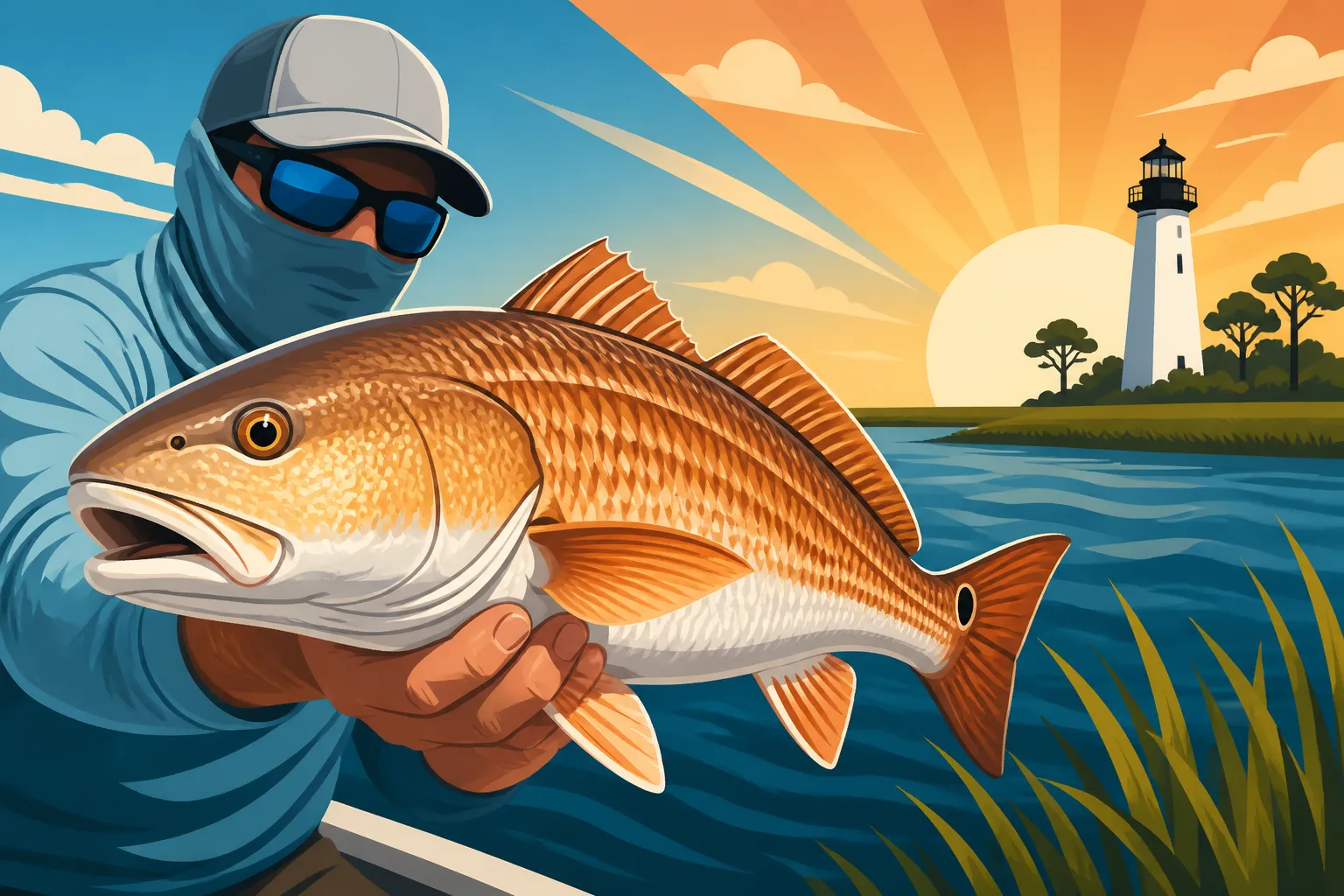
Identifying a redfish is usually pretty straightforward, but knowing a few key characteristics can help you distinguish them from similar species, especially when you're abiding by strict regulations. The most distinctive feature is that prominent black spot, or sometimes multiple spots, typically found near the base of their tail. While one spot is the most common, it’s not unusual to see redfish with several spots, or even none at all (though that's rarer). Their bodies are generally a coppery-bronze color on the top, fading to a lighter, almost white, belly. This coloration can vary depending on their habitat; fish caught in deeper, clearer water might appear lighter, while those from marshy, tannin-stained waters might have a darker, richer hue.
They possess a relatively long, robust body with a somewhat compressed head and a slightly underslung mouth, which is perfect for rooting around on the bottom for crustaceans and small fish. You'll notice their dorsal fins are well-separated, with a spiny first dorsal and a soft-rayed second dorsal. Juveniles often have a more pronounced dark stripe along their flanks, which fades as they mature. Keep these identifiers in mind, especially when you're sorting through your catch, as differentiating redfish from, say, a black drum can be crucial for staying within legal limits. For a broader look at what other species inhabit our waters, check out our guide on the Mississippi Saltwater Fish Species Guide.
Ideal Redfish Habitats Along the Coast
Redfish are incredibly adaptable and can be found in a wide variety of saltwater environments along the Mississippi Coast, from shallow marshes to deeper passes. However, they definitely have their preferred haunts where they can find food, shelter, and escape from predators. Think about areas that offer a combination of cover and feeding opportunities. Shallow estuaries, tidal creeks, and the vast marsh systems are prime real estate, especially for juvenile and "slot" sized redfish. Here, they'll cruise grass flats, oyster beds, and mangrove shorelines, using these features for ambush points and protection.
As redfish mature, particularly the larger "bull reds," they often move to deeper waters, congregating around jetties, offshore rigs, artificial reefs, and the mouths of larger bays and passes. These areas provide access to deeper, cooler water and a consistent flow of baitfish. Even within these broader categories, specific structures like submerged oyster reefs, rock piles, docks, and bridge pilings act as magnets for redfish at different stages of the tide. Understanding these preferred habitats is key to locating concentrations of fish, and once you start consistently fishing a few spots, you’ll quickly learn how redfish utilize these areas throughout the day.
The Redfish Life Cycle and Spawning
The life cycle of a redfish is fascinating and directly impacts where and when you might encounter them. Redfish are relatively long-lived fish, with some individuals reaching over 40 years of age! They typically spawn in the late summer and fall, generally from August through October, in coastal waters, often near inlets and passes where there's a good exchange of water between the Gulf and the bays. During this time, larger mature redfish, often referred to as "bull reds," gather in these areas to broadcast spawn. This is a thrilling time to be on the water, as these larger fish are more accessible.
After the eggs are fertilized, they drift with the currents into the calmer, nutrient-rich estuarine nursery areas. These shallow, protected marsh grass flats and tidal creeks are crucial for the survival of the larval and juvenile redfish. Here, they feed on tiny crustaceans and small fish, growing rapidly. As they mature, usually around 2-4 years old, they reach the legal "slot size" for anglers and begin to move more freely throughout the inshore bays and marshes. Once they grow beyond the slot limit (often called "over-slot" or "bull reds"), they tend to migrate to deeper coastal waters, returning to the passes and inlets only during spawning season. Knowing this cycle helps you predict where different sizes of redfish will be at various times of the year.
Best Times and Seasons for Redfish in Mississippi
Timing is everything in fishing, and targeting redfish is no exception. Understanding the seasonal movements and daily patterns of redfish on the Mississippi Coast can significantly increase your chances of success. It's not just about what bait you throw, but when and where you throw it.
Seasonal Patterns for Redfish Activity
The Mississippi Gulf Coast experiences distinct seasons, and redfish activity shifts with them.
-
Spring (March – May): As water temperatures rise, redfish become increasingly active after the cooler winter months. They'll push further into the shallow bays and marshes, often in search of baitfish that are also becoming more active. This is a fantastic time for sight fishing on the flats as the water clarity tends to improve and the fish are hungry. Look for them cruising oyster beds and mudflats, particularly on rising tides. This can be one of the most productive times of the year, especially from late spring into early summer before the extreme heat sets in.
-
Summer (June – August): The summer heat can make redfish fishing a bit more challenging, but it's far from impossible. In the dog days of summer, redfish often seek deeper, cooler water during the hottest parts of the day. They might move into shaded areas around docks, bridges, or deeper channels. Early mornings and late evenings become prime fishing times, as the sun is less intense. Large "bull reds" will also start to congregate near passes and deeper inlets as they prepare for the upcoming fall spawn. If you're out during midday, consider fishing around deeper structure or working baits slowly on the bottom.
-
Fall (September – November): This is often considered the peak redfish season on the Mississippi Coast. As water temperatures begin to cool, redfish become incredibly active. Baitfish are abundant and schooling up, prompting redfish to feed aggressively. The fall also marks the primary spawning season for bull reds, meaning you'll find large schools of mature fish around major passes and offshore structures. This is the time for exciting topwater action in the mornings and targeting those trophy-sized fish. The weather is generally more pleasant for anglers, too, making it an all-around great time to be on the water.
-
Winter (December – February): While less active, redfish can still be caught consistently in winter. They tend to school up in deeper holes, protected channels, and dark-bottomed areas that absorb more sunlight, offering slightly warmer water. Look for them in areas with good sun exposure during the day. Their metabolism slows down, so a slower presentation with live bait or a soft plastic can often be more effective. Fishing around oyster bars and mudflats on sunny days can also yield results as these areas warm up quickly. Don't let the cold deter you; winter can offer some surprisingly good fishing if you know where to look.
Impact of Tides and Weather on Redfish Bites
Just like any coastal species, redfish are heavily influenced by tides and weather patterns. Ignoring these factors is like trying to drive blindfolded – you might get somewhere, but it'll be by pure luck!
-
Tides: The movement of water from tides is paramount. Redfish use tidal currents to their advantage, ambushing baitfish that are swept along. Generally, a moving tide is better than a slack tide.
- Incoming (Rising) Tide: This often brings clearer, cooler, or more saline water into the bays and marshes, pushing baitfish into shallower areas. Redfish will follow this influx of water, particularly on grass flats and over oyster beds, to feed. This is often an excellent time for sight fishing in shallow areas.
- Outgoing (Falling) Tide: As the tide recedes, water (and baitfish) are flushed out of the marshes and back into deeper channels and bayou mouths. Redfish will often stage at these choke points, waiting to ambush anything that comes out. Look for them at the edges of marsh drains, points, and channel entrances.
- Slack Tide: This period, usually around high or low tide, can sometimes be slower as there's less current to move bait. However, it's not always dead. Sometimes, redfish will settle into deeper pockets or channels during slack tide, waiting for the current to pick up again. A slower, more deliberate approach might be needed during these times.
- Strong vs. Weak Tides: Stronger tidal movements (often during full or new moons) can stir up more bait and create more pronounced current breaks, which can be fantastic for fishing. Weaker tides might require more precise bait placement and slower presentations. Always check a local tide chart before heading out; it's one of your most valuable tools.
-
Weather: Weather plays a huge role.
- Wind: Wind can be a double-edged sword. A light breeze can create a 'chop' on the water, breaking up the surface and making it harder for redfish to spot you, while also pushing bait. However, strong winds can make casting difficult, muddy up the water, and generally make for an unpleasant day. Try to fish on the lee side of islands or land to find calmer conditions.
- Rain: Light rain can sometimes turn on a bite, especially if it cools the surface water slightly in summer or washes insects and small critters into the water, attracting baitfish. Heavy, prolonged rain can muddy the water, disperse bait, and make fishing tough. After a heavy rain, it's often best to wait for the water to clear a bit.
- Cold Fronts: A sudden cold front can shut down a redfish bite quickly. Fish often become lethargic and move to deeper, warmer water or seek sun-exposed mudflats. The day before a strong cold front often sees a fantastic bite as fish feed aggressively in anticipation of the change.
- Cloud Cover: Overcast days often prolong the morning and evening bites, as redfish are less affected by bright sun. On clear, sunny days, redfish might move to deeper water or seek shade.
A quick check of the local forecast and tide tables before each trip is non-negotiable for serious redfish anglers.
Prime Times of Day to Target Redfish
Beyond the seasonal and tidal influences, the time of day can also make a significant difference. Redfish, like many predators, often have peak feeding windows.
-
Early Morning (Sunrise to Mid-Morning): This is arguably the most consistent prime time for redfish, especially during spring, summer, and fall. The water is cooler, the light is low, and baitfish are often active. Redfish will move into shallower areas to feed aggressively. This is the ideal time for throwing topwater lures, as fish are more willing to chase prey on the surface. The low light also provides an advantage for anglers trying to approach wary fish in clear water.
-
Late Afternoon/Evening (Late Afternoon to Sunset): Similar to the mornings, the late afternoon and evening hours offer decreasing light and often a drop in water temperature, which can trigger another strong feeding period. As the sun gets lower in the sky, redfish may move out of deeper cover and back into more open areas to hunt. Topwater and shallow-running lures can be effective during this window.
-
Midday: While not always as productive as dawn and dusk, midday fishing can still be good, particularly during cooler months or on overcast days. In summer, however, redfish often retreat to deeper, cooler water or seek shaded structure like dock pilings, bridge abutments, or deep oyster reefs. When fishing midday in summer, consider using live bait soaked on the bottom, or slowly working soft plastics or spoons in deeper channels or around structure. Don't overlook the shade lines created by bridges or tall structures; redfish will often hold there for comfort and to ambush unsuspecting prey.
-
Night Fishing: While less common for redfish than for species like speckled trout or catfish, night fishing can be surprisingly effective for redfish, particularly for larger bull reds in deeper passes and around lighted docks or bridges. The lights attract baitfish, and the redfish follow. Live bait, cut bait, or slow-moving artificials can all produce bites after dark. Always exercise extra caution and have proper lighting if you venture out at night.
Essential Gear for Mississippi Redfish Fishing
Having the right tools for the job is paramount when chasing redfish on the Mississippi Coast. While you don't need to break the bank, investing in quality gear tailored for saltwater environments will make your experience more enjoyable and successful. It’s frustrating to lose a big fish because of faulty equipment, so let's make sure you're properly outfitted.
Rod, Reel, and Line Selection
The choice of rod, reel, and line directly impacts your casting distance, fighting power, and overall fishing experience.
-
Rods: For most inshore redfish applications, a 7-foot to 7-foot 6-inch medium to medium-heavy action spinning rod is a versatile choice. This length provides good casting distance for covering water, while the medium action offers enough backbone to fight powerful redfish and enough flexibility in the tip to accurately cast lighter lures. If you're primarily sight fishing very shallow flats and need pinpoint accuracy with lighter baits, a slightly shorter, more sensitive medium-light rod might be preferred. For targeting larger bull reds around deeper passes or jetties, you might want to step up to a heavy action rod for more leverage. Look for rods with good quality guides that can handle braided line without wear. Brands like Ugly Stik and Penn offer durable, saltwater-ready options that you can often find on Amazon.
-
Reels: A spinning reel in the 3000 to 4000 series size is ideal for most redfish scenarios. These reels strike a good balance between line capacity, drag power, and weight. Ensure your reel is rated for saltwater use, meaning it has corrosion-resistant components. A smooth, reliable drag system is crucial for fighting strong redfish without breaking your line. Again, Penn, Shimano, and Daiwa are reputable brands known for their saltwater reels. You'll want a reel that can hold at least 150-200 yards of line.
-
Line:
- Main Line (Braided): Braided line has become the standard for redfish fishing due to its superior strength-to-diameter ratio, zero stretch for increased sensitivity, and excellent casting distance. A 15-20 lb test braided line is perfect for most inshore redfish. You'll feel even the subtlest bites and have the power to pull fish out of cover.
- Leader (Fluorocarbon): Always connect a fluorocarbon leader to your braided main line. Fluorocarbon is nearly invisible underwater, which is a huge advantage when fishing for wary redfish in clear water. It also provides excellent abrasion resistance, protecting your main line from sharp oyster shells, barnacles, or the redfish's rough mouth. A 20-30 lb test fluorocarbon leader, typically 18-36 inches long, is a good choice. You can connect it to your braid using a strong knot like the FG knot, Alberto knot, or a simple double-uni knot. Many anglers buy leader material in bulk spools, which are readily available online and at local tackle shops.
Baits and Lures That Redfish Can't Resist
Redfish are opportunistic feeders, meaning they'll eat a wide variety of prey. Having a diverse selection of baits and lures will prepare you for different conditions and moods of the fish.
-
Live Bait: When the bite is tough, or you're targeting less active fish, live bait is often the king.
- Shrimp: Live shrimp are a redfish delicacy and almost always a reliable choice. You can fish them under a popping cork, on a jig head, or free-lined.
- Finger Mullet/Pinfish: These are excellent choices for larger redfish. Fish them live on a Carolina rig or under a float near structure.
- Crabs: Small fiddler crabs or pieces of blue crab are fantastic, especially for redfish rooting around oyster beds.
- Baitfish: Consider what's naturally in the water. If you see schools of menhaden or other small baitfish, a live one can be incredibly effective.
-
Artificial Lures: Artificials allow you to cover more water and actively seek out fish.
- Soft Plastics: These are incredibly versatile. Paddle tails, shrimp imitations, and jerk shads rigged on a jig head (1/8 oz to 1/2 oz depending on depth and current) are staples. Popular colors include 'new penny' (copper/brown), chartreuse, white, and clear with glitter. Brands like Z-Man and Berkley Gulp! are very popular. You can find a huge array of soft plastics on Amazon to build your collection.
- Spoons: Gold or silver weedless spoons (1/2 oz to 3/4 oz) are excellent for fishing over grass flats and shallow oyster beds. They cast a mile and have a fantastic wobbling action that redfish can't resist.
- Topwater Lures: Think noisy, splashing lures like "walk-the-dog" style baits or prop baits. These are exhilarating to use at dawn or dusk, or on overcast days, as redfish explode on them. Popular colors include white, chrome, and bone.
- Subsurface Plugs/Twitchbaits: These lures imitate injured baitfish, suspending or slowly sinking just below the surface. They can be very effective when redfish are finicky or when fishing around deeper structure.
- Jigs: Bucktail jigs, often tipped with a piece of shrimp or a small plastic trailer, can be deadly, especially in deeper water or around jetties.
Terminal Tackle and Accessories
Don't overlook the small but critical components of your setup.
- Hooks: When using live bait, a sharp, strong circle hook (1/0 to 3/0, depending on bait size) is generally preferred as it's safer for the fish (often hooking in the corner of the mouth) and reduces gut hooking. For artificials, your jig heads will come with hooks, but ensure they are stout and sharp.
- Weights/Sinkers: For Carolina rigs or when you need to get your bait down in current, an egg sinker (1/4 oz to 1 oz) is common. Split shots can be used to add a little weight to free-lined baits.
- Swivels: High-quality barrel or SPRO swivels can prevent line twist, especially when using live bait that spins.
- Popping Corks: Crucial for presenting live or artificial shrimp in shallow water. The "pop" mimics a feeding shrimp and attracts redfish.
- Pliers/Forceps: Essential for safely removing hooks from fish, especially those with sharp teeth or deep hooks.
- Net/Lip Grippers: A wide-mouth landing net with a rubberized mesh is ideal for safely landing redfish. Lip grippers can also be useful for controlling larger fish, but always support the fish's body, especially large ones, to avoid jaw damage.
- Cooler: To keep your catch fresh (if you plan to keep legal fish) and to store drinks and snacks.
- Sun Protection: The Mississippi sun is no joke! A wide-brimmed hat, polarized sunglasses (crucial for sight fishing!), long-sleeved UPF clothing, and sunscreen are non-negotiable. Don't forget to grab some quality polarized sunglasses on Amazon – they'll dramatically improve your ability to spot fish in the water.
- Tackle Box/Bag: A good quality, organized tackle box or bag will protect your gear and keep it accessible.
- Measuring Device: A tape measure or bump board is absolutely critical for ensuring your catch meets the legal size requirements. Always measure carefully before deciding to keep or release. You'll find specific details on sizes in Mississippi Fishing Creel and Size Limits.
Top Techniques for Catching Redfish
Now that you know where they live and what gear to use, let's talk about how to actually get those redfish to bite! There are several effective techniques, and the best one often depends on the specific conditions and location.
Sight Fishing the Flats
Sight fishing is one of the most exciting and rewarding ways to target redfish, especially in the shallow, clear waters of the Mississippi marsh and bay systems. The thrill of spotting a redfish "tailing" (feeding with its tail exposed above the water) or cruising the flats before making a precise cast is unmatched.
To excel at sight fishing, patience and stealth are key. You'll need good polarized sunglasses to cut through the glare on the water and a quiet approach, either poling a skiff, slowly wading, or using a kayak. Look for any movement or disturbance in the water – a sudden ripple, a nervous group of baitfish, or the distinct bronze flash of a redfish. Tailing fish are often actively feeding and usually more receptive to a well-placed bait.
Once you spot a fish, the goal is to cast ahead of it, allowing your lure or bait to sink or settle naturally near its path. Avoid casting directly on top of the fish, as this can spook them. A soft plastic rigged weedless on a light jig head, a weedless spoon, or a live shrimp free-lined are excellent choices for sight fishing. Work your retrieve slowly and deliberately, mimicking natural prey. This technique demands precision, but when a redfish turns and engulfs your lure right before your eyes, you'll understand why so many anglers are addicted to it. If you're really looking to hone this skill, our article How to Sight Fish for Redfish on the Flats offers even more in-depth advice.
Fishing Structure and Marsh Edges
Redfish frequently congregate around structure and along the edges of the marsh, using these features for ambush points and cover. This technique focuses on identifying these key areas and presenting your bait effectively.
Think about oyster reefs, submerged logs, rock piles, dock pilings, and the countless points and cuts within the marsh. These are natural congregation points for baitfish, which in turn attract redfish. Pay close attention to current. Redfish will often position themselves on the leeward side of structures, just out of the main current, waiting for food to be swept past them.
For marsh edges and smaller creeks, cast soft plastics, spoons, or live bait (under a popping cork or free-lined) parallel to the shoreline. Work your lure slowly, bumping it off the bottom or twitching it just above any grass beds. When fishing around oyster reefs, use weedless presentations to avoid snagging. Around docks and bridge pilings, drop live bait or soft plastics right up against the structure, allowing them to sink down where redfish might be holding in the shade or current breaks. This can be particularly effective in summer when fish seek cooler, deeper water. Understanding How to Catch Redfish in the Marsh will further enhance your success in these environments.
Pier and Surf Fishing for Redfish
You don't always need a boat to catch redfish on the Mississippi Coast. Piers and the surf offer fantastic access, particularly to larger "bull reds" during their fall spawning runs, but also to slot-sized fish throughout the year.
-
Pier Fishing: Piers like those in Biloxi, Gulfport, and Bay St. Louis provide access to deeper water and often extend over oyster reefs or into channels where redfish travel. The strategy here often involves using heavier tackle to cast longer distances. A standard pier setup might include a medium-heavy to heavy action spinning or conventional rod, capable of handling 20-40 lb test line. Rig a Carolina rig with a 1-3 oz egg sinker (depending on current), a strong swivel, a 20-40 lb fluorocarbon leader, and a 3/0 to 6/0 circle hook. Baits like cut mullet, whole dead shrimp, or live finger mullet are excellent choices. Cast out and let your bait sit on the bottom, or slowly retrieve it to cover ground. Remember to be courteous to other anglers and keep the pier clean.
-
Surf Fishing: The sandy beaches and adjacent guts (deeper troughs) along the Mississippi Sound are great places to target redfish. You'll typically need a longer surf rod (9-12 feet) to cast beyond the breaking waves and into the deeper troughs where redfish often cruise. A classic surf fishing rig is a "fish finder" rig or a Pompano rig, which usually incorporates a pyramid sinker (2-5 oz) to hold bottom in the surf, and a leader with a strong circle hook. Baits are similar to pier fishing: cut bait (mullet, menhaden), whole dead shrimp, or even sand fleas if you can find them. Cast out, set your rod in a sand spike, and wait for the bite! Look for signs of baitfish, diving birds, or any subtle changes in the water, like a darker trough running parallel to the beach.
Here's a quick comparison of common redfish techniques:
| Technique | Ideal Conditions | Preferred Lures/Baits | Pros | Cons |
|---|---|---|---|---|
| Sight Fishing | Shallow, clear water; sunny, calm days | Soft plastics (weedless), spoons, live shrimp | Highly visual, exciting, precise targeting | Requires good visibility, stealth, can be frustrating if fish are spooky |
| Structure/Marsh Edges | Moving tides; varying water clarity | Soft plastics (jig heads), spoons, live shrimp, cut bait | Consistent production, good for different conditions | Can get snagged easily, sometimes crowded |
| Pier Fishing | Strong tides, deeper access, fall bull run | Cut mullet, live bait, whole dead shrimp | Access to deeper water without a boat, good for larger fish | Can be crowded, requires heavier tackle |
| Surf Fishing | Moderate surf, moving tides, fall bull run | Cut mullet, dead shrimp, sand fleas | Accessible from shore, often targets larger fish in fall | Requires long casts, can be slow, weather-dependent |
| Kayak Fishing | Shallow water, skinny water access, stealth | Soft plastics, spoons, topwater, live shrimp | Excellent stealth, access to untouched areas, great exercise | Weather dependent, limited gear capacity, safety concerns |
Kayak Fishing Strategies for Redfish
Kayak fishing has exploded in popularity, and for good reason: it offers unparalleled stealth and access to waters that larger boats simply can't reach. For redfish on the Mississippi Coast, a kayak can be an absolute game-changer, allowing you to slip silently into shallow marsh ponds and skinny water creeks.
When kayak fishing for redfish, your primary advantage is stealth. Paddle quietly, minimize noise, and use a shallow anchor or stake-out pole to hold your position. This allows you to get much closer to wary fish without spooking them. Focus on fishing the marsh grass lines, oyster beds, and small drains that are often inaccessible from shore or larger vessels.
Your gear setup for kayak fishing will be similar to general inshore tackle, but you might lean towards slightly shorter rods for easier handling in the confined space of a kayak. Soft plastics on light jig heads, weedless spoons, and topwater lures are excellent choices. You'll be able to quickly change locations and cover a lot of ground by paddling. Always prioritize safety: wear your personal flotation device (PFD), carry a whistle, and let someone know your float plan. Also, be mindful of currents, especially in larger bayous or near passes, as paddling against a strong tide can be exhausting. A good waterproof bag for your essentials (phone, keys, wallet) is a must.
Navigating Mississippi Redfish Regulations
Fishing is a privilege, and with that comes responsibility. Understanding and adhering to Mississippi's fishing regulations for redfish is not just about avoiding fines; it's about ensuring the sustainability of this incredible fishery for future generations.
Understanding Size and Creel Limits
Regulations are put in place to manage fish populations and allow them to reproduce and grow. For redfish on the Mississippi Coast, there are specific size and creel (bag) limits you must follow. These limits can change, so always check the latest regulations from the Mississippi Department of Marine Resources (MDMR) or the Mississippi Department of Wildlife, Fisheries, and Parks (MDWFP) before each trip.
Typically, redfish are managed under a "slot limit." This means you can only keep fish that fall within a certain length range. Fish that are too small or too large must be immediately released. The purpose of a slot limit is to protect juvenile fish, allowing them to grow, and to protect large, mature breeding fish (the "bull reds") that are crucial for spawning.
- Minimum Size: This is the shortest legal length a redfish can be to be kept.
- Maximum Size: This is the longest legal length a redfish can be to be kept. Any fish larger than this must be released.
- Creel Limit (Bag Limit): This is the maximum number of legal-sized redfish you can keep per person per day.
Always carry a tape measure or a bump board to accurately measure your fish. If a fish is close to the limit, measure twice! It's better to release a fish you're unsure about than to risk a fine. Our article on Redfish Slot Limit on the Mississippi Gulf Coast delves deeper into these specific numbers, which are critical to remember.
Required Licenses for Redfish Anglers
Before you even make your first cast, you absolutely need to have the proper fishing license. Fishing for redfish on the Mississippi Coast falls under saltwater fishing regulations, meaning you'll need a Mississippi Saltwater Fishing License.
- Residents: If you're a Mississippi resident, you'll need a resident saltwater fishing license. There are usually various options, including annual licenses or combination hunting and fishing licenses.
- Non-Residents: Visitors from out of state will need a non-resident saltwater fishing license. These can also come in annual, short-term (e.g., 7-day), or even 1-day options, depending on the state's offerings. If you're planning a shorter trip, a Mississippi 1-Day and 3-Day Fishing Licenses might be a good option.
There are usually specific exemptions for certain age groups (e.g., very young children or seniors) or for those fishing on licensed charter boats (where the boat's license might cover all passengers). However, it's your responsibility to know if you're exempt or if you still need your own license. Never assume! The best course of action is always to check the MDWFP website or call their offices directly. Having a valid license is the foundation of legal fishing in Mississippi. You can find more information in the Mississippi Fishing License Guide.
Catch and Release Best Practices
Many anglers practice catch and release for redfish, either because they've caught an over-slot fish, they've already met their creel limit, or simply because they prefer to conserve the resource. Proper catch and release techniques are vital for ensuring the fish's survival after it swims away.
Here are some best practices:
- Minimize Fight Time: Try to land the fish as quickly as possible without "horsing" it in, which can cause undo stress. Use appropriate tackle that allows you to control the fish efficiently.
- Handle Gently: Support the fish horizontally, especially larger fish, avoiding lifting them vertically by the jaw or tail, which can damage their internal organs or spine. Keep your hands wet to avoid removing their protective slime layer.
- Use Proper Tools: Use de-hooking tools or pliers to quickly and safely remove hooks. If the fish is deeply hooked, especially in the gills or gut, cut the line as close to the hook as possible rather than trying to remove it, as this often causes more damage. Circle hooks significantly reduce deep hooking.
- Limit Air Exposure: Keep the fish in the water as much as possible. If you want a photo, get it ready quickly, take the picture, and get the fish back in the water within seconds. The longer a fish is out of water, the lower its chances of survival.
- Revive If Necessary: If a fish seems lethargic or stressed, gently hold it upright in the water, facing into a mild current, allowing water to flow over its gills. Don't let it go until it's strong enough to swim away on its own.
By following these practices, you play a crucial role in maintaining healthy redfish populations, ensuring that future generations of anglers can enjoy the same thrilling experiences you do.
Popular Redfish Fishing Spots on the Mississippi Coast
The Mississippi Gulf Coast boasts a diverse array of environments perfect for redfish, from sprawling marsh systems to bustling bays and deep passes. Knowing where to go is almost as important as knowing how to fish.
Back Bays and Estuaries
The intricate network of back bays and estuaries along the Mississippi Coast are truly the nurseries and playgrounds for redfish. These areas, characterized by their relatively calmer waters, abundant marsh grass, oyster reefs, and tidal creeks, hold a wealth of baitfish and crustaceans, making them prime redfish habitat.
- Biloxi Bay: This large bay, fed by several rivers, offers numerous opportunities. Look for redfish around the edges of the marsh grass islands, oyster reefs, and near the mouths of creeks that drain into the bay. The deeper channels and structure around the I-110 bridge can also hold fish, particularly on moving tides. Biloxi Bay Fishing Guide provides more specific details for this area.
- Bay St. Louis: On the western end of the coast, Bay St. Louis is another fantastic estuary with extensive marsh grass, scattered oyster beds, and numerous bayous feeding into it. The area around St. Louis Bay Bridge and the cuts leading into the main bay can be very productive. Shallow water sight fishing is excellent here on calm days.
- Pascagoula Bay: Further east, the Pascagoula River system creates a massive estuarine environment. The marshes and barrier islands here are renowned for holding healthy populations of redfish. Explore the smaller bayous, sloughs, and protected areas within the vast marsh, especially where oyster beds are present. The sheer amount of undeveloped marsh offers endless opportunities for anglers seeking solitude and aggressive fish.
When fishing these back bays and estuaries, pay close attention to the tide. Redfish will push deep into the shallowest parts of the marsh on incoming tides to forage, and then retreat to deeper channels and creek mouths as the tide falls, staging to ambush bait. A stealthy approach, whether by kayak, shallow-draft boat, or wading, is often most effective in these areas.
Barrier Islands and Passes
For anglers looking for larger fish, especially the impressive "bull reds," the barrier islands and their associated passes are often the hotspots. These areas provide direct access to the Gulf of Mexico, deeper water, and strong currents that funnel baitfish.
- Horn Island and Ship Island: These iconic barrier islands, part of the Gulf Islands National Seashore, are renowned fishing destinations. Redfish cruise the surf side of the islands, particularly in the guts and around the cuts and points. On the bay side, the calmer waters and grass beds can hold schooling redfish. The passes between the islands are major migratory routes for baitfish and predators alike. Horn Island Fishing Guide offers more insight into fishing these magnificent islands.
- Ship Island Pass: This main pass between Ship Island and Horn Island is a significant travel corridor. The strong currents here make it a prime location for casting heavy jigs, spoons, or soaking large live/cut baits on the bottom, especially during outgoing tides when bait is flushed out. Look for submerged structure and ledges that create current breaks where redfish can hold.
- Cat Island: To the west, Cat Island also offers excellent redfish opportunities, particularly around its numerous cuts and bays. The fishing pressure might be slightly less here compared to the more frequently visited Horn and Ship Islands.
Fishing these areas often requires a boat capable of handling open water conditions, as currents can be strong and the weather can change quickly. Always prioritize safety and keep an eye on marine forecasts.
Fishing Piers and Bridges
For land-based anglers or those without a boat, the numerous fishing piers and bridges along the Mississippi Coast offer excellent opportunities to hook into redfish. These structures provide access to deeper water, often over productive bottom, and their pilings offer cover and ambush points for fish.
- Biloxi Bay Bridge and I-110 Bridge: The pilings and surrounding waters of these bridges are known redfish hangouts. The structure creates current breaks and provides shade, attracting baitfish and, subsequently, redfish. Fishing live bait (shrimp, mullet) on a Carolina rig or a popping cork near the pilings can be very effective. Casting spoons or soft plastics along the shadow lines can also draw strikes.
- Ocean Springs Front Beach Pier: Public piers like this one extend into the bay, giving anglers access to fish that might otherwise require a boat. They are often built over or near oyster beds and deeper channels, making them prime spots.
- Waveland Pier: On the western end, the Waveland pier also offers good access to Bay St. Louis.
- Graveline Bayou Bridge: In the eastern part of the coast, bridges over bayous like Graveline can be very productive, especially if they span deep channels or areas with good current flow.
When fishing piers and bridges, be mindful of boat traffic if you're casting from a bridge, and always respect other anglers on a pier. Heavier tackle is often beneficial to handle the strong currents and to pull fish away from barnacle-covered pilings. Always remember your Mississippi Fishing License Guide and be aware of any local regulations specific to fishing from these structures. For a deeper dive into the specific best spots, check out Best Spots to Catch Redfish on the Mississippi Coast.
Advanced Tips and Troubleshooting for Redfish
Even with the best gear and knowledge of prime locations, redfish can sometimes be tricky. Learning to read the water, adapt to changing conditions, and avoid common pitfalls will set you apart from the average angler.
Reading the Water and Spotting Fish
Becoming proficient at reading the water is a skill that takes time, but it's invaluable for consistently finding redfish. It's about more than just looking for tailing fish; it's about interpreting subtle signs the water gives you.
- Color and Clarity: The color and clarity of the water can tell you a lot. Clear, greenish water often indicates higher salinity and can make redfish spooky, requiring longer casts and more subtle presentations. Muddy or stained water, often after heavy rains or strong winds, can make sight fishing impossible, but redfish are still there. In these conditions, rely on noisy lures, scented baits, or covering lots of ground to find them. The "mud lines" where clear water meets murky water can be particularly productive as baitfish congregate along these edges.
- Current and Structure: Look for how the current interacts with structure. Any change in current direction or speed, or any physical obstruction, will create a current seam or eddy. Redfish love to position themselves in these areas, expending minimal energy while waiting for food to be swept to them. This could be a point of land, a submerged oyster bar, a dock piling, or a channel bend.
- Baitfish Activity: Pay close attention to what the baitfish are doing. Are they schooling on the surface? Are they jumping nervously? Any sudden commotion or birds diving indicates feeding activity, and redfish are likely nearby. Look for schools of mullet or menhaden, as redfish are often close behind.
- Subtle Signs: Beyond tailing, look for other subtle signs. A "push" in the water might indicate a redfish cruising just below the surface. Mud boils or disturbed bottom can mean a redfish has just rooted up a crab or shrimp. A V-wake from a fish moving purposefully in shallow water is another dead giveaway. These small observations add up and give you crucial clues.
Adapting to Changing Conditions
The Mississippi Coast is dynamic, and conditions can change rapidly. The ability to adapt your strategy on the fly is a hallmark of a successful redfish angler.
- Water Temperature Swings: If a cold front moves through, don't keep throwing topwater lures in the middle of the day. Instead, slow down your presentation, switch to live bait or soft plastics worked slowly on the bottom, and target deeper holes or sun-warmed mudflats. Conversely, if temperatures are rising rapidly, expect fish to be more active, potentially moving shallower or chasing faster-moving baits.
- Tidal Shifts: As the tide changes from incoming to outgoing, or vice-versa, your fishing spot and technique should likely change too. On an incoming tide, target grass flats; on an outgoing tide, focus on marsh drains and creek mouths. Don't be afraid to move if your current spot isn't producing after a tidal change.
- Wind and Water Clarity: If a sudden strong wind muddies up your favorite clear-water flat, don't stick it out. Move to a protected leeward shoreline, or switch to louder, scented baits that redfish can find by sound and smell in murky water. If the water clears up after a period of murkiness, you might find redfish back on the flats and receptive to sight fishing again.
- Pressure Changes: While hard to measure without specialized gear, noticeable drops in barometric pressure (often before a storm) can make fish feed aggressively, while high, stable pressure can make them lethargic. Adjust your bait size and retrieve speed accordingly.
The best advice here is to always have a few different plans in your head based on various conditions. If plan A isn't working, don't be stubborn – switch to Plan B or C.
Common Mistakes and How to Avoid Them
Even experienced anglers fall into traps sometimes. Being aware of common redfish fishing mistakes can help you avoid frustration and improve your catch rate.
- Being Too Loud/Not Stealthy Enough: Redfish, especially in shallow water, are incredibly wary. Banging gear around in your boat, stomping on the deck, or making loud noises can easily spook an entire school. Approach quietly, use a push pole or trolling motor, and minimize unnecessary noise.
- Not Paying Attention to Baitfish: The redfish are often where the baitfish are. If you're fishing an area that seems devoid of bait, chances are the redfish aren't there either. Look for signs of bait activity, and fish where the food is concentrated.
- Fishing with Dull Hooks: A dull hook is a missed opportunity. Redfish have tough mouths. Always check your hook points regularly and sharpen them if needed. This is a simple step that many overlook but makes a huge difference.
- Using Too Heavy of a Leader/Line: While you need strong line for redfish, using an unnecessarily heavy fluorocarbon leader (e.g., 50 lb test when 25 lb would do) can make fish more wary, especially in clear water. Match your leader to the conditions and fish size.
- Ignoring the Tide: We've said it before, but it bears repeating: the tide dictates redfish movement. If you're consistently fishing slack tide and wondering why nothing's biting, you're missing the crucial window. Always fish the moving water.
- Not Adjusting to Water Depth: Redfish don't always stay in the same depth. In summer, they might be deep; in spring, they might be shallow. If you're only fishing the bottom and not getting bites, try presenting your bait higher in the water column, or vice versa.
- Not Checking Regulations: This isn't just a mistake, it's a legal issue. Not knowing the current size and creel limits can result in significant fines and penalties. Always, always check the current Mississippi Fishing Regulations Explained before you go.
- Getting Discouraged: Fishing can be tough! There will be days when the fish just aren't biting, no matter what you do. Don't let it get to you. Every outing is a learning experience, and persistence often pays off. Try a new spot, switch baits, change your retrieve, or just enjoy being on the water.
By understanding redfish behavior, mastering effective techniques, selecting the right gear, respecting regulations, and learning from experience, you'll be well on your way to becoming a skilled redfish angler on the Mississippi Coast. Tight lines!
Disclaimer
This article is for general informational purposes only and does not constitute professional advice. Laws, prices and regulations vary by location and change over time. Consult a qualified professional for guidance on your specific situation.