Speckled Trout Fishing on the Mississippi Coast
Oh, the speckled trout! There's nothing quite like the thrill of a hard hit and the fight of a beautiful speckled trout on the end of your line. If you've ever dreamt of casting your line into the calm, salty waters of the Mississippi Gulf Coast and reeling in these prized fish, but feel a bit overwhelmed by where to start or how to consistently find them, you're in the right place. This guide is dedicated to equipping you with all the knowledge and tips you'll need to successfully target and catch speckled trout along our beautiful coast, from understanding their habits to mastering the techniques that lead to a full cooler.
Understanding Mississippi's Speckled Trout
Before you can truly master the art of catching speckled trout, or "specks" as we affectionately call them around here, it's crucial to understand a bit about these incredible fish. They're not just any fish; they're an iconic species that defines inshore fishing on the Mississippi Coast, offering both a fun fight and a delicious meal. Knowing their characteristics and preferences will give you a significant advantage out on the water.
What is a Speckled Trout?
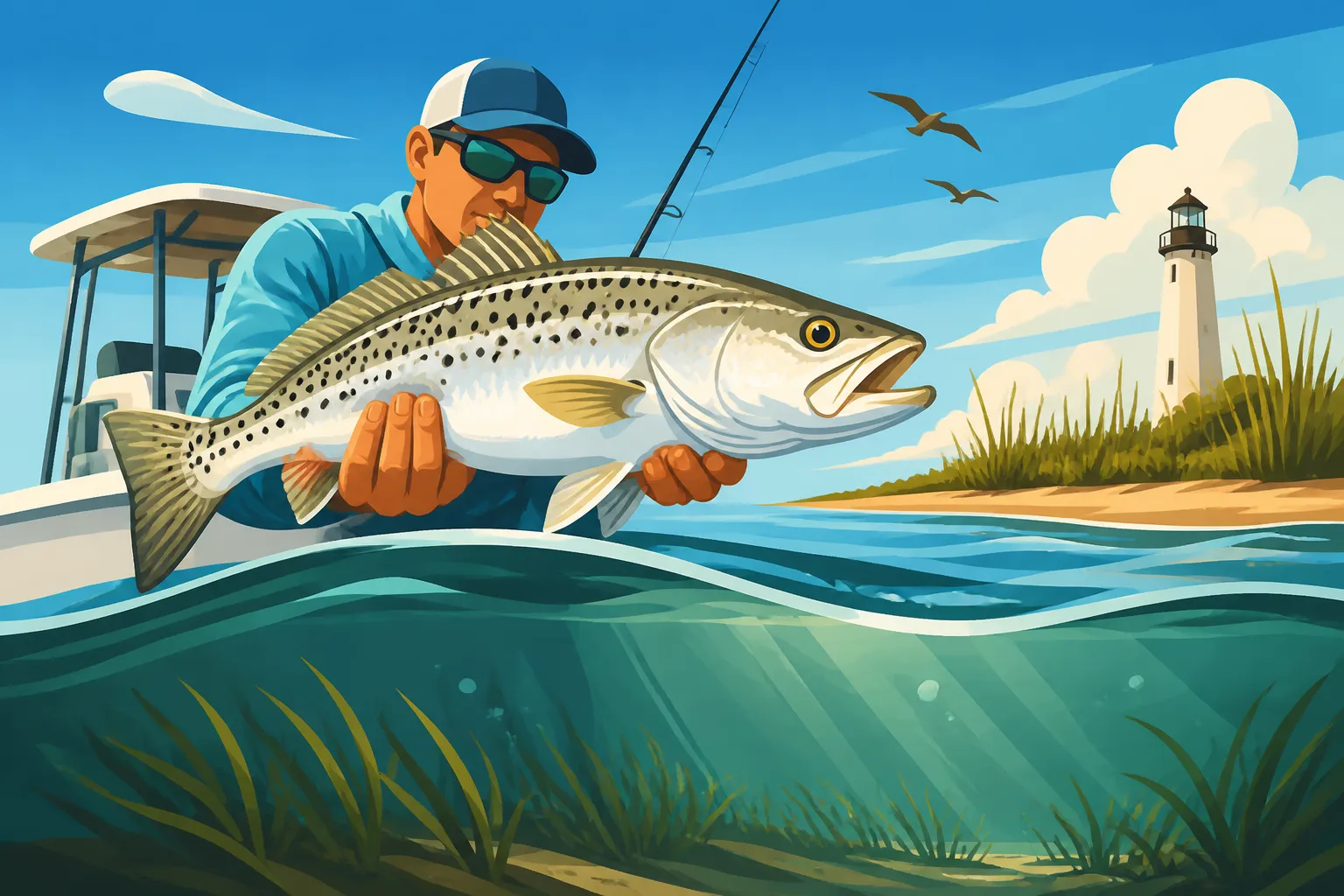
The spotted seatrout, or speckled trout (scientific name: Cynoscion nebulosus), is a member of the drum family, easily identifiable by the distinctive black spots scattered across its back and fins. Their bodies are typically silvery-grey to greenish on the back, fading to a lighter, often pearlescent white on their bellies. They possess two prominent canine-like teeth in the upper jaw, which they use to grasp their prey. These teeth aren't for biting through lines as much as they are for holding on tight, so watch your fingers when you're unhooking one! They are an inshore species, meaning they prefer the relatively shallow, brackish waters of estuaries, bays, and sounds, thriving where fresh river water meets the salty Gulf.
One of the most appealing aspects of speckled trout for anglers is their voracious appetite. They are ambush predators that love to chase down baitfish, shrimp, and crabs. This aggressive feeding behavior makes them an exciting target, as they often strike with a fierce tug on the line. Their fighting style is characterized by strong runs and impressive head shakes, especially when they get closer to the boat or the bank. For many, catching a "gator trout" – a large, mature speckled trout – is a bucket list item, and the Mississippi Coast offers excellent opportunities for just that.
Ideal Habitats and Behavior
Speckled trout are highly sensitive to water conditions, especially temperature and salinity. They generally prefer water temperatures ranging from the mid-60s to high 70s Fahrenheit, which is why their activity levels peak during spring and fall in Mississippi. In summer, they might move to deeper, cooler waters, or seek out areas with good tidal flow and shade. As for salinity, while they thrive in brackish environments, they can tolerate a wide range, from nearly fresh water in river mouths to the saltier waters closer to the barrier islands. This adaptability means you can find them in a variety of coastal zones.
Their behavior is largely dictated by their predatory nature and the availability of food. Specks often congregate around structures that offer ambush points or serve as feeding grounds. This includes grass beds, oyster reefs, jetties, piers, drop-offs, and even subtle changes in bottom contour. They tend to be more active during periods of moving water, such as incoming or outgoing tides, which bring baitfish and shrimp within reach. Understanding these preferences helps anglers narrow down potential fishing spots and increases the chances of a successful outing. You'll often find them lurking at the edges of these structures, ready to dart out and ambush an unsuspecting meal.
Prime Locations for Speckled Trout on the Mississippi Coast
The Mississippi Gulf Coast offers a fantastic array of fishing grounds for speckled trout. From the vast expanse of the Mississippi Sound to the intricate network of bays and bayous, there's a perfect spot for every angler, whether you prefer fishing from a boat, kayak, or the bank. Knowing where to go is half the battle, and our coast provides some truly productive areas.
Fishing the Mississippi Sound and Barrier Islands
The Mississippi Sound, a large, shallow body of water protected by barrier islands like Cat Island, Ship Island, and Horn Island, is perhaps the most famous speckled trout destination on the coast. These islands act as a natural buffer, creating calmer waters where trout can thrive. The sheer size of the sound means there are endless opportunities, from fishing the deeper channels to exploring the shallower grass beds. Mississippi Sound Fishing Guide can offer even more insights into this incredible fishery.
Around the barrier islands themselves, you'll find some exceptional fishing. The passes and channels between the islands are natural highways for baitfish and shrimp, making them prime ambush points for hungry trout. Look for areas where submerged grass beds meet deeper cuts, or where tidal currents create eddies. Drift fishing with live shrimp or casting artificials like soft plastics can be incredibly effective here. The protection offered by the islands also makes it a great spot on days when the winds are up, providing relatively calm waters compared to the open Gulf. Many anglers find the tranquility of fishing near the barrier islands to be an experience in itself, often yielding not just trout, but also redfish and flounder.
Productive Bays and Estuaries
Moving inland, the numerous bays and estuaries along the coast are speckled trout havens. Places like Biloxi Bay, Bay St. Louis, and the Pascagoula Bay system offer rich, nutrient-filled waters that support abundant baitfish populations, which in turn attract large numbers of trout. These areas are characterized by extensive shallow flats, oyster reefs, marsh grass, and intricate bayou systems, all of which provide excellent habitat. Biloxi Bay Fishing Guide and Bay St. Louis Fishing Guide can give you detailed information for these specific hotbeds.
When targeting trout in these bays, focus on oyster reefs (which provide cover and food), the edges of marsh grass (especially during higher tides), and areas around structure like docks, pilings, and bridges. Tidal flow is paramount here; fish the moving water. An incoming tide often pushes bait into the bay, while an outgoing tide can pull bait from the marshes, concentrating it in certain areas. Whether you're casting from a boat, wading the flats, or trying your luck from a pier, these bays are consistently productive. They offer a diverse fishing experience, often allowing you to catch trout alongside redfish and flounder in the same outing, making for a truly memorable day.
Piers, Jetties, and Man-Made Structures
For anglers who prefer not to use a boat, or for those looking for easily accessible fishing, the numerous piers and jetties along the Mississippi Coast are fantastic places to target speckled trout. These structures act like giant artificial reefs, attracting baitfish and providing cover for predatory fish. The pilings of bridges and docks also create similar environments, drawing in schools of trout. Best Gulf Coast Piers for Fishing in Mississippi provides a great overview of these accessible spots.
On piers and jetties, focus your efforts around pilings, lights (especially at night, when the light attracts bait), and any areas where the current creates eddies or breaks. Live shrimp fished under a popping cork is a classic and highly effective method here. Casting artificial lures like MirrOlures or soft plastics rigged on a jig head can also produce excellent results. When fishing around bridges, cast parallel to the pilings or into the current lines, letting your bait drift naturally. These locations are excellent for anglers of all skill levels, offering convenience and the potential for a great catch, often with the added bonus of catching other species like redfish or even a flounder.
Essential Gear for Speckled Trout Fishing
Having the right tackle can make all the difference in your speckled trout fishing success. While you don't need the most expensive gear on the market, choosing tackle that's appropriate for the species and the environment will greatly enhance your experience. It's about finding that balance between sensitivity and power to effectively present your bait and fight these feisty fish.
Rod and Reel Setup
For speckled trout, a medium-light to medium power spinning rod, typically 6'6" to 7'6" in length, is ideal. This length provides good casting distance while still offering the sensitivity needed to detect subtle bites. A fast action tip is preferred, as it allows for quick hook sets and better feel of your lure or bait. Pair this with a reliable spinning reel in the 2500 to 3000 size range. These reels offer a good balance of line capacity, smooth drag, and comfortable retrieve for inshore applications. A smooth drag system is absolutely critical, as speckled trout, especially the larger ones, can make powerful runs.
When selecting a rod, look for something with a comfortable grip, as you'll be casting frequently. Many anglers prefer cork or EVA foam handles for their comfort and durability in a saltwater environment. The reel should be saltwater-resistant, with sealed bearings and anti-corrosion features, as saltwater can be incredibly harsh on equipment. While there are many high-end options, even mid-range rods and reels can provide excellent performance and longevity if properly cared for. Many reputable brands offer combos that are perfectly suited for speckled trout, making selection easier for beginners.
Fishing Line and Leaders
For your main line, braided line in the 10 to 15-pound test range is a popular choice for speckled trout. Braid offers superior sensitivity, minimal stretch for solid hook sets, and excellent casting distance. Its thin diameter for its strength also allows you to spool more line onto your reel. The main drawback of braid is its visibility, which is why a leader is crucial. As a general rule, use high-visibility braid colors so you can easily track your line, then connect it to a clear leader.
A fluorocarbon leader is highly recommended for speckled trout. Fluorocarbon is nearly invisible underwater, providing a stealthy presentation that won't spook wary trout. It also offers good abrasion resistance, which is helpful when fishing around oyster shells or other sharp structures. A 15 to 25-pound test fluorocarbon leader, about 2-3 feet in length, is a good starting point. You can attach your leader to your main line using a strong knot like the FG knot or a double uni knot. Many anglers also find a small, high-quality swivel to be beneficial, especially when using baits that might twist your line. Remember, the goal is to make your presentation as natural as possible while maintaining the strength to land a good fish. You can find excellent fluorocarbon leader material on platforms like Amazon, ensuring you're ready for your next trip.
Terminal Tackle Essentials
Your terminal tackle refers to everything at the end of your line, from hooks to weights. For speckled trout, simple yet effective setups are usually best. When fishing with live shrimp under a popping cork, you'll need:
- Popping Corks: These are iconic for speckled trout. They create a "pop" sound when jerked, mimicking the sound of feeding shrimp and attracting trout. Sizes vary, but a medium-sized cork is generally versatile.
- Hooks: Kahle hooks or small treble hooks (size 4 to 1/0) are popular for live shrimp. Circle hooks can also be effective, especially if you want to minimize gut-hooking.
- Weights: A small split shot or an egg sinker (1/8 to 1/4 oz) might be needed to keep your live bait down, especially in current.
For artificials, jig heads are indispensable. A 1/8 to 1/4 ounce jig head, paired with a soft plastic lure, is a go-to setup. The weight of the jig head will depend on the depth and current you're fishing. Keep a variety of sizes and colors on hand to adapt to different conditions. Always ensure your hooks are sharp, and consider carrying a hook sharpener or replacing dull hooks frequently. A tackle box stocked with these essentials, including extra leaders, snaps, and swivels, will ensure you're prepared for whatever the speckled trout throw your way.
| Tackle Type | Recommended Specs | Why It's Important |
|---|---|---|
| Rod | 6'6" – 7'6" Medium-Light to Medium | Good casting, sensitivity, quick hook sets. |
| Reel | 2500 – 3000 Spinning, Saltwater Rated | Smooth drag, good capacity, corrosion resistance. |
| Main Line | 10-15 lb Braided | Sensitivity, strength, casting distance. |
| Leader | 15-25 lb Fluorocarbon, 2-3 ft | Nearly invisible, abrasion resistant, stealthy. |
| Popping Corks | Medium size | Attracts trout, suspends bait, visual strike indicator. |
| Jig Heads | 1/8 – 1/4 oz | Versatile for soft plastics, various depths/currents. |
| Hooks | Kahle, Treble, or Circle (4 – 1/0) | Securely holds live bait. |
| Swivels/Snaps | Small, high-quality | Prevents line twist, quick lure changes. |
Top Baits and Lures for Speckled Trout
One of the joys of speckled trout fishing is the variety of baits and lures you can use to catch them. While they can be particular at times, having a selection of both live bait and artificials, and knowing when to use each, will make you a much more successful angler.
Live Bait Options
When it comes to consistently catching speckled trout, especially when they're a bit finicky, live bait is often the king. Nothing quite mimics the natural movement and scent of a live meal, and trout find it incredibly hard to resist. The two most popular live baits on the Mississippi Coast are shrimp and baitfish.
Live Shrimp: Without a doubt, live shrimp are the most effective and widely used bait for speckled trout. Trout absolutely love them, and it's rare to find a coastal angler who doesn't have a livewell full of them. You can fish live shrimp in several ways:
- Under a Popping Cork: This is a classic and highly effective method. The cork suspends the shrimp at a desired depth (usually 1-3 feet), and a periodic twitch of the rod tip creates a "pop" that draws attention. When the cork disappears, set the hook!
- Free-Lined: In areas with minimal current or when trout are shy, a free-lined shrimp (with no weight or cork) allowed to drift naturally can be deadly.
- On a Jig Head: A live shrimp threaded onto a light jig head can be cast and retrieved, allowing you to cover more water and present the bait closer to the bottom or structure.
Always use fresh, lively shrimp. Keep them in a well-aerated livewell or bucket. Hook them carefully through the horn or just under the tail, being sure not to damage vital organs, to ensure they remain active and appealing.
Live Baitfish: Small baitfish such as finger mullet, pilchards, or croakers are also excellent for tempting larger speckled trout. While perhaps not as universally effective as shrimp, live baitfish can often entice the "gator trout" that might ignore smaller offerings.
- Under a Popping Cork or Free-Lined: Similar to shrimp, baitfish can be fished under a cork or free-lined near structure.
- On a Slip Sinker Rig: When targeting deeper holes or channels, a slip sinker rig (where the weight slides freely on the main line above a swivel and leader) can present a live baitfish effectively on the bottom.
Hook baitfish through the lips or behind the dorsal fin to keep them swimming naturally. These baits are particularly effective in areas where trout are accustomed to feeding on larger prey, and their struggles are often irresistible to a hungry speck.
Artificial Lures for Active Trout
While live bait is hard to beat, artificial lures offer the advantage of covering more water, being readily available, and often provoking an aggressive reaction strike from active trout. Plus, many anglers simply prefer the challenge and satisfaction of catching fish on lures. You'll want to have a good assortment in your tackle box.
Soft Plastics: These are arguably the most versatile and effective artificial lures for speckled trout. Soft plastic "paddletails," "shrimp imitations," "grubs," and "flukes" can be rigged on a jig head (1/8 to 1/4 ounce is common). The retrieve is key:
- Bounce and Drag: Cast out, let it sink to the desired depth, then use short hops and pauses along the bottom.
- Steady Retrieve: A slow, steady retrieve can be effective, especially with paddletails, mimicking a swimming baitfish.
- Twitch, Twitch, Pause: For shrimp imitations, try a few quick rod twitches followed by a pause, just like a darting shrimp.
Popular colors include "chartreuse," "pearl," "pink," "glow," and natural baitfish patterns. Brands like MirrOlure and Berkley Gulp! make excellent soft plastics that are proven trout catchers. Having a variety of colors allows you to adapt to water clarity and lighting conditions. For instance, brighter colors might work better in murky water, while natural shades are often preferred in clear conditions. Don't forget to keep a selection of jig head weights too, for different depths and currents.
Topwater Lures: There's nothing quite as exhilarating as a speckled trout blowing up on a topwater lure at dawn or dusk. These lures, designed to float and create commotion on the surface, are incredibly effective when trout are actively feeding near the surface, typically during low light conditions or when baitfish are schooling on top.
- "Walk-the-Dog" Baits: Lures like Heddon Super Spooks or MirrOlure Top Dogs are designed to "walk" from side to side with a rhythmic retrieve, mimicking a distressed baitfish.
- Poppers: These lures have a cupped face that creates a "chug" or "pop" when retrieved, drawing aggressive strikes.
Topwater lures are best used when the water is relatively calm. The key is to work them with a consistent cadence, making them irresistible to hungry specks. The strikes are often explosive and unforgettable. Just make sure your hooks are sharp, as trout can sometimes swipe at topwaters without fully committing.
Suspending and Sinking Hard Baits: These lures fill the gap between topwater and soft plastics fished on the bottom. Suspending twitch baits (like MirrOlure MirrOdine) are designed to sink to a specific depth and then suspend there when paused, mimicking a wounded baitfish. Sinking lipless crankbaits or spoons can also be effective, especially when trout are feeding on deeper schools of bait or when you need to cast a long distance.
- Twitch Baits: Cast out, let it sink to depth, then use a series of rod twitches followed by pauses. Most strikes occur on the pause.
- Spoons: Cast and retrieve with a steady motion, allowing the spoon to flutter and flash like a fleeing baitfish. Spoons are particularly good for covering a lot of water quickly.
These hard baits often have a strong vibration or flash that can call in trout from a distance. Experiment with different retrieve speeds and pause durations to find what the fish prefer on any given day.
Effective Speckled Trout Fishing Techniques
Catching speckled trout consistently isn't just about having the right gear; it's also about mastering the techniques to present your bait effectively and understanding how to "read" the water. There are several proven methods that anglers use on the Mississippi Coast, each with its own nuances and ideal conditions.
Popping Cork Presentation
The popping cork rig is practically synonymous with speckled trout fishing on the Mississippi Coast, and for good reason—it's incredibly effective, especially with live shrimp. The concept is simple: a float (the cork) suspends your bait a certain distance below the surface, and by "popping" the cork, you create a sound and splash that mimics a feeding shrimp or a predator attacking bait, drawing curious trout in.
To set up a popping cork rig, you'll need a popping cork, a leader (usually 18-36 inches of fluorocarbon), a swivel (optional, to connect the leader to the main line), and a hook (Kahle or small treble are common). Thread your main line through the cork, tie on a swivel if desired, then attach your leader and hook. Hook a live shrimp through the horn or just behind the head, being careful not to kill it. The depth you set the cork for depends on the water depth and where the fish are holding, but often 1-3 feet is a good starting point. Cast the rig out and let it settle. Then, with a sharp twitch of the rod tip, "pop" the cork. Wait a few seconds, then pop it again. The key is to vary the retrieve and pause, listening for the distinctive "slurp" or watching for the cork to disappear. How to Fish Live Shrimp Under a Popping Cork can offer more visual guidance on this technique. This method is particularly effective around grass beds, oyster reefs, and channels with moderate current.
Jigging and Retrieving Soft Plastics
Jigging soft plastics is another incredibly productive technique for speckled trout, allowing you to cover various depths and adapt to different feeding behaviors. The versatility of soft plastics means you can mimic almost any baitfish or shrimp that trout feed on. The basic setup involves a soft plastic lure rigged on a jig head.
The retrieve is crucial here. Trout often prefer a retrieve that mimics a wounded or struggling bait. A common technique is to cast out, let the jig sink to the desired depth (often just above the bottom), then use a series of short, sharp lifts of the rod tip (jigs) followed by pauses. Most strikes occur as the lure falls or during the pause, so pay close attention to your line for any twitch or slack. Another effective method is a slow, steady retrieve with occasional twitches, especially with paddletail grubs that have inherent swimming action. When fishing around structure like oyster reefs or docks, cast as close as possible and work the lure deliberately through the strike zone. Experiment with different jig head weights and soft plastic colors. Lighter jig heads (1/8 oz) are great for shallow water or a slower fall, while heavier ones (1/4 oz or more) help you get down in deeper water or stronger currents. You can find excellent selections of soft plastics and jig heads at local tackle shops or online at Amazon.
Wading and Sight Fishing
For the adventurous angler, wading the shallow flats and sight fishing for speckled trout offers an incredibly rewarding experience. This technique involves slowly moving through shallow, clear waters, actively looking for trout, baitfish schools, or subtle signs of feeding activity. It's an intimate way to connect with the environment and often results in catching some truly impressive fish.
When wading, stealth is paramount. Move slowly and deliberately, disturbing the water as little as possible. Wear polarized sunglasses to cut the glare and help you spot fish or their shadows against the bottom. Look for any movement, nervous baitfish, or even the subtle "push" of water that indicates a fish moving. Once you spot a trout, make a precise, quiet cast well ahead of the fish, allowing your lure (often a soft plastic or even a fly) to drift or be retrieved naturally into its strike zone. This method is particularly effective in clear, calm conditions, often found in the back bays and protected coves. It requires patience and keen observation but the reward of seeing a trout track and strike your lure in clear water is unparalleled. Always shuffle your feet when wading to avoid stepping on stingrays!
Optimal Times and Conditions for Speckled Trout
Understanding the best times and environmental conditions to target speckled trout can dramatically increase your success rate. Trout are creatures of habit and are heavily influenced by the seasons, tides, and even the weather.
Seasonal Patterns on the Mississippi Coast
Speckled trout fishing on the Mississippi Coast can be good year-round, but certain seasons offer prime opportunities due to temperature and fish behavior. Knowing these patterns will help you plan your trips for maximum success.
Spring (March-May): This is arguably the most exciting time for speckled trout fishing. As water temperatures rise, trout become incredibly active, moving out of their deeper wintering holes and into the shallower bays, bayous, and grass flats to feed heavily and prepare for spawning. The baitfish population explodes, and trout are often found gorging themselves. This is an excellent time for both live bait and artificial lures, especially topwaters in the early morning or late afternoon. The fish are often aggressive, making for some fast and furious action. Mississippi Spring Fishing Guide provides a broader look at what's biting during these months.
Summer (June-August): While summer can bring intense heat, speckled trout fishing remains productive, though their habits shift slightly. Trout will often seek deeper, cooler water during the hottest parts of the day, moving to channels, shaded areas, or around structure that offers some relief. Early mornings and late evenings become prime time, and night fishing under dock lights or bridge lights can be exceptional, as the lights attract bait. Focus on areas with good tidal flow that brings in cooler water and fresh bait. Live bait, especially shrimp, remains a top choice, but slow-rolling soft plastics in deeper pockets can also be very effective.
Fall (September-November): Many consider fall to be the best time for speckled trout fishing. As temperatures cool, trout go on a massive feeding spree, stocking up for winter. This "fall run" often sees large schools of baitfish moving through the bays and sounds, and trout follow close behind. Topwater action can be incredible during this season, and aggressive strikes on soft plastics are common. The fish are often spread out across the flats and in deeper channels, offering diverse fishing opportunities. The cooler weather also makes for a much more comfortable fishing experience.
Winter (December-February): Winter fishing for speckled trout can be challenging but highly rewarding. Trout tend to congregate in deeper, stable-temperature holes in bayous, rivers, and deep channels. They become less active but will still feed if a bait is presented slowly and directly to them. Live shrimp or very slow-moving soft plastics are often the most productive. Look for areas protected from strong cold fronts. Sunny days after a cold snap can sometimes trigger a bite as the shallow water warms slightly. Patience is key during the colder months, but the rewards can be some of the largest trout of the year.
Tidal Influence and Water Conditions
Tides play a crucial role in speckled trout behavior on the Mississippi Coast. Understanding how the tides affect fish movement and feeding patterns is one of the most important aspects of successful inshore fishing. How to Read Tide Charts for Gulf Coast Fishing is a great resource for mastering this.
Moving Water is Key: Speckled trout are opportunistic predators that rely on current to bring food to them. Both incoming and outgoing tides can be productive, as long as the water is moving.
- Incoming Tide: As the tide comes in, it pushes baitfish and shrimp from the Gulf into the bays and estuaries. Trout will position themselves to ambush this incoming food source, often along grass lines, oyster reefs, and points.
- Outgoing Tide: As the tide goes out, it pulls water (and bait) from the shallow marsh guts and bayous back into the main channels and bays. Trout will often set up at the mouths of these bayous or along deeper edges to intercept the retreating bait.
Slack Tide: Fishing during slack tide (the period when the tide is changing direction and there's little to no current) can be slower, as the bait isn't moving as much. However, trout might still be found congregating in deeper holes or near dense structure, waiting for the current to pick up again.
Water Clarity and Temperature: Water clarity is another significant factor. Speckled trout are primarily sight feeders, so clearer water generally means better visibility for them to spot your bait, but also for them to spot you. In very clear water, a more subtle presentation and longer leader might be necessary. In murky water, scents, vibrations, and brighter colored lures can be more effective. Water temperature, as discussed in the seasonal patterns, dictates their activity level and location. Extremely hot or cold water will often push them to deeper, more stable environments.
Weather and Barometric Pressure
Believe it or not, the weather above the surface and the atmospheric pressure can also impact speckled trout fishing. While you can't control it, understanding its influence can help you decide when to fish and adjust your tactics.
Stable Weather: Generally, stable weather patterns with consistent barometric pressure often lead to consistent fishing. Fish are more predictable in their movements and feeding.
Frontal Systems: Approaching cold fronts can often trigger a strong bite just before the front arrives, as fish feed aggressively in anticipation of the change. Once the front passes and the air cools, fishing can slow down dramatically. The high pressure that follows a cold front can make fish more lethargic and less willing to bite.
Wind: Wind can be a double-edged sword. A light chop on the water can actually be beneficial, breaking up the surface and making your presentation more natural, while also pushing bait. However, strong winds can make boat control difficult, muddy the water, and make it hard to feel subtle bites. Consider fishing protected areas or on the leeward side of islands during windy conditions.
Rain: Light rain can sometimes improve fishing, as it washes insects and nutrients into the water, stirring up bait. However, heavy rains can muddy the water, lower salinity, and scatter fish, making fishing more challenging. How Rain Affects Crappie Fishing might not be about trout, but the principles of how rain affects fish activity generally apply across species in similar environments.
Regulations and Conservation
As passionate anglers, it's our responsibility to understand and adhere to fishing regulations. This not only keeps us on the right side of the law but also plays a vital role in ensuring the health and sustainability of the speckled trout fishery for future generations. The Mississippi Department of Marine Resources (MDMR) sets these rules, and they are subject to change, so always check the most current regulations before you head out.
Mississippi Speckled Trout Limits
The MDMR establishes specific rules for speckled trout, including minimum size limits and daily creel (bag) limits. These limits are designed to allow enough fish to reach spawning age and reproduce, helping to maintain a healthy population.
Minimum Size Limit: Speckled trout in Mississippi have a minimum size limit. This means any trout caught below this length must be immediately released back into the water unharmed. This regulation is crucial because it protects juvenile fish, giving them a chance to grow and spawn at least once. It's not uncommon for these limits to be around 15 inches, but always verify the current official regulations. Be sure to carry a reliable measuring device on your boat or in your tackle box. When you catch a fish close to the limit, measure it carefully. It's better to release a fish that's borderline than to accidentally keep one that's undersized and risk a penalty. Speckled Trout Size Limit in Mississippi provides the most current details on this.
Daily Creel Limit: In addition to size limits, there is also a daily creel limit, which is the maximum number of speckled trout an individual angler can keep in a single day. This limit typically allows for a generous number of fish, often around 10 per person, but again, always check the latest rules. These limits prevent overfishing and distribute the catch fairly among anglers. Keeping track of your catch throughout the day is important, especially when fishing with multiple people on a boat. Once you've reached your limit, switch to catch-and-release fishing or target another species.
Responsible Fishing Practices
Beyond just knowing the limits, practicing responsible angling ensures a healthy fishery and a positive impact on the environment. Every angler has a role to play in conservation.
Handle Fish Carefully: When releasing fish, especially undersized ones or those you're not keeping, handle them with extreme care. Minimize their time out of the water. If possible, use a de-hooking tool to remove the hook while the fish is still in the water. If you must handle the fish, wet your hands first to protect their protective slime coat. Support the fish horizontally, never vertically by the jaw, as this can damage their internal organs. Gently revive the fish by holding it in the water, allowing water to flow over its gills, until it swims away under its own power. How Many Speckled Trout Can You Keep in Mississippi also touches on the importance of these practices within the context of limits.
Respect the Habitat: Be mindful of the fragile coastal environment. Avoid disturbing grass beds, oyster reefs, and marsh areas unnecessarily. Don't leave trash or fishing line behind. Monofilament line and other plastics can be incredibly harmful to marine life. Dispose of all waste properly. If you're using a boat, be aware of prop wash in shallow areas which can damage seagrass. These small actions collectively make a huge difference in preserving the natural beauty and productivity of the Mississippi Coast.
Fishing License Requirements
Before you even cast your first line, ensure you have the proper fishing license. In Mississippi, most recreational anglers need a valid license to fish in public waters, both fresh and saltwater. This applies to residents and non-residents alike, with different license options available. The funds generated from license sales directly support conservation efforts, fisheries management, and habitat restoration, so it's a critical contribution to the health of our fishing grounds.
Who Needs a License: Generally, anyone over a certain age (often 16 or 65, with exemptions for seniors and youth) needs a license. There are various types, including annual, temporary, and combination licenses. Mississippi Saltwater Fishing License Guide is an excellent resource for understanding specific requirements for coastal fishing. If you're fishing with a charter, the boat's license often covers everyone on board, but it's always wise to confirm this with your captain beforehand. Not having a license when required can result in significant fines and penalties, so don't risk it! It's usually easy to purchase one online, at a local tackle shop, or from a designated vendor.
Hiring a Mississippi Gulf Coast Fishing Charter for Speckled Trout
Sometimes, the best way to experience speckled trout fishing on the Mississippi Coast, especially if you're new to the area or fishing in general, is to hire a professional guide or charter captain. They offer invaluable expertise and equipment, making your trip both productive and enjoyable.
Benefits of a Guided Trip
There are numerous advantages to booking a fishing charter for speckled trout, particularly on a diverse and sometimes complex fishery like the Mississippi Gulf Coast. It can elevate your experience and learning curve significantly.
Local Knowledge and Expertise: The most significant benefit of a charter is tapping into the captain's extensive local knowledge. These pros spend countless hours on the water and know the subtle nuances of the bays, sounds, and bayous. They understand how tides, weather, and seasonal patterns affect fish behavior and know exactly where the trout are biting on any given day. They can find the hidden oyster reefs, the productive grass beds, and the best current breaks that might take years for an individual angler to discover. This local insight is invaluable for maximizing your chances of success. Mississippi Gulf Coast Fishing Charters provides a great overview of options.
Top-Notch Equipment and Convenience: Charter boats are typically outfitted with high-quality, well-maintained fishing gear, including rods, reels, lines, and terminal tackle specific to the local fishery. This means you don't have to worry about bringing your own equipment or investing in expensive gear before your trip. Most charters also provide live bait, which can be time-consuming and challenging to acquire on your own. You simply show up, step on the boat, and enjoy the fishing. The captain will handle navigation, safety, and all the logistics, allowing you to focus purely on the angling experience. This convenience is especially appealing for families or those on vacation who want to fish without the hassle.
What to Expect on a Speckled Trout Charter
Knowing what to expect can help you prepare for a comfortable and productive day on the water with a professional guide.
Typical Itinerary and Focus: A speckled trout charter will usually begin with the captain meeting you at a designated marina, often in Biloxi, Gulfport, or Bay St. Louis. After a brief safety overview, you'll head out to the captain's chosen fishing spots, which could be anywhere from shallow grass flats in the back bays to oyster reefs in the sound, depending on conditions and recent reports. The captain will provide all the necessary tackle and bait, and often demonstrate effective techniques. The focus will primarily be on speckled trout, but it's common to catch other inshore species like redfish, flounder, or even a few drum as bycatch. What to Bring on a Mississippi Fishing Charter covers essentials like sunscreen and drinks.
Most charter trips run for a half-day (typically 4-5 hours) or a full-day (6-8 hours). During the trip, the captain will constantly monitor conditions and move spots if necessary to keep you on the fish. They are usually excellent at teaching techniques and helping beginners, making it a great option for those new to fishing or looking to improve their skills. At the end of the trip, the captain will often clean and bag your catch for you, ready for you to take home and enjoy. Don't forget to factor in a customary tip for your captain and deckhand, as they work hard to ensure you have a great experience. Tipping Etiquette for Mississippi Fishing Guides can help with that.
Choosing the Right Charter
With several excellent charter operations on the Mississippi Coast, it's worth taking a moment to choose one that fits your needs and expectations.
Research and Reviews: Start by researching reputable charter captains and companies. Online reviews and recommendations from other anglers are invaluable. Look for captains who specialize in speckled trout, have a strong safety record, and positive feedback regarding their professionalism and fish-finding abilities. Sites like Biloxi Fishing Charters Guide or Gulfport Fishing Charters Guide can provide lists and details of local operators.
Communication is Key: Before booking, communicate your expectations with the captain. Are you looking for a family-friendly trip with kids, a serious fishing excursion focused on trophy trout, or simply a relaxing day on the water? Discuss the type of fishing you want to do (e.g., primarily live bait, or trying artificials), and confirm what's included in the price (bait, tackle, cleaning, licenses). Asking these questions upfront ensures that everyone is on the same page and helps you select a charter that will provide the best possible experience for your speckled trout adventure.
Disclaimer
This article is for general informational purposes only and does not constitute professional advice. Laws, prices and regulations vary by location and change over time. Consult a qualified professional for guidance on your specific situation.