What to Bring on a Mississippi Fishing Charter
There’s nothing quite like the excitement of booking a fishing charter in Mississippi, whether you're heading out into the vast Gulf waters or exploring one of our legendary freshwater lakes. But as that trip approaches, you might find yourself staring at an empty bag, wondering, "What on earth do I actually need to bring?" It’s a common question, and honestly, it can be a little overwhelming trying to remember everything while also not overpacking. This guide is here to walk you through exactly what you should pack for your Mississippi fishing charter, ensuring you’re prepared for a fantastic day on the water without any last-minute stress or forgotten essentials.
The Absolute Essentials: Don't Leave Home Without These
When you're heading out with a professional fishing charter, a lot of the heavy lifting, like the boat, fuel, and usually the main fishing gear, is already taken care of. However, there are some non-negotiables that you absolutely must bring yourself. Forgetting these items can range from a minor inconvenience to a serious problem, so let's make sure they're at the top of your checklist.
Your Identification and Licenses
This might seem obvious, but you’d be surprised how often people overlook it in the excitement of a trip. First and foremost, you need a valid form of identification. This is crucial for any unexpected situations and often required if you need to purchase a license on the spot. A driver’s license or state ID is perfect.
More importantly, most recreational fishing in Mississippi, whether freshwater or saltwater, requires a valid fishing license for anyone over a certain age. While some charter services might offer a blanket license that covers everyone on board for specific types of trips, it's never a guarantee. Always clarify this when you book your trip. Even if the charter does provide a vessel license, having your own personal Mississippi Fishing License Guide is often simpler and gives you more flexibility if you decide to do some fishing from the bank another day. Check the Mississippi Department of Wildlife, Fisheries, and Parks (MDWFP) website for current regulations and to purchase your license online before your trip. It’s always better to have it printed or saved on your phone than to try and sort it out last minute.
Weather Protection Sun and Rain
Mississippi weather can be famously unpredictable, even within the same day. One moment it's sunny and calm, the next a pop-up shower rolls through. Preparing for both sun and potential rain is paramount for your comfort and safety. Think layers.
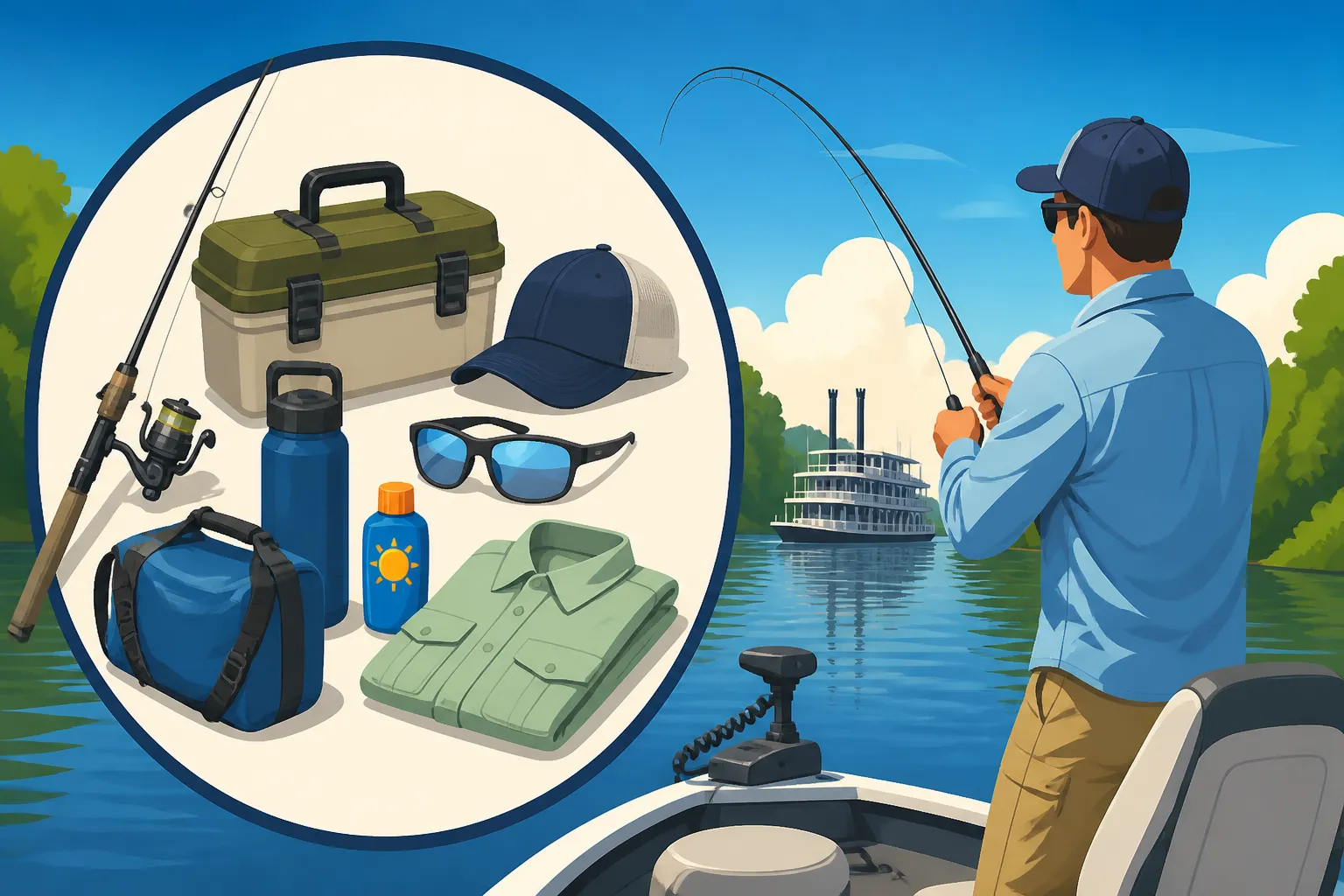
For sun protection, high SPF sunscreen is a non-negotiable. Reapply it frequently, especially if you're getting wet or sweating. A wide-brimmed hat is far superior to a baseball cap for keeping the sun off your face, ears, and neck. Polarized sunglasses are also incredibly helpful, not just for protecting your eyes from glare off the water but also for spotting fish, especially in clearer inshore waters or during a calm day on one of our beautiful lakes like Ross Barnett Reservoir Fishing Guide. Long-sleeved, lightweight fishing shirts made from moisture-wicking material can provide excellent sun protection without making you overheat. Don't forget a pair of gloves, particularly if you're sensitive to sun exposure or plan on handling a lot of fish.
As for rain, a lightweight, packable rain jacket is a lifesaver. Even if the forecast looks clear, a brief shower can dampen spirits quickly if you're unprepared. Look for something that's waterproof, not just water-resistant, and can easily be stowed away when not in use. You don't necessarily need full rain pants unless you know you'll be fishing in persistent rain, but a good jacket will keep your core dry and comfortable.
Personal Comfort Items
Beyond the essentials, there are a few items that will significantly improve your overall experience. These are things that are easy to forget but make a world of difference.
Comfortable, non-slip shoes are critical. You'll be on a boat, which can be wet and move around. Sneakers or boat shoes with good grip are ideal. Avoid flip-flops or open-toed sandals, as hooks, fish spines, and slippery decks are not a good combination. Dress in layers, as mornings can be cool and afternoons quite warm, especially on the Mississippi Gulf Coast. A light jacket or hoodie can be shed as the day warms up.
Also, remember any personal medications you might need. If you have specific dietary needs or allergies, pack a small snack just in case. And while most charters are family-friendly, it’s always a good idea to bring entertainment for younger kids if they tend to get restless during slower fishing periods. You can always check with your chosen charter if you're booking through a service like FishingBooker to see what they recommend for families.
Food, Drinks, and Keeping Hydrated
A day on the water, whether it's battling big reds on the coast or pulling crappie out of Grenada Lake Fishing Guide, is hungry and thirsty work. While some high-end charters might provide snacks and drinks, it's usually best practice to bring your own. Hydration, especially in the Mississippi heat and sun, is absolutely non-negotiable.
Snacks and Meals
Nobody wants to be "hangry" out on the water. Pack enough food to keep you energized for the duration of your trip. For shorter half-day charters, a few substantial snacks like granola bars, fruit, sandwiches, or trail mix might suffice. If you're on a full-day excursion, planning for a proper lunch is a must.
Think about foods that are easy to eat with one hand, don't require refrigeration (unless you're bringing a cooler, which we'll discuss), and aren't overly messy. Pre-made sandwiches, wraps, individual bags of chips, and fruit like apples or bananas are excellent choices. Avoid anything that might spoil quickly in the heat or create excessive trash. A little planning here goes a long way in keeping spirits high throughout the day.
Hydration is Key
This cannot be stressed enough, especially during Mississippi’s warm spring and sweltering summer months. Dehydration can quickly lead to fatigue, headaches, and even more serious issues, potentially ruining your entire trip. Bring plenty of water. I'm talking more than you think you'll need.
Insulated water bottles are fantastic for keeping your drinks cold all day long. Many charters will have ice, but it's not a given for personal beverages. Electrolyte drinks or sports drinks can also be beneficial, especially if you're sweating a lot. The movement of the boat, combined with sun exposure, can accelerate dehydration, so keep sipping even if you don't feel parched.
Beverage Considerations
While water is the primary focus, many anglers enjoy a soda, juice, or even an adult beverage on their trip. If you plan to bring alcoholic drinks, always check with your charter captain beforehand. Some charters have strict policies against alcohol, or rules about glass containers. Others are perfectly fine with it, as long as it's consumed responsibly and in moderation.
Most importantly, avoid glass bottles. The last thing anyone wants is broken glass on a boat deck, especially with bare feet around. Cans are generally preferred. Remember, you're a guest on their vessel, and respecting their rules ensures a smooth and enjoyable experience for everyone on board.
Gear You Might Want to Bring (But Probably Don't Need)
This is where things can get a little tricky, and it often leads to overpacking. Most reputable Mississippi Gulf Coast Fishing Charters or freshwater guides provide all the necessary fishing gear. However, there are instances where bringing your own might make sense, or at least, you might be tempted to.
Your Favorite Rod and Reel?
For most anglers booking a charter, the idea of bringing their own rod and reel is tempting. You’re comfortable with your gear, you know its nuances, and it feels right. However, for the majority of charter trips, it's completely unnecessary. Charter boats, especially those specializing in certain species like redfish or deep-sea snapper, typically have high-quality, well-maintained gear specifically suited for the target fish and fishing conditions. This gear is often heavy-duty and designed to withstand the abuse of multiple trips and big fish.
Before you lug your prized graphite rod onboard, ask your captain if it's okay and if their provided gear is adequate. Often, their equipment is perfectly fine, and frankly, if you hook into a monster fish, you’ll be glad for the sturdy rod they supplied. Plus, if something happens to their gear, it's on them. If something happens to your gear, that's on you. For trips like Deep Sea Fishing Charters in Mississippi, the equipment they provide is usually far more robust than what an average angler would own.
Specialty Tackle and Lures
Similar to rods and reels, charter captains usually have a comprehensive selection of bait and tackle, often including live bait, cut bait, and artificial lures that they know work for the local conditions and species. They fish these waters daily and know what the fish are biting on.
However, if you have a "secret weapon" lure or a specific type of bait you’re dying to try, again, clear it with the captain first. They might have a similar offering or could advise you on whether it would be effective. Generally, it's best to trust the captain’s expertise here. They want you to catch fish as much as you do! If you're thinking about a Mississippi Freshwater Fishing Guide, they too will have all the local knowledge and gear for species like bass or crappie.
Coolers and Fish Storage
You’re hoping to catch fish, right? So, you’ll need a way to take them home. Many charters have a large cooler on board specifically for keeping your catch fresh. They’ll usually have ice as well. However, it's a good idea to confirm this ahead of time.
You might want to bring a small, personal cooler for your own food and drinks, separate from the catch cooler. This keeps your lunch from getting fishy, and ensures your drinks stay cold. If the charter doesn't provide a cooler for your catch, or if you anticipate catching a lot, having an empty, clean cooler in your vehicle at the dock is a smart move. That way, you can transfer your cleaned fish directly into your own ice-filled cooler for the ride home. This is especially practical after a successful Biloxi Fishing Charters Guide trip where you might be bringing home a cooler full of speckled trout or redfish.
| Item Type | Must-Have | Good-to-Have (Optional) |
|---|---|---|
| Documents | Valid Photo ID | Your Personal Fishing License (if not covered by charter) |
| Protection | Sunscreen (high SPF, reapply often) | Lightweight fishing gloves |
| Wide-brimmed hat | Lightweight rain pants | |
| Polarized sunglasses | Change of clothes for after the trip | |
| Lightweight, breathable clothing (layers) | ||
| Packable waterproof rain jacket | ||
| Footwear | Non-slip, closed-toe shoes | |
| Food & Drink | Plenty of water | Snacks (non-messy, easy to eat) |
| Electrolyte drinks | Lunch (for full-day trips) | |
| Personal beverages (check with captain) | Small personal cooler for food/drinks | |
| Health & Safety | Personal medications | Basic first-aid kit (for minor scrapes) |
| Seasickness prevention (if susceptible) | Hand sanitizer | |
| Misc. | Camera/smartphone (in waterproof bag) | Cash for tips |
| Ziploc bags (for phone/wallet) | Small trash bag (for personal waste) | |
| Fishing Gear | (Provided by charter) | Your favorite rod/reel (check with captain first) |
| (Provided by charter) | Specialty lures (check with captain first) |
Health, Safety, and Unexpected Situations
A day of fishing is usually a relaxing and fun experience, but being prepared for potential health or safety issues is always a good idea. A responsible charter captain will have safety equipment and basic first aid on board, but personal preparedness is key for your own specific needs.
Medications and First Aid
If you take any prescription medications, make sure you bring them with you, along with any over-the-counter remedies you might regularly use. This includes things like ibuprofen for headaches, antacids, or allergy medicine. Keep them in a waterproof bag or container to protect them from spray and moisture.
While your captain will have a first-aid kit, it’s not a bad idea to bring a small, personal kit with a few band-aids, antiseptic wipes, and perhaps some pain relievers. This is more for minor scrapes or cuts you might get from a hook or a fish, giving you immediate access without needing to bother the crew for every small issue. Quick access to these items can really make a difference in your comfort.
Seasickness Prevention
Ah, the dreaded seasickness! It's an unfortunate reality for some, and it can absolutely ruin an otherwise perfect day on the water. If you are prone to motion sickness, or even if you're not sure, it's always best to take preventative measures, especially on offshore trips or in rougher conditions.
There are several options available, from over-the-counter medications like Dramamine or Bonine to acupressure wristbands. Take medication before you board the boat, as it's much less effective once symptoms have started. Staying hydrated, avoiding heavy or greasy foods before and during the trip, and focusing on the horizon can also help. Don't be embarrassed to tell your captain if you're feeling queasy; they've seen it all and can often offer advice or even adjust course to find calmer waters. Booking through a platform like FishingBooker often allows you to ask these questions in advance, ensuring you're comfortable with the trip conditions.
Emergency Contact Information
In the rare event of an emergency, having easy access to your own emergency contact information is crucial. Keep a small card in your wallet or a note on your phone with the names and phone numbers of people to call.
Also, it's a good practice to let someone on shore know your plans: which charter you're with, where you're departing from (e.g., a marina in Gulfport), and roughly when you expect to return. While charter captains are highly trained and equipped for emergencies, having this information readily available for yourself provides an extra layer of safety and peace of mind.
Capturing Memories and Respecting the Environment
A fishing charter is an experience, and you'll want to remember it! But it's also important to be mindful of your impact on the environment and the working boat you're on. Balancing photo ops with responsible practices is key.
Cameras and Photography Gear
Bringing a camera or using your smartphone is almost a given these days. You’ll want to snap photos of your catches, the beautiful Mississippi coastline, or the serene inland lakes. However, boats and water are not friends to electronics.
Protect your devices with waterproof cases or dry bags. Many modern smartphones are water-resistant, but full submersion is still a risk. If you bring a dedicated camera, ensure it’s well-protected. Be mindful of where you place your gear; a bumpy ride or a rogue splash can send it overboard in an instant. Your captain or deckhand will often be happy to take a picture of you with your prize catch, so don't be afraid to ask! Just make sure your phone is easily accessible and ready.
Trash and Conservation
The beauty of Mississippi’s fishing grounds, whether it’s the Mississippi Sound or the backwaters of the Pearl River Fishing Guide, is something we all want to preserve. It's everyone's responsibility to keep our waters clean. This means being extremely mindful of your trash.
Always use the trash receptacles provided on the boat. If there aren't any, or if you generate more than expected, bring a small personal trash bag to collect your waste and dispose of it properly once you’re back on shore. This includes things like snack wrappers, empty drink cans, and especially discarded fishing line, which can be incredibly harmful to wildlife. A good rule of thumb: whatever you bring onto the boat, make sure it leaves with you. This ethos also ties into Mississippi Fishing Regulations Explained which often cover responsible angling practices.
Tipping Your Crew
While not an item to "bring" in the traditional sense, bringing cash for a tip is an important part of the charter experience that often gets overlooked by first-timers. Your captain and deckhand work incredibly hard to put you on fish, ensure your safety, and make your trip enjoyable. This includes everything from preparing the boat, baiting hooks, untangling lines, gaffing fish, and often cleaning your catch at the end of the day.
Standard tipping etiquette for fishing charters is generally 15-20% of the total trip cost. If they went above and beyond, consider a little more. Presenting the tip in cash at the end of the trip is usually preferred. It's a direct way to show your appreciation for their hard work and expertise. Knowing this in advance, as you might learn when researching Mississippi Fishing Charter Prices, helps you budget appropriately for the full experience.
Disclaimer
This article is for general informational purposes only and does not constitute professional advice. Laws, prices and regulations vary by location and change over time. Consult a qualified professional for guidance on your specific situation.