Difference Between a Fishing Guide and a Charter Captain
It's easy to get tangled up in fishing jargon, especially when you're planning a trip to a new place like Mississippi. One common point of confusion for many anglers, whether they're seasoned pros or just starting out, is the difference between a "fishing guide" and a "charter captain." You might think they're interchangeable, but understanding their distinct roles, areas of expertise, and operational styles can make all the difference in booking the perfect fishing adventure. This guide will help you navigate these distinctions so you can confidently choose the right professional for your next Mississippi fishing excursion.
Understanding the Core Distinction: Guide vs. Captain
While both fishing guides and charter captains are professional anglers who take clients out on the water, their primary domains and specializations often set them apart. Think of it like a specialist doctor versus a general practitioner; both are experts, but they focus on different aspects. Knowing this fundamental difference is the first step in ensuring you get the experience you're truly looking for.
The Inland Expert: What Defines a Fishing Guide?
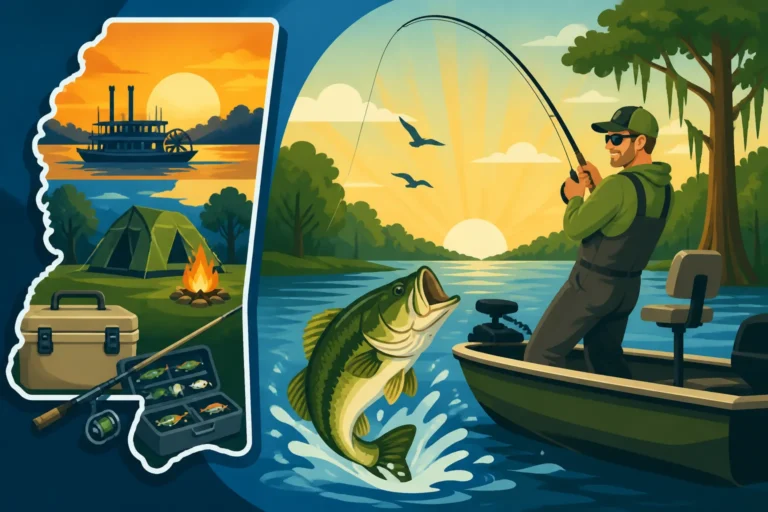
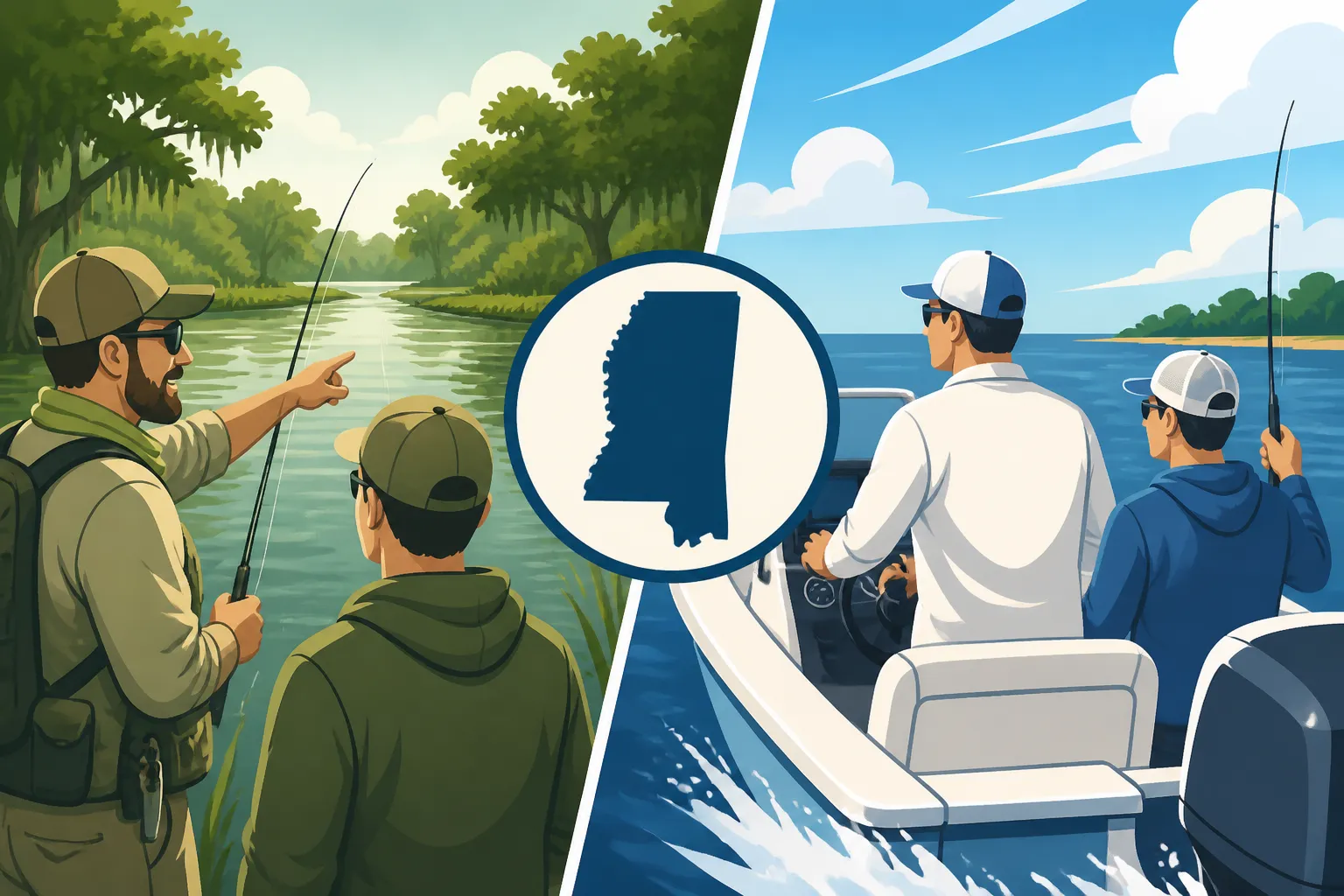
When you hear "fishing guide" in Mississippi, your mind should immediately drift towards our magnificent freshwater lakes, rivers, and reservoirs. These are the folks who live and breathe inland fishing, often specializing in specific species like largemouth bass, crappie, or catfish. A guide is typically an expert on a particular body of water, or a handful of similar waters, such as the sprawling Ross Barnett Reservoir Fishing Guides or the legendary Grenada Lake Fishing Guides. They know the local contours, the seasonal patterns, the best brush piles, and the subtle cues that tell you where the fish are hiding.
These guides usually operate smaller, highly specialized boats tailored for navigating shallower waters, getting into tight spots, and handling the unique challenges of freshwater environments. Their focus is often intensely instructional; they're teaching you how to fish their waters, sharing techniques, and helping you improve your skills with specific species. You'll learn everything from reading your electronics to casting techniques for specific cover. It's a much more intimate, hands-on experience, often focused on mastering a particular type of fishing.
Furthermore, a freshwater guide's expertise is hyper-local. They've spent countless hours scouting, fishing, and tracking conditions on their home waters. They know how the lake fishes after a heavy rain, during a drought, or when the water temperatures hit that sweet spot for the spawn. This deep, localized knowledge is what you're paying for – not just a boat ride, but access to years of accumulated wisdom about catching fish in a specific freshwater locale.
The Coastal Commander: What Defines a Charter Captain?
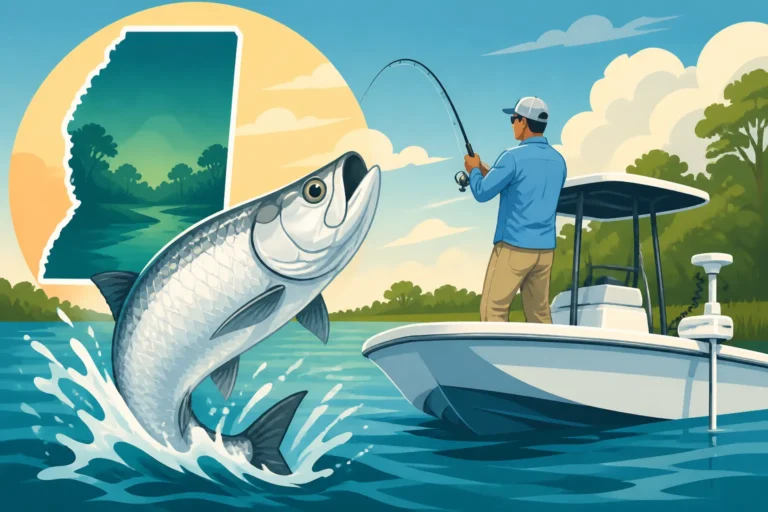
A "charter captain," on the other hand, typically commands a vessel on the expansive saltwater bodies of the Mississippi Gulf Coast. Their domain is the Gulf of Mexico, the Mississippi Sound, and the various bays and estuaries that lead into them. These captains are typically licensed by the U.S. Coast Guard (USCG) and often specialize in a wider array of species found in a marine environment, from speckled trout and redfish inshore to snapper, amberjack, and even tuna offshore. When you're looking for Mississippi Gulf Coast Fishing Charters, you're looking for a charter captain.
Charter boats tend to be larger and more robust, designed to handle the open waters of the Gulf. They can range from bay boats perfectly suited for inshore flats and marsh fishing to powerful offshore vessels built for deep-sea expeditions. The experience often involves a bit less direct instruction and more focus on getting you to the fish and putting rods in your hands for an exciting catch. While a good captain will certainly offer tips and help you land fish, the primary goal is often the overall experience of saltwater fishing and the thrill of diverse catches.
Their expertise covers understanding tides, currents, offshore structures like artificial reefs and oil rigs, and the migratory patterns of saltwater species. A charter captain deals with a different set of challenges and regulations compared to their freshwater counterparts. They are skilled navigators in larger bodies of water, experienced in reading marine weather, and adept at managing the logistics of a longer, potentially more adventurous trip into the Gulf of Mexico. This includes navigating federal waters for species like red snapper during specific seasons.
Key Differences in Operation and Experience
Beyond their primary hunting grounds, fishing guides and charter captains differ significantly in their operational styles, the equipment they use, the types of trips they offer, and the regulatory frameworks they operate under. Understanding these distinctions will further help you pinpoint the best fit for your angling ambitions.
The Vessel and the Water: Boats, Equipment, and Terrain
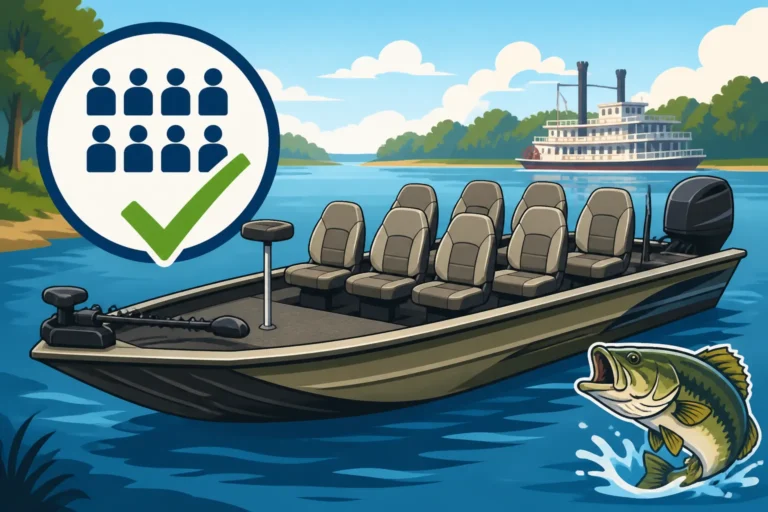
Think about the boats. A freshwater fishing guide might run a sleek bass boat, a flat-bottomed jon boat, or a pontoon boat for crappie fishing. These vessels are chosen for their maneuverability in shallower waters, their ability to navigate stump fields or cypress knees, and to get right up into prime fishing cover. The equipment will be tailored to specific freshwater species—lighter tackle for crappie, heavier baitcasting setups for bass, or stout rods for battling river catfish. The focus is on precision and adaptability to varied inland terrain, from river bends to reservoir humps.
In contrast, a saltwater charter captain's boat is built for the challenges of coastal and offshore environments. For inshore trips, you might be on a bay boat designed for navigating shallow estuaries and protected bays, often equipped with a trolling motor for stealthy approaches to redfish schools. For Deep Sea Fishing Charters in Mississippi, you're looking at much larger center console boats or even cabin cruisers, equipped with powerful engines, advanced navigation systems, and safety gear suitable for venturing miles offshore. The tackle will be heavier, designed for stronger, larger saltwater species, often involving specialized rods, reels, and terminal tackle for different depths and fishing styles. The sheer scale and power of the vessel often reflect the vastness of the water body it operates on.
Trip Structure and Target Species
The typical trip length and the target species also diverge significantly. A freshwater guide might offer half-day (4-hour) or full-day (8-hour) trips, intensely focused on one or two specific species. For instance, you might book a trip specifically to learn Crappie Fishing Techniques for Mississippi Lakes in the spring, or target trophy largemouth bass during the fall shad run. The guide’s expertise means they’ll often be able to put you on fish and teach you the nuances of catching them in that particular environment. It’s an educational and highly targeted fishing experience.
Saltwater charter captains, especially for trips off the Mississippi Gulf Coast Fishing Guide, often have a more varied menu. While you can certainly book targeted trips for species like Speckled Trout Fishing Techniques or Redfish Fishing on the Mississippi Coast inshore, offshore trips might involve targeting a mix of species depending on the season and regulations. A half-day inshore trip might be shorter, while an offshore deep-sea adventure can easily be a full 8-hour day or even longer, requiring significant travel time to reach productive grounds. The structure often includes cruising to multiple spots, trying various techniques like trolling, bottom fishing, or live baiting, all aimed at maximizing the variety and quantity of your catch.
Licensing, Regulations, and Safety Standards
Here's where the rubber truly meets the road in terms of professional requirements. In Mississippi, freshwater fishing guides need to adhere to state regulations for licensing, which are typically overseen by the Mississippi Department of Wildlife, Fisheries, and Parks (MDWFP). This usually involves specific guide licenses to operate commercially on state waters. You can learn more about this by checking out the Mississippi Fishing Guide License Requirements Explained. These guides are knowledgeable about Mississippi Freshwater Fishing Rules, including creel and size limits for specific species on particular lakes.
Saltwater charter captains, however, operate under a dual layer of regulation. They must comply with state fishing laws and licensing, similar to freshwater guides, but also with strict federal requirements from the U.S. Coast Guard (USCG). This involves obtaining a USCG Master's license, which demands extensive sea time, rigorous examinations, and ongoing drug and alcohol testing. Their vessels undergo periodic safety inspections, and they are required to carry specific safety equipment, from life rafts to emergency beacons, far beyond what's typically required for a smaller freshwater boat. This stringent oversight ensures a higher level of safety for passengers on open water. When considering Mississippi Saltwater Fishing License Guide requirements, remember that the captain handles their specific commercial licenses, but you, as a client, will still need your own recreational fishing license.
When to Choose Which Professional
Now that we’ve delved into the differences, how do you decide who to book for your next fishing adventure? Your choice largely depends on your fishing goals, your preferred environment, and the kind of experience you're hoping to have.
Opting for a Freshwater Fishing Guide
You should lean towards booking a freshwater fishing guide if your passion lies in catching bass, crappie, catfish, or other panfish in Mississippi's beautiful inland waters. Perhaps you have a specific lake in mind, like Ross Barnett or Grenada, and you want to truly learn its secrets. A guide is perfect for:
- Targeting specific freshwater species: If you're dead set on catching a trophy largemouth bass or filling a cooler with slab crappie, a guide who specializes in that species on a particular lake will be your best bet. They know the seasonal patterns and the prime locations.
- Learning new techniques: Want to master spider rigging for crappie, learn how to read a fish finder for bass structure, or understand the best baits for Mississippi river catfish? A guide will often provide hands-on instruction.
- Exploring new inland waters: If you're visiting Mississippi and want to experience freshwater fishing on a lake you've never fished before, a guide will save you hours of scouting and frustration. They'll put you on fish from the start.
- A more intimate experience: Guide trips often involve smaller groups, sometimes just one or two anglers, allowing for more personalized attention and instruction.
Imagine you're dreaming of a day on Enid Lake, known for its crappie. Booking a local guide means you’ll benefit from their deep understanding of where the fish are hiding, whether it's in flooded timber or deep creek channels. They’ll teach you the specific jigs and presentations that work best, giving you an invaluable educational experience.
Opting for a Saltwater Fishing Charter Captain
If the thought of salty air, crashing waves, and the vast expanse of the Gulf excites you, then a saltwater charter captain is your professional of choice. A charter is ideal for:
- Experiencing coastal or deep-sea fishing: From casting soft plastics in shallow marshes for redfish to battling king mackerel miles offshore, a charter captain opens up the diverse world of Mississippi's saltwater fishing.
- Accessing specialized boats and gear: Charter boats come equipped with all the heavy-duty gear needed for saltwater angling, often including live bait, specialized rigs, and safety equipment for open water. This saves you from investing in expensive gear you might only use once.
- Targeting migratory or offshore species: If red snapper, cobia, or even tuna are on your bucket list, an offshore charter captain is essential as these fish require specific knowledge of Gulf currents, structures, and federal regulations.
- Group outings or family adventures: Charter boats can often accommodate larger groups, making them a great option for family vacations, corporate events, or a fun day out with friends on the water. Many charters cater specifically to Family-Friendly Fishing Charters on the Mississippi Coast.
Let's say you're visiting Biloxi and want to experience the thrill of Inshore Fishing Charters on the Mississippi Coast. A charter captain will know the intricate bayous and flats where speckled trout and redfish congregate, navigating you safely through tidal waters and putting you on the bite. Or, perhaps you want to venture further out for Red Snapper during its limited season – only a federally licensed charter can legally take you there.
Considerations for Your Next Trip: Making the Right Choice
To make the best decision for your next fishing trip in Mississippi, consider these factors:
- Your Target Species: Are you dreaming of a monster bass or a feisty redfish? This is often the primary driver.
- Location Preference: Do you prefer the serene, controlled environment of a freshwater lake or the dynamic, open waters of the Gulf?
- Experience Level: Beginners might appreciate the instructional focus of a guide, while experienced anglers might want the challenge of a deep-sea charter.
- Group Size: Guides often work with smaller groups, while charters can accommodate larger parties.
- Budget: Costs can vary significantly based on trip length, type of fishing, and number of anglers. Generally, offshore charters tend to be more expensive due to fuel, boat maintenance, and licensing requirements.
- Boat Comfort & Amenities: While guides typically offer functional fishing vessels, some charter boats, especially offshore ones, might offer more amenities like restrooms or covered areas. You should also consider What to Bring on a Mississippi Fishing Charter to ensure you're prepared.
Remember that both types of professionals are there to give you an unforgettable fishing experience. It's about aligning your expectations with what each one specializes in. Platforms like FishingBooker can be incredibly useful for comparing options, reading reviews, and seeing what specific guides and captains offer in terms of target species and trip types in Mississippi.
Here's a quick comparison table to help visualize the key differences:
| Feature | Freshwater Fishing Guide | Saltwater Charter Captain |
|---|---|---|
| Primary Domain | Lakes, Rivers, Reservoirs (Freshwater) | Gulf of Mexico, Mississippi Sound, Bays (Saltwater) |
| Vessel Type | Bass boats, jon boats, pontoons (smaller, specialized) | Bay boats, center consoles, cabin cruisers (larger, robust) |
| Target Species | Bass, crappie, catfish, bream, panfish | Speckled trout, redfish, snapper, cobia, king mackerel, flounder |
| Licensing | State-issued commercial guide license (MDWFP) | USCG Master's license + state commercial licenses |
| Expertise | Hyper-local lake/river patterns, specific species behavior | Tides, currents, offshore structures, migratory patterns |
| Typical Trip | Highly instructional, focused on learning a specific fishery | Experience-focused, diverse catches, navigating open waters |
| Safety Regs | State boating safety standards | Strict USCG safety regulations, inspections, gear mandates |
| Client License | Recreational Mississippi Fishing License Guide required | Recreational Mississippi Fishing License Guide required |
The Role of Booking Platforms in Your Decision
In today's digital age, finding the right fishing professional has become significantly easier, thanks to dedicated booking platforms. These resources act as a bridge, connecting anglers with experienced guides and captains across Mississippi.
Simplifying Your Search with Online Resources
Online booking platforms have truly revolutionized how we find and secure fishing trips. Gone are the days of endless phone calls or relying solely on word-of-mouth recommendations. Websites like FishingBooker allow you to filter your search by location (e.g., Biloxi, Grenada Lake, Ross Barnett), by target species, by trip duration, and even by the type of professional you're looking for. This means you can easily compare a freshwater guide specializing in bass on a specific reservoir with a charter captain offering offshore excursions from the coast.
These platforms provide detailed profiles for each guide and captain, often including photos of their boats, a list of their specialties, what's included in the trip (bait, tackle, fish cleaning), and, crucially, reviews from past clients. Reading these reviews can give you invaluable insight into the captain's personality, their fishing success, and the overall experience they provide. It helps you get a real feel for whether their style aligns with what you're hoping for. When you're ready to plan your trip, exploring options on FishingBooker can streamline the entire process of finding and comparing the perfect guide or captain for your Mississippi adventure, whether you're looking for How to Book a Mississippi Fishing Charter or a guide for inland waters.
Disclaimer
This article is for general informational purposes only and does not constitute professional advice. Laws, prices and regulations vary by location and change over time. Consult a qualified professional for guidance on your specific situation.