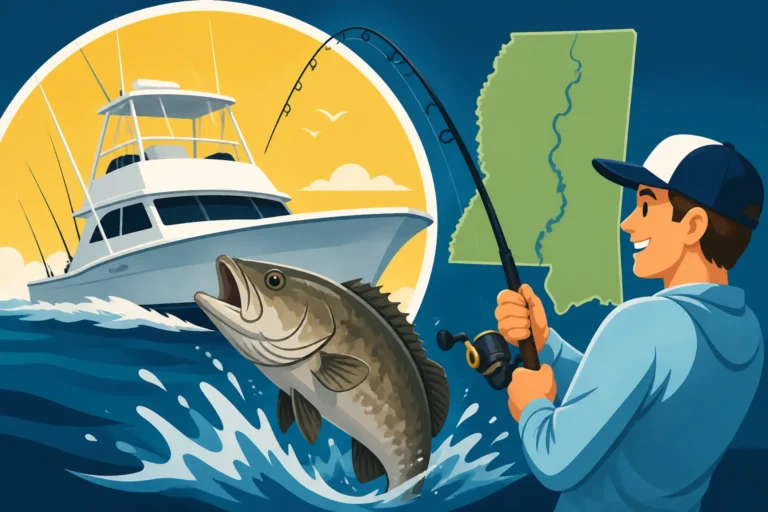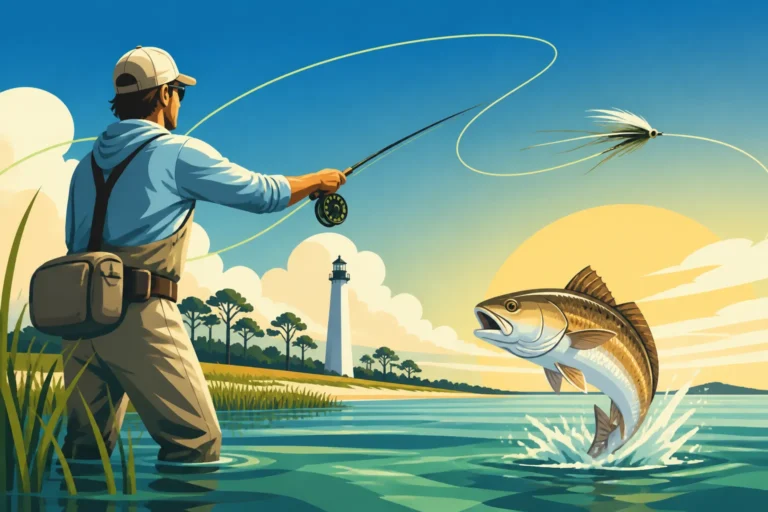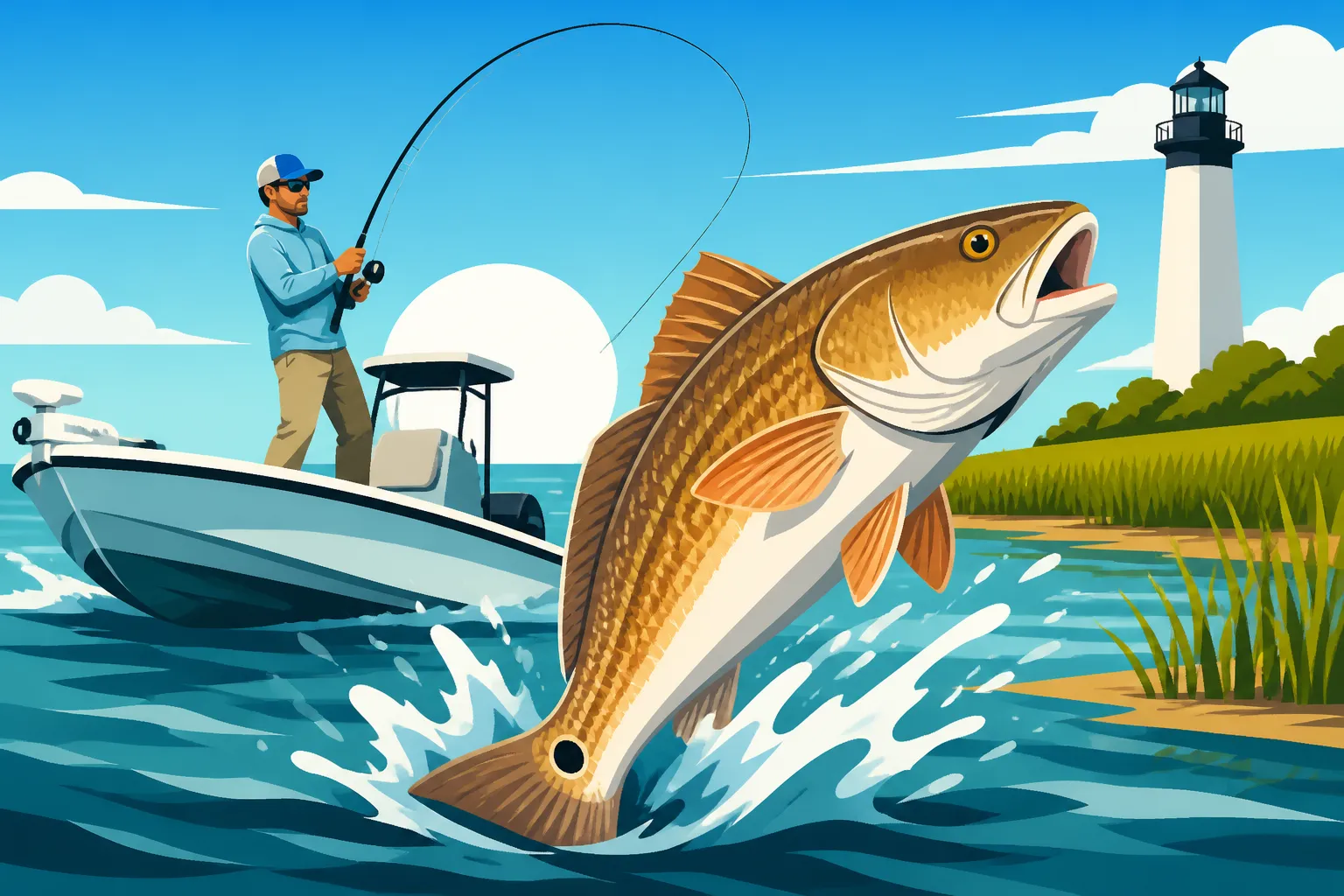
Inshore Fishing Charters on the Mississippi Coast
There's nothing quite like the thrill of coastal fishing, but for many, the idea of navigating new waters, understanding local fish patterns, and having the right gear can feel overwhelming. If you've ever dreamt of reeling in a trophy redfish or a feisty speckled trout along the beautiful Mississippi Gulf Coast without all the hassle, then an inshore fishing charter is your ticket to an unforgettable adventure. This guide will walk you through everything you need to know about inshore charters, helping you cast your worries aside and focus on the joy of the catch.
What Exactly is Inshore Fishing on the Mississippi Coast?
When we talk about inshore fishing, we're focusing on a specific type of saltwater angling that happens relatively close to the coast. Unlike deep-sea or offshore fishing, which takes you many miles out into the Gulf of Mexico, inshore trips typically stick to the calmer, shallower waters of bays, estuaries, marshes, and nearshore islands. It's a fantastic option for everyone from seasoned anglers to families with young children, offering a different kind of thrill and accessibility.
Defining the "Inshore" Zone
The "inshore" zone on the Mississippi Coast generally refers to waters that are protected by barrier islands or are part of the vast estuarine systems that feed into the Gulf. Think of places like Mississippi Sound, Biloxi Bay, Bay St. Louis, and the intricate network of bayous, marshes, and tidal creeks. These areas are usually characterized by depths ranging from just a few feet to perhaps 20-30 feet at most. The waters here are often a mix of fresh and saltwater, creating a rich, nutrient-filled environment that attracts a wide variety of baitfish and, consequently, hungry game fish. It's a dynamic ecosystem, constantly influenced by tides, rainfall, and seasonal changes, which means every trip can offer something a little different.
The sheltered nature of these waters means that inshore trips are generally less susceptible to the rough seas that can sometimes plague offshore adventures. This makes it a great choice for those who might be prone to seasickness or for families looking for a more comfortable and predictable day on the water. The scenery itself is often breathtaking, with opportunities to see diverse wildlife beyond just fish, including coastal birds, dolphins, and even alligators in some of the more brackish marsh areas.
Target Species for Inshore Anglers
One of the most exciting aspects of inshore fishing in Mississippi is the incredible diversity of species you can target. While offshore charters might chase marlin or tuna, inshore guides are masters at finding the true jewels of our coastal waters. The superstars of the inshore scene are undoubtedly speckled trout and redfish, both highly sought-after for their fighting spirit and delicious table fare.
Beyond these two, you'll also find a robust population of other exciting species. Flounder are a popular target, known for their unique camouflage and ambush hunting style. Sheepshead, with their human-like teeth, put up a surprisingly strong fight, especially around pilings and oyster beds. You might also hook into black drum, white trout, and various species of snapper and even small sharks in certain areas. Each species presents its own challenge and requires specific techniques, which is where the expertise of a local charter captain truly shines. Speckled Trout Fishing on the Mississippi Coast and Redfish Fishing on the Mississippi Coast are incredibly popular pursuits here, and an inshore charter is often the best way to get on them.
Why Choose Inshore Over Offshore?
The decision between inshore and offshore fishing often comes down to personal preference, group dynamics, and what kind of fishing experience you're looking for. Inshore fishing offers several distinct advantages that make it an excellent choice for many anglers. First and foremost, the proximity to shore means less travel time and more fishing time. You're often just a short boat ride from the dock to prime fishing grounds, which is a huge plus, especially on a half-day trip.
Secondly, as mentioned, the calmer waters make for a much more comfortable ride and fishing experience. This is especially important if you're bringing children or anyone new to boating. The equipment used inshore is also generally lighter, making it easier for beginners to handle and more enjoyable for extended periods. While offshore trips often involve heavy tackle and a more strenuous fight with larger, deep-sea species, inshore fishing provides a fantastic blend of challenge and accessibility. Plus, the price point for an inshore trip is often more budget-friendly than a full-day offshore excursion, making it a great value for the experience.
Benefits of Hiring an Inshore Fishing Charter
While you might be an experienced angler with your own boat, there's a unique advantage to hiring a professional inshore fishing charter, particularly when you're exploring new waters like the Mississippi Coast. It takes all the guesswork out of the equation and lets you fully immerse yourself in the joy of fishing.
Expertise of Local Captains
The single biggest benefit of booking an inshore charter is tapping into the vast knowledge and experience of a local captain. These men and women spend countless hours on the water, day in and day out. They understand the intricate nuances of the local ecosystem – where the fish are hiding based on the tide, water temperature, time of year, and even recent weather patterns. They know which channels are holding redfish, where the speckled trout are schooling, and what kind of structure the flounder prefer. This isn't knowledge you can get from a quick internet search; it's gained through years of trial and error, observing the environment, and building a deep understanding of the local fish behavior.
Imagine trying to navigate the maze of bayous and oyster reefs of Biloxi Bay or Bay St. Louis for the first time. Without local guidance, you could spend an entire day searching for fish, only to come back empty-handed. A good captain will take you directly to the productive spots, saving you precious fishing time and dramatically increasing your chances of a successful and memorable trip. They'll also provide invaluable tips on technique, bait presentation, and how to effectively fight the local species, turning your fishing trip into a hands-on learning experience. If you're looking for specifics, consider a Biloxi Bay Fishing Guide or a Bay St. Louis Fishing Guide for targeted advice.
Provided Gear and Bait
Another significant advantage is that a reputable inshore charter will provide all the necessary fishing gear and bait. This means you don't have to worry about packing your own rods, reels, tackle boxes, or even finding fresh bait. For travelers, this is a huge convenience, as lugging fishing equipment on a plane or in a car can be a real hassle. The captain will have high-quality, well-maintained equipment specifically chosen for the local species and fishing conditions. This ensures you're using the right tools for the job, from the strength of the line to the action of the rod.
They'll also have a fresh supply of the best live bait – whether it's live shrimp, finger mullet, or croakers – which can be expensive and time-consuming to acquire on your own. For artificial lure enthusiasts, they'll have a selection of proven jigs, topwater plugs, and soft plastics that are currently producing fish. This comprehensive provision of gear and bait removes a major barrier to entry for beginners and simplifies the experience for seasoned anglers who just want to show up and fish.
Navigating Regulations and Licenses
Fishing regulations, especially when it comes to saltwater species, can be complex and vary from state to state, and even within different zones of the same state. Size limits, bag limits, and specific seasonal closures for certain species are constantly changing. Trying to keep up with all of this on your own can be confusing and lead to unintentional violations, which can result in hefty fines. This is where an inshore charter captain becomes your ultimate guide to compliance.
Your captain will be fully aware of all current Mississippi fishing regulations and ensure that your trip adheres to them. This includes knowing Mississippi Fishing Creel and Size Limits for all target species, ensuring all legal requirements are met, and even helping you understand the nuances of Mississippi Saltwater Sportfishing License requirements. In many cases, the charter boat itself will have a blanket recreational fishing license that covers everyone on board, meaning you might not even need to purchase an individual license. It's always a good idea to confirm this detail when booking, but the peace of mind knowing you're fishing legally and sustainably is invaluable. For broader context, you can always refer to the Mississippi Fishing License Guide.
What to Expect on an Inshore Charter Trip
So, you've decided to book an inshore fishing charter! That's fantastic. Now let's talk about what the actual experience might look like, so you know exactly what to anticipate from the moment you step onto the boat until you're heading home with your catch.
Trip Duration and Typical Schedules
Inshore charters on the Mississippi Coast typically come in a few standard durations, with half-day and full-day trips being the most common. A half-day trip usually lasts about 4-5 hours, while a full-day trip can range from 6-8 hours. The shorter trips are perfect for families with younger kids or those new to fishing who might not have the stamina for a full day on the water. They are also a great way to get a taste of coastal fishing without committing too much time or money. You'll still get plenty of action and a good chance to catch some fish.
Full-day trips, on the other hand, offer more time to explore different fishing spots, target a wider variety of species, and really hone your skills. The longer duration allows the captain to move around more, adapting to changing conditions and tides to find the best bite. Charters typically depart in the early morning, around sunrise, as this is often when fish are most active, especially for species like speckled trout and redfish. Some captains also offer afternoon trips, which can be productive, particularly in the cooler months or for specific species like flounder or black drum. Discussing your preferences and target species with the captain beforehand can help determine the best schedule for your adventure. For a detailed comparison, check out Half-Day vs Full-Day Charters on the Mississippi Coast.
Common Fishing Techniques Used
Inshore fishing employs a variety of techniques, and a good charter captain will switch between them based on the conditions and what the fish are biting. One of the most common and effective methods is live bait fishing. This involves using live shrimp, croakers, or small baitfish presented under a popping cork or free-lined near structure. The sound of a popping cork can mimic feeding fish and attract attention, while free-lining allows the bait to drift naturally.
Another popular technique is artificial lure fishing. This can involve casting soft plastic jigs, twitch baits, or topwater lures. The captain will teach you how to work these lures to imitate fleeing baitfish or crustaceans, enticing strikes from predatory fish. For flounder, jigging on the bottom with a live minnow or a scented soft plastic is often the go-to. Depending on the conditions, you might also do some light tackle bottom fishing or even sight fishing in clear, shallow waters for redfish. The beauty of a charter is that the captain will explain and demonstrate these techniques, ensuring you have the best chance of success.
Catch and Release vs. Keeping Your Catch
Before you head out, it's a good idea to discuss the charter's policy and your personal preference regarding catch and release versus keeping your fish. Many anglers enjoy the thrill of the fight but prefer to release their catch to help conserve fish populations, especially for larger breeding fish. Other anglers cherish the idea of bringing home fresh seafood for a delicious meal.
Most reputable inshore charters are happy to accommodate either preference, as long as it adheres to the current Mississippi fishing regulations concerning size and bag limits. If you plan to keep your fish, the captain or mate will usually handle the cleaning and filleting for you back at the dock, making it easy to take your fresh fillets home. This service is often included in the charter price, but it's always good to confirm. If you're practicing catch and release, the captain will also instruct you on proper handling techniques to minimize stress and ensure the fish has the best chance of survival.
Choosing the Right Inshore Charter
Deciding to book an inshore charter is the first step; the next is finding the right one for you and your group. With many options available along the Mississippi Coast, it's worth taking a moment to consider what truly matters for your perfect fishing day.
Factors to Consider When Booking
When you're ready to book, several key factors should influence your decision. First, consider the size of your group and the type of boat offered. Some charters specialize in smaller, more intimate trips for 1-3 anglers, while others can accommodate larger families or corporate groups. Ensure the boat has enough space and amenities for everyone to be comfortable. Think about the target species – if you have your heart set on redfish, make sure the captain has a reputation for finding them. Also, consider the captain's personality and communication style. A friendly, patient captain who loves teaching and interacting with guests can make all the difference, especially if you're bringing kids or beginners.
Beyond that, think about what's included in the price. Does it cover bait, tackle, and ice for your catch? Are drinks provided, or should you bring your own? And what about the duration of the trip – a half-day or a full-day? For example, some may offer specific types of trips, like a dedicated Redfish Charter Trips in Mississippi while others are more general. By considering these points, you can narrow down your options and find a charter that aligns perfectly with your expectations.
Reading Reviews and Asking Questions
In today's connected world, one of the best ways to gauge the quality of an inshore charter is by reading reviews from previous customers. Websites and booking platforms often feature detailed testimonials, providing insights into the captain's expertise, the boat's condition, the cleanliness, and the overall experience. Pay attention to consistent themes, both positive and negative. Were customers happy with the communication? Did they feel safe and comfortable? Did they catch fish, and was the captain helpful and friendly?
Don't hesitate to reach out to the charter directly with any questions you might have before booking. A reputable captain or booking agent will be happy to answer your queries thoroughly and transparently. Ask about their experience, what species are biting, their cancellation policy for bad weather, and anything else that's important to you. Open communication upfront ensures there are no surprises on the day of your trip. Questions like What Happens If the Weather Is Bad on Charter Day are completely valid and important to ask.
Using Online Booking Platforms
In recent years, online booking platforms have revolutionized the way people find and reserve fishing charters. These platforms act as a centralized hub, allowing you to browse numerous charters, compare prices, read reviews, and book your trip all in one place. One excellent example is FishingBooker, which provides a comprehensive list of charters on the Mississippi Coast. Such platforms often include detailed profiles for each captain, showing their boat specifications, target species, photos, and customer ratings.
Using a platform like FishingBooker streamlines the booking process, making it incredibly easy to find a charter that fits your specific needs and budget. You can often filter by location, trip type (inshore, offshore, bay), price range, and even by specific amenities. They also provide a secure way to pay and often have customer support available to help with any issues or questions before, during, or after your booking. This takes the stress out of finding a reliable charter, letting you focus on the excitement of your upcoming fishing adventure.
Preparing for Your Inshore Fishing Adventure
Once you've booked your inshore charter, the next step is to prepare yourself for a fantastic day on the water. A little bit of foresight can go a long way in ensuring your comfort and enjoyment.
Essential Items to Bring
While your charter captain will provide the essential fishing gear, there are several personal items you should definitely bring to ensure a comfortable and enjoyable trip. Sun protection is paramount on the Mississippi Coast, even on cloudy days. Pack a wide-brimmed hat, polarized sunglasses (which also help you see fish!), and plenty of high SPF sunscreen. Light, long-sleeved shirts and pants made of breathable, quick-drying material are also a good idea to protect against the sun.
You'll also want to bring a cooler, but check with your captain first. Some charters provide a cooler on board for drinks and snacks, while others prefer you bring your own. Either way, make sure you have water, soft drinks, and any snacks you might want throughout the trip. Don't forget any personal medications you might need, and consider motion sickness medication if you're prone to it, even though inshore waters are generally calmer. A camera or phone to capture those memorable moments (just be careful with water!) is also a must. For a more comprehensive list, refer to What to Bring on a Mississippi Fishing Charter.
Weather Considerations and Flexibility
The weather on the Mississippi Gulf Coast can be unpredictable, sometimes changing rapidly. Your charter captain will always prioritize your safety and comfort. They monitor weather forecasts closely, and if conditions are deemed unsafe or too uncomfortable (e.g., strong winds, heavy rain, thunderstorms), they will likely reschedule or cancel the trip. It's crucial to be flexible and understanding in these situations. No fish is worth putting yourself or the crew at risk.
Before your trip, it's a good idea to check the forecast yourself, but always defer to your captain's judgment. Dress in layers so you can adjust to changing temperatures, and bring a lightweight rain jacket even if the forecast looks clear. Being prepared for varying conditions means you'll be comfortable no matter what Mother Nature throws your way, allowing you to focus on the fishing. If a cancellation does occur, discuss rescheduling options or refund policies with the charter company.
Tipping Your Captain and Crew
Tipping is a customary practice in the charter fishing industry and is a way to show your appreciation for the hard work, expertise, and service provided by your captain and any crew members. They work tirelessly before, during, and after your trip, from preparing bait and tackle to cleaning the boat and filleting your catch. A general guideline for tipping is 15-20% of the total charter cost.
If you had an exceptional experience, felt the captain went above and beyond, or if the crew worked particularly hard to make your day special, consider tipping on the higher end of that range. It's best to have cash on hand for tips, as it's often preferred. Present the tip discreetly at the end of the trip, perhaps when you're settling up or saying your goodbyes. This small gesture goes a long way in acknowledging their efforts and supporting their livelihood. For more specific advice, see Tipping Etiquette for Mississippi Fishing Guides.
Top Inshore Fishing Locations Along the Mississippi Coast
The Mississippi Gulf Coast offers a diverse array of habitats perfect for inshore fishing, each with its own charm and productivity. Knowing a little about these areas can help you communicate your preferences to your charter captain and get even more excited about your trip.
Exploring Bays and Estuaries
The expansive bay and estuarine systems are the lifeblood of inshore fishing on the Mississippi Coast. These areas, where freshwater rivers meet the saltwater of the Gulf, create a nutrient-rich environment that acts as a nursery for countless species and a feeding ground for predatory fish. Biloxi Bay, for instance, is a prime location known for its excellent speckled trout and redfish populations. Its vastness means there are always new areas to explore, from shallow grass flats to deeper channels and oyster reefs. The charter captain will know the specific sweet spots that are producing fish at any given time.
Similarly, Bay St. Louis offers incredible opportunities, particularly around the bridges and marsh edges. These structures provide cover and ambush points for fish. The confluence of freshwater runoff and tidal flows constantly brings new food sources into these bays, making them dynamic and productive fishing grounds year-round. Exploring these estuaries allows you to witness the unique beauty of the Mississippi coastal wetlands while targeting some of the most sought-after game fish. For general guidance, check out the Mississippi Gulf Coast Fishing Guide.
Nearshore Islands and Marshes
Just off the mainland, the barrier islands – like Horn Island and Ship Island – play a crucial role in protecting the Mississippi Sound and creating unique inshore fishing opportunities. The waters around these islands, particularly the protected backside and the adjacent marshes, are phenomenal for speckled trout, redfish, and flounder. The grass beds and shallow flats surrounding these islands provide excellent habitat for baitfish, which in turn attract larger predators.
Accessing these island and marsh systems often requires a shallow-draft boat, which many inshore charters are equipped with. Your captain will navigate the intricate maze of channels and coves, taking you to pristine, often less-pressured fishing spots. These areas offer a wilder, more serene fishing experience, with abundant birdlife and a true sense of being out in nature. It's a fantastic way to combine fishing with an appreciation for the unspoiled beauty of the Mississippi coast.
Productive Artificial Reefs and Structures
While much of inshore fishing focuses on natural habitats, the Mississippi Coast also benefits from a robust artificial reef program and numerous man-made structures that attract fish. These reefs, often made from old bridge rubble, concrete culverts, or purpose-built reef balls, provide complex habitat and act as magnets for baitfish and game fish alike. These structures are often found in deeper parts of the bays or just outside the passes leading to the Gulf.
Beyond designated reefs, bridges, jetties, piers, and even old sunken boats can serve as excellent fishing structures. These provide cover, current breaks, and abundant food sources for species like sheepshead, black drum, and even larger redfish. A knowledgeable charter captain will have these spots marked on their GPS and know exactly how to approach them to maximize your chances of a bite. Fishing these structures often requires precise casting and a good understanding of how the current affects bait presentation.
Understanding Costs and Value
When you're considering an inshore fishing charter, it's natural to think about the cost. While it's an investment, understanding what influences the price and what you're getting for your money can help you appreciate the tremendous value a charter provides.
Factors Influencing Charter Prices
The price of an inshore fishing charter can vary based on several factors. The most significant is usually the duration of the trip. Half-day trips will naturally be less expensive than full-day excursions. The type and size of the boat also play a role; larger, more luxurious boats with advanced electronics and amenities might command a higher price. The number of anglers in your party is another key factor. While many charters have a base price that covers a certain number of people (e.g., 1-4 anglers), there might be an additional fee for extra passengers beyond that initial count.
The reputation and experience level of the captain can also influence pricing. Highly sought-after captains with a long track record of success and excellent customer service might have slightly higher rates. Lastly, seasonal demand can affect prices, with peak fishing seasons sometimes seeing slightly higher rates due to increased booking competition. Always get a clear quote upfront that details what is and isn't included.
What's Typically Included in the Price
While prices vary, most reputable inshore fishing charters on the Mississippi Coast include a comprehensive package designed to make your day hassle-free. This almost always includes the boat, the captain's expertise, all necessary fishing rods, reels, and tackle, and fresh or live bait. Many charters also provide ice to keep your drinks cold and your catch fresh, as well as a cooler on board for your use.
As mentioned earlier, a common benefit is that the charter will often cover the required recreational fishing licenses for everyone on board, saving you the time and expense of acquiring individual licenses. Some charters might even provide bottled water or light snacks, though it's always wise to bring your own just in case. After the trip, the service of cleaning and filleting your fish is typically included, so you can take home ready-to-cook fillets. When comparing options, look for charters that clearly list their inclusions so you know exactly what you're getting for your investment.
Maximizing Your Investment
To truly maximize the value of your inshore charter investment, a little preparation and engagement go a long way. First, clearly communicate your expectations and preferences to the captain when booking. If you have specific target species, a preference for catch and release, or need special accommodations, let them know. This helps the captain tailor the trip to your desires.
During the trip, listen attentively to the captain's instructions and advice. They are there to help you catch fish and learn new techniques. Ask questions, engage with the crew, and be open to trying different methods. The more you participate and follow their guidance, the better your chances of success and the richer your learning experience. Finally, be on time for your departure, and bring all the essential items discussed earlier. Being prepared and respectful of the captain's time and expertise ensures a smooth, productive, and ultimately more valuable fishing adventure. Consider looking at platforms like FishingBooker to compare options and ensure you're getting a good deal with clear inclusions.
Common Inshore Fish Species and Their Seasons
Understanding the local fish species and their seasonal patterns is key to a successful inshore fishing trip on the Mississippi Coast. While many species can be caught year-round, certain times of the year offer peak opportunities for specific fish.
Speckled Trout and Redfish
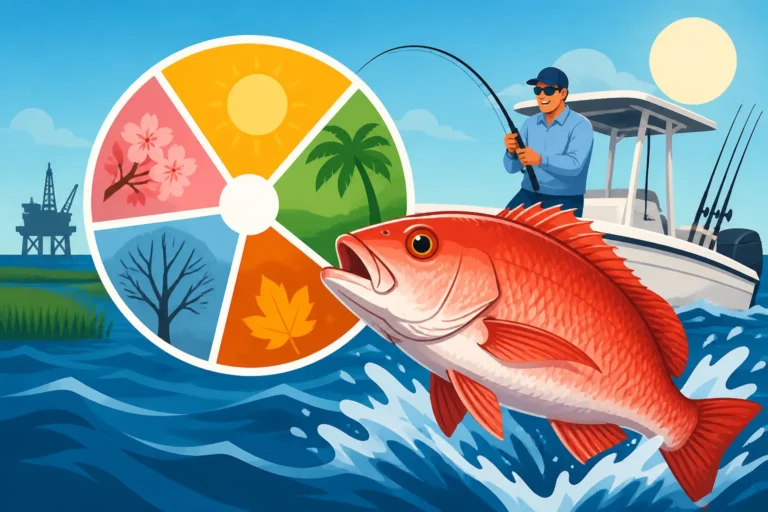
These two are the undisputed champions of Mississippi's inshore waters. Speckled trout (also known as spotted seatrout) are prized for their acrobatic fights and delectable white meat. They are generally active year-round but tend to be particularly abundant in spring and fall. In spring, as water temperatures rise, they move into the shallower bays and estuaries to spawn, offering fantastic topwater action. During the fall, they feed heavily as they prepare for winter, often schooling up in deeper bayou holes or around oyster reefs.
Redfish, or red drum, are another angler favorite, known for their powerful runs and "bull" strength. Like speckled trout, they are available throughout the year. However, the fall "bull red" run, when large mature redfish congregate near passes and inlets, is a truly epic experience. Smaller "slot" reds (those within legal size limits) are consistently found in the shallow marshes, around oyster bars, and along mangrove edges. They are aggressive feeders, hitting both live bait and a variety of artificial lures. Knowing the optimal Best Season to Book a Gulf Coast Charter can greatly increase your chances of targeting these species.
Flounder, Black Drum, and Sheepshead
Beyond the headliners, several other popular inshore species offer exciting fishing opportunities. Flounder are masters of camouflage, lying in wait on sandy or muddy bottoms. They are often targeted by "gigging" at night, but they can be caught with rod and reel using jigs tipped with live minnows or soft plastics slowly dragged along the bottom. Fall is often considered the prime season for flounder, as they migrate towards the Gulf passes for spawning.
Black drum, close cousins to redfish, can grow to impressive sizes and are often found in deeper channels, around bridges, and over oyster beds. They are bottom feeders, responding well to cracked crab, shrimp, or cut bait. While available year-round, they are particularly active in cooler months. Sheepshead, with their distinctive striped bodies and powerful crushing teeth, are also bottom dwellers. They love to feed on barnacles, oysters, and small crustaceans found around pilings, jetties, and other structures. They are a popular winter and early spring target when they spawn in nearshore waters. Catching these "convict fish" is a unique challenge due to their bait-stealing prowess.
Disclaimer
This article is for general informational purposes only and does not constitute professional advice. Laws, prices and regulations vary by location and change over time. Consult a qualified professional for guidance on your specific situation.