Mississippi Gulf Coast Fishing Guide
Fishing the Mississippi Gulf Coast can feel overwhelming with its vast expanses of water, diverse ecosystems, and the sheer number of species calling it home. For many anglers, figuring out where to start, what to target, and how to stay legal can turn a relaxing trip into a research project. This comprehensive guide is designed to cut through that confusion, offering you an insider's look at everything you need to know to make your Mississippi Gulf Coast fishing adventure a resounding success, from the calm bayous to the open Gulf waters.
Why the Mississippi Gulf Coast is a Prime Fishing Destination
The Mississippi Gulf Coast isn't just another pretty stretch of shoreline; it's a vibrant, dynamic ecosystem that offers a truly exceptional fishing experience. What sets it apart is a unique blend of geographical features and biological richness that creates prime conditions for a wide array of fish species, both inshore and offshore. If you've ever felt like your local fishing spots were getting a bit stale, the sheer variety here is enough to reignite your passion.
A Blend of Freshwater and Saltwater Influence
Imagine a place where the fresh, life-giving waters flowing down from Mississippi's rivers meet the vast, salty expanse of the Gulf of Mexico. That's precisely what defines the Mississippi Gulf Coast's unique appeal to anglers. Unlike many coastal areas dominated by purely saltwater environments, our stretch of the Gulf is a rich tapestry of marsh systems, winding bayous, and expansive estuaries, all influenced by major river deltas like the Pascagoula River. This constant mingling of fresh and saline water creates an incredibly fertile, dynamic habitat that is truly a fisherman's dream.
This brackish environment, a mix of fresh and salt, acts as a nursery for countless species and a migratory highway for many more. It's not just a simple boundary; it's a gradient, allowing fish that tolerate varying salinities to thrive. You'll find species typically associated with saltier waters pushing far up into the bayous, especially during drier periods, and conversely, some freshwater species venturing closer to the Gulf during heavy rains. This makes for a fishing experience that's constantly evolving and always surprising, often rewarding those who are keen observers of current conditions.
Think about it: in a single day, depending on where you cast your line, you might pull in a saltwater Speckled Trout or Redfish from a bayou, only to then encounter a freshwater Catfish that's moved down with the river flow. This unique blend truly sets our coast apart. It’s why you can have incredibly productive days targeting a diverse array of species that wouldn't typically coexist in a purely marine environment, making every trip a potential adventure.
However, this blend also presents its own set of challenges. Water clarity, salinity, and temperature can fluctuate wildly depending on recent rainfall, tidal movements, and even wind direction. What worked yesterday might not work today, demanding adaptability from anglers. But for those willing to learn and adjust, the rewards are immense, offering an unparalleled variety of fishing opportunities that few other coastlines can match.
Abundant Forage and Rich Ecosystems
The foundation of any great fishery is a robust food chain, and the Mississippi Gulf Coast boasts one of the healthiest. The vast marshlands and shallow estuaries serve as critical nursery grounds, producing an incredible abundance of baitfish, shrimp, and crabs. This consistent and plentiful food supply is what draws in and sustains the impressive populations of game fish that anglers travel here to pursue.
Consider the humble shrimp, often called the "candy of the sea." Our coastal waters are teeming with them, and nearly every predatory fish on the coast—from the smallest Speckled Trout to the largest Redfish—will readily devour a plump live shrimp. Similarly, schools of mullet, pogies (menhaden), and croakers provide constant sustenance, creating a buffet for hungry gamefish that are constantly on the prowl. This makes bait selection often quite straightforward, as the local fish are usually dialed into what's naturally abundant.
The overall health of the Gulf's interconnected ecosystems—from the protected bayous to the open waters around the barrier islands—plays a crucial role in maintaining this bounty. Efforts to preserve these habitats, such as oyster reefs and seagrass beds, are vital, as these structures provide both shelter and feeding grounds for juvenile fish, ensuring future generations of healthy populations. Anglers play a critical role in supporting these conservation efforts by adhering to regulations and practicing responsible fishing.
This richness means that whether you're sight-fishing in skinny water for Redfish or targeting massive schools of Speckled Trout, you're fishing in an environment where the fish are well-fed and actively hunting. It translates to more bites, stronger fights, and ultimately, a more satisfying day on the water. The sheer vibrancy of the ecosystem is palpable, making every cast feel like it has potential.
Understanding the Diverse Ecosystems of the Mississippi Gulf Coast
One of the beautiful complexities of fishing the Mississippi Gulf Coast is the sheer diversity of its aquatic environments. It’s not a one-size-fits-all fishery; instead, it offers distinct zones, each with its own character, challenges, and target species. Knowing the difference between inshore, nearshore, and offshore waters is crucial for planning your trip and maximizing your success.
Inshore Fishing: Bays, Bayous, and Estuaries
Inshore fishing on the Mississippi Gulf Coast focuses on the protected, shallower waters of the bays, bayous, and estuaries that hug the mainland. These areas are characterized by calmer waters, extensive marsh grass, oyster reefs, and muddy or sandy bottoms. This environment is perfect for anglers seeking a more sheltered experience, perhaps with smaller boats or even from the bank or a pier.
Our major inshore systems, like the expansive Biloxi Bay Fishing Guide, the serene Bay St. Louis Fishing Guide, and the vast Pascagoula Bay Fishing Guide, each offer unique opportunities. Biloxi Bay is known for its excellent Speckled Trout fishing and access to the Biloxi Back Bay's marsh system. Bay St. Louis, with its deep pass and extensive flats, is a Redfish haven. Pascagoula Bay, influenced by one of Mississippi's largest rivers, boasts a fantastic mix of species due to its brackish nature. Understanding these differences allows you to choose your perfect spot.
The primary target species inshore are typically Speckled Trout, Redfish, Flounder, and Sheepshead. These fish thrive amidst the structure provided by oyster beds, submerged grass, and the intricate network of bayou edges. They feed actively on the abundant shrimp and baitfish that call these nurseries home. You'll often find them ambushing prey in current-filled channels or lurking in the shadows of docks and bridges.
Effective techniques for these inshore environments often involve lighter tackle, stealth, and a keen eye for subtle signs of fish activity. Popping corks with live shrimp or soft plastics are deadly for trout, while weedless spoons or cut bait work wonders for Redfish on the flats. Fly fishing has also gained popularity for sight-casting to cruising Redfish in the shallows. It's a game of precision and patience, rewarding those who can read the water.
Nearshore Fishing: Reefs, Wrecks, and Barrier Islands
Moving slightly further out from the mainland, the nearshore waters of the Mississippi Sound present a different set of challenges and rewards. This zone typically extends from just beyond the mouths of the bays out to the barrier islands like Horn Island Fishing Guide and Ship Island Fishing Guide, encompassing depths from 10 to 40 feet. It’s a transition zone where the influences of both the rivers and the open Gulf are strongly felt.
What makes the nearshore so productive are the numerous natural and artificial structures. Old wrecks, submerged barges, rock piles, and extensive artificial reef systems provide crucial habitat for a variety of species. These structures break up current, offer shelter, and attract baitfish, creating ideal ambush points for larger predators. The Mississippi Sound itself is a vast, relatively shallow body of water that acts as a highway for migrating fish.
Species like Spanish Mackerel, King Mackerel, Tripletail, Cobia (seasonally), and various snapper species (Mangrove, Lane, and occasionally Red Snapper outside of federal seasons) are common catches in the nearshore. You'll also find large schools of Redfish and Speckled Trout moving into these deeper waters, particularly during colder months or when chasing large bait schools. It’s a zone that truly bridges the gap between the calm bays and the wild Gulf.
Fishing in this zone often requires a slightly larger boat than for strictly inshore excursions, capable of handling choppier conditions. Trolling with spoons or plugs is effective for mackerel, while bottom fishing with cut bait or live bait over artificial reefs yields snapper and other reef dwellers. Sight-casting for Tripletail around crab trap buoys or for Cobia cruising near marker poles adds an exciting visual element to the fishing.
Offshore Fishing: The Deep Blue Waters of the Gulf
For the adventurous angler seeking truly big game, offshore fishing in the Gulf of Mexico is the ultimate frontier. This involves traveling anywhere from 20 to 100+ miles out, into depths that can range from 60 to several hundred feet. The trip itself is an adventure, often starting before dawn and requiring a robust, seaworthy vessel.
The allure of offshore fishing lies in the pursuit of pelagic giants and deep-water reef dwellers. Here, you'll encounter species like Red Snapper, often considered the crown jewel of Gulf bottom fishing, along with Gag Grouper, Amberjack, and various other snapper and grouper species. Moving into the pelagic realm, anglers target powerful King Mackerel, Mahi-Mahi (Dolphin), Tuna, and even Billfish like Marlin and Sailfish further out. The sheer size and fighting power of these fish are unparalleled.
The challenges of offshore fishing are significant, from navigating potentially rough seas to understanding complex weather patterns and locating productive fishing grounds. It requires specialized heavy tackle, powerful electronics to locate structure and fish, and a deep understanding of ocean currents and fish behavior. The rewards, however, are often legendary, with opportunities for truly trophy-sized catches and unforgettable battles.
Successful offshore trips often involve a combination of techniques: trolling high-speed lures for pelagic species, dropping heavy live or dead bait to bottom fish over natural ledges and oil rigs, and even kite fishing for specific targets. It’s a demanding but incredibly rewarding pursuit that tests an angler's skill, endurance, and preparation, offering a glimpse into the raw power of the open ocean.
Key Fish Species You'll Encounter
The Mississippi Gulf Coast is a veritable smorgasbord for anglers, boasting a fantastic array of fish species that cater to every type of fishing preference. From the shallowest marsh to the deepest offshore rigs, there's always something exciting to target. Knowing your fish is the first step to successful and compliant fishing.
The Inshore Favorites: Speckled Trout and Redfish
If you ask any local angler about their favorite inshore targets, Speckled Trout Fishing on the Mississippi Coast and Redfish Fishing on the Mississippi Coast will almost certainly top the list. These two species define the quintessential Gulf Coast inshore experience, offering exciting fights and delicious table fare. They are readily accessible and provide consistent action throughout much of the year, making them perfect targets for both seasoned anglers and beginners.
Speckled Trout, or Spotted Seatrout, are easily identifiable by the distinct black spots on their backs and fins. They prefer shallower waters with grass beds, oyster reefs, and sandy bottoms, often congregating in protected bays and bayous. Known for their aggressive strikes, especially on topwater lures during low light conditions, they're fantastic sport fish. They typically range from 1 to 3 pounds, but "gator" trout over 5 pounds are not uncommon and present a thrilling challenge.
To catch Speckled Trout, live shrimp under a popping cork is an undisputed champion, but they also readily hit soft plastics, jig heads, and MirrOlure MirrOdines, particularly in colors like chartreuse, white, and clear with glitter. Understanding tidal movements is key, as trout often feed most actively when the tide is moving, flushing baitfish and shrimp from cover. Dawn and dusk are prime times, as is an overcast day, when they are less wary.
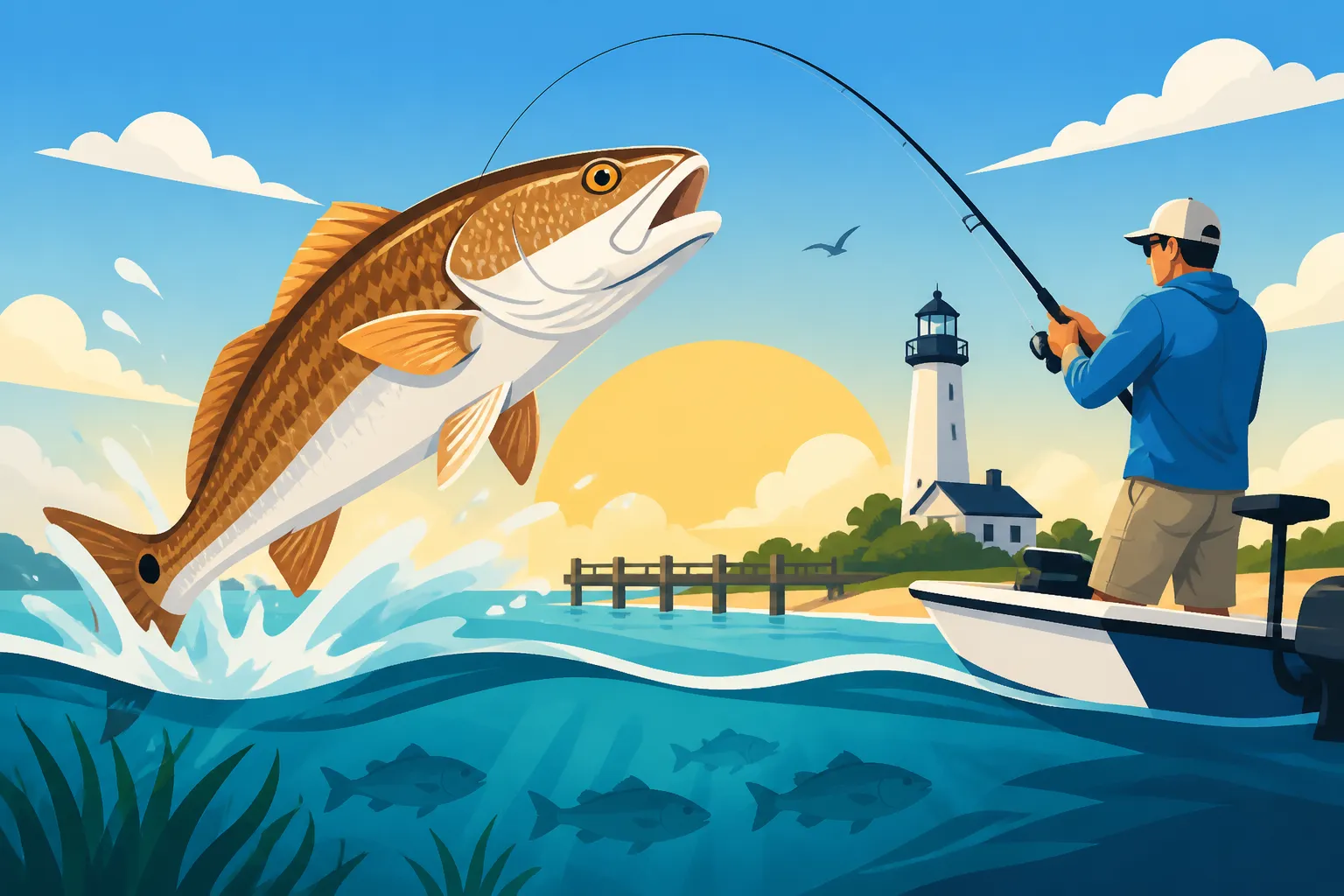
Redfish, also known as Red Drum, are perhaps the most iconic inshore game fish on the Gulf Coast. Recognized by their coppery red hue and the distinct black spot (or spots) near their tail, they are powerful fighters that can be found in incredibly shallow water, often "tailing" as they feed on the bottom. They inhabit oyster reefs, shallow grass flats, and even deeper channels, with their size ranging from small "rat reds" under 5 pounds to massive "bull reds" exceeding 40 pounds.
Targeting Redfish involves a variety of techniques. In the shallows, sight-casting with weedless spoons, soft plastics, or even flies is incredibly exciting, requiring a quiet approach and accurate casts. For bull reds in deeper water or around jetties, live mullet, pinfish, or cut bait fished on the bottom with a Carolina rig are highly effective. Their powerful runs and stubborn fights make them a favorite among anglers, demanding sturdy tackle. Always be mindful of the Mississippi Redfish and Speckled Trout Limits to ensure sustainable fishing.
Nearshore and Offshore Dynamos: Snapper, Cobia, and More
Venturing beyond the protected bays opens up a world of larger, harder-fighting fish, with Red Snapper and Cobia being two of the most sought-after prizes in the nearshore and offshore realms. These species offer intense battles and, in the case of snapper, some of the finest eating fish the Gulf has to offer. Their seasonal availability and specific habitats add an extra layer of challenge and excitement to their pursuit.
Red Snapper are arguably the most iconic deep-water species in the Gulf of Mexico. With their brilliant red color and delicious white meat, they are highly prized. They predominantly inhabit artificial reefs, natural rock formations, and offshore oil rigs, typically in depths ranging from 50 to 300 feet. The challenge with Red Snapper lies not just in catching them, but in navigating the highly regulated and often short federal and state seasons, which can vary annually.
Catching Red Snapper involves heavy conventional tackle, stout rods, and powerful reels capable of pulling these strong fish away from structure. Baits like whole squid, cut bait (bonita, mackerel), or live pinfish dropped directly to the bottom are most effective. The bite is often a solid thud, followed by a powerful head shake and a determined dive back towards their rocky homes. The excitement of landing a big Red Snapper is truly something special.
Cobia, often called "ling" locally, are a truly unique and powerful game fish. They are characterized by their sleek, brownish bodies and a distinctive dark stripe running down their side. Cobia are opportunistic predators, often found cruising nearshore around buoys, floating debris, channel markers, or over artificial reefs. They are known for their incredibly strong fights and delicious meat, making them a top target for many spring and summer anglers.
Targeting Cobia often involves sight-fishing—spotting them cruising near the surface and casting a live eel, jig, or large bucktail in front of them. They can be incredibly curious and aggressive, but also frustratingly finicky. When hooked, they are notorious for powerful, unpredictable runs and often a last-ditch effort to pull free boatside. Their seasonal migration pattern means anglers eagerly anticipate their arrival each spring.
Beyond these two stars, the nearshore and offshore waters hold a plethora of other exciting species. King Mackerel (Kings) are migratory speedsters caught by trolling fast-moving spoons or live baits. Spanish Mackerel, smaller but equally aggressive, are often found in large schools closer to shore. Tripletail are fascinating camouflage artists that often float near buoys or structure, offering a unique sight-fishing opportunity. Grouper species, Amberjack (powerful reef brawlers), and various types of snapper (Mangrove, Lane, Vermilion) further diversify the offshore experience, ensuring there's always something new to encounter.
Other Popular Catches and Non-Game Species
While Speckled Trout, Redfish, and Snapper often steal the spotlight, the Mississippi Gulf Coast offers a wider cast of characters that are equally fun to catch and often delicious to eat. Don't overlook these species; they can provide excellent action and add variety to your cooler.
Take Sheepshead, for example. These distinctive fish, with their human-like teeth, are notorious bait stealers but offer a challenging and rewarding fight, especially around pilings, jetties, and oyster reefs. They primarily feed on crustaceans and barnacles, making fiddler crabs and small pieces of shrimp excellent baits. They're often overlooked, but their firm, white flesh is considered a delicacy by many.
Flounder, another bottom dweller, are masters of camouflage, lying in wait on sandy or muddy bottoms. They are particularly active in the fall and winter months as they migrate from the estuaries to the Gulf. Live minnows, Gulp! shrimp, or even small spoons fished slowly along the bottom are effective. The thrill of feeling that subtle "thump" as a flounder takes the bait, followed by a surprisingly strong fight, is highly addictive.
Black Drum, closely related to Redfish, are also common in our bays and estuaries. They are larger, deeper-bodied, and lack the distinctive spot of their red cousins, though they may have faint vertical bars. Known for their powerful pull, they are often caught incidentally while targeting redfish with cut bait or large pieces of shrimp. While not as prized for eating as some other species, smaller black drum can be quite good.
For those seeking a truly unique battle, opportunities for shark fishing exist, though many anglers practice catch-and-release for these powerful predators. From Blacktip and Spinner sharks cruising the beaches to larger species offshore, they offer an adrenaline-pumping experience. Always ensure you are familiar with the specific regulations for shark species, which are often highly restrictive, before targeting them.
Finally, it's worth noting the many non-game fish that play vital roles in the ecosystem. Catfish, hardhead catfish, stingrays, and various baitfish species are abundant. While not always the target, they contribute to the overall health and vibrancy of the fishery. Understanding the role of all species, game and non-game alike, fosters a greater appreciation for the delicate balance of our coastal waters.
Best Fishing Spots Along the Mississippi Gulf Coast
Knowing which fish to target is only half the battle; knowing where to find them is the key to success. The Mississippi Gulf Coast is dotted with prime fishing locations, ranging from easily accessible piers to remote barrier islands. Each spot offers a different experience and targets different species, so choosing wisely based on your preferences and resources is essential.
Public Piers and Shoreline Access Points
For many, fishing begins close to shore, and the Mississippi Gulf Coast offers an excellent array of public piers and easily accessible shoreline spots. These locations are perfect for beginners, families, or anyone who enjoys the simplicity of casting a line without the need for a boat. They offer a fantastic way to enjoy the coastal environment, often yielding surprisingly good catches.
One of the most popular and accessible options is the Biloxi Small Craft Harbor Pier, a long, well-maintained pier that extends into Biloxi Bay. It’s illuminated at night, making it great for evening fishing, and offers a chance at Speckled Trout, Redfish, Flounder, and Sheepshead. Similarly, the Gulfport Harbor Pier and the Long Beach Harbor Pier provide ample space and similar opportunities, often seeing schools of baitfish, which, in turn, attract gamefish.
From these piers, you can expect to catch a variety of inshore species. Live shrimp, purchased from nearby bait shops, is a universal bait that almost everything will hit. Cut bait, squid, or artificial jigs can also be very effective. It's often a game of patience and observation; watch for baitfish activity or other anglers having success, and don't be afraid to move around until you find where the fish are holding.
These shoreline access points are incredibly family-friendly, providing restrooms and often concessions nearby. They eliminate the need for specialized equipment or navigating complex waterways, making fishing approachable for everyone. Remember to be courteous to other anglers, dispose of your trash properly, and always check for any specific pier rules or regulations before you start casting.
Productive Bay Systems and Estuaries
The heart of Mississippi's inshore fishing lies within its expansive bay systems and the intricate network of estuaries. These are the true nurseries of the Gulf, offering vast stretches of shallow, fertile waters teeming with life. For boat anglers, these bays represent an incredible playground, each with its own character and hidden hotspots.
The major players here are Biloxi Bay Fishing Guide, Bay St. Louis Fishing Guide, and Pascagoula Bay Fishing Guide. Biloxi Bay, with its extensive back bay system and marsh creeks, is a fantastic area for Speckled Trout, especially when targeting submerged grass beds and shell points. The Bay St. Louis, situated on the western end of the coast, is renowned for its shallow flats that hold excellent numbers of Redfish, particularly during low tide cycles when they are more concentrated in deeper channels. Pascagoula Bay, fed by the mighty Pascagoula River, offers a unique brackish environment, providing a wider mix of species including Redfish, Speckled Trout, Flounder, and even some freshwater influence.
Within these bay systems, anglers should focus on specific features that attract fish. Look for oyster reefs, which provide structure and food sources, often holding large numbers of Redfish and Sheepshead. Grass beds offer ambush points for Speckled Trout and Redfish. Creek mouths and marsh drains are prime locations during tidal changes, as baitfish are flushed out, making easy meals for predators. Understanding how tides influence these specific areas is crucial for success.
The best times to fish these bay systems often correlate with tidal movements—moving water is usually feeding water. Early morning or late evening, especially during a strong tide, can be incredibly productive. For many, a quiet approach in a shallow-draft boat or kayak, allowing for precise casting into these rich habitats, unlocks the full potential of these amazing fisheries. Always be mindful of navigation markers, as some areas can be extremely shallow.
Barrier Islands and Artificial Reefs
For anglers ready to venture a bit further, the Mississippi Gulf Coast's barrier islands and extensive artificial reef systems provide some of the most exciting and productive fishing opportunities. These offshore and nearshore structures act as magnets for marine life, drawing in a diverse array of species that thrive in deeper, more open waters.
Our chain of barrier islands—including the famous Horn Island Fishing Guide and Ship Island Fishing Guide—are absolute gems for anglers. These islands offer protected sounds on their leeward sides and access to deeper Gulf waters on their southern flanks. The passes between the islands are phenomenal for Speckled Trout, Redfish, and even King Mackerel as baitfish funnel through. The clear, sandy bottom and grass beds around the islands hold vast numbers of fish, making them prime targets for both live bait and artificial lure fishing.
What makes these islands so incredibly productive is their combination of natural structure, strong currents, and proximity to deeper water. They serve as a transition zone where migratory fish pause and feed. Exploring the grass flats on the sound side, fishing the passes on an outgoing tide, or targeting the deeper Gulf-side drop-offs can all yield fantastic results. You’ll need a boat capable of handling open water conditions, as the journey to these islands can be a bit bumpy.
Beyond the natural allure of the islands, Mississippi has invested heavily in an impressive artificial reef program. These man-made structures—ranging from old barges and concrete culverts to purpose-built reef balls—are strategically placed in the Mississippi Sound and offshore waters. They quickly become encrusted with marine growth, attracting baitfish, crabs, and, subsequently, a wide variety of game fish including Snapper, Grouper, Amberjack, and King Mackerel.
Accessing these reefs requires a boat equipped with GPS and a good sonar unit to locate the exact coordinates. The Mississippi Department of Marine Resources (MDMR) often publishes reef coordinates, making them accessible to the public. Fishing these structures typically involves bottom fishing with live or cut bait, or vertical jigging with heavy metal jigs. The excitement of dropping a bait down and feeling a powerful strike from a big reef fish is an experience every angler should have.
Seasonal Fishing Opportunities on the Mississippi Gulf Coast
The Mississippi Gulf Coast is a year-round fishing destination, but the savvy angler knows that the best action often shifts with the seasons. Each change in temperature, weather pattern, and fish migration brings new opportunities and challenges. Understanding these seasonal patterns is crucial for planning your trips and ensuring you’re targeting the right species with the most effective techniques.
Spring Fishing: Awakening Waters
Spring on the Mississippi Gulf Coast is a time of awakening, bringing with it some of the most anticipated fishing action of the year. As the water temperatures begin to rise steadily after the cooler winter months, fish become incredibly active, shaking off their winter lethargy and moving into shallower waters to feed and spawn. If you've been cooped up all winter, spring is your prime opportunity to get back on the water and experience explosive bites.
During this period, the inshore waters truly come alive. Large schools of Speckled Trout push into the bays and estuaries, aggressively feeding on shrimp and baitfish. Redfish, which may have congregated in deeper holes during winter, disperse and can be found tailing in shallow grass flats or cruising oyster reefs. Sheepshead remain active around structures like piers and jetties, often preparing for their own spawn, making them a consistent target. It's a fantastic time for both quantity and quality of catches.
Effective techniques in spring include using live shrimp under a popping cork, especially for trout, or slowly working soft plastics and spoons along marsh edges and shell beds. Topwater lures can also be incredibly productive for trout on calm mornings. For Redfish, sight-casting with weedless spoons or soft plastics on shallow flats is exhilarating, offering an up-close challenge. The key is to cover water and pay attention to areas warming up first.
Offshore, spring marks the beginning of the pelagic migration. King Mackerel and Spanish Mackerel start moving closer to shore, providing exciting trolling opportunities. The highly anticipated Red Snapper season, though often brief, typically opens sometime in late spring or early summer, drawing droves of anglers offshore. It’s a transition period where you can truly experience the best of both inshore and nearshore action.
Summer Fishing: Heat and Abundance
Summer fishing on the Mississippi Gulf Coast is characterized by hot temperatures and generally stable weather patterns, leading to abundant fish populations but requiring adjustments in tactics. While the midday heat can be intense, early mornings and late evenings often offer some of the most productive and comfortable fishing, rewarding those willing to adjust their schedules.
Inshore, as water temperatures soar, many fish will seek deeper, cooler water or move into areas with more current. Speckled Trout might hold in deeper bayou holes or around protected structures, while Redfish will often be found near oyster reefs, marsh drains, or even further out in the sound. Flounder become more prevalent, often ambushing bait in cooler, sandy depressions. Targeting these species usually means moving away from the extreme shallow flats of spring.
Offshore, summer is truly prime time. The federal Red Snapper season typically occurs during a window in the summer, creating an annual rush to the reefs. Other prized offshore species like Cobia, King Mackerel, and various Grouper and Snapper species are actively feeding around offshore rigs, natural ledges, and artificial reefs. Pelagic species like Mahi-Mahi (Dolphin) and Tuna also become more accessible further out in the Gulf, offering incredible sport.
To combat the summer heat, anglers often focus their efforts during the cooler parts of the day, from pre-dawn to mid-morning, and again in the late afternoon into the evening. Live bait, especially hardy pinfish or croakers, can be incredibly effective when the bite is slow. Saltwater Fishing Techniques for the Mississippi Gulf Coast during summer might also involve slower retrieves for artificial lures or fishing deeper with heavier jigs to get down to cooler water. Staying hydrated and protected from the sun are paramount.
Fall Fishing: The Feed and Migration
Many seasoned anglers will tell you that fall offers the absolute best fishing on the Mississippi Gulf Coast, and it’s hard to argue with them. As temperatures begin to cool from the summer highs, the waters come alive with what’s often described as a "feeding frenzy." Fish are actively bulking up for the leaner winter months, creating incredible action across all fishing zones.
This is the season for phenomenal Speckled Trout and Redfish action inshore. Trout gather in massive schools in the bays and around the barrier islands, aggressively chasing baitfish. Redfish, including large bull reds, become incredibly active, often schooling up in the Mississippi Sound and along the beaches, chasing baitfish runs. Sight-casting to these schools, whether from a boat or even surf fishing, can be an unforgettable experience.
Other species also remain active. Flounder begin their migration out of the estuaries and can be found in abundance around bayou mouths and nearshore structures. Sheepshead action around piers and jetties also picks up as they become more concentrated. The cooler temperatures make for more comfortable fishing days, and the vibrant autumn colors on the marsh grass add to the overall appeal.
Techniques in fall are varied, as fish are often willing to hit almost anything. Popping corks with live shrimp or artificials remain deadly for trout. Spoons, soft plastics, and topwater lures fished over active schools of bait can lead to non-stop action. For the bull reds, heavier tackle with live mullet or large cut baits can provide epic battles. The sheer abundance of bait and the aggressive feeding patterns make fall a truly special time to fish the coast.
Winter Fishing: Challenging but Rewarding
Winter on the Mississippi Gulf Coast might bring colder temperatures and occasionally blustery conditions, but it's a season that can offer incredibly rewarding fishing for those willing to brave the chill. While the pace might slow down, fish often concentrate in predictable patterns, making it an excellent time to target quality over quantity. The added bonus? Fewer crowds on the water.
Inshore, fish react to the colder water by seeking out deeper holes, protected bayous, and areas with stable temperatures. Larger Speckled Trout will often congregate in deep channels, cuts, and river mouths, sometimes found in large schools. Redfish will also stack up in deep bayou bends or around structures that offer thermal refuge. This concentration makes them easier to locate once you find their preferred winter haunts.
Sheepshead fishing, often hitting its peak in winter and early spring, provides consistent action around bridge pilings, jetties, and rock structures. They are less affected by cold fronts and continue to feed actively on crustaceans. Flounder also remain a good target, often found buried in soft bottom in deeper bayou sections or near the mouths of creeks, ambushing passing prey.
Techniques in winter typically involve a slower, more deliberate approach. Live shrimp or artificials like soft plastics and jigs should be worked very slowly along the bottom or suspended patiently in deeper water. Scented baits can also give you an edge when fish are less aggressive. Understanding how even a slight temperature increase from a sunny day can activate fish in certain areas is a key winter strategy. While the bites may be fewer, the fish you do catch are often larger and in prime condition, making a winter fishing trip a unique and often peaceful experience.
Essential Gear and Techniques for Gulf Coast Fishing
Stepping onto the Mississippi Gulf Coast with the right gear can make all the difference between a frustrating day and a fantastic one. Saltwater environments demand specific types of tackle and techniques, especially given the diverse species and conditions you'll encounter. Don't worry, you don't need a boatload of expensive equipment, but understanding the basics will set you up for success.
Rods, Reels, and Lines for Saltwater
Choosing the right rod, reel, and line is foundational to any successful fishing trip, and saltwater fishing presents unique demands compared to freshwater. Corrosion resistance is paramount, and the power required varies dramatically depending on whether you're targeting small Speckled Trout or large offshore species.
For the majority of inshore fishing—targeting Speckled Trout, Redfish, and Flounder in the bays and bayous—a medium-light to medium power spinning rod, typically 6'6" to 7'6" in length, is ideal. Pair this with a 2500-3000 size spinning reel spooled with 10-20 lb braided line. Braid offers incredible sensitivity and casting distance. Crucially, always use a fluorocarbon leader, usually 20-30 lb test, attached to the braid with a strong knot like an FG knot or a double uni. This leader provides stealth and abrasion resistance against oyster shells and fish teeth.
Moving to nearshore waters for species like Spanish Mackerel, small King Mackerel, or larger Redfish around the barrier islands, you'll want to bump up your gear slightly. A medium to medium-heavy spinning or conventional rod, 7-8 feet, with a 4000-5000 size reel spooled with 30-40 lb braid, is a good choice. This setup provides more backbone for stronger fish and the potential for heavier lures or baits. A 40-50 lb fluorocarbon leader will be your friend here.
For the serious offshore angler chasing Red Snapper, Grouper, or Amberjack, heavy conventional tackle is generally preferred. This means short, stout boat rods (often 5'6" to 6'6") paired with lever-drag conventional reels loaded with 50-80 lb braided line. For pelagic species like King Mackerel or Mahi-Mahi, stand-up conventional gear or larger spinning outfits (6000-10000 size) with 50+ lb braid are common. Saltwater gear requires diligent rinsing after every trip to prevent corrosion.
Baits, Lures, and Rigging Strategies
The variety of baits and lures available for Gulf Coast fishing can be overwhelming, but focusing on what the fish naturally eat in our waters simplifies the choice. Understanding the local forage and adapting your presentation is key to getting bites.
Live bait is often king, especially inshore. Live shrimp, readily available at almost any bait shop along the coast, is a universal offering that nearly everything eats. Live minnows (like mud minnows or cocahoe minnows) are excellent for Flounder, while live mullet or croakers can tempt larger Redfish and even King Mackerel. For offshore species, live pinfish, cigar minnows, or even small hardhead catfish can be irresistible.
When it comes to artificial lures, soft plastics are incredibly versatile. Paddle tails, shrimp imitations, and jerk baits rigged on jig heads (1/8 to 1/2 oz, depending on depth and current) are deadly for Speckled Trout, Redfish, and Flounder. Brands like Matrix Shad, Z-Man, and D.O.A. are popular choices. Topwater lures, such as Heddon Super Spooks or MirrOlure TopDogs, create explosive strikes for trout and redfish during low-light conditions. Spoons (like Johnson Silver Minnow) are great for aggressive Redfish, while trolling plugs and spoons work for mackerel offshore.
Rigging strategies are straightforward but essential. For inshore fishing, the "popping cork" rig (a cork floating above a leader with live shrimp or a soft plastic) is incredibly effective for Speckled Trout. For bottom dwellers like Redfish or Flounder, a simple Carolina rig (sliding egg sinker, swivel, leader, hook) with cut bait or live bait works wonders. Offshore, you'll often employ heavier versions of bottom rigs or specialized trolling rigs for pelagics. Mastering a few key Saltwater Fishing Techniques for the Mississippi Gulf Coast will greatly enhance your success.
Boating and Kayak Fishing Considerations
The decision of how to fish—from a boat, kayak, or shore—heavily influences your access to prime fishing spots and the types of fish you can target. Each method has its unique advantages and considerations on the Mississippi Gulf Coast.
For most serious inshore and nearshore anglers, a bay boat or center console is the vessel of choice. Bay boats, typically 18-24 feet, offer a shallow draft for accessing skinny water but also have enough freeboard to handle choppy bay conditions. Center consoles, generally larger (20-30+ feet), are more suited for nearshore and offshore excursions, capable of handling rougher Gulf waters. When choosing a boat, consider your primary fishing grounds, the number of anglers, and critical safety features like GPS, VHF radio, and all required safety gear (life jackets, flares, etc.). Always check weather forecasts thoroughly before heading out.
Kayak fishing has exploded in popularity on the Mississippi Gulf Coast, offering a stealthy and intimate way to explore the shallow estuaries and bayous. The advantages are clear: access to extremely shallow areas where larger boats can't go, a quiet approach that won't spook fish, and a fantastic workout. Kayaks are ideal for targeting Redfish in skinny water or exploring hidden marsh creeks. Essential gear for kayak anglers includes a PFD (personal flotation device) at all times, a paddle, a small anchor, a fish finder/GPS, a waterproof dry bag, and plenty of water.
Regardless of your chosen vessel, safety should always be your top priority. The Mississippi Sound and Gulf can become rough quickly, even on what starts as a calm day. File a float plan, tell someone where you're going and when you expect to return, and never push the limits of your boat or your experience. Knowledge of navigation, local hazards, and marine weather is crucial for enjoyable and safe fishing trips.
Navigating Regulations and Licenses for Mississippi Gulf Coast Fishing
One of the most crucial, yet often overlooked, aspects of fishing the Mississippi Gulf Coast is understanding and adhering to the state's fishing regulations. These rules are in place to protect our precious marine resources and ensure sustainable fishing for future generations. Ignorance of the law is not an excuse, and penalties can be steep. So, before you cast a line, make sure you're properly licensed and informed.
Understanding Licensing Requirements
To legally fish in the saltwaters of Mississippi, you absolutely need a valid fishing license. This isn't just a suggestion; it's a requirement for almost everyone aged 16 and over. Failing to obtain one can result in fines and the confiscation of your catch, which is a sure way to ruin a perfectly good fishing trip. Don't let a simple oversight turn your relaxing day into a costly headache.
For those planning to fish the Gulf Coast, a specific Mississippi Saltwater Fishing License Guide is necessary. While Mississippi offers various freshwater licenses, saltwater fishing requires its own designation. Residents and non-residents alike have options, from annual licenses to shorter-term permits tailored for tourists or those just visiting for a quick trip. Always ensure you purchase the correct license type for the waters you intend to fish.
Getting your license is a straightforward process. You can easily purchase a Mississippi Fishing License Guide online through the Mississippi Department of Wildlife, Fisheries, and Parks (MDWFP) website, which is often the most convenient method. Alternatively, licenses are sold at authorized MDWFP agents across the state, including local bait and tackle shops, Walmart, and Academy Sports + Outdoors. Remember to carry your license with you whenever you are fishing, as game wardens regularly check.
It might seem like an extra step, but these licensing fees directly contribute to the conservation efforts that keep our fisheries healthy and productive. The funds help manage fish populations, enforce regulations, and maintain public access points. So, when you buy a license, you're not just getting permission to fish; you're investing in the future of Mississippi's incredible fishing heritage.
Grasping Creel Limits and Size Restrictions
Beyond just having a license, every responsible angler must understand and respect the creel (daily catch) limits and size restrictions for each species. These regulations are scientifically determined to protect fish populations, especially during spawning seasons, and allow juvenile fish to mature before being harvested. Ignoring these rules directly harms the fishery and can lead to severe penalties.
For popular species on the Mississippi Gulf Coast, these limits are critically important. For instance, there are specific Mississippi Redfish and Speckled Trout Limits dictating the minimum and maximum size you can keep, as well as the daily bag limit. Red Snapper, a highly sought-after offshore species, often has a very short season with strict bag limits and minimum size requirements due to federal conservation efforts. Other species like Flounder, Sheepshead, and various Snapper and Grouper species also have their own specific regulations.
These regulations aren't arbitrary; they are the backbone of sustainable fishing. They prevent overfishing, allow fish to reach reproductive age, and ensure that anglers today and tomorrow can enjoy healthy populations. Measuring your fish immediately upon catch and releasing any undersized, oversized, or over-limit fish promptly and carefully is an ethical imperative. If you're unsure, it's always better to release.
The easiest way to stay up-to-date on all current regulations is to consult the MDWFP's official Mississippi Fishing Regulations Explained booklet or their website. Regulations can change, sometimes seasonally or even mid-year, so make it a habit to check before each trip, especially if you haven't fished in a while or are targeting a new species. Keep a tape measure or a fish ruler handy on your boat or in your tackle box.
Special Seasons and Protected Species
Certain species on the Mississippi Gulf Coast come with unique challenges and highly specific regulations, notably the highly anticipated Red Snapper season. These special considerations require extra vigilance and understanding from anglers to ensure compliance and conservation.
The Red Snapper season is a prime example. Due to their slow growth rate and popularity, Red Snapper are carefully managed at both federal and state levels. The season is often very short, sometimes just a few weeks or even weekends, typically occurring in the summer. Anglers eagerly await the announcement of these dates, as it represents a limited window for one of the Gulf's most prized catches. Fishing for Red Snapper outside of the designated season, even accidentally, is illegal and carries significant penalties.
Beyond Red Snapper, other species may have specific seasonal closures or bag limits designed to protect them during vulnerable periods, such as spawning. For example, some shark species are protected or have very strict size and possession limits, with many anglers opting for catch and release only. It’s crucial to be able to accurately identify your catch, especially for species that might look similar but have different regulations.
Understanding catch and release practices is also vital, particularly for protected species or those you intend to release due to size or personal choice. Minimizing stress on the fish, handling them carefully, and releasing them quickly significantly increases their chances of survival. Techniques like using circle hooks, which are less likely to gut-hook a fish, are highly recommended, especially when fishing for species like Red Snapper that are known to have high release mortality rates from barotrauma when pulled from deep water. Anglers are stewards of the resource, and responsible practices ensure a vibrant fishery for years to come.
Hiring a Fishing Charter or Guide: Enhancing Your Experience
For many visitors to the Mississippi Gulf Coast, or even seasoned locals looking to explore new techniques or areas, hiring a professional fishing charter or guide can transform a good fishing trip into an unforgettable adventure. While some might hesitate at the cost, the value in expertise, equipment, and local knowledge often far outweighs the expense, making your time on the water more productive and enjoyable.
When to Consider a Professional Guide
There are several compelling reasons why a professional fishing guide is a worthwhile investment. If you’re a beginner, a guide eliminates the intimidation factor of unfamiliar waters, complex regulations, and specialized gear. They teach you the ropes, put you on fish, and ensure a safe, educational experience, often turning a novice into a confident angler by the end of the day.
For tourists or visitors, a charter is an excellent way to experience the local fishery without having to invest in equipment, bait, or extensive research. Guides know the hot spots, understand the seasonal patterns, and adapt to changing conditions, virtually guaranteeing you a better chance at catching fish than if you went out on your own. They truly provide an immersive, hassle-free experience.
Even experienced anglers can benefit. If you're looking to target a specific species that requires specialized techniques, like sight-fishing for Redfish on the flats or deep-dropping for Snapper, a guide who specializes in that discipline can be invaluable. They have years of accumulated local knowledge about tides, bait movements, and fish behavior that would take a lifetime to acquire on your own. Platforms like FishingBooker make it easy to find guides specializing in different species and techniques.
Ultimately, a guide maximizes your time on the water. Instead of spending hours searching for fish, struggling with unfamiliar tackle, or worrying about regulations, you can focus on the pure enjoyment of fishing. They provide all the necessary gear, bait, and often even handle the licensing requirements for you (though checking if your personal license is covered is always wise, as is knowing What to Bring on a Mississippi Fishing Charter). It's about efficiency, education, and vastly increasing your chances of success.
Choosing the Right Charter for Your Trip
Once you've decided to hire a guide, the next step is finding the right one for your specific needs and preferences. The Mississippi Gulf Coast offers a wide range of options, from inshore specialists to deep-sea adventurers, and making an informed choice is key to a successful trip.
First, consider the type of fishing you want to do. Do you dream of sight-fishing for Redfish in calm, shallow bayous? Then an inshore charter, often operating smaller, shallower-draft boats, is your best bet. Are you aiming for big Red Snapper or King Mackerel in the open Gulf? You'll need an offshore charter with a larger, more robust vessel capable of handling deeper waters and longer runs. Guides specializing in Mississippi Gulf Coast Fishing Charters will often clearly state their focus.
Researching captains and boats is crucial. Look for guides who are fully licensed, insured, and have a strong track record of safety and success. Online platforms like FishingBooker are incredibly helpful here, as they allow you to compare multiple captains, view their boats, read genuine customer reviews, and see their availability all in one place. You can find guides specifically for Biloxi Fishing Charters Guide or other coastal towns.
Don't hesitate to ask questions before booking. Inquire about what's included (tackle, bait, ice, fish cleaning), what isn't (food, drinks, gratuity, license), the maximum group size, and their cancellation policy in case of bad weather. A good captain will be happy to answer all your questions and ensure you have a clear understanding of what to expect, helping to manage your expectations for the trip. This transparency is a hallmark of a professional operation.
Preparing for Your Guided Adventure
Booking a charter is exciting, but a little preparation on your part can make the experience even smoother and more enjoyable for everyone involved. While your captain will handle most of the heavy lifting, a few thoughtful considerations will set you up for success.
Start with the essentials: sun protection is paramount on the Gulf Coast. Bring a wide-brimmed hat, polarized sunglasses, and plenty of high-SPF sunscreen. Even on cloudy days, the sun's reflection off the water can lead to severe sunburn. Light-colored, long-sleeved shirts made from breathable, UV-protective fabric are also highly recommended. Don't forget any personal medications you might need.
Beyond sun protection, pack snacks and drinks, as most charters don't provide these unless specifically requested for an additional fee. A small cooler with ice for your personal items is usually welcome. Bring a camera to capture your catches and memories, and if you plan to keep fish, an additional cooler to transport your fillets home after the trip is a smart move. Ask your captain if they offer fish cleaning services, as most reputable guides do, often for a small fee or as part of their service.
Tipping your guide is standard practice and highly appreciated, reflecting the hard work and expertise they provide. A typical gratuity ranges from 15-20% of the trip cost, depending on your satisfaction. It's best to have cash on hand for this. Lastly, communicate your expectations clearly with the captain. If you want to target a specific fish, practice a certain technique, or just relax and enjoy the scenery, let them know. They want you to have a great time and will do their best to accommodate reasonable requests.
Mississippi Gulf Coast Fishing Season Calendar
This table provides a general overview of the best times to target popular species on the Mississippi Gulf Coast. Remember that fishing is influenced by many factors, and conditions can vary year to year.
| Species | Best Season (Primary) | Secondary Season (Good) | Common Locations | Typical Bait/Lure |
|---|---|---|---|---|
| Speckled Trout | Spring, Fall | Summer, Winter | Bays, Marshes, Grass Beds | Live Shrimp, Soft Plastics, Topwater Lures |
| Redfish | Spring, Fall | Summer | Shallow Flats, Oyster Beds | Live Shrimp, Cut Bait, Spoons, Soft Plastics |
| Red Snapper | Summer (Limited Season) | Offshore Reefs, Wrecks | Cut Bait, Live Pinfish, Squid | |
| Cobia | Spring, Summer | Nearshore, Buoys, Structure | Live Eels, Jigs, Large Soft Plastics | |
| King Mackerel | Summer, Fall | Nearshore, Offshore | Trolled Spoons, Live Mullet, Cigar Minnows | |
| Spanish Mackerel | Summer, Fall | Spring | Nearshore, Beaches | Trolled Spoons, Got-Cha Plugs, Small Jigs |
| Flounder | Fall, Winter | Spring | Bay Bottoms, Structure | Live Minnows, Gulp! Shrimp, Jig-and-Grub |
| Sheepshead | Winter, Spring | Piers, Jetties, Pilings | Fiddler Crabs, Live Shrimp, Barnacles | |
| Tripletail | Spring, Summer | Buoys, Floating Debris | Live Shrimp, Small Jigs | |
| Black Drum | Spring, Fall | Winter | Bays, Oyster Beds | Cut Bait, Live Shrimp, Fiddler Crabs |
Disclaimer
Fishing regulations, seasons, and licensing requirements can change. While every effort has been made to provide accurate and up-to-date information, it is the angler's responsibility to verify current rules with the Mississippi Department of Wildlife, Fisheries, and Parks (MDWFP) or the Mississippi Department of Marine Resources (MDMR) before heading out on the water. Always prioritize safety and responsible fishing practices.