Is Wading Allowed at Mississippi Fishing Spots?
It's a familiar scenario for many Mississippi anglers: you're standing on the bank, watching fish rise just out of casting range, or you spot a promising logjam mid-creek that your boat just can't reach. That burning question pops into your head – "Can I just wade out there?" The desire to get closer to the action is strong, but the rules and safety concerns around wading can often feel murky. This guide will dive deep into everything you need to know about wading in Mississippi's diverse fishing spots, from understanding the regulations to gearing up safely and finding the best places to dip your toes.
Understanding Mississippi Wading Regulations
One of the biggest concerns for any angler wanting to get into the water is simply knowing if it's even allowed. The good news is, for the most part, wading is absolutely permitted in many of Mississippi's public waters. However, it's not a free-for-all, and understanding the nuances between freshwater and saltwater, as well as private versus public land, is absolutely crucial to avoid any trouble. It's not just about legality; it's also about respecting property and knowing your boundaries.
General Rules for Freshwater Wading
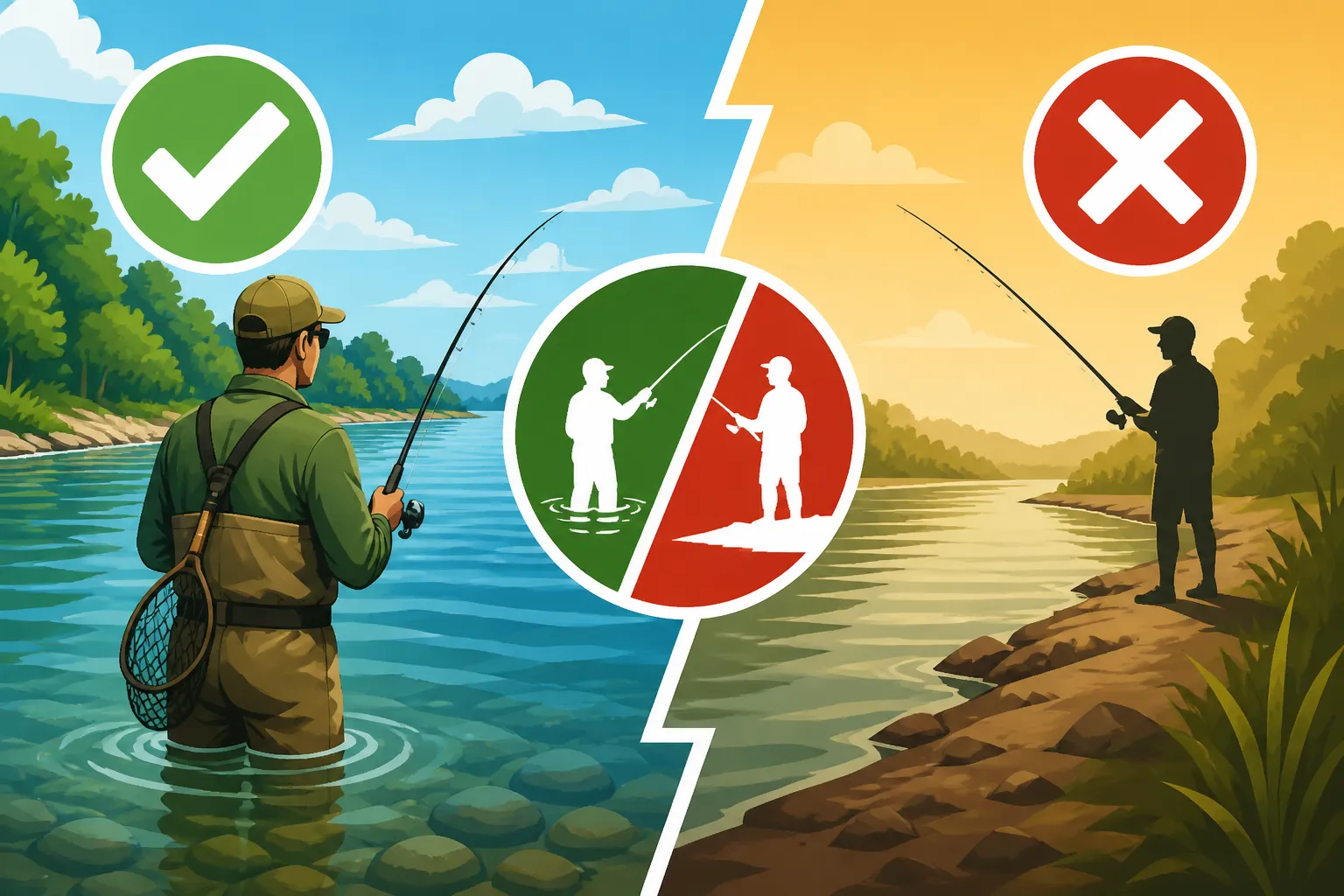
When you're thinking about slipping into a river, creek, or a shallow section of a lake in Mississippi, the general rule of thumb revolves around public access and navigability. If the water itself is considered public and navigable, you generally have the right to wade in it. This means you can often wade along the banks of major rivers like the Pearl River, Pascagoula River, or Tombigbee River, provided you access these waters from public land, such as a boat ramp, a designated public access point, or a bridge crossing. The key here is "public access." You can't trespass across private land to reach public water, nor can you wade onto private property once you're in the water.
This distinction is incredibly important. Many anglers have faced uncomfortable situations because they unknowingly stepped onto private land while following a riverbank. Always be aware of your surroundings and look for signs indicating private property. If there's a fence, a clearly marked boundary, or a "No Trespassing" sign, it's best to respect that and find another spot. When in doubt, stick to areas that are unequivocally public, like state-owned access points or public parks. Even if the water is public, the land beneath and surrounding it might not be. Always carry your Mississippi Fishing License Guide with you, as well as be familiar with the broader Mississippi Freshwater Fishing Rules to avoid any unexpected issues.
Saltwater Wading and Coastal Access
Wading along Mississippi's Gulf Coast presents a slightly different set of rules, largely due to the nature of public beaches and estuaries. The good news for saltwater enthusiasts is that most of Mississippi's coastal beaches, bays, and marsh areas are generally open for public access and wading. From the expansive beaches of Gulfport and Biloxi to the calmer waters of the Mississippi Sound, you'll find countless opportunities to wade for speckled trout, redfish, and flounder. Areas like the Biloxi Bay Fishing Guide often highlight excellent wading opportunities. The mean high tide line is usually the demarcation for public access on coastal beaches, meaning anything below that line is typically considered public.
However, just like in freshwater, common sense and courtesy apply. Avoid wading into private marinas, docks, or areas clearly marked as private property adjacent to waterfront homes. You should also be mindful of navigation channels and boat traffic, as getting in the way of vessels can be dangerous. Some areas might have specific environmental protections in place, especially around delicate marsh habitats or oyster beds, so always keep an eye out for posted signs. A Mississippi Saltwater Fishing License Guide will provide you with specific details on what you need to fish these waters.
Special Considerations for State Parks and Wildlife Areas
Mississippi is blessed with numerous state parks and wildlife management areas (WMAs) that offer fantastic fishing opportunities. The question often arises: are these prime spots open to wading? The answer is generally yes, but with a crucial caveat: always check for specific regulations pertaining to that particular area. While a general state fishing license covers you, some state parks might require an additional daily or annual permit to fish, which could include wading. This is particularly true for smaller, managed state park lakes. Our guide on Do You Need a License to Fish in Mississippi State Parks? delves deeper into this.
Wildlife Management Areas, managed by the Mississippi Department of Wildlife, Fisheries, and Parks (MDWFP), are often excellent for wading due to their undeveloped nature. However, these areas might have seasonal restrictions, specific access points, or regulations regarding the use of certain types of gear. For instance, some areas might be designated as "walk-in only" during certain seasons to protect wildlife. Before heading out to wade in a WMA or state park, it's always best practice to check the MDWFP website or contact the specific park/area office directly. A quick call or online search can save you a lot of hassle and ensure you're fishing within the rules.
Benefits and Challenges of Wading for Anglers
Stepping out of the boat or off the bank and directly into the water can completely transform your fishing experience. Wading offers unique advantages that boat or bank fishing simply can't match, but it also comes with its own set of challenges and potential hazards. Understanding both sides of the coin is essential for a successful and safe wading trip in Mississippi.
Advantages of Getting in the Water
One of the most compelling reasons to wade is the incredible stealth it offers. Unlike a boat, which can create noise and cast a large shadow, a wader moves much more subtly through the water. This quiet approach allows you to get significantly closer to wary fish, especially in shallow, clear waters where fish are easily spooked. Imagine slowly easing your way into a pristine creek, casting to a shaded pocket where a big bass might be hiding, without the tell-tale splash of an anchor or the hum of a trolling motor. This stealth is a game-changer for finesse fishing.
Beyond stealth, wading grants you access to otherwise unreachable spots. Those lily pad fields that are too dense for a boat, the small pockets between submerged timber, or the skinny water along a sandbar that a kayak can't navigate—these become prime targets for the wader. You can often reach unpressured water, which means more bites from less-stressed fish. Wading also allows you to "feel" the bottom, discerning changes in depth, substrate (mud, sand, rock), and structure that might indicate a fish ambush point. This intimate connection with the environment provides a wealth of information that can significantly improve your catch rates. It's a truly immersive experience that helps you learn the nuances of a specific fishing hole on a much deeper level.
Potential Hazards and Disadvantages
Despite the allure of wading, it's crucial to acknowledge the very real dangers and limitations involved, especially in a state like Mississippi. The most immediate concern for many freshwater waders is wildlife. Alligators are present in many Mississippi waters, particularly in the southern and central parts of the state. While attacks are rare, it's imperative to be aware of their presence, avoid disturbing them, and never wade in areas with dense alligator populations or during their nesting season. Snakes, especially venomous water moccasins, are also common along riverbanks and in marshy areas, so watch your step and where you place your hands if you're holding onto vegetation.
Beyond wildlife, the physical environment itself poses risks. Strong currents in rivers can quickly sweep you off your feet, especially after heavy rains. Unstable or soft bottoms can lead to getting stuck in muck, a truly unpleasant and potentially dangerous situation. Submerged hazards like fallen trees, sharp rocks, or even discarded trash can lead to painful injuries. Limited gear carrying capacity is another practical disadvantage; you can only bring what you can comfortably carry on your person, often in a vest or sling pack, which means less variety in tackle. Finally, weather exposure is a constant factor. You're fully exposed to the sun, wind, rain, and cold, making appropriate clothing and sun protection non-negotiable. Always check the forecast before you go, and consider the time of year, especially the sweltering Mississippi summers.
Essential Gear and Safety Tips for Wading in Mississippi
Successful and safe wading isn't just about knowing where you can go; it's also about being properly equipped and understanding how to minimize risks. A little preparation can make all the difference between a fantastic day on the water and a potentially dangerous situation.
Must-Have Wading Equipment
The right gear is paramount for comfort and safety. First and foremost, a good pair of wading boots or durable water shoes with excellent grip is essential. Many anglers prefer felt-soled boots for slick riverbeds, while others opt for rubber soles with studs for general purpose wading. Avoid flimsy sandals or sneakers, which offer little protection or traction. If you're wading in cooler weather or in deeper waters, chest waders are a must. They keep you dry and can provide a layer of insulation. Brands like Simms and Orvis are popular for their durable waders, but there are many options available.
A wading staff or sturdy walking stick is not optional; it's a lifesaver. It provides stability on slippery or uneven bottoms, helps you test depth before stepping, and can even ward off curious critters. A personal flotation device (PFD) is another non-negotiable, especially when wading in currents or unfamiliar waters. Even experienced swimmers can get into trouble quickly. Polarized sunglasses are critical for seeing into the water, spotting fish, and identifying submerged hazards. Finally, a small, waterproof pack or fishing vest to carry your Best Bait for Crappie in Mississippi and other essentials, along with your valid Mississippi Fishing License Guide, ensures you're prepared for anything the day might throw at you.
Staying Safe While Wading
Safety should always be your top priority. One of the best pieces of advice for wading is to never go alone. A buddy system ensures that if one person gets into trouble, the other can assist or seek help. Before you even get in the water, take a moment to assess the conditions. Look at the water level, clarity, and current. If the water is unusually high or fast, or if visibility is poor after a heavy rain, it might be best to postpone your wading trip. Knowing the Mississippi Fishing Season Dates and Limits can also inform you about typical water levels and fish behavior.
Always shuffle your feet when wading to avoid stepping directly on snakes or stingrays (in saltwater). Be hyper-aware of your surroundings – not just the fish, but potential wildlife threats, sudden drops in depth, and especially boat traffic if you're in a shared waterway. If you hear a boat approaching, make yourself visible and be prepared to move out of their path. In areas with significant current, face upstream as you wade to maintain better balance and control. Consider wearing a small whistle to alert others if you need assistance. Our guide on Mississippi Life Jacket Rules for Anglers offers more essential safety tips for being on or in the water. Remember, no fish is worth risking your safety.
Top Mississippi Fishing Spots Suitable for Wading
Mississippi offers an incredible variety of aquatic environments, and many of them provide fantastic opportunities for wade fishing. From the muddy banks of its vast river systems to the sandy flats of the Gulf Coast, there's a perfect spot for every wading enthusiast.
Freshwater Wading Opportunities
When it comes to freshwater wading, Mississippi's numerous rivers and creeks are true gems. The mighty Pearl River, for instance, offers extensive stretches of wadable areas, especially during lower water levels. Anglers can target bass, catfish, and various panfish by carefully navigating its shallower sections. Similarly, the Pascagoula River and the Tombigbee River also provide excellent wading access in their upper reaches and tributaries, where the current is less intense and the bottom more stable. Checking reports on Pearl River Fishing Guide, Pascagoula River Fishing Guide, and Tombigbee River Fishing Guide can help you pinpoint accessible areas and prime times.
Beyond these major rivers, many smaller creeks and streams throughout the state are perfect for a stealthy approach. These often overlooked spots can hold surprising numbers of bass, bream, and even crappie. Look for public land access points, bridge crossings, or easements that grant you legal entry. Another fantastic freshwater wading opportunity can be found in the tailwaters below some of Mississippi's large reservoirs. The Sardis Lake Tailwater Fishing area, for example, is renowned for its trout and bass fishing, offering relatively clear and consistent flows that are ideal for wading anglers. These areas typically have public access points and are managed by the state, making them a safe bet for legal wading.
Coastal Wading Paradises
For those who love the salty air and the thrill of sight fishing, the Mississippi Gulf Coast is a wader's paradise. The expansive, shallow bay flats are perfect for stalking redfish and speckled trout. Places like the Biloxi Bay offer vast areas of relatively clear, calm water where you can spend hours slowly working your way through the grass beds and sand pockets. The key here is stealth and patience, as you look for cruising fish or tell-tale signs like nervous water or baitfish scattering. Our Biloxi Bay Fishing Guide provides some prime locations.
The marshy areas adjacent to the bays and estuaries also provide excellent wading opportunities. Here, you can target fish hiding in the broken marsh grass, along oyster reefs, or in the numerous small bayous and tidal creeks. Just be mindful of the soft mud bottoms and the aforementioned wildlife. Nearshore islands and the calmer sides of barrier islands, often accessible by kayak or a short boat ride, also boast pristine wading conditions for a variety of species. Even around some of the public fishing piers, you might find wadeable flats that allow you to cover more ground than just casting from the pier itself. Always check tide charts when planning coastal wading trips, as low tide often provides the best access to vast flats, while high tide might push fish into cover. Using a resource like FishingBooker can help you find local guides who specialize in wade fishing these unique coastal environments if you're looking for an experienced hand to show you the ropes.
Comparing Wading Environments in Mississippi
Understanding the fundamental differences between freshwater and saltwater wading is key to preparing properly and ensuring a safe, enjoyable trip.
| Feature | Freshwater Wading (Rivers, Creeks, Lakes) | Saltwater Wading (Bays, Marshes, Coast) |
|---|---|---|
| Typical Depth | Varies widely; often knee to waist deep, can have sudden drops. | Generally very shallow, ankle to knee deep on flats; can have channels. |
| Bottom Conditions | Rocky, sandy, muddy, gravel, silt; can be slippery or soft. | Sandy, muddy, oyster shells, grass beds; often softer and can be sharp. |
| Current | Can be strong, especially in rivers or after rain. | Tidal currents; usually gentler in bays, stronger near passes/inlets. |
| Primary Fish | Bass, Crappie, Catfish, Bream, Sunfish, Striped Bass. | Redfish, Speckled Trout, Flounder, Sheepshead, Black Drum. |
| Wildlife Concerns | Alligators, snakes (water moccasins), insects. | Alligators, snakes, stingrays, jellyfish, crabs, mosquitos. |
| Gear Considerations | Wading staff essential; chest waders for depth/cold; sturdy boots. | Sun protection paramount; stingray guards/boots; good polarized sunglasses. |
| Visibility | Can range from clear to very stained/muddy depending on waterbody/rain. | Often clear on flats; can be murky in river mouths or after storms. |
| Access Issues | Private land trespass a major concern; require public entry points. | Mostly public beaches/bays; avoid private docks/marinas. |
Wrapping It Up
Wading offers an incredibly rewarding and often highly effective way to fish in Mississippi, providing access to areas you simply can't reach any other way. The feeling of being immersed in the natural environment, the stealth it provides, and the sheer intimacy of the experience are unparalleled. Whether you're chasing a trophy largemouth bass up a quiet creek or sight fishing for redfish on a vast coastal flat, getting your feet wet can open up a whole new dimension of angling.
Just remember to do your homework: understand the regulations for your chosen spot, prioritize safety by carrying the right gear and being aware of your surroundings, and always respect the environment and private property. With a little preparation and a sense of adventure, you'll find that stepping into the waters of Mississippi can lead to some of your most memorable fishing expeditions. And if you're new to the area or want some expert guidance on where to wade, platforms like FishingBooker are a great resource for finding knowledgeable local guides who can put you on the fish safely.
Disclaimer
Please note that fishing regulations and access rules can change. It is the responsibility of every angler to consult the latest regulations published by the Mississippi Department of Wildlife, Fisheries, and Parks (MDWFP) before heading out. Always prioritize personal safety and environmental stewardship.