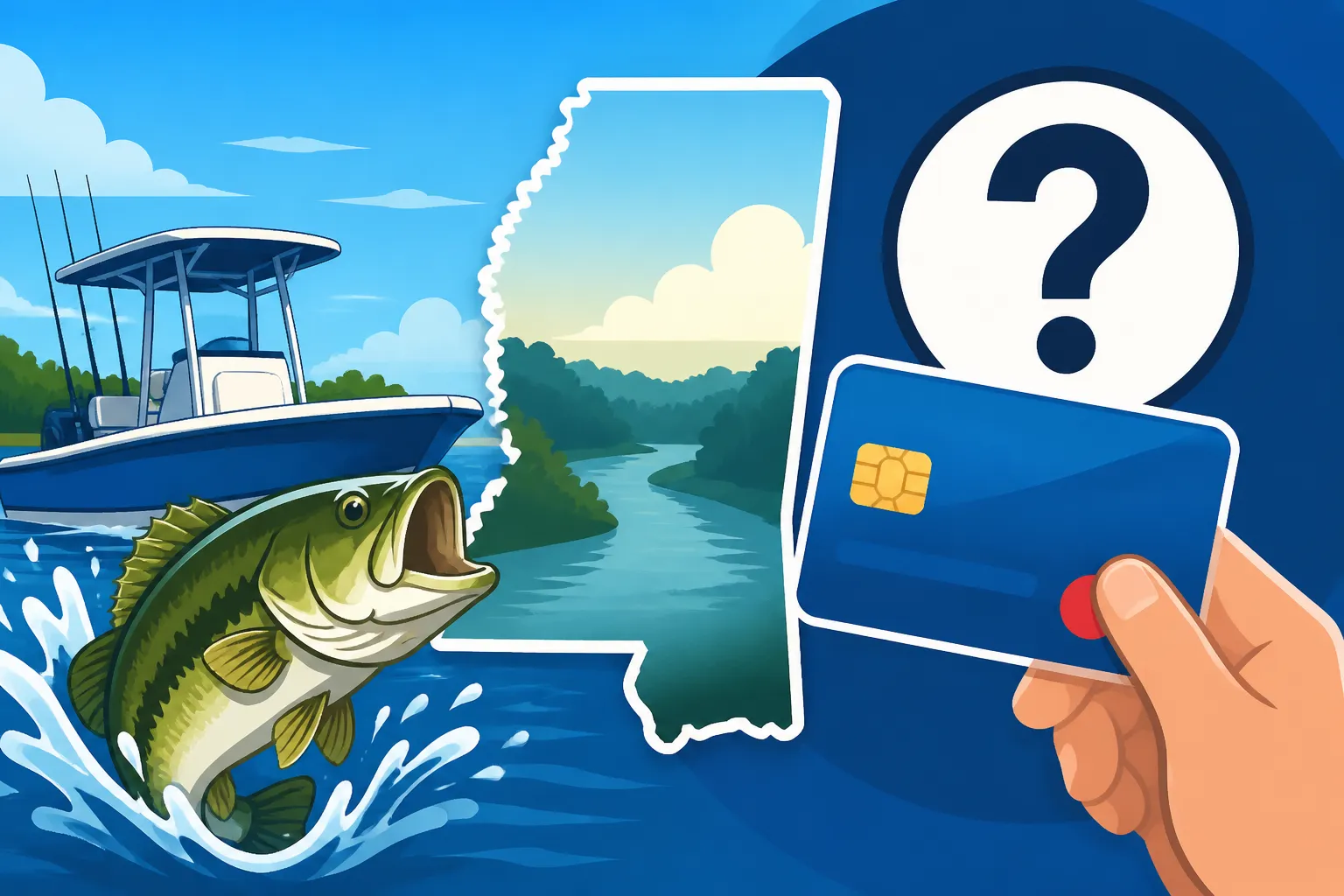
Do Mississippi Charters Accept Credit Cards?
It’s a totally legitimate question to ask when you’re planning a fishing trip to Mississippi: do these charter operations actually take credit cards? In today's world, where cash often feels like a relic and digital payments are the norm, it's easy to get caught off guard by a captain who only accepts greenbacks. This guide is here to walk you through the ins and outs of payment methods you'll encounter when booking your unforgettable fishing adventure along the Mississippi Gulf Coast or on its fantastic freshwater lakes.
The Reality of Payment Methods on Mississippi Fishing Charters
Let's face it, planning a fishing trip, especially one that involves hiring a professional charter or guide, can sometimes feel like a financial mystery tour. You want to make sure your spot is secured, and you certainly don't want any surprises when it comes time to settle up. The good news is that most Mississippi fishing charters are well-aware of modern payment preferences, but there are nuances.
Why Cash Isn't Always King Anymore
For a long time, especially with smaller, independent operators, cash was king. It was simple, immediate, and avoided processing fees. However, times have changed dramatically. Many charter captains and fishing guides operate as legitimate small businesses, and like any other business, they need efficient ways to manage bookings, track income, and provide convenience to their customers. Relying solely on cash can be cumbersome for record-keeping, and it poses security risks for both the business owner and the client who has to carry a large sum of money.
Imagine you're driving down to Biloxi for a Biloxi Fishing Charters Guide trip, and you need to pay several hundred dollars for a full-day excursion. Carrying that much cash just isn't practical or safe for most people. Captains recognize this and have adapted. They understand that if they make it easier for you to pay, you're more likely to book with them. This shift towards more modern payment solutions is a win-win for everyone involved, streamlining the booking process and making your overall experience much smoother.
The Convenience Factor of Plastic
The prevalence of credit and debit cards in our daily lives means that anglers naturally expect to use them for larger purchases like fishing charters. For customers, using plastic offers several advantages:
- Security: If your card details are compromised, most card companies offer robust fraud protection. Carrying cash offers no such safety net.
- Rewards: Many credit cards offer points, cashback, or travel miles, making every purchase a little bit more rewarding.
- Budgeting: It’s often easier to track expenses and stick to a budget when all your transactions are on a card statement, rather than trying to remember how much cash you spent.
- Convenience: Simply put, it's easier to swipe a card or enter details online than to withdraw hundreds of dollars from an ATM.
From the charter's perspective, accepting cards broadens their customer base. Tourists and out-of-state visitors, in particular, may not want to deal with exchanging currency or finding ATMs in an unfamiliar area. By accepting credit cards, captains make themselves more accessible and competitive, allowing them to cater to a wider audience looking for a fantastic fishing experience, whether it's a Mississippi Gulf Coast Fishing Charters trip or a freshwater excursion on the Ross Barnett Reservoir.
How to Confirm Payment Options Before You Book Your Trip
The absolute best way to avoid any payment surprises is to do a little homework upfront. Don't wait until you're on the dock, ready to cast lines, to figure out how you're going to pay.
Checking Online Booking Platforms and Websites
In the digital age, many fishing charters and guides have a strong online presence. This is often the first and easiest place to find information about accepted payment methods.
- Dedicated Charter Websites: Most reputable charter operations maintain their own websites where they list services, pricing (or at least general pricing structures), and crucial details like accepted payment methods. Look for a "Book Now" or "Rates" section, and often the payment information will be explicitly stated in the FAQs or booking terms.
- Online Booking Platforms: This is where services like FishingBooker truly shine. Platforms like FishingBooker act as a centralized hub where you can browse numerous charters, compare services, read reviews, and, most importantly for this discussion, see exactly what payment methods each specific captain accepts. When you're looking at a listing on FishingBooker, you'll typically find icons or text indicating whether they accept Visa, Mastercard, American Express, Discover, or other forms of payment. These platforms often facilitate the deposit payment directly through their secure systems, making the initial booking incredibly smooth. This takes a lot of the guesswork out of the equation for anglers who might be traveling from afar and need certainty about their expenses. Always confirm the payment details displayed on such platforms during the booking process to ensure there are no last-minute changes or unique circumstances.
The Importance of a Direct Conversation
Even with all the information available online, nothing beats a direct conversation with your potential captain or their booking agent. This is especially true if you have any special requests or unique payment situations.
- Clarifying Specifics: A quick phone call or an email can clear up any ambiguities. You can ask directly, "Do you accept credit cards for the final payment, or is cash preferred on the day of the trip?" This simple question can prevent a lot of stress. Some charters might accept cards for the deposit but prefer cash for the remaining balance to avoid transaction fees, particularly for smaller operations.
- Deposit Requirements: It’s also wise to confirm the deposit amount and how it's paid. Most charters will require a non-refundable (or conditionally refundable) deposit to hold your date. This deposit is almost universally taken by credit card, whether through their own payment processor or via a booking service like FishingBooker. You can also inquire about their Cancellation Policy for Mississippi Fishing Charters during this conversation, which is critical for understanding what happens if weather or unforeseen circumstances disrupt your trip.
- Transparency is Key: A professional captain will appreciate your proactive approach and will be happy to clearly explain their payment policies. This interaction also gives you a good feel for their customer service and professionalism before you even step on the boat.
Common Payment Scenarios and What to Expect
Once you've done your research, you'll likely encounter one of a few common payment scenarios. Understanding these ahead of time can help you prepare.
Deposits and Final Payments
The booking process for a Mississippi fishing charter usually involves two main payment stages:
- The Deposit: This is almost always handled via credit card. When you book your trip, especially through an online platform like FishingBooker or directly on the charter's website, you'll typically pay a deposit to secure your date and time. This deposit can be a flat fee or a percentage of the total trip cost. This is the charter's way of ensuring your commitment and covering some initial overhead. The convenience of a credit card here is paramount, as it allows for immediate confirmation and protection for both parties. For example, if you're booking a popular trip like a Red Snapper Season Opening Date in Mississippi excursion, deposits can go quickly, and a fast credit card transaction secures your spot.
- The Final Balance: This is where variations can occur.
- Credit Card on the Boat/Dock: Many modern charters have portable credit card readers or secure invoicing systems that allow you to pay the remaining balance with your card right there at the boat before or after your trip. This is incredibly convenient for anglers.
- Cash Preferred: Some captains, especially those with smaller operations, might still prefer cash for the final balance to avoid the processing fees associated with credit card transactions. They will usually make this clear upfront during your booking conversation. If cash is preferred, make sure you know the exact amount and plan to withdraw it before you arrive at the marina.
- Pre-paid through Booking Platform: In some cases, especially when using a platform like FishingBooker, you might have the option to pay the entire trip cost, including the final balance, directly through the platform with your credit card at the time of booking. This is the most seamless option, as you don't have to worry about payment on the day of the trip itself. Just show up, fish, and enjoy!
Tips and Gratuities
Ah, the age-old question of tipping! This is often handled separately from the charter fee itself.
- Cash is King for Tips: Generally, gratuities for your captain and deckhand are best given in cash. Tips are a direct way to show your appreciation for their hard work, expertise, and assistance throughout the day. A standard tip is usually 15-20% of the trip cost, depending on the service you received and how happy you were with the experience. Having a stash of cash on hand specifically for tips is always a good idea. Tipping Etiquette for Mississippi Fishing Guides is a great resource if you're unsure about the appropriate amount.
- Adding to the Card (Sometimes): In some instances, particularly with larger charter companies, you might be able to add the tip to your credit card payment for the final balance. However, this is less common and should always be confirmed with the captain or booking agent beforehand. If you do this, understand that the captain may incur a processing fee on that tip amount, so cash is often more appreciated as it goes directly into their pocket without deductions. If you're wondering what to expect on a trip, check out our guide on What to Bring on a Mississippi Fishing Charter to be fully prepared, including for tipping.
Here's a quick comparison of payment methods for different parts of your fishing trip:
| Payment Type | Deposit | Final Balance | Tip/Gratuity | Common Method |
|---|---|---|---|---|
| Credit Card | ✅ Usually accepted | ✅ Often accepted | ❌ Less common | Online, secure terminal |
| Cash | ❌ Rarely for deposit | ✅ Often accepted/preferred | ✅ Most common | In person, direct to captain/crew |
| Digital Wallets | ✅ Increasingly accepted | ✅ Increasingly accepted | ❌ Less common | Mobile app, peer-to-peer |
Remember, this table shows general trends. Always confirm with your specific charter!
Navigating Potential Payment Hurdles
Even with all the planning, sometimes things don't go exactly as expected. Being prepared for potential payment issues can save you a lot of hassle.
What If Your Card Isn't Accepted?
While most modern Mississippi fishing charters accept credit cards, there might be situations where yours isn't.
- Small Operators: Some truly independent, smaller operators might not have the infrastructure to accept credit cards due to the costs of processing fees or the equipment itself. They might operate on a strictly cash-only basis. This is why a direct call is so important.
- Specific Card Types: While Visa and Mastercard are almost universally accepted, American Express or Discover might not be accepted by all smaller businesses due to higher processing fees. If you only carry one of these, always confirm acceptance.
- Technical Issues: Even if a charter normally accepts cards, sometimes technology fails. A card reader might be down, or internet connectivity (especially offshore) could be an issue.
- International Cards: If you're visiting from another country, sometimes international cards can have issues with certain processors, or your bank might flag the transaction as unusual. It's always a good idea to notify your bank before traveling and using your card abroad.
What to do: Always have a backup plan. This means carrying enough cash to cover the final balance, or having a secondary credit or debit card from a different network (e.g., a Visa if your primary is Amex). You might also consider digital payment apps like Venmo or PayPal if the captain explicitly states they accept them, but don't assume this. Communication is key; if you anticipate an issue, discuss it with the charter before the trip. You don't want to be in a position where you can't pay for your amazing Full-Day Fishing Charter Cost in Gulfport experience!
Understanding Refund and Cancellation Policies
While not strictly about how you pay, knowing the refund and cancellation policies ties directly into your payment method. If a trip is canceled by the captain due to bad weather (which happens more often than you think, especially when planning a Best Season to Book a Gulf Coast Charter trip during hurricane season), or if you have to cancel for personal reasons, how your payment is processed for a refund matters.
- Credit Card Refunds: If you paid your deposit or full amount by credit card, any refund will almost certainly be issued back to that same card. This process usually takes a few business days to reflect on your statement.
- Cash Refunds: If you paid a cash deposit (though rare for charters), getting a cash refund might involve picking it up in person or waiting for a check, which can be less convenient.
- Policy Clarity: Always review the charter's cancellation policy carefully when you book. Understand if deposits are fully refundable under certain conditions (like captain-initiated cancellations due to unsafe weather), partially refundable, or non-refundable. Booking platforms like FishingBooker usually outline these policies clearly on each charter's listing. For more specific details, you might want to read up on Cancellation Policy for Mississippi Fishing Charters. Knowing these details upfront can prevent a lot of frustration should your fishing plans need to change.
In conclusion, while cash is still an option for many things, especially tips, you can generally expect Mississippi fishing charters to accept credit cards for deposits and often for the final payment. Just be sure to confirm ahead of time, and always have a backup plan (like some cash) just in case! Happy fishing!
Disclaimer
This article is for general informational purposes only and does not constitute professional advice. Laws, prices and regulations vary by location and change over time. Consult a qualified professional for guidance on your specific situation.