Are Gratuities Included in the Charter Price?
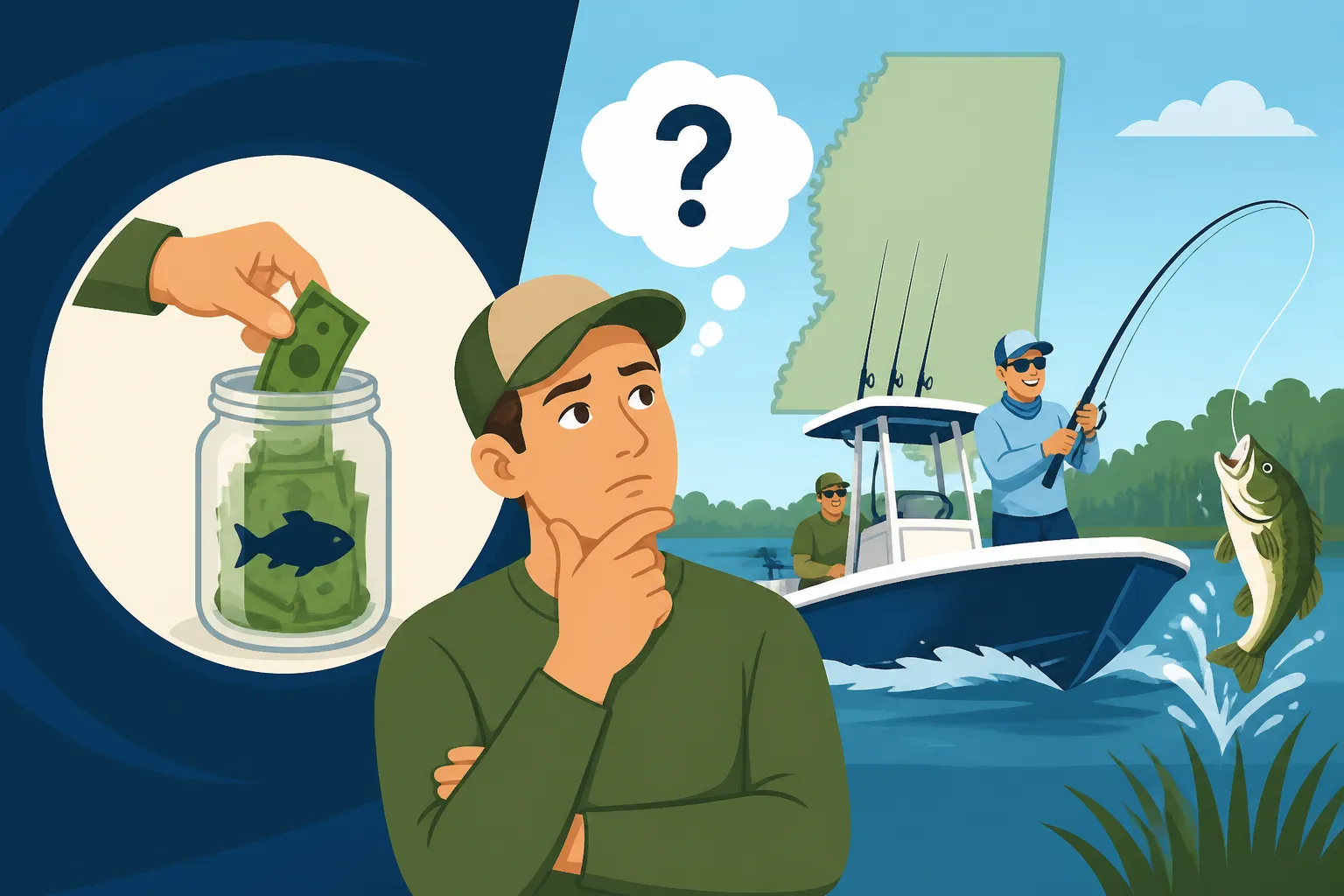
It's a common conundrum when you're planning a fantastic fishing trip along Mississippi's beautiful waters, whether it's for big bass on Ross Barnett or targeting speckled trout on the Gulf Coast: how do you handle the money side of things, especially when it comes to tipping? Many anglers wonder if the charter price they see is the final word, or if there are hidden expectations for gratuities. This guide will dive deep into the unspoken rules of tipping fishing guides in Mississippi, ensuring you can show your appreciation confidently and appropriately after a great day on the water.
Gratuities: An Expected Part of the Service, Not Usually Included
Let's get straight to it: in almost all cases, gratuities are not included in the upfront price you pay for a Mississippi fishing charter or guided trip. This isn't unique to fishing; it's a standard practice across the entire service industry, from restaurants to hair salons to tour operators. When you book a charter, you're paying for the captain's time, the boat's expenses, fuel, bait, tackle, and their general expertise. The gratuity, however, is a separate show of appreciation for exceptional service, hard work, and going the extra mile to make your trip memorable and successful.
Think of it this way: when you eat at a restaurant, the menu price covers the cost of the food, the chef's work, and the restaurant's overhead. The tip you leave for your server is a direct acknowledgment of their service. Fishing guides operate on a very similar principle. The price of your charter covers the service itself, but the quality of that service, the effort, and the results are often recognized through a gratuity. It’s a way for clients to acknowledge the guide’s skill, patience, and dedication to ensuring a good experience.
Sometimes, you might come across a charter advertised as "all-inclusive." While this sounds like it covers everything, it typically refers to things like fishing licenses (though it’s always wise to confirm this directly with the captain, as some charters expect you to have your own, especially for freshwater trips), bait, tackle, and sometimes even drinks or snacks on board. What it almost never includes is the captain's or deckhand's gratuity. Always clarify directly with the charter company if you see "all-inclusive" to avoid any awkward moments later. A quick call or email before you book can clear up any ambiguities about what your Mississippi Fishing Charter Prices actually cover.
Why Gratuities Are So Important to Your Fishing Guide
For many fishing guides and charter captains in Mississippi, gratuities aren't just a nice bonus; they're a significant and often essential part of their income. Running a charter business involves substantial overhead, and the price you pay for the trip covers a lot more than just the few hours you're on the water. Understanding this can help put the importance of a gratuity into perspective.
A Guide's Livelihood: Beyond the Sticker Price
Consider the life of a fishing guide. Their day starts long before you step on the boat, often involving pre-trip scouting, loading up with fresh bait, checking tackle, and performing boat maintenance. After your trip, there's cleaning the boat, cleaning your catch, re-rigging tackle, and preparing for the next day. This is a demanding job, physically and mentally, often requiring early mornings and late nights, especially during peak seasons.
The revenue from the charter fee goes towards covering a myriad of expenses: boat payments, insurance, fuel (which can be incredibly expensive for a day of running offshore or crisscrossing a large lake like Ross Barnett Reservoir), maintenance, repairs, fishing gear replacement, and sometimes dockage fees. Guides also invest heavily in their knowledge, spending countless hours on the water learning patterns, fish behavior, and specific hotspots. They're constantly adapting to weather changes, water levels, and fish migration. The actual "profit" margin on a charter, after all these expenses, might be smaller than you imagine. Gratuities supplement this and allow guides to earn a living wage for their specialized skills and tireless efforts. This is a topic explored in more detail in Tipping Etiquette for Mississippi Fishing Guides.
Rewarding Hard Work and Expertise
When you have a great day on the water, much of that success is directly attributable to your guide's hard work and expertise. They know the subtle nuances of local waters, from the currents in the Mississippi Sound to the brush piles hidden in Sardis Lake. They understand how barometric pressure affects fish, which baits are working best on a particular day, and where to find fish when conditions are tough. This isn't just a job for them; it's a passion and a highly specialized skill set.
A good guide is also a great host, ensuring your safety, making sure everyone is comfortable, patiently teaching beginners, and keeping the atmosphere fun and relaxed. They are educators, navigators, deckhands, and often, entertainers. A gratuity acknowledges all these facets of their role. It's a direct way to say, "Thank you for sharing your knowledge, for your patience, and for making my fishing dreams a reality."
How to Calculate and Deliver a Fair Tip
So, how much should you tip? This is often the trickiest part, but there are some standard guidelines that can make it straightforward. The goal is to show appreciation without feeling like you're overpaying or short-changing your guide.
Standard Tipping Percentages
For fishing charters and guides in Mississippi, a gratuity typically falls within the 15% to 20% range of the total charter cost.
- 15% is generally considered a good tip for satisfactory service – the guide did their job well, you caught some fish, and the experience was pleasant.
- 20% is for excellent service – the guide went above and beyond, showed exceptional skill, made the trip incredibly enjoyable, or helped you land a trophy fish.
- In some cases, if the service was truly outstanding, or if you had an incredibly challenging day where the guide worked exceptionally hard despite tough conditions (which happens!), some people might tip 25% or even more.
Let's look at an example. If your charter costs $500 for a half-day trip on the Mississippi Gulf Coast targeting redfish and speckled trout, a 15% tip would be $75, and a 20% tip would be $100. This might seem like a lot, but remember all the factors we discussed that contribute to their livelihood and the experience they provide.
Best Practices for Presentation
When it comes to actually handing over the gratuity, cash is almost always preferred. It's immediate, doesn't involve any processing fees for the guide, and is straightforward.
- Cash in Hand: At the end of the trip, after you've unloaded your gear and perhaps had your fish cleaned, a discreet hand-off of cash to the captain is the most common and appreciated method. A simple "Thank you, Captain, we had a fantastic time, here's a little something for you" is usually sufficient.
- Envelope: Some prefer to put the cash in a sealed envelope, especially if there are multiple people contributing to the tip. This maintains discretion.
- Credit Card (Less Common): Some larger charter operations or booking platforms might offer an option to add a gratuity to your credit card payment. However, guides often prefer cash because it's instant and avoids any potential deductions or delays from the payment processor. If cash isn't an option, and the charter office offers it, it's certainly better than not tipping at all. Always confirm with the charter office or your booking agent like FishingBooker if this is an option and how it works.
Factors That Influence Your Gratuity Amount
While the 15-20% guideline is a great starting point, several factors can and should influence whether you lean towards the higher or lower end of that spectrum, or even go beyond it. Remember, a gratuity is about recognizing value, and that value isn't always measured solely in pounds of fish.
Performance and Effort of the Guide
Did your guide demonstrate exceptional knowledge of the fishing grounds? Were they constantly working to put you on fish, changing spots, trying different baits, and adjusting tactics? Did they patiently explain techniques or help untangle lines? A guide who is engaged, knowledgeable, and genuinely working hard to make your trip a success deserves a more generous tip. This is true even on days when the fish aren't biting as well – effort matters. If they shared valuable insights, perhaps pointing you to Best Spots to Catch Speckled Trout on the Mississippi Coast or explaining Crappie Fishing Techniques for Mississippi Lakes, that added knowledge is part of the value they provide.
On the flip side, if a guide seems disengaged, spends more time on their phone, or isn't actively trying to improve your fishing experience, it might influence your decision to tip less. However, remember that even on tough days, a guide still incurs all the operational costs, so a nominal tip is still customary unless the service was truly negligent.
Customer Service and Overall Experience
Beyond just finding fish, how was the overall experience? Was the guide friendly, personable, and easy to get along with? Did they go out of their way to make everyone on board feel comfortable and have a good time, especially if you had kids or novice anglers in your group? Did they help with photos, clean the fish efficiently, and share stories about the local area?
Things like the cleanliness of the boat, the quality of the gear provided, and the general atmosphere also contribute to the experience. A guide who fosters a positive, fun, and safe environment is providing excellent customer service, which certainly warrants a higher gratuity. Think about the entire package, not just the number of fish in the cooler. A truly memorable trip, even if the fishing was slow, is often a testament to a guide's personality and hospitality.
The Catch (or Lack Thereof)
This is a big one, and often a misconception. Many anglers feel that their tip should be directly proportional to the size or quantity of their catch. While a cooler full of fish is certainly a welcome bonus and can make you feel more generous, it's crucial to understand that a guide cannot control the fish. They can only control their effort, knowledge, and presentation.
Sometimes, despite a guide's best efforts, the fish simply aren't biting due to weather, tides, or other environmental factors. A skilled guide will still work tirelessly to give you the best possible chance. Tipping based solely on the catch can unfairly penalize a hardworking guide for circumstances beyond their control. Instead, focus on their effort, attitude, and skill. If the guide put in maximum effort, tried multiple spots, and remained positive despite the tough conditions, they still deserve a solid gratuity. Conversely, if the fish jumped into the boat but the guide was aloof or unprofessional, that's a different story.
| Service Aspect | Description | Gratuity Typically Included? | Factors Influencing Tip Amount |
|---|---|---|---|
| Charter Fee | Covers boat rental, captain's time, fuel, basic tackle, bait, insurance. | No | — (Fixed cost) |
| Fishing License | Required for each angler. Sometimes included by charter, often expected to be purchased separately. (Confirm with guide). | No (usually) | — |
| Bait & Tackle | Provided by the charter, cost is built into the charter fee. | Yes | — |
| Fish Cleaning/Filleting | Many guides offer this as an included service. Some may charge a small fee, or it's considered part of the service covered by the gratuity. | No (often covered by tip) | Quality and efficiency of cleaning. |
| Snacks & Drinks | Some charters provide basic refreshments. More extensive food/drink usually requires prior arrangement or is brought by guests. | Yes (if provided) | Going beyond basic offerings, quality of provisions. |
| Photos & Memories | Guides often help take pictures. This extra effort to capture memories is a form of customer service. | No (part of service) | Guide's willingness and skill in capturing moments. |
| Safety & Instruction | Ensuring a safe trip and providing guidance on fishing techniques. Fundamental duties of a guide. | No (part of service) | Clarity of instruction, patience, proactive safety measures. |
| Gratuity | Voluntary payment to show appreciation for excellent service, hard work, and overall experience. | NO | Guide's effort, skill, personality, customer service, success of the trip (secondary factor), boat cleanliness, going the extra mile. |
Navigating Different Charter Booking Scenarios
The world of fishing charters has evolved, with online booking platforms and various types of trips. It's helpful to understand how these different scenarios might impact your tipping approach.
Booking Through Platforms Like FishingBooker
Platforms such as FishingBooker have made it incredibly easy to find and book charters across Mississippi, from Biloxi Fishing Charters Guide on the coast to Ross Barnett Reservoir Fishing Guides inland. These platforms streamline the booking process and handle payment processing. However, it's vital to remember that while they facilitate the booking, they typically do not handle gratuities.
When you book through FishingBooker or a similar site, your payment goes directly to secure the trip, covering the charter fee. The expectation for a cash gratuity to your captain at the end of the trip remains the same. These platforms are designed to connect anglers with guides, not to manage the service industry's tipping culture. Always assume the tip is separate unless explicitly stated otherwise by the platform and the charter operator themselves in their specific listing. Some platforms might offer a "tip at checkout" option, but always verify if the full amount goes directly to the captain without deductions.
Private Charters vs. Party Boats
The type of charter you choose can also subtly influence the tipping dynamic.
- Private Charters: These are usually just you and your group (family, friends) with the captain and perhaps a deckhand. The experience is highly personalized. In this setting, the gratuity is typically a percentage of the total trip cost and is usually given directly to the captain, who will then often share it with any deckhands. Since the service is dedicated entirely to your group, a generous tip for good service feels very personal and direct.
- Party Boats (Head Boats): While less common for dedicated "fishing charters" in Mississippi, some larger vessels might offer "head boat" experiences where multiple individuals or small groups pay per person to share a larger boat. On these trips, there are usually several deckhands assisting numerous anglers. In this scenario, you might tip a smaller flat amount per person, or a percentage of your individual fare, and hand it to the deckhands or into a common tip jar. The deckhands on party boats work incredibly hard, constantly baiting hooks, untangling lines, and helping land fish for many people, so their direct service definitely warrants a tip. Often, party boat captains will make it clear how to tip the crew at the end of the trip.
Multi-Day Trips
If you're embarking on a Multi-Day Fishing Trip Packages in Mississippi, perhaps venturing offshore for red snapper or cobia, the tipping structure might feel a bit different, but the principle is the same.
- Total Trip Cost: For multi-day trips, calculate your 15-20% gratuity based on the total cost of the entire package.
- Daily or End-of-Trip: You can choose to provide the gratuity at the end of the final day, or some anglers prefer to give a portion each day, especially if different crew members are involved. However, the most common practice is to present the total gratuity to the captain at the conclusion of the entire trip.
- Provisioning: If your multi-day trip includes meals or accommodations, remember that these are usually accounted for in the base price. The gratuity is still for the fishing guidance, the boat service, and the crew's hard work throughout the extended excursion.
Understanding these nuances ensures that you're prepared and can properly acknowledge the dedication and skill of your Mississippi fishing guide, contributing to a positive experience for everyone involved.
Disclaimer
This article is for general informational purposes only and does not constitute professional advice. Laws, prices and regulations vary by location and change over time. Consult a qualified professional for guidance on your specific situation.