Minimum Age for Kids on Charter Boats
One of the biggest joys of fishing in Mississippi is sharing it with the next generation, but if you're a parent or guardian looking to book a fishing charter, you've probably wondered, "Is my child too young?" It's a common concern that can really add stress to planning a trip, as you want everyone to be safe and have a good time. This guide will help you understand the various factors that determine if your little angler is ready for a charter boat adventure, from legal requirements to practical considerations, ensuring your family's fishing trip is memorable for all the right reasons.
Understanding "Minimum Age": Legalities Versus Practicalities
When it comes to taking kids on a fishing charter, there's often a mix of official rules and unspoken recommendations. It's not always as simple as a hard-and-fast age limit posted on a website, which can be frustrating when you're just trying to plan a fun day. Most charter captains and services consider a range of factors beyond just their birth certificate.
Legal Age Requirements for Safety Gear
First and foremost, let's talk about the law. The U.S. Coast Guard (USCG) has specific regulations regarding life jackets for children on recreational vessels, and charter boats fall under this umbrella. While charter boats are generally well-equipped with safety gear, it’s crucial to know the basic requirements that impact younger passengers.
In Mississippi, as with federal law, children under 13 years of age must wear a U.S. Coast Guard-approved life jacket while on the deck or in the cockpit of any vessel that is underway. This isn't just a suggestion; it's a legal requirement designed to keep kids safe. While many charters provide life jackets, it's always a good idea to confirm they have appropriately sized vests for your children when you book. A poorly fitting life jacket can be more of a hazard than a help, so don't be afraid to ask about specific sizes.
Beyond the legal mandate, captains and parents alike prioritize safety above all else. A child who is too small for any available life jacket or who struggles to keep one on might simply not be safe on the water, regardless of what the "official" age limit might be. This is why some captains might have their own, more conservative minimum age or size recommendations, especially for offshore trips where conditions can change rapidly. Remember, their primary concern is the well-being of everyone on board. If you're wondering about specific safety gear, it's worth checking out articles like Are Life Jackets Provided on Charter Boats? and Mississippi Life Jacket Rules for Anglers.
Captain's Discretion and Recommended Ages
Beyond the legal safety requirements, charter captains often have their own minimum age recommendations based on years of experience on the water. These aren't laws, but rather practical guidelines designed to ensure both the child's enjoyment and safety, as well as the smooth operation of the trip for all passengers. A captain might have a blanket "no kids under X age" policy, or they might evaluate it on a case-by-case basis.
For instance, a captain running a deep-sea fishing trip might recommend a minimum age of 8 or even 10, simply because the long boat ride, potential for seasickness, and physical demands of reeling in larger fish can be overwhelming for very young children. On the other hand, an inshore bay trip in calmer waters might be perfectly suitable for a 4 or 5-year-old. When you're browsing options on platforms like FishingBooker, you'll often see these recommendations noted in the charter's description. It's always best to communicate openly with the captain about your children's ages, personalities, and prior boating experience before booking. They can offer invaluable insights into whether their particular trip is a good fit.
Think about your child: Do they get bored easily? Are they prone to motion sickness? Can they follow instructions well, especially in an exciting environment? These are the real-world considerations that go into a captain's recommendation, and they're the same questions you should ask yourself. A captain's goal is for everyone to have a great time, and sometimes that means gently suggesting a different type of trip or waiting until a child is a little older.
Different Charters, Different Rules: Matching the Trip to the Child
Not all fishing charters are created equal, and what might be suitable for a teenager could be completely inappropriate for a toddler. Understanding the distinctions between various charter types is key to choosing an experience that aligns with your child's age and temperament. This is where a little research can save you a lot of headache and ensure a genuinely positive family outing.
Inshore and Bay Fishing: Often More Kid-Friendly
When you picture a calm, family-friendly fishing trip, you're likely imagining an inshore or bay fishing charter. These trips typically stay in protected waters, such as estuaries, bays, and sounds along the Mississippi Gulf Coast. The waves are usually much smaller, and the boat ride is generally smoother and shorter compared to venturing out into the open Gulf.
Because of the calmer conditions, these charters are often the most welcoming to younger children. A captain running an inshore trip in Biloxi Bay or Bay St. Louis might be comfortable taking kids as young as 3 or 4 years old, provided they have a well-fitting life jacket and are supervised by an adult. The focus tends to be more on consistent action with smaller, more manageable fish like speckled trout, redfish, or flounder, which can keep a child's attention span engaged. Shorter trip durations, like a half-day charter, are also a huge plus for little ones who might lose interest or get antsy after a few hours. These are excellent opportunities for kids to experience the thrill of a bite and reeling in their own catch without the fatigue of a long, bumpy ride. You can often find great options for Family-Friendly Fishing Charters on the Mississippi Coast specifically designed for younger anglers.
Consider these trips as a "starter course" for young fishermen. They offer a taste of charter fishing in a controlled, comfortable environment. Many captains specializing in these trips are accustomed to teaching kids how to cast, bait a hook, and handle fish, making the experience educational and fun.
Offshore and Deep-Sea Fishing: Best for Older, More Experienced Kids
Now, if you're dreaming of battling a big red snapper or a challenging cobia, you're likely looking at an offshore or deep-sea fishing charter. These trips take you further out into the Gulf of Mexico, sometimes many miles from shore. The conditions can be vastly different from bay fishing: rougher seas, longer travel times (often an hour or more just to get to the fishing grounds), and bigger, stronger fish that require more physical exertion to reel in.
For these reasons, offshore charters typically have higher recommended minimum ages. Many captains will suggest that children be at least 8 to 10 years old, and some may even prefer 12 or older for extended full-day trips. Can Kids Go on a Deep Sea Fishing Charter? is a question often answered with these higher age ranges in mind. The main concerns include:
- Seasickness: The further offshore you go, the greater the chance of encountering rougher waters, which can easily lead to seasickness, especially for those prone to it. A sick child can quickly turn a dream trip into a nightmare for the whole family.
- Endurance: Deep-sea trips often last 6, 8, or even 10+ hours. That's a long time for a child to be on a boat, even a comfortable one. They need the stamina to endure the ride, the heat, and the physical challenge of fishing.
- Physical Strength: Reeling in a 20-pound snapper or a 40-pound amberjack is serious work. It requires a certain amount of strength and coordination that younger children simply don't possess. While crew members will assist, the child still needs to be able to hold the rod and crank the reel.
- Attention Span: The fishing itself can involve periods of waiting, which might bore younger children who thrive on constant action.
If your child is older, has some fishing experience, and isn't prone to motion sickness, an offshore trip can be an incredible adventure. But it's important to be realistic about their capabilities. Discussing your child's readiness with the captain is paramount to ensure everyone has a safe and enjoyable experience. Consider what's included in What to Bring on a Mississippi Fishing Charter as well, as offshore trips might require a few extra considerations.
Private Charters vs. Party Boats
The type of boat you choose also plays a significant role in how suitable it is for children.
Private Charters: A private charter means you book the entire boat for your group, whether that's your family, a few friends, or a corporate outing. This offers maximum flexibility. You can discuss your children's ages and needs directly with the captain, and they can often tailor the trip to accommodate them. For instance, they might start fishing in shallower areas first, take more breaks, or return to the dock if a child gets overwhelmed. This personalized attention makes private charters often the best choice for families with young children or mixed age groups. You control the pace and focus.
Party Boats (Headboats): Party boats, or headboats, are larger vessels that take many individual passengers (or small groups) out fishing simultaneously. You pay per person, and the captain runs a set schedule and targets specific fish. While generally more budget-friendly, they offer less flexibility. The captain can't easily change course or return to shore just for one family. While some party boats are very family-friendly, they often cater to a wider range of anglers, and the experience might be less tailored to younger children's needs. If you choose a party boat, ensure it explicitly states it welcomes children and that the crew is experienced with young anglers.
| Charter Type | Typical Recommended Age Range | Key Considerations for Kids |
|---|---|---|
| Inshore/Bay | 4+ years (with supervision) | Calmer waters, shorter travel times, more consistent action with smaller fish. Less chance of seasickness. Great for first-time anglers. Captains are often very experienced with kids. Trip durations like Half-Day vs Full-Day Charters on the Mississippi Coast are often ideal here. |
| Nearshore | 6+ years | Slightly further out than inshore, but still relatively close to shore. Can encounter larger fish but still often within sight of land. Conditions can be choppier than bay fishing but less intense than deep-sea. Good transition for kids who have done inshore and want more. |
| Offshore/Deep Sea | 8-10+ years | Longer travel times, potentially rougher waters, higher chance of seasickness. Larger, stronger fish requiring more physical effort. Extended trip durations. Best for children with prior boating/fishing experience, good endurance, and no history of motion sickness. Confirming whether the charter includes a license, as discussed in Does a Mississippi Fishing Charter Include the License?, is also a practical consideration for planning for all participants. |
| Party Boat | Varies, usually 6+ years | Less flexibility for individual needs. Fixed schedule and targets. More people on board. Can be a good option for older, self-sufficient kids. Always confirm their specific child policies. |
| Private Charter | Varies, often 3-4+ years | Most flexible option, trip can be customized to your family's needs. Captain can cater to younger children with breaks, shorter fishing times, or a focus on easier-to-catch species. Ideal for families seeking a personalized experience. Many Mississippi Gulf Coast Fishing Charters offer private options. |
Safety First: Essential Gear and Practices for Young Anglers
Bringing kids on a boat, especially for a fishing adventure, means putting safety at the very top of your priority list. While charter captains are professionals and have safety protocols in place, as a parent or guardian, you also have a vital role to play in ensuring a safe and enjoyable trip.
U.S. Coast Guard Requirements for Children's Life Jackets
As mentioned earlier, the law is clear: any child under 13 years old on a vessel that is underway must wear a U.S. Coast Guard-approved life jacket. This isn't just a recommendation; it's a non-negotiable rule. Many charter boats will have a selection of children's life jackets on board. However, it's always a good idea to confirm this when you book, especially if your child is particularly small or large for their age. Don't assume they'll have the perfect fit.
A properly fitting life jacket is absolutely crucial. It should be snug but comfortable, not riding up around their ears when you lift them by the shoulders. If it's too loose, it can slip off in the water; if it's too tight, it will be uncomfortable and they'll try to take it off. Bringing your child's own well-fitting, USCG-approved life jacket that they are comfortable wearing can be a game-changer. It eliminates the worry of finding the right size on the boat and ensures they are accustomed to wearing it. Remember, even strong swimmers can be quickly overwhelmed by unexpected waves or a fall overboard, and a life jacket is their best defense. For more detailed information, looking into Mississippi Fishing Regulations Explained or Mississippi Life Jacket Rules for Anglers can give you added peace of mind.
Beyond the Life Jacket: Sun, Hydration, and First Aid
While a life jacket is paramount, a successful and safe trip for kids involves more than just flotation. Mississippi sunshine, especially out on the water, can be intense. Sunscreen is not optional; apply a broad-spectrum, water-resistant sunscreen generously before leaving the dock and reapply frequently throughout the trip. Wide-brimmed hats, sunglasses, and lightweight, long-sleeved UPF (Ultraviolet Protection Factor) clothing are also highly recommended to prevent painful sunburns and heatstroke.
Hydration is another critical factor. Bring plenty of water and other non-sugary drinks. Kids can get so absorbed in the excitement of fishing that they forget to drink, leading to dehydration. Snacks are also a must. Pack easy-to-eat, non-messy snacks like fruit, granola bars, or crackers. A hungry child is often a grumpy child, and the fresh air and activity can make them surprisingly hungry.
Lastly, while captains have basic first aid on board, it’s a good idea to bring a small personal first-aid kit with any specific medications your child might need (e.g., allergy medicine, motion sickness remedies) as well as basics like band-aids for small cuts or scrapes. If your child is prone to motion sickness, administer preventative medication before getting on the boat, as it's often too late once symptoms start. Discuss this with your pediatrician well in advance. Having these little things prepared can prevent minor issues from derailing the entire outing.
Making the Trip Enjoyable for Young Anglers
The goal of taking kids fishing isn't just to catch fish, though that's certainly a bonus! It's about creating lasting memories, fostering an appreciation for nature, and building confidence. To achieve this, a little planning and realistic expectation setting can go a long way.
Preparation is Key: Managing Expectations and Boredom
Kids thrive on knowing what to expect, and a fishing charter can be a very different experience than fishing from a dock or a pond. Before you even get to the boat, talk to your children about what the day will entail. Explain that the boat will move, it might be bumpy, and there will be periods of waiting for fish to bite. Show them pictures of the boat or the type of fish you might catch. Platforms like FishingBooker often have photos and descriptions of the boats and target species, which can be a great visual aid.
Manage their expectations about catching fish. Explain that fishing is called "fishing," not "catching," for a reason – sometimes the fish cooperate, and sometimes they don't. Emphasize that the adventure of being on the water, seeing wildlife (dolphins, birds, other boats!), and spending time together is just as important as the actual catch. If they understand this beforehand, they'll be less likely to get disappointed if the bite is slow.
To combat boredom during lulls in the action, bring along some small, quiet activities. A book, a small travel game, or even binoculars for spotting birds and other boats can be lifesaesaver. Just make sure whatever you bring is contained and won't easily blow away or fall overboard. For more insights on preparing for a day on the water with kids, consider reading What to Bring on a Mississippi Fishing Charter.
Engaging Activities and Hands-On Learning
The best way to keep kids engaged is to get them involved in the process, not just sitting and waiting for a fish. Many charter captains and crews are fantastic with kids and love to teach them. Encourage your child to ask questions, and prompt them with questions yourself.
- Baiting the hook: If they're comfortable, let them help bait their own hook (with supervision, of course). It’s a messy, tactile experience that often sparks curiosity.
- Casting: Even if they’re not great at it, let them practice casting with a crew member's help.
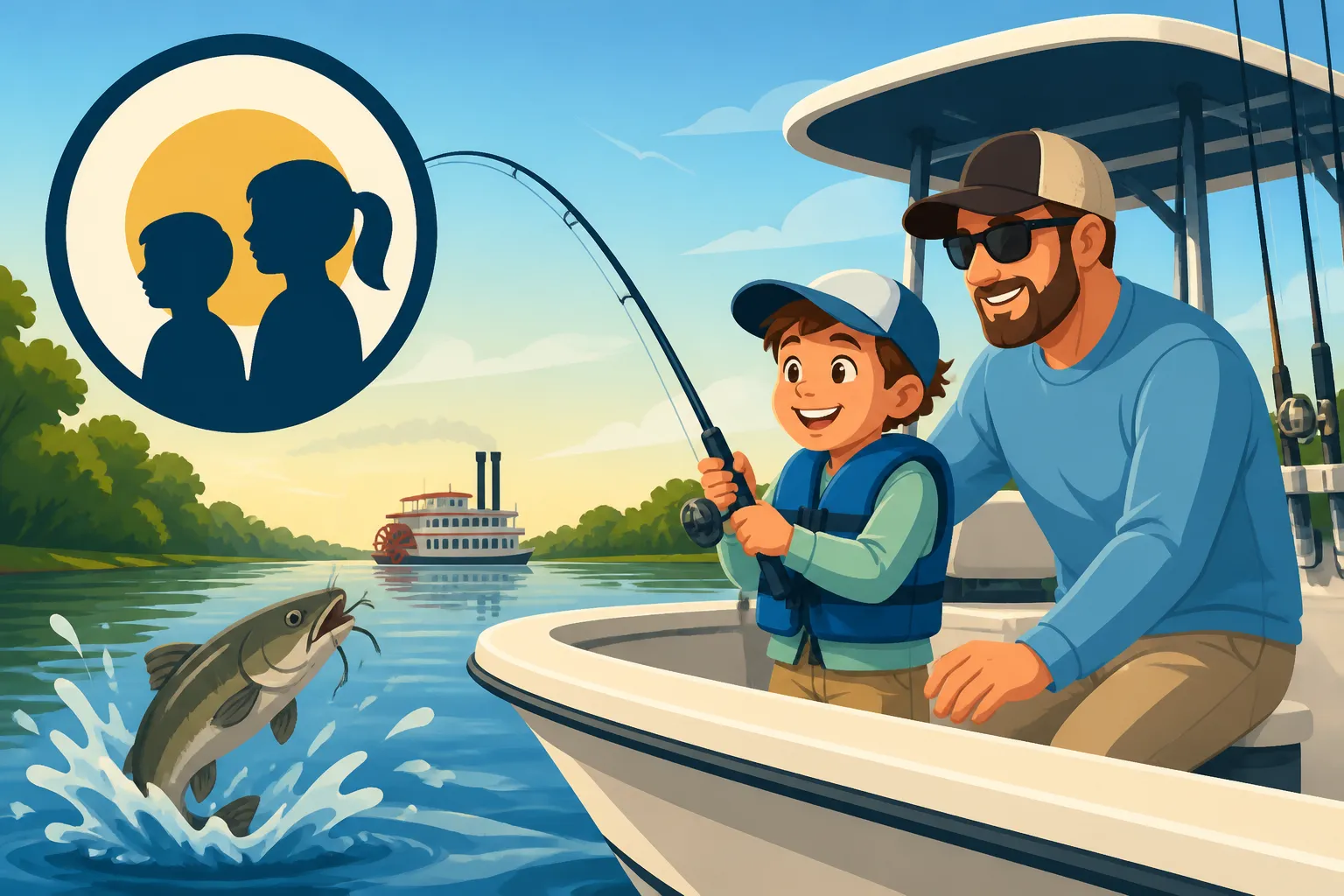
- Reeling in: When a fish is on, give them the rod and let them feel the pull. Offer encouragement and assistance, but let them do as much of the work as they can. The sense of accomplishment when they reel in their own fish is priceless.
- Fish identification: Ask the captain or crew to identify the fish caught, explain where it lives, and talk about its habits. This turns fishing into a science lesson.
- Knot tying: Older kids might enjoy learning a basic fishing knot.
Even when the fishing is slow, point out interesting things in the environment. "Look, a pelican diving for fish!" or "See that boat way out there?" Keeping their minds active will prevent them from getting restless. A good fishing guide, especially one advertised as Best Fishing Guide for Kids on Mississippi Lakes, will naturally incorporate these elements into the trip.
Knowing When to Call It a Day
Sometimes, despite all the planning and preparation, a child just isn't having a good time. They might be tired, hot, seasick, or just plain over it. As tempting as it is to push through to get "one more fish," it's crucial to know when to cut your losses and either take a break or, if possible on a private charter, head back to the dock. Pushing a child past their limit can sour them on fishing for good.
A successful family fishing trip isn't about the biggest haul or the longest time on the water; it's about the positive experience and the memories made. If your child is miserable, everyone else on the boat will likely feel it too. Communicate openly with your child and with the captain. Most captains, especially those who cater to families, understand that kids have shorter attention spans and different needs. Prioritizing their comfort and enjoyment will ensure they're excited to go fishing again another day. Planning for factors like What Happens If the Weather Is Bad on Charter Day also helps you manage expectations if conditions aren't ideal.
Remember, every child is different. What works for one 6-year-old might not work for another. Trust your instincts as a parent, and don't hesitate to communicate your needs and concerns with the charter service, whether you're booking through a platform like FishingBooker or directly with a captain. Happy fishing, and here's to many wonderful memories on the water with your family!
Disclaimer
This article is for general informational purposes only and does not constitute professional advice. Laws, prices and regulations vary by location and change over time. Consult a qualified professional for guidance on your specific situation.