Are Life Jackets Provided on Charter Boats?
It's a completely natural and responsible question to ask before booking a fishing trip: are life jackets provided on charter boats in Mississippi? When you're planning an outing, especially with family or friends, safety is paramount, and knowing what to expect regarding essential gear like personal flotation devices (PFDs) can give you immense peace of mind. This guide will dive deep into the regulations, what charter operators typically provide, and how you can ensure everyone aboard is safe and comfortable for a fantastic day on the water.
The Law of the Water: Understanding Life Jacket Requirements
When you step onto a commercial fishing charter in Mississippi, you're not just hopping on a friend's personal boat. These vessels operate under strict regulations designed to ensure the safety of all passengers. These rules aren't just suggestions; they are legally binding mandates that captains must adhere to, and they directly address the availability of life jackets.
The U.S. Coast Guard's Role in Passenger Safety
The United States Coast Guard (USCG) is the primary authority overseeing safety on commercial passenger vessels, which includes almost all fishing charters. These regulations are in place to protect everyone onboard, from the seasoned angler to the first-time visitor. According to USCG requirements, every commercial vessel must carry a sufficient number of Coast Guard-approved life jackets for every single person onboard. This isn't just for the number of paying customers; it includes the captain and any crew members as well.
These life jackets are typically Type I, II, or III PFDs. Type I vests are often large, orange, and designed for offshore use, offering excellent flotation and turning an unconscious person face-up in the water. Type II are similar but a bit less bulky, suitable for calmer waters. Type III are often more comfortable, vest-style, and popular for active watersports, though they might not turn an unconscious person face-up. Regardless of the type, the key is that they are USCG-approved, meaning they meet specific safety and performance standards. Your captain is legally obligated to ensure these PFDs are not only present but also in good, serviceable condition and readily accessible in case of an emergency. This means they won't be tucked away in a locked cabinet; they'll be somewhere easy to grab if needed quickly.
Specifics for Different Ages: Kids and Adults
While all passengers must have a life jacket available, the rules regarding wearing them differ, especially for children. It's a critical distinction that many new anglers often overlook. For instance, in Mississippi, children under a certain age (typically 13 years old) are required by law to wear a USCG-approved life jacket at all times while the vessel is underway. This isn't just a recommendation; it's a non-negotiable rule designed to protect the most vulnerable members of your fishing party.
For adults, the situation is a bit different. Generally, adult passengers are not legally required to wear a life jacket while the boat is moving, provided there is one readily available for them. However, this doesn't mean you shouldn't wear one if you feel more comfortable, especially if you're not a strong swimmer or if the conditions are less than ideal. The captain always has the final say on safety matters. If the weather turns foul, the seas get rough, or any other hazardous situation arises, the captain can and often will mandate that all passengers put on a life jacket. Their word is law when it comes to safety on their vessel, and it’s always best to err on the side of caution. Always be aware of your surroundings and trust your instincts.
What You'll Find Onboard: Standard Provisions and Their Limitations
So, you know the law requires life jackets, but what exactly do those look like, and are they going to be comfortable? Most charter boats fulfill their legal obligations with standard equipment, but there can be variations.
The Standard Issue: Orange, Bulky, and Effective
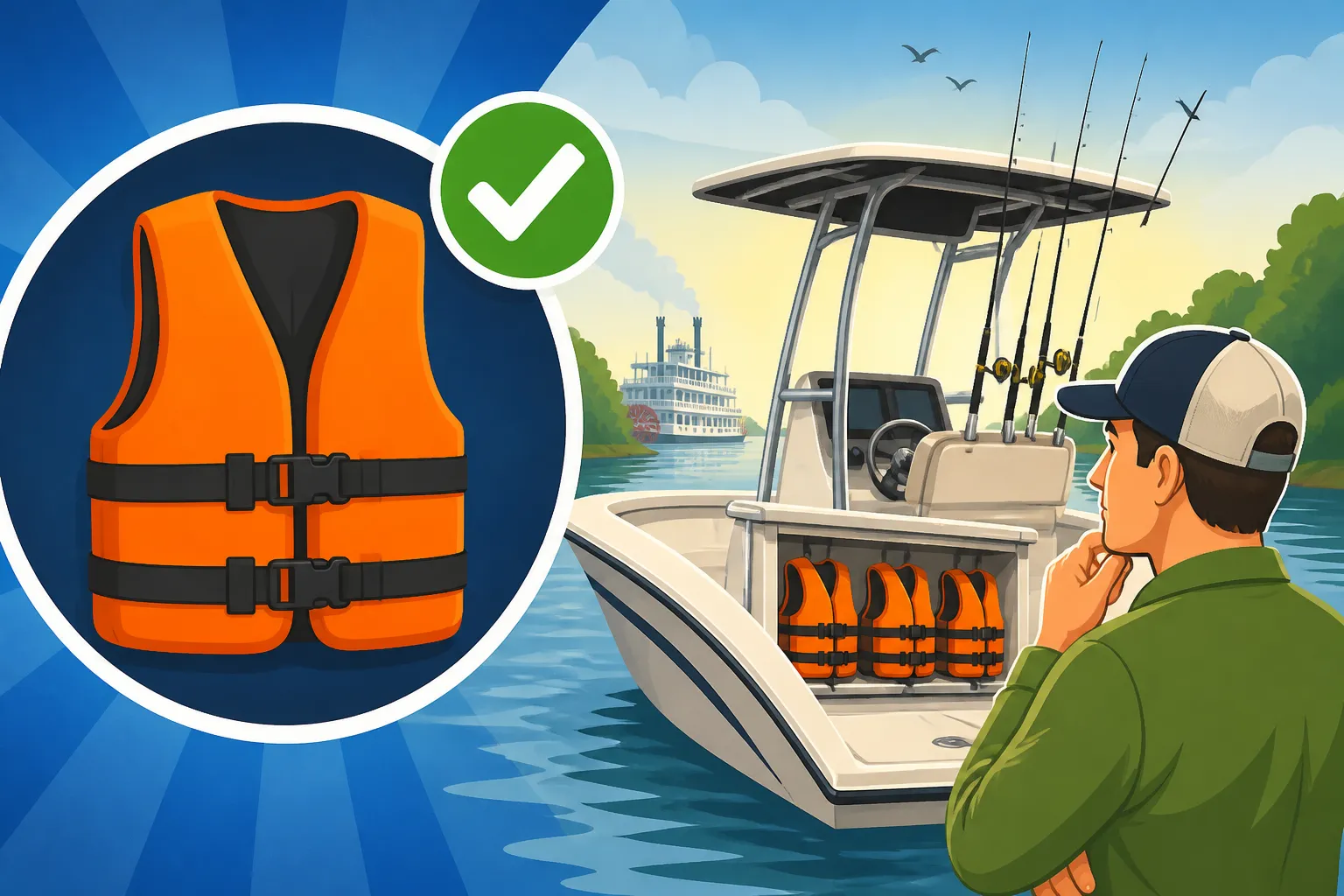
When you board a Mississippi fishing charter, you're almost certainly going to see a stack of life jackets, usually in a bright, unmistakable orange color. These are typically the Type II or Type III vests that meet USCG approval. They might seem a bit bulky, perhaps not the most fashion-forward accessory, but they are incredibly effective at keeping you afloat should an unforeseen event occur. These vests are designed for functionality above all else – they're made to do one job, and do it well: save lives.
Captains usually store these vests in easily accessible locations, like under seats, in dry storage lockers, or hanging in an open compartment. The idea is that in an emergency, anyone can quickly grab one. While they might not be tailored for an all-day comfortable fit, they are perfectly suitable for their intended purpose. It’s important to remember that these are safety devices, not fashion statements. They might feel a little cumbersome if you choose to wear one for extended periods, especially on a warm Mississippi day, but their primary goal is your safety.
Beyond the Basics: Inflatable Vests and Personal Comfort
Many anglers, especially those who plan to wear a life jacket for an entire trip, desire something a bit more streamlined and comfortable than the standard bulky orange vest. This is where inflatable vests come into play. These newer designs are much less obtrusive, often worn like a small fanny pack or a slim vest, and inflate only when needed – either manually by pulling a cord or automatically upon immersion in water. They are significantly more comfortable for prolonged wear, making them popular among serious anglers and those who might feel restricted by traditional PFDs.
While some higher-end charter captains in Mississippi might offer these more comfortable, often more expensive, inflatable vests as an option, it's certainly not a universal guarantee. Many standard charters will stick to the basic, highly effective Type II or III vests. If having an inflatable vest is important to your comfort or mobility during the trip, it’s always best to inquire directly with the charter captain before booking. Websites like FishingBooker sometimes allow captains to list specific amenities and gear, or you can use their messaging system to ask. Keep in mind that even inflatable vests must be USCG-approved to be legally valid on a commercial vessel. For a deeper dive into what else is typically provided, you can check out What's Included in a Mississippi Charter Trip.
| Life Jacket Type | Description | Common Use on Charters | Comfort for Wearing All Day |
|---|---|---|---|
| Type I (Offshore) | Most buoyant, designed to turn an unconscious person face-up. | Deep sea, rough conditions; less common for general use on charters. | Low (very bulky) |
| Type II (Near-Shore) | Good buoyancy, may turn unconscious person face-up. | Most common standard vest on freshwater and saltwater charters. | Medium-Low (bulky) |
| Type III (Flotation Aid) | Designed for constant wear, comfortable, conscious wearer. | Often found on charters, especially for active anglers. | Medium (vest-like) |
| Type V (Special Use) | Specific activities, like inflatable PFDs for fishing. | Less common as standard issue, but some offer them or you can bring your own. | High (minimal bulk) |
Your Role in Safety: Communication and Personal Preparation
While charter captains are responsible for providing the necessary safety gear, you also play a crucial part in ensuring your trip is as safe and enjoyable as possible. A little proactive communication and preparation can go a long way.
Talking to Your Captain: Crucial Questions Before You Cast Off
Never hesitate to ask questions about safety equipment, especially if you have specific concerns. Before you finalize your booking, take the time to communicate with your charter captain. This is particularly important if you are bringing very young children who have specific sizing needs for their life jackets, or if you have any passengers with disabilities or special needs that might require particular attention regarding flotation devices. It’s also wise to inquire about the range of sizes available for children or exceptionally large adults, as the standard inventory might not always fit everyone perfectly.
Many online booking platforms, including FishingBooker, offer direct messaging capabilities or provide the captain's contact information. This is your chance to get all your questions answered. A reputable captain will always appreciate your proactive approach to safety and be happy to reassure you about their provisions. It demonstrates that you're a responsible passenger, which is a big plus for them too. Understanding the rules beforehand, like those detailed in Mississippi Boat Fishing Regulations, can also help you ask informed questions. For tips on booking, check out How to Book a Mississippi Fishing Charter.
Bringing Your Own: When It Makes Sense
There are definitely situations where bringing your own USCG-approved life jacket makes a lot of sense, adding an extra layer of comfort and peace of mind to your outing. If you have very young children, for example, who might be sensitive to the fit of a generic vest, having their own familiar and perfectly sized USCG-approved life jacket can make a huge difference in their enjoyment and safety. A child who is comfortable is less likely to try and remove their PFD.
Similarly, if you're an adult who prefers the minimal bulk and freedom of movement offered by an inflatable life vest, and your chosen charter doesn't explicitly offer them, bringing your own is a great option. Just remember, any life jacket you bring, whether for yourself or a child, must be USCG-approved. This is non-negotiable for commercial vessel safety. Having your own gear, including specific items like appropriate sunscreen, hats, and rain gear, is always a good idea, as highlighted in What to Bring on a Mississippi Fishing Charter. It shows you're ready for anything the Mississippi waters throw your way.
Safety Across the Water: Life Jackets for Different Fishing Adventures
Mississippi offers a diverse range of fishing experiences, from calm bay waters to the deep blue Gulf. While the fundamental life jacket requirements remain constant, the context of your fishing adventure can influence how you perceive and use this essential safety gear.
Inshore and Nearshore Charters: Calm Waters, Same Rules
Even if you're venturing out on an inshore or nearshore charter in the relatively calm waters of Mississippi's bays, estuaries, or close to the coast, the same federal and state life jacket mandates still fully apply. Whether you're targeting speckled trout in Biloxi Bay or redfish in a marshy creek, the captain must have a USCG-approved life jacket for every person onboard. These trips often involve shallower, more protected waters, which might lead some anglers to feel less of an urgency about PFDs. However, accidents can happen anywhere, anytime.
For certain activities often associated with inshore fishing, such as wade fishing from the boat or guided kayak fishing trips that launch from a charter, your guide might strongly advise or even require you to wear a life jacket. Even if you're just casting from the boat in a shallow bay, unexpected wakes from passing vessels or a sudden stumble can put you in the water. Always heed your captain's advice; they know the local conditions best and their primary goal is your safety. If you're planning an inshore trip, you might find more detailed information in Inshore Fishing Charters on the Mississippi Coast.
Deep Sea and Offshore Excursions: Added Considerations
When you head out on a deep-sea fishing charter into the vast expanse of the Gulf of Mexico, potentially dozens of miles from shore, the importance of life jackets becomes even more pronounced. The dynamic nature of offshore environments, with potentially rougher seas, stronger currents, and greater distances from immediate help, elevates the significance of every safety measure. On these longer trips, the federal regulations for providing life jackets are, of course, just as strict.
While adults aren't typically required to wear life jackets throughout the entire trip unless conditions demand it, many experienced offshore anglers choose to keep them very close at hand or even wear them, especially if they anticipate rough weather or are participating in activities that could lead to an accidental fall overboard. The captain of a deep-sea vessel is acutely aware of the additional risks involved and will not hesitate to issue a mandatory "all hands on vests" order if the situation warrants it. It's not uncommon for children, as mandated by law, to spend their entire deep-sea adventure in a life jacket. This ensures their safety should an unexpected wave or boat movement cause an issue. For families considering such an adventure, understanding these safety aspects is key, and Can Kids Go on a Deep Sea Fishing Charter? offers more insights. If you're looking for an offshore experience, check out Deep Sea Fishing Charters in Mississippi.
Disclaimer
This article is for general informational purposes only and does not constitute professional advice. Laws, prices and regulations vary by location and change over time. Consult a qualified professional for guidance on your specific situation.