Best Time to Book a Crappie Guide on Grenada Lake
Oh, the allure of Grenada Lake crappie! It's one of Mississippi's crown jewels for anglers, and for good reason – the crappie here are legendary. But trying to figure out the absolute "best" time to book a crappie guide on Grenada Lake can feel like staring into a crystal ball, especially if you're hoping to maximize your chances for a fantastic trip. You want to hit it just right, when the fish are biting, the weather's agreeable, and the guides aren't completely booked solid. This guide is going to walk you through the nuances of crappie behavior on Grenada Lake throughout the year, the practicalities of securing a top-notch guide, and ultimately help you pinpoint the ideal window for your next crappie adventure.
Understanding Grenada Lake Crappie Seasons
Grenada Lake is famous for its crappie fishing, and these speckled beauties follow distinct patterns throughout the year. Knowing these patterns is the first step in deciding when to book your guide. Each season offers unique opportunities and challenges, making the "best" time somewhat subjective based on what kind of crappie trip you're hoping for.
Spring Crappie Spawn
When most folks talk about "the best time" for crappie fishing on Grenada Lake, they're almost always thinking about the spring spawn. This is the period when crappie move into shallower waters to reproduce, becoming more concentrated and often more aggressive, making them a prime target for anglers.
The pre-spawn phase usually kicks off when water temperatures start climbing into the high 50s Fahrenheit, often in late February or early March. During this time, crappie are feeding heavily, bulking up before the energy-intensive spawning process. They'll stage in areas near shallow cover, like submerged brush piles or creek channels, often just off the main lake. A good guide knows exactly where these staging areas are, using their sonar to pinpoint schools of fish before they move into the true shallows. This can be a fantastic time for both numbers and quality fish.
Once the water temperature consistently hits the low to mid-60s Fahrenheit, usually from late March through April and sometimes into early May, the crappie move onto their beds. This is the peak of the spawn. They'll be found in very shallow water, typically 1 to 5 feet deep, around cypress trees, stumps, willow thickets, and other flooded cover. Anglers often employ techniques like dipping jigs or fishing with live minnows under a float in these tight quarters. The action can be incredibly fast and furious, and it's when many anglers aim to catch their limit. However, the weather can be fickle during spring, with cold fronts sometimes temporarily shutting down the bite. Booking a guide during this window is highly competitive, so planning ahead is crucial. You might want to check out our Mississippi Spring Fishing Guide for more insights on this productive season.
Summer Crappie Patterns
As the Mississippi heat truly sets in and water temperatures soar, crappie on Grenada Lake transition to their summer patterns. The fish move out of the shallow spawning grounds and seek refuge in deeper, cooler waters, often congregating around submerged structure like brush piles, standing timber, or old creek channels.
During the summer months, crappie will often suspend over deeper water or hug tight to structure in depths ranging from 10 to 25 feet, sometimes even deeper. This requires more specialized techniques, such as deep-water jigging, spider rigging, or slow trolling with multiple rods. A skilled guide will have intimate knowledge of Grenada Lake's underwater topography and have numerous brush piles mapped out on their electronics. They'll use their fish finders to locate these schools of fish and position the boat precisely. While the bite might not be as frantic as during the spawn, summer crappie can still provide excellent action, especially during early mornings or late evenings when temperatures are a bit milder. It’s also a time when you might catch some impressively large crappie, as they've had months to feed and grow. Our Mississippi Summer Fishing Guide offers more tactics for fishing during the warmer months.
Fall Crappie Migration
Fall is another fantastic time to target crappie on Grenada Lake, though it's often overlooked compared to the spring spawn. As water temperatures begin to cool in September and October, crappie become much more active and can be found transitioning between their summer deep-water haunts and shallower feeding grounds.
This season is characterized by what's often called the "fall turnover" and the subsequent shad runs. Crappie, being opportunistic predators, will follow schools of baitfish, primarily shad, which move into shallower creeks and pockets as the water cools. This makes crappie much easier to locate as they feed aggressively to put on weight for the upcoming winter. You'll find them scattered more widely than during the spawn, but often in predictable areas where bait is abundant. Fishing techniques can vary from casting jigs to trolling, depending on how the crappie are spread out. A guide can be invaluable during this period, helping you identify the key feeding areas and the most effective presentation. If you're looking for a less crowded, but equally rewarding, experience, booking a guide in the fall can be a brilliant choice. Be sure to check out our Mississippi Fall Fishing Guide for more details on this productive season.
Winter Crappie Fishing
Winter fishing on Grenada Lake might sound daunting, but it can actually be a highly productive time, especially for anglers seeking trophy-sized crappie. While the overall number of fish caught might be lower than in spring, the quality of the fish can be exceptional. Crappie are cold-blooded, so their metabolism slows down in chilly water, making them less active, but they still need to eat.
During the coldest months, usually December through February, crappie retreat to the deepest parts of the lake, often holding tight to submerged timber, deep creek channels, or river bends. They'll school up very tightly, sometimes in massive numbers, which means if a guide can find them, you can have an incredible day. Precision fishing is key, often involving vertical jigging or slow-trolling very small baits right on their nose. The bite can be subtle, requiring sensitive equipment and a keen eye. While it's certainly not for everyone due to the colder conditions, a knowledgeable guide who specializes in winter crappie can unlock some of the best big-fish potential of the year. It's a quieter time on the lake, offering a peaceful fishing experience, and guides might have more availability. For those brave enough to face the cold, our Mississippi Winter Fishing Guide offers tailored tips for success.
Factors Influencing the Best Booking Time
Beyond just the seasonal patterns of crappie, several other crucial factors come into play when determining the "best" time to book a crappie guide on Grenada Lake. These include environmental conditions, the availability of guides, and what you personally hope to achieve from your trip.
Weather and Water Conditions
Weather is undeniably one of the biggest wildcards in fishing, and Grenada Lake is no exception. While spring is fantastic for crappie, it can also bring unpredictable cold fronts, heavy rains that muddy the water, or strong winds that make boat control difficult. A sudden drop in temperature can send shallow crappie scurrying back to deeper water, temporarily shutting down the bite.
Water clarity and temperature are paramount. Crappie are very sensitive to changes. For instance, after a major rain event, the lake might become muddy, making it harder for crappie to see baits and for anglers to locate them on sonar. On the flip side, stable weather patterns, even in colder months, can lead to consistent bites. A good crappie guide stays on top of these conditions daily, adjusting their locations and techniques to give you the best chance. When you communicate with your guide before booking, ask about their approach to varying weather and water conditions – their adaptability is a huge asset. This is where local expertise shines; a guide can interpret the Best Water Temperature for Crappie Fishing and react accordingly.
Guide Availability and Demand
The best crappie guides on Grenada Lake are often booked solid, especially during peak seasons like the spring spawn and popular holidays. If you're aiming for a trip during late March or April, you're competing with many other eager anglers for limited spots. Top guides might have their calendars filled months, or even a year, in advance.
Booking well ahead of time is absolutely essential for securing your preferred date and guide, particularly if your schedule is rigid. Don't wait until the last minute, especially for those coveted spring weekends. This is where online platforms like FishingBooker become incredibly useful. You can browse various Grenada Lake Crappie Fishing Guides, check their availability, read reviews, and compare their specialties. FishingBooker allows you to see open dates far in advance, giving you a head start in planning. Even if you don't book through a platform, reaching out directly to guides several months out is a smart move.
Personal Preferences and Goals
What do you envision for your crappie trip? Your personal goals significantly influence what the "best" time means for you. Are you chasing a trophy crappie, or do you want to catch as many fish as possible? Do you prefer comfortable weather, or are you willing to bundle up for a shot at a lunker?
- For Trophy Crappie: Often, the colder months (late fall, winter, early pre-spawn spring) are prime for catching larger crappie, as the big females are carrying eggs or feeding heavily. The bites might be fewer, but the quality can be exceptional.
- For Numbers of Fish: The spring spawn is typically when you can catch the highest volume of crappie, as they are concentrated and aggressive. Fall can also offer excellent numbers as crappie actively feed on shad.
- For Comfortable Weather: Late spring and early fall offer milder temperatures, making for a more pleasant day on the water. Summer mornings can be comfortable, but the midday heat can be intense.
- For a Less Crowded Experience: Winter and parts of late summer/early fall generally see fewer boats on the lake, offering a more serene fishing environment.
Consider these aspects when planning. A quick call to a guide can help clarify which season aligns best with your specific aspirations.
Strategic Booking Advice for Grenada Lake
Now that we've covered the seasons and influencing factors, let's talk strategy. Booking a crappie guide on Grenada Lake is more than just picking a date; it's about making informed decisions to ensure a memorable and successful outing.
When to Book for Peak Season
If your heart is set on the legendary spring crappie spawn on Grenada Lake, you absolutely need to book your guide far in advance. We're talking 6 to 12 months out, especially if you have specific dates in mind, such as a weekend or a holiday. Guides who are consistently producing fish during the spawn get their calendars filled up incredibly quickly.
Think about it: everyone wants a piece of that spring action. By December or January, many guides will already have their prime March and April dates booked. Waiting until February or March to call a guide for a spring trip will likely leave you with very limited options, or you might find yourself on a waiting list. Don't underestimate the demand for this particular window. Use platforms like FishingBooker to scout guide availability well in advance, giving you the best chance to secure a top-tier guide for your preferred spring dates. This foresight can make all the difference between a dream trip and a missed opportunity. Knowing the typical Crappie Spawning and Egg Production timelines can help you plan your booking precisely.
Opportunities in Off-Peak Seasons
While the spring spawn gets all the glory, don't dismiss the incredible opportunities that off-peak seasons offer. These periods can provide a fantastic crappie fishing experience with added benefits.
- Late Fall (October/November): Often boasts active crappie feeding before winter, with fewer anglers on the lake. Guides typically have more flexibility in their schedules, and the weather can be crisp and beautiful. You might not catch as many fish as during the spawn, but the quality can be excellent, and the overall experience is often more peaceful.
- Winter (December/January/February): This is truly a "big fish" season. While it requires patience and tolerating colder temperatures, a dedicated guide can put you on massive schools of slab crappie. Guides usually have the most open dates during winter, and you might even find slightly more competitive rates due to lower demand.
- Summer (June/July/August): Early mornings and late evenings can be very productive for deep-water crappie. It's hot, yes, but the lake is less crowded during the main fishing hours, and a guide specializing in deep-water techniques can be incredibly effective. Plus, if you don't mind the heat, you can often find good deals on guide services.
Booking in these shoulder or off-peak seasons can be a great way to experience Grenada Lake crappie fishing without the intense competition for guide services, and often with excellent results.
Utilizing Online Resources
In today's connected world, online resources are your best friend for planning and booking a fishing trip. Platforms like FishingBooker are specifically designed to connect anglers with guides, making the process much smoother and more transparent.
When you use a platform like FishingBooker, you can filter guides by location (Grenada Lake), target species (crappie), and even read detailed profiles of captains, including their experience, boat specifications, and preferred techniques. Most importantly, you can view their real-time availability and compare pricing. This eliminates the guesswork and the dozens of phone calls you might have had to make in the past. Always read reviews from previous clients; they offer invaluable insights into a guide's professionalism, fishing success, and overall customer experience. These platforms often handle booking and payment securely, adding a layer of convenience and trust. You can also directly visit individual guide websites or social media pages, which often feature updated fishing reports and booking calendars. Utilizing these tools ensures you're making an informed decision about one of the most important aspects of your trip: your guide. For information on local resources, check out Where to Buy a Mississippi Fishing License.
Preparing for Your Grenada Lake Crappie Trip
Once you’ve successfully booked your crappie guide for Grenada Lake, the next step is to prepare for your trip. Proper preparation ensures you get the most out of your time on the water and helps your guide deliver the best possible experience.
Communicating with Your Guide
Effective communication with your guide before the trip is paramount. Don't just show up on the morning of and expect everything to be perfect; open dialogue will set the stage for success. A few days or even a week before your scheduled trip, reach out to your guide to confirm details and discuss expectations.
Ask about the current fishing conditions: "How has the bite been?" "What depths are you typically finding fish?" "What techniques are most effective right now?" This also gives you a chance to reiterate your goals. Do you want to learn new techniques, or are you solely focused on catching your limit? Do you have any physical limitations or preferences? Discuss departure times, meeting points, and what to expect regarding weather. A good guide will appreciate your engagement and will likely offer their own advice on what to bring or how to prepare. Remember, your guide is a professional who wants you to have a great time, and clear communication helps them tailor the trip to your needs. This conversation can also touch on Crappie Fishing Techniques for Mississippi Lakes the guide plans to employ.
Essential Gear and Supplies
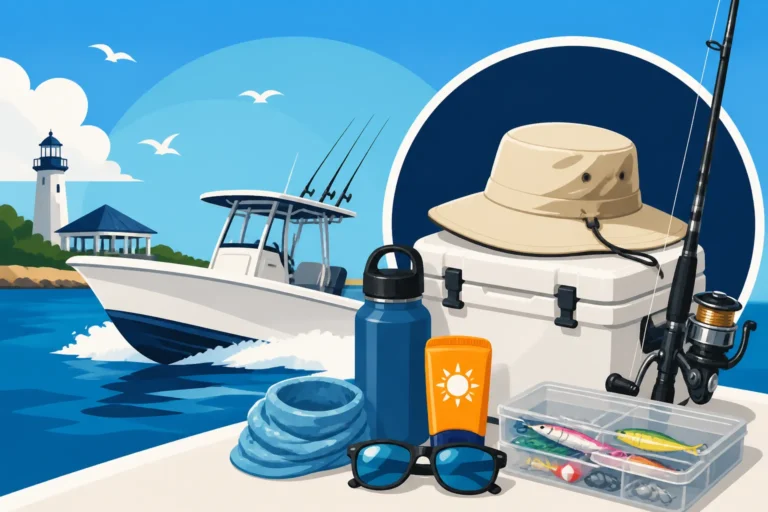
While your crappie guide will provide all the necessary fishing gear, including rods, reels, baits, and tackle, there are still some essential items you should bring to ensure your comfort and safety throughout the day.
- Weather-Appropriate Clothing: Dress in layers, especially in spring and fall, as temperatures can change rapidly. Even in summer, bring a light rain jacket in case of unexpected showers.
- Sun Protection: Sunglasses, a wide-brimmed hat, and plenty of sunscreen are non-negotiable, even on cloudy days. The sun's reflection off the water can be intense.
- Food and Drinks: Pack snacks, a lunch, and plenty of water or other beverages. Most guides will have a cooler with ice, but confirm this beforehand.
- Cooler for Your Catch: If you plan to keep your crappie, bring a separate cooler to transport your fillets home. Ask your guide if they clean and bag your fish (most do, but it's good to confirm).
- Camera: You'll want to capture those memories and, of course, your prized catches!
- Valid Mississippi Fishing License: This is absolutely critical. You are responsible for having a current Mississippi Fishing License Guide for the day you are fishing. Your guide cannot provide this for you, and you risk a fine if you don't have one. Make sure it covers the appropriate type of fishing (freshwater in this case).
By packing these essentials, you'll be ready for a comfortable, enjoyable, and successful day chasing crappie on Grenada Lake with your chosen guide.
| Season | Best Time to Book Ahead | Crappie Behavior | Typical Fishing Conditions | Pros of Booking | Cons of Booking |
|---|---|---|---|---|---|
| Spring Spawn | 6-12 months | Shallow, concentrated, aggressive breeders | Variable weather, moderate water | High numbers, active bite, exciting experience | High demand, unpredictable weather, crowded lake |
| Summer | 1-3 months | Deep water, tight to structure, slower bite | Hot, stable weather | Potential for big fish, less crowded | Intense heat, slower bite, specialized techniques |
| Fall | 2-4 months | Transitioning, feeding on shad, active | Mild weather, cooling water | Good numbers, comfortable, less crowded | Crappie can be scattered, less predictable |
| Winter | 1-2 months | Deep, tightly schooled, subtle bite | Cold, clear water | Trophy fish potential, least crowded, guide availability | Cold weather, subtle bite, fewer fish |
Disclaimer
This article is for general informational purposes only and does not constitute professional advice. Laws, prices and regulations vary by location and change over time. Consult a qualified professional for guidance on your specific situation.