Best Time to Book a Bass Guide on Ross Barnett Reservoir
It's a common dilemma, isn't it? You've heard the whispers, the legends of the incredible bass fishing on Ross Barnett Reservoir, and you're finally ready to book a guide to help you unlock its secrets. But then the big question hits: when is the best time to go? Picking the right season can make all the difference between a memorable day of tight lines and a frustrating struggle. This guide is here to help you navigate the calendar and pinpoint the ideal time to book your bass fishing adventure on Mississippi's beloved "Barnett."
Understanding Ross Barnett Reservoir's Bass Patterns
Before we dive into the best booking times, it's crucial to understand how the largemouth bass behave throughout the year on Ross Barnett Reservoir. Their activity, location, and willingness to bite are heavily dictated by the changing seasons and environmental factors. A knowledgeable guide will be intimately familiar with these patterns, but understanding them yourself empowers you to make an informed decision for your trip.
Seasonal Changes and Bass Behavior
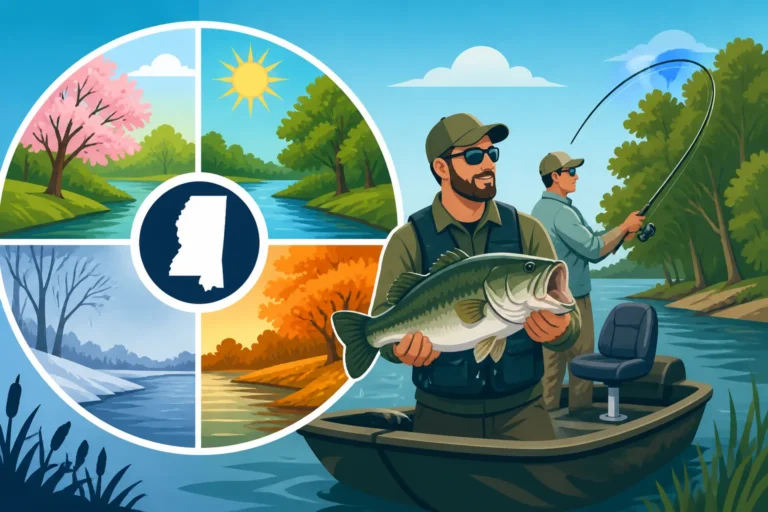
Mississippi's climate brings distinct seasons, and each one triggers different instincts in the reservoir's bass population. From the frigid stillness of winter to the scorching heat of summer, bass are constantly adapting, moving, and feeding in specific ways.
In the early spring, as water temperatures begin to climb past the 50-degree mark, bass start to shake off their winter lethargy. This is often referred to as the pre-spawn period. They'll move from deeper wintering holes into shallower areas, staging near points, creek channels, and submerged cover as they prepare for the spawn. Their metabolism ramps up, and they become highly aggressive, feeding heavily to build energy for reproduction. This is a fantastic time for big fish. As temperatures continue to rise into the 60s, the spawn officially begins. Female bass move onto beds in very shallow water to lay their eggs, with males guarding the nests. While they can be caught during this time, many anglers prefer to let them do their thing, or target males guarding the beds.
Once the spawn is complete and water temperatures reach the high 60s to low 70s, the post-spawn phase kicks in. Female bass are often exhausted and recuperating, making them less aggressive immediately after laying eggs. However, as they regain strength, they'll move to nearby cover, often around the first significant drop-offs or deeper hydrilla edges, and begin feeding again. This can be a bit of a tricky period, as bass are scattered, but it offers a chance to catch them as they transition back to a more active feeding pattern. You'll want a guide who knows the specific nuances of this transition.
Summer brings hot weather and even hotter water temperatures, pushing bass deeper during the day. They'll seek refuge in cooler, oxygen-rich waters around ledges, deep hydrilla beds, brush piles, and submerged timber. Early mornings and late evenings often offer the best opportunities as bass move shallower to feed under the cover of lower light and slightly cooler temperatures. This is where a good guide truly shines, as they'll have electronics and knowledge to pinpoint those deep structures.
As fall approaches and water temperatures start to cool, typically into the 70s and then 60s, the bass on Ross Barnett get a second wind. This is often driven by the "shad run," where baitfish school up and migrate, causing bass to feed aggressively in preparation for winter. They can be found shallower again, chasing bait, and are often very active. This is another highly anticipated time for many anglers targeting quantity and quality.
Finally, winter sees bass retreating to deeper, more stable water. Their metabolism slows down, and they become less active, but they still need to eat. Finding them often involves targeting deep structure, creek channels, and ledges with slow presentations. While challenging, winter can offer incredible rewards for those willing to brave the cold and employ finesse techniques.
Key Environmental Factors
Beyond the calendar, several environmental factors play a huge role in bass behavior on Ross Barnett. Water temperature is probably the most critical, directly influencing their metabolism and spawning cycles. A rise or fall of just a few degrees can trigger significant movements or changes in feeding activity.
Water levels can also be a major factor. Ross Barnett Reservoir's water levels can fluctuate, and bass will adjust their positions accordingly. High water might push them into flooded cover, while low water concentrates them on main lake structure or forces them out of shallow areas. A good guide constantly monitors these conditions and knows how to adapt.
Weather patterns, including cold fronts, strong winds, and heavy rain, also impact bass fishing. A sudden cold front can shut down a bite quickly, making bass lethargic and less willing to chase. Overcast days, however, can sometimes extend shallow water feeding opportunities into the midday. High winds can make boat control difficult and muddy certain areas, but they can also position baitfish and bass on wind-blown banks. A reputable guide, such as those you might find listed on platforms like FishingBooker, will be checking these forecasts diligently to plan your day.
Prime Seasons for Booking a Bass Guide
When most anglers dream of a banner day chasing largemouth on Ross Barnett, they're often picturing either spring or fall. These two seasons offer distinct advantages that make them highly sought after for guided trips.
Spring: The Golden Window
Without a doubt, spring is often considered the absolute prime time to book a bass guide on Ross Barnett Reservoir. This period, typically from late February through May, encompasses the critical pre-spawn and spawn phases, offering some of the most exciting and productive fishing opportunities of the entire year.
During the pre-spawn, bass are bulking up, staging on underwater points, channel bends, and various types of cover in preparation for spawning. They are actively feeding and often concentrated, making them easier for an experienced guide to locate. This is when you have a fantastic chance to catch some of the largest bass of the year. Lures like lipless crankbaits, spinnerbaits, and jerkbaits can be incredibly effective as bass are aggressive and willing to chase. The fish are shallow enough to be accessible, but still deep enough to be holding in predictable patterns. Many guides will be fully booked during this period due to the high demand.
As the spawn progresses, bass move into even shallower water, often in protected coves, pockets, and along shallow banks with good bottom composition. While some anglers prefer not to disturb spawning fish, many guides know how to ethically target males guarding beds or females moving on and off beds. This can be an incredible sight-fishing opportunity if the water is clear enough, adding another layer of excitement to your trip. Remember, bass are territorial during this time, making them fiercely protective and vulnerable to certain presentations. What Month Do Crappie Spawn in Mississippi? and When Do Bass Spawn in Mississippi? provide more insights into these critical periods for different species.
Booking a guide in the spring means you're stepping into the reservoir when bass activity is at its peak. The weather is generally pleasant, fish are aggressive, and the potential for a trophy catch is very high. However, because of this popularity, it's also the hardest time to get a guide, and you'll need to plan well in advance. Many guides have regulars who book their spring dates a year or more out.
Fall: The Feeding Frenzy
If spring is the golden window, then fall on Ross Barnett Reservoir is the exhilarating feeding frenzy. Typically running from September through November, this season is marked by cooling water temperatures and the schooling of baitfish, creating a highly active and productive environment for bass fishing.
As summer's oppressive heat breaks, bass begin to move out of their deep summer haunts and follow baitfish, particularly shad, into shallower water. This is when you'll often see guides and anglers targeting bass that are actively chasing schools of shad on the surface or just below. Topwater lures, jerkbaits, and various reaction baits become incredibly effective during this time. The bass are trying to gorge themselves in preparation for the leaner winter months, making them incredibly aggressive and fun to catch.
Fall fishing can offer both numbers and size. You might encounter incredible days where you catch dozens of bass, and still have a strong chance at a quality fish. The patterns can be more widespread than in spring, with bass relating to points, humps, ledges, and creek channels where baitfish are concentrated. A skilled guide will use their knowledge of current baitfish movements and bass migration routes to put you on the fish. For an informational article on this, consider Fishing the Fall Shad Run in Mississippi.
The weather in fall is typically beautiful – mild temperatures, lower humidity, and often sunny skies make for a very comfortable day on the water. While perhaps not as intense as the pre-spawn trophy hunt, fall offers consistent action and a high likelihood of a successful trip. Booking a fall trip still requires some advance planning, but it might be slightly less competitive than the absolute peak spring dates.
Less Ideal, But Still Productive, Times
While spring and fall often steal the spotlight, that doesn't mean you should write off summer and winter entirely. These seasons present their own challenges but can still offer rewarding bass fishing experiences on Ross Barnett, especially with an expert guide.
Summer: Early Mornings and Late Evenings
Mississippi summers are no joke, and the heat often makes daytime bass fishing a tough grind on Ross Barnett. However, a good guide knows how to work around the high temperatures and still put you on fish, primarily by focusing on the cooler parts of the day.
During the scorching summer months (June, July, August), bass typically retreat to deeper, cooler, and more oxygenated waters during the brightest parts of the day. They'll hug deep ledges, brush piles, submerged timber, and the edges of hydrilla beds in 10-20 feet of water or more. This requires a guide skilled in using advanced electronics, like side imaging and down imaging, to locate these deep holding areas. Slow presentations with large worms, jigs, or deep-diving crankbaits can be effective when the fish are concentrated. Fishing in these deeper waters can be a highly technical game. You'll find more helpful tips in articles like How to Catch Bass in Hot Summer Weather.
The real "magic hours" of summer are often at dawn and dusk. As the sun rises or sets, bass will frequently move into shallower water to feed before retreating to the depths. Booking a guide for an early morning trip (often starting before sunrise) or a late evening trip (fishing into dusk) can significantly increase your chances of success. During these times, topwater baits, spinnerbaits, and swim jigs can provoke aggressive strikes as bass capitalize on the lower light conditions. Fishing through the heat of the day can be slow, but a dedicated guide will find ways to keep you active.
Summer trips require resilience to the heat and an understanding that the bite might be slower during midday. However, for those who enjoy the challenge and don't mind an early start or late finish, summer can still be a rewarding time, especially for anglers who value the tranquility of a quiet lake before the crowds arrive. Plus, guides might have more availability during these months compared to peak spring dates. You can check platforms like FishingBooker for guides who specialize in these early or late trips.
Winter: Challenging but Rewarding
Winter bass fishing on Ross Barnett Reservoir, typically from December through February, is not for the faint of heart. The cold weather and often slower bite can deter many anglers, but for those who persist and enlist the help of a dedicated guide, it can offer unique and incredibly rewarding experiences, often with fewer crowds.
In winter, bass metabolism slows down significantly, and they become less active and less willing to chase fast-moving baits. They tend to concentrate in deep creek channels, main lake ledges, and major bends in the river channel where water temperatures are more stable. Finding these fish is the primary challenge, and this is where a guide's expertise in reading sonar and understanding subtle winter patterns is invaluable. They'll often be using finesse techniques with jigs, shaky heads, or slow-rolled spinnerbaits, targeting bass that are often "balled up" in tight schools. The bites can be light, requiring a keen eye and quick reflexes.
While you might not catch as many fish as in spring or fall, the quality of winter bass can be outstanding. Often, the fish you do catch are robust, healthy individuals. The tranquility of the reservoir in winter is also a major draw. You'll likely have much of the water to yourself, enjoying the solitude and peacefulness that’s harder to find during busier seasons. This can be a perfect time for an angler looking to hone their deep-water skills or just enjoy a quiet day on the water with a chance at a true trophy.
Booking a guide in winter usually means better availability and potentially a more focused, one-on-one learning experience. If you’re willing to bundle up and embrace the challenge, a winter trip with a knowledgeable guide can be a fantastic way to experience a different side of Ross Barnett's bass fishing.
Practical Tips for Booking Your Guide
Knowing the best times to fish is one thing, but actually securing a top-notch guide for your desired dates is another. Here are some actionable tips to ensure you have a smooth booking process and a successful trip.
Booking in Advance
This cannot be stressed enough, especially if you're aiming for those prime spring dates. The most experienced and highly sought-after bass guides on Ross Barnett Reservoir often book up months, if not a year, in advance for peak seasons. Don't wait until the last minute if you have a specific date or period in mind.
Think of it like booking a popular vacation spot – the best dates go fast. As soon as you decide on a general timeframe, start reaching out to guides. Many guides will have their calendars open for the following year by late summer or early fall. If you're looking for a specific guide you've heard good things about or seen featured, be prepared to book even further ahead. Platforms like FishingBooker often allow you to view guide availability well into the future, helping you plan ahead. This is particularly important for weekends or during popular holidays.
Communicating Your Goals
When you contact a guide, be clear about your expectations and goals for the trip. Are you hoping to catch a trophy bass, even if it means fewer bites? Are you bringing kids and prioritizing continuous action over size? Are you looking to learn specific techniques?
For example, if you tell your guide, "I really want to learn how to fish jigs effectively on ledges," they can tailor the trip to focus on that. If your goal is to simply "catch a bunch of fish," they might lean towards techniques that maximize numbers. This open communication ensures that your guide can set realistic expectations and craft a fishing experience that aligns with what you're hoping for. A guide's job is to put you on fish, but also to ensure you have a good time, and knowing your preferences is key to that.
Considering Flexibility
While we all aim for the "best" time, sometimes life gets in the way, or prime dates are simply unavailable. Being flexible with your dates can open up opportunities. If you can fish on a weekday instead of a weekend, or consider a shoulder season (like late spring or early summer, or late fall) instead of the absolute peak, you might find more availability with your preferred guide.
Also, be flexible with your target species. While this article focuses on bass, Ross Barnett is also an incredible lake for crappie and catfish. If bass aren't biting due to an unexpected cold front, a flexible guide might suggest targeting crappie that day, ensuring you still have a productive and fun time on the water. Check out articles like Mississippi Crappie Regulations by Lake or Mississippi Catfish Regulations to learn more about other species. The goal is to maximize your time on the water, and sometimes that means adapting to what the lake offers on a given day.
Remember, the "best" time is ultimately subjective and depends on your personal preferences and goals. However, by understanding bass behavior and planning ahead, you can significantly increase your chances of a successful and memorable guided bass fishing trip on Ross Barnett Reservoir.
Here's a quick summary of the best times to book a bass guide on Ross Barnett:
| Season | Typical Months | Bass Behavior | Pros for Anglers | Cons for Anglers | Booking Difficulty (Guide Availability) |
|---|---|---|---|---|---|
| Spring | Late Feb – May | Pre-spawn aggression, spawning, post-spawn recovery | High potential for trophy bass, aggressive bites | Can be crowded, weather can be unpredictable | Very High (Book Far in Advance) |
| Summer | June – August | Deep water during day, shallow at dawn/dusk | Great for early birds, less crowded midday | Very hot, slower midday bite | Moderate (More weekday availability) |
| Fall | September – November | Following baitfish, aggressive feeding | Consistent action, good numbers and size | Weather can be variable, some busy periods | High (Book several months ahead) |
| Winter | December – Early February | Deep structure, slow metabolism | Tranquil, chance for quality fish, fewer crowds | Cold, slower bites, requires patience | Low to Moderate (Good availability) |
Disclaimer
This article is for general informational purposes only and does not constitute professional advice. Laws, prices and regulations vary by location and change over time. Consult a qualified professional for guidance on your specific situation.