Best Season to Book a Freshwater Fishing Guide
Deciding when to book a freshwater fishing guide in Mississippi can feel like trying to hit a moving target. With our diverse waters, from the massive reservoirs to the winding rivers and peaceful state lakes, fishing conditions change dramatically with the seasons, leaving many anglers wondering when their best shot at a memorable trip truly is. This guide is here to walk you through the nuances of each season, helping you pinpoint the ideal time to hire a professional guide for your next Mississippi freshwater adventure.
Understanding Mississippi's Freshwater Fishing Seasons
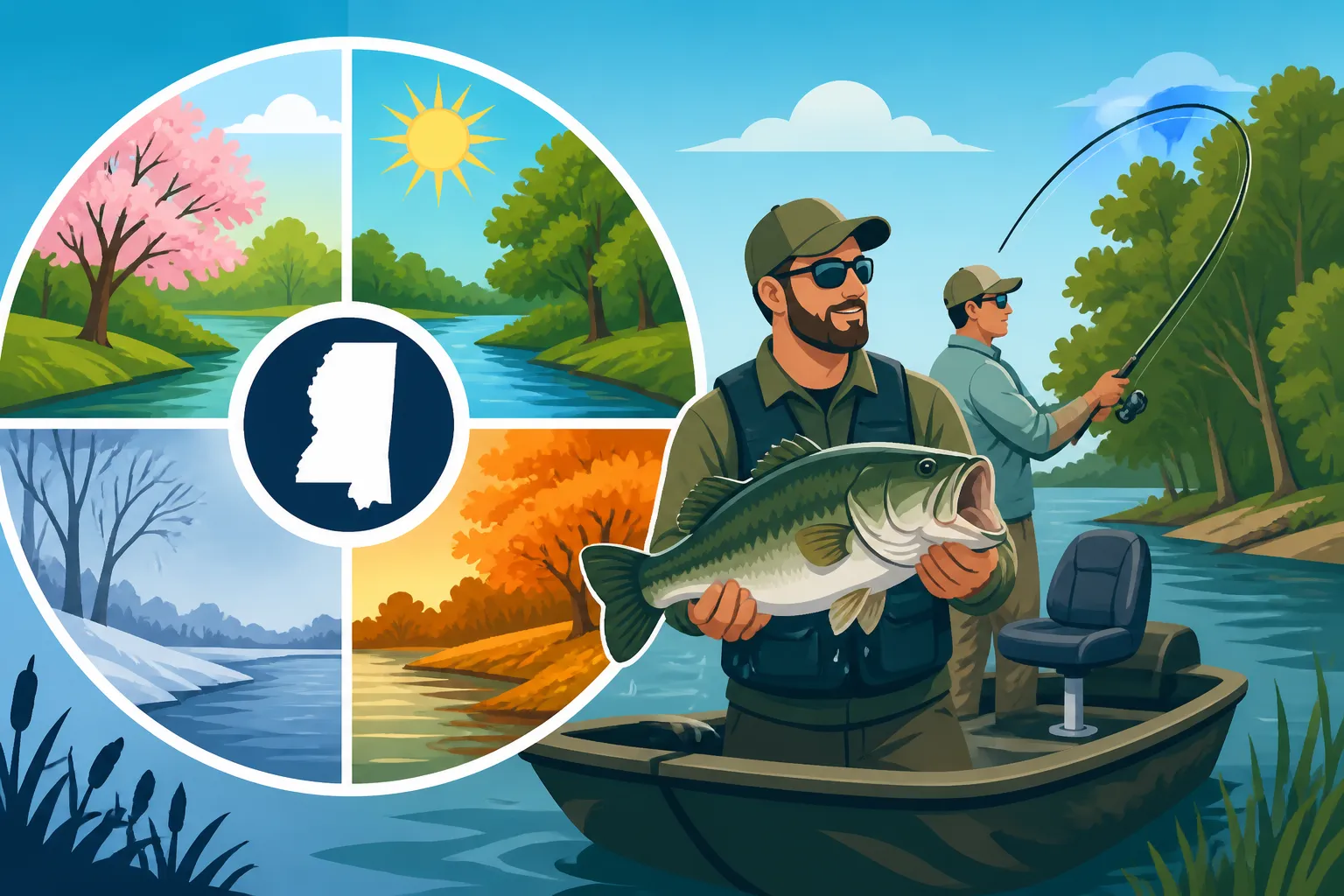
Mississippi's climate is a blessing for anglers, offering fishing opportunities virtually year-round. However, what you're targeting and how the fish behave shifts dramatically with the temperature and environmental changes. A great guide knows these patterns like the back of their hand, adapting strategies as the seasons unfold. Knowing these general patterns will empower you to communicate your goals effectively with your chosen guide and set realistic expectations for your trip.
The Influence of Water Temperature and Fish Metabolism
Water temperature is the undisputed king when it comes to influencing fish behavior. As the water warms, fish metabolism speeds up, making them more active and often more aggressive feeders. This is why spring and fall are often considered prime times for many species. Conversely, extreme heat in summer or cold in winter can slow them down, pushing them to deeper, more stable environments or into specific feeding windows. A guide's expertise in reading these conditions, understanding thermoclines, and knowing where fish hold during different temperature phases is invaluable. They've spent countless hours on the water, observing these subtle shifts, and can put you on fish when a less experienced angler might struggle.
Species-Specific Seasonal Behavior
Different fish species have different calendars. While largemouth bass might be actively spawning in spring, crappie could be doing the same slightly earlier or later, and catfish are often a reliable bite across a wider range of temperatures. Understanding these species-specific behaviors is crucial. For instance, if you're dreaming of a trophy bass, certain pre-spawn windows might be your best bet, while a cooler fall day might be perfect for a crappie limit. Guides specialize in certain species, or at least have a deep understanding of their local waters' most prominent fish. When browsing options on platforms like FishingBooker, you'll often see guides highlighting their expertise with particular species during specific times of the year, which can help narrow down your search based on your target fish.
Spring: The Spawn & Early Bite Frenzy
Spring in Mississippi is a magical time for freshwater fishing, often hailed as one of the best seasons to book a guide. As water temperatures begin to climb after the winter chill, fish become incredibly active, driven by the urge to spawn and feed heavily. It’s a period of transition and opportunity, but also one where timing is everything.
Prime Time for Bass and Crappie
For many, spring is synonymous with the largemouth bass and crappie spawn. As the water warms into the 50s and 60s Fahrenheit, crappie move into shallow areas, often around submerged brush, stumps, and grass beds, becoming very accessible. This is the time when you can often catch impressive numbers of fish. Similarly, bass will follow suit, moving from deeper staging areas onto beds, making them visible and aggressive. A good guide knows exactly when these fish are moving up, where they prefer to stage, and the precise shallow cover they'll use. They can lead you directly to these honey holes, saving you hours of searching. Guides often target specific lakes known for their crappie populations, such as Grenada, Sardis, or Ross Barnett Reservoir, during these peak spring months. This is often when you'll find guides fully booked, so planning ahead is key. For more in-depth knowledge on crappie, check out our Crappie Fishing Techniques for Mississippi Lakes article.
Navigating Variable Spring Weather
While spring offers incredible fishing, it's also notorious for unpredictable weather. Warm, sunny days can quickly turn into stormy, cold fronts, which can shut down a bite temporarily. This is where a guide truly earns their stripes. They have the experience to adapt tactics on the fly, knowing whether to switch from shallow presentations to deeper structure, or from aggressive baits to more subtle offerings. They’ll also have the right gear, from rain jackets to heavier line, to handle whatever conditions Mother Nature throws your way. Booking a guide in spring means you’re not just paying for their knowledge of fish location, but also their ability to interpret and react to rapidly changing conditions, ensuring you still have a productive day even if the weather tries to spoil it. Our Mississippi Spring Fishing Guide offers more insights into this dynamic season.
Summer: Heat, Deep Water & Night Bites
Summer in Mississippi brings the heat, both in temperature and sometimes in the fishing action, if you know where to look. While the dog days can slow down some species, a skilled freshwater guide understands how to adjust tactics to find fish when others are struggling. This season often requires specialized techniques and a willingness to fish during less conventional hours.
Targeting Deeper Structure and Early Mornings
As surface water temperatures soar into the 80s and even 90s, many game fish, especially bass and crappie, retreat to deeper, cooler water. They'll often school up on ledges, humps, creek channels, and around submerged timber. This means that successful summer fishing often involves electronics to locate these structures and the fish holding on them. A professional guide will have top-tier sonar and GPS, and more importantly, the expertise to interpret what they're seeing. They know the subtle nuances of these deep-water haunts and can help you target these fish effectively with techniques like deep cranking, jigging, or slow-trolling. Early morning bites, right as the sun comes up, are also critical during summer before the heat becomes too oppressive. This is a common strategy for guides, ensuring you maximize your time on the water during the coolest, most active periods. Our Best Time of Day to Catch Bass article has more on this.
Embracing the Night for Catfish and Other Species
One of the great secrets of Mississippi summer fishing is the vibrant night bite, particularly for catfish. When the sun goes down and the air cools, catfish become incredibly active, moving into shallower areas to feed. A guide specializing in night fishing can provide an unforgettable experience, rigging up lights and using various baits to target channel, blue, and flathead catfish. Beyond catfish, sometimes bass and crappie can also be caught after dark, especially around lighted docks or bridges. Booking a guide for a night trip can be a fantastic way to beat the heat, experience a different kind of fishing, and often catch some truly impressive fish without the crowds. For those interested in the nocturnal hunters, check out our Catfish Fishing Techniques article. When searching for guides, consider filtering by "night fishing" or "catfish trips" on platforms like FishingBooker to find specialists.
Fall: The Feeding Frenzy & Transition
Fall is another outstanding season for booking a freshwater fishing guide in Mississippi, often rivaling spring in terms of consistent action. As temperatures begin to cool, the fish sense the approaching winter and embark on a major feeding spree, bulking up before the lean months. This period of intense activity, often referred to as the "fall feeding frenzy," presents fantastic opportunities for anglers.
Aggressive Bites and Schooling Fish
As autumn progresses and water temperatures drop back into the 70s and 60s, baitfish migrate from deeper water into creeks and shallower coves. Game fish, like largemouth bass, crappie, and even white bass and hybrid stripers, follow them in huge numbers, creating incredible opportunities for aggressive bites. Guides during the fall are experts at locating these schools of bait and the predatory fish hot on their heels. You might find yourself casting into boiling water as bass herd shad to the surface, or vertically jigging for crappie stacked tight around brush piles. This chasing behavior means fast action and often larger fish as they feed heavily. Understanding Bass Fishing Techniques for Mississippi Anglers will help you appreciate how guides capitalize on this season.
Post-Spawn Recovery and Structure Fishing
For species that spawned in the spring, fall represents a period of full recovery and renewed vigor. These fish are now healthy, active, and focused solely on feeding. Guides know that during this time, fish will relate to a variety of structures, from points and ledges to standing timber and creek channel bends. They’ll also know how to adjust their baits and presentations as the water continues to cool, moving from faster, more aggressive lures earlier in the fall to slower, more subtle presentations as winter approaches. Because the fish are actively chasing bait, many different techniques can be effective, making it a great time for both beginners and experienced anglers to learn new skills from a guide. Don't forget to review our Mississippi Fall Fishing Guide for a more comprehensive seasonal overview.
Winter: Deep Patterns & Solitude
While many anglers pack up their gear for the winter, Mississippi's mild climate often provides excellent, albeit different, freshwater fishing opportunities. Winter fishing, especially with a guide, can be incredibly rewarding, offering a unique blend of solitude on the water and the chance for some truly large fish.
Deep Water Fishing for Suspended Fish
In winter, cold water temperatures push most freshwater species into deeper, more stable environments. Bass will often suspend over deep creek channels, gather on main lake points, or hide deep within dense brush piles. Crappie will form massive schools, often congregating around vertical structure like bridge pilings or in the deepest parts of their preferred brush piles. A guide’s most valuable tool in winter is their electronics, used to precisely locate these deep schools of fish. They can show you how to present baits directly to these lethargic fish using subtle vertical jigging techniques or slow-trolling. While the bite might be slower, the fish caught are often larger, as the biggest fish are the most resilient to cold. You can learn more about this in our Winter Crappie Fishing in Mississippi guide.
Less Crowds and Focused Opportunities
One of the biggest perks of booking a guide in winter is the sheer lack of crowds. You’ll often have vast stretches of the lake to yourself, providing a peaceful and focused fishing experience. Guides often specialize in winter patterns and can dedicate their full attention to putting you on fish without competition from other boats. This season is also a fantastic time to target specific species like blue catfish, which remain active and can be caught in impressive sizes in the colder months, especially in river systems like the Mississippi River. The solitude and focused nature of winter fishing make it an ideal time for anglers looking for a quieter, more technical experience where a guide's precision and knowledge truly shine. If you're considering a trip to a larger body of water, our Ross Barnett Reservoir Fishing Guides can help you find experts in that area.
Factors Beyond the Season to Consider
While understanding the seasonal nuances is crucial, there are several other practical factors that play a significant role in determining the best time for you to book a freshwater fishing guide in Mississippi. These considerations can influence everything from your success on the water to the overall cost and convenience of your trip.
Guide Availability and Demand
Just like prime fishing seasons, prime booking seasons exist. Spring and fall are incredibly popular, meaning that the most sought-after guides often get booked months in advance. If you have a specific guide in mind or want to fish on a particular weekend, especially around holidays, you’ll need to plan well ahead. Conversely, booking during the summer doldrums or the chillier parts of winter might mean more availability and potentially more flexibility with dates. Many guides list their availability on platforms like FishingBooker, making it easier to see what dates are open and plan accordingly. Don't wait until the last minute if you have specific dates or targets in mind.
Your Target Species and Techniques
What you want to catch is perhaps the most important factor. If your dream is to catch a giant prespawn largemouth bass, then spring is likely your target. If you're after a cooler weather crappie bite, fall or even winter can be fantastic. Catfish are generally reliable year-round but hit a peak in the warmer months. Communicate your specific goals to prospective guides. A good guide will be honest about the realistic chances of catching your target species during different times of the year and might even suggest alternative dates or species if your first choice isn't optimal for the season you're considering. This collaboration ensures you get the most out of your guided trip. For those focused on a particular lake, guides who specialize in Grenada Lake Crappie Fishing Guides or Pickwick Lake Fishing Guides are worth seeking out.
Personal Preferences: Weather, Crowds, and Experience Level
Finally, consider your own comfort and preferences. Do you hate fishing in the heat? Then summer might be a no-go for you, unless it's a dedicated night trip. Do you prefer solitude and don't mind bundling up? Winter could be your ideal season. Are you a complete beginner who wants lots of action and easy bites? Spring or fall might provide the most consistent opportunities. The "best" season is truly subjective and depends on what you hope to gain from your guided experience. For instance, if you're bringing kids, a less intense, higher-action season might be preferred. Discuss these preferences with your guide when booking; they can help tailor the trip to your group's needs. For details on how to get the necessary permits, our Mississippi Fishing License Guide is an essential read.
| Season | Best for Species | Pros of Booking a Guide | Cons/Considerations |
|---|---|---|---|
| Spring | Bass, Crappie | Peak spawning activity, aggressive bites, high numbers. Guides know exact locations of bedding fish. | High demand, unpredictable weather (cold fronts). |
| Summer | Catfish, Deep Bass/Crappie | Guides use electronics for deep-water fish, excellent night fishing opportunities, fewer crowds during the day. | Intense heat can make daytime fishing tough, fish are often deeper and less active during peak heat. |
| Fall | Bass, Crappie, White Bass, Hybrids | "Feeding frenzy," aggressive schooling fish, comfortable weather, great for various techniques. | Moderate demand, fish can be scattered as they follow bait. |
| Winter | Catfish, Deep Bass/Crappie | Fewest crowds, potential for trophy-sized fish, peaceful experience. Guides excel at deep-water techniques. | Slower bite, colder weather, shorter active windows. |
Booking a freshwater fishing guide in Mississippi is a fantastic way to enhance your angling skills, discover new hot spots, and make lasting memories. By considering the seasonal fish behavior, guide availability, your target species, and your personal preferences, you can choose the perfect time for your guided adventure. No matter when you decide to go, a knowledgeable guide will undoubtedly increase your chances of a successful and enjoyable day on the water.
Disclaimer
This article is for general informational purposes only and does not constitute professional advice. Laws, prices and regulations vary by location and change over time. Consult a qualified professional for guidance on your specific situation.