Winter Crappie Fishing in Mississippi
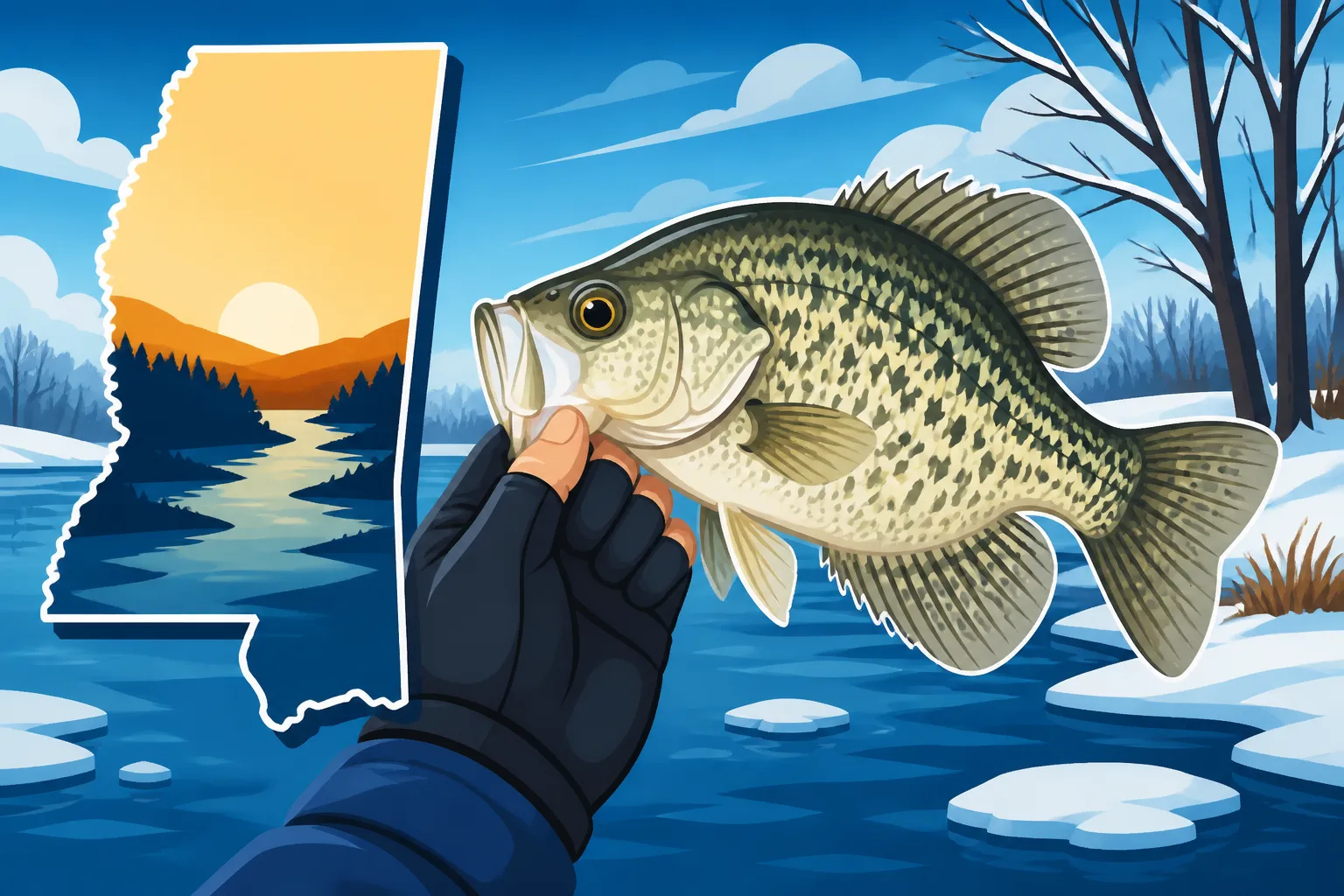
The crisp bite in the air, the steam rising off the water on a chilly morning, and the thought of sluggish fish hiding in the depths can be pretty intimidating. Many anglers feel like fishing simply shuts down when the temperatures drop, tucking away their gear until spring. But let me tell you, that couldn't be further from the truth, especially for us crappie fanatics here in Mississippi. This guide is all about demystifying winter crappie fishing, helping you understand their cold-weather habits, and equipping you with the tactics to consistently put slabs in the boat, even when it's freezing.
Understanding Winter Crappie Behavior in Mississippi
Winter crappie fishing isn't just a slower version of summer fishing; it's a completely different ballgame. The changes in water temperature trigger significant shifts in how crappie behave, where they live, and what they're willing to eat. If you approach winter fishing with a summer mindset, you're likely going to spend a lot of time freezing without much to show for it.
The Impact of Cold Water Temperatures
As water temperatures plummet in late fall and early winter, crappie, like most cold-blooded fish, experience a significant slowdown in their metabolism. This isn't just a slight chill; it's a fundamental change in their bodily functions. They become less active, their digestion slows, and they don't need to feed as aggressively or as often as they do in warmer months. Imagine trying to run a marathon in a blizzard – it's just not going to happen efficiently. Similarly, crappie conserve energy, moving only when necessary, often in tight schools. This metabolic slowdown means they're less likely to chase down fast-moving baits and prefer presentations that are right in front of their faces, requiring minimal effort to strike.
The crucial temperature range for crappie is generally above 50-55 degrees Fahrenheit for active feeding. Once it dips below that, and especially into the low 40s or high 30s, they become much more lethargic. You might find them in areas where the water is marginally warmer, even by a degree or two, as these tiny thermal advantages can make a big difference for their comfort. This often means seeking deeper water or areas with less exposure to harsh winds that cool surface water rapidly. Understanding this physiological change is the first step to adjusting your approach from aggressive power fishing to a more subtle, precise game.
Crappie Relocation and Schooling Habits
One of the most defining characteristics of winter crappie is their tendency to school up tightly and relocate to deeper, more stable water. Unlike the warmer months when crappie might be scattered across various types of shallow cover, winter sees them aggregating into dense schools. This isn't random; it's a survival mechanism. By grouping together, they can find and ambush baitfish more effectively, conserve energy, and often locate areas with consistent water temperatures. These schools can sometimes be massive, making them a goldmine if you can find them.
Their relocation is usually from shallow feeding grounds to deeper, often vertical, structures. We're talking about creek channels, deep bends in rivers, the edges of main lake channels, significant humps, and points that drop off steeply into deeper water. They aren't going to be cruising the banks in 3 feet of water unless there's an unusual warm spell. The key here is consistency. Deep water offers a more stable environment, less affected by rapid temperature fluctuations from day to day. If you're struggling to find them, always think "deep and tight." This schooling behavior also means that once you find one crappie, you've likely found dozens, if not hundreds, making that initial discovery incredibly rewarding.
Preferred Depths and Structure in Winter
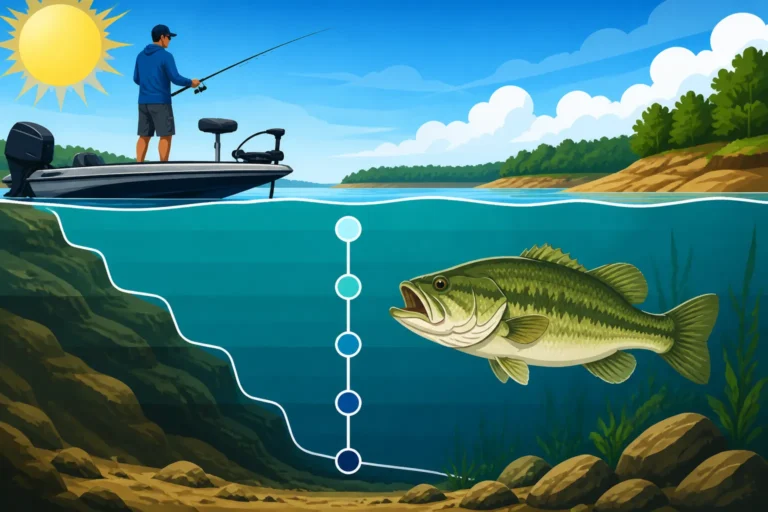
When the water gets cold, crappie typically gravitate towards deeper areas where water temperatures are more stable. This doesn't mean the deepest part of the lake, but rather areas that offer a significant drop-off or proximity to deep water. In Mississippi's large reservoirs like Grenada Lake or Sardis Lake, this often means creek channels, river channels, and deep, isolated timber stands within those channels. Crappie will often suspend over these channels, sometimes 15-30 feet down in 40-foot water, using the standing timber or brush piles as cover and ambush points.
Vertical structure is incredibly important in winter. Think standing timber, submerged brush piles, bridge pilings, and even rock formations that plunge into deep water. These structures provide cover from predators and current, as well as a place to ambush sluggish baitfish. They also act as highways for crappie moving between depths. Crappie might be at the base of a tree in 25 feet of water, or they might be suspended halfway up that tree at 15 feet. It all depends on the thermocline (if one exists, though less defined in winter) and the location of baitfish. A good rule of thumb is to start searching along the edges of major creek channels, especially where they intersect with points or old roadbeds, and look for baitfish and crappie holding tight to structure at various depths. Our comprehensive guide to Deep Water Crappie Fishing Techniques offers even more insights into these strategies.
Essential Gear for Winter Crappie Success
Winter crappie fishing demands a specialized approach, and that extends right down to your tackle. You can't just grab your summer bass rod and expect the same results. Precision, sensitivity, and the right presentation are paramount when crappie are cold and finicky.
Rods, Reels, and Line Choices
For winter crappie, subtlety is the name of the game, and your rod and reel setup should reflect that. You'll want an ultralight spinning rod, typically in the 5 to 7-foot range, with a very sensitive tip. A fast action rod will help you detect those incredibly light winter bites, which often feel less like a "thump" and more like a subtle pressure or a slight change in line tension. Look for rods specifically designed for crappie or panfish fishing, as these prioritize sensitivity and a soft backbone to prevent tearing hooks out of delicate crappie mouths. Many reputable brands offer excellent options, and you can often find great deals on sensitive graphite rods that won't break the bank on platforms like Amazon.
Pair your sensitive rod with a small, lightweight spinning reel (500 or 1000 series) that has a smooth drag. A good drag system is crucial because even though crappie aren't massive fighters, you'll be using very light line. Speaking of line, this is where many anglers make a mistake. Heavy mono lines that are great for warm water will hinder your winter efforts. Instead, opt for 4-6 lb test monofilament, fluorocarbon, or even a light braid with a fluorocarbon leader. Fluorocarbon is often preferred because it's nearly invisible underwater and has very low stretch, increasing sensitivity. However, small diameter monofilament lines like 4lb test are also very popular for their forgiving stretch and ease of handling in cold weather. Some anglers might even use 2-pound test, but that's truly for the most seasoned and patient.
Lures and Baits That Tempt Cold Crappie
When crappie are sluggish, they aren't going to expend much energy chasing a meal. This means your lures and baits need to be small, presented slowly, and often mimic their natural forage – typically minnows or small insects. Live minnows are, without a doubt, a winter crappie killer. Hooked lightly through the lips or dorsal fin, a live minnow presented on a small jig head or a plain hook under a slip bobber is incredibly effective. They offer natural scent and subtle movement that even the most lethargic crappie find hard to resist.
For artificials, tiny jigs are your best friend. Think 1/32 oz or 1/16 oz jig heads paired with small soft plastic bodies (like tubes, tiny swimbaits, or grub tails) in subtle colors. Chartreuse, white, black, and natural shad patterns are perennial favorites. Hair jigs, especially those with marabou feathers, are also excellent because they have an incredibly natural, pulsing action with minimal movement, perfect for slow presentations. The key is to impart very little action – sometimes just holding the bait perfectly still is enough. You might find a wide variety of these specialized jigs and minnow buckets for sale on Amazon, which makes stocking up for your trip easy. Consider checking out our guide on Best Bait for Crappie in Mississippi for more specific recommendations that really shine in the cold.
Electronics and Their Role in Winter Fishing
If there's ever a time when your fish finder earns its keep, it's during winter crappie fishing. Finding those tightly schooled crappie in deep water without good electronics is like looking for a needle in a haystack. Modern sonar, especially units with 2D sonar, Down Imaging (DI), and Side Imaging (SI) capabilities, are indispensable. Use your 2D sonar to locate schools of baitfish and prominent structures like creek channels, humps, and standing timber. When you see dense clouds of baitfish, crappie are usually not far behind.
Down Imaging and Side Imaging take it a step further. DI provides a photographic-like view directly beneath your boat, allowing you to discern individual crappie holding tight to structure or suspended over a channel. Side Imaging is a game-changer for covering water quickly and identifying submerged brush piles, old roadbeds, or timber that might be off to the sides of your boat. This helps you pinpoint productive areas without having to motor directly over them and risk spooking fish. Many experienced anglers will even use their electronics to watch their jig descend to the fish, ensuring a perfect, precise presentation directly into the strike zone. Learning to properly read and interpret these displays is a skill that will dramatically increase your success rate in winter.
Top Techniques for Winter Crappie Fishing
Once you've got the right gear and an understanding of where crappie should be, it's time to talk tactics. Because crappie are so inactive in winter, your presentation needs to be incredibly precise, subtle, and often extremely slow.
Vertical Jigging in Deep Water
Vertical jigging is perhaps the most effective and widely used technique for winter crappie. This method involves positioning your boat directly over a school of crappie or a productive piece of structure and dropping your bait straight down. The goal is to keep your lure or bait as vertical as possible, right in the fish's face, making it an easy target. This is where your sensitive rod and good electronics become critical. You'll use your fish finder to locate the depth at which crappie are holding, then drop your jig or minnow to that exact depth.
The action you impart should be minimal. Think subtle lifts, tiny twitches, or simply holding the bait perfectly still. Often, the crappie will "mouth" the bait rather than aggressively strike it, so a super-sensitive rod tip will help you feel those almost imperceptible bites. If you feel any change in line tension – a slight pull, a spongy feeling, or even just the absence of weight – set the hook! Techniques like drop-shotting a minnow or tight-lining a hair jig are variations of vertical jigging that can be deadly effective. It’s all about putting the meal right in front of them without making them work for it.
Slow Trolling (Spider Rigging)
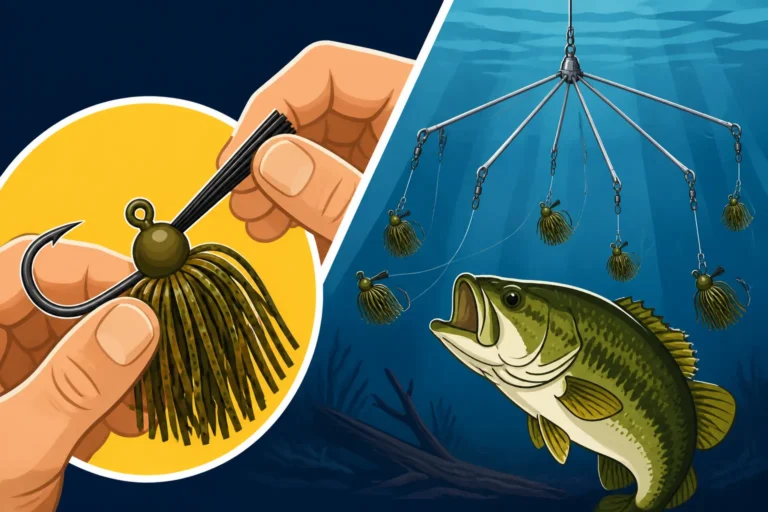
For covering more water and enticing scattered schools of crappie, slow trolling, often referred to as "spider rigging," is a fantastic technique. This involves deploying multiple long rods (sometimes 6 to 12 rods per boat) out from the bow, each with a different bait or jig, and slowly moving through a productive area. The rods are typically held by specialized rod holders, fanned out to cover a wide path. This technique is particularly effective over creek channels, large flats adjacent to deep water, or along submerged contours.
The key to spider rigging is boat control and speed. You'll want to move at an incredibly slow pace, often less than 0.5 MPH, using an electric trolling motor. This slow movement allows your baits to present naturally and gives lethargic crappie ample time to see and react. Experiment with different depths on each rod, using various jig sizes, colors, and live minnows until you find what the crappie prefer on that particular day. Once you get a bite, note the depth, lure, and boat speed, and try to replicate it on other rods. This method allows you to probe different depths and presentations simultaneously, dramatically increasing your chances of finding the pattern. Our Crappie Fishing Techniques for Mississippi Lakes article dives deeper into this and other effective strategies.
Interpreting Bites and Setting the Hook
Winter crappie bites are notoriously subtle. Forget the aggressive tugs and hard strikes you might feel in spring or summer. In cold water, a crappie often just "inhales" the bait, almost imperceptibly. This can manifest as your line simply going slack, a slight sideways movement of your line, a subtle increase in pressure, or a light tap that feels like your bait hitting a twig. Many anglers miss these bites because they're waiting for something more dramatic. The rule of thumb in winter: if anything feels even slightly "off" with your line or bait, set the hook!
Setting the hook for winter crappie also requires a delicate touch. You're using light line and often tiny hooks, and crappie mouths are delicate. A hard, sweeping bass-style hookset can easily tear the hook out or break your line. Instead, use a firm but gentle upward sweep or a quick, short snap of the wrist. The goal is to simply put tension on the line and drive the hook home without excessive force. Practicing this subtle interpretation of bites and gentle hookset will save you a lot of frustration and result in more fish in your cooler.
Where to Find Winter Crappie in Mississippi
Knowing the right gear and techniques is only half the battle; you also need to know where to point your boat. Mississippi boasts some incredible crappie fisheries, and many of them offer fantastic winter opportunities if you know where to look.
Key Reservoirs and Lakes for Winter Action
Mississippi is blessed with several large flood control reservoirs that are legendary for crappie, and they continue to produce in the winter. Grenada Lake, for example, is famous for its monster crappie, and in winter, the fish often congregate in the deep river and creek channels. Anglers often target the main Yalobusha River channel and its bends, especially those with standing timber or artificial brush piles. Similarly, Sardis Lake is another prime spot, with crappie moving into its deep channels and around submerged features like bridge pilings and old roadbeds. The deep timber in areas like Clear Creek can be particularly productive. For more information, check out our Grenada Lake Fishing Guide and Sardis Lake Fishing Guide.
Ross Barnett Reservoir, though generally shallower than the northern flood control lakes, still offers excellent winter crappie fishing in its deeper creek channels and cuts. Look for fish suspended near submerged timber in the main lake basin or in the deeper sections of Pelahatchie Bay. Enid Lake is another fantastic option, with its prominent channels and standing timber. The key across all these lakes is that the crappie will be concentrated, making them a challenge to find initially but highly rewarding once located. Knowing the general layout of these lakes and where the deepest channels run is crucial. Our Best Crappie Lakes in Mississippi guide provides an overview of these hotspots year-round.
Identifying Productive Winter Cover
When crappie move deep for winter, they don't just suspend randomly in open water. They relate heavily to structure, using it for protection, ambush points, and thermal stability. The most productive winter cover often consists of standing timber, especially large hardwood trees that were left when the reservoirs were flooded. These provide vertical cover from the bottom all the way to the surface, and crappie will stack up at various depths within them. Brush piles, whether natural or man-made, are also crappie magnets. Local anglers often sink these deliberately, so pay attention to areas where you see clusters of boats or ask around at local bait shops for known spots.
Beyond timber and brush, don't overlook natural contours and man-made structures that provide a deep-water transition. Creek channel edges, especially where they make sharp bends or intersect with humps, are prime real estate. Old roadbeds that cut through deeper water, bridge pilings, and even rock formations can hold schools of crappie. The most important aspect of identifying productive cover in winter is that it almost always needs to be in or adjacent to deep water. Crappie might move up a channel edge to feed, but they'll retreat to the deepest part of that channel or the densest cover when inactive.
River and Backwater Fishing Considerations
While the large reservoirs often get most of the attention, don't forget about Mississippi's rivers and their associated backwaters for winter crappie. The Mississippi River and its oxbows, like Lake Washington or Eagle Lake, can hold incredible numbers of crappie. In these systems, crappie will often move out of the main river current into the calmer, deeper backwaters, old oxbow lakes, or protected coves. They'll relate to flooded timber, deep laydowns, and eddies where the current is minimal.
The key to river fishing for crappie in winter is finding slack water. Strong currents force crappie to expend too much energy, which goes against their metabolic need to conserve energy. Look for deep holes, bends in the river, or the mouths of feeder creeks where the water slows down. In backwater areas, focus on the deepest parts of these lakes and look for any submerged structure. Water levels can fluctuate dramatically on rivers, so always check conditions before heading out. This kind of fishing can be fantastic, but it requires a bit more local knowledge and attention to current and water levels.
Overcoming Winter Fishing Challenges
Let's be real, winter fishing isn't always glamorous. It comes with its own set of challenges, from battling the elements to dealing with sluggish bites. But with a bit of preparation and the right mindset, you can overcome these hurdles and have a productive, enjoyable time on the water.
Dealing with Variable Weather and Water Conditions
Mississippi winters can be a rollercoaster. One day it's sunny and 60 degrees, the next it's sleeting with temperatures in the 30s. These rapid weather changes directly impact water temperature and, consequently, crappie behavior. A sudden cold front can shut down the bite for a few days, making fish even more lethargic and harder to tempt. Conversely, a few days of stable, warmer weather can bring a significant improvement in activity. Always check the long-range forecast before planning your trip.
When facing variable conditions, adaptability is key. If a cold front has just passed, expect the fish to be tighter to cover and deeper. Slow down your presentation even further. If you're lucky enough to hit a string of warmer days, crappie might move slightly shallower or become more willing to chase a bait. Pay close attention to water clarity too; heavy rains can muddy the water, forcing crappie to rely more on scent and vibration. In stained water, brighter jig colors or scent-infused baits can sometimes make a difference. Always be prepared to change your depth, lure, and even your location based on what the weather has done recently.
Staying Warm and Comfortable on the Water
This is perhaps the most critical challenge for any winter angler. There's nothing that zaps your enthusiasm faster than being miserably cold, especially your hands and feet. Dressing in layers is non-negotiable. Start with a moisture-wicking base layer, add an insulating mid-layer (fleece or down), and top it off with a waterproof and windproof outer shell. A good quality thermal suit or bibs and jacket are worth their weight in gold. Don't forget a warm hat that covers your ears and insulated gloves or mittens. Consider using hand warmers and foot warmers, easily found in bulk on Amazon, to provide continuous heat.
Beyond clothing, think about your overall comfort. A thermos full of hot coffee, tea, or soup can be a lifesaver. Portable heaters designed for boats can make your time on the water much more bearable, but always use them with extreme caution and ensure proper ventilation. Non-slip, insulated boots are a must, as cold, wet feet are a quick route to misery. Prioritizing your comfort isn't just about enjoyment; it helps you concentrate on fishing and stay out longer, increasing your chances of success. After all, what's the point of fishing if you're too cold to enjoy it? For more tips on enduring the elements, take a look at our Mississippi Winter Fishing Guide.
Safety First: Ice, Cold, and Solitude
Winter fishing, particularly in colder climates, carries inherent risks that must be taken seriously. While widespread thick ice is rare in most of Mississippi, certain shallow, protected coves or small private ponds might form thin, dangerous ice during prolonged freezes. Never assume ice is safe. Always exercise extreme caution around any ice and know how to test its thickness. If in doubt, stay off.
Beyond ice, the cold itself poses risks. Hypothermia is a real danger. Always let someone know where you're going and when you expect to return. Wear a PFD (personal flotation device) – a self-inflating one is comfortable and can be a lifesaver if you accidentally go overboard in cold water. Cold water immersion can quickly lead to incapacitation. Be mindful of fewer boats on the water, meaning less immediate help if you encounter an emergency. Check your boat's safety equipment, ensure your battery is strong, and carry a fully charged cell phone. A cold day spent safely fishing is always better than a risky trip. Remember to review the Mississippi Fishing Regulations Explained for safety gear requirements and other important rules before heading out.
Seasonal Nuances: Early, Mid, and Late Winter Fishing
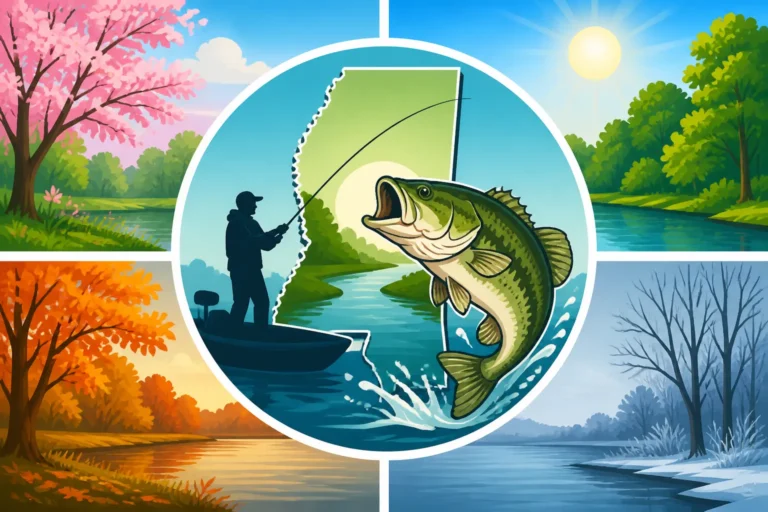
Just as summer transitions to fall, winter itself has distinct phases, each presenting slightly different conditions and crappie behaviors. Understanding these nuances can help you fine-tune your approach for maximum success throughout the colder months.
Early Winter: Transition from Fall Patterns
Early winter, typically November and early December, is a transitional period. Water temperatures are dropping, but not yet at their lowest points. Crappie are actively moving from their shallower fall feeding areas towards their deeper winter haunts. This can be a fantastic time to fish because the fish are still relatively active compared to mid-winter, and they're consolidating into schools. You might find them suspended over deeper brush piles or along the first major creek channel drops they encounter.
During early winter, you might still get away with a slightly faster presentation than in the dead of winter, but the overall trend should still be towards slowing down. Keep an eye on areas where you found crappie in late fall, as they might just be a little deeper along the same break lines or structures. Baitfish will also be making this same migration, so focusing on bait concentrations using your electronics is paramount. This is a great time to experiment with both vertical jigging and slow trolling to quickly locate where the fish are holding at that particular moment.
Mid-Winter: The Deep Freeze Period
Mid-winter, from late December through January, often represents the coldest period. Water temperatures are at their lowest, and crappie are at their most sluggish. This is when the tightest schooling and deepest holding patterns are most pronounced. You'll definitely want to focus on main lake channels, the deepest timber stands, and any significant thermal refuges. This period demands the utmost patience and precision.
During the deep freeze, your presentations need to be agonizingly slow. Vertical jigging is often the most productive method, as it allows you to hover your bait directly in front of inactive fish. Pay extra attention to your electronics, looking for the densest schools. When you find them, mark the spot precisely and work it thoroughly. Don't be afraid to try different depths within a foot or two, as crappie can stack up in very narrow bands. This is also when subtle baits like hair jigs and live minnows often outperform anything else. If you can master mid-winter crappie, you've truly earned your stripes.
Late Winter: Pre-Spawn Anticipation
As February rolls around and we start to see the first hints of spring, even if subtle, crappie begin to show signs of increased activity, signaling the approach of the spawn. While true spawning is still a ways off, this "pre-spawn" phase can be highly productive. Water temperatures might start a very gradual climb, even just a few degrees, which is enough to begin waking up the crappie's metabolism. They'll still be in deeper water, but they might begin to stage on deeper points or channel bends that lead towards shallower spawning flats.
During late winter, crappie are starting to feed more aggressively as they build up energy reserves for the upcoming spawn. You might find them slightly shallower than in mid-winter, or at least more willing to move a bit for a bait. This is a great time to continue vertical jigging and slow trolling, but also to consider incorporating baits with a little more action or perhaps slightly larger profiles. Focus on major staging areas near mouths of creeks or major spawning bays. Keep an eye on the water temperature; even a degree or two increase can signal the start of this exciting pre-spawn bite. Don't miss our detailed guide on Mississippi Fishing Season Dates and Limits to plan your trips around these critical seasonal shifts.
Winter Crappie Fishing Overview
To help you quickly reference the key differences and strategies, here's a table summarizing the general approach to winter crappie fishing in Mississippi:
| Aspect | Summer/Spring Crappie Fishing | Winter Crappie Fishing |
|---|---|---|
| Crappie Behavior | Active, aggressive feeding, often scattered in shallower water. | Lethargic, tightly schooled, conserve energy, subtle bites. |
| Primary Location | Shallow cover (lily pads, docks, brush), spawning flats. | Deep creek/river channels, standing timber, brush piles, humps. |
| Typical Depth | 3-15 feet, often relating to specific cover. | 15-35 feet, often suspended over deep channels/structure. |
| Preferred Baits | Jig & plastic combos, crankbaits, live minnows, worms. | Live minnows, tiny hair jigs, 1/32-1/16 oz soft plastics. |
| Presentation Style | Moderate retrieve, jigging, casting to visible cover. | Ultra-slow, vertical jigging, dead sticking, slow trolling (spider rigging). |
| Rod/Reel/Line | 6-7' medium-light, 1000-2000 series reel, 6-10lb mono/braid. | 5-7' ultralight, sensitive tip, 500-1000 series reel, 2-6lb mono/fluorocarbon. |
| Electronics Use | Spotting schools, finding cover, navigating. | Crucial for locating deep, tight schools, monitoring depth and presentation. |
| Clothing Needs | Light layers, sun protection. | Heavy, layered thermal clothing, waterproof/windproof outer shell, insulated boots, gloves, hat. |
Disclaimer
The information provided in this guide is for general informational purposes only and is not intended as legal advice. Fishing regulations and conditions in Mississippi can change. Always consult the official Mississippi Department of Wildlife, Fisheries, and Parks (MDWFP) website or printed regulations for the most current and accurate information before planning any fishing trip. Adhere to all local, state, and federal laws and regulations. Fishing inherently involves risks, and safety precautions should always be taken.