Mississippi Summer Fishing Guide
Summer fishing in Mississippi can be a real test of patience and skill. The scorching sun, high humidity, and sweltering water temperatures often send fish deep or make them finicky, leaving many anglers wondering why their usual spots aren't producing. But don't despair! This comprehensive guide will equip you with the knowledge and strategies to navigate Mississippi's summer fishing scene, helping you find those active fish and make the most of the season.
The Unique Challenges of Summer Fishing in Mississippi
When the Mississippi sun beats down, it's not just us sweating; the entire aquatic ecosystem undergoes significant changes. Understanding these challenges is the first step to overcoming them and finding success on the water.
Battling the Heat and Humidity
Let's be real: spending a full day on the water in Mississippi during July or August can feel like stepping into a sauna. The heat and relentless humidity aren't just uncomfortable for us; they profoundly impact fish behavior and health. High air temperatures directly correlate with rising water temperatures, especially in shallower areas. This means both you and the fish are under stress. For anglers, this means staying hydrated is paramount. Dehydration can creep up fast, leading to fatigue, headaches, and even heatstroke. You'll need more than just a couple of water bottles; consider a cooler packed with ice, electrolyte drinks, and even cooling towels you can find readily on platforms like Amazon.
Understanding Warm Water Physics
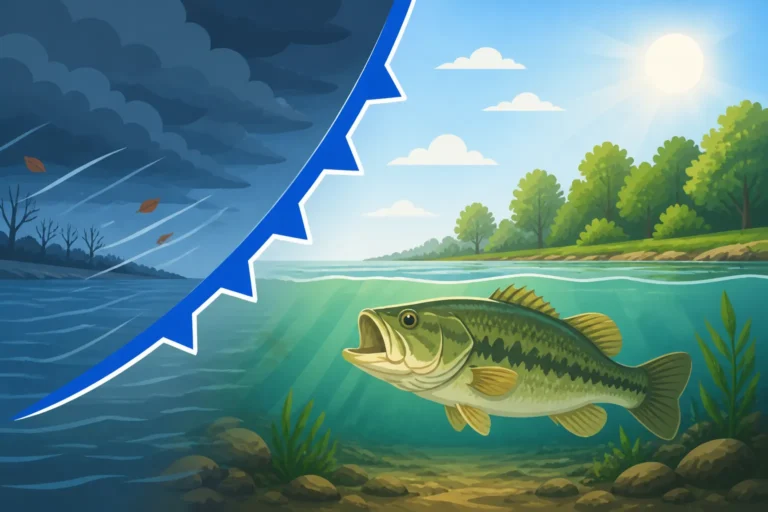
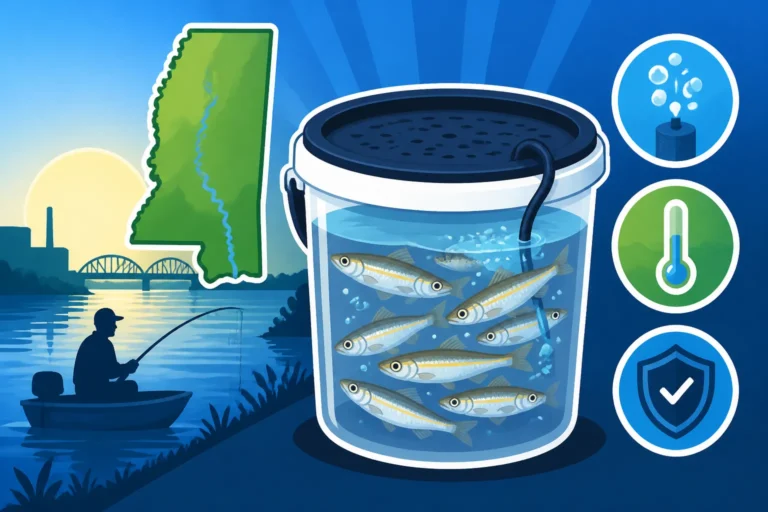
Beyond just feeling hot, warm water fundamentally changes the aquatic environment. As water heats up, its ability to hold dissolved oxygen decreases. This is a crucial point because fish, like us, need oxygen to survive. When oxygen levels drop, fish become lethargic, their metabolism slows down, and they're less likely to chase baits vigorously. This phenomenon is particularly noticeable in deeper lakes where a thermocline forms. A thermocline is a layer of water where the temperature changes rapidly with depth, creating distinct zones. Above the thermocline, the water is warmer and often has less oxygen. Below it, the water is cooler but might also be anoxic (lacking oxygen), especially in nutrient-rich lakes. Fish will often suspend right at or just above the thermocline where there's a comfortable temperature and enough oxygen. Knowing how to locate this depth is a game-changer for summer success.
The "Summer Slump" for Anglers
Many seasoned anglers dread the "summer slump" – that period when fishing seems to slow to a crawl, and bites are few and far between. It's frustrating to spend hours on the water without much to show for it. This slump isn't just in your head; it's a direct result of the factors we've discussed. Fish often become nocturnal, feeding more actively under the cover of darkness when water temperatures are at their coolest. During the day, they might retreat to the deepest, shadiest, or densest cover they can find, making them incredibly hard to reach with conventional methods. The key to beating this slump isn't to give up, but to adapt your approach. This might mean changing your fishing times, your target species, or even the type of bait and tackle you use.
Prime Summer Fishing Species in Mississippi
While some fish might get a bit sluggish, many species in Mississippi remain active and eager to bite during the summer months, you just have to know where and when to find them. Focusing on these robust species can turn a slow day into a memorable one.
Targeting Robust Largemouth Bass
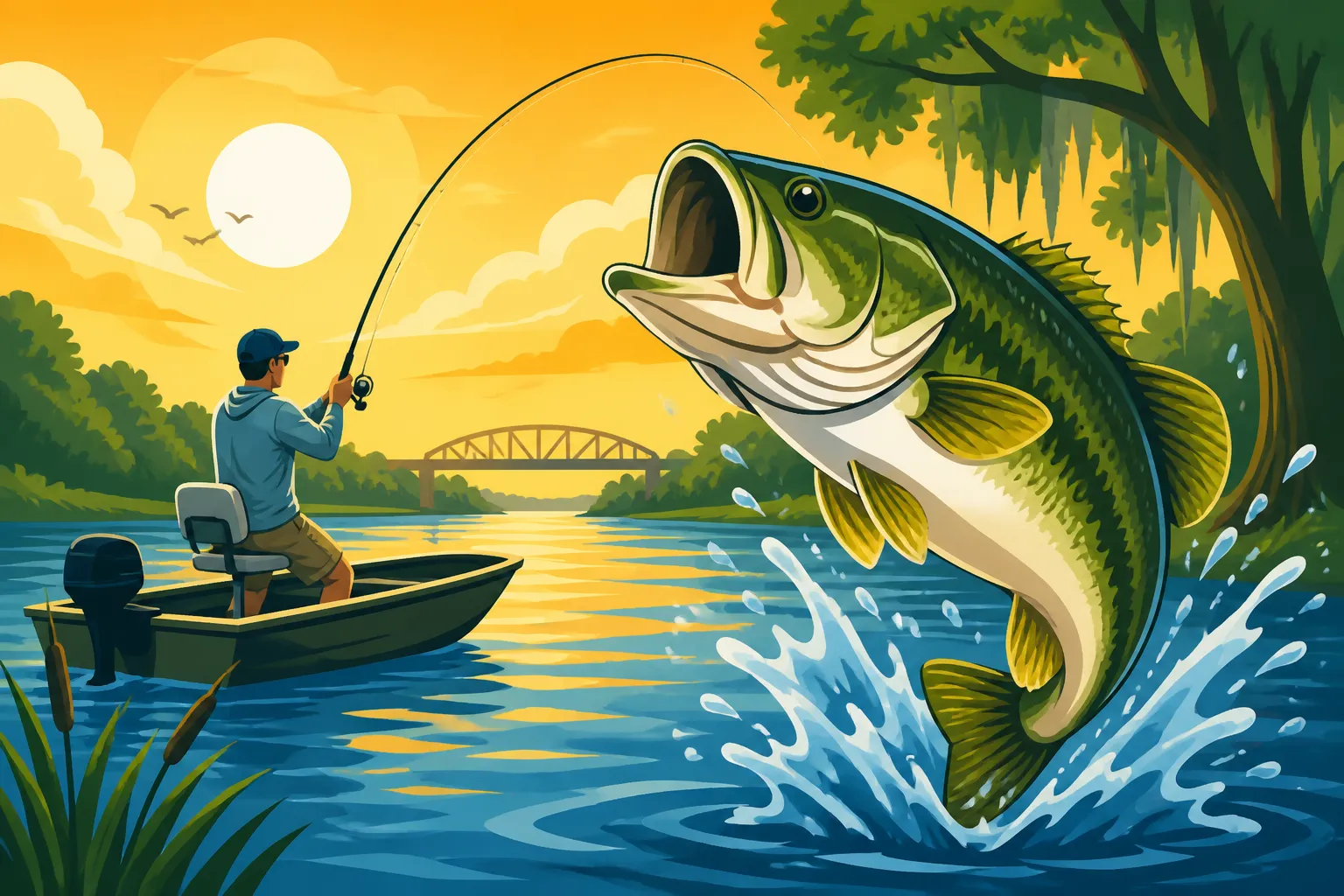
Mississippi is renowned for its largemouth bass, and while the summer heat can make them challenging, they are absolutely catchable. During the day, these powerful predators retreat to deeper, cooler water, often hiding in submerged brush piles, creek channels, or along ledges. Think about fishing the main lake points that drop off into deeper water, or looking for standing timber in the middle of a creek bed. Early mornings and late evenings, however, present prime opportunities. As the sun dips, bass will often move into shallower water, especially around shaded cover like lily pads or docks, to feed aggressively. Spinnerbaits, topwater lures, and plastic worms fished slowly are excellent choices during these low-light periods. Remember to check the Mississippi Black Bass Regulations before heading out.
Chasing Hardy Catfish
If there's one species that truly thrives in Mississippi's warm summer waters, it's catfish. Channel cats, blue cats, and flatheads are incredibly active throughout the summer, making them a fantastic target for anglers of all skill levels. The heat doesn't seem to bother them as much as other species, and they're often found in the deepest holes of rivers, oxbow lakes, and reservoirs, especially where there's good current. Night fishing for catfish is incredibly popular and productive. Using cut bait, chicken livers, or commercial stink baits fished on the bottom can yield impressive results. Large blue catfish are particularly strong fighters and can be found in the Mississippi River and its larger tributaries. For specific advice, refer to our guide on Catfish Fishing Techniques. Always be aware of the Mississippi Catfish Regulations for daily limits and size restrictions.
Finding Feisty Bream and Bluegill
For a relaxing day and a great option for family fishing, you can't go wrong with bream and bluegill. These panfish are abundant in nearly every pond, lake, and slow-moving creek across Mississippi. While they prefer cooler water during the hottest parts of the day, they'll readily bite in shaded areas, around lily pads, beneath overhanging trees, or near docks. A simple setup with a bobber, a small hook, and live bait like crickets, worms, or even tiny pieces of bread will often result in consistent action. They're particularly active in the early morning and late evening. The sheer numbers and willingness to bite make them perfect for introducing kids to fishing, and a cooler full of freshly caught bream makes for a delicious meal.
Exciting Saltwater Opportunities
Don't forget the incredible saltwater fishing opportunities along the Mississippi Gulf Coast. While freshwater lakes might feel the heat, the coastal waters offer a different kind of summer action. Species like redfish, speckled trout, and flounder remain prime targets. Redfish are often found in the shallow marshy areas, cruising along grass lines, especially during higher tides. Speckled trout can be found in bays, bayous, and around oyster reefs. Flounder often hug the bottom near structures like piers, jetties, or channel edges. Early mornings, late evenings, and fishing around tide changes are typically the most productive times. Live shrimp, croakers, or artificial lures that mimic baitfish are excellent choices. For a deep dive into regulations, check out our Mississippi Saltwater Fishing License Guide.
Essential Summer Fishing Techniques for Freshwater
Adapting your fishing techniques is non-negotiable for summer success in Mississippi's freshwater systems. The old adage of "match the hatch" extends to matching your approach to the conditions.
Early Morning and Late Evening Strategies
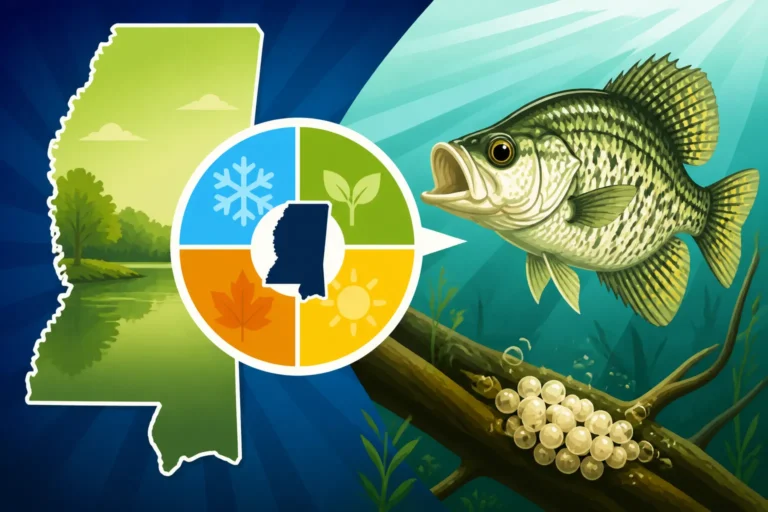
This is often your best window for active fishing during the summer. As the sun rises or sets, the air and water temperatures are at their coolest, and fish feel more comfortable moving into shallower feeding grounds. For bass, this is prime time for topwater lures. Walking baits, poppers, and frogs fished over lily pads or submerged grass can draw explosive strikes. The low light conditions also make fish less wary of your line and presence. Slowly working a Texas-rigged plastic worm or a jig around cover can also be incredibly effective. For crappie, they might move up from deeper channels to feed on baitfish near structure. Casting small jigs or minnows around boat docks, submerged brush, or bridge pilings can be very productive. This is also when bream will be most active in shaded shallows.
Deep Water and Structure Fishing
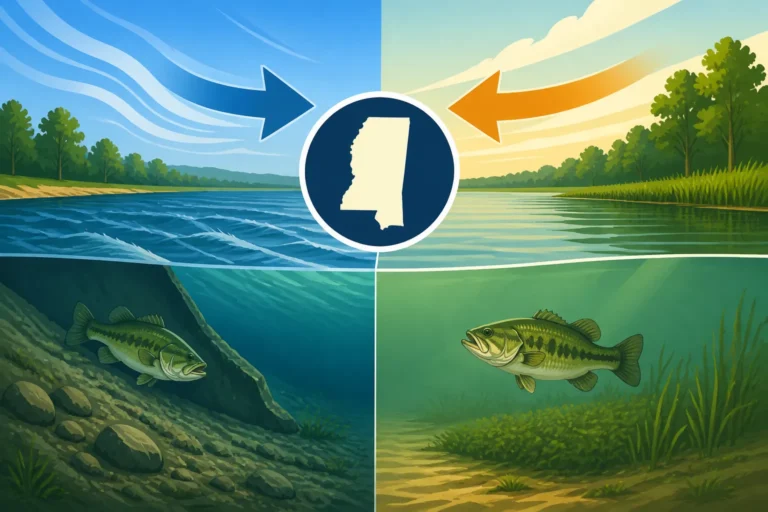
Once the sun climbs high, most game fish will retreat to the comfort of deeper, cooler water. This is where your electronics become your best friend. Look for sudden depth changes, creek channels, ledges, humps, and brush piles using your fish finder. Bass will often stack up on these structures. Techniques like drop-shotting, Carolina Rigs, and football jigs are fantastic for presenting baits effectively in deep water. A drop-shot rig allows you to present a soft plastic bait at a precise depth above a weight, keeping it right in the fish's strike zone. Carolina Rigs are great for covering bottom structure with a plastic lizard or worm. For crappie, finding submerged brush piles in 15-25 feet of water can be incredibly productive. Vertically jigging small spoons or slow-trolling with multiple rods and minnows (spider rigging) can tempt these deep-water slabs. Want to learn more? Our Crappie Fishing Techniques for Mississippi Lakes guide has all the details.
Night Fishing for Predatory Species
When the daytime bite shuts down completely, the night comes alive with feeding activity. Catfish are notorious for their nocturnal habits, but bass and even crappie can be caught after dark. For catfish, target the same deep holes and currents you would during the day, but expect increased activity. Use strong headlamps (preferably with a red light option to preserve night vision) and consider specialized fishing lights or blacklights for glowing lines. Bass often patrol shallow points and creek bends at night, particularly those with overhead light sources like streetlights or dock lights. Big spinnerbaits, dark-colored jigs, and even large topwater lures that create a lot of commotion can be effective. Safety is paramount when night fishing; always let someone know where you're going and bring extra lights and safety gear.
Key Summer Fishing Techniques for Saltwater
The Mississippi Gulf Coast offers a vibrant summer fishing scene, but just like in freshwater, a nuanced approach will yield the best results. The tidal movements and specific habitats dictate where and how you'll find fish.
Targeting Estuaries and Inshore Flats
Mississippi's extensive network of estuaries, bays, and inshore flats provides incredible opportunities for redfish and speckled trout. During the summer, these fish often forage in shallower waters during cooler parts of the day or around specific tide cycles. For speckled trout, live shrimp under a popping cork is a classic and highly effective method. The popping cork creates a "chugging" sound that mimics feeding shrimp, drawing attention from nearby trout. Cast it near oyster reefs, grass lines, and channel edges. Redfish are often found cruising the shallow grass flats or around docks and pilings. Sight casting to visible reds with soft plastics, spoons, or live bait like croakers can be incredibly exciting. Look for tailing fish in very shallow water, indicating they are actively feeding. The incoming tide often pushes baitfish into these areas, making it a prime time to fish. You can find more specific tips in our Saltwater Fishing Techniques for the Mississippi Gulf Coast article.
Pier and Surf Fishing Tactics
The Mississippi Gulf Coast boasts several excellent piers and miles of accessible beaches, making pier and surf fishing a popular choice, especially for those without a boat. From piers, you can target a variety of species including speckled trout, redfish, flounder, sheepshead, and even the occasional Spanish mackerel. Bottom fishing rigs with shrimp, squid, or cut bait are highly effective. For flounder, try fishing a live minnow or a soft plastic grub slowly along the bottom near the pier pilings. For surf fishing, casting weighted rigs with cut bait like mullet or menhaden into the deeper troughs or near sandbars can attract redfish, drum, and even some large catfish that venture into brackish water. Pay close attention to the tides; fishing around the incoming and outgoing tides tends to be the most productive. Don't forget proper sun protection and plenty of water, as there's often little shade on piers or beaches.
Nearshore and Offshore Adventures
For those looking for bigger game and a true adventure, nearshore and offshore fishing charters are the way to go. Nearshore trips often target species like Spanish mackerel, king mackerel, cobia, and even tarpon closer to the coast, around reefs, wrecks, and navigation markers. Trolling with spoons or live bait is a common technique for mackerel and cobia. Bottom fishing near these structures can also yield snapper (when in season) and amberjack. For serious deep-sea action, offshore charters venture further into the Gulf, targeting red snapper, amberjack, grouper, and various species of tuna and wahoo. These trips often involve heavy tackle, specialized baits, and long runs, but the potential for truly trophy-sized fish is immense. Always book with a reputable charter service that knows the area and adheres to all federal and state regulations.
Gear and Prep for a Successful Mississippi Summer Trip
Successfully tackling Mississippi's summer heat and its effect on fishing requires more than just knowing where the fish are; it demands proper preparation and the right gear. Don't let discomfort or inadequate tackle cut your trip short.
Hydration, Sun Protection, and Comfort
This can't be stressed enough: the summer sun in Mississippi is no joke. Staying hydrated is absolutely critical. Pack at least twice as much water as you think you'll need, along with electrolyte drinks. A good cooler, like those from Yeti or RTIC, is essential to keep beverages icy cold. Sun protection is equally important. Think wide-brimmed hats, high SPF sunscreen, polarized sunglasses, and long-sleeved, lightweight fishing shirts that offer UPF protection. Many brands make excellent sun-protective clothing you can easily find on Amazon. Cooling towels, soaked in water and draped around your neck, can provide instant relief from the sweltering heat. Consider portable battery-operated fans for boat use. Comfort during hot days means you can stay out longer and focus on fishing, not on baking.
Choosing the Right Rods, Reels, and Line
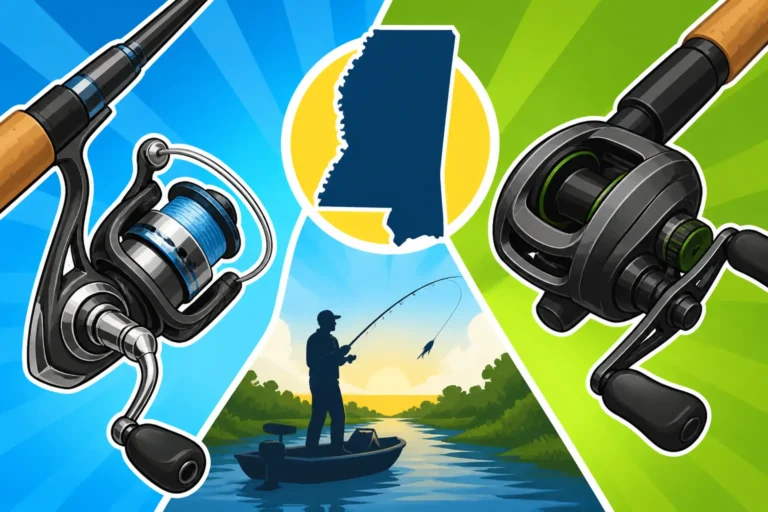
Your tackle setup needs to be versatile enough to handle both the tough fights of deep-water fish and the finesse required for finicky shallow bites. For bass and catfish, medium-heavy to heavy action rods paired with baitcasting reels are ideal for pulling fish out of heavy cover or bringing up large cats from deep currents. Spooling with braided line (30-65 lb test) is often preferred for its strength, sensitivity, and resistance to abrasion, especially when fishing around submerged timber. For crappie and bream, lighter spinning gear with sensitive tips is perfect. A light to medium-light action rod (6-7 feet) paired with a 1000-2500 size spinning reel spooled with 4-8 lb monofilament or fluorocarbon line allows for subtle presentations and detects light bites. For saltwater, depending on your target, you'll need corrosion-resistant reels and rods with appropriate backbone. From heavy offshore setups to lighter inshore rods, ensuring your gear is rated for saltwater use is crucial to prevent damage.
Bait and Lure Selection for Summer
Fish behavior changes in summer, and so should your bait and lure choices. For bass, when they're deep and sluggish, large soft plastics like worms, creature baits, and jigs are excellent. Darker colors (like junebug, black, or bluegill patterns) often perform well in stained water, while more natural colors might be better in clear water. When bass move shallow during low light, topwater lures, buzzbaits, and swim jigs can be dynamite. For catfish, the scent is key. Fresh cut bait (shad, skipjack), chicken livers, and commercial stink baits are irresistible. For bream, live crickets and redworms are always winners. In saltwater, live shrimp, croakers, and finger mullet are gold for speckled trout and redfish. Artificial options include soft plastics (like a "gulp shrimp"), popping corks with jigs, and spoons that mimic baitfish. Consider stocking up on a variety of options, checking out popular fishing tackle on Amazon before your trip.
Navigating Regulations and Best Practices
Fishing in Mississippi is a privilege, and understanding the rules and practicing good stewardship ensures that privilege continues for everyone. Regulations can change, so staying informed is vital.
Understanding Summer-Specific Limits and Seasons
While many species can be caught year-round, it's always critical to know the specific creel limits (how many fish you can keep) and size limits (minimum or maximum lengths) for your target species. These regulations are designed to protect fish populations and ensure sustainable fishing. For example, Mississippi Crappie Regulations by Lake can vary significantly, with some lakes having slot limits or different daily bag limits. The same goes for bass, where certain lakes might have specific rules for "trophy" fish or protected slot limits to promote larger fish. Always consult the latest Mississippi Department of Wildlife, Fisheries, and Parks (MDWFP) fishing regulations guide before you hit the water. Ignorance of the law is no excuse, and penalties can be significant, as detailed in our guide on Mississippi Fishing License Penalties and Fines.
Catch and Release Best Practices in Warm Water
If you're practicing catch and release, especially during the summer, it's incredibly important to handle fish with care. Warm water reduces oxygen levels and can stress fish more, making them more vulnerable after release.
Here are some tips:
- Minimize Handling: Try to keep the fish in the water as much as possible. If you must bring it aboard, wet your hands before touching it to protect its protective slime coat.
- Quick Release: Have your camera ready if you want a photo. Get the shot quickly and release the fish immediately.
- Proper De-hooking: Use needle-nose pliers or a de-hooker to remove hooks gently. If a fish is deeply hooked, it's often better to cut the line as close to the hook as possible rather than tearing internal organs.
- Revive Gently: For larger fish, hold them upright in the water, facing into any current, until they can swim away on their own. Don't just toss them back; ensure they are strong enough to survive.
Boating Safety and Heat Precautions
Boating in summer adds another layer of responsibility. Always wear your life jacket, or at least have easily accessible ones for everyone on board. The MDWFP mandates specific requirements for personal flotation devices (PFDs) and other safety equipment. Keep an eye on the weather forecast; summer storms can pop up rapidly and violently in Mississippi, especially in the afternoons. Lightning and sudden squalls are serious threats. Make sure your boat's engine is well-maintained, and you have enough fuel. Carrying extra water, a first-aid kit, and a fully charged cell phone (in a waterproof bag) are smart precautions. Avoid alcohol consumption while operating a boat, and never exceed your boat's capacity. Remember, safety first, always!
Top Summer Fishing Destinations in Mississippi
Mississippi offers a fantastic array of fishing destinations that shine even in the summer heat. Knowing where to focus your efforts can make all the difference between a slow day and a successful outing.
Freshwater Hotspots
Mississippi is blessed with numerous productive freshwater lakes and reservoirs that offer excellent summer fishing, provided you know where to look.
- Ross Barnett Reservoir: Often called "The Rez," this sprawling body of water near Jackson is a fantastic summer destination. While shallow areas heat up, the main lake basin, creek channels, and submerged timber offer refuge for bass, crappie, and catfish. Focus on deeper ledges, points, and brush piles, especially around the Pelahatchie Bay area or the main lake dam. Early morning topwater bite for bass around the abundant lily pads can be exhilarating. Our dedicated Ross Barnett Reservoir Fishing Guide offers a wealth of information.
- Grenada Lake: Famous for its trophy crappie, Grenada Lake in north Mississippi can still produce in summer. The key here is often deep-water crappie fishing using spider rigging or vertical jigging techniques over submerged creek channels and timber. The lake's vastness means there are always cooler, deeper sections for fish to retreat to. For the latest tips, check out Grenada Lake Fishing Guide.
- Sardis Lake: Another north Mississippi jewel, Sardis also offers superb crappie fishing, and often provides good bass opportunities in its deeper sections. Like Grenada, summer crappie will often be found in deeper water, following baitfish concentrations. Look for areas with standing timber or old creek beds. The dam area and deep points can hold bass.
- Enid Lake: Known as another crappie powerhouse in the north, Enid Lake offers similar summer patterns to Grenada and Sardis. Anglers focus on deeper water structure, brush piles, and creek channels for crappie. Catfish also thrive here in the deeper parts of the lake.
- Mississippi River: For a truly unique summer fishing experience, the mighty Mississippi River is hard to beat, especially for catfish. The sheer size of the river means there are always deep holes, scour marks, and current breaks where blue cats and flatheads congregate. Look for areas where feeder creeks enter the main river, or around wing dams and log jams.
Mississippi Gulf Coast Gems
The Gulf Coast of Mississippi provides a distinct and equally rewarding summer fishing experience, with unique species and vibrant ecosystems.
- Biloxi Bay: This expansive bay system offers excellent inshore fishing for speckled trout, redfish, and flounder. Numerous oyster reefs, grass beds, and bayou entrances provide ample habitat. Kayak fishing is very popular here, allowing access to shallower, less-pressured areas.
- Bay St. Louis: Similar to Biloxi Bay, Bay St. Louis is another prime inshore fishing ground. The marshy areas, tidal creeks, and the bay itself teem with redfish and speckled trout. Pier fishing is also popular along its shoreline.
- Pascagoula Bay and River System: Further east, the Pascagoula River system flows into Pascagoula Bay, offering a mix of freshwater, brackish, and saltwater species. The lower river and bay are fantastic for redfish, speckled trout, and flounder, while further upriver, you can find a mix of freshwater drum, catfish, and even some largemouth bass.
- Mississippi Sound and Barrier Islands: For those with access to a boat, venturing into the Mississippi Sound and around the barrier islands (like Ship Island or Horn Island) opens up opportunities for larger speckled trout, redfish, flounder, and often Spanish mackerel or cobia closer to the passes. The artificial reefs and wrecks scattered throughout the Sound are magnets for a variety of species.
No matter where you choose to fish, a little scouting, understanding the local conditions, and adapting your tactics will lead to a more enjoyable and productive summer fishing trip in Mississippi. Don't hesitate to consult a broader guide like Best Fishing Spots in Mississippi for even more ideas.
Disclaimer
Fishing regulations, conditions, and fish populations can change frequently. Always consult the latest regulations from the Mississippi Department of Wildlife, Fisheries, and Parks (MDWFP) before engaging in any fishing activities. This guide is for informational purposes only and does not constitute legal advice. Adhere to all local, state, and federal laws and prioritize safety on the water.