Passenger Capacity on a Freshwater Guide Boat
Planning a fishing trip in Mississippi with a group of friends or family can be super exciting, but one of the first questions that pops up is often, "How many folks can we actually bring on that guide boat without it feeling like a sardine can?" It’s a totally valid concern! You want everyone to have enough space to cast, move around, and genuinely enjoy the experience. This guide is here to walk you through everything you need to know about passenger capacity on freshwater fishing guide boats across Mississippi, covering not just the numbers, but the practicalities and how to ensure your trip is comfortable and fun for all.
Understanding Freshwater Fishing Guide Boats in Mississippi
When you envision a fishing guide boat in Mississippi, a few different images might come to mind, depending on what kind of fishing you're planning. There's a wide variety of vessels out there, each designed for different purposes, and their passenger capacity is directly tied to that design and the specific type of fishing experience they offer.
Typical Boat Sizes and Types
Most freshwater fishing guides in Mississippi operate boats specifically rigged for success in our lakes and rivers. Knowing the common types can help you set your expectations for how many people can comfortably fit.
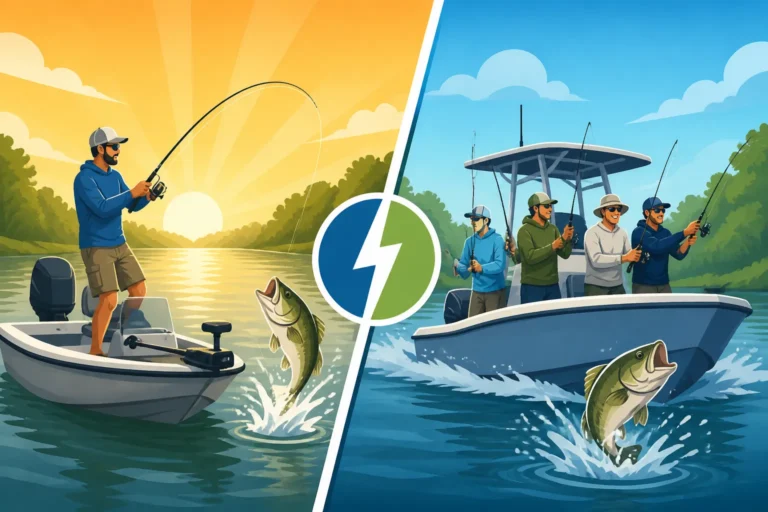
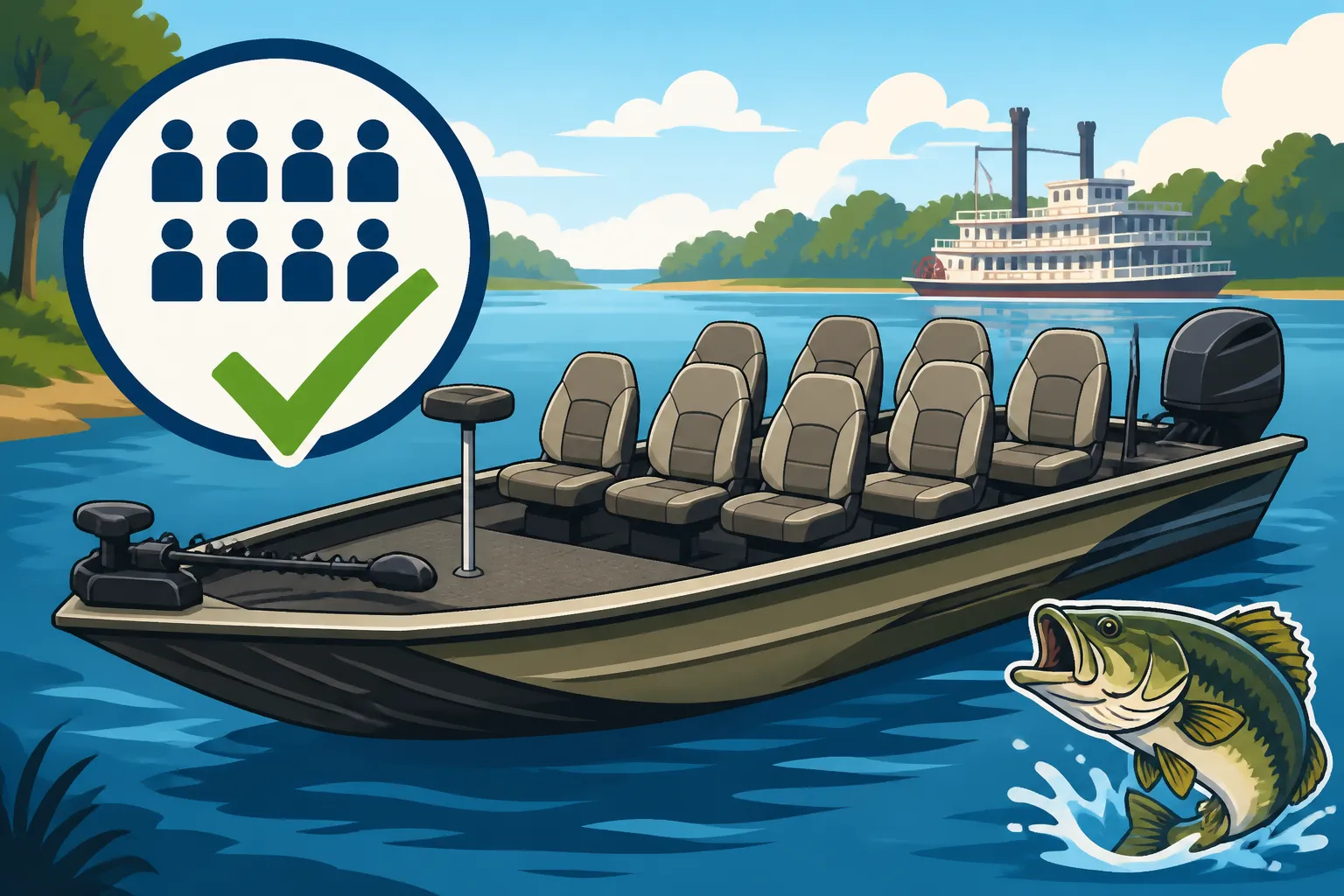
First up, you've got your classic bass boats. These are sleek, fast, and built for competitive bass fishing. They typically have two or three main fishing positions, often one at the bow and one or two at the stern, complete with comfortable casting decks and trolling motors. For a guide trip, this usually means the guide plus one or two anglers. Trying to squeeze a third angler, let alone a fourth, onto a typical bass boat for active fishing often leads to tangled lines, bumped elbows, and frustrated sighs. While they might physically accommodate more people for a scenic ride, active fishing is a different story.
Then there are crappie rigs, which are often a bit wider and more stable than a pure bass boat. Many crappie guides utilize specialized setups for "spider rigging" or "long lining," where multiple rods are deployed from different positions around the boat. These boats can sometimes comfortably handle the guide and three or even four anglers, especially if the focus is on stationary fishing or slow trolling where everyone has a designated spot for their rods. Think of Grenada Lake Crappie Fishing Guides or Sardis Lake Crappie Fishing Guides – they often have boats geared for this.
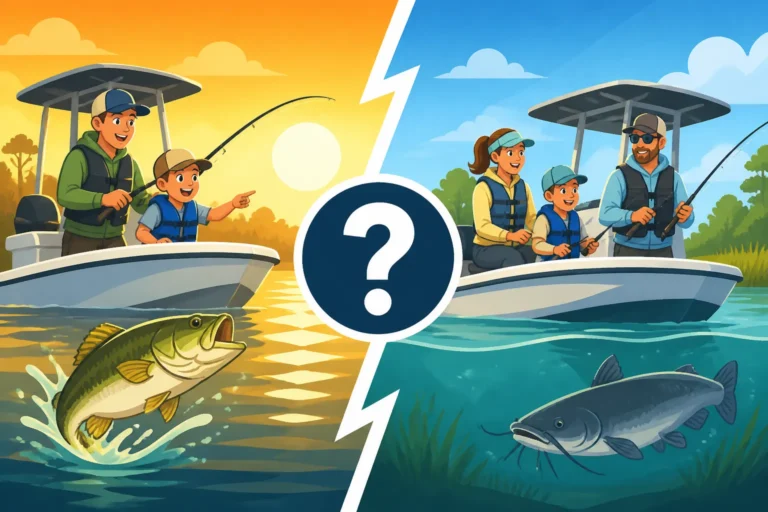
Finally, you might encounter pontoon boats or larger, multi-species boats, particularly on big reservoirs like Ross Barnett or Pickwick Lake. Pontoon boats, with their wide, stable platforms, are fantastic for family trips or larger groups who prioritize comfort and space over speed. They can often accommodate four to six passengers, sometimes even more, plus the guide, making them ideal for a relaxed day of bream or catfish fishing. These boats are less about aggressive casting and more about a leisurely experience, perhaps even combining fishing with some sightseeing. Guides offering Family-Friendly Fishing Charters on the Mississippi Coast might use similar principles for freshwater trips, ensuring ample space for everyone.
Factors Influencing Passenger Capacity
The stated passenger capacity of a boat isn't just an arbitrary number; it's a carefully considered figure influenced by several critical factors. Understanding these can help you appreciate why one guide might take four people while another, with a seemingly similar boat, sticks to two.
Firstly, there are legal load limits set by boat manufacturers and often regulated by state and federal authorities. Every vessel has a maximum weight capacity and a maximum number of persons it's certified to carry. Exceeding these limits is not only illegal but extremely dangerous. A guide risks their license and, more importantly, the safety of everyone on board by pushing these boundaries. These limits account for the weight of the people, their gear, and any caught fish.
Secondly, the comfort and quality of the fishing experience are huge. A guide's reputation often rests on how enjoyable and productive their trips are. Cramming too many people onto a boat might meet a legal minimum, but it can severely diminish the fishing experience. Imagine trying to cast a lure with someone else's line already in the water right next to you, or constantly bumping elbows when reeling in a fish. A good guide knows that giving each angler enough room to fish effectively leads to happier clients and better catches. This is especially true when targeting species that require active casting, like largemouth bass.
Thirdly, the type of fishing itself dictates practical capacity. If you're drifting for catfish on the Mississippi River, where multiple lines can be deployed with less active movement, a boat might comfortably hold more people than if you're sight-fishing for redfish (even though that's saltwater, it illustrates the point) or aggressively working a shoreline for bass with artificial lures. Each technique requires a different amount of personal space and freedom of movement. For example, Mississippi Catfish Regulations might not dictate boat capacity, but the method of fishing for them will heavily influence practical numbers.
Lastly, the guide's personal preference and boat setup play a significant role. Some guides might have specialized equipment or a particular style of fishing that works best with fewer people. They might prefer to offer a more intimate, hands-on experience, or their boat might simply be rigged for optimal performance with a smaller crew. It’s always best to be upfront about your group size when inquiring about a trip.
Legal and Safety Considerations for Guide Boats
Ensuring safety is paramount on any fishing trip, and when you’re paying for a guided experience, you expect the captain to adhere to all necessary regulations. This isn't just about avoiding fines; it's about making sure everyone gets home safely after a great day on the water.
US Coast Guard Regulations and State Laws
While many people associate the U.S. Coast Guard with ocean travel, their regulations actually extend to many navigable inland waters, including larger lakes and rivers in Mississippi. Any vessel carrying passengers for hire, especially if it operates on waters under federal jurisdiction (which many of our big reservoirs and rivers do), often falls under some level of Coast Guard oversight. This means adherence to specific safety equipment requirements, operational standards, and indeed, passenger capacity limits. These limits are typically determined by the boat's size, design, and stability, ensuring that in an emergency, there's enough room and flotation for everyone.
Beyond federal regulations, the Mississippi Department of Wildlife, Fisheries, and Parks (MDWFP) has its own set of rules and guidelines for fishing guides and "for-hire" vessels operating within state waters. Guides are required to be licensed, and often, their vessels must meet certain state safety standards, too. This isn't just about having a Mississippi Fishing Guide License Requirements Explained; it's about the operational safety of their entire enterprise. While state regulations might not always be as stringent as federal ones for smaller inland vessels, they still provide a layer of protection, especially regarding emergency equipment and responsible operation. Always look for guides who proudly display their credentials and operate within all legal frameworks.
Importance of Safety Equipment and Space
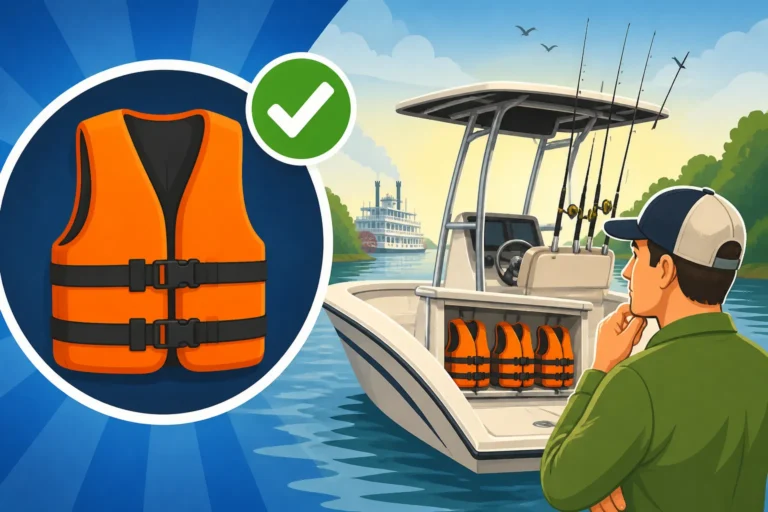
Passenger capacity isn't just about how many bodies you can cram onto a boat; it's fundamentally tied to safety. Every licensed guide boat must carry sufficient safety equipment for everyone on board. This includes, at a minimum, one properly sized and accessible personal flotation device (PFD, or life jacket) for each person, a throwable flotation device, fire extinguishers, and sound-producing devices. If you’re pushing the passenger limit, it means the guide needs to ensure they have all this equipment readily available and in good working order for every single person.
Think about what happens if there’s an unexpected maneuver or even a minor emergency. Overcrowding a boat means less clear deck space, making it harder to move around, potentially impeding access to safety gear, or increasing the risk of someone falling overboard. A guide’s experience and professionalism dictate that they will never put a client in an unsafe situation by exceeding either the legal or the practical capacity of their vessel. They know that a crowded boat isn't just uncomfortable; it's a liability and a potential danger. When you're booking a Mississippi fishing charter, ensure you're asking about these safety provisions, even on freshwater trips.
Practical Implications of Passenger Count on Your Trip
It’s one thing to know the legal limits, but it’s another to understand how those numbers translate into your actual experience on the water. A good fishing trip is about more than just catching fish; it’s about the memories, the comfort, and the ease of the day.
Comfort and Fishing Experience
Let’s be honest: nobody wants to feel like they’re constantly in someone else’s way or have their personal space invaded, especially when they’re trying to relax and fish. On a freshwater guide boat, especially smaller ones like bass boats, passenger count directly impacts comfort. With two anglers and a guide on a bass boat, everyone typically has ample room to cast, retrieve, and land fish without tangling lines or bumping into each other. Each angler usually gets dedicated time at the bow or stern, prime fishing positions.
However, add a third angler to that same bass boat, and suddenly things get tighter. Casting angles become more restricted, movement around the boat is more challenging, and you might find yourself waiting for someone else to finish reeling in before you can make your next cast. It can turn a serene outing into a slightly stressful one. For types of fishing that require active movement, like sight-fishing for bass or working specific structures, less is often more when it comes to the number of anglers. This is a common consideration for anglers pursuing Largemouth Bass Fishing in Mississippi.
On the other hand, if you're on a larger pontoon boat with multiple people, the fishing experience might be different – more casual, more social. You might not be making long, precise casts, but rather soaking baits for catfish or bream. In this scenario, more people can be perfectly comfortable because the fishing style itself demands less individual active space. The key is matching your group size to the type of fishing experience you desire and the boat that can best provide it.
Cost-Effectiveness and Group Dynamics
When you’re organizing a guided fishing trip, the cost is almost always a consideration. Guide services typically have a base rate for a certain number of anglers (often one or two), with an additional per-person charge for extra passengers up to their maximum capacity. This means that while bringing more people might seem like a way to split the cost and make it more affordable per person, there's a point of diminishing returns.
For instance, a trip for two anglers might be a certain price, and adding a third or fourth might only increase the total cost slightly, making the per-person expense lower. This can be great for a family or a small group of friends who are all comfortable with each other and the potential for closer quarters. However, if the boat becomes too crowded, even a lower per-person cost might not be "worth it" if the comfort and quality of the fishing experience suffer. It’s a balance between budget and enjoyment.
Consider also the group dynamic. Are you fishing with close friends or family who are used to spending time together? Or is it a group of acquaintances who might appreciate a bit more elbow room? A crowded boat can amplify any underlying social tensions, turning a fun day into an awkward one. Discussing expectations about space and fishing style before booking can help prevent any disappointment on the water.
Choosing the Right Guide and Boat for Your Group
So, how do you navigate all these considerations to make sure you book the perfect freshwater fishing trip in Mississippi for your crew? It boils down to clear communication and a bit of homework.
Communicating Your Group Size and Needs
The single most important step is to be completely transparent with your prospective fishing guide about your group size and your specific needs or preferences. Don't just say, "We have a few people." Give them the exact number of anglers. Are there kids in your group? Are there any mobility concerns among your party? Do you prefer a more active, casting-focused trip, or a relaxed day soaking baits? All these details help the guide determine if their boat and their guiding style are a good fit.
A professional guide will appreciate your honesty and will be able to tell you upfront what their boat can comfortably accommodate. They might even suggest alternatives if their vessel isn’t ideal for your group size or fishing goals. For example, if you have five people and want to primarily cast for bass, a guide might recommend booking two separate boats or suggest a larger multi-species or pontoon boat for a different type of fishing entirely. This open dialogue ensures that there are no surprises on either side when you meet at the dock.
Researching Guide Services and Vessel Types
Before you even make that first phone call, do a little research. Many guides have websites or social media pages where they showcase their boats, describe their services, and often list their maximum passenger capacity. Pay attention to the photos of their boats – do they look like they can comfortably fit your group? Do they mention specific types of fishing they specialize in, and does that align with your group's interests?
Platforms like FishingBooker can be incredibly helpful for this. You can search for freshwater fishing guides in Mississippi, filter by the number of passengers, and often see detailed descriptions of the boats, including make, model, and amenities. Reviews from previous clients can also offer insights into the comfort level and overall experience with different group sizes. This allows you to compare different guides, their boat types, and their stated capacities to find the best match. Whether you're looking for a Ross Barnett Reservoir Fishing Guides or a guide on the Tennessee-Tombigbee Waterway, FishingBooker can help you find options.
It's also a good idea to inquire about what's included in the trip and what you need to bring. While most guides provide rods, reels, and tackle, confirm if they also provide life jackets for all sizes, especially for children. Being prepared will make the trip much smoother and more enjoyable for everyone. Don't forget to ask about things like Mississippi Fishing License Costs and whether the guide can assist with purchasing them.
Remember, the goal is to have a fantastic, memorable day on the water. By understanding boat capacities, communicating clearly with your guide, and doing a bit of research beforehand (perhaps with a quick search on FishingBooker!), you can ensure that your freshwater fishing adventure in Mississippi is as comfortable and enjoyable as possible, no matter how many anglers are in your party.
Guide Boat Capacity Comparison
To give you a clearer picture, here's a general overview of typical freshwater fishing guide boat types and their approximate passenger capacities, keeping in mind that actual numbers can vary greatly by specific boat model and guide preference.
| Boat Type | Primary Use Case | Typical Passenger Capacity (Excluding Guide) | Comfort Level for Fishing | Best for Groups Of |
|---|---|---|---|---|
| Bass Boat | Active casting, lure fishing, speed | 1-2 anglers | High (for 1-2) | 1-2 anglers |
| Crappie Rig | Spider rigging, trolling, live bait | 2-4 anglers | Moderate to High | 2-4 anglers |
| Multi-Species Boat | Versatile, casting, trolling | 2-3 anglers | High (for 2), Moderate (for 3) | 2-3 anglers |
| Pontoon Boat | Relaxed fishing, family trips, bait | 3-6+ anglers | High | 3-6+ anglers |
Choosing the right boat isn't just about fitting everyone, but about ensuring everyone has the best possible experience doing the type of fishing they came for. For instance, if you're keen on Bass Fishing Techniques for Mississippi Anglers, a bass boat with one or two anglers will offer a much more focused and comfortable experience than trying to cast from a crowded pontoon.
When you're considering a trip, especially if you have a larger group, it's always wise to discuss the specifics with the guide. They are the experts on their vessel and will be able to advise on what will truly make for a successful and enjoyable outing for everyone involved. Sometimes, it might mean splitting into two boats if you have a particularly large group that wants an active fishing experience, or opting for a different style of fishing if a larger, more accommodating vessel is available. Remember to check what age children can fish without a license in Mississippi when planning your group. Do Kids Need a Fishing License in Mississippi? is a common question, and your guide should know the answer!
Disclaimer
This article is for general informational purposes only and does not constitute professional advice. Laws, prices and regulations vary by location and change over time. Consult a qualified professional for guidance on your specific situation.