Mississippi River Catfish Guides
The mighty Mississippi River, a true beast of a waterway, can be incredibly intimidating for any angler, especially when you're after those elusive, hard-fighting catfish. It’s not just another lake; it's a dynamic, powerful ecosystem where knowing the currents, the structure, and the habits of the fish can make all the difference between a triumphant day and a frustrating blank. This guide will walk you through why a specialized Mississippi River catfish guide is not just a luxury, but often a necessity for a successful and memorable trip, helping you navigate the complexities and get right to the action.
Why the Mississippi River is a Catfish Paradise and a Challenge
The Mississippi River, winding its way through the heart of America, is an undisputed mecca for catfish anglers. Its vastness holds legendary fish, but its sheer size and ever-changing conditions also present a formidable challenge. It’s a place where local expertise truly shines, and understanding both its bounty and its quirks is key.
The Sheer Scale and Depth of the River
Imagine miles upon miles of moving water, countless bends, oxbows, feeder creeks, and submerged structures. This isn't your neighborhood pond where you can easily scout spots. The Mississippi River is a dynamic, living entity with powerful currents, fluctuating water levels, and hidden snags that can swallow your tackle whole. Navigating this immense waterway safely and effectively, especially in a boat capable of handling its currents, requires experience. A guide knows the safe channels, the potential hazards, and how to position the boat to maximize your fishing time rather than battling the elements or searching endlessly for productive water. They’ve spent countless hours studying the river’s moods, so you don't have to waste your precious fishing day trying to decipher them yourself.
Finding productive catfish holes on such a massive river isn't about guesswork; it's about understanding subtle clues in the current, depth changes, and bottom composition. A guide brings years of accumulated knowledge about these nuances. They know that a specific eddy might hold a school of channel cats, or a deep scour hole behind a wing dam could be a blue cat hotspot, especially during certain Mississippi Fishing Season Opening Dates by Species. This intimate familiarity with the river is a resource you simply can't replicate without dedicating an enormous amount of time on the water.
Target Species: Blues, Channels, and Flatheads
The Mississippi River is renowned for its diverse catfish population, offering anglers the chance to hook into three distinct species: blue catfish, channel catfish, and flathead catfish. Each species has its own preferences for habitat, bait, and fighting style, adding to the complexity and excitement of fishing here.
Blue catfish are the kings of the Mississippi, known for their immense size and incredible power. These behemoths often patrol the deepest channels and scour holes, requiring heavy-duty tackle and a strategic approach. They're often found in areas with strong current, feeding on baitfish. Channel catfish are more widespread and can be found in a variety of habitats, often preferring areas with moderate current and some cover. They’re excellent fighters on lighter tackle and are a favorite for eating. Flathead catfish, on the other hand, are ambush predators, preferring to hide out in submerged timber or rock piles, waiting for live bait to swim by. They require a different technique, often involving live bait fished directly into their lairs. Understanding these distinctions is critical for targeting a specific species, and a good guide specializes in knowing where and how to find them.
A skilled Mississippi River catfish guide has honed their techniques for each of these species. They know the best baits—whether it's cut bait for blues, stink bait for channels, or lively sunfish for flatheads—and the right presentation to entice a bite. Without this specific knowledge, an angler might spend their day using the wrong bait in the wrong spot, missing out on the incredible fishing opportunities the river offers. For more specific insights, you might want to read up on Blue Catfish Fishing in Mississippi or Flathead Catfish Habits and Habitat.
Unique Riverine Fishing Dynamics
Fishing a river like the Mississippi is vastly different from fishing a still lake or reservoir. The constant current, the presence of barges, and the intricate river bottom topography all play significant roles in where fish are found and how they behave. You're not just casting and waiting; you're actively engaging with a dynamic environment.
Current is king on the Mississippi. Catfish often position themselves out of the main current, behind structure or in eddies, waiting for food to be swept to them. A guide knows how to read the current, identify these ambush points, and effectively anchor or use a trolling motor to keep your baits in the strike zone. Furthermore, the river bottom is a maze of logs, rocks, and debris—prime habitat for catfish, but also a tackle graveyard for the uninitiated. Guides have learned over years of experience how to retrieve snagged lines, or, better yet, how to avoid snags in the first place, ensuring you spend more time fishing and less time re-rigging. This specific knowledge is what truly sets a dedicated river guide apart from a general fishing guide.
What a Mississippi River Catfish Guide Brings to Your Trip
When you decide to tackle the Mississippi for catfish, especially if you're hoping for those trophy-sized blue or flathead cats, a guide offers an invaluable advantage. It's more than just getting you on the water; it's about unlocking the river's secrets and ensuring a safe, productive, and enjoyable experience.
Local Knowledge and Experience
There's simply no substitute for local knowledge, and on a river as complex as the Mississippi, it's absolutely paramount. A seasoned guide has spent countless hours on specific stretches of the river, observing patterns, learning the nuances of different fishing spots, and understanding how environmental factors impact the bite.
They know the "honey holes" – those specific submerged logs, deep holes, or current breaks where big catfish consistently hold. They understand how changes in water temperature, clarity, flow rate, and even barometric pressure affect where the fish will be and what they'll be biting on. For instance, after a heavy rain, the river might be muddy and fast-moving. An experienced guide won't just blindly go to the usual spots; they'll know which backwater areas or slower seams might offer better opportunities. They’ve also learned these spots by trial and error, sacrificing their own time and money so you don't have to. Platforms like FishingBooker often highlight guides with extensive local experience, which is a great filter when searching for the right professional. Their expertise ensures that you're fishing where the fish are, rather than simply hoping for the best.
Beyond just finding fish, a guide can teach you how to find them. They'll explain why certain baits are working, what kind of structure you’re fishing, and how to interpret your electronics if you're curious. This educational aspect is a huge bonus, allowing you to learn invaluable techniques that you can apply to future fishing adventures. It's like having a seasoned mentor right there with you, sharing insights gained over a lifetime of fishing the river.
Specialized Gear and Techniques
Successful Mississippi River catfishing, especially for large specimens, requires specialized gear that can handle powerful fish and rugged river conditions. Most anglers don't own the heavy-duty rods, reels, and custom terminal tackle necessary for wrestling a 50-pound blue cat out of a strong current or from a submerged log.
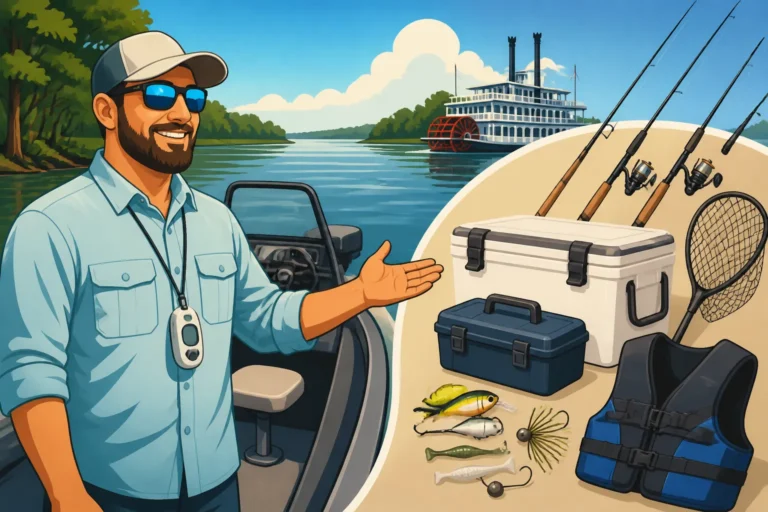
A professional guide comes equipped with all the right tools for the job. This includes robust rods and reels spooled with heavy braided line, strong hooks designed for large catfish, and a variety of specialized rigs for different depths and currents. They'll also have a well-stocked bait cooler, often with freshly caught cut bait or live baits like sunfish, which are irresistible to flatheads. Imagine not having to worry about buying expensive gear, or frantically searching for the right bait on the morning of your trip. The guide takes care of it all, ensuring you have the best possible chance to land a trophy. This is especially important for Catfish Fishing Techniques that require specific setups.
Moreover, guides are masters of river catfishing techniques. Whether it's anchoring effectively in a swift current, setting up trotlines or jug lines (where legal and applicable), or precisely presenting baits in deep holes, they have the methods down to a science. They can demonstrate proper casting, bait presentation, and fighting techniques for large fish, which can be quite different from typical lake fishing. Their expertise ensures your bait is in the perfect spot and you're ready to battle a heavy hitter when it bites.
Safety and Navigation Expertise
The Mississippi River is a dynamic and potentially dangerous waterway. Strong currents, shifting sandbars, submerged debris, and heavy commercial barge traffic all pose risks that an inexperienced boater might not be prepared for. Safety is paramount, and a professional guide prioritizes it above all else.
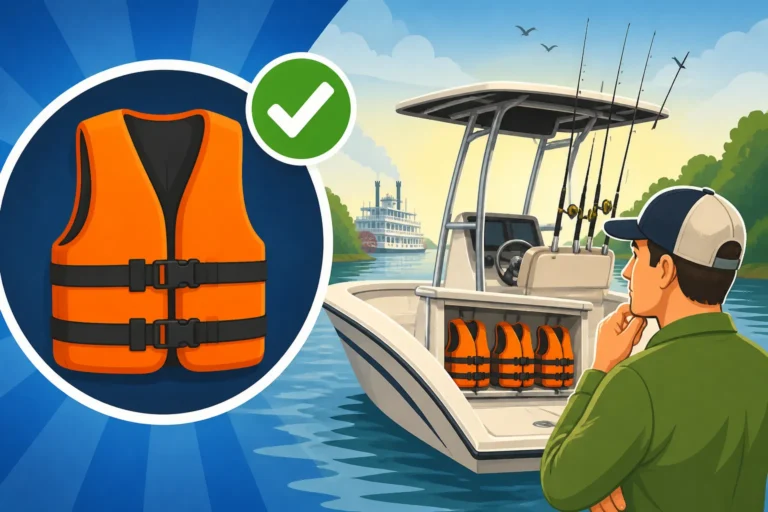
Guides are licensed captains, meaning they possess the necessary certifications and training in navigation, safety procedures, and emergency response. Their boats are typically well-maintained, equipped with advanced electronics like GPS and sonar, and stocked with all required safety gear, including life jackets, first-aid kits, and communication devices. They know the river's treacherous spots, where shallow water or hidden obstructions could capsize a boat or cause serious damage. Navigating around large barges requires specific knowledge and caution, and a guide understands the rules of the road on this busy waterway.
Beyond the major safety concerns, a guide also helps you stay compliant with all local fishing regulations. They'll ensure you have the correct Mississippi Fishing License Guide and adhere to all Mississippi Fishing Regulations Explained, including creel and size limits for various species. This peace of mind allows you to focus solely on the fishing experience, knowing you're in capable hands and won't unknowingly break any laws.
Types of Catfish Guides and Trips Available
Just like the diverse species of catfish in the Mississippi, there are different types of guides and trip structures to match your angling goals. Whether you’re chasing a giant blue cat or looking for a fun day catching channel cats, understanding your options helps you pick the perfect adventure.
Blue Catfish Specialists
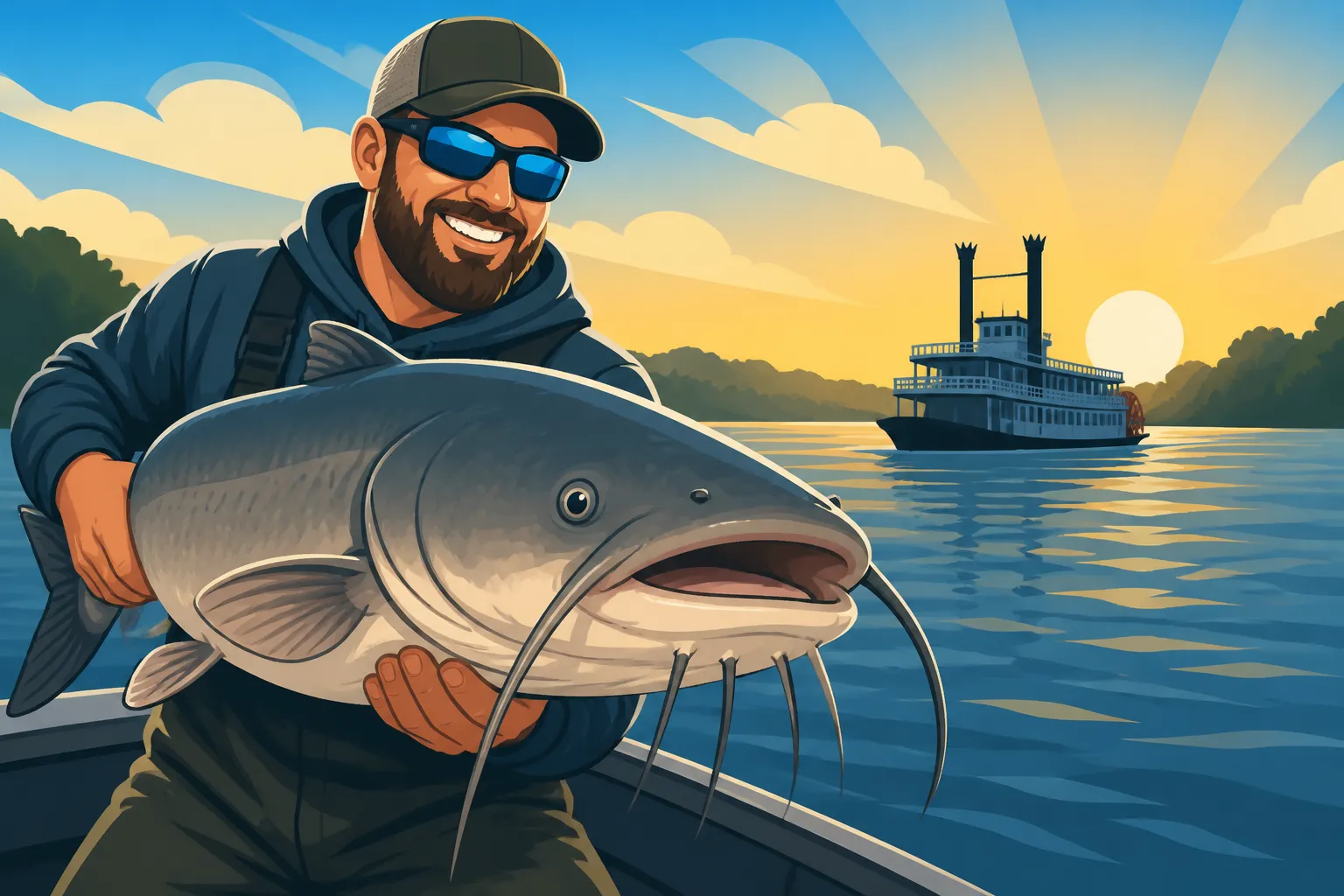
If your dream is to hook into a true river monster, a Mississippi River blue catfish specialist is exactly who you need. These guides dedicate their lives to understanding the habits of massive blue cats and have the heavy-duty equipment and profound knowledge required to consistently target them.
Blue cat specialists often focus on the deepest channels, scour holes, and strong current breaks where these giants prefer to reside. They use large pieces of cut bait, often from shad or skipjack herring, presented on robust circle hooks with heavy weights to keep them on the bottom in strong currents. Their boats are typically larger and more stable, designed to handle the river's flow, and equipped with powerful trolling motors or reliable anchoring systems. When you book with a blue cat specialist, you're not just fishing; you're embarking on a hunt for a fish that could easily weigh over 50 or even 100 pounds. They know that catching a Biggest Catfish Ever Caught in the Mississippi River is a rare feat, but they understand the patterns that lead to those opportunities.
A trip with a blue cat specialist might involve longer periods of waiting, as these trophy fish aren't always quick to bite, but the reward of hooking into one is unparalleled. These guides often possess an almost encyclopedic knowledge of specific river sections and how blue cats behave there during different seasons and water conditions. They'll know precisely where to set lines to intercept migrating fish or target resident bruisers. Many of these top guides can be found on reputable booking sites like FishingBooker, where you can read reviews and see their specializations.
Flathead and Channel Catfish Pursuits
While blue cats get a lot of attention for their size, the Mississippi River also offers fantastic opportunities for flathead and channel catfish, each providing a unique and exciting fishing experience. Many guides offer trips specifically tailored to these species, or incorporate them into a mixed bag day.
Flathead catfish are revered for their aggressive nature and their preference for live bait. A guide specializing in flatheads will typically target areas with heavy cover, such as submerged timber, log jams, and rock piles, where these ambush predators lie in wait. They'll often use lively sunfish or small panfish as bait, presented on stout tackle to pull these powerful fish out of their snag-filled homes. Fishing for flatheads is often a patient game, but the explosive strike and bulldog fight are incredibly rewarding. The guide will know the specific type of structure and depth that flatheads prefer in different river conditions, a critical detail for success.
Channel catfish, on the other hand, are the most abundant and arguably the most accessible catfish in the river. They're excellent eating and put up a spirited fight on lighter tackle. Guides targeting channel cats might focus on areas with moderate current, such as tributary mouths, eddies, or along rip-rap banks. They’ll often use a variety of baits, including cut bait, worms, or prepared baits, to entice these eager biters. A channel cat trip can be fantastic for families or anglers looking for consistent action and a cooler full of delicious fish. These trips are often less about hunting a single giant and more about enjoying a day of steady catches.
Half-Day vs. Full-Day Adventures
When booking a guide, one of the primary decisions you'll face is whether to opt for a half-day or a full-day trip. Each has its advantages, depending on your budget, endurance, and fishing goals.
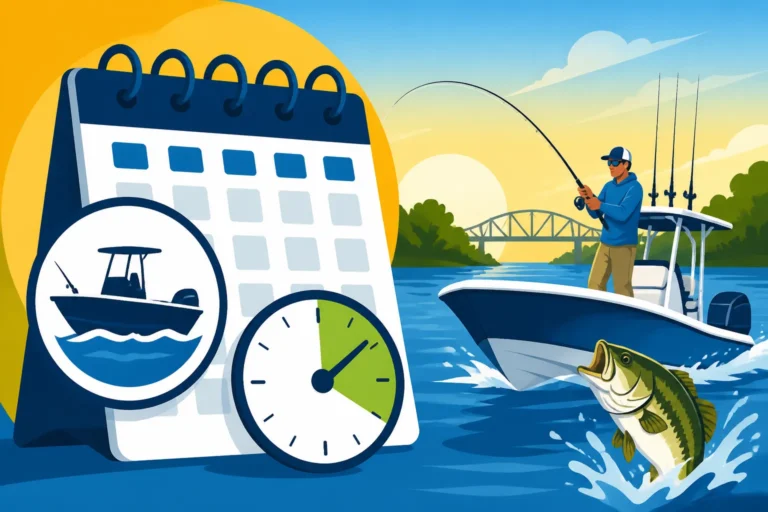
A half-day trip is usually shorter, lasting around four to five hours. This option is often perfect for beginners, families with younger children, or anglers who want a taste of river fishing without committing to a full day on the water. It’s also a good choice if you're primarily interested in catching a good number of eating-sized channel cats, which can often be found in more accessible areas. Half-day trips are generally less expensive and can be less physically demanding, making them a great introduction to the Mississippi River’s catfishing scene. However, for targeting trophy-sized blue or flathead catfish, which often require more time to locate and patiently pursue, a half-day might feel a bit rushed.
A full-day trip, typically six to eight hours, offers a much more comprehensive experience. This allows the guide to cover more water, explore a wider range of techniques, and dedicate the necessary time to target those larger, more elusive blue and flathead catfish. With more time, the guide can adjust to changing conditions, move between different hotspots, and provide more in-depth instruction. If you're serious about catching a trophy fish, want to maximize your learning experience, or simply want a more relaxed pace with ample fishing time, a full-day excursion is usually the better choice. It's an investment in a deeper, more immersive adventure on the mighty Mississippi.
| Trip Type | Duration (Approx.) | Ideal For | Potential Catches | Key Benefits |
|---|---|---|---|---|
| Half-Day | 4-5 hours | Beginners, families, casual anglers | Channel Catfish, smaller Blues | Less expensive, less demanding, good introduction |
| Full-Day | 6-8 hours | Serious anglers, trophy hunters, dedicated learners | Trophy Blue & Flatheads, consistent Channels | More time, more ground covered, higher trophy potential, in-depth learning |
Choosing the Right Mississippi River Catfish Guide
Selecting the right guide can make or break your Mississippi River catfishing experience. With so many options, it's easy to feel overwhelmed. However, by doing a little homework and asking the right questions, you can find a professional who aligns with your fishing goals and ensures a memorable trip.
Researching Reputable Guides
The first step in choosing a guide is thorough research. Start by looking for guides who specialize specifically in Mississippi River catfishing, rather than general freshwater guides. These specialists have dedicated their careers to this unique environment and specific target species.
Online reviews and testimonials are a fantastic resource. Websites like FishingBooker provide platforms where anglers can share their experiences, often detailing the guide's expertise, professionalism, equipment, and overall success rate. Look for consistent positive feedback regarding safety, fish-finding ability, and client satisfaction. Don't just focus on the biggest fish caught; also consider comments on how the guide interacted with clients, especially if you're bringing children or inexperienced anglers. Pay attention to reviews that mention the guide's patience and teaching ability. You can often find guides listed for specific areas along the river, like those specializing in Mississippi River Catfish Hotspots.
Beyond online platforms, word-of-mouth recommendations from fellow anglers, tackle shop owners, or local fishing communities can be incredibly valuable. These personal endorsements often come with nuanced insights that you won't find in a general review. When you find a few potential guides, check their social media or personal websites for photos of recent catches and updates on river conditions. This can give you a real-time sense of their current success and the types of fish they are putting clients on.
What to Ask Before Booking
Once you've narrowed down your choices, it's crucial to reach out to potential guides and ask some direct questions before committing to a booking. This conversation helps clarify expectations and ensures you and the guide are on the same page.
Here are some key questions to consider:
- What is your experience specifically on this stretch of the Mississippi River for catfish? (Look for specific details, not just general statements.)
- What kind of boat do you operate, and what safety features does it have? (Ensure it's suitable for the river and your group size.)
- What kind of tackle do you provide, and is it appropriate for trophy catfish? (Heavy-duty gear is a must for big blues and flatheads.)
- What types of bait do you typically use, and is live bait provided for flatheads? (Ensuring they use effective, fresh bait is key.)
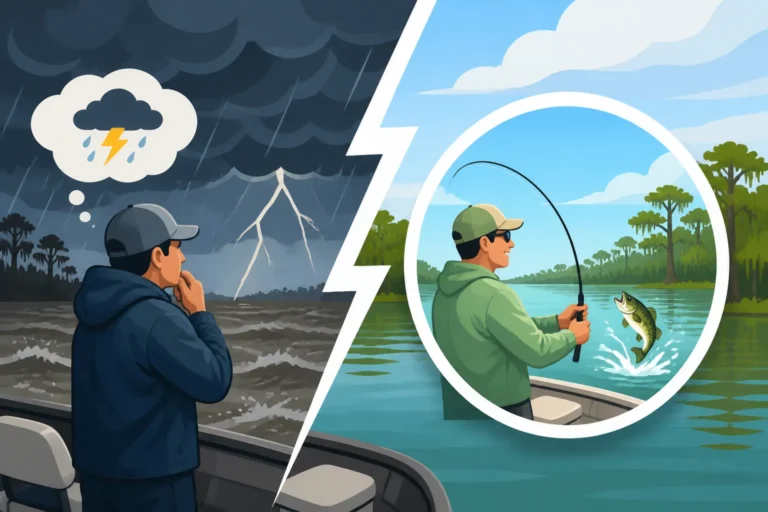
- What is your policy regarding bad weather or high water conditions? (Safety first! Know if you can reschedule or get a refund.)
- What should I bring on the trip (e.g., food, drinks, sunscreen, rain gear)? (Be prepared for a full day on the water.)
- Are fishing licenses included, or do I need to purchase my own? (Most guides require you to have your own. For more on this, see Mississippi Fishing License Guide.)
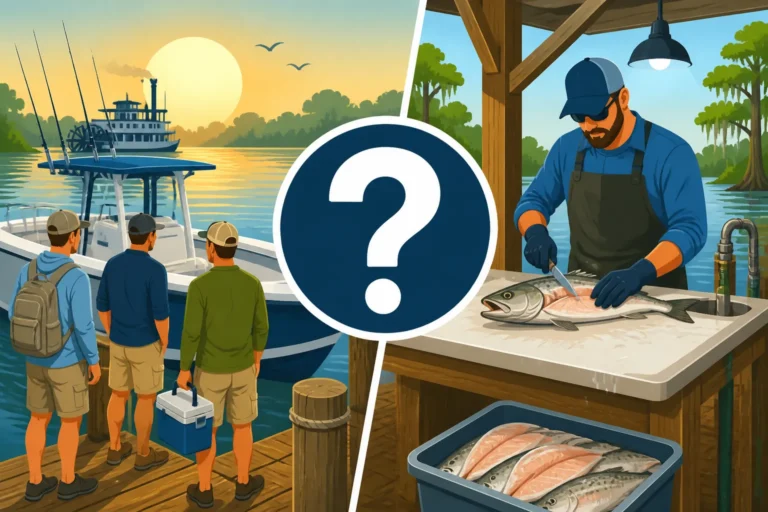
- What is your policy on keeping fish, and do you offer fish cleaning services? (Clarify creel limits and if cleaning is an extra charge.)
Asking these questions helps you understand what's included, what to expect, and if the guide's approach matches your desired experience. A good guide will be happy to answer all your questions thoroughly and transparently.
Understanding Costs and Inclusions
The cost of a guided fishing trip on the Mississippi River can vary widely based on the guide's experience, the length of the trip (half-day vs. full-day), the number of anglers, and what's included. It's important to understand the full financial commitment upfront to avoid any surprises.
Most guide services will quote a base price for a certain number of anglers, often two or three, with an additional charge per extra person up to the boat's capacity. Always confirm the total cost for your specific group size. Beyond the base fee, clarify what exactly is included. Typically, the guide will provide the boat, fuel, all necessary fishing tackle, and bait. Some guides might also provide bottled water, but it's always wise to bring your own snacks, drinks, and any specialized beverages you prefer.
What's often not included are fishing licenses (which are almost always your responsibility), gratuities for the guide (which are customary and appreciated, typically 15-20% of the trip cost for good service), and any fish cleaning services if offered separately. Don't be afraid to ask for a detailed breakdown of costs. Remember that you're paying not just for a boat ride, but for years of accumulated knowledge, top-tier equipment, and a safe, well-planned fishing adventure. It’s an investment in a potentially once-in-a-lifetime experience. For specific pricing questions on related services, you can check out resources like Mississippi Fishing Charter Prices.
Preparing for Your Guided Catfish Trip
Booking a Mississippi River catfish guide is an exciting first step, but a little preparation on your part can go a long way in ensuring a comfortable, productive, and memorable day on the water. Thinking ahead about what to bring and understanding the rules will make your trip smoother.
Essential Gear to Bring Beyond What the Guide Provides
While your guide will supply the heavy-duty rods, reels, and bait, there are several personal items you'll want to bring along to enhance your comfort and enjoyment on the Mississippi River. The river can be unpredictable, so being prepared for various conditions is always a good idea.
First and foremost, sun protection is crucial. Even on cloudy days, the sun reflecting off the water can cause severe sunburn. Pack a wide-brimmed hat, sunglasses (polarized ones are great for reducing glare if you want to see into the water), and plenty of high SPF sunscreen. Light, long-sleeved clothing can also provide excellent sun protection and keep you cool. Secondly, consider layers of clothing. Mississippi weather can change rapidly, with cool mornings often giving way to hot afternoons, or an unexpected rain shower blowing through. Having options will keep you comfortable throughout the day. A good rain jacket, even if the forecast looks clear, is never a bad idea when you’re on the water.
Food and hydration are also key. While some guides might offer water, bringing your own cooler stocked with snacks, lunch, and plenty of drinks is highly recommended. Staying hydrated is vital, especially during warmer months. Lastly, don't forget your camera or phone to capture those incredible catches and scenic river views. Just make sure it’s in a waterproof case or bag. A small, dry bag for your personal items like keys, wallet, and phone is always a smart addition to your gear list.
Licensing and Regulations Check
Before you even step foot on the boat, make sure your fishing license is in order. Every angler, regardless of whether they're with a guide, is typically required to possess a valid Mississippi fishing license for the waters they'll be fishing.
Your guide might remind you, but ultimately, it's your responsibility to ensure you're compliant. You can usually purchase licenses online through the Mississippi Department of Wildlife, Fisheries, and Parks (MDWFP) website, or at authorized retailers like sporting goods stores and bait shops. Be sure to get the correct type of license (resident or non-resident, annual or short-term). For specific details on where to get yours, check out Where to Buy a Mississippi Fishing License. It’s also important to be aware of the state's Mississippi Fishing Creel and Size Limits for the specific species you're targeting, even though your guide will manage this during the trip. Being caught without a valid license or violating regulations can result in hefty fines, which would certainly put a damper on your fishing adventure.
If you're fishing border waters like certain stretches of the Mississippi River that touch Louisiana or Arkansas, confirm with your guide if your Mississippi license covers those specific areas, or if additional licensing is required. While often, state-specific licenses are sufficient, it's always best to clarify any potential overlap, especially on shared waterways. A good guide will be well-versed in these specific Mississippi Border Water Fishing Rules.
Managing Expectations and Maximizing Your Experience
Going into a guided trip with realistic expectations is crucial for enjoying your day, regardless of the size or number of fish caught. Remember, fishing is never a guarantee, and even the best guides can't control Mother Nature or fish behavior.
Focus on the overall experience: the beauty of the Mississippi River, the thrill of the hunt, the opportunity to learn from an expert, and the camaraderie. While landing a giant trophy catfish is definitely the goal, celebrate every catch, big or small. Ask your guide questions, pay attention to their techniques, and engage in the process. This is your chance to gain invaluable insights into Catfish Fishing in Mississippi that you can apply on future trips. Don't hesitate to tell your guide if you have specific goals, like wanting to learn a new technique or focusing on a particular species.
Finally, show appreciation for your guide's hard work and expertise. Tipping is customary and a great way to acknowledge their effort in making your trip a success. A good attitude and enthusiasm are contagious and will contribute to a positive experience for everyone on board.
Disclaimer
This article is for general informational purposes only and does not constitute professional advice. Laws, prices and regulations vary by location and change over time. Consult a qualified professional for guidance on your specific situation.