Blue Catfish Fishing in Mississippi
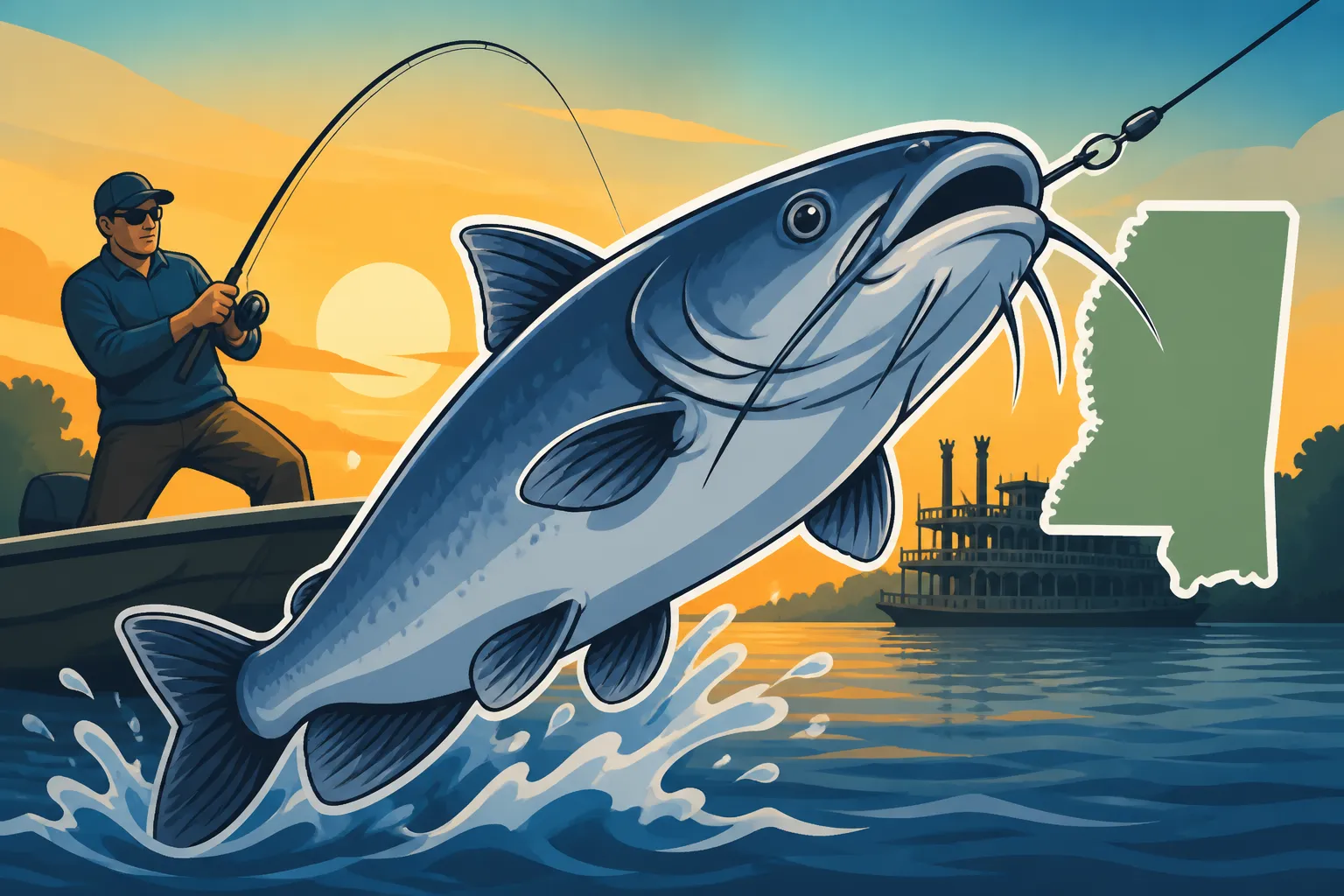
There's nothing quite like the thrill of hooking into a truly massive fish, and for many anglers in Mississippi, that dream fish wears whiskers. Chasing blue catfish can be an incredibly rewarding experience, offering not just a serious fight but also some fantastic table fare. If you've ever felt overwhelmed by the sheer size of our rivers and reservoirs, or wondered how to consistently land those big blues, this guide is designed to cut through the confusion and equip you with the knowledge to make your next blue cat expedition a roaring success.
The Allure of Blue Catfish in Mississippi Waters
Mississippi is a state blessed with abundant water resources, from winding rivers to expansive reservoirs, and within these waters thrives one of the most exciting game fish: the blue catfish. These formidable creatures are not only a challenge to catch, but they also represent a significant part of our state's angling culture. Many of us grew up hearing tales of giant blues pulled from the Mississippi River, and that legacy continues to draw countless fishermen to our waters.
Why Blue Catfish Are a Top Target
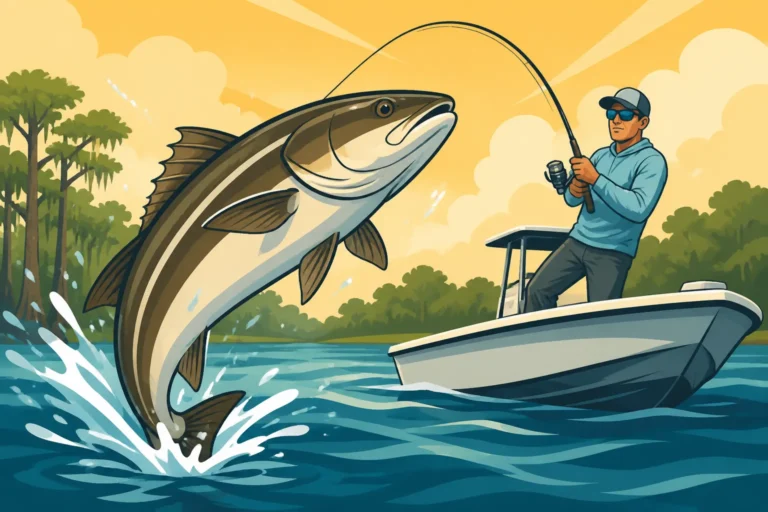
Blue catfish hold a special place in the hearts of many Mississippi anglers, and for good reason. They are renowned for their impressive size and the incredible fight they put up on the line. While channel catfish are common and flatheads are known for their ambush tactics, blue cats are often considered the true heavyweights of the catfish family, capable of growing to immense proportions in our nutrient-rich waters. The pursuit of a trophy blue catfish isn't just about the catch; it's about the entire experience: the anticipation, the tactical planning, and the sheer power felt through the rod when one of these giants takes your bait. They offer a unique blend of challenge and reward that keeps anglers coming back for more, year after year.
Beyond the thrill of the fight, blue catfish are also highly prized for their delicious, firm, white flesh. Many consider them superior to other catfish species for eating, particularly the smaller to medium-sized fish. This combination of sporting challenge and culinary delight makes them an ideal target for both serious trophy hunters and families looking to put some tasty fillets on the dinner table. The sheer abundance of blue cats in places like the Mississippi River and our large reservoirs means that even on days when the big ones aren't biting, there's a good chance you can still fill a cooler with eaters.
Identifying Blue Catfish: Key Features
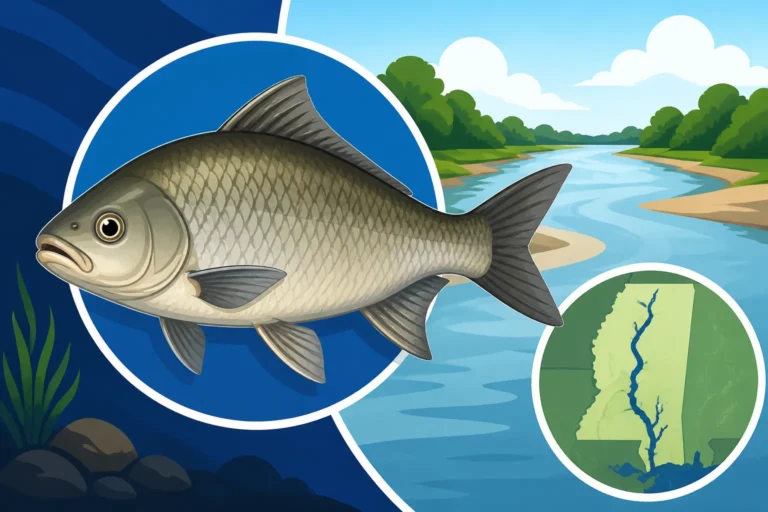
Before you can target blue catfish effectively, it's crucial to know how to properly identify them, especially since they share waters with channel and flathead catfish. Blue catfish have a distinct appearance that sets them apart. They typically have a deeply forked tail, which is one of their most distinguishing characteristics. Their body color can range from a slate blue to a silvery-gray on their back and sides, fading to a white belly. They usually lack the dark spots that are often found on channel catfish, though younger blue cats can sometimes have faint spots.
Another key identifier is their anal fin, which is long and straight along the bottom edge, with 30-35 rays. This contrasts sharply with the rounded anal fin of a flathead catfish or the shorter, more rounded anal fin of a channel catfish, which typically has fewer than 30 rays. Their head is relatively small in proportion to their body, and they have prominent whiskers, or barbels, around their mouth. Knowing these features is not just for bragging rights; it's essential for adhering to specific Mississippi Fishing Regulations Explained, as some size and creel limits can vary slightly between catfish species in certain areas. It's always a good practice to familiarize yourself with these nuances before heading out.
Prime Blue Catfish Habitats Across Mississippi
Mississippi offers a diverse array of aquatic environments, many of which are absolutely teeming with blue catfish. From the mighty currents of its namesake river to the vast open waters of its man-made reservoirs, anglers have numerous excellent opportunities to pursue these powerful fish. Understanding where blue cats prefer to hang out is the first step to consistently finding and catching them.
Major Rivers and Reservoirs
When you talk about blue catfish in Mississippi, the conversation almost always starts with the Mississippi River. This colossal waterway is a world-class fishery for blue cats, known for producing some truly gargantuan specimens. The river's vastness, its deep channels, submerged timber, wing dams, and eddy current provide ideal habitat for blue cats to grow to immense sizes. The key here is focusing on areas with strong current breaks, deeper holes, and structure where baitfish congregate. Tributary mouths, submerged islands, and areas downstream from locks and dams are all prime spots. Fishing the main channel, especially where it meets deep bends or drops, can be incredibly productive. For more in-depth information, check out our Mississippi River Fishing Guide.
Beyond the Mississippi River, our large reservoirs are also phenomenal blue catfish destinations. Ross Barnett Reservoir, often affectionately called "The Rez," is a fantastic option, particularly in its deeper main lake channels and near the dam. The Pearl River, which feeds into the Rez, also holds a healthy population of blues. Ross Barnett Reservoir Fishing Guides often focus on these deep river channels within the lake. Similarly, the Tennessee-Tombigbee Waterway system, including lakes like Columbus Lake and Bay Springs Lake, offers extensive deep water and current, which blue cats absolutely thrive in. Other notable reservoirs include Pickwick Lake in the northern part of the state, especially below the dam, and the lower sections of the Tombigbee River. These vast waters require some navigation and understanding of electronics, but the rewards can be incredible.
State Lakes and Smaller Waterways
While the major rivers and reservoirs grab most of the headlines for trophy blue cats, don't overlook Mississippi's state fishing lakes and smaller rivers. Many of these more accessible waters are regularly stocked and managed, providing excellent opportunities for catching eater-sized blue catfish, perfect for a fish fry. Lakes like Lake Washington, Eagle Lake, and Calling Panther Lake are known to hold good numbers of catfish, including blues, often found in deeper creek channels or around submerged structure. These lakes might not produce the same monster blues as the Mississippi River, but they offer consistent action and are often less intimidating for newer anglers or those looking for a more relaxed outing.
Even some of the larger flood control reservoirs, though perhaps more famous for crappie and bass, have thriving blue catfish populations. Grenada Lake, Sardis Lake, Enid Lake, and Arkabutla Lake, particularly in their main lake basins and below the spillways, can yield some impressive blue cats, especially during periods of water release when fish concentrate. Targeting the deeper sections of these lakes, particularly old river beds or channels, can be very productive. The Mississippi State Fishing Lakes Overview can give you a great starting point for exploring these more local options, many of which are easily accessible and well-maintained. Always remember to check for any specific local regulations that might apply to these smaller bodies of water.
Essential Gear for Blue Catfish Anglers
Chasing big blue catfish isn't a job for dainty tackle. These fish are powerful, and they live in places where they can put up a serious fight, often around heavy cover. Having the right gear isn't just about comfort; it's about being prepared for the battle and ensuring you can land that fish of a lifetime without equipment failure. Investing in quality, robust equipment will pay dividends when you're going head-to-head with a true river monster.
Rods, Reels, and Line Choices
For blue catfish, you'll want heavy-duty equipment. Forget your ultralight panfish setup; we're talking about gear designed to withstand immense pressure.
- Rods: Look for stout, medium-heavy to heavy power casting rods, typically 7 to 10 feet long. Longer rods provide better leverage for casting heavy baits and fighting powerful fish, especially from a boat or bank. A fast-action tip with a strong backbone is ideal for detecting subtle bites and then muscling big cats away from snags. Brands like Ugly Stik, Catfish Sumo, or Rippin Lips offer excellent, purpose-built catfish rods that are durable and reliable. You can often find great deals on these tough rods on platforms like Amazon.
- Reels: Matching your rod with a heavy-duty baitcasting reel is paramount. Look for reels with a strong drag system, a high line capacity, and durable internal components. Round baitcasting reels from brands like Abu Garcia, Penn, or Daiwa are popular choices for serious catfishing. A good retrieve ratio will help you pick up slack quickly but prioritize cranking power over speed. For a deep dive into options, consider our guide on Choosing the Right Rod and Reel for Mississippi Fishing.
- Line: When it comes to line, braided line is the overwhelming choice for blue catfishing. Its incredible strength-to-diameter ratio, minimal stretch, and abrasion resistance are perfect for battling big fish in challenging environments. A minimum of 50-80 pound test braided line is recommended, especially in the larger river systems. If you prefer monofilament, opt for heavy test (30-50 lb) with good abrasion resistance, but be aware of its stretch. A good leader material, like heavy monofilament or fluorocarbon (80-100 lb test), can be added to the end of your braid for even more abrasion resistance, particularly when fishing around rocks or timber. Finding a reliable, strong fishing line is easy on Amazon, where many anglers stock up on their favorites. Check out our detailed article on Best Fishing Line for Catfish for more specific recommendations.
Terminal Tackle and Rigging
Your terminal tackle needs to be just as robust as your rod and reel setup. Skimping here is a recipe for lost fish and frustration.
- Hooks: Circle hooks are king for blue catfish. They are designed to hook fish in the corner of the mouth, making for easier release if desired and significantly reducing gut-hooking. Sizes typically range from 7/0 to 10/0, depending on the size of your bait and the target fish. Choose strong, sharp, high-quality hooks from reputable brands like Gamakatsu, Mustad, or Owner.
- Weights: You'll often be fishing in current, so heavy weights are necessary to keep your bait on the bottom. Flat, no-roll sinkers or pyramid sinkers are popular, ranging from 3 ounces up to 10 ounces or more in strong currents like the Mississippi River. The exact weight will depend heavily on the depth and flow of the water you're fishing.
- Swivels and Leaders: Use heavy-duty barrel or ball-bearing swivels (at least 100 lb test) to prevent line twist. As mentioned earlier, a heavy monofilament or fluorocarbon leader, typically 1 to 3 feet long, is often tied between your main line (braid) and your hook. This leader provides an extra layer of protection against sharp teeth and abrasive structure.
- Rigs: The two most common rigs for blue catfish are the Carolina Rig (also known as a slip sinker rig) and the Santee Cooper Rig.
- Carolina Rig: This simple yet effective rig involves threading your weight onto your main line, followed by a bead (to protect the knot), and then tying on a heavy barrel swivel. Your leader is then tied to the other end of the swivel, and your hook is tied to the end of the leader. This allows the fish to take the bait without immediately feeling the weight.
- Santee Cooper Rig: This is a variation of the Carolina rig, but it includes a small foam float or peg float on the leader, just above the hook. This float lifts your bait off the bottom slightly, keeping it visible and away from snags, which can be incredibly effective when fishing over muddy bottoms or areas with small debris.
Both of these rigs are excellent for presenting cut bait to cruising blue cats.
| Item | Recommended Specifications | Purpose |
|---|---|---|
| Rod | 7-10 ft, Medium-Heavy to Heavy power, Fast action | Casting heavy baits, fighting large fish |
| Reel | Round baitcaster, strong drag, high line capacity | Managing powerful runs, holding lots of line |
| Main Line | 50-80 lb braid (or 30-50 lb mono) | Strength, abrasion resistance, sensitivity |
| Leader Line | 80-100 lb mono or fluorocarbon (1-3 ft length) | Abrasion protection, shock absorption |
| Hooks | 7/0-10/0 Circle hooks (strong, sharp) | Secure hooksets, mouth-hooking, ease of release |
| Weights | 3-10+ oz no-roll or pyramid sinkers | Holding bait in current, reaching depth |
| Swivels | 100+ lb test barrel or ball-bearing swivels | Preventing line twist, connecting main line to leader |
| Rigs | Carolina Rig, Santee Cooper Rig | Effective bait presentation on the bottom |
Best Baits and Techniques for Blue Cats
Ask any seasoned catfisherman, and they'll tell you that bait is paramount when targeting blue catfish. These opportunistic feeders have a keen sense of smell, and they often prefer baits that are strong-smelling and familiar to their diet. Once you've got the right bait, knowing how to present it effectively is the next critical step to success.
Preferred Baits and How to Acquire Them
Blue catfish are primarily piscivorous, meaning they eat other fish. This makes fresh cut bait the absolute undisputed champion for attracting big blues. They are drawn to the scent trail that cut bait releases in the water, which mimics a wounded or dead fish.
- Fresh Cut Bait: The fresher, the better! Shad (gizzard and threadfin) are arguably the top choice in Mississippi, as they are a natural forage fish in almost all blue cat habitats. Skipjack herring, found in river systems, are another fantastic option known for their oily, pungent flesh. Other effective cut baits include mullet, carp, drum, buffalo, and even smaller panfish like bluegill (check local regulations on using game fish as bait). You can catch your own bait using cast nets for shad or hook-and-line for other species, or purchase it from bait shops. When cutting bait, aim for chunks or strips that are roughly 1-3 inches long, making sure each piece has some skin to stay on the hook better. The bloodier and oilier, the more attractive it will be. For more on this, read our guide on Best Cut Bait for Blue Catfish.
- Live Bait: While cut bait is often preferred for blues due to its scent trail, live bait such as small shad, minnows, or even small bluegill can also be effective, particularly for targeting larger, more aggressive fish. The struggling action of a live baitfish can sometimes trigger a strike when scent alone might not. However, live bait tends to attract a wider variety of fish, so you might get more bites from channel cats or other species.
- Prepared Baits and Other Options: While commercially prepared "stink baits" or punch baits work wonders for channel catfish, they are generally less effective for trophy blue cats. Blue cats are primarily predators, and fresh fish is usually what they're looking for. However, in a pinch, or in smaller lakes, some anglers have success with shrimp or chicken livers, though these are more prone to coming off the hook and attracting smaller fish.
Effective Fishing Methods: From Anchoring to Drifting
Once you've got your prime bait, the next step is getting it in front of the fish using effective techniques. Catfish Fishing Techniques for blue cats often revolve around covering water and targeting specific structures.
- Anchoring and Still Fishing: This is a classic and highly effective method, especially in river systems or reservoirs with distinct features. Find a promising spot—like a deep hole, a sharp bend in a river channel, submerged timber, or the edge of a flat near deep water—and anchor your boat securely upstream of your target. Cast your baits out, allowing the current to carry the scent downstream. Using multiple rods allows you to cover different depths and areas. Mississippi Fishing Rules for Multiple Rods permit a generous number of lines, so take advantage of it! Sit back, relax, and let the scent do the work. This method is particularly effective when you've located a concentration of fish on your electronics. For river fishing, knowing How to Anchor Properly for River Catfishing is critical for safety and success.
- Drifting: Drifting allows you to cover a lot of water and present your bait to fish scattered over a larger area. This can be done by allowing the wind or current to slowly push your boat along while your baits trail behind on the bottom. Flat-bottomed boat designs or drift socks can help control your speed and direction. Maintain a slow drift, perhaps 0.5 to 1.5 miles per hour, adjusting your weight to keep your bait on the bottom without snagging excessively. This method is excellent for exploring large flats, river channels, or reservoir basins where blue cats might be dispersed. Spider rigging, using multiple rods extended out from the boat, is a popular drifting technique, often seen on lakes like Grenada and Sardis, though more common for crappie, it can be adapted for catfish.
- Jug Fishing and Trotlines: For those looking to passively catch a larger quantity of catfish, jug fishing and trotlines are popular methods, especially in the larger river systems.
- Jug Fishing: This involves setting individual lines attached to buoyant floats (jugs), baited and set adrift. You then follow the jugs, collecting them when a fish has been hooked. It's an active form of passive fishing that can be a blast with a group.
- Trotlines: A trotline is a long main line anchored at both ends, with multiple baited hooks attached at intervals. These are typically set and left overnight, then checked in the morning.
Both methods require adherence to specific Mississippi Fishing Regulations Explained regarding the number of jugs/hooks, tagging requirements, and harvest limits. Be sure to understand and follow these rules closely. Our guide on Jug Fishing and Trotline Setup provides more detailed instructions.
Understanding Blue Catfish Behavior and Seasons
To consistently catch blue catfish, you need to think like a blue cat. Their behavior is largely dictated by water temperature, available food, and spawning cycles. Understanding these patterns will allow you to predict their movements and tailor your fishing approach throughout the year.
Seasonal Movements and Feeding Patterns
Blue catfish, like most fish, have distinct seasonal patterns that influence where they'll be found and how actively they'll feed.
- Spring (Pre-Spawn & Spawn): As water temperatures begin to rise in early spring (typically April-May when temps hit 65-75°F), blue cats become very active. They move from deeper wintering holes into shallower areas to feed heavily in preparation for spawning. This is an excellent time to target them in creek channels, around submerged points, and on flats adjacent to deeper water. They'll gorge themselves on baitfish during this pre-spawn period. During the actual spawn, which often occurs in cavities, rock crevices, or hollow logs, they can be a bit more finicky. After the spawn, they'll again feed aggressively to recover. This is often regarded as one of the Best Time of Year for Catfish Fishing in Mississippi.
- Summer: In the scorching Mississippi summer heat, blue catfish will retreat to deeper, cooler, and more oxygenated waters. Look for them in the deepest channels of rivers and reservoirs, around thermo-clines (if present), or in areas with current that brings in cooler, oxygenated water. Night fishing can be incredibly productive during the summer, as blue cats will often move shallower to feed under the cover of darkness. They remain active feeders, but you might need to present your bait deeper or during cooler parts of the day.
- Fall: As water temperatures begin to cool in the fall, blue catfish once again become highly active, often mirroring their spring patterns. They'll move back into shallower areas to feed aggressively in preparation for winter. This is a fantastic time for trophy hunting, as they'll be putting on weight. Look for them along channel bends, deep flats, and around baitfish schools. The fish are often fat and feisty during this season.
- Winter: While many anglers pack up their gear, winter can be an outstanding time to catch big blue catfish in Mississippi. As water temperatures drop, blue cats will congregate in massive schools in their deepest wintering holes. These can be specific deep bends in rivers, scour holes below dams, or the deepest parts of reservoir channels. Once you locate a wintering school, the fishing can be phenomenal. They may not feed as frequently, but when they do, they'll often hit a bait presented directly to them. Vertical jigging or anchoring directly over these deep holes with cut bait can be incredibly effective.
Best Times of Day and Environmental Factors
While seasonal patterns guide overall location, daily factors also play a huge role.
- Time of Day: While blue catfish can be caught at any time, early morning and late evening, particularly around sunrise and sunset, are often prime feeding times, especially during warmer months. During the heat of summer, Night Fishing for Catfish becomes extremely productive, as the fish are more comfortable and active. In cooler months, mid-day can be productive, especially if the sun has warmed the water slightly.
- Current: Blue catfish absolutely love current. In river systems, current brings them food and oxygen. Look for eddies, current seams, and the slack water behind obstructions where they can ambush prey without expending too much energy. Areas below dams or locks are often catfish hotspots due to the disturbed water and available forage.
- Water Levels and Clarity: Stable water levels are generally preferred. Rapidly rising or falling water can disorient fish, making them less likely to bite. Blue catfish tolerate turbid (muddy) water better than many other species, and can even thrive in it, using their superior sense of smell. However, extremely muddy water after heavy rains can sometimes shut down the bite temporarily.
- Barometric Pressure: While not always a definitive factor, stable or rising barometric pressure often corresponds with better feeding activity, while rapidly falling pressure (often associated with approaching storms) can sometimes make fish less active.
Mississippi Regulations for Blue Catfish
Understanding and adhering to fishing regulations is not just about avoiding fines; it's about being a responsible angler and helping to conserve our valuable fisheries for future generations. Mississippi has specific rules for catfish, and it's essential to be familiar with them before you cast a line.
Statewide Limits and Specific Lake Rules
The Mississippi Department of Wildlife, Fisheries, and Parks (MDWFP) sets the general statewide regulations for blue catfish, but it's crucial to remember that these can vary by specific water body, especially for our large reservoirs and state fishing lakes.
- Statewide Daily Limits: Generally, for blue catfish (and channel catfish), there's a generous daily creel limit for recreational anglers. However, this limit is often combined, meaning you can only keep a certain number of catfish in total, not per species. It's common to see a limit on the number of large catfish (e.g., over a certain length) that can be kept within your daily creel. This measure is designed to protect the trophy-sized breeding stock. For example, there might be a rule allowing you to keep a certain number of catfish over 30 inches, with a higher limit for fish under that size. You should always consult the most current MDWFP fishing guide for the exact figures, as these can change. Our Mississippi Fishing Creel and Size Limits guide will have the most up-to-date information.
- Specific Lake Regulations: This is where it gets tricky, and why checking local rules is so important. Some popular fishing lakes or reservoirs may have special regulations in place for catfish that differ from the statewide rules. These might include:
- Slot Limits: This means you can keep fish below a certain size and above a certain larger size, but not within an "unprotected" middle slot. This helps to protect growing fish and allow them to reach larger sizes.
- Reduced Creel Limits: Certain lakes, particularly smaller state fishing lakes or those with intensive management programs, might have lower daily limits for catfish to distribute the catch among more anglers or to allow fish populations to grow.
- Gear Restrictions: While less common for blue catfish, some waters might have restrictions on certain types of gear, like the number of rods or the use of trotlines/jugs in specific areas.
Always, always check the MDWFP's official fishing digest or their website for the specific lake you plan to fish. What's legal on the Mississippi River might not be legal on Sardis Lake or Lake Washington.
Important Considerations for Responsible Angling
Beyond the numbers, responsible angling practices are vital for the health of Mississippi's blue catfish populations.
- Measuring and Handling: Learn how to quickly and accurately measure your fish. If a fish is undersized or within a protected slot limit, handle it with care to ensure its survival upon release. Use wet hands to minimize damage to its slime coat, and try to keep it in the water as much as possible, especially during warm weather.
- Catch and Release: While blue catfish are excellent table fare, consider practicing catch and release for the largest, trophy-sized blue cats. These older, larger fish are often the best breeders, and releasing them helps maintain a robust gene pool and ensures future generations of big fish. Taking a quick photo and safely releasing a giant blue cat is a truly rewarding experience that contributes to sustainable fishing.
- Tagging and Reporting: In some instances, the MDWFP may conduct fish tagging programs. If you catch a tagged blue catfish, follow the instructions on the tag for reporting. This data is incredibly valuable for biologists tracking fish movements, growth rates, and overall population health.
- Cleaning Stations: If you plan to keep your catch, be aware of rules regarding fish cleaning. Some state parks and public access points may have Mississippi Fish Cleaning Station Rules or designated areas, while others may prohibit cleaning fish on site. It's often best to clean your fish at home or at a designated facility to avoid attracting wildlife or leaving waste.
- License Requirements: Of course, before you even think about regulations, ensure you have a valid How to Get a Mississippi Fishing License. Mississippi has different license types for residents and nonresidents, as well as various options for different durations. Fishing without the proper license can result in significant penalties and fines, so it's best to be prepared. For more information, you can also look into Mississippi Fishing License Penalties and Fines.
By understanding these regulations and adopting responsible practices, we can all contribute to the continued legacy of fantastic blue catfish fishing here in the Magnolia State.
Disclaimer
This article is for general informational purposes only and does not constitute professional advice. Laws, prices and regulations vary by location and change over time. Consult a qualified professional for guidance on your specific situation.