Buffalo Fish Identification and Where They Live
It’s a common scenario across Mississippi: you've reeled in a big, stout fish, a true fighter, and you’re staring at it, wondering, "Is this a carp, or something else entirely?" The confusion between buffalo fish and other species, particularly the common carp, is a real frustration for many anglers. This comprehensive guide is here to clear up that mystery, helping you confidently identify buffalo fish and understand where these fascinating native fish thrive in our Mississippi waters.
What Exactly is a Buffalo Fish?
Before we dive into the nitty-gritty of identification, let’s get a clear picture of what a buffalo fish actually is. Unlike the notorious common carp, which is an invasive species, buffalo fish are native to North America, including right here in Mississippi. They belong to the sucker family (Catostomidae), and they play a vital role in our aquatic ecosystems. They're often overlooked, but once you learn to recognize them, you'll start seeing these robust bottom-feeders everywhere. Understanding their nature is the first step in appreciating these powerful freshwater giants.
The Bigmouth, Smallmouth, and Black Buffalo
In Mississippi, when we talk about buffalo fish, we're generally referring to three distinct species: the Bigmouth Buffalo (Ictiobus cyprinellus), the Smallmouth Buffalo (Ictiobus bubalus), and the Black Buffalo (Ictiobus niger). Each has its own subtle characteristics, though they all share the overarching "buffalo" traits. The Bigmouth Buffalo, as its name suggests, is a filter feeder, often found in open water, straining plankton. The Smallmouth Buffalo prefers deeper, clearer waters and feeds on invertebrates from the bottom. The Black Buffalo is typically found in rivers and their backwaters, also a bottom feeder, often found alongside catfish and freshwater drum. Knowing which species you’re looking at can sometimes give you clues about the specific habitat you’re fishing.
These three species, while similar in general appearance, have adapted to slightly different niches within our rivers and reservoirs. For instance, you might find Bigmouth Buffalo schooling in open areas of large lakes like Ross Barnett Reservoir, while Smallmouth Buffalo might be tucked away in deeper, more structured sections. Black Buffalo tend to be more prevalent in the major river systems, navigating the currents and seeking out rich feeding grounds. Understanding these subtle preferences can even help you target a specific type of buffalo if that’s your angling goal.
Buffalo Fish vs. Common Carp: A Crucial Distinction
This is where the real confusion often lies, and it's important to set the record straight. Many anglers mistakenly lump buffalo fish in with carp, but they are distinctly different animals. The common carp, an introduced species from Europe and Asia, is known for its destructive feeding habits that can stir up sediment and harm native fish habitats. Buffalo fish, however, are a native species, contributing positively to the ecosystem as natural filter feeders and bottom scavengers, helping to keep our waters clean and balanced. The easiest way to tell them apart visually is usually the mouth and the dorsal fin. Carp have barbels (whiskers) around their mouths and a long, serrated ray on their dorsal fin, while buffalo fish lack barbels and have a smooth dorsal fin ray. It’s a huge difference once you know what to look for! We even have a dedicated article to help you further distinguish between these two: Buffalo Fish vs Carp Differences.
The ecological implications of this distinction are profound. Common carp are often viewed as a nuisance, an invasive species that can outcompete native fish for food and habitat, degrade water quality, and generally disrupt the natural balance. Buffalo fish, on the other hand, are part of the original fabric of Mississippi's aquatic life. They are native members of the food chain, prey for larger predators, and an indicator of healthy ecosystems. Recognizing this difference isn't just about identifying a fish; it's about understanding and respecting our native wildlife versus managing invasive populations.
Key Identification Features of Mississippi Buffalo Fish
Now that we know buffalo are distinct from carp, let’s zero in on exactly how to identify them. There are several key features that, once you learn them, will make identifying a buffalo fish much easier, even for beginners. You’ll be able to spot them from other bottom-dwelling species and impress your fishing buddies with your newfound knowledge. It’s all about looking closely at their anatomy.
Body Shape and Fin Characteristics
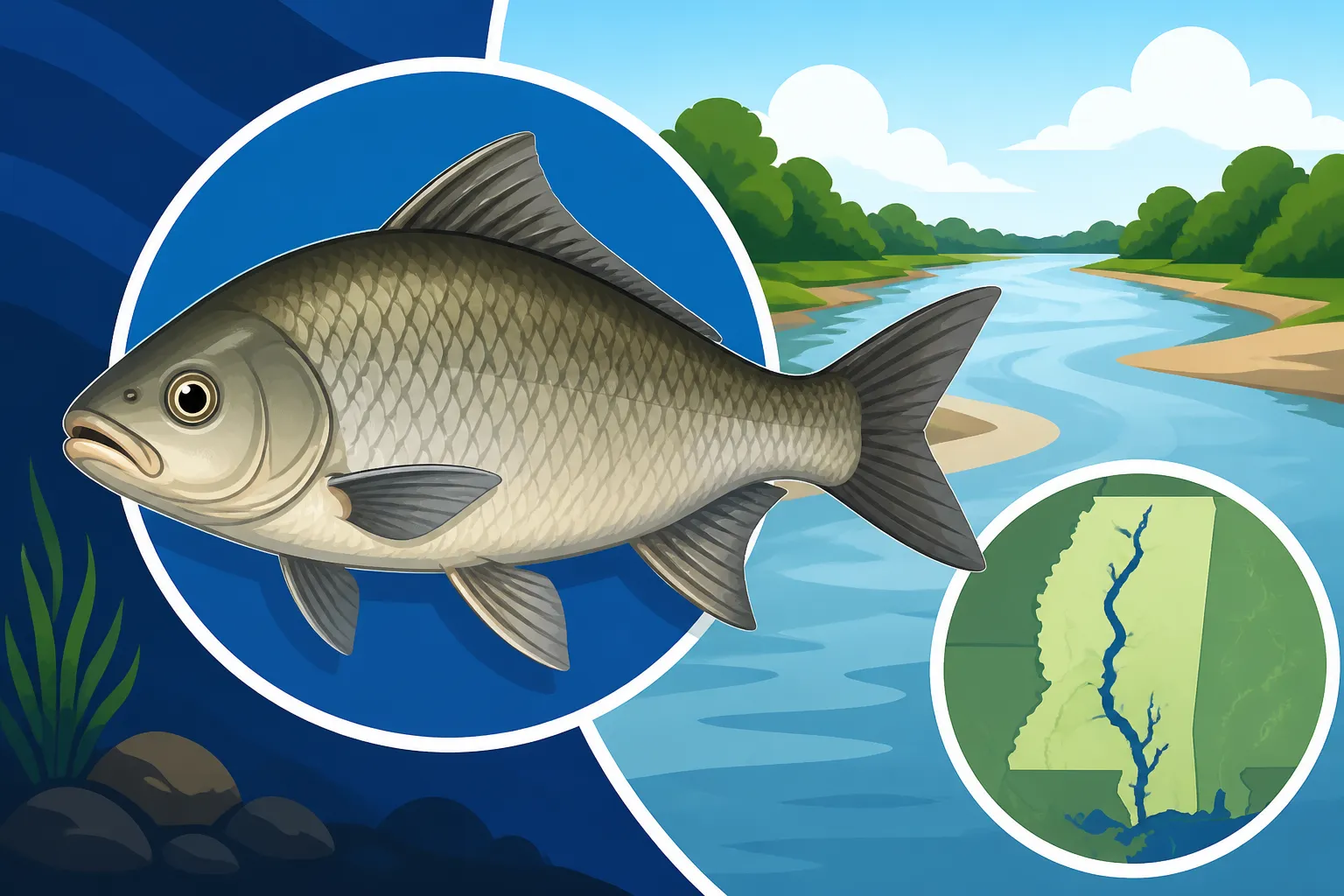
Buffalo fish typically have a deep, compressed body, giving them a somewhat humpbacked appearance, especially near the dorsal fin. They can grow quite large and stocky, often reaching impressive sizes, making them quite a fight on the line. Their dorsal fin is long and sickle-shaped, extending almost halfway down their back, and critically, it does not have the single, hard, serrated spine that you’d find on a common carp. This smooth fin ray is a major identifier. Their tail fin is deeply forked, similar to a carp's, but again, the lack of barbels and the smooth dorsal fin are the tell-tale signs. Their overall robustness makes them formidable swimmers, perfectly adapted to the currents of our rivers and the expansive waters of our large reservoirs.
When you're comparing a buffalo to, say, a freshwater drum, you'll notice the buffalo's more prominent dorsal fin and often a deeper body profile. The large, well-developed fins are a testament to their powerful swimming ability, allowing them to navigate strong currents and scour the bottom for food. This body shape is quite distinct, often making them look like a big, muscular football, especially the larger specimens. They're built for endurance and power, not for quick bursts of speed like a bass, but for sustained movement and efficient feeding in diverse environments.
Mouth Structure and Feeding Habits
Perhaps the most distinctive feature of the three main buffalo species, and a great way to differentiate them from carp, is their mouth. Buffalo fish have a terminal or subterminal mouth, meaning it's either at the very end of their snout or slightly underneath, and it's typically downturned or protractile. They lack the fleshy barbels or "whiskers" around their mouth that are characteristic of common carp. The mouth shape also gives clues about their diet:
- Bigmouth Buffalo: Has a large, wide, upward-facing mouth designed for filter feeding plankton from the water column.
- Smallmouth Buffalo: Features a smaller, downturned mouth, perfect for sucking invertebrates and detritus from the bottom.
- Black Buffalo: Also has a downturned mouth, similar to the Smallmouth, indicating a bottom-feeding diet, often targeting insects and mollusks.
This specialized mouth anatomy is a direct adaptation to their foraging strategies.
Observing the mouth closely is often the quickest way to make a definitive identification. If you see whiskers, it's a carp, plain and simple. If not, and you see that characteristic downturned or upward-facing mouth without the barbels, you're looking at a buffalo. For anglers, this also provides insight into bait choices and fishing techniques. A Bigmouth Buffalo is less likely to bite a traditional bottom bait, as it’s primarily sifting plankton, whereas the Smallmouth and Black Buffalo are prime candidates for baits appealing to bottom feeders.
Coloration and Scale Patterns
Buffalo fish generally have a drab, silvery-bronze to dark olive coloration, often with a darker back that fades to a lighter belly. The scales are large, thick, and well-defined, giving them a tough, armored appearance. You might notice a slight golden or yellowish tint on some individuals, especially around the belly. There are no distinct spots or stripes, though sometimes the scales along the lateral line can appear somewhat lighter or more prominent. The Black Buffalo, as its name suggests, tends to be darker overall, sometimes almost black, particularly on its back and sides. The texture and size of their scales are quite uniform, providing excellent protection against their environment.
While coloration can vary slightly depending on water clarity, diet, and individual fish, the overall pattern is quite consistent across the species. They blend well into their environment, whether it's the murky depths of a river or the slightly clearer waters of a reservoir. These large, uniform scales are another key feature to observe, distinguishing them from other species that might have smaller scales or different patterns. When holding one, you'll feel the strength and resilience of these impressive scales.
Where Do Buffalo Fish Live in Mississippi?
Buffalo fish are widespread throughout Mississippi, inhabiting many of our most popular fishing spots. They are incredibly adaptable and can be found in a variety of freshwater environments, from flowing rivers to vast lakes and reservoirs. Understanding their preferred habitats can significantly increase your chances of finding and catching these robust fish. If you know where to look, you’ll discover that Mississippi’s waters are teeming with them.
Preferred Habitats: Rivers, Lakes, and Reservoirs
Buffalo fish thrive in large river systems, including the mighty Mississippi River and its tributaries, as well as the Pearl River and Pascagoula River systems. They also do exceptionally well in large reservoirs like Ross Barnett Reservoir, Sardis Lake, Grenada Lake, and Enid Lake. These fish prefer areas with slow-moving to moderate currents, often seeking out deeper channels, backwater areas, oxbow lakes, and sections with soft, muddy bottoms rich in detritus and invertebrates. They are quite tolerant of varying water conditions, including moderate turbidity, which is why they do so well in many of our Southern waterways. You'll often find them cruising along river bends, in the deeper pools of creek channels, or congregating in areas where food sources are abundant. For more information on Mississippi’s major waterways, check out our Mississippi River Fishing Guide or Ross Barnett Reservoir Fishing Guide.
They are not typically found in small, clear, fast-flowing streams or very shallow ponds. Their robust size and feeding habits are best suited for larger bodies of water where they can find ample food and space. Think about the calmer sections of the Tennessee-Tombigbee Waterway or the deeper sections of a major state park lake; these are prime buffalo fish territories. Their ability to tolerate various water conditions makes them resilient and widespread, a true testament to their adaptability as a native species.
Spawning Habits and Seasonal Movements
Buffalo fish typically spawn in the spring when water temperatures rise, usually between March and May, though this can vary slightly depending on the specific species and local conditions. They are broadcast spawners, releasing their eggs and milt over submerged vegetation or flooded areas. These eggs then stick to the plants and eventually hatch. During the pre-spawn and spawning periods, buffalo fish often move into shallower, warmer waters, sometimes even into flooded fields or backwater areas, making them more accessible to anglers. After spawning, they generally disperse back into deeper waters or their preferred feeding grounds for the summer months. Like many fish, their activity patterns can be influenced by water temperature, making spring and fall key times for targeting them.
Understanding these seasonal movements is crucial for successful buffalo fishing. In early spring, look for them in shallower flats or areas with heavy vegetation that might be flooded. As the water warms, they'll often move to slightly deeper humps, ledges, or channel edges where they can still access food while being comfortable. In the colder months of winter, they tend to gather in deeper, more stable thermal refuges, becoming less active but still catchable if you can locate these congregations. Keeping an eye on the Mississippi Fishing Seasons Calendar can help you anticipate these movements.
Finding Buffalo in Your Local Waters
Finding buffalo fish isn't always about complex electronics; sometimes it's about understanding their habits. They are often found in areas with soft bottoms, near submerged timber, brush piles, or ledges where they can root around for food. If you're fishing a river, target slack water areas downstream of sandbars or deep holes near bends. In reservoirs, look for creek channel edges, humps, and points, especially those with some sort of cover or structure. Sometimes, simply observing the water for subtle signs of feeding, like mud trails or subtle boils, can indicate their presence. They often feed in schools, so where you find one, there are likely more.
Many local bait shops can also offer valuable, up-to-date information on where buffalo have been biting in nearby lakes and rivers. They hear the reports from local anglers every day. If you're on a large body of water, a fish finder can certainly help identify their large schools, often appearing as dense clouds just above the bottom or suspended in the water column if they are Bigmouth Buffalo. Pay attention to areas where you also find catfish, as these species often share similar habitats and food sources.
Fishing for Buffalo Fish in Mississippi
Catching buffalo fish can be incredibly rewarding. They put up a fantastic fight, and due to their size, they can be a real challenge to bring in. While they might not be the most glamorous species for some anglers, those who target them know the thrill of landing a large buffalo. Plus, they can provide a unique and enjoyable culinary experience. Let's look at how to hook into these impressive fish.
Best Baits and Rigging for Buffalo
When it comes to bait, buffalo fish are often less picky than some other species, but they do have preferences. Their diet of plankton, invertebrates, and detritus means they respond well to dough baits, corn, and various natural bottom baits. Many anglers swear by homemade "stink baits" or commercial carp baits, often enriched with ingredients like cheese, oatmeal, or even Kool-Aid to attract them. Sweet corn, either canned or even slightly fermented, is a consistently effective bait. For the Bigmouth Buffalo, while harder to target with traditional hook and line methods due to their filter-feeding nature, they can sometimes be caught on very small hooks with small doughballs or even flies. You'll want a sturdy hook and line to handle their size and power. A strong monofilament or braided line, in the 15-30 pound test range, is usually sufficient.
For rigging, a simple bottom rig with a weight on the end and one or two hooks on short leaders (often called a "Carolina rig" or a "fish-finder rig" for catfish, which works well for buffalo too) is highly effective. You want your bait to be right on the bottom where they are feeding. Use circle hooks if possible, as they are gentler on the fish if you plan to release them and are excellent for ensuring a solid hookup once the fish takes the bait. Many anglers also find success with trotlines or jug fishing setups, especially for larger specimens in river systems. When selecting hooks, consider a size 4 to 1/0, depending on the bait and the expected size of the fish. You can find a wide range of suitable tackle, from hooks to pre-made rigs, on sites like Amazon, making it easy to stock up.
Techniques for Different Water Bodies
Fishing techniques for buffalo fish can vary slightly depending on whether you’re in a slow-moving river or a vast reservoir.
- Rivers: In river systems, focus on slower currents, eddies, and deeper holes behind sandbars or log jams. Anchoring upstream and letting your bait drift into these areas can be effective. You might also try setting up multiple rods along a stretch of bank, each with a different bait or at a different depth, to see what they prefer that day. Jug fishing and trotlines are popular here, allowing baits to be presented over a wider area. These methods are particularly effective for targeting the larger, more elusive buffalo that often inhabit river channels.
- Lakes and Reservoirs: On larger lakes and reservoirs, target humps, ledges, creek channels, and areas with submerged cover. Fan-casting your baits across a promising area and waiting for a bite can be productive. Sometimes, a boat allows you to get into prime offshore spots that bank anglers can't reach. If you see signs of fish activity on your depth finder, such as large schools near the bottom, it's a good place to set up. Fishing around brush piles or timber that might hold baitfish and invertebrates can also yield results. Remember, buffalo are often schooling fish, so patience in a good spot can pay off with multiple catches.
| Water Body Type | Preferred Areas | Recommended Bait | Rigging Style |
|---|---|---|---|
| Rivers | Slow eddies, deep holes, log jams | Dough bait, corn, stink bait | Bottom rig, trotline, jug line |
| Lakes/Reservoirs | Humps, ledges, creek channels, cover | Dough bait, corn, worms | Carolina rig, slip sinker |
Regulations and Limits for Buffalo Fish
Before you head out, always make sure you're up-to-date on the latest Mississippi fishing regulations, including any specific rules that might apply to buffalo fish. While buffalo are generally considered a "non-game" fish by many states, Mississippi often includes them under general statewide creel limits or specific regulations for rough fish. It's crucial to consult the Mississippi Department of Wildlife, Fisheries, and Parks (MDWFP) official guide or website for the most current information. Typically, you'll need a valid Mississippi Fishing License Guide to fish for them, just like any other species. Pay close attention to any length or creel limits that may apply to non-game fish, though buffalo fish are often managed differently than game species like bass or crappie. You can find comprehensive details in the Mississippi Fishing Regulations Explained and Mississippi Statewide Creel Limits articles.
Always remember that responsible angling includes adhering to all regulations. These rules are in place to ensure healthy fish populations for future generations of anglers. While buffalo fish are abundant, respecting limits and knowing the rules is part of being a good steward of our natural resources. Even if you're planning to catch and release, understanding the regulations is a non-negotiable part of your fishing trip.
The Ecological Role and Culinary Value of Buffalo Fish
Buffalo fish are more than just a challenging catch; they play a significant role in our aquatic environments and can be a delicious addition to the dinner table. Far from being a nuisance, they are an integral part of Mississippi's freshwater ecosystems. Let's delve into their importance and what they offer beyond the fight.
Impact on Mississippi's Aquatic Ecosystems
As native species, buffalo fish are incredibly important to the health of Mississippi's rivers and lakes. The Bigmouth Buffalo, being a filter feeder, helps to control plankton populations, which can in turn influence water clarity and reduce the likelihood of algal blooms. The Smallmouth and Black Buffalo, as bottom feeders, help to cycle nutrients by consuming detritus and invertebrates, preventing the buildup of organic matter on the lake and river beds. They are also a food source for larger predatory fish, birds, and even alligators in some areas, contributing to the natural food web. Their presence is generally a sign of a healthy, balanced ecosystem.
Without native species like the buffalo fish, our aquatic environments would struggle to maintain their natural equilibrium. They fill an ecological niche that helps maintain biodiversity and ecosystem function. Their resilience and adaptability allow them to thrive in various conditions, making them a cornerstone of many freshwater habitats across the state. Understanding their ecological contributions further highlights why distinguishing them from invasive carp is so vital for conservation efforts.
Buffalo Fish on the Dinner Plate
If you've never tried eating buffalo fish, you might be missing out! Despite sometimes being grouped with "rough fish," many anglers and culinary enthusiasts consider buffalo fish to be excellent table fare. The meat is firm, white, and flaky, with a mild, sweet flavor that's often compared to snapper or even mild chicken. It's particularly good fried, baked, or smoked. Like any fish, proper handling and cleaning are key to maximizing its flavor. Many people find them a bit bony, but with good filleting techniques, the bones are easily managed. Don't let their reputation as a "rough fish" deter you; properly prepared, a fresh buffalo fish can be a true delight. We cover this in more detail in our dedicated piece, Is Buffalo Fish Good to Eat?.
One popular method of preparation in the South is to score the fillets before frying. This helps the heat penetrate the smaller bones, rendering them edible, or at least softer, making for a much more enjoyable eating experience. Their size also means you can get substantial fillets, perfect for a family meal or a fish fry with friends. It’s a sustainable and readily available protein source right from our local waters, offering a unique taste of Mississippi.
Conservation Status and Future Outlook
While buffalo fish are generally abundant in Mississippi, they do face challenges, primarily habitat degradation and competition with invasive species like common carp. Efforts by agencies like the MDWFP aim to monitor fish populations and manage habitats to ensure the continued health of native species. Understanding the difference between buffalo and carp is crucial here, as misidentification can sometimes lead to misguided management strategies. Anglers can contribute to conservation by practicing selective harvest and releasing larger, breeding-size fish, especially if populations appear to be declining in certain areas. Advocating for habitat protection and invasive species control is also important for their future.
The future of buffalo fish in Mississippi largely depends on ongoing conservation efforts and informed angler practices. By recognizing their value, both ecologically and culinarily, and understanding their unique characteristics, we can help ensure that these magnificent native fish continue to thrive in our waters for generations to come. They are a testament to the rich biodiversity of Mississippi's freshwater fisheries, and a rewarding species for any angler willing to seek them out.
Disclaimer
This article is for general informational purposes only and does not constitute professional advice. Laws, prices and regulations vary by location and change over time. Consult a qualified professional for guidance on your specific situation.