Bowfin (Grinnel) Fishing Tips
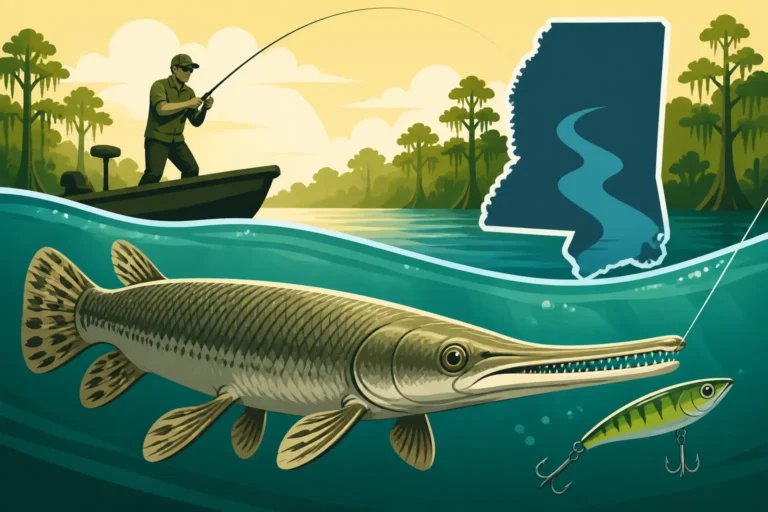
Many anglers across Mississippi find themselves frustrated by strong, aggressive fish that seem to strike everything but what they're really targeting, often tearing up tackle in the process. More often than not, this powerful, prehistoric-looking creature is a bowfin, affectionately known as a "grinnel" to many locals. While some see them as a nuisance, others cherish them for their incredible fighting ability and unique appeal. This guide will dive deep into everything you need to know to not just tolerate, but successfully target and enjoy fishing for bowfin in the Magnolia State.
Understanding the Bowfin: Mississippi's Ancient Predator
The bowfin is truly a marvel, a living fossil that has adapted and thrived in Mississippi's waters for millions of years. They're often misunderstood, sometimes mistaken for a snakehead or even an alligator gar, but once you learn to identify them, you'll appreciate their distinct characteristics. These fish are tenacious fighters, known for their powerful runs and violent headshakes that can quickly turn a calm fishing trip into an adrenaline-pumping battle.
Identifying Bowfin (Grinnel)
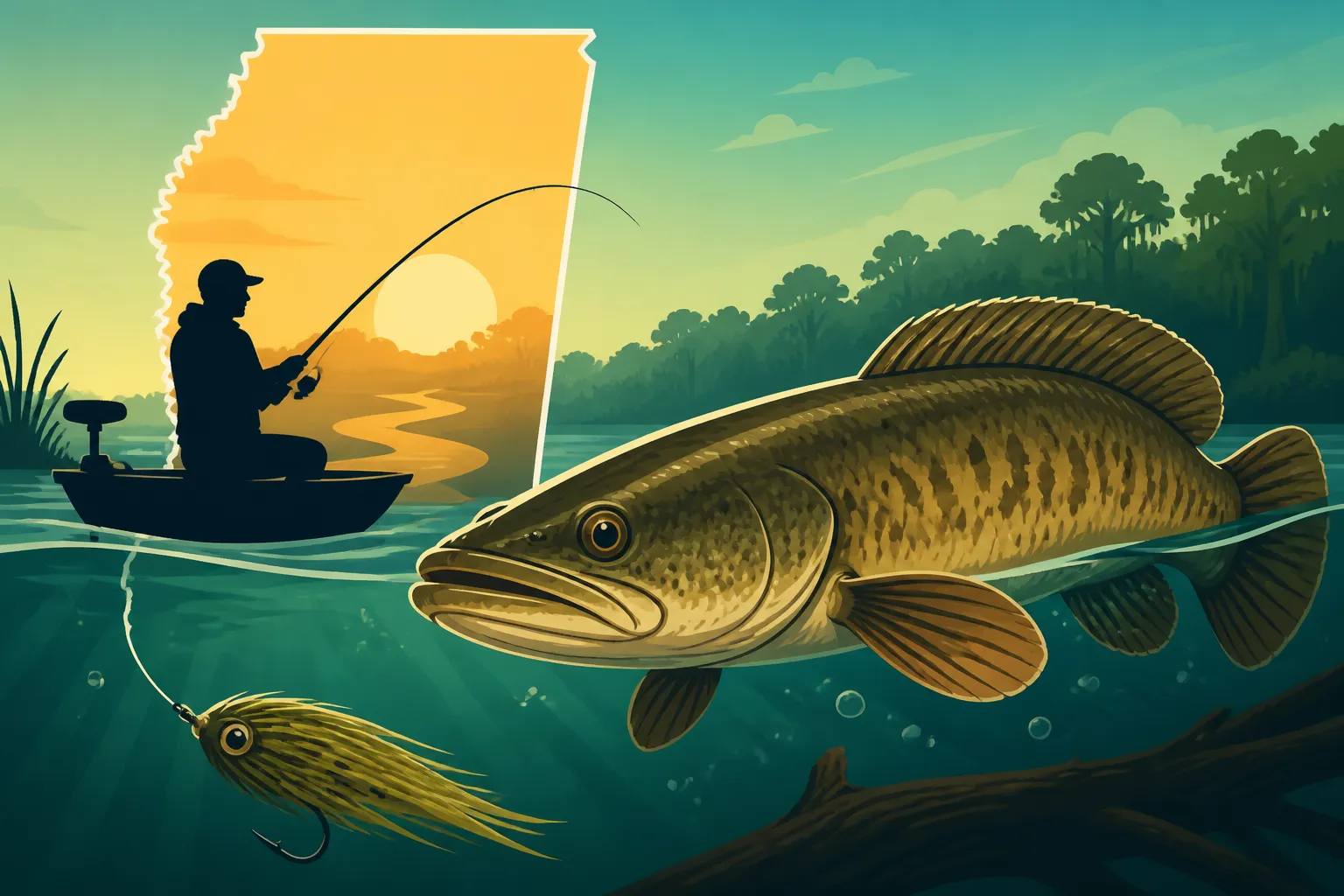
Recognizing a bowfin is key, especially since they can sometimes be confused with other species, particularly the various gar species or even some types of catfish by novice anglers. The bowfin has a long, cylindrical body, a distinctively flat head, and a large mouth full of sharp, conical teeth. What truly sets them apart, however, is their incredibly long dorsal fin, which runs almost the entire length of their back. This fin undulates continuously as they swim, giving them a serpentine movement. They typically have a dark, mottled olive-green to brown coloration on their back and sides, fading to a lighter belly. Males often display a prominent black spot, sometimes ringed with orange or yellow, at the base of their tail fin. This spot is generally less pronounced or absent in females.
Another unique feature is their gular plate, a bony plate located under their lower jaw. This, combined with their ability to breathe air using a primitive lung-like swim bladder, allows them to survive in oxygen-depleted waters where other fish would perish. When you hook one, you'll quickly notice their muscular body and a powerful tail that allows them to make explosive runs and put up a formidable fight, often surprising anglers who weren't expecting such a strong adversary. Understanding these identifying features is your first step in appreciating this unique fish, which is a staple of Mississippi Freshwater Fish Species Guide.
Typical Habitats and Behaviors
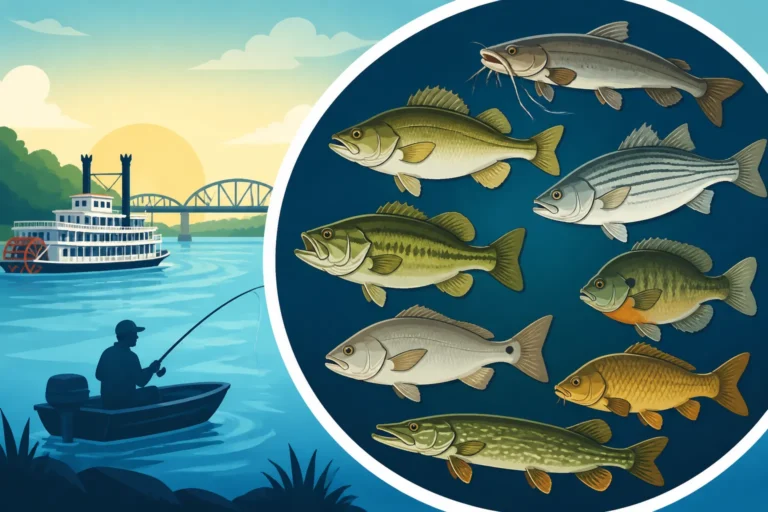
Bowfin are incredibly resilient and adaptable, thriving in a variety of freshwater environments across Mississippi. They prefer slow-moving or stagnant waters, making them common residents of oxbow lakes, backwater sloughs, swampy areas, and the sluggish parts of rivers like the Pearl River Fishing Guide and the mighty Mississippi River Fishing Guide. They are particularly fond of dense vegetation, submerged timber, lily pads, and brush piles, as these areas provide both ambush points for prey and protection from predators. These areas also tend to have lower oxygen levels, which, as mentioned, bowfin can tolerate better than most other fish.
Their behavior is characteristic of an ambush predator. They often lie in wait, perfectly camouflaged within the cover, before launching a lightning-fast attack on unsuspecting prey. They are most active during dawn and dusk, but their opportunistic nature means they will strike throughout the day, especially if a tempting meal presents itself. During the hotter months, when water temperatures rise and oxygen levels drop, you might see them gulping air at the surface, a clear sign of their presence and adaptability. Knowing these preferred habitats and behaviors will significantly increase your chances of finding and hooking into these hard-fighting fish.
Essential Gear for Taming a Grinnel
Tackling a bowfin requires gear that can withstand their brute strength, sharp teeth, and violent headshakes. This isn't a finesse game; it's about power and durability. Many anglers who are used to targeting crappie or even smaller bass often find their lighter tackle overwhelmed by a determined grinnel. Investing in the right setup will not only help you land more fish but also protect your equipment from damage.
Rod, Reel, and Line Selection
For targeting bowfin, you'll want a medium-heavy to heavy action rod, typically in the 6.5 to 7.5-foot range. A fast tip is helpful for casting accurately into cover and detecting subtle bites, while the robust backbone is crucial for muscling a strong fish out of heavy vegetation. Fiberglass or composite rods often offer the durability needed without breaking the bank. For a reel, a sturdy baitcasting reel or a heavy-duty spinning reel in the 3000-5000 series is ideal. The most important features here are a strong drag system that can handle powerful runs and a reliable retrieve. Many anglers find good, affordable options for these components on platforms like Amazon, making it easy to get suitable gear delivered right to their door.
When it comes to fishing line, braided line is almost a necessity. Its lack of stretch provides excellent sensitivity, allowing you to feel every bump and bite, and its incredible strength and abrasion resistance are invaluable when fishing around sharp cover and dealing with the bowfin's rough mouth. Opt for braided line in the 30 to 50-pound test range. Fluorocarbon leaders, while offering good abrasion resistance, can still be cut by a bowfin's teeth. Some anglers even use steel leaders, which we'll discuss in the next section, for ultimate tooth-proof protection. For a more comprehensive look at setting up your tackle, check out Choosing the Right Rod and Reel for Mississippi Fishing.
Hooks, Leaders, and Terminal Tackle
Given their strong jaws and sharp teeth, selecting the right hooks and leaders is paramount to successfully landing bowfin and minimizing lost fish. Heavy-duty, extra-strong hooks are a must. Wide gap or extra-wide gap hooks in sizes 2/0 to 5/0 are excellent choices, especially when fishing with chunk baits or larger soft plastics. Circle hooks can also be very effective, often resulting in solid jaw hookups, which makes for easier release and less damage to the fish. Ensure the hooks are chemically sharpened for better penetration.
As for leaders, this is where many anglers either succeed or fail. Standard fluorocarbon or monofilament leaders, even heavy ones, are often no match for a bowfin's teeth. A short, heavy fluorocarbon leader (50-80 lb test) might work in some situations, but a steel or titanium leader, or even heavy-duty braided wire, offers the best protection against bite-offs. These leaders can be purchased pre-made or constructed with crimps and swivels. While some prefer a 6-12 inch wire leader, others find that even a few inches of wire attached directly to the hook can prevent break-offs. If using weights, slip sinkers or egg sinkers are good choices for getting your bait down, but keep your terminal tackle as streamlined as possible to avoid snags in the dense cover these fish inhabit.
Proven Baits and Lures for Bowfin
Bowfin are opportunistic predators with a voracious appetite. They aren't particularly picky, which is good news for anglers! Both natural baits and artificial lures can be highly effective, the key is often presenting them in their strike zone and provoking their aggressive instincts.
Live and Cut Baits That Entice
When it comes to natural baits, bowfin are incredibly attracted to anything that looks or smells like an injured or easy meal. Live bait is often irresistible. Large shiners, goldfish, small bream, or even sturdy creek chubs fished under a bobber or on the bottom are prime choices. The erratic movement of a live baitfish struggling on the hook is often enough to trigger an aggressive strike. Just remember to check Mississippi Fishing Regulations Explained regarding the use of live bait, especially game fish, as bait.
Cut bait, especially oily fish like shad, skipjack, or even pieces of common carp or buffalo, can also be incredibly effective. The scent trail they release in the water acts as a powerful attractant, drawing bowfin from their hidden lairs. Chicken livers, often a go-to for catfish, are also a surprisingly good option for bowfin, especially when fished near the bottom in muddy or stained water. Don't be afraid to experiment with different sizes of cut bait – sometimes a larger chunk is what it takes to get the attention of a trophy-sized grinnel. This approach shares similarities with Best Bait for Catfish in Mississippi, as both species are often found in similar waters and attracted to pungent offerings.
Artificial Lures That Provoke Strikes
While live and cut baits are hard to beat, artificial lures can also be highly successful for targeting bowfin, especially when you want to cover more water or prefer a more active style of fishing. Lures that create a lot of commotion, flash, or mimic injured prey are particularly effective. Spinnerbaits with large thumping blades, chatterbaits, and swim jigs fished through lily pads and submerged grass are excellent choices. The vibration and flash mimic a struggling baitfish, often provoking a territorial or predatory strike.
Topwater lures like buzzbaits, frogs, and large prop baits can provide some of the most exciting bowfin strikes you'll ever experience. Fishing these over dense weed mats or close to heavy cover can result in explosive blow-ups as the bowfin ambushes them from below. For deeper water or around submerged timber, lipless crankbaits, heavy jig-and-trailer combinations, or even large soft plastic worms (Texas-rigged to be weedless) can entice bites. Don't shy away from bright, contrasting colors, especially in stained water, as bowfin rely heavily on their lateral line to detect vibrations and their keen eyesight to target prey. Many of these effective lures can be easily found and purchased through retailers like Amazon, offering a wide selection for various fishing conditions.
Effective Techniques for Landing Bowfin
Bowfin fishing isn't just about what you use, but how you use it. Their aggressive nature means they'll often hit baits hard, but their powerful jaws and ability to wrap around cover make landing them a challenge. Different techniques suit different fishing styles and environments.
Active Fishing Methods
Active fishing for bowfin involves casting and retrieving lures or working baits to cover water and seek out fish. This is a great way to target them, especially in areas with scattered cover or along weed lines. When using spinnerbaits, chatterbaits, or swim jigs, focus on slow to medium retrieves, allowing the lure to bump and grind through vegetation or along submerged structure. Pauses can often trigger a strike as the lure appears to be an easy target. Fan casting to cover a wide area, especially around points, bends in creeks, or any transition zones in vegetation, is a good strategy.
For topwater lures, work them slowly and deliberately over heavy cover. A "walk-the-dog" retrieve with a frog lure across a lily pad field, or a steady retrieve with a buzzbait creating a noisy disturbance, can call in bowfin from surprising distances. When you feel a strike, resist the urge to set the hook too quickly. Allow the fish to take the bait firmly, then set the hook with a strong, sweeping motion. Because of their hard mouths, a solid hookset is crucial. Once hooked, keep steady pressure on the fish and try to steer it away from heavy cover to prevent it from tangling your line or burying itself.
Passive Fishing Strategies
Passive fishing methods are highly effective for bowfin, especially when you've located a high-percentage area and want to let the bait do the work. Still fishing with live or cut bait under a bobber is a classic approach. Rig your bait a few feet under a sturdy bobber, allowing it to suspend naturally in the water column or just off the bottom. Cast it near dense cover, submerged logs, or weed beds, and wait for the bobber to disappear. This method works exceptionally well in stagnant oxbows or quiet backwater areas.
Another popular passive method, especially for those targeting larger numbers of fish or fishing overnight, involves using trotlines or jug lines. These methods allow you to set multiple baited hooks and cover a wider area. When setting up these lines for bowfin, be sure to use strong line, heavy-duty hooks, and wire leaders to prevent break-offs. They are incredibly strong and can easily snap lighter lines or chew through monofilament. Remember to adhere to all Mississippi Fishing Regulations Explained and Mississippi Fishing Rules for Multiple Rods when employing these techniques. For detailed instructions, refer to Trotline and Jug Fishing Setup. These methods are often very productive and can yield impressive catches of bowfin.
Bowfin Fishing Strategies for Different Mississippi Waters
Mississippi's diverse waterways offer a myriad of environments where bowfin thrive. Understanding how to approach different types of water bodies will significantly improve your success rate. From vast river systems to secluded ponds, bowfin adapt, and so should your strategy.
Targeting Bowfin in Rivers and Large Lakes
When you're fishing larger bodies of water like the Mississippi River, the Pearl River, or major reservoirs, bowfin tend to concentrate in specific areas. Look for slow-moving oxbows, backwater channels, and cuts off the main flow where current is minimal. These areas often feature extensive beds of hydrilla, coontail, or lily pads, which are prime bowfin territory. They'll also hold to submerged timber, laydowns, and brush piles along the banks. In these larger systems, a boat or kayak can be a huge advantage for accessing these hidden pockets.
When fishing rivers, pay close attention to eddies, slack water behind sandbars or islands, and the mouths of feeder creeks. These spots often hold concentrations of baitfish, which in turn attract bowfin. Heavy-duty spinning or baitcasting setups with braided line are essential here, as you'll often need to make long casts and extract fish from heavy cover quickly. Consider using robust artificial lures like large spinnerbaits or chatterbaits to cover water, or drift live baits like shiners or cut shad through promising areas. Remember that river systems can have stronger currents and more varied bottom structures, so be prepared to adjust your tactics accordingly.
Ponds, Oxbows, and Backwater Sloughs
Smaller, more isolated water bodies like farm ponds, stagnant oxbows, and backwater sloughs are often absolute goldmines for bowfin. These areas typically have less fishing pressure and ideal conditions for bowfin: plenty of shallow, murky water, abundant aquatic vegetation, and often lower oxygen levels that deter other predators. Bank fishing can be highly effective in these spots, as you can often reach prime bowfin habitat with short casts.
Focus your efforts on the thickest cover you can find – dense lily pads, emergent grass, fallen trees, or brush. A weedless presentation is key here. Texas-rigged soft plastics, weedless jigs, or frog lures walked across the top of mats are perfect choices. Live bait fished under a slip bobber set just above the weed line can also be deadly. In these confined spaces, the fight from a bowfin can be even more intense, as they have immediate access to snags. Be ready to muscle them out quickly, and consider heavier line to withstand their powerful surges. These smaller waters are fantastic places to experience the raw power of a grinnel firsthand, making for some unforgettable battles.
The Thrill and Challenge of Bowfin Fishing
For those who understand and appreciate them, bowfin offer an exhilarating fishing experience. They may not be considered a prized table fish by many, and some anglers even view them as a pest, but their fighting prowess is undeniable and a source of great sport.
The Fight of a Lifetime
Hooking into a bowfin is an experience that quickly separates the casual angler from those who truly enjoy a challenge. From the moment they strike, which is often a violent, jarring hit, they immediately unleash an incredible display of strength and athleticism. Bowfin are known for their powerful, sustained runs, often peeling line off your reel with impressive speed. But that's just the beginning. They are also famous for their aggressive headshakes, a furious thrashing motion that can throw hooks and put immense stress on your tackle.
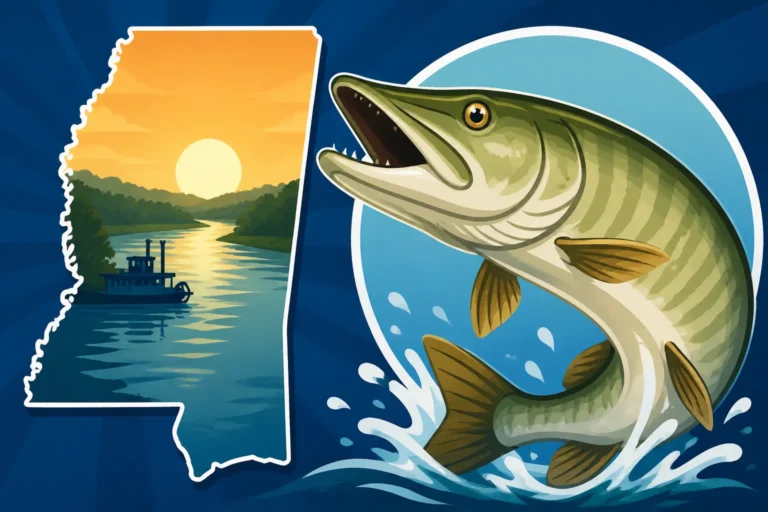
Many anglers compare their fight to that of a small tarpon or even a musky, especially for larger specimens. They'll often roll, twist, and sometimes even jump out of the water in an attempt to dislodge the hook. It's not uncommon for a decent-sized bowfin to leave your arms aching and your heart pounding, earning them a reputation as one of freshwater's toughest fighters. For a fish often overlooked, they deliver a truly memorable battle that many dedicated anglers seek out specifically. They provide a unique thrill that can be hard to match.
Handling and Releasing Bowfin Safely
Once you've managed to subdue a bowfin and bring it boatside or to the bank, careful handling is essential for both your safety and the fish's well-being. Their mouths are full of sharp teeth, and their strong bodies can twist unexpectedly, so avoid putting your bare hands near their jaws. A sturdy pair of fish-gripping pliers or a lip gripper is invaluable for securing the fish. You can then use the gripper to hold the fish steady while you remove the hook.
Use needle-nose pliers or a hook remover to extract the hook, being mindful of their teeth. If the hook is deeply set, consider cutting the line as close to the hook as possible to minimize stress on the fish. Bowfin are incredibly hardy, so their survival rate after release is generally very high, provided they are handled with care. If you plan to release them, do so quickly and gently, allowing them to swim off under their own power. Remember, they're an important part of Mississippi's aquatic ecosystem, and practicing responsible catch and release helps ensure these ancient warriors continue to thrive for future generations of anglers. While often misunderstood, respecting these powerful fish is part of the angling experience, and understanding What Fish Have No Size Limit in Mississippi? can provide further context for their conservation. Finally, for those curious about the culinary aspects, we address Is Bowfin Good to Eat? in another article.
Disclaimer
This article is for general informational purposes only and does not constitute professional advice. Laws, prices and regulations vary by location and change over time. Consult a qualified professional for guidance on your specific situation.