Cobia Fishing on the Mississippi Coast
Alright, fellow anglers, let's talk cobia! There's nothing quite like the thrill of spotting one of these powerful, brown bombers cruising just under the surface of the Mississippi Coast's emerald waters, but actually catching one? That takes some know-how. Many folks struggle to consistently locate and hook cobia, often missing out on prime opportunities due to unfamiliarity with their habits or the right gear. This guide is going to dive deep into everything you need to know about chasing cobia along our beautiful Gulf Coast, from understanding their behavior to mastering the techniques that put them in the boat.
Understanding Cobia on the Mississippi Coast
When you're out on the water, whether you're a seasoned pro or just starting, knowing your target species is half the battle. Cobia, often called ling, lemonfish, or even crab-eaters, are truly unique fish that offer an incredible fight and delicious table fare. They're strong, fast, and smart, which makes them a prize catch for many Mississippi anglers.
Cobia Characteristics and Identification
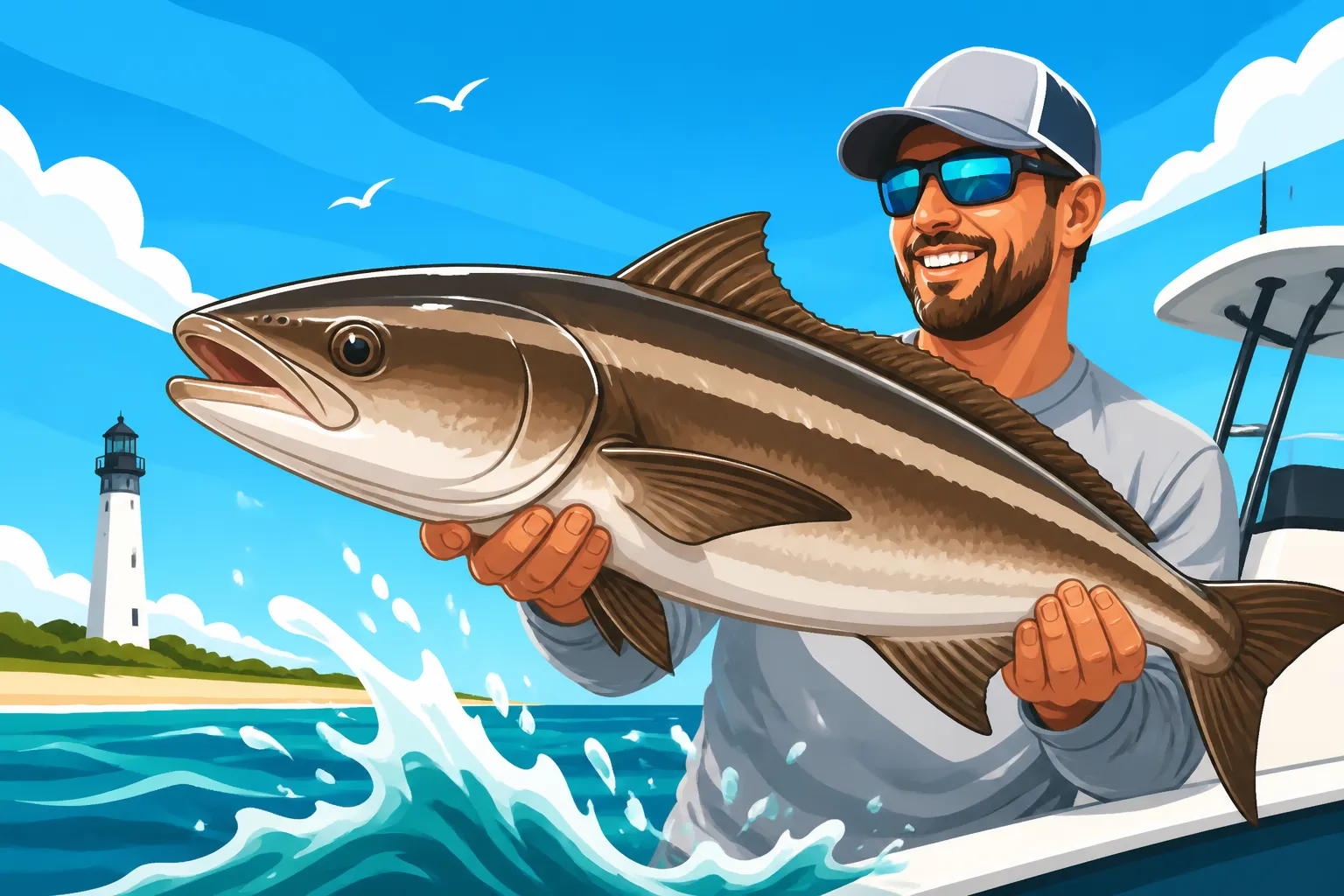
Picture this: you're cruising near a buoy or a weed line, and suddenly, a long, torpedo-shaped fish with a distinctive broad, flattened head appears. That's likely a cobia! They're often described as looking a bit like a shark crossed with a catfish, but they're in a family all their own. Their bodies are typically dark brown or grey on top, fading to a lighter, silvery white on their belly. What really stands out are the two distinct dorsal fins: a short, spiny dorsal fin followed by a much longer, soft-rayed dorsal fin that runs almost the entire length of their back. Young cobia might have a noticeable horizontal stripe, which usually fades as they mature.
They can grow to impressive sizes, with some giants exceeding 100 pounds, though most caught on the Mississippi Coast will be in the 20-50 pound range. Their powerful tails are built for speed, allowing them to ambush prey or make blistering runs once hooked. They also have a large, horizontal mouth, perfect for gulping down crabs, their favorite snack, as well as baitfish and squid. Understanding these physical traits helps you identify them quickly when you see them and gives you clues about their feeding habits.
Their Habitat and Behavior in Mississippi Waters
Cobia are highly migratory fish, and their presence along the Mississippi Coast is often dictated by water temperature and food availability. As the waters warm up in spring and stay warm through the summer and into fall, these fish push closer to shore and become a prime target for anglers. You'll find them in a variety of coastal habitats, always on the lookout for their next meal.
They're notorious for associating with structure. Think about any kind of floating debris – crab trap buoys, channel markers, navigational aids, weed lines, or even large pieces of floating timber. These structures offer shade and attract baitfish, creating a perfect ambush point for a hungry cobia. They also frequent artificial reefs, wrecks, and even sandbars or grass flats where they can spot prey from above. Their behavior is often characterized by a curious, inquisitive nature, which is part of what makes sight fishing for them so exciting. They might cruise slowly near a structure, just waiting for the right moment, or they might dart in quickly to investigate something new. Knowing When Cobia Migrate Past the Mississippi Coast is key to intercepting these wanderers.
Best Seasons and Times for Cobia Fishing
Timing is everything when it comes to cobia fishing. These fish are here for a good time, not a long time, and knowing when to hit the water can drastically improve your chances of success.
Prime Seasons for Targeting Cobia
The Mississippi Coast truly lights up for cobia fishing during the warmer months, typically from late spring through early fall. As water temperatures rise into the upper 60s and 70s, cobia begin their northern migration into our Gulf waters.
Spring (April to May): This is often considered the kickoff to cobia season. The fish are making their way north, and they're usually hungry after their migration. You might find them in shallower, nearshore waters during this time, often cruising along beaches, around inlets, and near major channel markers. It's a fantastic time for sight fishing as the water can be clearer, and the fish are often more cooperative.
Summer (June to August): This is peak season! Cobia are abundant, and they're spread out across a wider range of habitats, from nearshore structures to offshore wrecks and reefs. The challenge in summer can be the heat and the sheer amount of other activity on the water, but the fish are definitely here. Cobia Fishing on the Mississippi Coast offers some fantastic opportunities during these months, though you might need to adjust your tactics to deal with warmer water and more boat traffic.
Fall (September to October): As the water starts to cool ever so slightly, cobia begin their southern migration. This can be another excellent time to catch them, especially the larger, fatter fish that are fueling up for their journey. They might be found deeper or further offshore during this period, but you can still have incredible days sight fishing around familiar structures. Once the water gets too cold, usually late fall or early winter, they'll move out of our immediate area. Keep an eye on the Mississippi Fishing Season Dates and Limits for any species-specific nuances.
Daily Timing and Tidal Influences
While cobia can be caught throughout the day, certain times often prove more productive. Early mornings and late afternoons, when the sun isn't directly overhead and the glare is reduced, can be fantastic for sight fishing. The lower light conditions can also make the fish feel a bit bolder, and baitfish might be more active. Midday, especially during the scorching summer, can be tougher, but if you're targeting deeper structures, it's still worth a shot.
Tidal movement is another critical factor, particularly for inshore and nearshore cobia. Stronger tidal currents, especially around inlets, passes, and coastal structures, often concentrate baitfish, which in turn attracts hungry cobia. A moving tide provides a natural buffet line for predatory fish. Look for the last two hours of an incoming tide and the first two hours of an outgoing tide to be particularly productive. Slack tide, when the water isn't moving much, can sometimes be slower, but cobia are opportunists, so don't rule it out entirely if you spot one. Understanding the local tide charts and how they impact specific areas will give you a significant advantage.
Essential Gear and Tackle for Cobia Anglers
Cobia are not subtle fish; they hit hard and fight dirty. Having the right gear isn't just a suggestion, it's a necessity. Skimping on tackle will almost certainly lead to heartbreak and lost fish.
Rods, Reels, and Line Selection
For cobia, you want gear that can handle serious abuse. We're talking about powerful fish that will try to run under the boat, around structure, and generally do everything they can to break you off.
Rods: A medium-heavy to heavy action rod, typically 7 to 8 feet long, is ideal. The length helps with casting distance when sight fishing and gives you leverage during the fight. For boat fishing, a sturdy conventional rod or a heavy spinning rod will do the trick. You want a rod with enough backbone to turn a big fish but still have a responsive tip for casting. Look for rods rated for 20-50 pound line or even higher.
Reels: Matching your rod with a robust reel is crucial. For spinning setups, a 6000 to 8000 series reel with a smooth, powerful drag system is a good starting point. Brands like Penn, Shimano, or Daiwa offer excellent options. If you prefer conventional gear, a reel like a Penn Fathom or a Shimano Trinidad, in a size suitable for 30-60 pound line, will give you the cranking power and line capacity you need. The drag system is paramount – it needs to be able to apply consistent pressure without seizing up during a long run. You can find many reliable options on Amazon, making it easy to compare specs and read reviews before committing.
Line: Braided line is king for cobia fishing. Its thin diameter, incredible strength, and minimal stretch give you excellent sensitivity and casting distance. Start with 40-60 pound braided line as your main line. The lack of stretch means you'll feel every bump and head shake, and it's less prone to breaking when a cobia wraps you around a buoy. You'll need a monofilament or fluorocarbon leader, typically 50-80 pound test, for abrasion resistance and stealth. Cobia have keen eyesight, so a fluorocarbon leader can make a difference, especially in clear water. Make sure your knots are strong and reliable; a double uni-knot or FG knot is often recommended for connecting braid to leader.
Baits and Lures That Cobia Can't Resist
Cobia are opportunistic feeders, but they definitely have their favorites. Having a variety of options ready will increase your chances.
Live Bait: This is often the undisputed champion for cobia. Crabs are perhaps their absolute favorite food, especially blue crabs. If you can get live blue crabs, you're in business. Other effective live baits include eels, small mullet, pilchards, pinfish, or even large shrimp. Presenting live bait on a sturdy circle hook (4/0 to 7/0) with just enough weight to keep it down, or free-lined if conditions allow, is a deadly tactic. The natural movement of live bait is often irresistible to a hungry cobia.
Artificial Lures: While live bait is often preferred, artificial lures can be incredibly effective, especially when sight fishing or when you need to make quick casts to cruising fish.
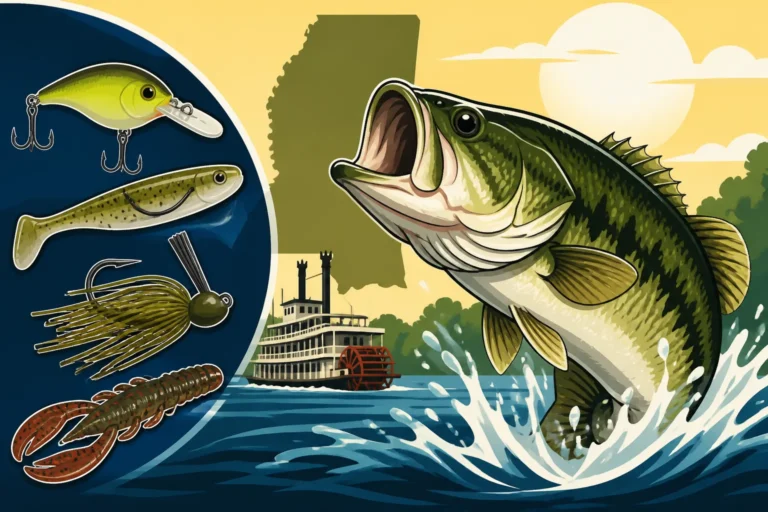
- Jigs: Heavy bucktail jigs (1-3 oz) in white, chartreuse, or natural baitfish colors are classics. Tip them with a large soft plastic curl-tail grub or a piece of Berkley Gulp! for added scent and appeal. Jig them vertically or cast them out and retrieve with a bouncing action.
- Soft Plastics: Large swimbaits or grub tails rigged on heavy jig heads are also excellent. Again, natural colors mimicking local baitfish are a good starting point.
- Hard Baits: Large lipped diving plugs or even topwater poppers can sometimes entice a strike, especially from an aggressive fish. When building your tackle box, consider stocking up on a variety of jigs and soft plastics, many of which are readily available on Amazon with quick delivery. This ensures you're prepared for whatever mood the cobia are in!
Remember, having a good pair of polarized sunglasses is also critical for spotting these fish, especially when they're cruising near the surface. You can find excellent fishing-specific sunglasses on Amazon that cut through the glare, allowing you to see further into the water.
Effective Cobia Fishing Techniques and Strategies
Catching a cobia is often about more than just luck; it's about employing the right techniques for the situation. These fish can be found in various environments, and adapting your approach is key.
Sight Fishing and Casting Techniques
Sight fishing for cobia is arguably the most exciting way to target them. It’s a dynamic, adrenaline-pumping experience that requires a keen eye and quick reflexes. You’ll spend most of your time on the boat, often perched on a casting platform or T-top, scanning the water for dark shapes or shadows. Look for anything floating: buoys, crab traps, weed lines, or even debris. Cobia love to hang around these objects, using them as ambush points or simply for shade.
Once you spot a cobia, the game is on. Approach slowly and quietly, trying not to spook the fish. Cast your bait or lure well ahead of the fish, leading it so that the offering lands softly and naturally in its path. If you cast directly on top of a cobia, you’ll often spook it. A good cast will put the bait a few feet in front, allowing the cobia to see it and decide to investigate. Often, a curious cobia will swim right up to the bait. If it doesn't strike immediately, try to tease it by slowly reeling or jigging the bait. Sometimes, a cobia needs a little convincing. Be ready for a violent strike – they hit with incredible force! This method is particularly effective in clearer, shallower waters or when fishing around distinct structures like markers or offshore platforms.
Trolling and Live Bait Rigs
While sight fishing gets a lot of the glory, trolling can be a highly effective method, especially when cobia are dispersed or you're covering a large area. Trolling typically involves dragging baits or lures behind a slow-moving boat, hoping to intercept a cruising cobia. For cobia, you'll want to troll at a relatively slow speed, generally between 2-5 knots.
Trolling Setups: Use heavy-duty rods and reels capable of handling the drag of larger lures or baits. You can troll large lipped diving plugs, big swimbaits, or even live baits like mullet or eels rigged with wire leaders to prevent cut-offs from sharp teeth or abrasive structures. Often, a planer or downrigger is used to get the baits down to the desired depth, especially if the fish are holding deeper around reefs or wrecks. Having multiple lines out at different depths and distances can help you locate the fish and figure out their preferred presentation for the day. Make sure to check Mississippi Boat Fishing Regulations to ensure your trolling setup complies with all local rules.
Live Bait Soaking: When you find a promising area, like an artificial reef, a wreck, or a concentration of buoys, anchoring up and soaking live bait can be incredibly productive. This involves deploying live baits – usually crabs, eels, or large baitfish – on the bottom or suspended at various depths using slip bobbers. Use a stout Carolina rig for bottom fishing, with a heavy lead sinker to keep your bait in place and a long fluorocarbon leader (3-5 feet) for natural presentation. Keep your rod in a sturdy holder and wait for the tell-tale thumping bite of a cobia. This passive technique is great for covering specific spots and can often yield some of the largest fish, as they tend to be less pressured than those cruising on the surface.
Pier and Nearshore Approaches
Not everyone has a boat, and that's perfectly fine! There are still fantastic opportunities for cobia fishing from piers and other nearshore spots along the Mississippi Coast. While sight fishing might be more challenging without the mobility of a boat, cobia do patrol these areas.
Pier Fishing: Many of the larger fishing piers along the Mississippi Gulf Coast, like those in Biloxi or Bay St. Louis, offer access to waters where cobia can be caught. Anglers often fish live bait, such as live eels or mullet, on Carolina rigs or Pompano rigs from these structures. Casting large bucktail jigs or heavy swimbaits can also draw strikes. The key here is patience and keeping an eye out for any signs of baitfish activity or, better yet, a cobia cruising nearby. Being prepared with strong tackle is essential, as a hooked cobia from a pier will require a lot of muscle to bring in, especially if it tries to run under the pilings. You can often see big cobia swimming near the pilings of a pier, just waiting for an easy meal.
Nearshore Beaches and Jetties: For those who prefer to fish from shore, targeting cobia along the Mississippi beaches or jetties can sometimes pay off, particularly in spring. Cobia will cruise these areas during their migration. Look for areas with current or structure, where baitfish are likely to congregate. Casting large swimbaits, bucktail jigs, or even bottom fishing with cut bait or live shrimp can work. While less common than boat-based fishing, the thrill of catching a cobia from the bank is unmatched. Remember that you'll still need a Mississippi Saltwater Fishing License Guide even if you're fishing from a pier or the bank!
Mississippi Regulations for Cobia Fishing
Fishing ethically and legally is paramount. The Mississippi Department of Marine Resources (MDMR) sets specific rules for recreational fishing, including those for cobia. These regulations are in place to ensure the sustainability of the fishery for future generations. It’s absolutely essential to familiarize yourself with these guidelines before you hit the water. Ignorance of the law is never an excuse, and penalties can range from fines to loss of fishing privileges. For a comprehensive overview, always check the Mississippi Fishing Regulations Explained from official sources.
Size and Creel Limits
Cobia, being a highly sought-after species, often have specific size and creel (bag) limits. These limits can change, so always double-check the most current regulations. Generally, there will be a minimum size limit to ensure that fish have a chance to mature and reproduce before being harvested. For instance, cobia might have a minimum length requirement that means you cannot keep any fish shorter than that length. This is usually measured from the tip of the jaw to the tip of the tail.
In addition to size, there will be a daily creel limit, which dictates the maximum number of cobia you can keep per person, per day. This might also include a vessel limit, meaning the total number of cobia allowed on a single boat, regardless of how many licensed anglers are on board. It's not uncommon for these limits to be relatively low for species like cobia, reflecting their value and the need for conservation. Always be ready with a tape measure or a marked cooler to ensure your catch is legal before you put it on ice. Knowing the current Cobia Size on the Mississippi Coast is not just good practice, it's the law.
Licensing Requirements
Before you even think about casting a line for cobia in Mississippi's saltwater, you need the proper fishing license. This isn't just a formality; the fees from fishing licenses directly support conservation efforts, habitat restoration, and fisheries management, ensuring that healthy fish populations, including cobia, continue to thrive.
Mississippi Saltwater Fishing License: Anyone aged 16 to 65 typically needs a Mississippi Saltwater Fishing License to fish in the marine waters of the state. This includes fishing from a boat, pier, or the shore. There are different types of licenses available, including resident and nonresident options, as well as annual or shorter-term licenses. For visitors, understanding the Mississippi Nonresident Fishing License Guide is crucial.
Exemptions: While most anglers need a license, there are sometimes exemptions. For example, some states offer exemptions for very young or very old anglers, or for those fishing on designated free fishing days. Mississippi Fishing License Exemptions lists who might not need one. However, never assume an exemption; always verify your specific situation with the MDMR. Even if you're on a charter boat, it's vital to know Does a Mississippi Fishing Charter Include the License?. While many charters cover the vessel's license, individual angler licenses might still be required, or it's simply good practice to have your own. For a breakdown of what you might expect to pay, check out Mississippi Fishing License Costs.
Where to Find Cobia on the Mississippi Coast
The Mississippi Gulf Coast offers diverse environments, and knowing where cobia are likely to congregate is half the battle in catching them. They are fish that love structure and current, so thinking about where these elements combine is a good starting point.
Hotspots and Structures
Cobia are magnets for structure. Any deviation from the flat, sandy bottom of the Gulf can hold them. This includes both natural and artificial features.
Artificial Reefs and Wrecks: The Mississippi Department of Marine Resources has an extensive artificial reef program, placing concrete culverts, old barges, and other materials on the seafloor to create habitat. These reefs quickly become thriving ecosystems, attracting baitfish, which in turn attract predators like cobia. Wrecks, whether intentional or accidental, serve the same purpose. When fishing these spots, use your fishfinder to locate the structure and target areas where fish are schooling around it. Dropping live baits or heavy jigs is often the most effective method here.
Navigational Aids and Buoys: These are perhaps the most iconic cobia spots. Any channel marker, aid to navigation, or crab trap buoy from the shallow bayous out into the deeper Gulf waters can hold a cobia. The fish will often hold tight to the shade or current break these objects provide, waiting for an unsuspecting meal to pass by. This is prime territory for sight fishing. Approach these structures slowly and quietly, scanning for the dark shape of a cobia. If you don't see one immediately, make a few casts with a jig or a live bait to see if you can draw one out.
Sardis Lake State Park Fishing Access
Towers and Pilings: Oil and gas platforms, even small, abandoned ones, are massive artificial reefs that hold an incredible amount of marine life. While many are further offshore, some smaller platforms or abandoned pilings closer to the coast can be cobia hotspots. The dense growth on these structures provides excellent cover and food sources.
Tidal Passes and Inlets: Areas where strong currents flow in and out of bays and estuaries, like the passes around barrier islands or the mouth of large rivers, can be excellent cobia spots, especially during migration. The currents concentrate baitfish, making it an easy feeding ground for cobia.
Weed Lines and Floating Debris: One of the most common and exciting ways to find cobia is by looking for weed lines, particularly Sargassum weed, or any large piece of floating debris like logs or pallets. These act as floating ecosystems, providing shelter and food for small fish and invertebrates, which cobia then prey upon. Cruising slowly along these lines, keeping a sharp lookout, can lead to incredible sight fishing opportunities. Many of these prime locations are detailed in a broader Mississippi Gulf Coast Fishing Guide.
Charter Opportunities
If you're new to the Mississippi Coast, or just want to maximize your chances of catching a cobia without the hassle of bringing all your own gear and knowing the local spots, booking a fishing charter is an excellent option. Local captains have years of experience and intimate knowledge of where the fish are biting, what baits they prefer, and how to navigate the local waters.
Specialized Cobia Charters: Many Gulf Coast charters offer trips specifically targeting cobia during their prime season. These captains often have specialized boats and gear for sight fishing, live baiting, and trolling for these powerful fish. They know the current hotspots, whether it's a particular set of buoys, a productive weed line, or a secret reef. A Cobia Charter Trips on the Mississippi Coast can teach you a tremendous amount in a single day, from casting techniques to fish behavior.
Deep Sea Fishing Charters: While not always exclusively targeting cobia, many Deep Sea Fishing Charters in Mississippi will encounter them while heading to or from offshore reefs and wrecks for other species like snapper or amberjack. If you're looking for a multi-species trip with a chance at a cobia, this is a great choice. The captain and crew will handle all the navigation, licensing, bait, and tackle, allowing you to focus purely on the fishing. They also typically provide everything What to Bring on a Mississippi Fishing Charter is good to know, but they’ll often have it covered.
Choosing a reputable charter involves doing a bit of research, reading reviews, and discussing your expectations with the captain beforehand. They can provide insights into current conditions and what fish are most active.
Comparing Cobia Fishing Strategies
To help visualize the different approaches, here's a quick comparison of the common cobia fishing strategies:
| Strategy | Best Scenario | Typical Gear | Pros | Cons |
|---|---|---|---|---|
| Sight Fishing | Clear water, calm days, near surface structure | Heavy spinning gear, jigs, live bait | Highly exciting, targeted, visual | Requires good visibility, patience |
| Trolling | Covering large areas, fish dispersed | Heavy conventional gear, plugs, rigged baits | Covers ground efficiently, consistent | Less interactive, less selective |
| Live Bait Soaking | Around specific structures (reefs, wrecks) | Heavy conventional or spinning, live bait | High chance for large fish, relaxing | Less active, requires anchoring |
| Pier Fishing | Accessible from shore, structure present | Heavy spinning gear, live bait, jigs | No boat needed, convenient access | Limited mobility, can be crowded |
Disclaimer
This article is for general informational purposes only and does not constitute professional advice. Laws, prices and regulations vary by location and change over time. Consult a qualified professional for guidance on your specific situation.