Best Bait to Catch Trophy Bass
There's a special kind of thrill that comes with chasing trophy bass, isn't there? It's not just about catching fish; it's about the hunt for that one monstrous lunker, the kind that makes your heart pound and your reel scream. But let's be honest, those giants are elusive, smart, and don't fall for just any old bait. Many anglers spend countless hours on the water, throwing every lure imaginable, only to come up short. This guide is all about cutting through the noise and focusing on the proven strategies and baits that truly entice those hard-to-catch trophy largemouth bass lurking in Mississippi waters. We're going to dive deep into what it takes to tempt a true beast onto your line.
Understanding the Trophy Bass Mindset: It's Not Just About Size, It's About Behavior
Before we even talk about specific baits, it's crucial to understand what makes a trophy bass tick. These aren't your average 12-inchers. These are the seasoned veterans of the lake, survivors of countless fishing seasons, and they operate on a different set of rules.
The Elusive Nature of Big Bass
Trophy bass, particularly largemouth bass in Mississippi, are often older fish. With age comes wisdom and an acute sense of self-preservation. They've seen it all: every shaky head, every spinnerbait, every topwater plug. They've learned to distinguish between a natural meal and a piece of plastic with hooks. This means they're incredibly cautious, often preferring to strike only when the offering is absolutely irresistible and the energy expenditure is minimal.
Think about it from their perspective: a huge, old bass doesn't need to chase down every little minnow. It conserves energy, waiting for a substantial meal that makes the effort worthwhile. This energy conservation dictates their feeding habits and their willingness to strike. They're also highly territorial, often staking out the best ambush points and defending them fiercely. You'll rarely find a school of truly giant bass; they tend to be solitary predators. This solitary nature means you're often targeting one specific fish, and patience becomes your best friend. Landing one of these giants is less about quantity and more about quality, a testament to understanding their unique behaviors.
Habitat and Forage: Where Big Bass Live and What They Eat
To catch a trophy bass, you first need to find where they live. In Mississippi, these lunkers gravitate towards specific types of habitat where they can ambush prey and feel secure. This often means heavy cover: dense hydrilla beds, submerged timber, thick lily pads, deep brush piles, and rocky outcroppings. Reservoirs like Ross Barnett Reservoir Fishing Guide, Sardis Lake Fishing Guide, or the deeper stretches of the Mississippi River Fishing Guide offer these kinds of prime real estate. Look for areas with quick depth changes, underwater humps, or creek channels that provide easy access to both deep water security and shallow feeding grounds. These are the highways and neighborhoods of giant bass.
What do these giants eat? They're apex predators, and their diet reflects that. They primarily target larger prey species. This includes substantial baitfish like gizzard shad – big ones – as well as various species of bream and bluegill, smaller bass, and even frogs, snakes, and ducklings if the opportunity arises. Understanding their natural forage is key to selecting the right bait. If they're primarily eating big shad, a large swimbait mimicking that profile will be far more effective than a tiny grub. Conversely, if they're holding tight to cover, ambushing bluegill, a jig that imitates a crawfish or a panfish could be the ticket. Knowing what's on their menu in a particular body of water gives you a significant advantage. Remember, they want a big meal for minimal effort.
The Heavy Hitters: Top Artificial Baits for Monster Bass
When it comes to artificial baits for trophy bass, you need to think big, think realistic, and think unique. These aren't the standard lures you throw for numbers; these are designed to elicit a reaction strike from a fish that's seen it all.
Swimbaits: Mimicking a Meal
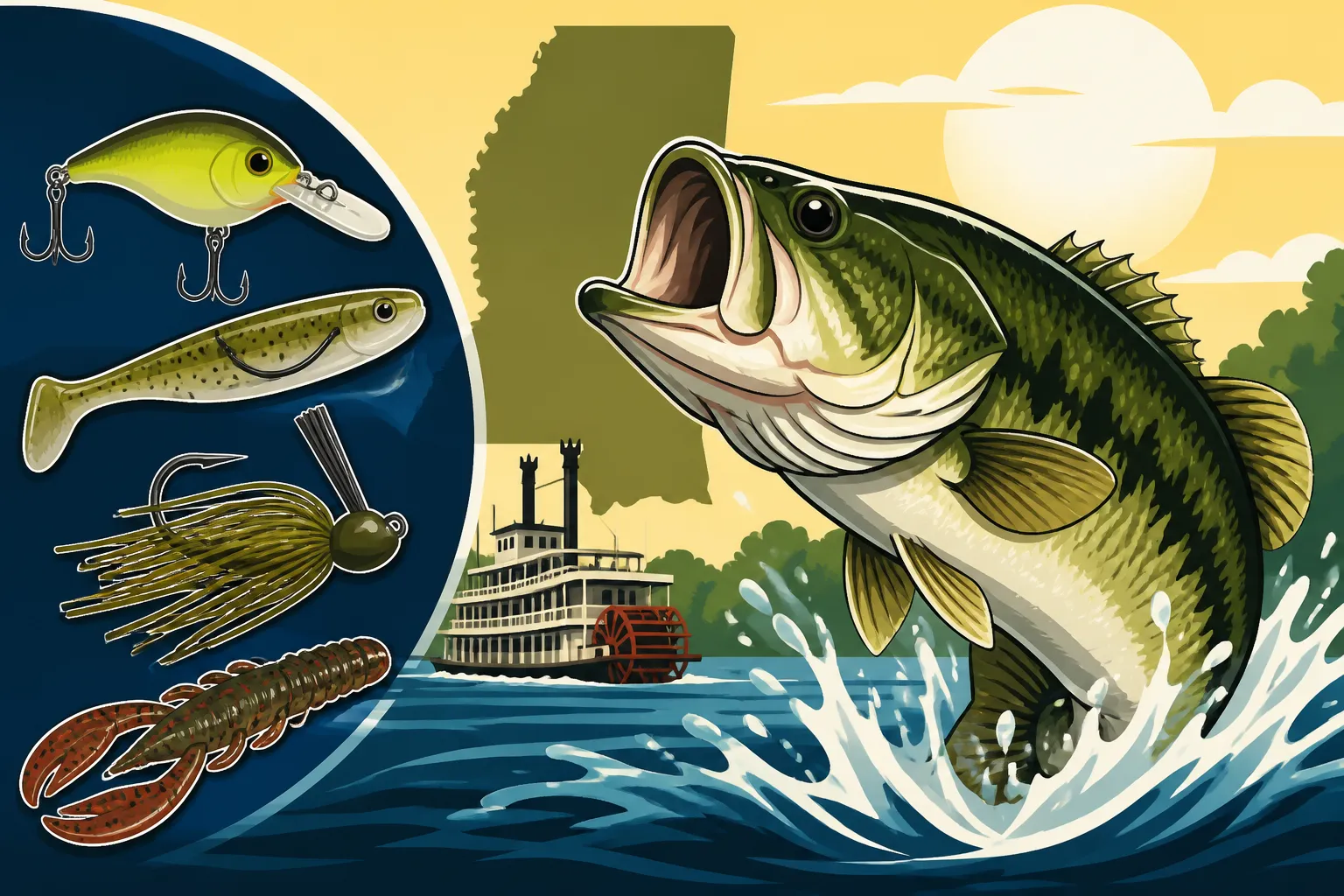
If there's one artificial bait category that consistently accounts for giant bass, it's the swimbait. These aren't your average soft plastics; we're talking about lures that can range from 5 to 12 inches (or even larger!), designed to perfectly imitate a substantial baitfish or a panfish. The sheer size alone makes them appealing to a trophy bass looking for a significant calorie intake.
You'll find various types of swimbaits, each with its own niche. There are hard-bodied, jointed swimbaits that have an incredibly realistic swimming action, often mimicking a wounded shad or a cruising bream. Then there are soft-bodied paddle tail swimbaits, which offer a more subtle vibration and can be rigged weightless, on a jig head, or as a "line-through" presentation. Line-through swimbaits are particularly popular for monster bass because the line passes through the body, allowing the bait to slide up the line after a hook-up, preventing the bass from using the bait as leverage to throw the hook. Techniques for retrieve usually involve a slow, steady retrieve, occasionally punctuated by a twitch or a pause to mimic a struggling fish. For a wide selection of different brands and styles, you can often browse options on Amazon to find what suits your local waters best. Remember, these baits might feel clunky to cast, but the payoff can be immense. For more on how to target these specific fish, check out Largemouth Bass Fishing in Mississippi.
Jigs: The Versatile Big Bass Magnet
Jigs, especially larger ones, are absolute trophy bass killers. They're incredibly versatile and can imitate a crawfish, a bottom-feeding baitfish, or even a small bream. The key is to use larger sizes, typically 1/2 ounce up to a full ounce or more, paired with a bulky trailer that adds to the profile and action.
Football jigs are excellent for dragging along rocky bottoms or gravel points, mimicking a crawfish scurrying across the lakebed. Flipping and pitching jigs, often with weedguards, are perfect for targeting dense cover like lily pads, submerged timber, or thick brush piles where big bass love to ambush prey. The fall of a heavy jig into tight cover can often trigger an immediate reaction strike. Swim jigs, on the other hand, are designed to be retrieved through sparse cover or along grass lines, imitating a baitfish or a panfish swimming by. Popular colors include black and blue (great crawfish imitation, especially in stained water), green pumpkin, or browns that mimic natural forage. The trick with jigs is a slow, deliberate presentation. Drag it, hop it, shake it – let the bass find it. The effectiveness of jigs is a cornerstone of Bass Fishing Techniques for Mississippi Anglers.
Large Crankbaits and Jerkbaits: Diving for Dollars
When bass are active and feeding, especially deeper, large crankbaits can be incredibly effective. We're not talking about shallow divers here, but the deep-diving monsters that can reach depths of 15-25 feet or more. These baits are designed to crash into structure, deflect off rocks or timber, and mimic a fleeing baitfish. The erratic action often triggers predatory strikes from hungry giants. Look for natural baitfish patterns or crawfish colors, depending on the forage in your chosen lake.
Similarly, large jerkbaits can be deadly, particularly in cooler water or when bass are suspended. A jerkbait's primary appeal is its erratic, wounded-baitfish action. A series of sharp jerks followed by long pauses can often be too much for a wary trophy bass to resist. The pause is critical here; many strikes happen when the bait is completely still, looking like an easy meal. Experiment with pause lengths – sometimes 5-10 seconds of stillness is what it takes. Again, natural baitfish colors are usually a safe bet. When buying, remember that a vast array of crankbaits and jerkbaits, including specialty big-bass models, are readily available on Amazon.
Nature's Best: Live Bait Strategies for Lunkers
While artificial lures offer the thrill of tricking a fish, sometimes you just can't beat the real thing. Live bait is often the most effective way to entice a truly monster bass, especially when conditions are tough or the fish are exceptionally wary.
Big Shiners and Goldfish: Irresistible Live Offerings
For many trophy bass hunters, a large live shiner or goldfish is the ultimate weapon. Why? Because they're alive, they smell natural, and they present a substantial, struggling meal that a big bass instinctively recognizes as an easy, high-calorie target. These aren't the small minnows you use for crappie; we're talking about shiners that are 6-10 inches long or even larger goldfish.
The key to success with live bait is proper rigging and presentation. Nose-hooking the shiner with a stout, sharp hook (like a 4/0 or 5/0 circle hook or a wide gap octopus hook) allows it to swim naturally and stay alive longer. You can fish them free-lined, allowing them to swim wherever they want, or under a large bobber if you want to keep them in a specific depth range or near cover. The trick is to let the bait do the work. The shiner's natural distress signals and movements are what draw the bass in. Keep your bait lively; a good aerator in your bait bucket is crucial, and you can find many reliable options on Amazon. Always check Mississippi Fishing Regulations Explained for any specific rules regarding the use of certain baitfish in different bodies of water. While we often talk about best live bait for crappie in Mississippi, the principle of using lively, appropriate-sized bait holds true for bass, just scaled up.
Bream and Sunfish: Natural Prey
Another incredibly effective live bait for trophy bass is local panfish, such as bream or bluegill. These are natural forage for largemouth bass, and a big bass will rarely pass up an opportunity for a meal it's accustomed to eating. Again, size matters here; you're looking for panfish in the 4-6 inch range.
Using live bream or sunfish as bait often requires you to catch them yourself, which can be a fun activity in itself. Once you have your bait, rig them similarly to large shiners, typically nose-hooked or through the dorsal fin for free-lining. It's vital to know and adhere to local regulations regarding the use of game fish as bait. Some states or specific lakes may have restrictions on using game fish, even panfish, as bait for other species. Always consult the Mississippi Freshwater Fishing Rules before deploying this tactic. When fished near cover, a struggling bream is almost irresistible to a territorial trophy bass. You can learn more about catching these bait fish yourself in our guide to Bream and Bluegill Fishing in Mississippi.
Beyond the Bait: Presentation and Persistence
Having the right bait is only half the battle. How you present it, the equipment you use, and your mental approach are just as critical when targeting trophy bass.
Mastering the Retrieve: Making Your Bait Irresistible
When it comes to trophy bass, subtlety and patience often trump aggressive, fast retrieves. Remember, these fish are energy conservers. They're looking for an easy meal. This means your retrieve should often be slow, deliberate, and methodical.
For swimbaits and larger crankbaits, a slow, steady retrieve with occasional pauses or slight twitches can mimic a wounded or vulnerable baitfish. Jigs should be dragged, hopped, or slowly crawled along the bottom, simulating a crawfish. When pitching into heavy cover, let the jig settle, then gently shake your rod tip to give the trailer some action without moving the bait much. With jerkbaits, the cadence of "twitch-twitch-pause" is iconic for a reason – that long pause makes the bait appear like an injured fish that's easy pickings. Don't be afraid to experiment with pause lengths; sometimes a longer pause is what triggers the strike. Covering water efficiently but thoroughly is key. You're not trying to find any bass; you're trying to find the bass. Timing your presentation can also be crucial, often overlapping with the Best Time of Day to Catch Bass.
Equipment Matters: Rods, Reels, and Line for Giants
You can't bring a knife to a gunfight, and you certainly can't bring ultralight tackle when you're hunting trophy bass. These fish are powerful, often live in heavy cover, and when they strike, they do so with incredible force. Your equipment needs to be up to the task.
- Rods: Look for heavy or extra-heavy action casting rods, typically 7' to 8' long. This gives you the backbone needed to cast large baits, drive a big hook home, and muscle a lunker out of thick vegetation or timber.
- Reels: A sturdy baitcasting reel with a robust drag system is essential. Gear ratios can vary, but a medium-speed reel (around 7.1:1) is a good all-around choice for many big-bass techniques. The most important thing is power and durability.
- Line: Forget light line. For trophy bass, you'll want heavy fluorocarbon (17-25 lb test) for its sensitivity and abrasion resistance, or braided line (50-80 lb test) for its incredible strength and lack of stretch, especially when fishing in dense cover. Braided line is often favored for flipping and pitching because it can cut through vegetation. You can easily find strong, reliable fishing line and other high-quality fishing gear from various brands on Amazon.
The Mental Game: Patience and Confidence
Chasing trophy bass is not about catching a lot of fish; it's about making a few, often deliberate, casts for one truly exceptional fish. This requires a different mental approach than traditional bass fishing. You might go hours without a bite, or even a full day. That's okay. The biggest bass are not always easy to find or convince.
Patience is paramount. Trust your chosen bait and technique, and fish it thoroughly and slowly. Confidence in your presentation will lead to more effective fishing. Understanding the conditions – water temperature, clarity, barometric pressure – can help you decide when and where to focus your efforts. Don't be afraid to stick with a technique even if it's not producing immediate results; that one big bite can happen at any moment. Focus on covering high-percentage areas where you know truly big fish might live. It's a game of strategy and persistence. For additional insights on optimal fishing times, consider our Best Time of Year to Fish in Mississippi guide. And while it's tempting to keep every fish, understanding How Many Bass Can You Keep in Mississippi? is crucial for responsible angling, especially when it comes to preserving those trophy genetics.
| Bait Type | Best Use Case | Trophy Bass Appeal | Pros | Cons |
|---|---|---|---|---|
| Large Swimbaits | Open water, submerged structures, mimicking large prey | Mimics substantial, easy meal; realistic action | Highly realistic; large profile attracts big fish | Can be expensive; requires specialized tackle; fewer bites |
| Jigs (Heavy) | Dense cover, deep structure, bottom dragging | Imitates crawfish/bream in their ambush points | Versatile; weedless options; triggers reaction strikes | Can get snagged easily in heavy cover; slower fishing |
| Deep Crankbaits | Offshore humps, ledges, deflecting off structure | Aggressive strike from fleeing baitfish | Covers water quickly; strong vibration and flash | Can snag easily; requires specific rod action for depth |
| Large Jerkbaits | Suspending bass, cooler water, erratic action | Wounded baitfish imitation, long pauses | Effective for finicky bass; triggers reaction strikes | Can be technique-specific; less effective in very warm water |
| Live Shiners/Goldfish | Any scenario, especially wary fish in open water | Natural look, smell, and struggling action | Unmatched natural appeal; highly effective | Requires live bait well; ethical considerations; local regulations |
| Live Bream/Sunfish | Dense cover, mimicking natural forage | Exact natural prey; struggles naturally | Very effective in local waters; natural presentation | Requires catching bait; strict regulations; less portable |
Disclaimer
This article is for general informational purposes only and does not constitute professional advice. Laws, prices and regulations vary by location and change over time. Consult a qualified professional for guidance on your specific situation.