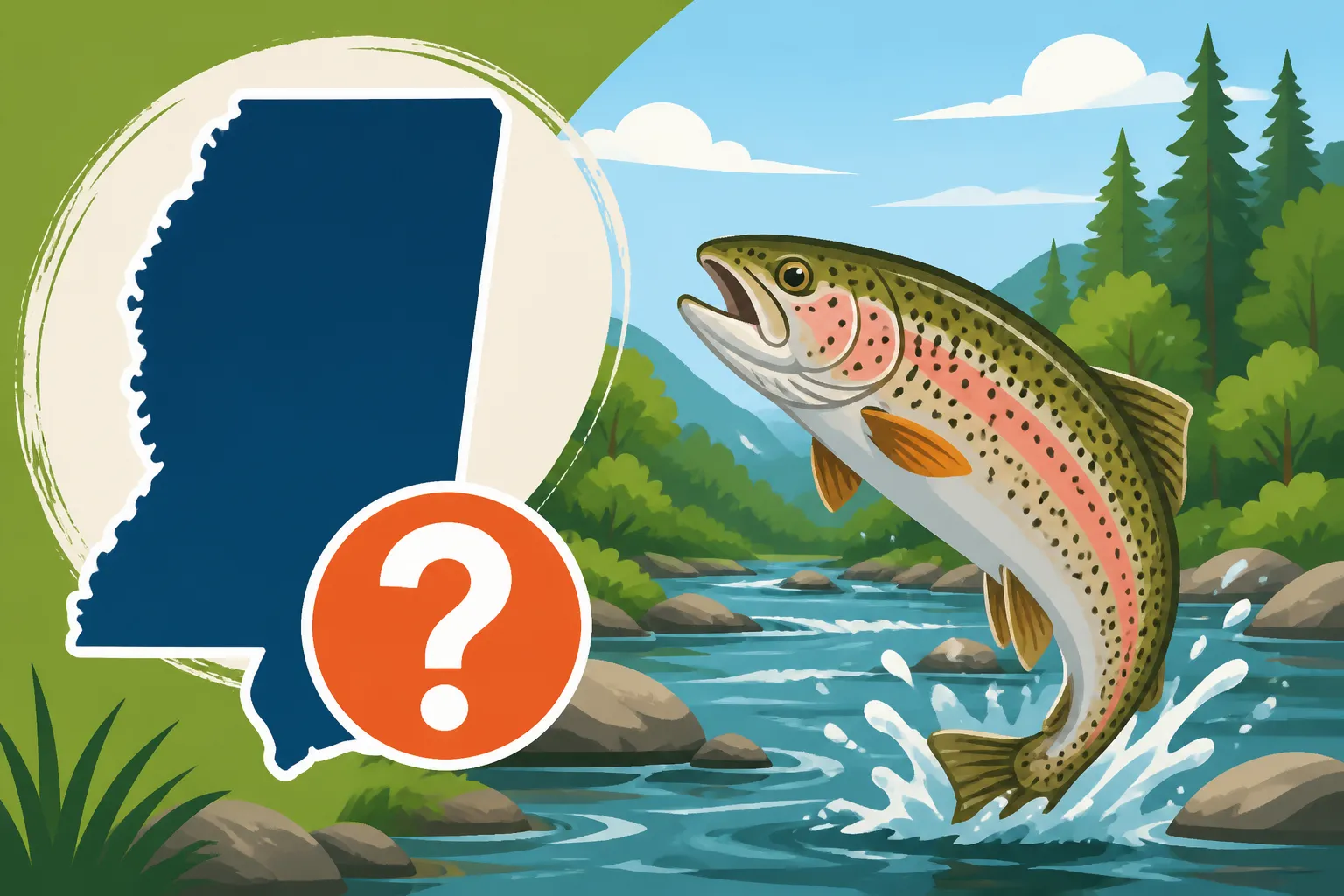
Are There Any Trout Streams in Mississippi?
It’s a common dream for many anglers, myself included, to imagine casting a line into a crystal-clear, cold-flowing stream, hoping to entice a beautiful, wild trout. The picture of speckled brook trout or iridescent rainbows leaping from cool waters is an iconic one. However, if you're holding that dream while standing in Mississippi, you might be wondering if it's even a possibility. The truth about finding traditional trout streams in our beloved state can be a bit of a reality check for those accustomed to northern or mountain fisheries, and this guide is here to shed light on what you can truly expect when it comes to trout in the Magnolia State.
Understanding Mississippi's Trout Landscape
Let's get right to it: when most people think of "trout streams," they envision fast-moving, perpetually cold, oxygen-rich waters found in mountainous regions or far northern climates. Think of places like the Great Smoky Mountains or the Rockies, where trout naturally thrive and reproduce. Mississippi's climate and topography are, for the most part, quite different from those ideal trout habitats.
Our state is largely defined by its warm, humid summers and generally flat or gently rolling terrain, especially as you move closer to the Gulf Coast. The vast majority of our rivers and streams are slow-moving and, critically, simply too warm for trout to survive year-round, let alone reproduce naturally. Trout, particularly species like rainbow and brown trout, need water temperatures to stay consistently below about 70 degrees Fahrenheit (around 21 Celsius) to thrive, and often much colder for spawning.
The General Absence of Native Trout Streams
So, to directly answer the burning question: are there any naturally reproducing, self-sustaining trout streams in Mississippi? The straightforward answer is no, not in the traditional sense that you would find in states with different geological and climatic conditions. Our native fish species are perfectly adapted to the warmer waters we have, from largemouth bass to crappie and a multitude of catfish species. These fish are superstars in our waters, dominating the ecological niches.
The idea of a wild trout stream, where a population of trout lives its entire life cycle without human intervention, is simply not something you'll encounter in Mississippi. The environmental conditions, primarily water temperature and stream gradient, are just not conducive to supporting such a delicate cold-water species. It's a fundamental aspect of our state's natural hydrology that dictates what fish can call our waters home.
Why Mississippi Isn't a "Trout State"
The reasons Mississippi isn't a "trout state" boil down to a few key environmental factors. First and foremost, as mentioned, is temperature. Even our deepest rivers and creeks will warm significantly during the long summer months, creating an uninhabitable environment for trout. Trout need consistent cold water, not just cool periods, to maintain their health and avoid stress.
Secondly, trout require specific habitats for spawning: typically clean, gravelly bottoms with good water flow and oxygenation. Many of Mississippi's stream and river bottoms are characterized by sand, mud, or clay, which are less suitable for trout egg deposition and incubation. While there are certainly areas with rocky bottoms, they are usually in conjunction with warmer waters, creating a Catch-22 for trout survival. Understanding these limitations helps temper expectations and allows anglers to appreciate the fantastic warm-water fisheries we do have.
Exploring Tailwater Fisheries and Stocking Efforts
While we don't have native trout streams, that doesn't mean there are zero opportunities to catch a trout in Mississippi! The glimmer of hope for trout enthusiasts comes in the form of what are known as "tailwater" fisheries and specific stocking programs. These are man-made exceptions to Mississippi's warm-water rule, where conditions are artificially altered to allow trout to survive, at least seasonally.
A tailwater fishery refers to the section of a river or stream immediately downstream from a dam. When water is released from the bottom of a deep reservoir, it's often significantly colder than the surface water, especially in the cooler months. This cold-water discharge creates a microclimate that can be suitable for trout for a limited distance below the dam. It's a small window of opportunity, but an opportunity nonetheless.
The Enid Lake Tailwater Exception
One of the most notable examples of a location in Mississippi where you might encounter trout is the tailwater below Enid Lake. While not a perennial trout fishery like those in other states, the Mississippi Department of Wildlife, Fisheries, and Parks (MDWFP) has, at times, conducted stocking efforts in this specific area. The deep waters of Enid Lake release colder water through the dam's gates, creating a stretch that can support trout, primarily rainbow trout, during the colder months of the year.
Anglers venturing to the Enid Lake tailwaters during these cooler periods might find themselves in a unique Mississippi fishing scenario. It's a place where the unexpected can happen, and you might land a rainbow trout alongside more common species like sauger or crappie. Always check the latest MDWFP regulations and stocking schedules if you plan a trip specifically for trout here, as these programs can vary year by year. You'll want to be familiar with specific guidelines, which you can often find outlined in Mississippi Fishing Regulations Explained. This area is mentioned specifically in Enid Lake Tailwater Fishing, which might offer more targeted tips.
The "Put-and-Take" Trout Experience
What we primarily have in Mississippi for trout is a "put-and-take" fishery. This means that trout are stocked into suitable waters, usually in the late fall or winter, for anglers to catch. They are not expected to survive the warmer summer months or reproduce. The goal is to provide a unique angling experience and an opportunity to catch a species not naturally found here.
This approach allows the MDWFP to diversify fishing opportunities without trying to force a natural population where environmental conditions don't support it. It's a fun way to introduce new anglers to trout fishing or simply enjoy a different kind of catch closer to home. These stocked trout tend to be eager biters, making for an enjoyable outing for the whole family. However, you'll need to be quick, as these opportunities are seasonal and the fish get caught out.
What to Expect When Chasing Mississippi Trout
If you decide to try your hand at catching stocked trout in Mississippi, it's important to adjust your expectations. This won't be like fly fishing for wild browns in a remote mountain stream. Instead, it's a more accessible, often family-friendly experience focused on catching fish that are actively looking for a meal. The beauty of it is that you can often use simpler tackle and techniques, making it a great way to introduce kids or beginner anglers to the sport.
The thrill comes from the novelty of catching a trout in Mississippi, and the fight these fish can put up. Plus, stocked rainbow trout are generally excellent table fare, offering a delicious reward for your efforts. Just remember to verify local and state regulations regarding creel and size limits before you head out. These details are important to follow, as covered in Mississippi Fishing Creel and Size Limits.
Essential Gear for Tailwater Trout Fishing
You don't need highly specialized gear for most put-and-take trout opportunities in Mississippi. A light to medium-light spinning rod and reel combo will serve you well. Think about outfits typically used for panfish or smaller bass. A 6-foot to 7-foot rod with a sensitive tip is ideal for detecting subtle bites and making accurate casts. A reel spooled with 4 to 6-pound test monofilament or fluorocarbon line will provide good casting distance and strength for these fish.
When it comes to bait, stocked trout aren't usually too picky. Popular choices include corn, small pieces of power bait (often molded into small balls), salmon eggs, or even small worms. For artificial lures, tiny inline spinners, spoons, or small jigs (1/32 oz to 1/16 oz) can be very effective. Ensure you have a variety of options in your tackle box. Many of these items are readily available at sporting goods stores or online platforms like Amazon, making it easy to stock up before your trip. For more general advice on selecting your setup, check out Choosing the Right Rod and Reel for Mississippi Fishing.
Best Practices for Catching Stocked Trout
Successful trout fishing in Mississippi, particularly in tailwater scenarios, often comes down to a few key strategies. First, timing is everything. Since these are put-and-take fisheries, being there shortly after a stocking event can significantly increase your chances of success. Keep an eye on MDWFP announcements or local fishing forums for stocking schedules.
Second, presentations matter. While stocked trout can be aggressive, they can also become wary if they see too many lines or hooks. Using light line and smaller baits or lures will make your presentation more natural. If using bait, a small treble hook or bait holder hook under a bobber, or a simple bottom rig with a small weight, can be effective. If you're using lures, a steady retrieve with occasional twitches often triggers strikes. Don't be afraid to experiment with different depths and retrieves until you find what works.
Finally, Patience and persistence are key. Like any form of fishing, some days are better than others. Even in a put-and-take scenario, fish can be finicky. Move around, try different baits and techniques, and enjoy the experience. Remember to pack a cooler with ice, especially if you plan to keep your catch for dinner.
Neighboring Options and Alternative Species
If the limited and seasonal trout opportunities in Mississippi don't quite satisfy your desire for a full-fledged trout fishing experience, don't despair! You have excellent options both within and just outside our state borders. Mississippi is blessed with incredible warm-water fishing that can easily rival the excitement of trout fishing, and nearby states offer more traditional cold-water experiences.
It's important to remember that every state has its angling strengths. While we might not be known for trout, we are absolutely renowned for other species, and exploring those opportunities can be just as rewarding, if not more so, than a fleeting trout experience. Embrace what our local waters offer and you'll find endless enjoyment.
Looking Beyond State Lines for Traditional Trout Fishing
For those truly craving the classic trout stream experience, a short drive can open up a world of possibilities. States neighboring Mississippi, particularly Arkansas, Alabama (in its northern, mountainous regions), and Georgia, offer established cold-water trout fisheries. Arkansas, for example, is famous for its White River and Little Red River, which are renowned for their trophy brown and rainbow trout, sustained by cold-water releases from dams.
These destinations provide diverse opportunities, from fly fishing in designated catch-and-release areas to bait fishing in stocked sections. If you're passionate about trout, a planned weekend trip to one of these areas is often the best way to get your fix. Just be sure to research the specific regulations and license requirements for those states, as they will differ significantly from your Mississippi Fishing License Guide. Remember, a little road trip with friends or family can turn into an unforgettable angling adventure.
Embracing Mississippi's Premier Freshwater Species
While trout are a unique diversion, Mississippi truly shines when it comes to warm-water species. We are home to some of the best fishing in the country for species that thrive in our climate and waters. Instead of focusing solely on the elusive trout, consider dedicating your efforts to mastering the techniques for our native champions.
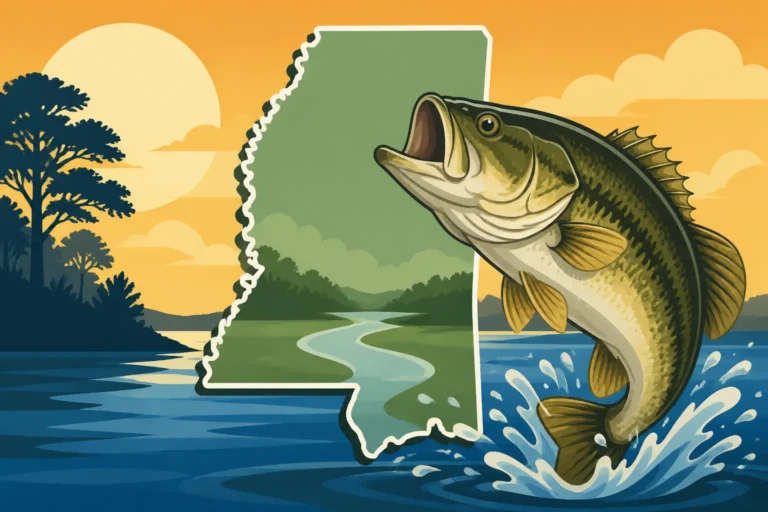
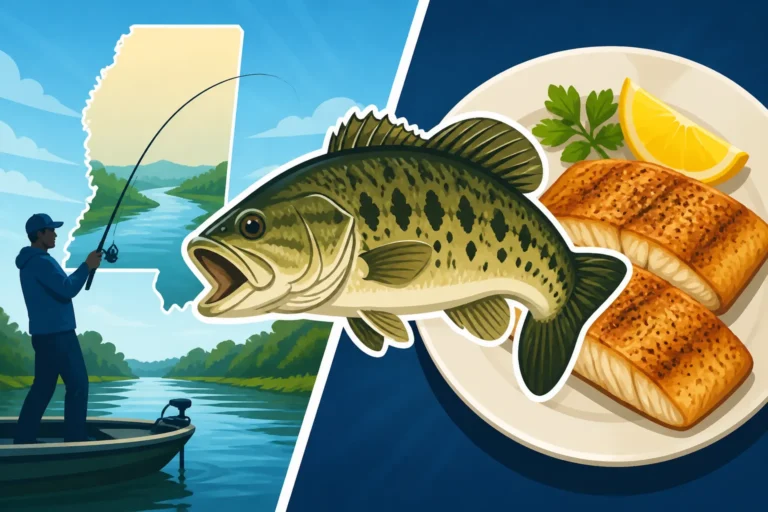
Take, for instance, the mighty largemouth bass. Mississippi reservoirs like Ross Barnett, Sardis, and Grenada are legendary for their bass fishing. You can spend a lifetime honing your skills and chasing trophy-sized fish right here at home. Largemouth Bass Fishing in Mississippi offers a wealth of information for getting started.
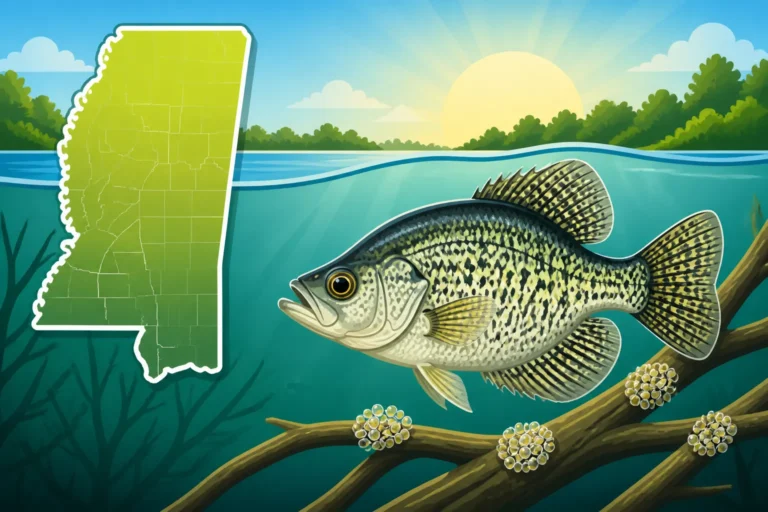
Then there's crappie fishing – it's practically a religion in Mississippi! Our lakes are brimming with both white and black crappie, offering incredible action, especially during the spring spawn. Learning the art of jigging or spider rigging for crappie can provide endless hours of fun and delicious fillets for the dinner table. If you’re looking for tips, our guide on Best Bait for Crappie in Mississippi is a great starting point. And let's not forget about catfish; whether you're chasing monster blue cats in the Mississippi River or channel cats in a farm pond, the action can be fierce. We have an abundance of opportunities in our Best Fishing Spots in Mississippi to target these species. Exploring these rich warm-water fisheries is a fantastic way to experience the true essence of Mississippi angling.
| Feature | Traditional Trout Stream (e.g., Arkansas) | Mississippi Tailwater Trout Fishery | Typical Mississippi Warm-Water Fishery |
|---|---|---|---|
| Water Temperature | Consistently cold year-round | Cold seasonally (fall/winter) | Warm seasonally (spring/summer) |
| Natural Reproduction | Yes, self-sustaining populations | Generally no | Yes, robust populations |
| Primary Species | Rainbow, Brown, Brook Trout | Stocked Rainbow Trout | Largemouth Bass, Crappie, Catfish |
| Angling Focus | Fly fishing, technical lure fishing | Bait fishing, simple lures | Diverse techniques for many species |
| Fishing Season | Often year-round, with seasonal nuances | Primarily cooler months | Year-round, with peak seasons |
| License Needed | State-specific fishing license, often trout stamp | Mississippi fishing license | Mississippi fishing license |
Disclaimer
This article is for general informational purposes only and does not constitute professional advice. Laws, prices and regulations vary by location and change over time. Consult a qualified professional for guidance on your specific situation.