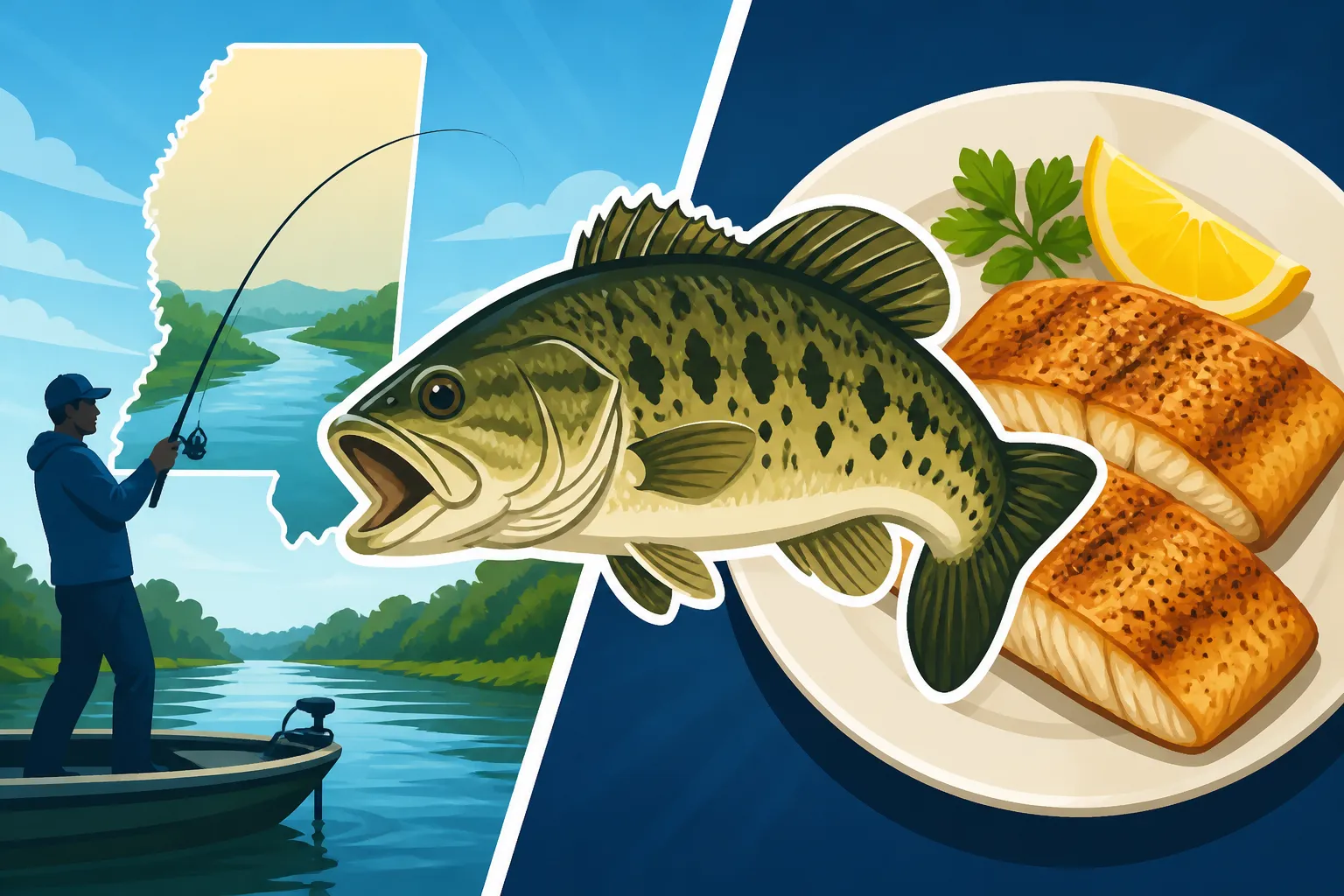
Is a Spotted Bass Good to Eat?
So, you've landed a feisty spotted bass here in Mississippi, and the age-old question pops into your head: "Can I eat this, and will it actually taste good?" It's a valid thought; nobody wants to waste a good catch or, worse, prepare something that ends up being a disappointment on the dinner table. This guide will dive deep into the culinary qualities of Mississippi's spotted bass, helping you decide whether to keep them for a meal or send them back to fight another day.
The Culinary Profile of Mississippi's Spotted Bass
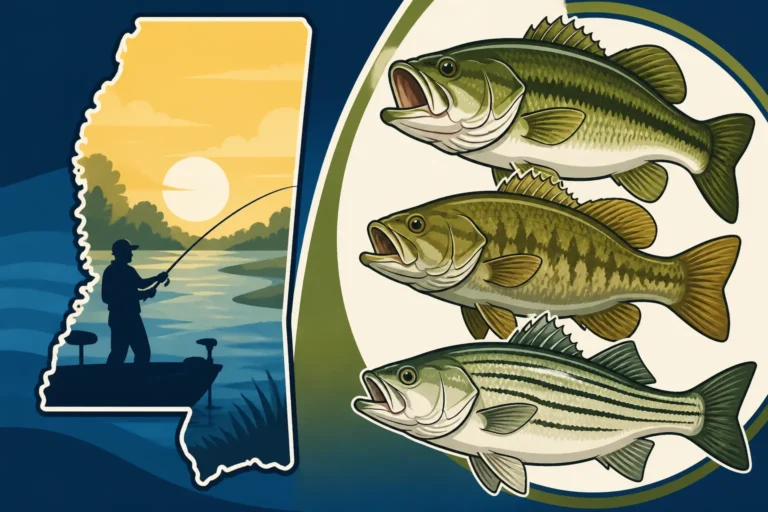
Let's cut to the chase: Yes, you can absolutely eat spotted bass, and many anglers in Mississippi consider them quite delicious. They belong to the black bass family, just like their more famous cousin, the largemouth bass. However, there are subtle differences in their meat that can make them a preferred choice for some folks. You might hear people debate the taste of various bass species, and often, spotted bass come out looking pretty good in that conversation.
Understanding the Spotted Bass: Taste and Texture
When we talk about whether a fish is "good to eat," it usually boils down to two main things: taste and texture. For spotted bass caught in our Mississippi waters, you're generally looking at a firm, white, flaky meat that has a mild, clean flavor. It's not overly "fishy," which is a big plus for many palates, especially those who might be hesitant about stronger-tasting fish.
Flavor Profile: Mild and Clean
The mildness of spotted bass is one of its most appealing attributes. Unlike some saltwater species that can have a robust, almost oily flavor, spotted bass tends to be much more subtle. This makes them incredibly versatile in the kitchen. You can season them lightly and let their natural flavor shine, or you can get creative with bolder spices and sauces without overwhelming the fish itself. Think of it as a blank canvas for your culinary adventures. Whether you're a fan of pan-frying, grilling, or baking, the spotted bass adapts beautifully. It's truly a testament to the quality of fish we have here in Mississippi, thriving in our clear lake and river systems. For more on the species itself, you can check out Spotted Bass Identification and Range.
Texture: Firm and Flaky
The texture of a spotted bass is another highlight. It's firm enough to hold up well to various cooking methods without falling apart, yet it flakes beautifully once cooked. This means you won't end up with mushy fish, which can be a common complaint with some softer-fleshed species. The firmness is often attributed to their active lifestyle in clearer, flowing waters, which tends to produce leaner, more muscular meat. This firm, flaky characteristic is what makes them so satisfying to eat, providing a pleasant mouthfeel that's a step above some other freshwater contenders. When you compare them to the largemouth, many argue the spotted bass has a slightly firmer, less "muddy" texture, making them a personal favorite for many local anglers.
Factors Influencing Spotted Bass Flavor
While generally excellent, the flavor and quality of any fish, including spotted bass, aren't entirely consistent. Several factors can play a significant role in how your catch tastes when it hits your plate. Understanding these can help you maximize your chances of a delicious meal.
Water Quality and Habitat
This is perhaps the most crucial factor. Fish, much like humans, are products of their environment. Spotted bass caught from clean, clear, well-oxygenated waters with rocky or sandy bottoms tend to have the best flavor. These are often the same environments where you find healthy populations of other desirable species. Conversely, fish from muddy, stagnant, or polluted waters might absorb off-flavors from their surroundings. If you're fishing in a known clean lake or river in Mississippi, your chances of a tasty spotted bass are much higher. Think about the pristine waters of places like Pickwick Lake or the upper reaches of the Pearl River, where spotted bass thrive. The cleaner the water, the less likely you are to encounter any "muddy" taste that some people associate with freshwater fish.
Diet of the Fish
What a spotted bass eats directly impacts its flesh quality. A diet rich in natural forage, like shad, crawfish, and smaller baitfish, contributes to a healthier, better-tasting fish. If a fish is struggling to find food or is eating less desirable fare, it can affect its overall condition and, consequently, its flavor. Spotted bass are opportunistic predators, and in a healthy ecosystem, their varied diet ensures they're getting good nutrition, which translates to better eating quality for us anglers. When fishing our best bass lakes in Mississippi, you can almost taste the healthy ecosystem in the fish you catch.
Size and Age of the Fish
Generally, smaller to medium-sized spotted bass (say, under 2-3 pounds) are considered the best for eating. Their meat tends to be more tender and less prone to that "gamey" taste that larger, older fish sometimes develop. As fish age and grow larger, their meat can become tougher and accumulate more strong flavors. While catching a trophy spotted bass is certainly a thrill, those giants are often best released to continue their genetic legacy. For the dinner table, focus on those respectable but not monstrous catches. It’s a good rule of thumb for many species; the younger, more active fish often provide the tenderest fillets. For more on catching these amazing fish, check out Bass Fishing Techniques for Mississippi Anglers.
Proper Handling After the Catch
This cannot be stressed enough! Even the finest fish from the cleanest water can be ruined by poor post-catch handling. As soon as you decide to keep a spotted bass for dinner, it needs to go on ice immediately. This chills the fish quickly, slowing down bacterial growth and preventing the flesh from deteriorating. Bleeding the fish shortly after the catch can also improve flavor by removing blood from the meat, which can sometimes contribute to a stronger taste. A good cooler, like those durable options you can find on Amazon, filled with ice is your best friend here. Don't just toss it in a dry cooler or leave it on a stringer in warm water for hours; that's a surefire way to diminish its table quality.
Best Practices for Preparing Spotted Bass
So you've decided to keep a few spotted bass for dinner – excellent choice! Now, let's talk about how to prepare them to maximize their delicious potential. The key is in careful filleting and choosing cooking methods that complement their mild flavor and firm texture.
Filleting Your Catch
A clean fillet is the first step to a great meal. Spotted bass have relatively few bones, making them straightforward to fillet for anyone with a decent How to Fillet a Crappie (the principles are very similar for bass) and a sharp knife. Start by making a cut behind the gill plate, down to the backbone. Then, turn the knife and run it along the backbone towards the tail. Flip the fillet over and cut away the skin. Remember to remove the "mud line" or "red meat" along the lateral line; this darker strip can sometimes have a stronger flavor and a different texture, and removing it ensures the mildest possible taste. A quality fillet knife, easily found on Amazon, is an investment that pays dividends in clean cuts and less waste. Practice makes perfect, and soon you'll be filleting like a pro.
Recommended Cooking Methods
Because of their mild flavor and firm, flaky texture, spotted bass are incredibly versatile. Here are a few popular and delicious ways to prepare them:
- Pan-Frying: This is a classic for a reason. Lightly dredge your fillets in seasoned flour or cornmeal, then pan-fry in a little oil or butter until golden brown and flaky. This method creates a crispy exterior while keeping the inside moist and tender. It’s quick, easy, and lets the fish's natural flavor shine.
- Grilling: Grilling offers a wonderful smoky flavor. Brush fillets with olive oil, season with salt, pepper, and your favorite herbs (lemon and dill are always winners with mild fish), and grill over medium-high heat. Ensure your grates are clean and oiled to prevent sticking. You can also use a fish basket to keep the fillets intact.
- Baking or Roasting: For a healthier option, baking is fantastic. Place fillets on a baking sheet, drizzle with olive oil, sprinkle with seasonings, and maybe add some lemon slices and fresh herbs. Bake until cooked through and flaky. This method requires minimal fuss and results in a very tender fish.
- Fish Tacos: The firm texture of spotted bass makes it perfect for fish tacos. Flake the cooked fish (pan-fried or grilled works great) into warm tortillas with fresh slaw, salsa, and a squeeze of lime. This is a fantastic way to enjoy your catch with a bit of a zesty kick.
No matter the method, avoid overcooking. Fish is done when it easily flakes with a fork. Overcooked fish becomes dry and less palatable.
Complementary Seasonings and Sauces
Given its mild flavor, spotted bass pairs well with a variety of seasonings. Simple salt, black pepper, and garlic powder are always a good start. Lemon is almost universally loved with white fish, enhancing its brightness. For herbs, consider dill, parsley, chives, or thyme. If you want to get a little more adventurous, a touch of paprika or a Cajun seasoning blend can add a nice kick without overpowering the fish.
For sauces, a simple butter-lemon-garlic sauce or a light tartar sauce can elevate the dish. A fresh salsa or pico de gallo also complements the mildness beautifully, adding a burst of freshness. Don't be afraid to experiment with different flavor profiles; the spotted bass is forgiving and delicious.
To Keep or Not to Keep: Making the Decision
Ultimately, the decision to keep a spotted bass for the table is a personal one. However, armed with this knowledge, you can make an informed choice that leads to a satisfying meal.
Comparing Spotted Bass to Other Freshwater Species
In Mississippi, we're blessed with a bounty of freshwater fish. How does the spotted bass stack up against some of our other popular catches?
| Fish Species | General Flavor | General Texture | Common Perception |
|---|---|---|---|
| Spotted Bass | Mild, clean | Firm, flaky | Excellent table fare, often preferred over largemouth. |
| Largemouth Bass | Mild to medium | Softer, flaky | Good, but can sometimes have a "muddy" taste depending on water. |
| Crappie | Very mild, sweet | Delicate, flaky | Highly prized, one of the best eating freshwater fish. |
| Catfish (Channel) | Mild to strong | Firm, tender | Very popular, can vary greatly by habitat. |
| Bream/Bluegill | Mild, sweet | Firm, flaky | Excellent small panfish, universally loved. |
As you can see, spotted bass holds its own, often favorably compared to largemouth bass. If you're used to catching and eating crappie or bream, you'll likely find spotted bass to be a welcome addition to your menu, offering a similar, pleasant dining experience. Many anglers consider it superior to largemouth bass, especially larger ones, due to its generally firmer flesh and less prevalent "muddy" taste. For more about bass, you can learn about Largemouth Bass vs Spotted Bass Differences.
When to Release and When to Keep
Responsible angling is about more than just catching fish; it's about making smart decisions that support healthy fish populations and provide good eating.
- Release the Big Ones: Trophy-sized spotted bass are valuable breeders. Let them go to produce more fish for future generations. Plus, as we discussed, smaller fish generally taste better anyway.
- Consider the Water Body: If you're fishing in a known high-quality lake or river, you're more likely to get good eating fish. If the water is questionable, it's probably best to practice catch and release.
- Follow Regulations: Always be aware of Mississippi Fishing Regulations Explained, including creel and size limits for spotted bass in the specific waters you're fishing. It’s not just about legality; these regulations are in place to help maintain healthy fish populations.
- Only Keep What You'll Eat: Don't keep more fish than you and your family can reasonably consume. Fresh is best, and waste is a shame.
Whether you're a seasoned angler or just starting your fishing journey in Mississippi, the spotted bass offers a rewarding experience both on the line and on the plate. With proper handling and preparation, it can truly be a delicious meal. So next time you reel one in, don't hesitate to consider it for dinner. Happy fishing, and happy eating! You might even find some Best Live Bait for Channel Catfish or Best Bait for Crappie in Mississippi that doubles as excellent spotted bass bait too!
Disclaimer
This article is for general informational purposes only and does not constitute professional advice. Laws, prices and regulations vary by location and change over time. Consult a qualified professional for guidance on your specific situation.