Best Live Bait for Channel Catfish
There’s nothing quite like the thrill of feeling a strong tug on your line, knowing a feisty channel catfish is on the other end. But let’s be honest, getting to that point can sometimes feel like a mystery, especially when you’re staring at a bait shop cooler full of options or digging through your worm bin wondering what these whiskered critters really want. If you've ever spent hours without a bite, convinced you're using the "wrong" thing, you're not alone. This guide is all about cutting through the guesswork and zeroing in on the best live bait to entice those hungry channel cats in Mississippi’s diverse waters.
Understanding Channel Catfish Feeding Habits in Mississippi
Before we even talk about specific baits, it’s crucial to understand what makes a channel catfish tick, especially in the unique environments of Mississippi. These aren't just bottom-feeders that'll eat anything; they're opportunistic predators and scavengers with finely tuned senses that guide them to their next meal. Knowing their natural preferences will dramatically improve your success rate.
Natural Prey and Foraging Behaviors
Channel catfish in Mississippi thrive in a variety of habitats, from the slow, muddy currents of the Mississippi River to the vast open waters of reservoirs like Ross Barnett or Grenada Lake, and even smaller, clearer farm ponds. Their diet is incredibly adaptable, changing with the season, water conditions, and the availability of food sources. Young channel cats often start with insect larvae, small crustaceans, and aquatic worms. As they grow, their diet shifts to include small baitfish like shad and minnows, crawfish, frogs, and even small invertebrates they find along the bottom. They are also notorious scavengers, readily consuming dead or decaying organic matter, which is why stink baits and cut baits are so popular. However, when actively hunting, a live, struggling baitfish or a wiggling worm can be irresistible. This predatory instinct is what we're really trying to tap into with live bait.
Sensory Abilities and Attraction
What really sets channel catfish apart is their extraordinary sensory system, particularly their sense of smell and their barbels. Unlike many game fish that rely primarily on sight to ambush prey, channel cats can literally "taste" the water. Their entire body is covered in taste buds, and their prominent barbels (those long whiskers around their mouth) are packed with chemoreceptors, allowing them to detect even minute traces of food from a distance. This means a bait that is alive, struggling, and emitting natural scents or vibrations is often far more appealing than a static, scentless offering. They’re like underwater bloodhounds, diligently patrolling the bottom and water column, following scent trails until they pinpoint the source. Understanding this is key: your live bait isn't just a visual target; it's a moving, scent-emitting beacon calling out to hungry catfish.
Top Live Bait Choices for Mississippi Channel Catfish
When it comes to tempting channel cats with live offerings, certain baits consistently outperform others due to their natural appeal and effectiveness. These are the tried-and-true choices that Mississippi anglers swear by.
Minnows and Shad
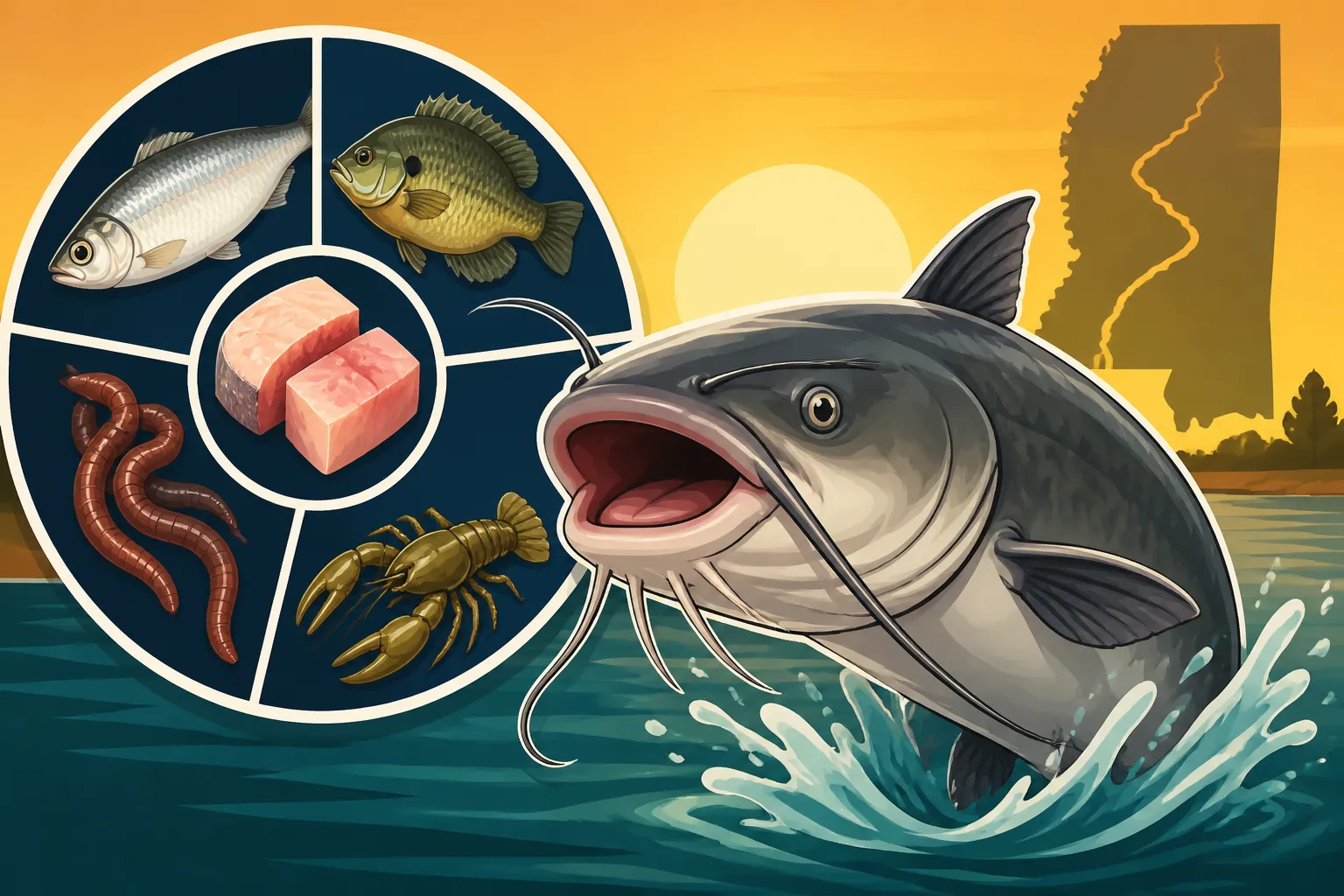
Without a doubt, small baitfish like minnows and shad are powerhouse live baits for channel catfish, especially for targeting larger specimens. They represent a natural, high-protein meal that catfish actively hunt.
Minnows, particularly common shiners, fathead minnows, or even the brightly colored rosy reds often sold at bait shops, are fantastic. Their lively movements and natural scent are a huge draw. When rigging, it’s best to hook them lightly through the lips or just behind the dorsal fin, ensuring the hook doesn't damage their spine, which would kill them quickly. The goal is to keep them as active and natural-looking as possible. A healthy, energetic minnow struggling on the hook sends out irresistible vibrations and scent.
Shad, especially threadfin shad and gizzard shad, are another prime choice, particularly in larger reservoirs and rivers where they form the base of the food chain. You'll often find channel catfish gorging on shad, especially during times when shad are schooling or stressed. Catching your own shad with a cast net can be a game-changer, but always check local regulations regarding baitfish collection. If you're looking for tips on keeping your bait healthy and active, you might find our guide on How to Keep Minnows Alive Longer really helpful. Using shad also naturally aligns with understanding What a Gizzard Shad Is Used For as a prime forage.
Worms Nightcrawlers, Red Worms, Earthworms
The humble worm might seem too simple, but it's an undeniable classic for a reason. Worms are universally effective, and channel catfish, regardless of their size, simply can't resist a wiggling mass of them.
Nightcrawlers are probably the most popular choice due to their size and lively action. You can thread one or two onto a hook, allowing the ends to dangle and squirm, or ball up several smaller red worms or earthworms for a more substantial offering. The constant movement and earthy scent they emit are incredibly attractive to catfish, stimulating their excellent sense of smell. Worms are also incredibly easy to come by; you can often find them in your own backyard after a rain, buy them cheaply at almost any bait shop, or even order bulk quantities online. They’re also robust and stay alive on a hook for a good while, making them forgiving for beginner anglers. Plus, if the channel cats aren't biting, you might still pick up a stray bream or bass, making them a versatile bait. For more general advice on what works, check out our Best Bait for Catfish in Mississippi article.
Small Bluegill and Bream
Now, this is where we need to tread carefully and ensure you're always fishing within the bounds of Mississippi's regulations. Using small game fish like bluegill or other bream as live bait can be incredibly effective for larger channel catfish, but it's often subject to specific rules. Generally, if a fish has a creel limit or a size limit, it might not be legal to use it as bait, or there might be restrictions on its size. Always consult the current Mississippi Department of Wildlife, Fisheries, and Parks (MDWFP) regulations before using any game fish as bait.
Assuming it's legal in your specific fishing area and within size guidelines, a live, small bluegill or bream (often 2-4 inches) is a fantastic option for enticing trophy-sized channel catfish. Hook them through the back, just above the lateral line and behind the dorsal fin, being careful not to hit the spine. This allows them to swim naturally and present a tempting target. The distress signals and vibrations from a struggling bluegill are a powerful draw for larger predators. They are a natural part of the catfish's diet in many lakes and ponds. If you're curious about catching these baitfish, our guide to Bream and Bluegill Fishing in Mississippi has some great pointers. Also, understanding Is It Legal to Catch Your Own Bait Fish in Mississippi? is paramount before heading out.
Crayfish (Crawfish)
Crayfish, often called crawfish in the South, are an absolute delicacy for channel catfish, especially in rocky or riverine environments where they naturally occur. These freshwater crustaceans are a high-value food source that catfish actively seek out.
Using live crayfish is simple and highly effective. You can rig them in a couple of ways: either by hooking them through the tail, which allows them to dart and move naturally, or, if you're trying to keep them off the bottom and away from snags, by hooking them through the hard "horn" on their carapace (head). A lively crayfish struggling on the bottom emits powerful scent and vibrations that channel cats simply cannot ignore. You can catch your own crayfish using small traps or by hand in shallow, rocky areas, or purchase them from specialized bait shops. Their tough shells also make them relatively resistant to smaller nuisance fish, ensuring your bait stays on the hook longer for the target species. For a deeper dive into methods, consider exploring various Catfish Fishing Techniques.
Maximizing Your Live Bait Success
Having the best live bait is only half the battle. How you present it, keep it alive, and where you place it can make all the difference between a triumphant catch and a quiet day on the water.
Proper Hooking and Presentation
The way you rig and present your live bait is critical for maximizing its appeal and getting a solid hookset. Your primary goal is to keep the bait alive and active for as long as possible while making it easy for the catfish to find and engulf.
For minnows, shad, bluegill, and bream, careful hooking is paramount. Hooking through the lips (upper jaw or both lips) is a popular method as it keeps the bait facing into the current and allows it to breathe. Hooking just behind the dorsal fin, above the lateral line, is another excellent option that promotes natural swimming action. Avoid hooking too deeply or in vital organs, as this will quickly kill the bait. For worms, threading them onto the hook so a few inches dangle and wiggle freely is often best. When it comes to crayfish, hooking through the tail or the tough part of their carapace lets them move without being immediately immobilized.
Presentation also matters. For bottom-feeding channel cats, a simple slip sinker rig with the bait presented near the bottom is incredibly effective. This allows the fish to pick up the bait without feeling the weight of the sinker. Using a bobber or float rig can be great in shallower water or when you want to suspend your bait above submerged cover. Consider using circle hooks, which are excellent for catfish as they typically hook the fish in the corner of the mouth, leading to fewer gut-hooked fish and easier releases, especially if you're practicing catch and release. Matching your hook size to your bait is crucial; you want a hook large enough to securely hold the bait and penetrate a catfish's tough mouth, but not so large it impedes the bait's movement. For selecting the right gear, our guide on Choosing the Right Rod and Reel for Mississippi Fishing can provide further insight.
Keeping Your Bait Alive and Fresh
A lively bait is a productive bait. There's nothing worse than using dead bait when you're aiming for the action of a struggling live one. Keeping your bait healthy requires a bit of effort, especially on hot Mississippi days.
For minnows, shad, and small bluegill, a good quality bait bucket or livewell with an aerator is essential. Aerators continuously pump oxygen into the water, vital for keeping your bait lively. Water temperature is also critical; try to keep the water in your bait container cool, especially during summer. You can add a frozen water bottle to the bait tank to slowly cool the water without shocking the fish. Don't overcrowd your bait, as this depletes oxygen quickly. You can find excellent portable aerators and insulated bait coolers on sites like Amazon that can make a huge difference in bait longevity. Periodically changing a portion of the water with fresh, ambient water can also help remove waste and replenish oxygen.
Worms are a bit easier; a breathable worm container with some moist bedding (like peat moss or shredded newspaper) kept in a cool, dark place will keep them happy for weeks. Crayfish can be kept in a similar fashion, or in a shallow tub of water with plenty of hiding spots. Remember, the healthier and more active your bait, the more scent and vibration it emits, and the more attractive it becomes to hungry channel catfish. Proper bait care extends its life and your fishing time; learn more in guides like Best Way to Keep Fish Fresh on a Hot Day or Best Livewell Tips for Keeping Bait Alive.
Scouting and Location
Even the best live bait won't help if you're fishing in a barren spot. Channel catfish are found throughout Mississippi's freshwater systems, but they tend to congregate in specific areas where food is abundant and they feel secure.
In rivers like the Pearl River or the mighty Mississippi itself, look for deeper holes, current seams, eddies behind obstructions, and the mouths of creeks that feed into the main river. These spots often concentrate baitfish and provide ambush points for catfish. In large reservoirs such as Ross Barnett Reservoir or Grenada Lake, focus on creek channels, submerged timber, humps, ledges, and transition areas where shallow water drops off into deeper sections. Catfish will often patrol these areas, especially during dawn, dusk, or overnight. In smaller lakes and ponds, target areas with structure like fallen trees, brush piles, points, and sudden depth changes. During the day, they often retreat to deeper, cooler water or dense cover, becoming more active in shallower areas at night. Understanding the specific habits of Catfish Fishing in Mississippi in different environments is key. For fishing on our largest river, check out the Mississippi River Fishing Guide, and for a major reservoir, the Ross Barnett Reservoir Fishing Guide is an invaluable resource.
By combining the right live bait with proper presentation and an understanding of channel catfish behavior and habitat, you'll dramatically increase your chances of a successful and rewarding day on the water.
| Live Bait Type | Pros | Cons | Best Rigging Method | Target Catfish Size |
|---|---|---|---|---|
| Minnows/Shad | Natural prey, strong scent/vibration | Can be fragile, sometimes hard to obtain in bulk | Single hook through lips or just behind dorsal fin | Medium to Large |
| Worms | Universal appeal, easy to find, inexpensive | Smaller fish can steal easily | Threaded on hook or balled up | Small to Large |
| Small Bluegill/Bream | Highly effective for large cats, durable | Legal restrictions often apply, can be hard to catch bait | Single hook through back (above lateral line) | Large, Trophy |
| Crayfish | Very natural prey, durable | Can be harder to find/keep, expensive at bait shops | Single hook through tail or hard carapace horn | Medium to Large |
Disclaimer
Fishing regulations, including bait restrictions, can change. Always consult the latest regulations from the Mississippi Department of Wildlife, Fisheries, and Parks (MDWFP) before heading out to ensure you are compliant with all state and local laws. This guide is for informational purposes only and should not be considered legal advice.