How to Keep Minnows Alive Longer
There's nothing more frustrating than getting to your favorite fishing spot, full of anticipation, only to find half your minnows belly-up in the bucket. It feels like such a waste, and it can seriously dampen your chances of a successful day on the water, especially when you're targeting those picky crappie or hungry catfish. This guide is all about giving you the proven strategies and practical tips to keep your minnows lively and kicking, from the bait shop all the way to the end of your fishing trip in Mississippi.
Understanding Why Minnows Die So Quickly
It seems like such a simple thing, right? Just put them in a bucket of water. But minnows, even the hardy ones, are pretty sensitive to their environment. What looks like "just water" to us is a complex ecosystem to them, and any imbalance can send them to the great bait shop in the sky far too soon.
The Crucial Role of Oxygen in Minnow Survival
Think about how you feel trying to breathe in a crowded room with no ventilation – not great, right? Minnows experience something similar when they're cooped up in a standard bait bucket. Like all living creatures, they need oxygen to survive. They absorb it from the water through their gills. When you have a lot of minnows packed into a small space, they're all competing for the same limited supply of dissolved oxygen.
Imagine you've just picked up a scoop of lively minnows from the bait shop. The water they're in is fresh and oxygenated. But as soon as they're in your bucket, whether it's on your drive to the lake or while you're sitting patiently by the bank of Ross Barnett Reservoir, they're constantly using up that oxygen. Without a way to replenish it, the oxygen levels in the water steadily drop. This leads to them becoming sluggish, gasping at the surface, and eventually, well, you know the rest. Proper circulation and aeration are absolutely non-negotiable for their well-being.
Temperature Swings: A Silent Killer for Bait
One of the biggest culprits behind minnow mortality that often goes overlooked is temperature fluctuation. Minnows are cold-blooded, meaning their body temperature is dictated by the water around them. They thrive within a relatively narrow range, and rapid or extreme changes can be incredibly stressful, even deadly.
Consider this common scenario: you buy your minnows from a refrigerated tank at a bait shop where the water is a crisp 55-60 degrees Fahrenheit. You then put them in your bucket, which might be sitting in the back of your truck on a scorching Mississippi summer day where the ambient temperature is 90 degrees or more. The water in your bucket can heat up incredibly fast. Or, conversely, if you're fishing during a sudden cold front, that water can chill quickly. This thermal shock is devastating. It compromises their immune systems, slows their metabolism, and can lead to rapid death. Keeping the water temperature stable and within a comfortable range for your minnows is just as important as oxygen.
Water Quality Woes: Ammonia, Chlorine, and pH Imbalance
Beyond oxygen and temperature, the chemical composition of the water itself plays a huge role. Minnows are constantly excreting waste, which, along with uneaten food, breaks down into ammonia. Ammonia is highly toxic to fish, even in small concentrations. In a small, uncirculated bait bucket, ammonia can build up rapidly, essentially poisoning your bait.
Then there's the issue of chlorine and chloramines, which are common in tap water. While safe for human consumption, these chemicals are lethal to fish, damaging their gills and suffocating them. If you're using tap water to refill your minnow bucket, you're unwittingly signing their death warrant. Lastly, a drastic shift in the water's pH level can also be detrimental. Minnows generally prefer a neutral to slightly alkaline pH, and if the water becomes too acidic or too basic due to environmental factors or waste buildup, they'll suffer. It really highlights why paying attention to your water source and its treatment is crucial.
Essential Equipment for Minnow Longevity
Now that we understand why minnows perish, let's talk about the gear that helps keep them happy and healthy. Having the right tools makes all the difference between a bucket of dying bait and a thriving minnow population ready to entice some fish.
Choosing the Right Minnow Bucket or Livewell
Your minnow container is their temporary home, so it needs to be chosen wisely. Forget those flimsy, uninsulated plastic buckets if you want real success. For serious anglers, an insulated minnow bucket is a game-changer. These buckets, often made with foam or double-walled construction, help maintain a stable water temperature, protecting your bait from those drastic swings we discussed. They often come with an inner perforated bucket, making it easy to lift minnows out without dumping all the water.
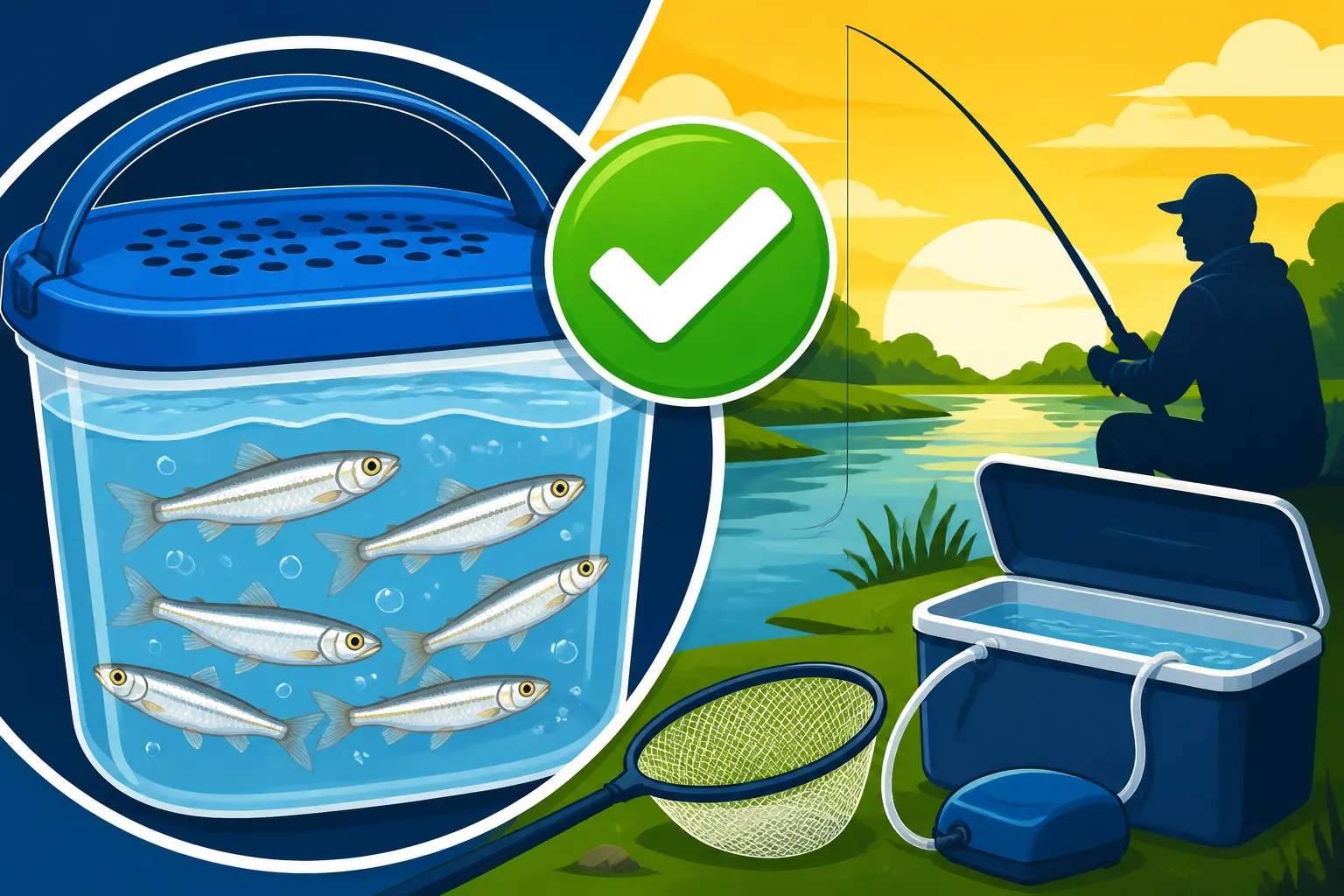
For longer trips or larger quantities of bait, a portable livewell is an even better option. These are typically larger, better insulated, and often come with built-in aeration systems. Some even have filtration capabilities. Brands like Engel and Frabill make excellent portable livewells. While some of these can be an investment, you can find a wide array of options, from basic insulated buckets to more advanced portable livewells, on platforms like Amazon. Choosing a container that matches the size of your bait haul and the length of your trip is key. Remember, more water volume generally means more stable conditions for your minnows.
The Importance of a Reliable Aerator
If the minnow bucket is their home, the aerator is its life support system. This device pumps air into the water, creating bubbles that dissolve oxygen and keep the water circulating. Without an aerator, even the best insulated bucket will eventually run out of oxygen.
There are a few types of aerators to consider. Battery-powered aerators are fantastic for portability, perfect for bank fishing or small boats. Look for models that run on D-cell batteries and offer decent run time. Many come with an air stone that creates fine bubbles for maximum oxygen transfer. For boat owners, 12-volt aerators that connect directly to your boat's power system are often more powerful and reliable for continuous operation. Some even integrate into your boat's livewell system. Regardless of the type, make sure you have a spare set of batteries if you're using a battery-powered unit, because nothing is worse than your aerator dying mid-trip. You'll find a great selection of robust and reliable aerators on Amazon to suit any setup.
Water Additives and Conditioners
To truly maximize your minnows' chances, sometimes you need a little help from chemistry. Water additives and conditioners address some of the unseen threats to your bait's survival.
First and foremost, if you're using tap water, you must use a chlorine remover. These drops or tablets neutralize chlorine and chloramines, instantly making the water safe for your minnows. It's a small investment that makes a huge difference. Another beneficial additive is non-iodized salt (like rock salt or pickling salt). Adding a small amount, typically a tablespoon per 5 gallons, can help reduce stress on minnows, aid in gill function, and act as a mild antiseptic, helping prevent disease. Be careful not to use too much, as excessive salt can be harmful. Lastly, there are commercial minnow life extenders or bait saver products available at most tackle shops and on Amazon. These often contain a combination of de-chlorinators, stress reducers, and even ammonia neutralizers. They are particularly useful for those long days fishing the Mississippi River, ensuring your bait stays lively.
Step-by-Step Guide to Keeping Minnows Alive on Your Trip
Alright, you've got the right gear. Now let's walk through the actual process of handling and maintaining your minnows from the moment you leave the bait shop until you're done fishing. Getting this routine down pat will make a huge difference.
Acclimation and Initial Setup
The very first step to keeping minnows alive is to minimize the shock they experience right after purchase. When you get your minnows, especially if the bait shop water is noticeably colder or warmer than the water you'll be putting them into, take a few minutes to acclimate them. This means slowly introducing a small amount of your prepared, aerated water into the bait shop's bag water over 10-15 minutes, allowing the temperatures to equalize gradually. Think of it like a fish release – you wouldn't just dump a fish from a warm tank into a cold lake, and the same principle applies here.
Once acclimated, gently transfer them to your prepared minnow bucket or livewell. Make sure the water in your bucket is fresh, treated (if it's tap water), and already aerated. Don't overcrowd the bucket from the start. A good rule of thumb is about one dozen small minnows per gallon of water with good aeration. If you're getting large shiners, that number needs to drop significantly. Immediately start your aerator and keep it running. This initial care sets the stage for a successful trip, whether you're heading to Sardis Lake for crappie or the Gulf Coast for some inshore action.
Maintaining Optimal Conditions on the Water
Once you're at your fishing destination, whether you're bank fishing on the Pearl River or cruising the reservoirs, continuous care is essential. The biggest enemies are heat and lack of oxygen. Always keep your minnow bucket in the coolest, shadiest spot available. If you're in a boat, this might mean under a seat or covered with a wet towel. Never leave it exposed to direct sunlight, especially on bright, clear days.
Keep your aerator running constantly. Don't turn it off "to save battery" for more than a few minutes; it's a false economy. Periodically check the water temperature. If it starts to get too warm, you can slowly add a small amount of cold water from a cooler (make sure it's dechlorinated if it's tap water!) or a small, sealed bag of ice. The key is slowly to avoid shocking the minnows. If the water starts to look cloudy or foamy, that's a sign of waste buildup. A partial water change, replacing about a quarter to a third of the water with fresh, cool, treated water, can work wonders. Be mindful of any Mississippi Fishing Season Dates and Limits as longer trips might require more frequent checks.
Post-Trip Care for Leftover Minnows
What do you do with those handful of feisty minnows still swimming around after a successful day? It feels wrong to just dump them, and in many places, it's actually illegal to release non-native baitfish into public waters. If you plan to keep them for another day, you'll need to upgrade their temporary housing.
For short-term storage (1-2 days), a larger cooler with constant aeration and daily partial water changes can work. For longer periods, you're essentially setting up a small aquarium. This involves a larger tank (10-20 gallons or more), a proper aquarium filter (sponge filter or small power filter), and continuous aeration. Make sure the water is dechlorinated and maintained at a stable temperature. Don't overfeed them; a tiny pinch of fish flakes every other day is plenty. This approach ensures your bait is ready for your next outing, saving you a trip to the bait shop, and is often a good economical choice, especially if you regularly follow the Mississippi Freshwater Fishing Rules and frequently use live bait.
Advanced Tips and Common Pitfalls to Avoid
Even with the right gear and basic care, there are always little tricks and common mistakes that can make or break your minnows' survival. Let's dig into some finer points to give your bait the best chance.
Feeding Minnows and Managing Waste
A common misconception is that you need to feed your minnows constantly to keep them lively. For short fishing trips (a day or two), you actually don't need to feed them at all. Minnows, like most fish, can go for several days without food, and introducing extra food into a confined bait bucket only creates more waste. More waste means more ammonia, which quickly degrades water quality and leads to stressed or dead minnows.
If you are keeping minnows for an extended period, say a week or more in a larger setup at home, then very minimal feeding is appropriate. Use a high-quality fish flake or a small amount of commercially available minnow food. Feed only a tiny amount once a day, just enough for them to consume in a minute or two. Any uneaten food will quickly foul the water. Combined with good filtration, this minimal feeding approach helps keep the water clean and ammonia levels low, which is vital for long-term health. Consider researching Best Bait for Crappie in Mississippi or Best Bait for Catfish in Mississippi to ensure you're using the most effective minnow types too.
Handling Minnows Gently
Minnows are delicate creatures, and rough handling can cause stress, scale damage, and ultimately, death. When scooping minnows from the bucket to your hook, use a fine-mesh net. Avoid using your bare hands if possible, as the oils and chemicals on your skin can be harmful to their protective slime coat. If you must use your hands, make sure they are wet and clean.
When you net a minnow, don't just fling it into your other hand or onto the ground to grab it. Be gentle. Place it directly into your palm, grasp it lightly but securely, and get it on the hook as quickly and carefully as possible. Every bit of stress you can reduce adds to their longevity, both in the bucket and as live bait on your hook. A lively, undamaged minnow swims more naturally and attracts more fish. This gentle approach is just as important as choosing the right Choosing the Right Rod and Reel for Mississippi Fishing for your target species.
Troubleshooting Common Minnow Problems
Sometimes, despite your best efforts, things go awry. Knowing how to diagnose and fix common problems can salvage your bait.
- Minnows gasping at the surface: This is almost always a sign of low oxygen. Check your aerator. Is it running? Are the air stones clogged? Is there enough battery power? Increase aeration immediately. If it's a hot day, also check the water temperature.
- Cloudy or foul-smelling water: This indicates a buildup of waste and ammonia. Perform a partial water change (25-50% of the water), ensuring the new water is dechlorinated and temperature-matched. Clean any visible debris or dead minnows. Ensure you're not overfeeding if keeping them long-term.
- Minnows are lethargic or swimming erratically: This could be a sign of poor water quality (ammonia poisoning), temperature shock, or disease. Check temperature and perform a partial water change. Adding a small amount of non-iodized salt can sometimes help reduce stress and act as a mild tonic. If many are dying, it might be time for fresh bait.
- Sudden mass die-off: This often points to a catastrophic event like a sudden temperature extreme (e.g., leaving the bucket in direct sun too long), severe chlorine poisoning (if using untreated tap water), or a rapid drop in oxygen. It's tough to recover from this, but it's a learning experience for future trips. Always ensure your water source is safe, and your aerator is reliable, especially when you consider the Mississippi Fishing License Costs and the effort you put into getting ready.
The table below summarizes common minnow problems and their likely causes and solutions:
| Problem | Likely Cause | Solution |
|---|---|---|
| Gasping at surface | Low dissolved oxygen | Increase aeration, check aerator function/batteries, reduce minnow density. |
| Lethargic/sluggish movement | Low oxygen, high ammonia, temperature shock | Increase aeration, partial water change, check/stabilize temperature, add non-iodized salt. |
| Cloudy/Foul-smelling water | Waste buildup, bacterial bloom | Partial water change (25-50%), remove dead minnows/debris, ensure minimal feeding if stored long-term. |
| Rapid mass die-off | Severe temperature shock, chlorine poisoning | Immediate large water change (if water source is confirmed safe), prevention is key (acclimation, de-chlorinator). |
| Reddened gills/fins | Ammonia burn, bacterial infection | Large water change, add non-iodized salt, ensure stable temperature. |
By paying close attention to these details, you'll not only keep your minnows alive longer but also ensure they're in prime condition to catch fish. And a fresh, lively minnow is truly one of the Mississippi Fishing License Guide's best assets. Whether you opt for a Mississippi Resident Fishing License Options or a Mississippi 1-Day and 3-Day Fishing Licenses, knowing how to care for your bait will enhance your overall experience. Don't forget that Mississippi Fishing Regulations Explained might also have specific rules about baitfish use or release, so it's always good to stay informed! For those fishing from a boat, understanding Mississippi Boat Fishing Regulations in addition to bait care is essential for a smooth trip.
Disclaimer
This article is for general informational purposes only and does not constitute professional advice. Laws, prices and regulations vary by location and change over time. Consult a qualified professional for guidance on your specific situation.