Best Fishing Line for Crappie
It can be incredibly frustrating when you’re out on a beautiful Mississippi lake, the crappie are biting, and suddenly your line snaps, or you can’t feel those subtle taps. Choosing the right fishing line might seem like a small detail, but it can make all the difference between a successful crappie trip and coming home with a stringer full of excuses. This comprehensive guide is here to untangle the confusion, helping you pick the perfect line for landing those slab crappie.
Why Your Fishing Line Matters for Crappie Success
For many anglers, fishing line is an afterthought—just a way to connect the hook to the reel. But when you're specifically targeting crappie, a species known for its delicate bite and often found in cover, your line becomes a critical piece of your setup. It's the direct link to the fish, transmitting every twitch and pull, and absorbing every head shake.
The Frustration of Lost Fish
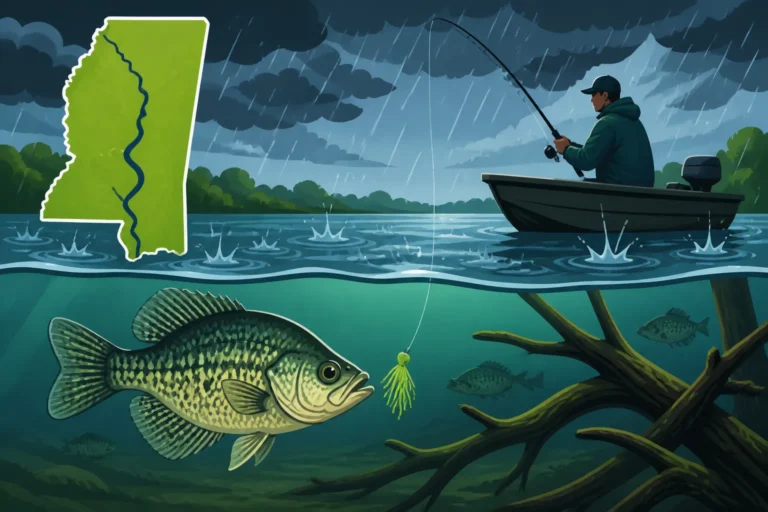
We’ve all been there: you feel a solid thud, set the hook, and just as you start reeling, the line goes slack. Was it a weak knot? A frayed spot you missed? Or was the line just too thin for that unexpected lunker? Losing a prized crappie, especially a big one that could be a personal best, is deflating. It makes you question your entire setup, and often, the culprit is the line itself. Whether it's chafing against a submerged tree limb or simply breaking under pressure, inadequate line can turn a promising bite into disappointment.
Beyond just outright breaks, poor quality line can lead to countless missed opportunities. Crappie often peck at baits, especially when they're not aggressively feeding. If your line has too much stretch or is too thick, those subtle indicators might never reach your fingertips, leaving you wondering if you just didn't get any bites. It's a common frustration among crappie anglers, particularly in waters where fish might be a bit more finicky.
Sensitivity and Hooksets
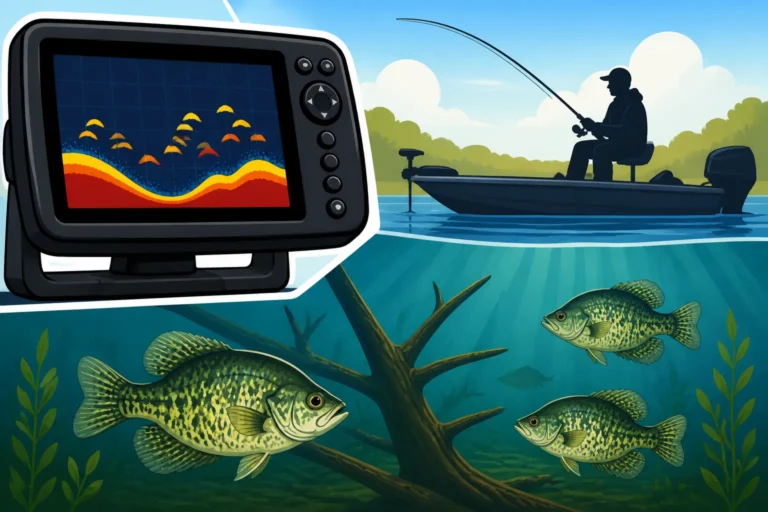
Crappie have incredibly soft mouths, which is why they're sometimes called "paper mouths." This makes a sensitive line absolutely crucial for detecting their often-gentle bite. You need to feel everything: the lightest tap, the weight of the jig as it falls, and the moment a crappie mouths your bait. Without that sensitivity, you're essentially fishing blind, relying purely on visual cues from your rod tip, which isn't always enough.
Moreover, once you do feel that delicate bite, a good line contributes significantly to a solid hookset. While crappie mouths are soft, you still need enough direct energy transfer from your rod to the hook to embed it properly. Lines with excessive stretch can absorb too much of that setting force, leading to shallow hooksets that pull free easily. When you're fishing in murky waters or deep brush piles, where quick, decisive hooksets are paramount, the right line helps ensure that when you feel that bite, you can confidently turn it into a fish in the boat. This connection between feeling the bite and securing the fish is where quality line truly shines.
Understanding the Main Types of Fishing Line for Crappie
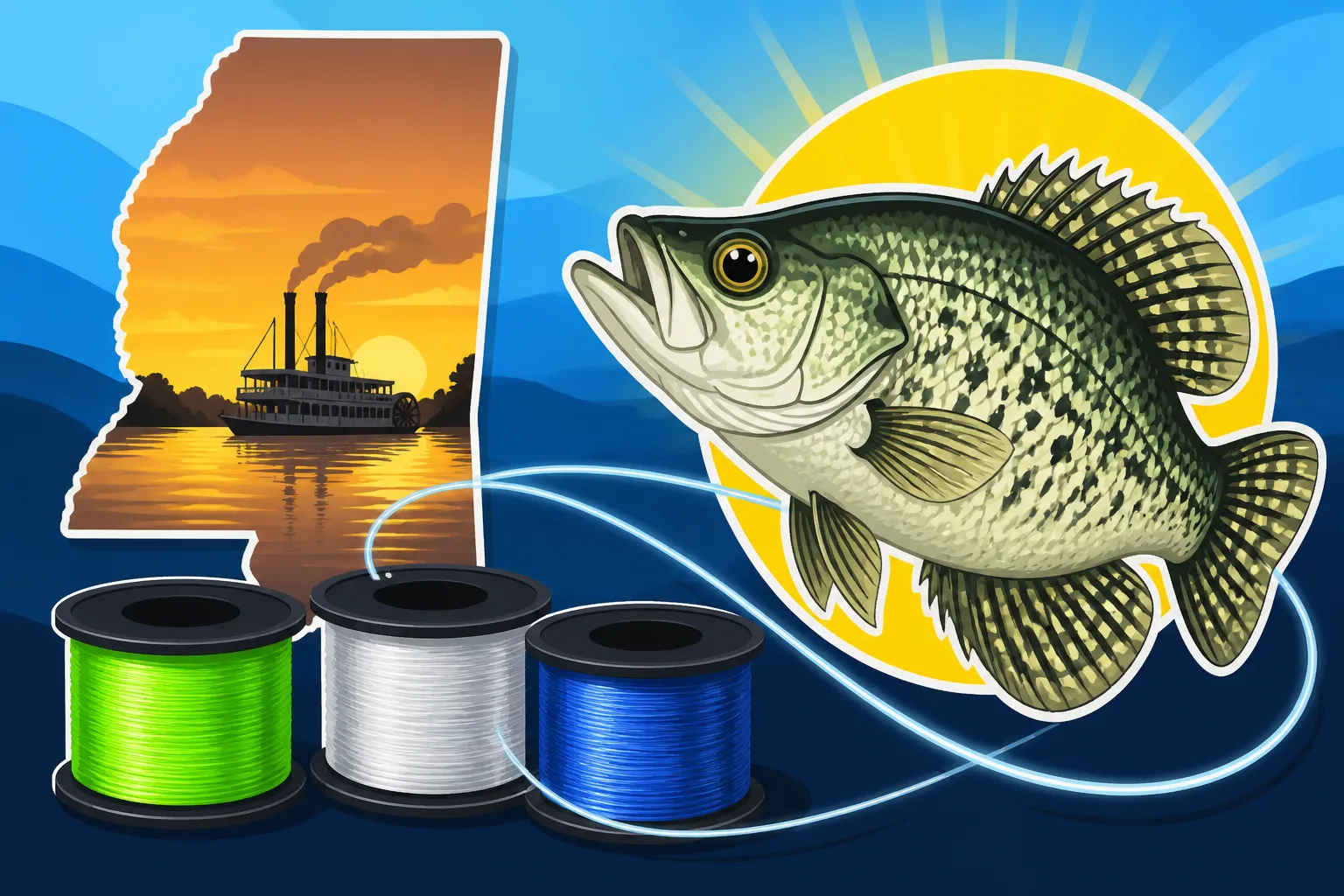
When you walk into a tackle shop or browse online at a place like Amazon, the sheer number of fishing line options can be overwhelming. For crappie, however, most anglers stick to three main types: monofilament, fluorocarbon, and braided line. Each has its strengths and weaknesses, making them suitable for different fishing situations and preferences. Understanding these differences is key to making an informed choice for your next crappie outing.
Monofilament Line: The All-Around Workhorse
Monofilament, or "mono," has been around forever, and for good reason. It's usually the most affordable option, and it's quite forgiving, making it a favorite for beginners and seasoned anglers alike. Made from a single strand of nylon, it's famous for its stretch, which acts as a shock absorber when a fish suddenly pulls or you set the hook a little too hard on those soft crappie mouths. This stretch can prevent hooks from tearing out, especially when a big slab makes a run.
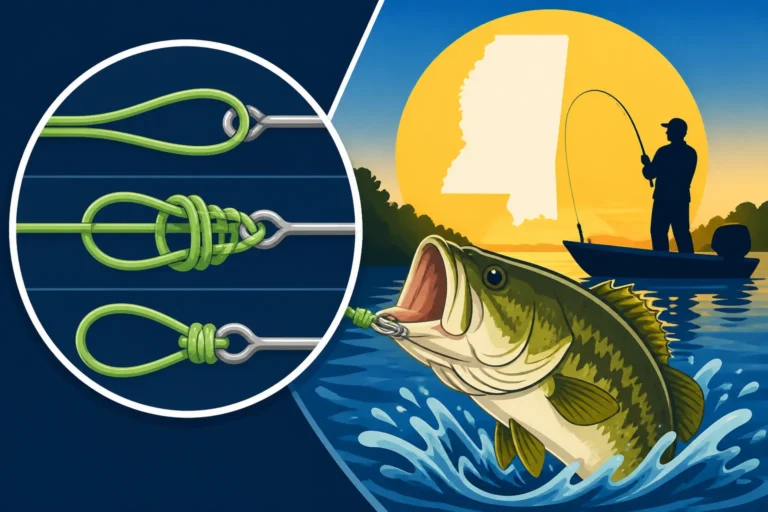
Mono also tends to be quite manageable on the reel, coiling nicely and rarely digging into itself. It's pretty good with knot strength, assuming you tie them correctly and wet them before cinching down. You can often find large spools of good quality mono for a very reasonable price, which is a huge plus if you like to respool your reels often. However, its main downsides include its visibility in clear water, its tendency to retain "memory" (coiling off the reel if not stretched out), and its susceptibility to UV degradation over time, meaning it needs to be changed more frequently than other types. For general crappie fishing in most Mississippi waters, especially when the water is a bit stained or you're using live bait, mono is a fantastic, reliable choice.
Fluorocarbon Line: The Invisible Advantage
Fluorocarbon line burst onto the scene promising an almost invisible presentation, and it largely delivers. Made from polyvinylidene fluoride, its refractive index is very close to that of water, making it nearly undetectable underwater. This is a massive advantage when crappie are spooky or the water is crystal clear, like in some of the deeper sections of Okhissa Lake Fishing Guide. If you've ever felt like fish were turning away from your bait, a fluorocarbon leader or even a main line might be the solution.
Beyond its stealth, fluorocarbon offers excellent sensitivity due to its low stretch, which helps you feel those subtle crappie bites more distinctly. It's also highly abrasion-resistant, meaning it stands up well to rubbing against timber, brush piles, or rocky bottoms, which is often where crappie like to hide. This can be a game-changer when you're fishing dense cover, reducing the number of break-offs. The trade-offs, though, are usually a higher cost, a stiffer feel that can make it more challenging to cast for some, and a reputation for being a bit finicky with knots if not tied with care. However, for serious crappie anglers targeting pressured fish or fishing in clear conditions, the benefits often outweigh these drawbacks, making it a staple in their tackle box, often purchased in bulk from retailers like Amazon.
Braided Line: Power and Precision
Braided line is a completely different beast, made by weaving multiple strands of synthetic fibers together. Its defining characteristic is its almost complete lack of stretch, providing unparalleled sensitivity. You'll feel every single thing your jig or minnow touches – a blade of grass, a tiny pebble, or the slightest bump of a crappie. This direct feedback is invaluable when you're trying to discern a bite from bottom contact, especially when you're engaged in "Jig Fishing for Crappie" in deeper water or employing "Spider Rigging Techniques."
Another major advantage of braid is its incredible strength-to-diameter ratio. You can use a much thinner braided line than mono or fluoro to achieve the same breaking strength, which means less resistance in the water and often longer casts. It also lasts a long time because it's highly resistant to UV rays and abrasion. However, braid is highly visible underwater, which can spook wary crappie in clear conditions. Many anglers counteract this by tying a fluorocarbon leader to their braided main line. Braid can also be more expensive upfront, and its slick, smooth nature means knots need to be tied carefully to prevent slipping. It also requires sharp scissors to cut, as it won't break cleanly. For situations demanding maximum feel, power, and durability, such as pulling crappie out of heavy cover, braid is an outstanding choice.
Choosing the Right Pound Test and Color for Mississippi Crappie
Once you've decided on the type of line, the next crucial decisions are pound test (how strong the line is) and color. These factors directly influence your success, especially with crappie, which can be surprisingly strong for their size and often reside in tricky environments. Matching your line's strength and visibility to your fishing conditions in Mississippi is key to maximizing your catch rate.
Pound Test: Balancing Strength and Presentation
The pound test refers to the amount of force the line can withstand before breaking. For crappie, most anglers use lines in the 4 to 8-pound test range. Going too heavy can negatively impact your presentation, making your bait look unnatural or difficult to cast. Going too light risks break-offs when you hook a larger slab or get snagged.
Consider the environment you're fishing. If you're dropping jigs into thick brush piles or submerged timber, like you might find in some areas of the Ross Barnett Reservoir Fishing Guide, a 6 or 8-pound test monofilament or fluorocarbon might give you the extra confidence to pull those fish out without snapping your line. It provides a bit more abrasion resistance against those rough surfaces. However, if you're fishing open water, suspended crappie, or clear lakes where fish are extra finicky, a lighter 4-pound test line will offer a more natural bait presentation and often get you more bites. Lighter lines allow baits to sink more naturally and are less visible, making them ideal for delicate presentations. It's a fine balance, and sometimes carrying spools of different pound tests allows you to adapt to the day's conditions, and you can often find great value packs on Amazon.
| Line Type | Typical Crappie Pound Test (Lbs) | Pros for Crappie | Cons for Crappie | Ideal Crappie Situations |
|---|---|---|---|---|
| Monofilament | 4-8 | Affordable, good knot strength, forgiving stretch | Visible, line memory, UV degradation | Stained water, live bait, general purpose, beginners |
| Fluorocarbon | 4-8 (often as leader) | Nearly invisible, sensitive, abrasion resistant | Stiffer, higher cost, can be tricky with knots | Clear water, wary fish, fishing around structure |
| Braided | 6-10 | Zero stretch, extreme sensitivity, thin diameter | Highly visible, can fray, requires specific knots | Heavy cover, deep water, "Spider Rigging Techniques," jig fishing |
Line Color: Does it Really Matter?
The debate over line color has raged in fishing circles for decades. For crappie, especially in Mississippi's diverse waters, it definitely can make a difference. The most common colors you'll encounter are clear, green, and various shades of low-visibility green or even hi-vis colors like yellow for braided lines.
Clear line is often considered the most versatile, as it's designed to be minimally visible in a wide range of water conditions. It’s a safe bet for any situation where you’re unsure about water clarity. Green lines, particularly those in muted, low-visibility shades, blend surprisingly well in many freshwater environments. They mimic natural algae or underwater vegetation, making them a good choice for lakes and rivers with some tint or vegetation, which describes a lot of Mississippi’s crappie hotspots like Sardis Lake Fishing Guide or the Pearl River Fishing Guide. If you're primarily fishing in clearer waters, a good fluorocarbon or a clear monofilament will give you the best stealth. Conversely, if you're using braided line and value seeing your line for bite detection, a hi-vis yellow or green braid can be fantastic, especially when coupled with a nearly invisible fluorocarbon leader. The key is to consider the typical water clarity of your favorite fishing spots and select a color that blends in rather than stands out.
Tips for Maintaining Your Crappie Fishing Line
Even the best fishing line won't perform optimally if it's not properly cared for. Neglecting your line can lead to frustrating break-offs, tangles, and ultimately, fewer fish in the cooler. Just like you'd maintain your reel or lures, your fishing line deserves regular attention to ensure it's always ready for that next crappie bite. A little preventative maintenance goes a long way in extending the life of your line and boosting your confidence on the water.
Regular Inspection and Replacement
Your fishing line is constantly under stress from casting, reeling, fighting fish, and brushing against underwater obstacles. It's crucial to regularly inspect your line for any signs of wear and tear. After every fishing trip, or even periodically during a long day on the water, run the first few feet of your line between your fingers, feeling for nicks, abrasions, or rough spots. These weak points are prime candidates for snapping when a big crappie decides to make a run. You might also notice discoloration or a loss of suppleness, especially with monofilament exposed to sunlight.
If you find any damaged sections, don't hesitate to cut them off. For lines that are heavily used or have been exposed to harsh conditions, consider replacing the entire spool. Monofilament should typically be replaced every 6-12 months, as it degrades over time due to UV exposure and water absorption. Fluorocarbon is more durable but can stiffen with age, requiring replacement every 1-2 years. Braided line is the most resilient, often lasting several years, but its leader should be replaced much more frequently, usually after every few outings or if it shows any sign of damage. Keeping fresh line on your reel is one of the easiest ways to prevent heartbreak on the water and ensures you're ready for any "Mississippi Fishing Season Dates and Limits" challenge.
Proper Spooling and Storage
The way you spool your line onto your reel and how you store your spools can greatly affect its performance and longevity. Improper spooling can lead to frustrating line twists, tangles, and reduced casting distance. When spooling new line, especially monofilament, ensure it comes off the filler spool in the same direction it goes onto your reel. For spinning reels, lay the spool label side up and let it uncoil. For baitcasters, ensure the line comes off the top of the filler spool to the top of your reel. Don't overfill your spool, as this can lead to wind knots and tangles; leave about an eighth of an inch of rim visible. You can find useful line winders and tools on Amazon that make this process much easier and ensure proper tension.
When storing your rods and reels, try to keep them out of direct sunlight and extreme temperatures. UV rays are particularly detrimental to monofilament line, breaking down its polymers and weakening it. Avoid leaving your reels spooled with line in hot garages or direct sun for extended periods. If you're using spare spools of line, keep them in a cool, dark place. For lines that tend to retain memory, like monofilament, a line conditioner can help keep it supple and reduce coiling. Simple habits like these can significantly extend the life of your line and keep it ready for any kind of fishing, whether it's "Trolling for Crappie on Mississippi Reservoirs" or just a casual afternoon from the bank.
Disclaimer
This article is for general informational purposes only and does not constitute professional advice. Laws, prices and regulations vary by location and change over time. Consult a qualified professional for guidance on your specific situation.