How Rain Affects Crappie Fishing
There’s nothing quite like planning a fantastic crappie fishing trip, only to wake up to the rhythmic patter of rain on the roof. It’s enough to make any angler wonder if they should just roll over and go back to sleep. But before you cancel your plans, let’s dive into how different types of rain and the associated weather shifts actually affect crappie behavior, and more importantly, how you can adjust your strategy to turn a potentially frustrating day into a successful one. This guide will walk you through the nuances of fishing for crappie when the skies open up, helping you understand their movements and feeding patterns so you can still fill your cooler.
Understanding Crappie Behavior During Rain Events
Rain isn't just rain to a crappie; it's a whole cascade of environmental changes that can dramatically alter their mood, location, and willingness to bite. From the subtle shifts in atmospheric pressure before a storm to the sudden rush of freshwater and suspended particles during a downpour, every stage presents unique challenges and opportunities for the savvy angler.
Pre-Rain Changes: Barometric Pressure and Crappie
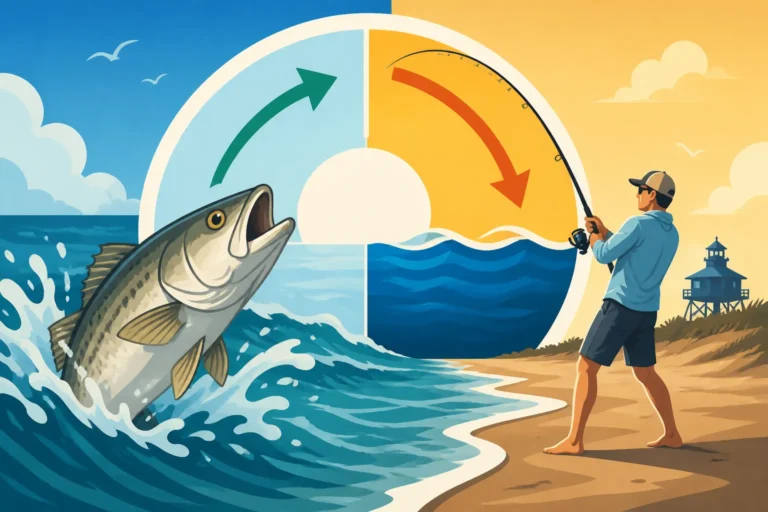
Before the first raindrop even falls, a crucial factor starts to shift: barometric pressure. This is that heavy, dense feeling in the air right before a storm, or sometimes the calm that precedes it. For crappie, and many other fish, a dropping barometric pressure often signals an impending weather change, and it can trigger a significant feeding frenzy. Think of it as their instinct telling them to eat up before conditions get tough or uncomfortable.
When the pressure is falling, crappie often become more active and will move out of their deepest haunts. They might push up into shallower water, closer to cover like brush piles, submerged timber, or even dock pilings, seeking out baitfish that are also reacting to the pressure drop. This is a prime window to target them, as they're actively on the hunt. You might find them suspended higher in the water column than usual, making them more accessible. Knowing this, you can often get a jump on the bite by heading out a few hours before a predicted rainstorm truly settles in.
During the Downpour: The Immediate Impact
Once the rain actually starts, the immediate impact on crappie varies greatly depending on the intensity of the downpour. A light, gentle rain can be a crappie angler's best friend, while a heavy deluge can be a bit more challenging.
Light Rain:
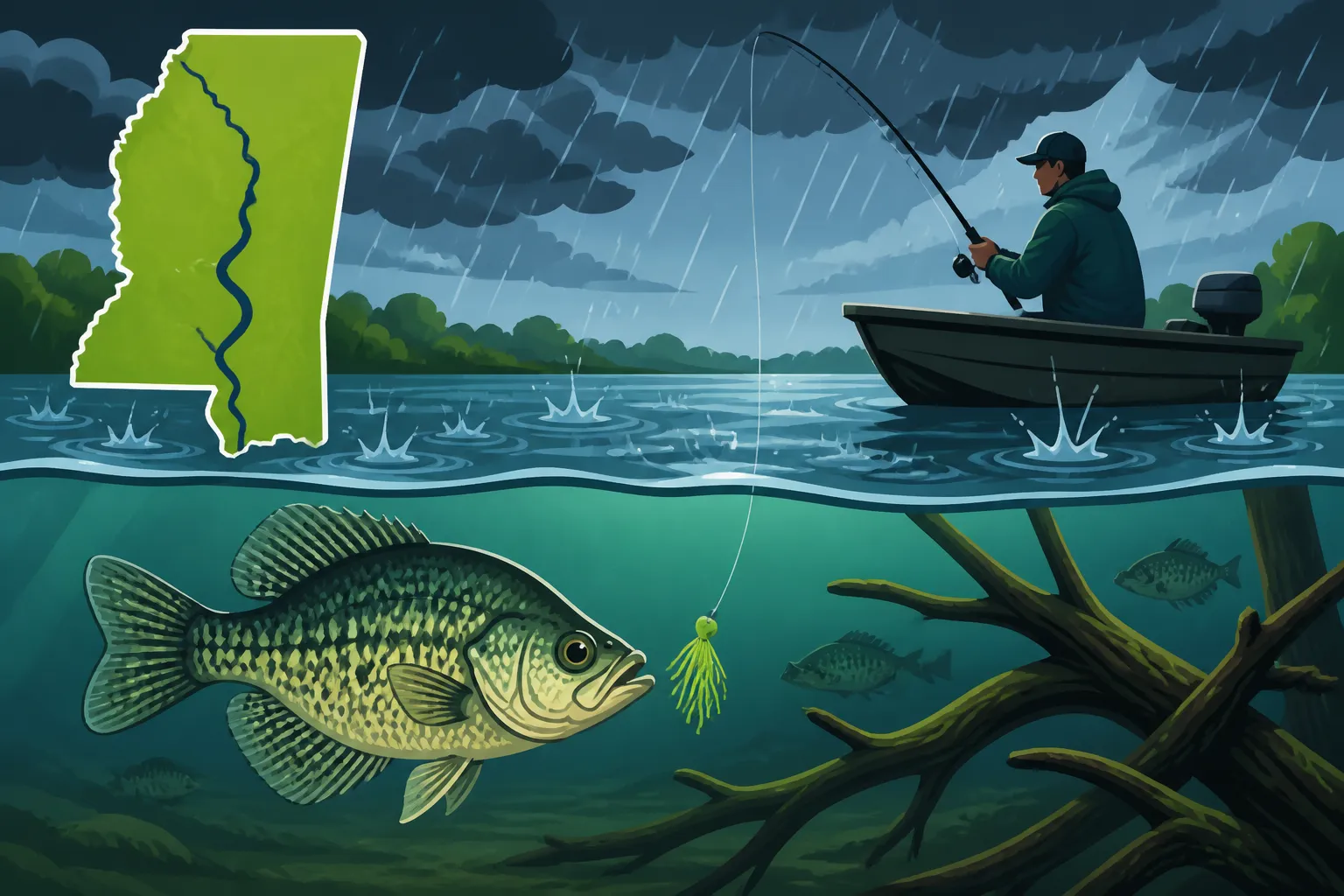
During a light rain, several positive things happen. First, the water's surface is disrupted, which breaks up direct sunlight penetration. Crappie, being light-sensitive fish, often feel more comfortable and secure feeding in these lower light conditions. They'll move more freely from dense cover. Second, the light rain helps to wash insects and other terrestrial food sources into the water from the banks, drawing in baitfish, which in turn draws in crappie. The overall effect is often a sustained and active bite, especially if the air temperature isn't dropping drastically. The light patter on the water surface also creates a natural "noise" that can mask your presence and make crappie less wary.
Heavy Rain:
Heavy, pounding rain can be a different story. While it still reduces light, the sheer force of the water hitting the surface can be disorienting for crappie. More significantly, heavy rain often leads to increased runoff from the land, bringing in a surge of cooler, muddier water into creeks, rivers, and reservoirs. This sudden influx changes water clarity and temperature, and it can disperse baitfish. Crappie might pull back into thicker cover or deeper water to escape the chaotic conditions and sudden temperature shifts. However, the edges of this muddy water, where it meets clearer water—often called the "dirty water line"—can be incredibly productive. Baitfish and crappie will often congregate along this seam, where they can ambush prey moving in or out of the stained water.
Post-Rain Effects: Settling Waters and Sustained Bites
After the rain has stopped and the immediate chaos subsides, the water begins to settle, but the effects on crappie can linger for hours or even days. If the rain was light, and especially if it leaves behind overcast skies, the crappie bite can remain strong. The reduced light conditions continue to encourage them to stay active and feed more aggressively.
However, if heavy rain brought significant muddiness and temperature drops, it might take a bit longer for the bite to normalize. As the water slowly clears and temperatures stabilize, crappie will gradually resume their feeding patterns. They might still be found along those dirty water lines or in areas where the water cleared up first, such as main lake points or humps, or deeper brush piles away from direct runoff. The key during this phase is patience and observation. Pay close attention to water clarity and temperature gradients. Sometimes, the best fishing occurs a day or two after a heavy rain, once the system has had a chance to settle and the fish have adjusted to their new environment.
Adapting Your Crappie Fishing Strategy in Rainy Conditions
Once you understand how crappie react to different rain conditions, you can fine-tune your approach to maximize your chances. It’s all about putting yourself in the fish’s shoes (or fins!) and thinking about where they’d be, what they’d be eating, and how they’d prefer to eat it.
Locating Crappie in Rain-Affected Waters
Finding crappie is half the battle, and rain significantly changes their preferred hangouts. You can’t just go to your usual sunny day spots and expect the same results.
Targeting Inflow Areas:
When it rains, water flows into the main body of a lake or river via creeks, ditches, and culverts. These inflow areas become natural magnets for crappie. Why? First, the incoming water carries in small invertebrates, worms, and other food sources, attracting baitfish. Second, this fresh influx can create a distinct current, and crappie often hold in these areas to ambush prey. Focus on the mouths of feeder creeks or anywhere you see water actively running into the lake. These spots can concentrate fish, making them easier to target. You might find fish holding right in the current or just outside it, letting the food come to them. This is often where you’ll find that productive dirty water line, a prime target area.
Focusing on Shallow Cover and Structure:
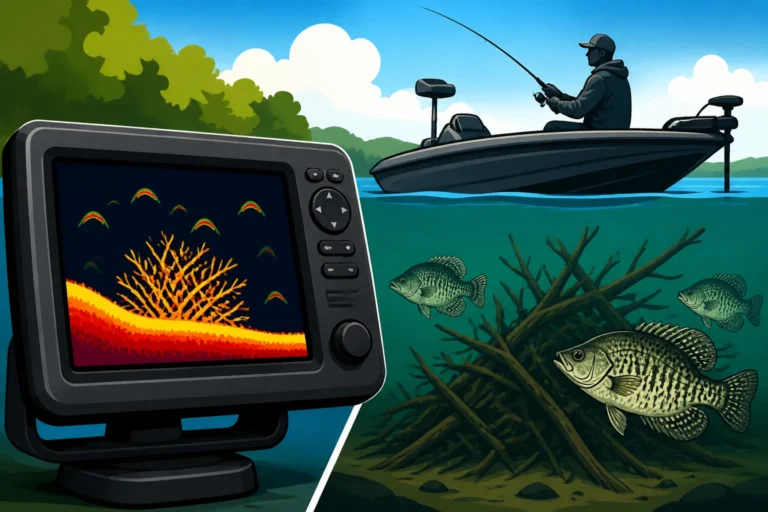
With reduced light and increased surface disturbance from rain, crappie often feel more secure pushing into shallower water than they might on a bright, sunny day. Look for any kind of shallow cover: brush piles, laydowns, stumps, lily pads, or even boat docks. These structures offer concealment and ambush points. They also provide a break from direct water impact during a heavy rain. Remember that crappie are ambush predators, and rain provides excellent camouflage for them to hide and strike. Using your fish finder for crappie to locate submerged structure can give you a significant advantage.
Fishing the Transition Zones:
Whether it’s the transition from clear water to muddy water (the dirty water line) or a thermocline (temperature break), crappie will often hold on these edges. If heavy rain has stained your favorite lake, look for the visible line where the clearer water meets the murkier runoff. This is a convergence point for baitfish and a prime feeding zone for crappie. Similarly, if the incoming rain is significantly colder or warmer, fish will seek out areas where the temperature is more stable or comfortable, often at deeper depths or within specific pockets of warmer or cooler water. This is especially true for Winter Crappie Fishing in Mississippi when rain can dramatically affect water temperatures.
Lure and Bait Choices for Rainy Days
Your choice of bait or lure needs to adapt to the conditions. Reduced visibility means you often need to make your offering easier for crappie to find.
High-Visibility Colors:
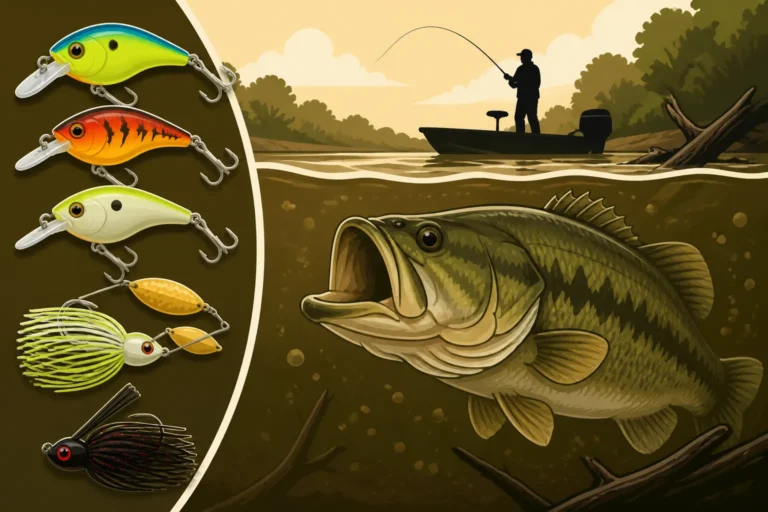
When the water is stained or murky due to runoff, crappie rely less on sight and more on their lateral line to detect prey. This is where bright, high-contrast colors come into play. Chartreuse, bright orange, hot pink, and dark colors like black or dark blue can be highly effective. These colors either stand out vividly in low light or create a strong silhouette against a cloudy sky or lighter bottom. Consider jigs with these colors, especially when Jig Fishing for Crappie. You can find a wide array of options on Amazon or at your local tackle shop.
Vibration and Profile:
Lures that produce a lot of vibration or have a larger profile can be more easily detected by a crappie's lateral line in dingy water. Soft plastic jigs with paddle tails, curly tails, or small spinnerbaits with thumping blades are excellent choices. These movements send out vibrations that crappie can feel from a distance. The extra "thump" can be the difference between a fish passing by and a fish investigating. Similarly, using a slightly larger profile jig than usual can also help with detectability.
Live Bait Advantage:
When all else fails, live bait is often the most consistent producer, especially in challenging conditions. Minnows, especially lively ones, provide natural scent, subtle vibration, and a realistic profile that artificial lures sometimes can’t replicate. Crappie can smell and feel a minnow even in the murkiest water, making it an irresistible offering. Presenting a live minnow under a bobber or on a tight line can be deadly effective. Make sure your live bait is healthy and active. For tips on the best options, check out our guide on the Best Bait for Crappie in Mississippi.
Presentation Techniques for Success
How you present your bait or lure is just as critical as what you’re using. Adjusting your technique can make all the difference on a rainy day.
Slow and Deliberate Retrieves:
Crappie, even when actively feeding, can be a bit more lethargic or cautious in rain-affected waters. A slow, deliberate retrieve allows them more time to locate and commit to your bait. Whether you’re casting a jig or Trolling for Crappie on Mississippi Reservoirs, reducing your speed can significantly increase your strike rate. Consider pausing your retrieve occasionally to let the jig flutter, mimicking a wounded baitfish.
Vertical Jigging and Spider Rigging:
When crappie are holding tight to cover or concentrated in specific depth zones, vertical jigging directly over them can be incredibly effective. This technique puts your bait right in front of their faces. For larger areas or when trying to cover multiple depths, Spider Rigging Techniques become invaluable. By presenting multiple baits at varying depths and distances from the boat, you can quickly locate the crappie and identify their preferred depth on any given rainy day. This is particularly useful when fish are scattered or moving frequently.
Adding Scent and Noise:
In low visibility conditions, appealing to a crappie's other senses can pay dividends. Adding scent to your artificial lures, such as a crappie-specific gel or spray, can make them more attractive. Some anglers also use jigs with rattles inside to create additional noise, helping crappie hone in on the bait in murky water. These subtle additions can often tip the scales in your favor when fish are struggling to see your presentation.
Here's a quick overview of how rain types influence crappie behavior and how you can react:
| Rain Type | Barometric Pressure | Water Clarity | Crappie Behavior | Recommended Actions |
|---|---|---|---|---|
| Pre-Rain | Falling | Clear to Lightly Stained | Increased activity, move shallower, feeding frenzy. | Fish aggressively with faster retrieves; target edges of cover. |
| Light Rain | Stable/Slight Drop | Clear to Slightly Stained | Comfortable, actively feeding, less wary. | Continue fishing shallow cover; use natural baits/lures. |
| Heavy Rain | Dropping/Low | Stained to Muddy | Disoriented, seek cover, move to clearer water edges. | Target dirty water lines, feeder creeks; use bright, vibrating lures. |
| Post-Rain | Rising/Stabilizing | Clearing | Gradually resume feeding; may stay near cover/edges. | Slow down, probe depths near cover, focus on clearing areas. |
Safety and Practical Considerations for Rainy Crappie Fishing
While fishing in the rain can be incredibly productive, it also comes with its own set of challenges, especially regarding safety and protecting your gear. As a seasoned angler, I've learned that a successful trip isn't just about catching fish, but also about staying safe and keeping your equipment in top shape.
Essential Gear for Wet Weather Fishing
Being prepared for rain means having the right apparel and safety items. There's nothing worse than being soaked to the bone hours from shore, miserable and cold.
Quality Rain Gear:
A good quality rain suit is non-negotiable. Look for waterproof and breathable materials that will keep you dry without making you sweat excessively. A full suit, including rain pants and a jacket with a hood, is ideal. Brands like Frogg Toggs or Grundens offer reliable options that you can find at sporting goods stores or easily browse on Amazon. Don't forget waterproof boots or shoes with good grip, as boat decks and muddy banks can become incredibly slippery. Your core body temperature is crucial, so layering your clothing underneath your rain gear is also a smart move.
Safety Equipment:
Rain often comes with reduced visibility and sometimes gusty winds, making safety paramount. Always wear a life jacket, even if you’re typically a strong swimmer. Modern life vests are comfortable and don't impede movement. Ensure your boat's navigation lights are functioning, and carry a reliable, fully charged communication device (like a cell phone in a waterproof case or a marine radio). A whistle or air horn can also be vital for signaling in low visibility. It’s always a good idea to check the local Mississippi Fishing Regulations Explained for specific safety requirements.
Waterproof Storage:
Protecting your valuables and electronics is essential. Invest in waterproof bags or dry boxes for your phone, wallet, keys, and any extra clothing. A smaller, dedicated waterproof bag for your fishing license and any permits is also smart. Keeping a towel or two in a dry bag can also be a lifesaver for wiping down hands, equipment, or even the inside of your boat.
Navigating and Staying Safe on the Water
Rainy conditions can turn a familiar body of water into a much more challenging environment. Prioritizing safety means being extra cautious.
Reduced Visibility:
Rain, especially heavy rain, significantly reduces visibility. This makes it harder to spot other boats, buoys, navigational markers, and even submerged hazards like stumps or shallow areas. Slow down your boat speed considerably. Use your depth finder and GPS, if available, but don't rely solely on electronics. Keep a sharp lookout, and consider having a passenger act as an extra set of eyes. Remember, a smaller fishing boat like a kayak or canoe can be especially hard to see, so be extra vigilant.
Lightning Risks:
Perhaps the most dangerous aspect of fishing in a rainstorm is the threat of lightning. If you hear thunder or see lightning, it’s time to get off the water immediately. Don’t wait it out; lightning can strike miles from where the rain is actually falling. Head for the nearest safe harbor, dock, or even your vehicle. Standing under a tall tree for shelter during a lightning storm is not safe, as lightning often strikes the highest point. Your safety is always more important than catching a few more crappie.
Slippery Surfaces and Boat Handling:
Rain makes everything wet and slick. Be extremely careful when moving around in a boat, on a dock, or on muddy banks. Boat decks, especially fiberglass or painted surfaces, can become incredibly slippery. Wear appropriate non-slip footwear. When operating a boat, be mindful that sudden maneuvers, especially in choppy water, can be more dangerous. Keep your weight centered, and avoid standing up unnecessarily. If you're using a bigger boat, be aware of Mississippi Boat Fishing Regulations.
Protecting Your Electronics and Tackle
Your fishing gear is an investment, and rain can wreak havoc on it if not properly managed. Taking a few extra steps can prolong the life of your equipment.
Electronics Protection:
Fish finders, GPS units, and other marine electronics are often built to be water-resistant, but heavy, prolonged rain can still be an issue. Use waterproof covers designed for your specific units. After your trip, make sure to thoroughly dry off all electronics before storing them. Even a little moisture can lead to corrosion over time. If you have portable electronics like cameras or portable speakers, keep them in dry bags or waterproof cases.
Tackle Care:
Rods, reels, and tackle boxes are all susceptible to rust and water damage. After a rainy outing, make sure to dry your rods and reels thoroughly with a soft cloth. If your reels got particularly wet, a light spray of corrosion-inhibiting lubricant can help. Open your tackle box and let everything air out. Jigs, hooks, and weights can rust quickly, especially if stored wet. Consider using desiccant packs (like silica gel) in your tackle box to absorb moisture. Organize your tackle so that rusty items don't contaminate others. This quick routine after a wet day can save you money and headaches in the long run. Even that budget tackle box from Amazon can last longer with a little care.
Fishing for crappie in the rain can be an incredibly rewarding experience, offering unique opportunities that sunny days simply don't. By understanding how crappie react to these changing conditions and adapting your approach with the right gear and safety precautions, you can turn a dreary forecast into a memorable day on the water.
Disclaimer
This article is for general informational purposes only and does not constitute professional advice. Laws, prices and regulations vary by location and change over time. Consult a qualified professional for guidance on your specific situation.