Best Tide for Surf Fishing on the Mississippi Coast
It's a familiar scene on the Mississippi Coast: you hit the beach, cast your line, and sometimes the fish are biting like crazy, and other times it's like a ghost town. Many factors play into a successful day of surf fishing, but one often overlooked yet profoundly impactful element is the tide. This comprehensive guide will help you decode the mysteries of the Mississippi Gulf Coast tides, revealing the best tidal stages to cast your line for a truly rewarding surf fishing experience.
Understanding Mississippi Coast Tides for Surf Fishing
When you're standing on the sandy shores of the Mississippi Gulf Coast, staring out at the gentle waves, it might not immediately seem like the tide plays a huge role. After all, compared to places with massive tidal swings, our coast has relatively subtle differences between high and low tide. However, don't let that fool you! Even small tidal movements create currents and affect water levels in ways that are absolutely critical to the fish and, by extension, your fishing success. Ignoring the tide is like trying to drive blindfolded – you might get lucky, but you're probably going to miss a lot.
What Makes Mississippi Tides Unique?
The Mississippi Gulf Coast is part of the larger Gulf of Mexico system, which generally experiences what are known as diurnal or mixed diurnal tides. This means you often get one high tide and one low tide per day (diurnal), or sometimes two unequal highs and lows (mixed diurnal). The key takeaway here, though, is the range. Our tidal range is usually much smaller than what you'd find on the Atlantic or Pacific coasts. We're talking about differences that might only be a foot or two, sometimes even less, depending on where you are along the coast and the specific celestial alignment of the moon and sun.
This relatively small range means that the currents generated by the tide might not feel as powerful to you, but they are still more than enough to influence baitfish movement, nutrient distribution, and the feeding patterns of larger game fish. For instance, in areas like the Mississippi Sound, the shallow depths mean even a foot of water difference can significantly change where fish can access food or seek refuge. It's a subtle dance, but one that fish instinctively follow. Understanding this subtlety is your first step to becoming a more effective surf angler here.
Why Tide Matters So Much for Surf Anglers
Even with a modest tidal swing, the movement of water along the Mississippi Coast acts as a trigger for fish activity. Think of it like this: the tide isn't just about the water going up and down; it's about the flow and current that these changes create. When the water moves, it stirs up the bottom, dislodging crabs, shrimp, and other small critters that become easy prey. It also pushes schools of baitfish, like mullet or menhaden, closer to shore or into certain ambush points.
Predatory fish, such as redfish and speckled trout, are opportunistic feeders. They position themselves to take advantage of these natural currents and bait movements. A strong incoming or outgoing tide can concentrate bait in specific areas, making them prime hunting grounds for the fish you're trying to catch. Conversely, during periods of slack tide, when the water movement is minimal, fish might spread out, become less active, and be much harder to entice with your bait or lure. Therefore, understanding the tidal cycle isn't just a suggestion; it's a fundamental aspect of saltwater fishing success on our coast. If you want to dive deeper into tactics, check out our guide on Surf Fishing Techniques on the Mississippi Coast.
The Ideal Tide Stages for Successful Surf Fishing
While every day on the water is different, general patterns emerge when it comes to tidal activity and fish behavior. For surf fishing on the Mississippi Coast, certain stages of the tide consistently offer better chances of success. It's not about being there exactly at high tide or low tide, but rather understanding the periods of movement that lead up to and away from those peaks.
High Tide: Bringing the Fish Closer
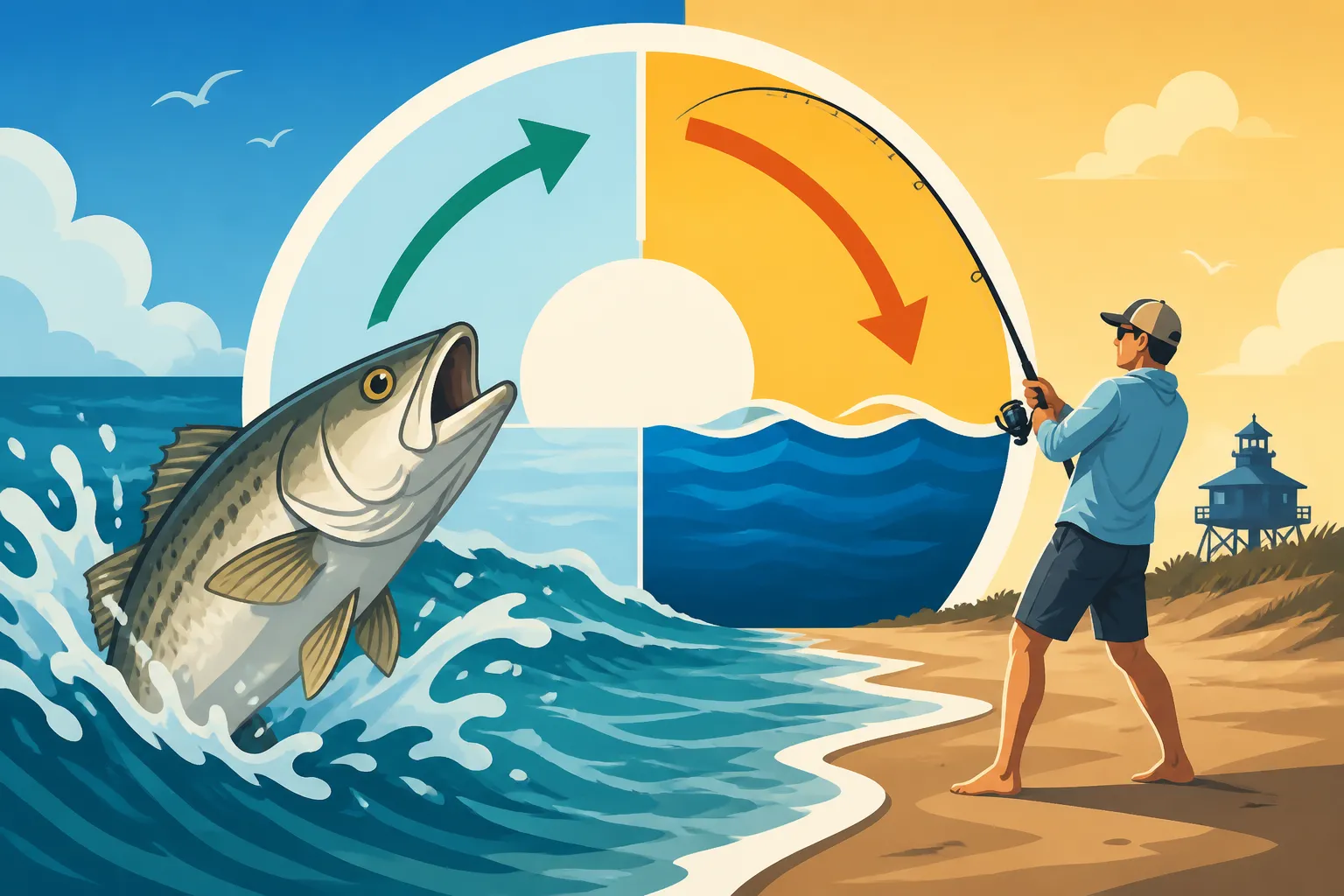
High tide, particularly the last hour or two leading up to it, and the first hour or so after it peaks, is often a prime time for surf fishing along the Mississippi Coast. As the water level rises, it floods into shallow areas, sandbars, and small sloughs that might have been dry or too shallow during low tide. This influx of water brings with it a buffet of food for hungry fish.
Imagine a group of redfish patrolling the beachfront. As the tide comes in, they'll push into those newly submerged areas, often right up to the sand, searching for crabs, shrimp, and small baitfish that are trying to escape the rising water. This means they are often within casting range of the surf angler. You might find speckled trout moving in closer to structure, like jetties or deeper troughs, as the higher water gives them more cover and access to food. The increased water depth also provides a sense of security for larger fish, making them more willing to venture closer to shore. So, if you're targeting species like Redfish Fishing on the Mississippi Coast or Speckled Trout Fishing on the Mississippi Coast, this tidal stage is definitely one to key in on.
Falling Tide: Concentrating Bait and Predators
The falling tide, especially the first few hours after the high tide peak, is another incredibly productive period for surf fishing. As the water recedes, it starts to pull baitfish, shrimp, and other food sources out of those shallow areas and concentrate them into deeper channels, troughs, and cuts closer to the main surf zone. This creates natural ambush points for predatory fish.
Think of it like a funnel. All that food that spread out during high tide is now being squeezed into narrower corridors. Fish like flounder, redfish, and even some types of baitfish will stage themselves along these pathways, waiting for an easy meal to be swept past them by the current. Anglers targeting these species can have excellent success by focusing their casts on these outflow areas, casting parallel to the beach to intercept fish moving with the current. It's a time when the fish don't have to work as hard to find food, making them more aggressive and eager to bite.
Low Tide: Scouting and Accessibility
While low tide isn't typically considered the "best" time for active surf fishing on the Mississippi Coast, it offers incredible advantages for the astute angler. During the lowest point of the tide, many sandbars, troughs, and hidden structures become exposed or much more visible. This is your chance to scout the beach, identify promising features, and understand the underwater topography that will be crucial when the water rises.
You can walk the beach and literally see where the deeper cuts are, where shell beds might be hiding, or where a sandbar drops off sharply. These are all prime locations where fish will congregate and feed during other tidal stages. Taking the time to scout at low tide allows you to mentally map out the best places to cast your line when the water comes back in. While you might not catch as many fish during the lowest tide, you can certainly catch a lot of invaluable information that will make your next trip far more productive. For instance, the shallow nature of many areas around Bay St. Louis or Biloxi Beach becomes very apparent at low tide, revealing fish-holding structure you might never know existed otherwise.
Slack Tide: The Lull Before the Action
Slack tide refers to the period of minimal water movement that occurs at the peak of high tide and the lowest point of low tide. During this time, the currents are at their weakest, and for many surf species, this translates to a lull in feeding activity. The water isn't moving bait around as effectively, and fish tend to spread out and become less aggressive.
While you can still catch fish during slack tide, it's generally considered less productive than the periods of strong incoming or outgoing current. If you find yourself fishing during slack tide, it might be a good time to experiment with different baits, lures, or even locations. Sometimes, fish that are less active will still respond to something presented directly in front of them or a unique offering. However, seasoned anglers often view slack tide as a good opportunity for a break, to re-rig, grab a snack, or simply enjoy the peacefulness of the coast before the next productive tidal movement begins.
Factors Beyond Just the Tide: Maximizing Your Chances
While tide is undeniably a cornerstone of successful surf fishing on the Mississippi Coast, it's not the only factor. A great angler knows how to integrate tidal knowledge with other environmental variables to create the perfect storm (metaphorically speaking!) for a fantastic day on the water. Overlooking these other elements can mean the difference between a decent outing and a truly memorable one.
Impact of Wind and Weather
Wind is arguably just as critical as tide, if not more so, for surf fishing in Mississippi. A strong onshore wind (blowing from the Gulf towards the shore) can create choppy conditions, push baitfish and warmer water closer to the beach, and even improve water clarity in certain areas by keeping sand suspended. This can be great for fish, as it provides cover and disorients bait. However, too much wind can make casting difficult and pile up seaweed, which is a major nuisance for anglers.
Conversely, an offshore wind (blowing from land out to sea) can flatten the surf, sometimes making the water too clear and calm, which can spook wary fish. It also tends to push bait farther offshore. The direction and strength of the wind directly affect current, wave action, and water clarity, all of which influence where fish feed and how aggressively they bite. Always check the wind forecast along with your tide charts before heading out. Sometimes, even if the tide isn't "perfect," a favorable wind can turn the bite on. For example, a light easterly breeze can often be ideal for fishing the barrier islands or open beaches.
Moon Phases and Their Influence
The moon, being the primary driver of tides, naturally has an influence beyond just raising and lowering the water. Full and New Moon phases bring about what are known as "spring tides," characterized by stronger tidal currents and larger ranges. This is when the gravitational pull of the sun and moon are aligned, creating a more pronounced tidal effect. These stronger currents can often lead to increased feeding activity among predatory fish as more bait is moved around.
Conversely, during the Quarter Moon phases (first and third quarter), you'll experience "neap tides," which have weaker currents and smaller tidal ranges. While fishing can still be good during neap tides, the action might be a bit slower or require more precise bait presentation. Many anglers consult a lunar calendar, often available on Amazon or through various fishing apps, to get a general idea of when these stronger or weaker tidal periods will occur, helping them plan their trips for optimal conditions. It's not a hard and fast rule, but it's another piece of the puzzle.
Time of Day and Light Conditions
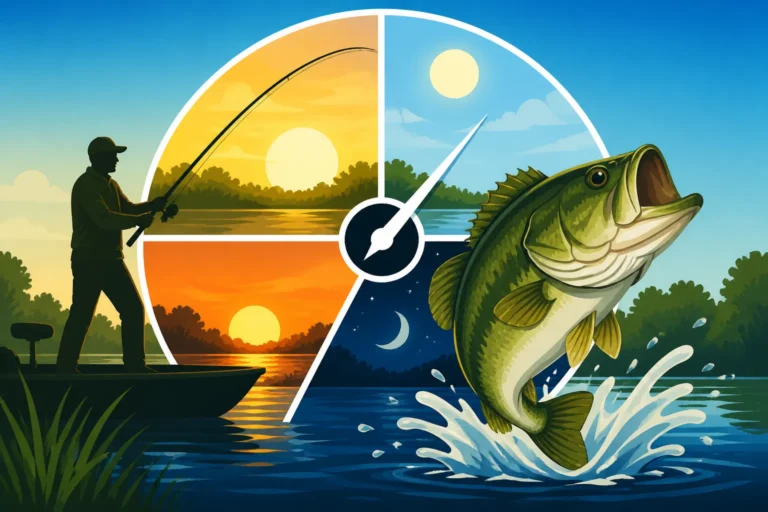
Beyond the tide and moon, the time of day and prevailing light conditions play a huge role in surf fishing success. Dawn and dusk are universally recognized as prime fishing times across most species and locations, and the Mississippi Coast is no exception. During these low-light periods, many predatory fish feel more comfortable moving into shallow water to feed, as they are less exposed to overhead predators and their own prey has reduced visibility.
The cooler temperatures associated with sunrise and sunset also tend to make fish more active, especially during the hot Mississippi summers. Even if the tide isn't perfect, fishing during these "golden hours" can often yield fantastic results. On bright, sunny days, fish tend to retreat to deeper water or seek out structure that provides shade and cover. If you're fishing mid-day, focus on areas with deeper troughs, submerged structure, or consider using baits that mimic distressed prey. Combining a good tide with dawn or dusk fishing can be an unbeatable strategy. You might want to consider going during these times if you're looking into Mississippi Fishing Season Dates and Limits for specific species.
Reading and Using Mississippi Tide Charts
Knowing that tides are important is one thing, but knowing how to use tide charts to your advantage is where the real skill comes in. Luckily, with modern technology, accessing and interpreting tide data for the Mississippi Coast has never been easier. The key is to not just look at the numbers, but to understand what those numbers mean for your specific fishing spot. For a more in-depth tutorial, make sure to read our guide on How to Read Tide Charts for Gulf Coast Fishing.
Where to Find Reliable Tide Information
There are numerous reliable sources for tide charts specifically for the Mississippi Gulf Coast. The National Oceanic and Atmospheric Administration (NOAA) provides official tide predictions for various stations along the coast, which are generally very accurate. Many popular fishing apps, like Fishbrain or Tide Charts Near Me, also pull their data from NOAA or similar sources and present it in an easy-to-digest format, often with graphical representations. You can also find them online through dedicated fishing forecast websites or often provided by local bait and tackle shops.
When looking at a tide chart, make sure you're checking the station closest to where you plan to fish. Tides can vary slightly from one location to another, even a few miles down the coast, due to localized geography and water depth. For example, the tides in Pascagoula Bay might be slightly different from those near Gulfport Harbor or Bay St. Louis due to the unique characteristics of each area. Always confirm your location to get the most accurate prediction. Many anglers even carry a laminated tide chart with them, or have it saved on their phone, for quick reference while on the beach.
Interpreting the Numbers for Your Spot
A typical tide chart will show you the date, time, and height of high and low tides. The "height" is usually measured in feet above or below a standard reference point. While the exact numerical height is important for navigation and knowing when things might go dry, for fishing, you're often more interested in the rate of change and the difference between high and low.
| Tide Stage | Ideal Fishing Time | Why it's Good for Surf Fishing | Target Species |
|---|---|---|---|
| Incoming Tide | Last 2 hours before High | Pushes bait to shore, floods shallow areas, increases fish access and security. | Redfish, Speckled Trout, Flounder |
| High Tide Peak | 1 hour before & 1 hour after | Fish are actively exploring newly covered areas close to shore. | Redfish, Speckled Trout |
| Falling Tide | First 2-3 hours after High | Concentrates bait and fish into deeper troughs and channels. | Flounder, Redfish, Sheepshead |
| Low Tide Peak | Less ideal for active fishing | Best for scouting structure, identifying channels and drop-offs for later. | Occasional stray bites, Pompano in deeper cuts |
| Slack Tide | Generally slow | Minimal current, fish less active, can be a good time to move spots or re-rig. | Harder to predict bites |
The greater the difference between a high and low tide (especially during spring tides), the stronger the current will be during the incoming and outgoing phases. This stronger current typically means more active feeding. A smaller difference, indicative of neap tides, means weaker currents and often slower fishing. Pay attention to the times listed; you'll want to plan to arrive at your spot at least an hour or two before your target tidal stage to get set up and start casting as the action begins.
Planning Your Trip Around Peak Tidal Movement
Armed with your tide chart, you can now strategically plan your surf fishing excursions. Instead of just showing up whenever you have free time, you can schedule your trip to coincide with those crucial periods of strong incoming or outgoing tides, ideally overlapping with dawn or dusk. If you're targeting specific fish, like using live shrimp for Best Bait for Speckled Trout, you'll want to be there when the current is naturally moving that bait around.
For example, if high tide is predicted for 10:00 AM, you might plan to be on the beach by 8:00 AM to fish the last two hours of the incoming tide and the first hour after the peak. If low tide is at 3:00 PM, you might scout the beach around 2:00 PM, taking mental notes or even snapping pictures of exposed features, then return later in the evening to fish the incoming tide. This proactive approach dramatically increases your chances of encountering actively feeding fish and transforming a potentially frustrating day into a truly successful one. Don't forget your Mississippi Saltwater Fishing License Guide requirements either!
Disclaimer
Fishing conditions and regulations in Mississippi can change. Always consult the latest rules and regulations from the Mississippi Department of Wildlife, Fisheries, and Parks (MDWFP) before you head out. This guide is for informational purposes only and should not replace official sources.