Is Bowfin Good to Eat?
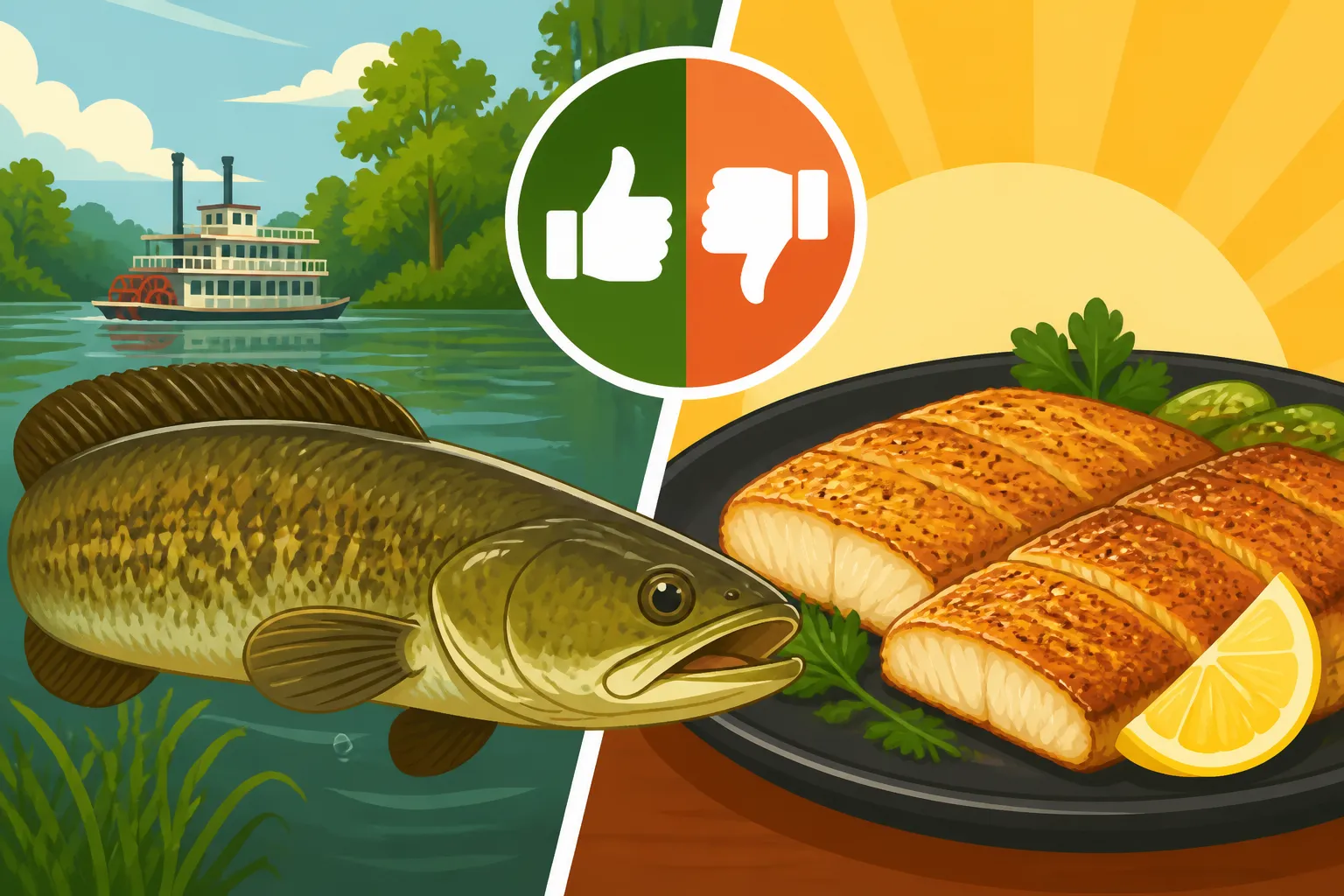
You've probably heard the whispers around the bait shop or read forum comments online: "Is bowfin good to eat?" It's a question that often comes with a bit of a wrinkle-nosed look, a dismissive wave, or even outright scoffing. For many anglers, especially here in Mississippi, the bowfin (sometimes called cypress trout, mudfish, grinnel, or dogfish) carries a certain stigma, often considered more of a nuisance than a dinner plate delicacy. But before you automatically toss that next catch back, let me tell you, there's a real culinary secret hidden beneath that ancient, armored skin if you know how to unlock it. This guide will cut through the myths and give you the straight scoop on preparing and enjoying bowfin.
Understanding the Bowfin's Reputation: More Than Just a "Trash Fish"
Let's be honest, the bowfin doesn't win any beauty contests, and its aggressive nature on the line, combined with a tough, slimy skin, doesn't always endear it to anglers. These powerful, primitive fish are true survivors, and they're found throughout many of Mississippi's freshwater systems, thriving where other species might struggle. However, their formidable appearance and misunderstood characteristics have unfortunately led to a widespread reputation that often prevents people from even considering them for the dinner table.
The "Trash Fish" Misconception and Its Origins
The term "trash fish" is often thrown around for species that are difficult to clean, don't put up a "sporting" fight in the traditional sense, or simply aren't as widely popular as the holy trinity of bass, crappie, or catfish. For the bowfin, this label largely stems from a few key factors. First, they can be incredibly slimy, which makes handling and cleaning them a bit of a chore for the uninitiated. This slime serves as a protective layer, but it sure doesn't make for easy processing at the cleaning station.
Second, their powerful jaws and sharp teeth can be intimidating, leading some anglers to fear getting bitten or simply not wanting to deal with the hassle of de-hooking them. And finally, there's the pervasive myth that their meat is inherently bland or mushy, a notion that has unfortunately taken root over generations. This often leads anglers to release them immediately or, worse, leave them to die on the bank, which is a real shame given their potential.
Identifying a Bowfin: Knowing Your Catch
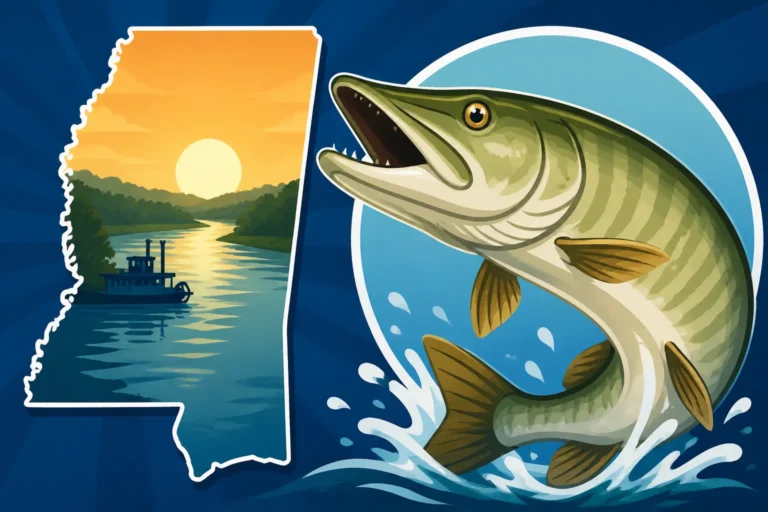
Before you even think about eating a bowfin, you need to be sure you’ve actually caught one! These unique fish have some very distinct features. They have a long, cylindrical body, a long dorsal fin that runs almost the entire length of their back, and a large, toothy mouth. A key identifier is the prominent black spot, often with a yellow or orange halo, located at the base of the tail fin. This spot is usually more pronounced on males. They can also breathe air directly from the surface thanks to a specialized swim bladder, which means they can survive in low-oxygen environments where other fish might perish.
Their coloring can vary from olive green to brown on the back, fading to a lighter belly. You'll often find them lurking in thick vegetation, submerged timber, or muddy bottoms, especially in sloughs, backwaters, and slow-moving rivers. Knowing how to identify them correctly is the first step in deciding whether to keep one for a meal or release it. For more on identifying various species, you might want to check out our Bass Identification Guide for Mississippi Anglers or even our Crappie Identification Guide for Mississippi Anglers.
The Truth About Bowfin Meat: Overcoming the Texture Challenge
So, to answer the burning question: Is bowfin good to eat? Absolutely, yes, but with a significant caveat. It's not inherently "bad," but it can be if you don't prepare it correctly. The biggest hurdle for many people is the texture, which can indeed be soft or "mushy" if not handled properly. However, with the right techniques, you can transform this often-maligned fish into something truly delicious, something with a firm, flaky, and flavorful profile.
The Texture Challenge: Why It Can Be Mushy
The "mushy" reputation of bowfin primarily comes from how the fish is handled immediately after being caught. Unlike many popular game fish, bowfin blood contains a compound that, when not removed quickly, can break down the muscle tissue, leading to that undesirable soft texture. If you simply toss a bowfin into a cooler full of ice without bleeding it out first, you're almost guaranteeing a less-than-ideal culinary experience.
Think of it like this: if you properly bleed a catfish, you get firm, white fillets. If you don't, the meat can be redder and have a stronger, sometimes unappealing, flavor. The same principle, but amplified, applies to bowfin. Many anglers who swear bowfin is terrible have likely never actually prepared it correctly, inadvertently contributing to the negative stereotype. It’s a common mistake, and one that’s easy to avoid once you know the trick.
Key to Proper Preparation: Bleeding and Icing
The absolute, non-negotiable secret to good-eating bowfin is to bleed the fish immediately and thoroughly upon catching it. This is not just a recommendation; it's a requirement for a firm, palatable fillet. As soon as you land a bowfin that you intend to keep, cut its gills or sever the artery just behind the gills. Let it bleed out completely, holding it head-down, before placing it on ice. This step expels the blood that causes the meat breakdown.
After bleeding, get the fish on ice as quickly as possible. A good cooler filled with ice is your best friend. This rapid cooling further stops any enzymatic processes that could degrade the flesh. If you follow these two steps diligently, you’ll be amazed at the difference in the firmness and quality of the meat compared to a fish that wasn't bled and iced properly. It’s the difference between a tough, rubbery steak and a tender, juicy one; the initial handling makes all the difference.
Cooking Bowfin: Techniques for Success
Once you've properly bled and iced your bowfin, you've won half the battle. Now comes the fun part: turning it into a meal. Bowfin has a flavor that's often described as mild, sometimes slightly earthy, and it takes on seasonings incredibly well. The trick is to choose cooking methods that complement its texture, ensuring it remains firm and flaky.
Filleting and Cleaning Tips
Cleaning a bowfin can be a bit challenging due to their thick, tough skin and copious slime. Don't be discouraged! First, wear gloves – seriously, you'll thank me later. Some anglers suggest scaling them, but many prefer to simply skin them. A sharp fillet knife is essential, and you might even consider one specifically designed for tougher-skinned fish, which you can find a good selection of on Amazon.
To skin a bowfin, make a cut behind the head down to the backbone, then use pliers to peel the skin away from the meat. It can be a bit of a workout, but it’s worth it. Once skinned, fillet the fish as you would a bass or catfish. You'll notice a red lateral line down the side of the fillet; trim this off, as it can impart a stronger, fishier flavor. What you're left with are beautiful, white, firm fillets ready for cooking. If you're used to cleaning other species, our guide on How to Fillet a Crappie or How to Fillet a Catfish might offer some transferable knife skills.
Popular Cooking Methods for Bowfin
Because of its naturally firm texture (when properly bled and iced!), bowfin stands up well to various cooking methods.
- Frying: This is a classic for a reason. Cut your fillets into chunks or strips, bread them with your favorite cornmeal or flour mix (seasoned with salt, pepper, garlic powder, and paprika), and deep fry until golden brown. The crispy exterior perfectly contrasts the firm, flaky interior. This method is incredibly popular for many Mississippi freshwater fish, and bowfin is no exception.
- Grilling/Smoking: For a different flavor profile, bowfin fillets can be grilled or smoked. Marinate the fillets first to add moisture and flavor. Smoking at a lower temperature for a longer period can yield fantastic results, giving the fish a rich, smoky taste and a firm, almost "jerky-like" texture that's surprisingly good. If you're into smoking, a quality smoker, also easily found on Amazon, can elevate your wild game cooking.
- Pickling: This might sound unusual, but pickling is a fantastic way to preserve and transform bowfin. The pickling brine (vinegar, sugar, spices) breaks down any remaining soft tissues and firms up the meat, resulting in a tangy, flavorful treat often compared to pickled herring. It's a great option for those who catch a lot of bowfin and want to try something truly unique.
- "Gator Bait": A traditional method in some parts of the South involves grinding the meat and mixing it with seasonings and breadcrumbs to form patties, then frying them. This method works especially well if, despite your best efforts, some mushiness remains, as the grinding process takes care of the texture.
Recommended Seasonings and Pairings
Bowfin is a blank canvas for flavors. Don't be shy with your seasonings! Cajun spices, lemon pepper, garlic and herb blends, or even a simple salt and black pepper rub all work beautifully.
- For Frying: Serve with tartar sauce, hushpuppies, coleslaw, and a squeeze of fresh lemon.
- For Grilling/Smoking: Pair with roasted vegetables, rice pilaf, or a fresh green salad. A sweet and tangy barbecue sauce can also be a surprising, delicious complement.
- For Pickling: Enjoy pickled bowfin as an appetizer with crackers and cheese, or as part of a charcuterie board.
Here's a quick comparison of various freshwater fish textures when cooked, assuming proper preparation:
| Fish Species | Typical Cooked Texture | Flavor Profile | Preparation Key |
|---|---|---|---|
| Bowfin | Firm, flaky, robust (if bled) | Mild, slightly earthy | Immediate and thorough bleeding, rapid icing. |
| Catfish | Firm, flaky, moist | Mild, sweet, sometimes earthy | Proper cleaning, skinning, and chilling. |
| Largemouth Bass | Medium-firm, flaky | Mild | Filleting, removing red meat, immediate icing. |
| Crappie | Delicate, flaky, very tender | Mild, sweet | Careful filleting, quick cooking, fresh is best. |
| Bream/Bluegill | Firm, flaky, tender | Sweet, mild | Scaling or skinning, pan-frying whole or as fillets. |
This table clearly shows that when handled correctly, bowfin can offer a cooked texture that stands alongside other popular species.
Nutritional Value and Sustainability
Beyond its surprising culinary potential, bowfin also offers several benefits from a nutritional and ecological standpoint. It’s a native species, often abundant, and represents a sustainable food source that many anglers overlook.
Bowfin as a Sustainable Resource
In many Mississippi waters, bowfin populations are robust and healthy. They are often considered apex predators in their ecosystems, helping to keep other fish populations in check. Unlike some overfished species, there's generally no shortage of bowfin, making them an excellent sustainable choice for the angler who wants to "eat local" and reduce pressure on more popular, regulated species. You won't find specific creel limits or size restrictions on bowfin like you would for Mississippi Black Bass Regulations or Mississippi Crappie Regulations by Lake, which speaks to their healthy populations. However, always double-check current Mississippi Fishing Regulations Explained before heading out.
By targeting and utilizing bowfin, you're not only discovering a new food source but also potentially contributing to the ecological balance of your local waterways. It's a win-win for both your dinner table and the environment.
Health Benefits of Eating Bowfin
Like most fish, bowfin is a good source of lean protein. While not as widely studied as salmon or tuna, freshwater fish generally contain beneficial omega-3 fatty acids, vitamins, and minerals. Incorporating various fish species into your diet, including abundant local options like bowfin, can be a healthy choice.
When prepared correctly, bowfin offers a satisfying meal that's both economically sound and environmentally friendly. So next time you hook one of these ancient warriors, don't be so quick to dismiss it. With a little effort and the right approach, you might just discover a new favorite for your fish fry!
Disclaimer
This article is for general informational purposes only and does not constitute professional advice. Laws, prices and regulations vary by location and change over time. Consult a qualified professional for guidance on your specific situation.