Is Gar Good to Eat?
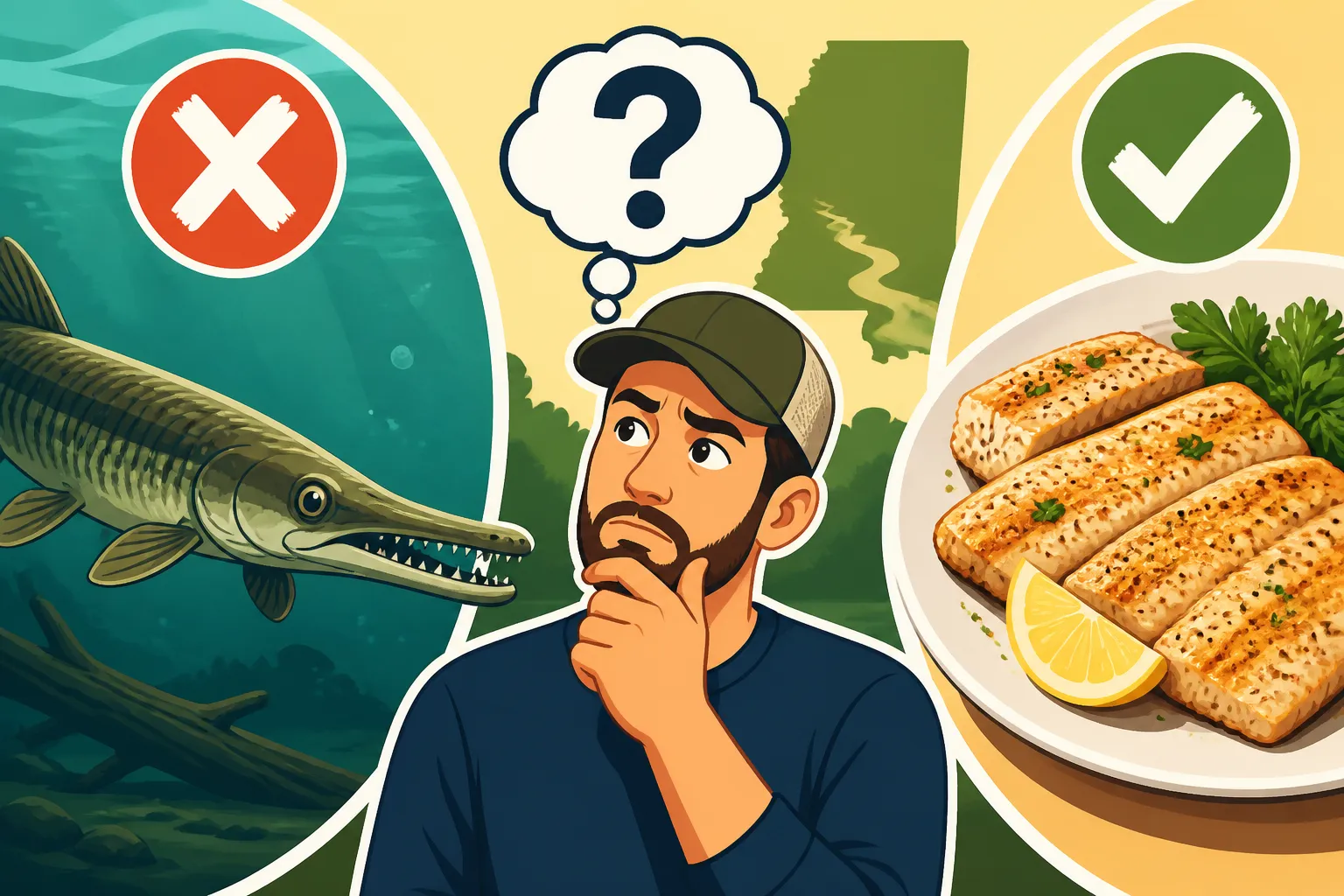
Ah, the mighty gar! For years, these incredible fish have swum Mississippi's waters, often stirring up more curiosity than culinary cravings. You see them jumping, lurking in the shallows, or even caught on a trotline, and the big question always pops up: "Is gar even good to eat, or is it just a 'trash fish'?" It's a common misconception, fueled by their prehistoric appearance and tough scales, that they're not worth the effort. But let me tell you, that couldn't be further from the truth! This guide is here to clear up those myths and show you exactly why gar, when prepared correctly, can be a delicious addition to your table.
The Truth About Gar as Table Fare: Beyond the Rough Exterior
It’s true that gar don't win any beauty contests, and their armored scales can look intimidating. This, combined with their often predatory nature, has unfortunately led many folks in Mississippi to dismiss them as a "rough fish" or even worse, "trash fish." But beneath that tough exterior lies some surprisingly tasty meat. The reality is, if you know how to clean and cook them, gar can be a fantastic meal, offering a unique flavor and texture that many anglers actually prefer over more traditional catches.
Think about it: many cultures around the world savor fish that might look a bit different to us, or require a specific preparation method. Gar is no different. It's about breaking down those old assumptions and learning a few tricks that can transform a challenging catch into a culinary triumph. The primary hurdle isn't the taste of the meat itself, but rather the effort required to get to it, which we’ll cover in detail.
Why the Bad Rap for Gar?
Let's be honest, gar aren't the easiest fish to handle from the moment they hit your line. Their long, toothy jaws, combined with those incredibly hard, diamond-shaped scales, make them seem like a formidable opponent even after they're landed. Many anglers simply don't want to deal with the hassle of cleaning a fish that looks like a miniature alligator. It's a valid point – they aren't your typical panfish that you can zip a fillet knife through in seconds.
Beyond the physical challenges, there's also a historical perception. For generations, certain fish were labeled "game fish" and others "rough fish," often based on ease of catching or cleaning, or perhaps even a misguided sense of culinary hierarchy. Gar, with their prehistoric lineage and diet, often got lumped into the latter category, despite the fact that their flesh is lean, white, and firm. It's a classic case of judging a book by its cover, or in this case, a fish by its scales. However, for those willing to put in a little extra effort, the rewards are definitely there. If you're looking for an exciting fishing experience, Alligator Gar Fishing in Mississippi can be a real thrill, and knowing you can eat your catch makes it even better.
Different Gar Species, Different Tastes?
While Mississippi is home to several gar species, the most commonly targeted for eating are the Alligator Gar and the Longnose Gar. Do they taste different? Not significantly enough for most people to notice a huge distinction in the cooked meat. Both offer firm, white, flaky flesh.
- Alligator Gar: These giants, as explored in Alligator Gar Size in Mississippi Waters, offer a substantial amount of meat. Given their sheer size, preparing an Alligator Gar can yield enough fillets for a large family or a neighborhood cookout. Their meat is often described as slightly more robust, but still very palatable.
- Longnose Gar: More slender and often found in a wider variety of freshwater habitats across Mississippi, Longnose Gar are also excellent table fare. They might be a bit easier to handle due to their smaller overall size compared to their alligator-mouthed cousins, but they still present the same cleaning challenges related to their tough hide.
Regardless of the species, the key to great-tasting gar is handling them properly from the moment they're caught. Keeping them cool and cleaning them promptly helps ensure the best flavor and texture, just like with any other fish.
How to Clean and Prepare Gar for Eating: The Culinary Gauntlet
Okay, so we've established that gar is indeed good to eat. Now comes the part that often separates the curious from the committed: the cleaning process. This isn't your grandma's crappie filleting routine. Gar are built like tanks, and their armor-plated scales require a specific approach. But don't despair – with the right tools and a little patience, it's absolutely doable and incredibly rewarding.
Many folks find the idea of cleaning a gar daunting, but once you get the hang of it, it becomes much easier. It's all about breaking through that initial barrier. Remember, the goal is to get to that delicious, firm meat, and that means respecting the fish's natural defenses. Before you even start, make sure you know the regulations; for instance, Is It Legal to Keep an Alligator Gar in Mississippi? covers important guidelines for retention.
The Art of Gar Cleaning: Tools and Techniques
Forget your flimsy fillet knife for the initial stage. For gar, you're going to need some serious equipment. The scales are so tough they're almost like bone, and a standard knife just won't cut it (literally!).
Here’s a breakdown of what you'll need and how to tackle it:
- Heavy-Duty Shears or Tin Snips: This is your secret weapon. You'll need something strong enough to cut through the gar's skin and scales. Some anglers even use small bolt cutters for the larger Alligator Gar. You can find excellent quality, heavy-duty utility shears on Amazon that will make this job significantly easier. Look for ones with comfortable grips and strong blades.
- Sturdy Fillet Knife: Once you get past the scales, you'll still need a good, sharp fillet knife for separating the meat from the backbone.
- Work Surface: A solid, stable surface that you don't mind getting messy is crucial.
- Gloves: Heavy-duty gloves can protect your hands from the rough scales and sharp teeth.
The Cleaning Process (A Simplified Overview):
- Step 1: Secure the Fish. This is important. A gar can still be lively, even if it appears subdued. Lay it on its back, or belly, depending on your preferred method, and make sure it's secure. Some anglers nail the tail to a board (if legal and safe to do so) to prevent slipping.
- Step 2: Score the Back. Using your heavy-duty shears, cut a line down each side of the dorsal fin, from the head almost to the tail. Don't try to cut through the backbone, just deep enough to penetrate the tough skin and scales.
- Step 3: Cut the "Strap" of Meat. This is where you remove the prime cuts. Using your shears or a very sturdy, sharp knife, cut across the gar's back, just behind the head, down to the backbone. Then, you'll essentially peel or cut the meat in strips from the backbone towards the side. Think of it less like filleting and more like de-hiding.
- Step 4: Skin Removal. The strips of meat will still have skin attached. Use your fillet knife to carefully separate the white flesh from the tough skin, much like you would skin a catfish or remove the rib cage from a larger fish. Discard the skin and bony parts. For a visual guide, looking up "How to Clean an Alligator Gar" can provide excellent step-by-step videos that complement these instructions.
It's a process that takes practice, but once you've done it a couple of times, you'll be surprised at how efficient you become.
Popular Cooking Methods for Gar
Once you've got those beautiful, white gar fillets, the culinary possibilities are wide open! The firm texture of gar meat holds up well to a variety of cooking methods.
Here are a few popular ways Mississippi anglers enjoy their gar:
- Fried Gar: This is a classic for a reason. Cut your gar into bite-sized nuggets, dredge them in seasoned cornmeal or your favorite fish fry mix, and deep fry until golden brown and crispy. The firm texture prevents the fish from falling apart, giving you delicious, meaty chunks that are perfect with a side of hushpuppies and coleslaw. This method is incredibly popular for a reason—it's hard to beat crispy fried fish!
- Grilled Gar: For a healthier option, gar is excellent on the grill. Marinate the fillets in your favorite blend of herbs, spices, and a little citrus juice. Grill over medium-high heat until cooked through and flaky. The firmness of the meat keeps it from sticking or breaking apart on the grill grates, which can be a real frustration with other types of fish.
- Smoked Gar: Smoking gar brings out a fantastic depth of flavor. Prepare your fillets with a dry rub or brine, and then slow-smoke them over hickory, pecan, or another fruit wood. The slow cooking tenderizes the meat beautifully, creating a rich, smoky flavor that's out of this world. Smoked gar can be enjoyed on its own, flaked into dips, or even used in tacos. If you’re looking for a new smoker, Amazon offers a huge selection of electric, propane, and charcoal smokers suitable for fish.
- Gar Balls: This is a truly unique and traditional way to enjoy gar in parts of the South. The gar meat is ground, mixed with seasonings (like onions, bell peppers, and Cajun spices), formed into balls, and then deep-fried. They're incredibly flavorful and a great way to use up trimmings or smaller pieces of gar meat. Think of them as a Southern fish fritter.
Gar's versatility is one of its most appealing traits once you get past the cleaning. It's truly a blank canvas for your culinary creativity.
What to Expect from Gar Meat: Taste, Texture, and Nutrition
So, you've gone through the effort of catching and cleaning your gar. Now for the payoff! What does it actually taste like? Many people are surprised by the quality of the meat, often expecting something muddy or "fishy" given the gar's appearance and habitat. But the reality is quite different.
Understanding what to expect will help you appreciate this unique Mississippi catch even more. It's a fantastic local resource, especially if you're keen on exploring all the bounty our waters have to offer. And let's be honest, there's a certain satisfaction that comes from mastering a challenging fish and turning it into a delicious meal.
Taste Profile and Texture
Gar meat has a distinct flavor and texture that sets it apart. It’s generally described as:
- Mild and Clean: Despite living in freshwater environments, gar rarely have a strong "fishy" or muddy taste, especially if cleaned quickly and kept cold. The flavor is quite mild, allowing seasonings to shine through.
- Firm and Flaky: This is where gar truly stands out. The meat is incredibly firm and dense, almost chicken-like in consistency before cooking. Once cooked, it becomes beautifully white and flaky, but still retains its structure. This firm texture makes it excellent for frying, grilling, or stewing, as it doesn't easily fall apart like some more delicate fish.
- Low Fat: Gar meat is very lean, contributing to its firm texture. This also means it can dry out if overcooked, so paying attention to cooking times is important.
Many people compare gar to other firm white fish, or even certain types of fowl, due to its texture. Some say it's similar to redfish or even alligator tail meat in terms of firmness. If you enjoy other freshwater species like catfish, you might find the texture of gar to be a delightful change of pace, though the flavor is typically milder than catfish. For other species, you might be interested in our Mississippi Freshwater Fish Species Guide.
Nutritional Value of Gar
Beyond its taste and unique texture, gar also offers good nutritional value. As a lean, wild-caught protein source, it's a healthy addition to your diet.
- High in Protein: Gar meat is packed with high-quality protein, essential for muscle repair and overall body function.
- Low in Fat: As mentioned, it's a very lean fish, making it a good choice for those watching their fat intake.
- Vitamins and Minerals: Like most fish, gar contains various essential vitamins and minerals, though specific levels can vary.
It's a natural, wholesome food source right from Mississippi's abundant waters. So, not only is it tasty, but it's also good for you!
Tips for a Successful Gar Meal: From Water to Plate
Now that you're armed with the knowledge of how delicious gar can be, let's talk about some practical tips to ensure your gar meal is a resounding success. From the moment you land that fish to the final presentation on your plate, a few key practices can make all the difference.
Catching gar can be an incredibly fun experience, whether you're targeting them specifically or just happen to hook one while fishing for other species. Many anglers find themselves surprised by the strength and fighting spirit of gar.
Best Practices for Catching and Handling Gar
The quality of your gar meal starts long before you ever pick up a pair of shears. Proper handling in the field is paramount.
- Cool Quickly: As with any fish you intend to eat, getting your gar on ice as quickly as possible is crucial. A cooler full of ice will slow down spoilage and help preserve the freshness and flavor of the meat. Don't let your gar sit in a hot boat or on the bank for extended periods.
- Clean Promptly: While you might not be able to clean it right on the spot, aim to clean your gar as soon as you get home or to a suitable cleaning station. The longer a fish sits whole, the more the natural processes can affect the meat quality.
- Consider Catch Method: Gar can be caught using various methods, from traditional rod and reel with cut bait to more specialized techniques like bow fishing. Regardless of how you catch them, ensure humane dispatch to minimize stress on the fish, which can impact meat quality. If you're using bait, you might be interested in Best Bait for Catfish in Mississippi for ideas, as gar often hit similar baits.
Essential Gear for Processing Gar at Home
Having the right tools is genuinely half the battle when it comes to cleaning gar. Trying to tackle one with inadequate equipment is a recipe for frustration and potentially injury.
Here's a quick recap of essential gear:
- Heavy-Duty Shears/Snips: Can't stress this enough. Invest in a good pair. Many anglers swear by kitchen shears or even light-duty tin snips from a hardware store. You can find durable options on Amazon by searching for "heavy duty game shears" or "fish processing shears."
- Sharp Fillet Knife: Once the initial armor is breached, a sharp fillet knife is indispensable for cleanly separating the meat from the skin and bones. Keep a sharpening stone or a portable sharpener handy.
- Sturdy Work Surface: A cutting board that won't slip and is large enough to handle the size of the gar you're processing.
- Heavy Gloves: Protect your hands from the rough scales and sharp teeth.
- Freezer Bags or Vacuum Sealer: For storing your precious gar fillets. A vacuum sealer is ideal for long-term freezer storage, preventing freezer burn and keeping the meat fresh for months. Again, Amazon is a great source for these types of kitchen tools.
Mastering the art of cleaning and cooking gar is a rewarding experience for any Mississippi angler looking to expand their culinary horizons. So next time you hook one of these fascinating fish, don't just throw it back—consider the delicious meal you might be missing out on! Happy fishing, and happy eating!
Disclaimer
This article is for general informational purposes only and does not constitute professional advice. Laws, prices and regulations vary by location and change over time. Consult a qualified professional for guidance on your specific situation.