Alligator Gar Size in Mississippi Waters
When you think of fishing in Mississippi, most folks conjure images of hauling in bass, crappie, or catfish. But there's a true relic swimming in our waters that sparks both awe and a healthy dose of curiosity: the alligator gar. These prehistoric giants are legendary for their size, and many anglers wonder just how big they truly get. This guide will take a deep dive into the impressive dimensions of alligator gar found across Mississippi, helping you understand what to expect and how these incredible fish thrive in our diverse aquatic environments.
Understanding the Alligator Gar's Potential Size
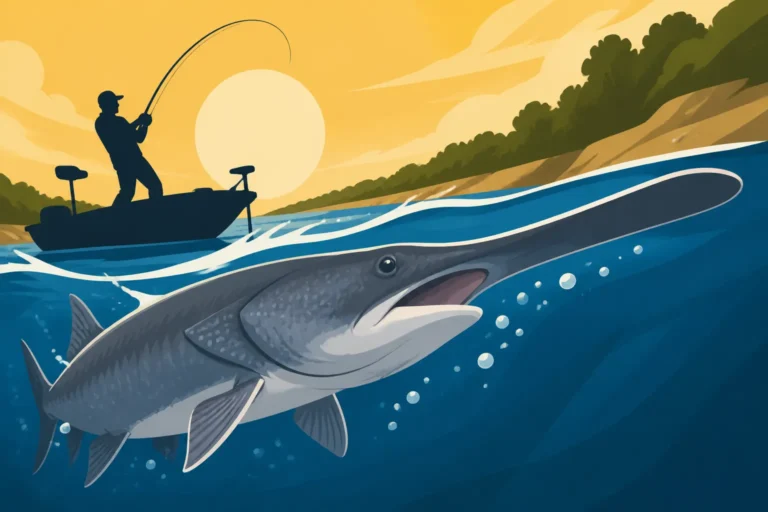
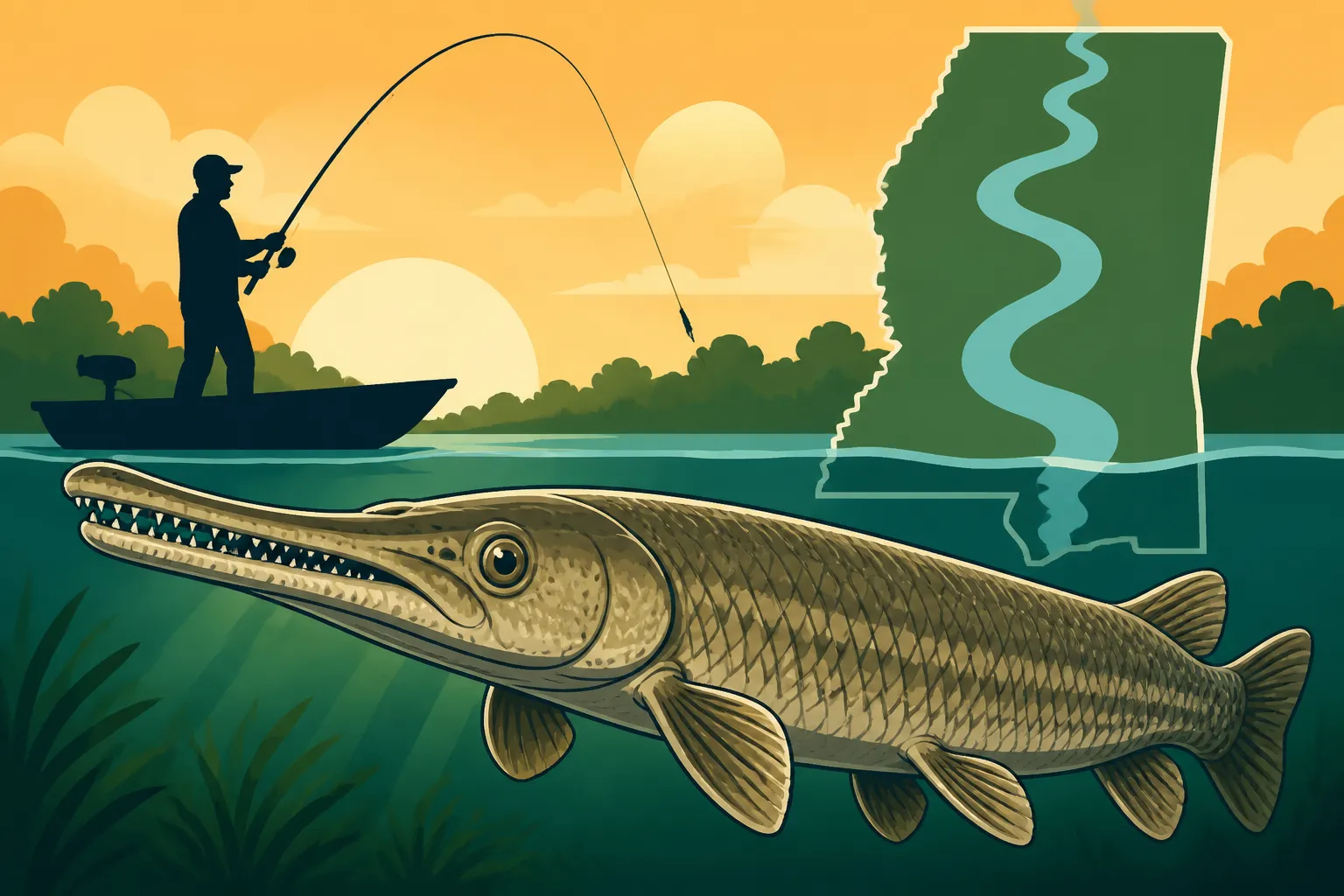
The alligator gar isn't just a big fish; it's a behemoth that can easily dominate the waters it inhabits. For those unfamiliar, picturing a living dinosaur wouldn't be far off. Their long, torpedo-shaped bodies and tooth-filled, alligator-like snouts are unmistakable. When you encounter one of these magnificent creatures, whether from a boat or even just seeing a photograph, their sheer size is often the first thing that leaves a lasting impression. Many an angler has pulled up a gar only to realize it's far larger than they ever imagined.
Average vs. Maximum Size Expectations
Most anglers who regularly tangle with alligator gar in Mississippi can tell you that encountering one over several feet long is not uncommon. A "good" gar for many might be in the 4 to 6-foot range, pushing 50 to 100 pounds. These are substantial fish that provide an incredible fight and require serious gear and careful handling. They are powerful, resilient, and demand respect. Think about trying to reel in a small log that suddenly decides to fight back with all its might – that's often the experience. For someone new to gar fishing, even a mid-sized one will feel like an absolute monster on the line.
However, the "average" catch doesn't tell the whole story of their potential. Mississippi is home to some truly gargantuan specimens that stretch the imagination. We're talking about fish that can dwarf a grown man, sometimes exceeding eight feet in length and weighing hundreds of pounds. These are the fish of legends, the ones that become local folklore and make headlines when an angler manages to bring one to the boat. It's important to remember that these maximum sizes represent the absolute pinnacle of what these fish can achieve, often after decades of growth in ideal conditions.
Historical and Scientific Data on Growth
Historically, alligator gar have been documented reaching incredible proportions. Records from over a century ago speak of specimens that were truly monstrous, pushing 10 feet in length. While such giants are rare today, the genetic potential for immense size still exists within the species. Scientists who study alligator gar confirm their slow growth rate and impressive longevity. These fish can live for many decades, some even reaching 50 years or more. This long lifespan is precisely what allows them to achieve their massive sizes, as they continually grow throughout their lives, albeit at a slower pace in their later years.
The scientific community has meticulously tracked gar populations and growth patterns, revealing that a healthy ecosystem with ample food sources and minimal human pressure is crucial for these fish to reach their maximum potential. In Mississippi, many of our river systems and large reservoirs offer just such conditions, allowing alligator gar to thrive and grow into truly impressive specimens. Understanding their biology helps us appreciate not just their size, but also their crucial role as apex predators in our aquatic environments. For more on these fascinating creatures, check out Alligator Gar Fishing in Mississippi.
Factors Influencing Alligator Gar Growth in Mississippi
The size an alligator gar can attain isn't just a matter of genetics; it's heavily influenced by the environment they call home. Mississippi's diverse waterways, from the mighty Mississippi River to its vast oxbow lakes and large reservoirs, offer a variety of conditions that either promote or limit their growth. Think of it like a garden: even the best seeds need fertile soil and plenty of sunlight to grow to their fullest potential.
Habitat and Food Availability
One of the most critical factors is their habitat. Alligator gar prefer slow-moving waters, backwater areas, oxbows, and the lower stretches of major river systems. In Mississippi, this means places like the Mississippi River itself, the Pearl River, and expansive lakes such as Lake Washington or parts of the Ross Barnett Reservoir. These areas often provide abundant prey species and the calm, warm waters that gar prefer. A rich food source is paramount for rapid and sustained growth. Gar are opportunistic predators, feasting on a variety of fish including buffalo, carp, shad, and even waterfowl or small mammals that venture too close to the water's edge.
If a gar is living in an area with a consistent, plentiful supply of large prey, it has the fuel it needs to pack on pounds and length. Conversely, a gar in a less productive, overfished, or polluted environment might grow slower and never reach its full potential. The health of the entire ecosystem directly correlates with the size of its top predators. The sheer volume of food available in a place like the lower Mississippi River, for example, can sustain truly massive gar populations and allow individual fish to grow to incredible dimensions.
Age and Longevity
As mentioned, alligator gar are exceptionally long-lived fish. Their slow and steady growth over many decades is what allows them to become so massive. Unlike some fish species that grow quickly and then plateau or decline in size, gar continue to add length and girth throughout their extensive lifespans. A 7-foot, 200-pound gar isn't a young fish; it's likely an ancient warrior that has survived countless seasons, floods, droughts, and encounters with other predators.
This longevity makes them particularly vulnerable to overfishing, as it takes many years for them to reach reproductive maturity and truly large sizes. Conserving these older, larger fish is vital for the health of the population, as they are the primary breeders and carry the strongest genetics for future generations of giants. When we encounter a truly large gar, we're looking at a living testament to resilience and the passage of time.
Genetic Potential and Environmental Stressors
While habitat and age play huge roles, the individual genetic potential of each gar also contributes to its ultimate size. Just like people, some gar are simply predisposed to grow larger than others. However, even with great genetics, environmental stressors can limit that potential. Things like water pollution, habitat destruction, or even extreme weather events (such as prolonged droughts or severe floods that drastically alter their environment) can stress fish, reduce food sources, and negatively impact growth.
The table below illustrates the range of sizes you might encounter when targeting alligator gar in Mississippi:
| Characteristic | Typical Angler Catch in Mississippi | Potential Maximum Size (Historical) |
|---|---|---|
| Length | Usually several feet, often 4-6 ft | Can exceed 8-10 feet |
| Weight | Often 50-150 lbs | Known to reach well over 300 lbs |
| Girth | Significant, like a small log | Massive, barrel-chested |
| Appearance | Impressive, powerful | Truly monstrous, ancient-looking |
Understanding these factors helps anglers appreciate the effort and conditions it takes for an alligator gar to become one of Mississippi's true freshwater giants. For more details on the general species, you can also refer to Mississippi Freshwater Fish Species Guide.
Mississippi State Records and Notable Catches
Mississippi has a proud tradition of anglers catching truly exceptional fish, and alligator gar are no exception. The state records serve as a testament to the incredible size these fish can achieve in our waters, inspiring many to pursue their own personal best. These records aren't just numbers; they represent monumental efforts, often involving hours of patient angling and a deep understanding of these powerful creatures.
Official State Records
While specific record weights and lengths can fluctuate and are best checked with the Mississippi Department of Wildlife, Fisheries, and Parks (MDWFP) for the most current figures, it's well-known that Mississippi has produced alligator gar that are truly world-class. Our state record fish are not merely large; they are colossal, often weighing in the triple digits and stretching close to, or even over, 8 feet in length. Imagine a fish that's longer than most people are tall and heavier than a full-grown man! These aren't just fishing stories; they're documented achievements.
These record-setting fish typically come from the vast, nutrient-rich waters of the Mississippi River and its associated oxbow lakes, where gar have access to an endless buffet of prey and expansive, undisturbed areas to grow old and large. Catching one of these titans is a rare feat, often the culmination of years of dedication, specialized gear, and a bit of luck. It's an experience that few anglers ever forget, solidifying their place in Mississippi's angling history. You can learn more about fishing regulations for these giants in Is It Legal to Keep an Alligator Gar in Mississippi?.
Local Legends and Unofficial Giants
Beyond the official state records, there are always those local legends – the fish that were "too big to weigh," "broke the scale," or simply "got away" after an epic battle. Every fishing community along the Mississippi River has stories of the "river monster" gar that lurks in a particular bend or deep hole. While not officially documented, these stories underscore the prevalence of truly massive alligator gar in our state. Seasoned guides and lifelong anglers often have tales of encountering gar that would easily rival the official records, adding to the mystique of these powerful fish.
These unofficial giants, even if never brought to the scales, serve as a reminder of the untapped potential lurking beneath the surface. They highlight the fact that despite fishing pressure, Mississippi's waters still hold ancient, massive fish that continue to evade capture. These tales are part of the rich tapestry of Mississippi fishing, inspiring anglers to keep casting, hoping to encounter their own legendary gar.
Safety and Respectful Angling for Large Gar
Targeting alligator gar, especially the larger ones, is a unique and thrilling experience that requires preparation, appropriate gear, and a deep respect for the fish. These are not your average panfish; they are powerful, ancient predators that demand careful handling. Their impressive size means they can inflict harm if not managed correctly, but with the right approach, it can be a safe and rewarding pursuit.
Handling Large Fish Safely
When you hook into a truly large alligator gar, the fight is just the beginning. Bringing a fish that's several feet long and potentially over a hundred pounds into a boat or onto the bank requires planning. First and foremost, safety for both you and the fish is paramount. You'll want heavy-duty gloves to protect your hands from their rough scales and sharp scutes. A long pair of pliers or bolt cutters are essential for removing hooks, especially if a hook is deeply set or in a difficult spot near their powerful jaws. Never put your hands or fingers anywhere near their mouth – those teeth are designed for holding prey.
Consider having a large, sturdy landing net or a heavy-duty lip gripper (designed for truly massive fish, not just bass) ready. For really big ones, some anglers even use a snaring technique around the tail to help control the fish. The key is to minimize the time the fish is out of water, handle it firmly but gently, and get it back to its element as quickly and safely as possible. For more general advice on gear, you might look into Choosing the Right Rod and Reel for Mississippi Fishing.
Catch and Release Best Practices
Many anglers who target alligator gar practice catch and release, recognizing these fish are slow-growing and vital to the ecosystem. If you plan to release a gar, the goal is to ensure it swims away healthy. Reduce fight time as much as possible by using appropriate heavy tackle. Once landed, keep the gar horizontal and support its body, especially if it's a long fish. Avoid dragging it over rough surfaces. If taking photos, do so quickly and efficiently, preferably with the fish partially in the water.
Ensure the hook removal is clean. If the hook is too deep, it may be better to cut the line as close to the hook as possible rather than tearing tissue. A gar's survival rate dramatically increases with proper handling. Remember, these are majestic, long-lived creatures, and respecting them ensures future generations of anglers can also experience the thrill of encountering Mississippi's giant gar. Information on their impact can be found in Are Alligator Gar Dangerous to Swim With?.
Gear Recommendations for Targeting Giants
To effectively target Mississippi's larger alligator gar, you need gear that can withstand immense strain. Standard freshwater bass or crappie setups simply won't cut it. You'll want a heavy-action rod, often a stout conventional or spinning rod, designed for saltwater species or very large catfish. Pairing this with a robust reel capable of holding hundreds of yards of heavy monofilament or braided line (think 50-80 lb test, minimum) is crucial. A powerful drag system is non-negotiable for these long, hard-fighting fish.
Leader material should be wire or heavy fluorocarbon to prevent their sharp teeth and bony mouths from cutting your line. Hooks should be strong, circle hooks are often preferred as they tend to hook in the corner of the mouth, making for easier release and less harm to the fish. When looking for heavy-duty tackle, a quick search on Amazon for "heavy catfish rod and reel" or "gar fishing gear" will give you a good idea of what's available and suitable for these powerful fish. Additionally, for specialized tools like long-handled pliers or jaw spreaders, checking out Amazon can provide a wide array of options designed for safe fish handling.
Disclaimer
This article is for general informational purposes only and does not constitute professional advice. Laws, prices and regulations vary by location and change over time. Consult a qualified professional for guidance on your specific situation.