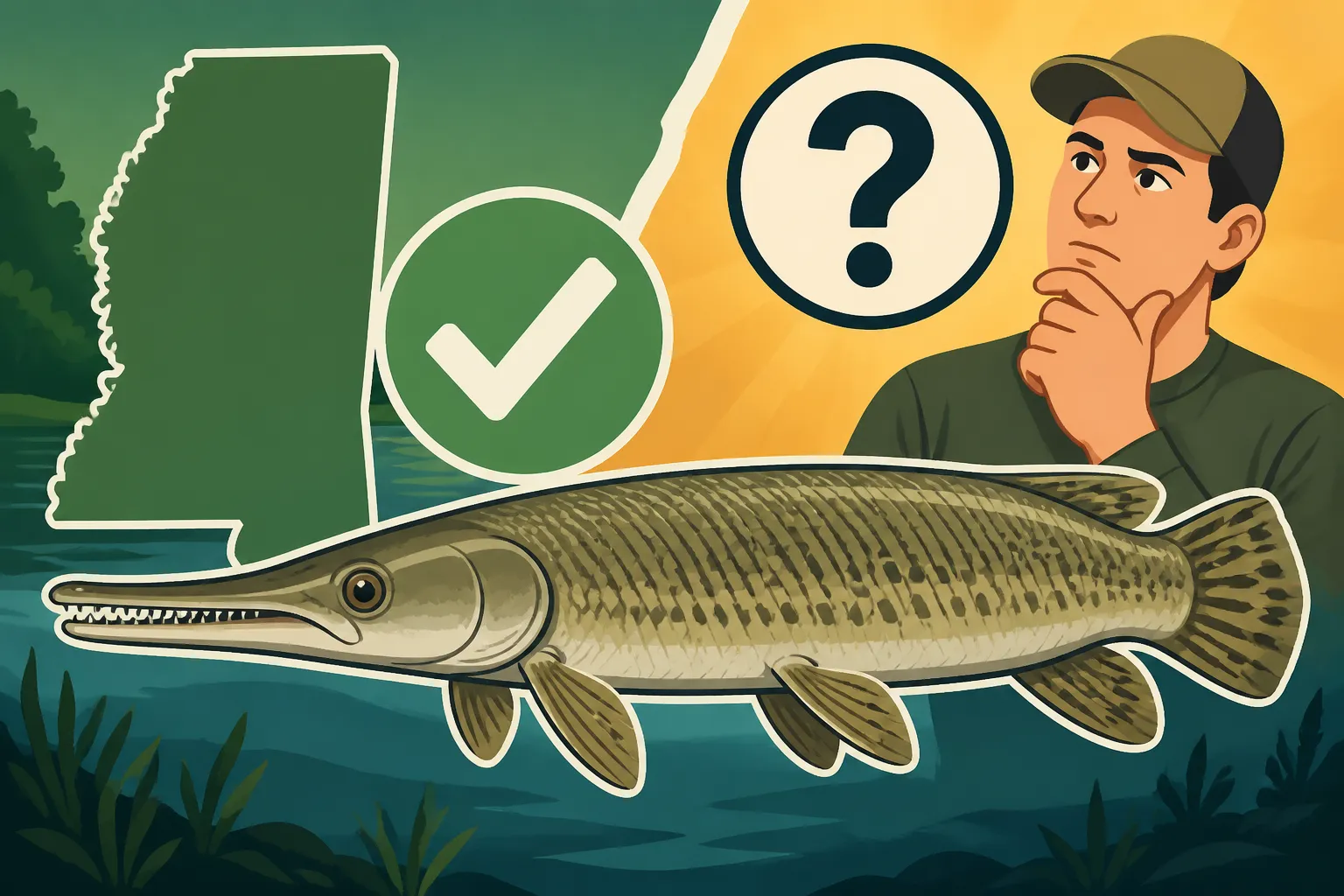
Is It Legal to Keep an Alligator Gar in Mississippi?
There's a special kind of thrill that comes with fishing in Mississippi, and for many anglers, the alligator gar holds a certain mystique. These ancient, formidable creatures can ignite both awe and a fair bit of confusion, especially when it comes to understanding the rules around harvesting them. It's easy to get tangled up in what's allowed and what's not, given their unique nature. This guide is here to untangle those lines, clarifying the legality of keeping an alligator gar in our great state and helping you navigate the specifics without a hitch.
Understanding Alligator Gar in Mississippi Waters
The alligator gar is truly one of Mississippi's most fascinating freshwater residents. They're a living relic, a prehistoric fish that commands respect, and their presence adds an incredible dimension to our aquatic ecosystems. However, because they look so different from our typical "game fish" like bass or crappie, there's often a lot of head-scratching about how to interact with them legally.
The Allure and Misconceptions of Alligator Gar
For years, alligator gar were often misunderstood, sometimes even unfairly demonized as "trash fish" or a threat to other game species. But anyone who’s spent time around them, or even just seen their impressive size, knows there's a certain majesty to these creatures. They're apex predators in their own right, crucial for maintaining healthy fish populations by culling weaker or overpopulated species. Their armor-like scales, toothy grin, and sheer power are captivating.
This fascination often leads to anglers wanting to harvest one, whether for the challenge, for the unique table fare, or even just for a trophy photograph. But with that allure comes the responsibility to understand the rules. Many folks incorrectly assume they are off-limits entirely, or that they can be harvested like any other fish. It's a common misconception, born from a lack of clear information, and it's precisely why understanding the specific regulations from the Mississippi Department of Wildlife, Fisheries, and Parks (MDWFP) is so vital. We want to enjoy our resources responsibly, and that starts with knowing the law. For a broader look at the species, check out Alligator Gar Fishing in Mississippi.
Mississippi's Approach to Game Fish vs. Non-Game Fish
In Mississippi, the MDWFP classifies fish into different categories, and these classifications dictate the types of regulations that apply. You have your traditional "game fish" – like largemouth bass, crappie, and catfish – which generally have statewide daily limits, size restrictions, and specific seasons for certain activities. Then there are "non-game fish," which include species like various suckers, buffalo fish, and, yes, alligator gar.
The regulations for non-game fish can be quite different. While some non-game species have very liberal or no specific limits, others, particularly those that are large, long-lived, or have specific conservation concerns, are managed with much stricter rules. Alligator gar fall into that latter category. Because of their unique biology – they grow slowly, mature late, and can live for decades – their populations are particularly vulnerable to overharvesting. Therefore, Mississippi has put in place specific, often more restrictive, rules for alligator gar to ensure these ancient fish continue to thrive for future generations. This management strategy is a stark contrast to how many other species are handled, highlighting their special status. To learn more about general regulations, see Mississippi Fishing Regulations Explained and Mississippi Non-Game Fish Rules.
The Legality of Keeping Alligator Gar in Mississippi
So, let's get right to the heart of the matter: Is it legal to keep an alligator gar in Mississippi? The straightforward answer is yes, under very specific conditions. It's not a free-for-all, nor is it entirely prohibited. The key lies in understanding and adhering to the detailed regulations set forth by the MDWFP.
General Regulations for Alligator Gar Harvest
Generally speaking, Mississippi allows the harvest of alligator gar, but it's crucial to remember that these are often managed through special seasons, specific areas, and sometimes even a draw permit system. You can't just go out and catch one any day of the year and keep it without checking the rules first.
Typically, the MDWFP establishes specific harvest seasons, often in designated water bodies, and these seasons are usually quite limited in duration. These restrictions are put in place to protect the gar during vulnerable times, like spawning, and to manage their populations sustainably. There will also be daily limits – often just one fish per day – and sometimes even size restrictions, meaning you can only keep a gar within a certain length range. What’s more, there are frequently reporting requirements; if you harvest an alligator gar, you're usually required to report your catch to the MDWFP within a specific timeframe. This data is invaluable for biologists to monitor populations and adjust regulations as needed. Ignoring these details could lead to significant penalties, so it's always best to check the absolute latest MDWFP regulations before planning your trip. Remember, rules can change, so always verify the current year's guidelines.
When you're preparing for a gar trip, especially if you plan to harvest, you'll want some heavy-duty gear. These fish are incredibly strong. You might find essential gear for handling such a large fish, like heavy-duty gloves or specialized cutting tools, on Amazon.
Special Draw Permits and Application Process
For certain prime alligator gar fishing opportunities, particularly in specific lakes or river systems where populations are robust but require careful management, Mississippi often implements a "draw permit" system. This means that instead of just buying a regular license and going fishing, you actually have to apply for a chance to even fish for or harvest an alligator gar during a designated period.
The application process usually involves submitting an application through the MDWFP's official website during a specified window. It's essentially a lottery, where a limited number of permits are issued to successful applicants. These permits are highly sought after because they often grant access to areas known for larger gar or more consistent fishing. If you're lucky enough to be drawn, your permit will come with very specific instructions on the dates, locations, and any additional harvest rules you must follow. Missing the application window or failing to follow the permit's conditions will render any harvest illegal. It's a competitive process, reflecting the high interest in these unique fish and the MDWFP's commitment to their conservation. Always keep an eye on the MDWFP announcements if a draw permit is something you're interested in.
Important Considerations for Responsible Harvesting
Deciding to harvest an alligator gar comes with significant responsibilities, not just legal ones, but ethical ones too. These are truly massive, powerful fish, and proper preparation is key. You'll need equipment capable of safely and humanely handling such a large animal. This isn't your typical panfish scenario; a small net and a stringer simply won't cut it. You'll need sturdy gloves, potentially a gaff or specific restraining tools, and a plan for dispatching the fish quickly and respectfully.
Beyond the immediate capture, consider what you'll do with the fish once it's on the bank. Alligator gar have incredibly tough, armor-like scales that make cleaning them a unique challenge. If you're harvesting for consumption, you'll need to know specialized cleaning techniques. If you're planning on a trophy mount, ensure you have a taxidermist lined up. The bottom line is, don't take an alligator gar out of the water unless you have a clear plan and the means to follow through responsibly. Many anglers planning to harvest gar will first hit Amazon for appropriate processing knives or a large cooler. This upfront planning ensures a respectful and legal harvest experience.
Navigating the Specific Rules and Avoiding Penalties
Fishing in Mississippi is a fantastic pastime, but it comes with the understanding that we all play a part in preserving our natural resources. When it comes to species like alligator gar, whose populations are more sensitive, knowing and following the specific rules isn't just a recommendation, it's a requirement to avoid serious consequences.
Daily and Possession Limits for Alligator Gar
When you're out on the water targeting alligator gar, you'll need to be acutely aware of both daily and possession limits. These aren't just arbitrary numbers; they're scientifically determined limits designed to ensure sustainable populations. A "daily limit" refers to the maximum number of fish you can harvest in a single day. For alligator gar, this is often quite restrictive, frequently set at just one fish per licensed angler per day, especially during special harvest seasons.
The "possession limit" is slightly different. This refers to the maximum number of fish you can have in your possession at any given time, whether they're on your boat, in your cooler, or back at your camp. For alligator gar, the possession limit often mirrors the daily limit, meaning you can't accumulate multiple gar over several days without consuming or processing them first. It's not uncommon for game wardens to check coolers and boats for compliance with these limits, so always be honest and aware of your count. If you're fishing with friends, make sure everyone understands their individual limits. Keeping track of your catch requires good organization, and portable scales or logbooks can be found on Amazon to ensure you stay within the legal limits. For a general overview of limits, check out Mississippi Fishing Creel and Size Limits.
Reporting Requirements and Why They Matter
One of the most critical, yet sometimes overlooked, aspects of alligator gar harvest in Mississippi is the mandatory reporting requirement. It's not enough to just catch a gar within the legal season and limits; you almost always have to report your harvest to the MDWFP.
Why is this so important? Well, alligator gar populations are difficult to survey, and every piece of data helps biologists understand their health and distribution. Your report provides crucial information, such as the date of harvest, the water body where it was caught, and often the length and sex of the fish. This collective data allows the MDWFP to make informed decisions about future seasons, limits, and conservation efforts. It's how they ensure that these incredible fish continue to be a part of Mississippi's ecosystem for generations to come. Typically, reporting can be done online through the MDWFP website or via a designated phone number. Failing to report a harvested alligator gar is a violation, even if you caught it legally otherwise. Make sure this step is firmly in your plan if you successfully harvest one.
Potential Penalties for Non-Compliance
Let's be realistic: nobody wants to end a great fishing trip with a run-in with law enforcement. The MDWFP game wardens are dedicated professionals, and they take violations of fishing regulations very seriously, especially when it comes to managed species like alligator gar. Fishing without the proper Mississippi Fishing License Guide, or a specific alligator gar permit if required, is a surefire way to encounter problems.
The penalties for non-compliance can range from significant fines to the confiscation of your gear (including your boat and fishing rods), and even potential jail time for severe or repeat offenses. For instance, exceeding daily or possession limits, harvesting outside of a legal season, or failing to report a catch can all lead to hefty fines. Imagine spending hundreds of dollars on equipment and a fantastic day on the water, only to have it ruined by a violation that could have been easily avoided by simply checking the current rules. It's not worth the risk. Always consult the official MDWFP regulations before you head out, and if you're ever unsure, err on the side of caution or contact the MDWFP directly for clarification. Ignorance of the law is rarely an acceptable defense. You can learn more about this by reading What Happens If You Fish Without a License in Mississippi?.
Beyond Legality: Handling and Utilizing Your Catch
Successfully catching an alligator gar within the legal framework is an accomplishment, but the journey doesn't end there. These aren't your typical panfish or even your average bass; their size, power, and unique physiology demand specific handling and processing methods. Being prepared for these aspects is just as crucial as knowing the regulations.
Safely Handling an Alligator Gar
Bringing an alligator gar to hand or boatside requires respect for its power and caution for your own safety. These fish can be absolutely enormous, often several feet long and weighing well over a hundred pounds. They're built like tanks, covered in incredibly tough, bony scales, and equipped with a mouth full of sharp teeth. Trying to handle one improperly can lead to serious injury to yourself or unnecessary stress and harm to the fish if you intend to release it.
Forget about lip-gripping like a bass; that's a recipe for disaster with a gar. You'll often need a sturdy gaff for control, especially if you're landing a large one. Heavy-duty, puncture-resistant gloves are an absolute must to protect your hands from their scales and potential thrashing. Long-nosed pliers or specialized tools are essential for removing hooks safely. If you're fishing from a boat, ensure you have ample space and a clear plan for bringing the fish aboard and securing it. The thrashing power of a big gar can quickly make a small boat unstable. For safe handling of these powerful fish, having a reliable pair of puncture-resistant gloves from Amazon is a must.
Preparing Alligator Gar for the Table
Despite their fearsome appearance, alligator gar are actually quite delicious, often described as having a mild, white, flaky meat similar to snapper or crab. However, preparing them for the table is definitely not for the faint of heart or the unprepared. Their armor-like scales are a formidable barrier. Trying to fillet them like a conventional fish is nearly impossible.
Many experienced gar anglers use what's called the "gar rope" or "gar saw" method, where they literally saw through the tough skin or cut a strip along the back to peel the hide off. Others use heavy-duty tin snips or even a small hatchet to get through the scales. Once you get past the exterior, you'll find thick, white muscle meat. The edible portions are typically the backstraps and the tail sections. It’s worth noting that alligator gar roe (eggs) are toxic and should never be consumed. Once cleaned, the meat is incredibly versatile – excellent fried, grilled, baked, or even used in gar balls (a southern delicacy). If you're serious about cooking gar, consider investing in a high-quality fish cleaning station or a robust set of fillet knives, many of which are available on Amazon. To learn more about preparing this fish, read How to Clean an Alligator Gar and Is Gar Good to Eat?.
Conservation and Ethical Angling
Beyond simply obeying the law, true ethical angling means approaching all species, especially unique ones like the alligator gar, with a conservation mindset. These fish have been swimming in Mississippi waters for millions of years, and it's our responsibility to ensure they continue to do so. This means being mindful of your impact, whether you're harvesting or practicing catch and release.
If you decide not to keep a gar, perhaps it's undersized, or you’ve already filled your limit, ensure you release it quickly and with as little stress as possible. Have your camera ready, snap a quick photo, and get that fish back in the water. Minimize its time out of the water, support its body weight, and allow it to recover before letting it go. Every angler plays a role in sustaining these magnificent creatures. By understanding the rules, preparing properly, and always acting ethically, we can all contribute to the healthy future of alligator gar fishing in Mississippi. For more on conservation, consider reading Mississippi Freshwater Fishing Rules or Mississippi Fishing License Exemptions.
| Aspect | General Rule for Alligator Gar in MS | Key Considerations |
|---|---|---|
| Legality | Legal to harvest under specific conditions. | Not an open-season fish. Always check current MDWFP regulations for specific seasons, water bodies, and permits. |
| Permits | Often requires a special draw permit, particularly for high-demand areas or seasons. | Apply during designated periods via MDWFP. Permits are limited and competitive. |
| Daily Limit | Typically one (1) alligator gar per licensed angler per day during open seasons. | This limit applies to individual anglers. Do not exceed this number, even if fishing with multiple people on a boat, unless all are licensed and operating within their own limits. |
| Size Limit | May have minimum and/or maximum length requirements. | Fish outside these limits must be immediately released unharmed. Know the current length requirements before you go. Alligator Gar Size in Mississippi Waters is a good place to start. |
| Reporting | Mandatory reporting of all harvested alligator gar to MDWFP. | Report online or via phone as per MDWFP instructions within the specified timeframe (e.g., 24 hours). This data is crucial for conservation. |
| Gear | Heavy-duty fishing gear, strong line, large hooks are essential. | For handling: strong gloves, gaff, long-nosed pliers. For processing: specialized knives, possibly a saw or heavy-duty snips due to armored scales. |
| Best Practice | Ethical angling principles, humane dispatch if harvesting, and proper catch-and-release techniques. | Do not waste the fish. Have a plan for cleaning and consuming or preserving your catch. Minimize stress if releasing. |
| Information Source | Mississippi Department of Wildlife, Fisheries, and Parks (MDWFP) official website and guides. | Regulations can change annually. Always verify the most up-to-date information directly from the MDWFP before your trip. Consult Mississippi Fishing Season Dates and Limits and Mississippi Fishing License Costs for broader context. |
Disclaimer
This article is for general informational purposes only and does not constitute professional advice. Laws, prices and regulations vary by location and change over time. Consult a qualified professional for guidance on your specific situation.