When Cobia Migrate Past the Mississippi Coast
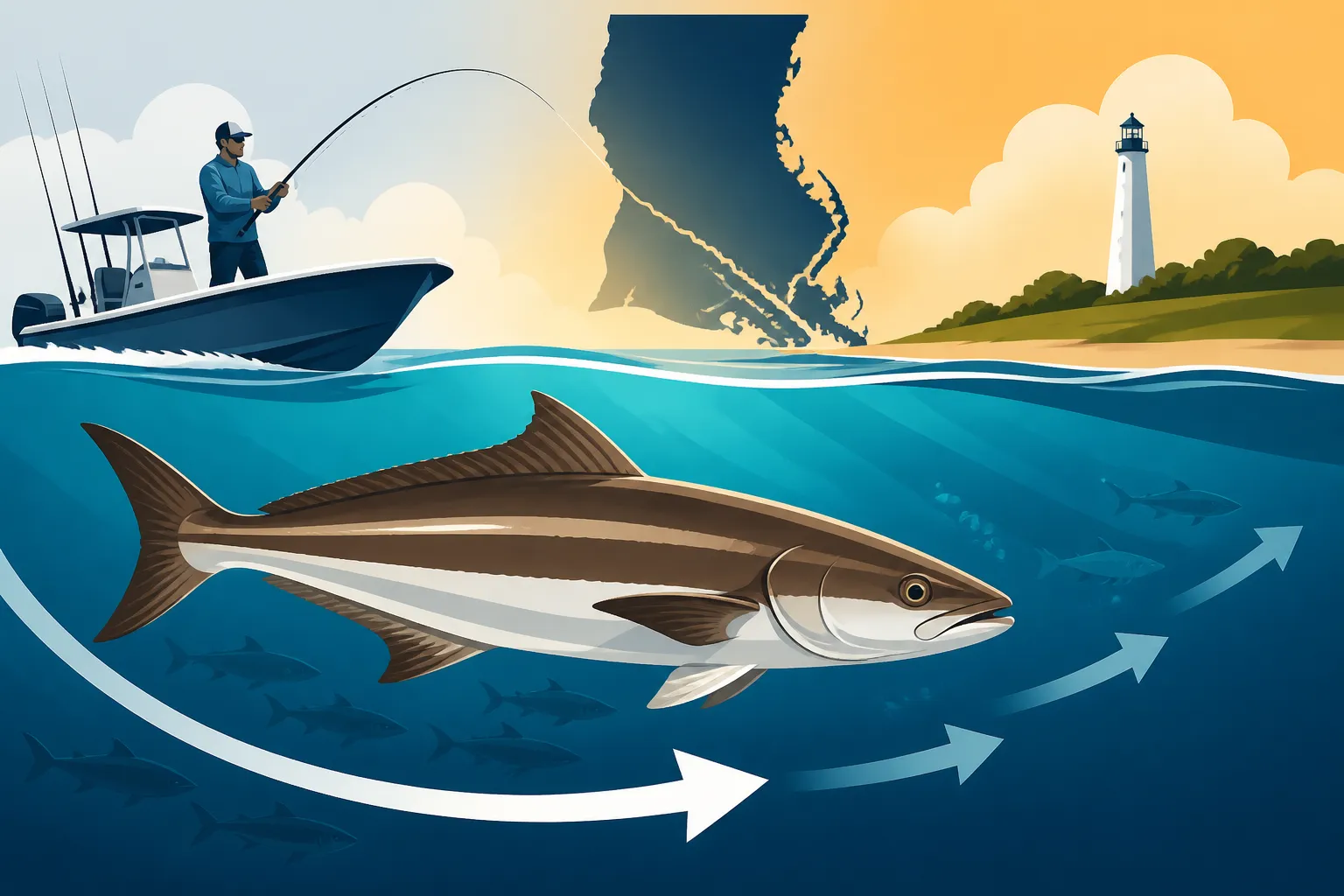
There's nothing quite like the thrill of spotting a cobia cruising near the surface, that unmistakable brown torpedo shape, and knowing you've got a shot at one of the Gulf Coast's most prized catches. But if you've ever spent hours scanning the waters only to come up empty-handed, you know the frustration. It often comes down to timing. Understanding when cobia migrate past the Mississippi Coast is the secret sauce to putting yourself in the best position for a successful trip, and this guide is here to unravel those migratory mysteries for you.
The Seasonal Dance of Cobia: Understanding Their Migration Patterns
Cobia aren't homebodies, not by a long shot. These powerful, curious fish are always on the move, chasing ideal conditions and a buffet of their favorite foods. Their migratory patterns are a fascinating blend of instinct and environmental response, dictating when and where anglers in Mississippi can expect to encounter them.
Why Cobia Move: A Quest for Comfort and Cuisine
At its heart, cobia migration is all about survival and opportunity. These fish are highly sensitive to water temperature, preferring a sweet spot that keeps them comfortable and their metabolism humming. When waters get too cold in the northern Gulf during winter, they head south, often to warmer, deeper offshore waters or further down the Florida coast. As spring arrives, and the sun starts warming up the inshore and nearshore areas of the northern Gulf, it's like a dinner bell ringing, signaling the return journey.
Beyond temperature, food availability is a massive driver. Cobia are opportunistic predators, and they'll follow their prey. When baitfish like menhaden, mullet, and shrimp start to school up along the Mississippi Gulf Coast, you can bet the cobia won't be far behind. They're constantly on the hunt, and a reliable food source is a powerful magnet, drawing them into our waters and keeping them there as long as the eating is good. It's a grand, seasonal pursuit of both comfort and sustenance.
General Gulf Coast Migration Overview
While specific timings can vary, the broader Gulf Coast migration pattern for cobia is fairly consistent. They generally winter in the warmer, deeper waters of the southern Gulf, off Florida and even further south. As spring breezes begin to grace the northern Gulf, typically in late winter or very early spring, the first scouts start making their way west and north. These early arrivals are often bigger, mature fish, eager to feed after their winter retreat.
The migration builds through spring, with more and more fish moving into the nearshore and inshore waters of states like Mississippi, Alabama, and the Florida Panhandle. They'll spend their spring and summer months feasting, and often spawning, across these productive grounds. As fall approaches and water temperatures begin to drop again, they reverse course, heading back towards those warmer southern refuges. Understanding this overarching pattern is key to appreciating the specific windows we see on the Mississippi Coast.
Pinpointing the Cobia Run on the Mississippi Coast: Prime Time Windows
For anglers dreaming of a cobia battle, knowing the exact "when" is paramount. The Mississippi Gulf Coast experiences distinct cobia seasons, each with its own characteristics, offering various opportunities depending on the time of year.
The Spring Surge: When Cobia First Arrive
Without a doubt, the spring migration is the most anticipated and often the most productive time for cobia fishing on the Mississippi Coast. It's like the grand opening of a seasonal restaurant, and everyone wants a seat at the table.
Typically, the first cobia begin to show up in our waters around March, sometimes even late February if we have a mild winter and the water warms up quickly. These early arrivals are often the big, powerful "brown bombers" that make for legendary catches. They're usually migrating westbound, following the warming currents and the burgeoning baitfish schools. By April and May, the run is in full swing. This is often considered the absolute peak season. You'll find them cruising nearshore structures, buoys, channel markers, and even just lazily swimming on the surface. They're hungry, sometimes aggressive, and offer some incredible sight-fishing opportunities. How to Catch Cobia in Spring focuses on techniques for this prime period.
During this spring surge, the cobia are actively moving, making them accessible to a wider range of anglers, from those with smaller boats to charter trips heading out just a few miles offshore. Their presence is strongly tied to water temperatures hovering in the mid-60s to low 70s Fahrenheit, making these months the absolute sweet spot for targeting them in Mississippi.
Summer Stays: Mid-Season Opportunities
While the intense spring migration might slow down, cobia don't just disappear from the Mississippi Coast as summer sets in. Instead, their behavior shifts, offering different kinds of fishing opportunities that are equally rewarding, if sometimes requiring a change in strategy.
From June through August, cobia are still present in Mississippi waters, but they tend to disperse a bit more. Many of the fish that migrated through in spring will have settled into various areas, finding reliable food sources and comfortable temperatures. You'll often find them congregating around more prominent offshore structures, artificial reefs, wrecks, and deeper natural bottom features. They might not be cruising the surface as frequently in obvious migratory paths, but they are still there, especially if schools of baitfish are plentiful. Anglers often switch to bottom fishing or targeting specific structures during these months. Cobia Fishing on the Mississippi Coast provides a great overview of these methods. They might also be found further offshore in deeper, cooler waters, especially during the hottest parts of July and August. This period can still yield excellent catches, particularly for those willing to venture a bit further or employ different tactics.
The Fall Farewell: Later Season Chances
As summer starts to wane and the subtle hints of autumn appear, the cobia begin their southern migration, offering a final window of opportunity for Mississippi anglers.
The fall run typically kicks off in September and extends through October, sometimes even into early November if the weather remains mild. Just like in spring, cobia will once again be on the move, but this time they are heading east and south, seeking those warmer wintering grounds. While often not as concentrated as the spring run, the fall migration can still be very productive. You'll find them in similar areas to the spring, cruising buoys, channels, and structures. The fish are often still feeding aggressively, trying to pack on reserves for their journey and the colder months ahead. It's a great time to target them, sometimes with fewer crowds than the peak spring season. However, fluctuating weather, including early cold fronts or tropical activity, can sometimes cut the fall season short. Keep an eye on the forecast and water temperatures for the best chances during this final hurrah.
Here's a quick comparison of the prime times:
| Season | Typical Months | Behavior & Location | Best Chance For | Considerations |
|---|---|---|---|---|
| Spring | March – May | Active migration, cruising nearshore structures & buoys. | Sight fishing, large migratory fish. | Peak popularity, can be crowded. |
| Summer | June – August | Dispersed, often holding to offshore reefs, wrecks, deeper water. | Targeting structure, larger fish in deeper spots. | More effort to locate, often need to go further offshore. |
| Fall | September – October | Southward migration, cruising nearshore, similar to spring. | Last chance for migratory fish, less crowded. | Weather dependent, can be cut short by early cold fronts. |
Factors Influencing Cobia Migration Timings Along the Mississippi Coast
While we have general timelines, Mother Nature always has the final say. Several critical environmental factors can speed up, slow down, or even alter the expected cobia migration patterns each year. Being aware of these variables can give you a significant edge.
The Critical Role of Water Temperature
Water temperature is, arguably, the single most important factor dictating when cobia arrive and depart. They are truly Goldilocks fish when it comes to temperature: not too cold, not too hot, but just right.
For cobia to be comfortably present and actively feeding in Mississippi's nearshore waters, you're generally looking for water temperatures in the mid-60s to low 70s Fahrenheit (around 18-24°C).
- Below 65°F: As temperatures dip below this threshold, cobia become sluggish and will start moving out of the area. An unusually cold spring can delay their arrival, just as an early cold snap in the fall will send them packing sooner.
- Above 75°F: While they can tolerate warmer water, sustained temperatures much above this can cause them to seek deeper, cooler spots offshore. During peak summer heat, they might be in our waters but holding deeper than during spring.
Many experienced anglers and Mississippi Gulf Coast Fishing Charters religiously track water temperatures using various online resources or their boat's electronics. A sudden spike or drop can drastically change fishing conditions, either bringing fish in or pushing them out. It's about finding that thermal sweet spot where they're most active.
Baitfish Availability: A Moving Feast
Cobia are predatory fish, and they go where the food is. The presence and abundance of baitfish schools play a huge role in their migration patterns and where they choose to hold once they arrive.
Think of baitfish like the fueling stations along an interstate. If the stations are full, the cars will stop. If they're empty, they'll keep driving. Similarly, if there's a strong showing of menhaden, mullet, or shrimp along the Mississippi Coast, cobia will be attracted and linger. These baitfish often follow their own migratory patterns, driven by water temperature, salinity, and spawning cycles. A strong spring menhaden run in the Mississippi Sound almost guarantees a good cobia season, as the cobia will follow these schools closely. Conversely, if baitfish are scarce due to environmental factors, the cobia might bypass areas or move through more quickly. This intricate food chain relationship means that keen anglers also pay attention to baitfish movements.
Weather Patterns and Gulf Conditions
Beyond temperature and bait, broader weather patterns and localized Gulf conditions significantly impact cobia presence and fishability.
- Frontal Systems: Strong cold fronts can rapidly drop water temperatures, pushing cobia out quickly in both spring and fall. On the flip side, stable weather with light winds for several days can make for excellent sight fishing conditions as the water clears up, allowing cobia to cruise visibly near the surface.
- Tropical Activity: Hurricanes or tropical storms, even those that don't make direct landfall, can stir up the Gulf considerably, change water temperatures and clarity, and temporarily disrupt migration. It might take days or even weeks for fishing to return to normal after such an event.
- Wind and Waves: Persistent strong winds can make spotting cruising cobia incredibly difficult and make for uncomfortable, unsafe fishing conditions. Ideal cobia fishing often requires calmer seas, which not only aids in spotting fish but also in presenting baits effectively.
- Water Clarity: Cobia are highly visual predators. Clearer water, often found after periods of calm weather, allows them to spot prey (and your lure!) from a distance, and allows anglers to spot them. Muddy, churned-up water can make them harder to find and less likely to bite.
Maximizing Your Chances During the Mississippi Cobia Migration
Knowing when they migrate is a huge step, but catching them requires preparation and the right approach. From selecting your gear to knowing where to cast, a few key strategies can significantly boost your success rate during the Mississippi cobia run.
Gear Up for Success: Essential Tackle and Baits
Having the right tools for the job is non-negotiable when targeting a strong fighter like a cobia. These fish don't give up easily, so your tackle needs to be robust.
- Rods and Reels: You'll want a medium-heavy to heavy spinning or conventional rod, typically in the 7 to 8-foot range, paired with a reel that has a smooth, strong drag and can hold at least 200-300 yards of line. Something like a 5000-8000 series spinning reel or a conventional reel capable of handling a decent fight. If you're looking to upgrade, platforms like Amazon offer a wide selection of reputable brands and specific models often recommended by seasoned anglers.
- Line: Braided line is a popular choice for its strength and sensitivity, typically 50-80 lb test. You'll want to add a fluorocarbon leader of 60-100 lb test, as cobia have good eyesight and are known for their rough mouths and strong abrasive runs.
- Baits: Cobia aren't particularly picky, but some baits are more effective than others.
- Live Bait: Live eels are often considered the holy grail of cobia baits. Live mullet, pogeys (menhaden), and pinfish are also incredibly effective. They're often fished on a strong circle hook, either free-lined or under a float.
- Artificial Lures: Large bucktail jigs (1-3 oz) in white, chartreuse, or pink are deadly, especially when tipped with a soft plastic trailer like a grub or Gulp! bait. Large soft plastic jerkbaits or swimbaits in natural colors can also entice a strike.
- Other Essentials: Don't forget a stout landing net or a gaff, as bringing a lively cobia into the boat requires quick action. Sunglasses are crucial for spotting cruising fish, and a good pair of polarized lenses can make all the difference. What to Bring on a Mississippi Fishing Charter covers a broader list of necessities.
Strategic Spot Selection and Techniques
Cobia are creatures of habit to some extent, and knowing where to look and how to present your bait is vital.
- Structure is Key: Cobia love to relate to structure. Think channel markers, navigation buoys, bridge pilings, offshore oil rigs, artificial reefs, and wrecks. They'll often cruise around these features, waiting to ambush baitfish. When you approach a buoy, don't just fish the immediate area; cruise slowly around it, looking for a shadow or a fish following it.
- Sight Fishing: This is perhaps the most exciting way to target cobia during migration. On calm, clear days, especially in spring and fall, cobia can be seen cruising just under the surface, often in pairs or small groups. This is where those polarized sunglasses come in handy. Once spotted, a quick, accurate cast with a live eel, a bucktail jig, or a large soft plastic lure can often seal the deal. This technique is particularly effective in nearshore waters, along barrier islands, or over shallower wrecks.
- Bottom Fishing: During the summer months, or when fish are holding deeper, bottom fishing near wrecks, reefs, and natural ledges can be productive. Use a Carolina rig or a three-way swivel rig with a heavy lead and a live bait like a mullet or a pinfish.
- Trolling: Some anglers also find success trolling larger plugs or skirted baits near known cobia hangouts, especially when they are trying to cover more ground to locate fish.
Remember, cobia are often curious. If you spot one, sometimes a gentle jig or a slow retrieve of a lure can pique their interest and draw a strike. But be ready for a fight, as these fish are notorious for their powerful runs and their tendency to go aerial. Mississippi Cobia Fishing Regulations are important to review before you head out, as limits and sizes can change.
Staying Informed: Local Resources and Reports
The best anglers are often the most informed. Local knowledge is truly king when it comes to migratory species like cobia.
- Local Bait Shops: These are goldmines of real-time information. The folks working there often hear reports directly from captains and anglers coming off the water. They can tell you what's biting, where, and on what.
- Fishing Forums and Social Media Groups: Online communities focused on Mississippi Gulf Coast fishing are excellent places to get current reports, ask questions, and learn about conditions. Just be mindful that not all information online is equal, so use your best judgment.
- Charter Captains: If you're serious about catching cobia and want to learn from the best, booking a trip with an experienced local charter captain is invaluable. They spend every day on the water and have an intimate understanding of the fish's movements and preferences. Cobia Charter Trips on the Mississippi Coast are a fantastic way to experience this fishery, and they'll handle most of the gear for you.
- MDWFP Resources: The Mississippi Department of Wildlife, Fisheries, and Parks (MDWFP) website can offer official regulations and sometimes seasonal forecasts or reports that are helpful for planning. Mississippi Fishing Season Dates and Limits is a critical page to bookmark.
By combining an understanding of the cobia's migratory nature with local, real-time intelligence and the right gear, you'll be well on your way to intercepting these fantastic fish as they migrate past the beautiful Mississippi Coast.
Disclaimer
This article is for general informational purposes only and does not constitute professional advice. Laws, prices and regulations vary by location and change over time. Consult a qualified professional for guidance on your specific situation.