Flounder Size on the Mississippi Coast
One of the most exciting parts of fishing the beautiful Mississippi Gulf Coast is the anticipation of what you'll reel in. For many, the flounder holds a special place, offering not just a thrilling fight but also a delicious meal. However, a common frustration anglers face is understanding exactly what constitutes a "keeper" flounder and what size they typically grow to here. This guide will dive deep into the average sizes you can expect, the all-important legal limits, and how you can increase your chances of landing a truly impressive flatfish on our waters.
The Typical Size of Flounder on the Mississippi Coast
When you're out on the water, whether you're casting from a pier, wading the shallows, or drifting from a boat, it's natural to wonder how big the flounder you're targeting really get. While every catch is a gift, knowing what to generally expect can help manage your expectations and even refine your fishing strategy.
Average Catch Size and What to Expect
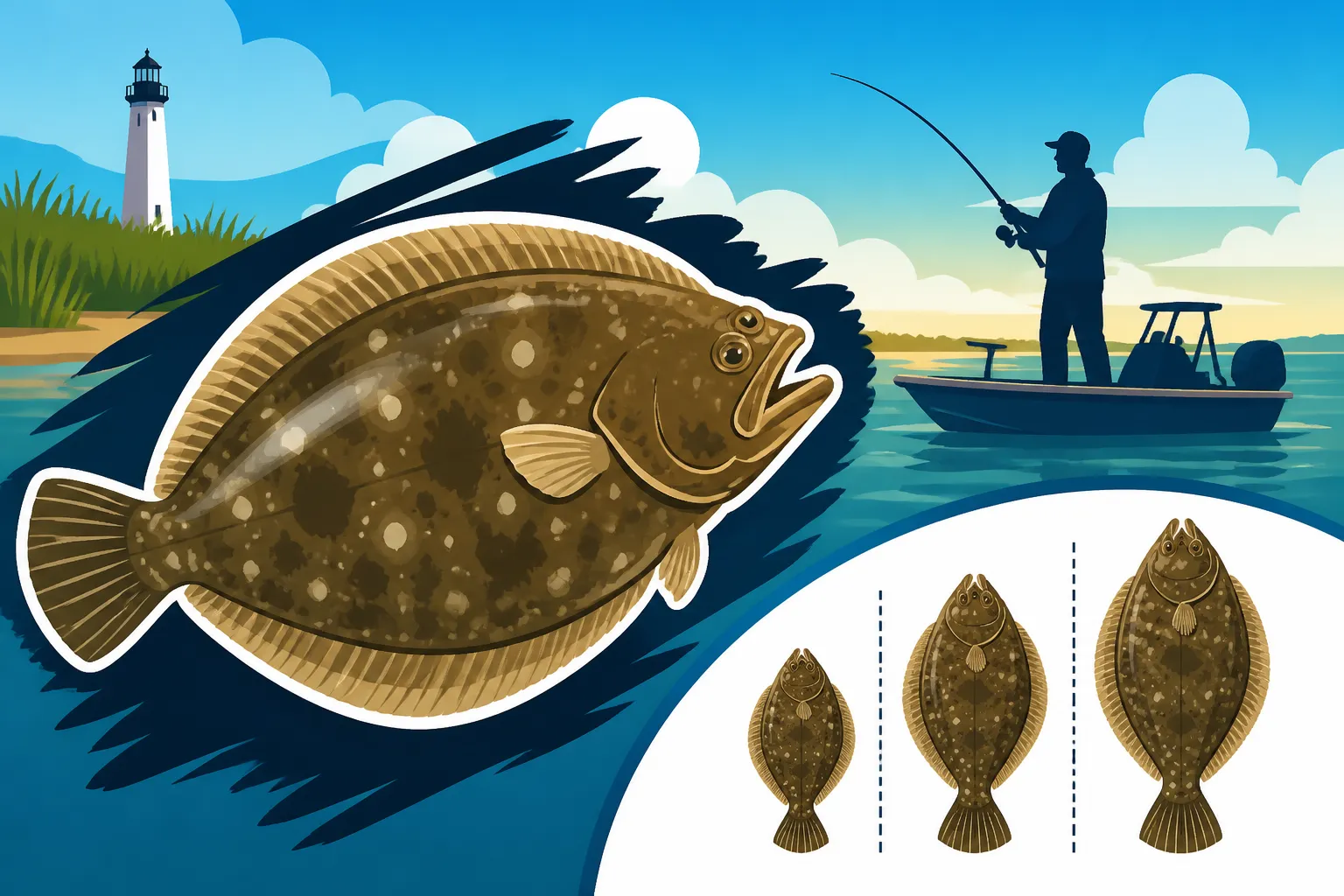
Most anglers targeting flounder on the Mississippi Coast will find themselves catching fish in the range of 12 to 18 inches. These are your bread-and-butter flounder, the ones that are plentiful and make up the bulk of a good day's catch. They're respectable fish, offering enough meat for a couple of good fillets, and they certainly put a bend in your rod. It’s a fantastic feeling to pull up a flounder of this size, especially when you're using light tackle.
However, don't be surprised if you hook into some smaller ones, often just under the legal size limit. These younger fish are a good sign of a healthy fishery and should always be handled with care and released quickly to grow bigger for future generations. On the flip side, the Gulf Coast is also home to true trophy flounder. These larger specimens can stretch to 20, 22, or even 24 inches, sometimes pushing weights of 5 to 10 pounds. Catching one of these "doormats" is a memorable event that seasoned anglers chase for years. The challenge lies in knowing where and when to find them, and having the right gear to bring them in.
Factors Influencing Flounder Size
Several environmental and biological factors play a significant role in determining the size of flounder you'll encounter on the Mississippi Coast. Understanding these can give you an edge in your fishing pursuits.
Firstly, habitat availability and quality are crucial. Flounder are ambush predators that thrive in areas with sandy or muddy bottoms, seagrass beds, and structural elements like oyster reefs, jetties, and dock pilings. These spots provide both cover for ambushing prey and protection from larger predators. Areas with abundant, clean habitat tend to support healthier, larger flounder populations. Think about the rich estuary systems and bays along the coast, which are prime real estate for these flatfish. You can find more details on these ecosystems in our Mississippi Gulf Coast Fishing Guide.
Secondly, food availability is paramount. Flounder are carnivorous and feed on a variety of small fish, shrimp, and crabs. A plentiful food supply means flounder can grow faster and reach larger sizes. If an area has a strong population of baitfish and crustaceans, it’s likely to hold bigger flounder. This is why paying attention to bait schools can often lead you to the fish you're looking for.
Lastly, age and genetics are also at play. Like any species, some flounder are genetically predisposed to grow larger and faster than others. Older fish naturally have had more time to grow, assuming they've survived the gauntlet of predators and anglers. Environmental factors like water temperature and salinity also influence growth rates, with optimal conditions leading to faster growth. Periods of stable, warm water and good food availability generally result in better growth over time.
Understanding Mississippi's Legal Flounder Size Limits
As exciting as it is to catch a flounder of any size, adherence to fishing regulations is not just about avoiding fines; it's about preserving the fishery for everyone. Mississippi has specific rules in place to ensure that flounder populations remain healthy and sustainable.
Current Minimum Size Requirements
The Mississippi Department of Wildlife, Fisheries, and Parks (MDWFP) sets specific size and creel limits for various fish species, including flounder, to manage their populations effectively. For flounder caught on the Mississippi Coast, there's usually a minimum size limit that dictates how long your fish must be to legally keep it. This limit is designed to allow flounder to reach sexual maturity and reproduce at least once before being harvested, helping to sustain their numbers.
Generally, you'll find the minimum size for flounder to be around 12 inches total length. It’s imperative to check the most current regulations before heading out, as these limits can change based on scientific assessments of fish stocks. You can often find detailed information on these regulations on the MDWFP website or by consulting the latest fishing guide. Our comprehensive Mississippi Fishing Regulations Explained guide provides a great overview of these rules. Understanding these legal requirements is the bedrock of responsible fishing.
In addition to size, there's often a daily creel limit specifying how many flounder you can keep per person per day. This further prevents overfishing and helps spread the catch among anglers. Violating these rules can lead to significant penalties and fines, so always err on the side of caution.
How to Properly Measure Your Flounder
Measuring a flounder correctly is critical to ensure you're within the legal limits. Because flounder are flatfish, their length can sometimes be ambiguous if you're not careful. Here’s how to do it right:
- Total Length Measurement: In Mississippi, fish length is typically measured as "total length." This means you measure from the tip of the longest jaw (with the mouth closed) to the farthest tip of the tail fin (with the tail compressed or squeezed together to achieve maximum length). Lay the fish flat on its side.
- Using a Reliable Measuring Device: A quality measuring board or tape measure is essential. Many anglers use a specialized fish ruler or a measuring tape permanently affixed to their cooler or boat deck. You can find excellent, durable measuring tapes and boards on Amazon that are perfect for saltwater conditions. Ensure the measuring device is clearly marked and easy to read.
- Procedure:
- Place the flounder on its side, flat against the measuring device.
- Push the nose of the fish gently against the stopper or the zero mark of your ruler.
- Gently compress the tail fin to ensure you get the maximum possible length.
- Read the measurement carefully. If it's even slightly under the legal limit, the fish must be released.
It's a good practice to have your measuring device easily accessible and to measure every fish that looks close to the limit immediately after catching it. This helps reduce stress on the fish if it needs to be released. For a broader understanding of how these limits apply to other species, check out Mississippi Fishing Creel and Size Limits.
Strategies for Targeting Larger Flounder
If you're dreaming of a "doormat" flounder, you'll need to adapt your techniques and focus your efforts. While luck always plays a role, strategic angling significantly increases your chances of hooking into a trophy.
Best Seasons and Habitats for Big Flounder
Timing and location are paramount when it comes to consistently catching larger flounder. Flounder undergo seasonal migrations, which directly impact where and when you'll find the biggest ones.
Fall and Early Winter are generally considered the prime seasons for targeting larger flounder on the Mississippi Coast. During these months, flounder migrate from the shallow bays and estuaries towards the Gulf of Mexico to spawn. As they move, they often stage in deeper passes, inlets, and along the edges of channels. These migrating fish are typically larger and more aggressive as they prepare for their journey and spawn. Focusing your efforts on these migration routes can be incredibly productive. Cooler water temperatures also tend to make flounder more active feeders.
As for habitats, think structure and ambush points. Larger flounder are often found in:
- Deepwater Channels and Passes: These serve as highways during migration. Look for drop-offs, ledges, and areas where currents create natural ambush points.
- Nearshore Reefs and Wrecks: Artificial reefs and natural wrecks just offshore can hold impressive flounder. These structures attract baitfish, which in turn attract large predators like flounder.
- Bridge Pilings and Jetties: The eddies and current breaks around these man-made structures are excellent hiding spots. The Gulfport Harbor and Biloxi Bay jetties are notorious for holding big flatfish.
- Oyster Reefs and Seagrass Edges: While shallower, the deeper edges of these areas, especially where they meet a channel or a drop-off, can conceal substantial flounder waiting to ambush prey.
Understanding How to Read Tide Charts for Gulf Coast Fishing is also crucial, as flounder often feed most actively during strong tidal movements, particularly around the beginning and end of a tide change.
Gear and Techniques for Trophy Flounder
Catching bigger flounder often requires a slight adjustment in your tackle and approach. While light tackle can be fun, a bit more backbone can help land those bigger fish.
Rods and Reels: A medium-light to medium action spinning rod, around 7 feet long, paired with a 2500-4000 series spinning reel, is a versatile setup. This combination offers enough sensitivity to detect subtle bites but also enough power to control a larger fish. For line, 10-20 lb braided line with a 20-30 lb fluorocarbon leader is a popular choice, providing strength and invisibility. You can find a good selection of these setups on Amazon, ensuring you have quality gear.
Bait and Lures:
- Live Bait: This is often the undisputed king for bigger flounder. Live finger mullet, mud minnows, shrimp, and small croakers are irresistible to hungry flatfish. Present them on a Carolina rig or a three-way swivel rig, allowing the bait to sit on the bottom where flounder lie in wait.
- Artificial Lures: Jig heads tipped with soft plastic tails (like paddle tails or Gulp! shrimp) are highly effective. Bouncing these along the bottom, mimicking a struggling baitfish or shrimp, can trigger aggressive strikes. Colors like chartreuse, white, and natural baitfish patterns are often productive. Consider exploring the wide array of soft plastics available on Amazon to find what works best for your local conditions. Saltwater Fishing Techniques for the Mississippi Gulf Coast delves deeper into these methods.
Techniques:
- Drifting: When fishing larger areas like bay entrances or nearshore structures, drifting with the current while dragging live bait or jigs along the bottom is incredibly effective. This covers a lot of ground and presents your bait naturally.
- Gigging: For those looking for an active and exciting way to target flounder, gigging can be highly productive, especially on calm nights in clear, shallow waters. Flounder gigging involves spotting the camouflaged fish on the bottom with a powerful light and spearing them. Just be sure to check if Is Flounder Gigging Legal in Mississippi? for current regulations.
The Importance of Conservation and Responsible Angling
Catching flounder is a fantastic experience, but it comes with a responsibility to protect these valuable fish for the future. Every angler plays a role in conservation.
Why Size Limits Matter for Flounder Populations
Size limits aren't arbitrary rules designed to make fishing harder; they are carefully determined by marine biologists to ensure the long-term health and sustainability of fish populations. For flounder, the 12-inch minimum size limit is often tied to the "first spawning" age. This means that by the time a flounder reaches 12 inches, it has likely had at least one opportunity to reproduce.
Allowing fish to spawn before they are harvested is crucial for replenishing fish stocks. If anglers were allowed to keep very small flounder, many fish would be removed from the population before they ever had a chance to contribute to the next generation. This could quickly lead to a decline in flounder numbers and ultimately, poorer fishing for everyone. Think of it as an investment in future fishing trips—by letting the smaller ones go, you're ensuring there will be more fish, and potentially bigger fish, for years to come. This aligns with the broader goals outlined in Mississippi Saltwater Fish Species Guide.
Releasing Undersized Fish Ethically
Catching an undersized flounder (or any fish that you don't intend to keep) happens frequently, and knowing how to release it properly is vital for its survival. A fish that swims away healthy has the chance to grow bigger and contribute to future spawns.
Here are some tips for ethical release:
- Minimize Handling Time: Get the hook out and the fish back in the water as quickly as possible. Every second out of water is stressful.
- Wet Hands: Always wet your hands before touching a fish. Dry hands can remove the protective slime coat, making the fish vulnerable to infection.
- Support the Fish: When handling, support the fish horizontally, especially if it's larger, to avoid damaging its internal organs or spine. Avoid holding it by the jaw or gill plate if not necessary.
- Use the Right Tools: A pair of de-hookers or needle-nose pliers are indispensable for quickly and safely removing hooks, especially if the fish has swallowed the bait. These tools are lightweight and easy to carry in any tackle box, and you can pick up a great set on Amazon.
- Revive If Necessary: If a fish appears sluggish or stressed, gently hold it in the water, facing into the current, allowing water to flow over its gills. Only release it when it can swim away strongly on its own.
By practicing responsible catch-and-release, you contribute directly to the health of the Mississippi Coast's incredible flounder fishery. Enjoy the thrill of the catch, but always remember your role as a steward of our natural resources.
| Flounder Size Category | Typical Length Range | Key Characteristics | Angler Implication |
|---|---|---|---|
| Undersized | < 12 inches | Juveniles, thin | Must be released |
| Average Keeper | 12-18 inches | Common catch, good eating | Legal to keep (check creel limits) |
| Trophy ("Doormat") | 19+ inches | Large, thick body, highly prized | Rare, challenging to catch |
Disclaimer
This article is for general informational purposes only and does not constitute professional advice. Laws, prices and regulations vary by location and change over time. Consult a qualified professional for guidance on your specific situation.