Trophy Bass in Mississippi Waters
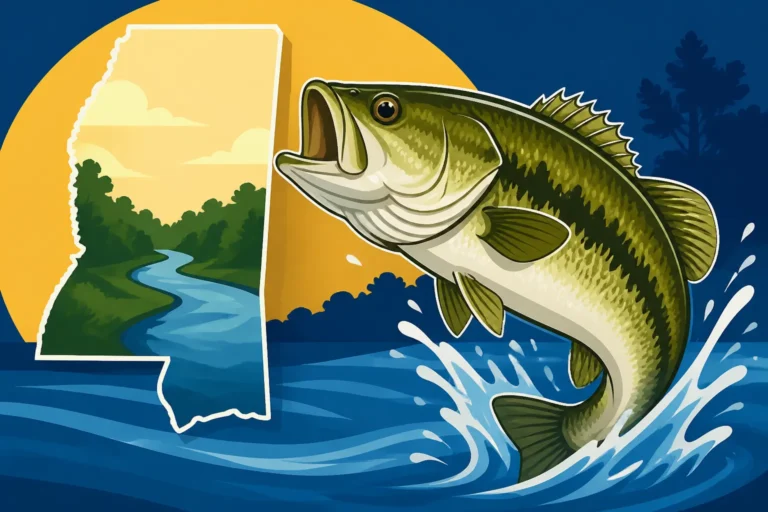
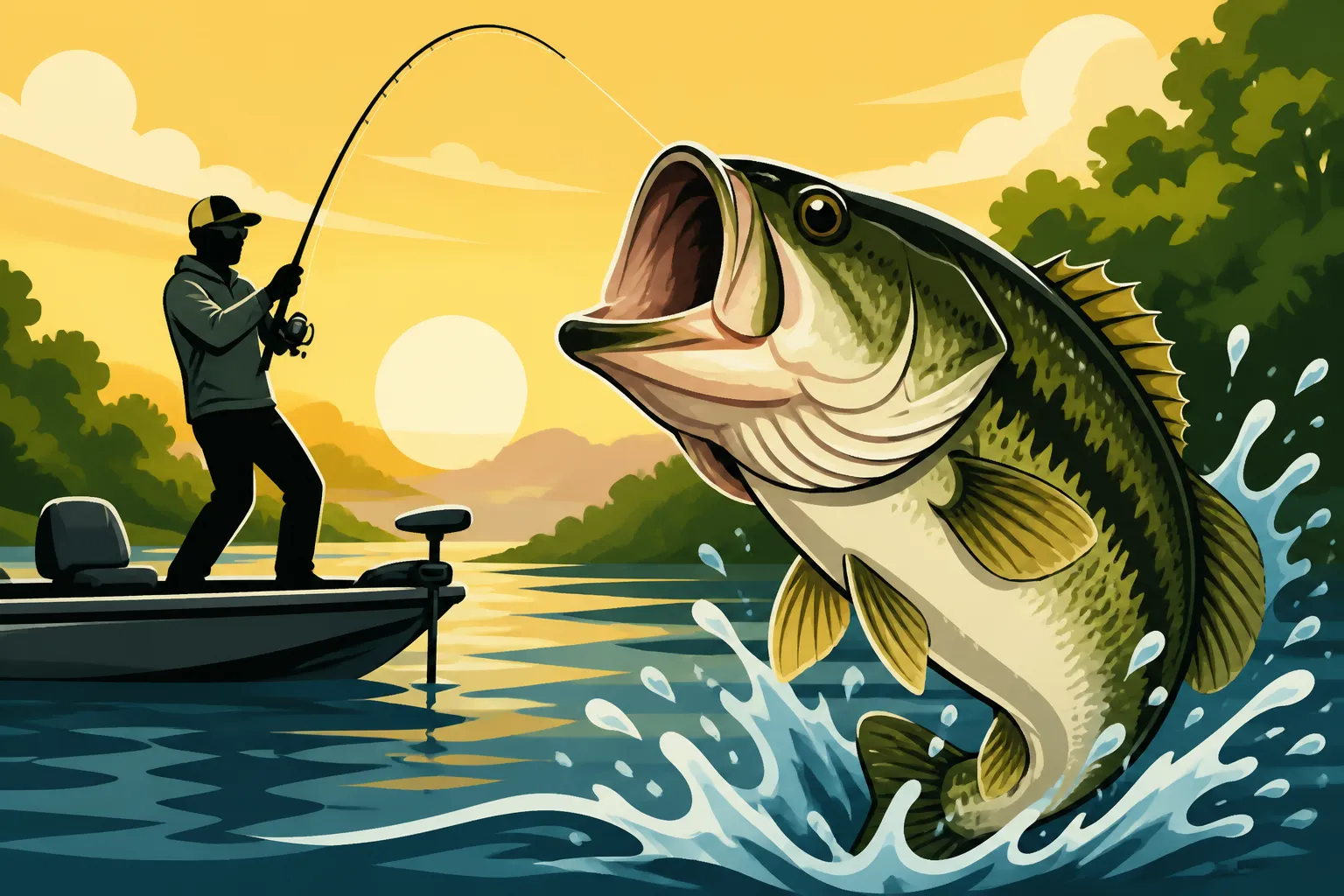
There's a special kind of thrill that comes from dreaming about, and then actually pursuing, a truly massive largemouth bass. For many anglers in Mississippi, it's not just about catching fish; it's about connecting with that elusive lunker, the kind that bends your rod double and makes your heart pound. If you've been wondering how to increase your odds of landing one of these giants in our beautiful Mississippi waters, this guide is for you. We're going to dive deep into what makes a trophy bass, where to find them, and how to outsmart them.
What Exactly is a "Trophy" Bass in Mississippi?
When we talk about "trophy" bass, we're not just talking about any old keeper. We're envisioning those true giants that make for incredible stories and even better photos. The term itself can be a bit subjective, but in Mississippi, there are definitely some widely accepted benchmarks for what constitutes a true lunker.
Defining the Dream: Size and Weight Expectations
For most anglers in Mississippi, a trophy largemouth bass usually starts around the 8-pound mark. An 8-pounder is a significant fish in any state, and certainly here. However, many seasoned local anglers set their sights even higher, often defining a true trophy as a 10-pounder or more. Imagine the sheer power of a bass that heavy! These fish have seen it all, outsmarted countless lures, and grown to an impressive size by dominating their environment. Catching a 10-pound bass in Mississippi is an achievement that puts you in a very elite club. And, of course, there's always the ultimate dream: breaking the Mississippi State Record Largemouth Bass Weight. That's the kind of goal that drives many of us to spend countless hours on the water.
When you manage to connect with one of these giants, the fight is unforgettable. It’s not a quick tug and release; it’s a strategic battle requiring skill, patience, and a bit of luck. A trophy bass will put your gear to the test, making powerful runs and trying to bury itself in the thickest cover it can find. The thrill of bringing a fish of that caliber to the boat or bank is what keeps us coming back, season after season. It’s a testament to the health of our fisheries and the effectiveness of your angling prowess.
Factors Influencing Trophy Potential
So, what makes a bass grow to such an impressive size? It's a combination of several critical factors, primarily genetics, environment, and forage. Mississippi is fortunate to have excellent conditions for growing big bass. Our warm climate provides a long growing season, allowing bass to feed and mature quickly. Many of our waters are also managed with Florida-strain largemouth bass genetics, which are renowned for their potential to grow larger than their northern counterparts. This genetic advantage is a huge boon for trophy hunters in the state.
Beyond genetics, the habitat plays a massive role. Lakes with abundant forage – think large schools of shad, plentiful bream, and even crawfish – provide the fuel these fish need to pack on the pounds. Healthy aquatic vegetation, submerged timber, and deep structure offer both ambush points for feeding and protection from predators. Lakes that are less pressured, or those with strong catch-and-release ethics among anglers, also tend to produce more trophy fish because the giants aren't constantly being removed from the system. It's a delicate balance, and understanding these elements helps you pinpoint those special spots.
Prime Mississippi Waters for Giant Largemouths
Mississippi is blessed with an abundance of fantastic fishing opportunities, but when it comes to trophy bass, certain lakes and waterways truly stand out. Knowing where these fish tend to congregate is the first step in your quest.
Famous Reservoirs Known for Big Bass
If you’re chasing a true lunker, our large flood control reservoirs are often your best bet. These expansive bodies of water offer diverse habitats, plentiful forage, and the deep, complex structures that big bass love.
Ross Barnett Reservoir, often affectionately called "The Rez," near Jackson, is a prime example. It's massive, with a wide variety of fishing grounds from shallow cypress flats to deeper creek channels. Many anglers report catching 5 to 7-pound bass regularly here, with true giants pushing into the double digits. The key is understanding its different sections and how bass relate to them throughout the year. Ross Barnett Reservoir Bass Fishing is a topic that could fill a book, but understanding how to target deeper ledges and offshore humps during certain seasons can be incredibly productive for bigger fish.
Then there are the "Big Three" northern flood control reservoirs: Sardis Lake, Grenada Lake, and Enid Lake. While these are often famed for their incredible crappie fishing, they also hold some seriously large bass. These lakes feature extensive timber, old creek beds, and vast flats that, when fished correctly, can yield the bass of a lifetime. The sheer size of these lakes means there's always new water to explore, and the fish have plenty of room to grow undisturbed. Many anglers focus on the shallower, stump-filled areas or the edges of old river channels to find the biggest fish. For a deeper dive into some of the top spots, check out our guide on Best Bass Fishing Lakes in Mississippi.
| Reservoir | Key Features for Trophy Bass | Best Times | Common Trophy Range |
|---|---|---|---|
| Ross Barnett | Cypress trees, ledges, lily pads, hydrilla, deeper channels | Spring (spawn), Fall (shad run) | 8-12+ lbs |
| Sardis Lake | Submerged timber, stump fields, creek channels, gravel points | Early Spring (pre-spawn), Late Fall (feeding) | 7-10 lbs |
| Grenada Lake | Abundant standing timber, creek channels, flooded willows | Spring (spawn), Summer (deep brush piles) | 7-10 lbs |
| Pickwick Lake | Rocky banks, ledges, current breaks, deep structure, smallmouth potential | Spring (pre-spawn), Summer (ledge fishing) | 7-10 lbs |
| Enid Lake | Standing timber, shallow flats, creek channel bends | Spring (spawn), Fall (shallow water foraging) | 6-9 lbs |
| Lake Washington | Cypress trees, dense vegetation, shallow flats, oxbow lake environment | Spring (shallow), Summer (vegetation edges) | 8-11 lbs |
Hidden Gems: Smaller Lakes and Private Ponds
While the big reservoirs get a lot of attention, don't overlook Mississippi's smaller lakes and private ponds. These can often be absolute honey holes for trophy bass, especially if they are well-managed. Many of our state fishing lakes, like Lake Okhissa or Lake Jeff Davis, are meticulously managed by the MDWFP (Mississippi Department of Wildlife, Fisheries, and Parks) specifically for quality bass fishing. These lakes often have strict slot limits and regulations designed to protect larger fish, allowing them to grow to impressive sizes.
Private ponds, if you have access to them, can be phenomenal. A well-managed private pond with good forage, structure, and minimal fishing pressure can consistently produce bass that push the 8 to 10-pound mark. Often, these ponds are stocked with high-quality genetics and fed a diet that promotes rapid growth. It's not uncommon for local legends to emerge from private waters, boasting of catches that rival state records. The key is respecting private property and seeking permission before casting a line. These smaller, more intimate waters can offer a less crowded experience and an incredible opportunity for a personal best.
Understanding Lake Ecosystems for Trophy Success
To consistently catch trophy bass, you need to think like a bass. This means understanding the entire lake ecosystem. Trophy bass are often older, wiser, and more efficient predators. They're not expending a lot of energy chasing down small meals; they're looking for the biggest bang for their buck. This often means they relate to specific types of structure and cover that offer both an ambush point and easy access to large forage.
For instance, in a reservoir, a giant bass might hang around a deep submerged creek channel that connects to a shallow feeding flat. They can retreat to the cool, deep water when inactive and then move up to ambush unsuspecting baitfish or bream. In a cypress lake, they might be tucked deep into a cypress tree's root system, waiting for prey to swim by. Understanding the Largemouth Bass Diet and Feeding Habits will give you a crucial edge. Look for areas with a healthy population of shad or bream, and then identify the adjacent structure or cover that a big bass would use to ambush them. Water temperature, oxygen levels, and current also play significant roles in where these fish position themselves.
Essential Techniques for Targeting Monster Bass
Chasing trophy bass requires a different mindset and approach than simply going out for a day of numbers fishing. You're not looking for volume; you're looking for that one special bite. This means adjusting your gear, your baits, and your strategy.
Heavy Gear and Line Considerations
When you finally hook into that 10-pounder, you don't want your gear to be the weak link. Trophy bass often live in heavy cover – thick grass, dense brush piles, or tangled cypress knees. You need the power to pull them out of those nasty spots before they can break you off. This means stepping up to heavier rods, reels, and line.
For your rod, consider a heavy or extra-heavy action baitcasting rod, typically 7' to 7'6" in length. This length provides leverage for long casts and battling powerful fish. Pair it with a stout baitcasting reel that has a good drag system and a strong retrieve ratio for quickly moving fish away from cover. As for line, many trophy hunters opt for braided line, often in the 50-80 lb test range. Braid has incredible strength and no stretch, giving you direct control over the fish. If you prefer fluorocarbon, step up to at least 20-25 lb test, especially in clearer waters where its invisibility is an advantage. You might find a great selection of these robust setups, including options from popular brands, on platforms like Amazon, making it easy to get the right tools for the job. Remember, undergunning your tackle when chasing giants is a recipe for heartbreak.
Top Baits and Lures for Trophy Hunters
Trophy bass are often opportunistic but also selective. They’re looking for a substantial meal, so "big baits catch big fish" often holds true. Forget the finesse worms for a moment; we're talking about baits that mimic large shad, big bream, or even small ducks.
One of the most effective categories for trophy bass is large swimbaits, both hard-bodied and soft-plastic versions. These baits, often 6-10 inches long, imitate larger forage species and tempt lunkers looking for an easy meal. Jig-and-pig combinations, especially larger ones in darker colors, are phenomenal for probing deep cover or pitching around docks and laydowns. Big spinnerbaits and bladed jigs, like a Z-Man ChatterBait or a heavy Strike King Hack Attack spinnerbait, can also entice aggressive strikes from big fish, especially during the spring and fall. Don't underestimate large Texas-rigged or Carolina-rigged plastic worms (10-12 inches or more) or creature baits, which can be devastating in heavy cover. Of course, live bait, particularly large shiners or bream, can be exceptionally effective for the biggest bass, especially when fished around prime structure. If you’re unsure where to start, looking up Best Lures for Largemouth Bass will give you a solid foundation, but remember to scale up in size for trophy hunting.
Reading the Water: Structure and Cover
Understanding how bass relate to structure and cover is paramount, especially for older, wiser trophy fish. These aren't the young, aggressive bass that chase anything; they are efficient hunters who use their environment to their advantage. Structure refers to changes in the lake bottom—like humps, ledges, creek channels, and points. Cover refers to objects on the structure—like submerged timber, brush piles, rock piles, or aquatic vegetation.
Trophy bass often position themselves on the deeper, less pressured sides of structure, using cover as an ambush point. For example, a large bass might sit on the deep side of a brush pile located on a submerged creek channel bend. They can dart out to grab an unsuspecting baitfish and then quickly retreat to cover. Learning Best Structure to Fish for Bass in a Reservoir is key. Look for transitions: where hard bottom meets soft, where a creek channel edges up to a flat, or where deep water is adjacent to dense cover. Fish finders and mapping software are invaluable tools for identifying these subtle but critical differences in the underwater landscape. Don't just cast blindly; cast to specific targets and understand why a big bass would be there.
When to Hunt for the Biggest Bass
Timing is everything when it comes to trophy bass. While you can catch a big one any time of year, certain seasons and conditions dramatically increase your odds of a true giant.
The Spring Spawn: A Trophy Hunter's Dream
Without a doubt, spring is prime time for trophy bass in Mississippi. As water temperatures begin to rise, these big fish move from their deep winter haunts to shallower waters in preparation for spawning. This is when they are most accessible and often at their heaviest, full of eggs. The pre-spawn period, when bass are feeding heavily to build energy for the spawn, is particularly potent. They are aggressive and often concentrated in staging areas near their spawning flats. For exact timings, our guide When Do Bass Spawn in Mississippi? provides excellent detail, but generally, look for water temperatures to hit the mid-60s Fahrenheit.
During the actual spawn, when bass are on beds, they become extremely territorial. While sight-fishing for bedding bass can be effective, it’s also important to practice ethical angling to ensure these fish successfully reproduce. Many anglers focus on the fish around the beds – the bigger females who are still staging or guarding fry. Large soft plastics, jigs, and even big swimbaits worked slowly and deliberately around potential bedding areas can draw powerful strikes from the largest fish. The combination of their increased weight and their proximity to shallower, more fishable water makes this season unparalleled for trophy aspirations.
Post-Spawn and Summer Patterns
After the rigors of spawning, bass enter a post-spawn recovery period. They can be a bit lethargic at first, but soon they move to deeper, more comfortable water as the summer heat sets in. During summer, the biggest bass often retreat to the coolest, most oxygenated water they can find, which typically means deeper ledges, creek channels, brush piles, and areas with abundant shade or thick overhead cover. They will still feed, but often during low-light conditions like early morning, late evening, or even at night.
Targeting these fish requires different tactics. Deep-diving crankbaits, heavy jigs, and Carolina rigs are excellent for probing deeper structure. For those willing to brave the heat, fishing during the cooler parts of the day can be very effective. Large worms and creature baits fished slowly and meticulously through dense offshore cover can tempt a giant. Knowing How to Catch Bass in Hot Summer Weather is crucial for summer success. Look for bass relating to thermoclines (layers of water with different temperatures) or congregating near underwater springs or oxygenating points. The key is to be patient and work your baits thoroughly through these deep, often hidden, sanctuaries.
Fall Feeding Frenzy and Winter Giants
As water temperatures begin to cool in the fall, bass start to feed aggressively in preparation for winter. This "fall feeding frenzy" is another fantastic time for trophy hunters. Baitfish, particularly shad, often school up in large numbers on main lake points, creek mouths, and flats, and the bass follow. This is when power fishing techniques shine. Large crankbaits, spinnerbaits, and topwater lures (especially during the early fall) can be incredibly effective. The bass are actively chasing prey and are often less finicky than during other times of the year. Our Mississippi Fall Fishing Guide elaborates on these productive patterns.
Winter fishing for trophy bass can be challenging but highly rewarding. The biggest bass often group up in deep, stable areas such as main lake points, deep creek channels, or even thermal refuges like power plant discharge areas. They become very lethargic, so slow, subtle presentations are key. Jigging spoons, blade baits, and slow-rolled umbrella rigs can be effective when worked patiently along deep contours. While the bites may be fewer and farther between, the fish you do catch are often some of the biggest and healthiest of the year, having conserved energy throughout the colder months.
Best Practices for Catch-and-Release of Trophy Bass
Catching a trophy bass is an incredible achievement, but the experience shouldn't come at the expense of the fish. These mature fish are vital to the future of our fisheries, contributing to the gene pool and continuing to produce more big bass. Practicing proper catch-and-release techniques ensures these giants live to fight another day and perhaps provide another angler with the thrill of a lifetime.
Minimizing Stress and Injury
The moment you hook a trophy bass, the clock starts ticking. The longer the fight, the more exhausted and stressed the fish becomes. Use appropriately heavy tackle to bring the fish in quickly but without "horsing" it to the point of injury. Avoid dragging the fish over rocks or abrasive surfaces. Once at the boat or bank, minimize the time the fish is out of the water. Every second counts. If you’re fishing from a boat, have your camera and measuring board ready before the fish is landed.
Avoid touching the fish with dry hands, as this can remove their protective slime coat, making them susceptible to disease. Instead, wet your hands thoroughly or use a wet towel or glove. If you're using treble hooks, consider replacing them with single hooks or crushing the barbs to make de-hooking faster and less damaging. Always try to remove hooks gently and quickly. If a hook is deeply embedded, it’s often better to cut the line as close to the hook as possible rather than tearing tissue trying to extract it. Many hooks will rust out over time, causing less harm than a forceful removal.
Proper Handling for Photography and Release
We all want that hero shot with our trophy catch, and there's nothing wrong with that! However, it's crucial to prioritize the fish's well-being. When lifting a large bass for a photo, always support its weight horizontally. Never hold a large bass solely by the jaw, especially if it’s a heavy fish, as this can severely damage its jaw and internal organs, leading to delayed mortality. One hand should support the belly, while the other gently grips the lower jaw.
Keep the fish close to the water, and if possible, kneel down so that if it struggles, it falls back into the water rather than onto a hard surface. Snap your photos quickly – ideally within 10-15 seconds – and then get the fish back into the water. Before releasing, hold the fish gently in the water, supporting its belly, and allow it to recover. You'll feel it regain its strength; when it kicks its tail forcefully and swims away on its own power, you know you've done your job. This patient approach ensures your trophy has the best chance of survival.
The Importance of Conservation
Every trophy bass we catch and release contributes to the overall health and future of Mississippi's fisheries. These large fish are often the best spawners, producing a high number of offspring with strong genetics. By releasing them, we ensure they can continue to reproduce and pass on those desirable traits, leading to more trophy potential for generations of anglers to come. It’s a stewardship responsibility that comes with the privilege of fishing our incredible waters.
Beyond catch-and-release, supporting conservation efforts, adhering to all Mississippi Fishing Regulations Explained, and participating in local clean-up initiatives also plays a crucial role. A healthy environment with clean water and intact habitat is essential for bass to grow to trophy size. We want our children and grandchildren to experience the same thrill of chasing these magnificent fish, and that only happens if we all do our part to protect and preserve them.
Gear Up for Success
To consistently chase and land trophy bass, having the right gear is non-negotiable. While skill and local knowledge are paramount, your equipment acts as an extension of your abilities. Investing in quality tackle suited for heavy-duty applications can make all the difference when that monster strikes.
Rods, Reels, and Line Built for Battle
As mentioned earlier, a heavy or extra-heavy baitcasting rod is your primary weapon. Look for rods made from high-modulus graphite that offer both sensitivity to detect subtle bites and backbone to drive hooks home and control powerful fish. Brands like Shimano, Daiwa, and Lew's offer excellent options in various price ranges. For the reel, a durable baitcasting reel with a robust drag system (measured in pounds of drag pressure) and a good line capacity is essential. A gear ratio around 7.1:1 or 8.1:1 provides the speed needed to pick up slack and pull fish from cover.
Your line choice is equally critical. For fishing around heavy cover, a 50-80 lb braided line is hard to beat. Its strength, abrasion resistance, and lack of stretch give you maximum control. For clear water or more subtle presentations, a 20-25 lb fluorocarbon leader or main line can be beneficial. Fluorocarbon sinks faster, is nearly invisible underwater, and offers good abrasion resistance. You can find virtually any of these high-performance fishing lines and brands on platforms like Amazon, making it convenient to compare options and find exactly what you need. Ensure your knots are strong and properly tied; a weak knot is often the weakest link in your system. Our guide on Best Fishing Line for Catfish also offers insights into heavy-duty line applications that cross over to trophy bass fishing.
Essential Accessories and Tools
Beyond your rod, reel, and line, a few key accessories can significantly improve your trophy bass hunting experience and ensure proper fish care. A good pair of heavy-duty pliers or cutters is essential for quickly removing hooks or cutting tough line. A measuring board is vital for accurately documenting the length of your catch, and a reliable scale will confirm its weight. Many scales today are digital and can store weights, making it easy to track your personal bests.
A strong, long-handled net with a rubberized, knotless mesh is highly recommended. This kind of net is gentler on the fish's slime coat and gills, reducing injury during landing, and preventing hooks from getting hopelessly tangled. For those long days on the water, having a reliable pair of polarized sunglasses will help you spot structure, cover, and even cruising bass, especially in clearer waters. Don't forget a quality camera or smartphone with a good camera to capture those memories, and ensure it's easily accessible for quick photos.
Investing in Quality Tackle
While it might be tempting to save a few dollars on cheaper gear, when it comes to trophy bass fishing, investing in quality tackle pays dividends. Better rods offer enhanced sensitivity, allowing you to feel even the lightest bite. Quality reels provide smoother retrieves and more reliable drag performance, crucial when fighting a powerful fish. Premium lines offer greater strength and abrasion resistance, reducing the chance of a heartbreaking break-off.
Think of your tackle as an investment in your passion. A quality rod and reel setup can last for many years with proper care, enduring countless battles. Furthermore, the confidence that comes from knowing your gear is up to the task allows you to focus solely on the fishing. Whether you're exploring the depths of Ross Barnett or the timber-filled waters of Sardis, having reliable, high-performing equipment allows you to confidently pursue that once-in-a-lifetime trophy bass.
Disclaimer
This article is for general informational purposes only and does not constitute professional advice. Laws, prices and regulations vary by location and change over time. Consult a qualified professional for guidance on your specific situation.