Mississippi State Record Fish List
There's a special thrill that pulses through every angler's veins when they hook into something truly magnificent, a fish that feels heavier, fights harder, and looks bigger than anything they've ever caught before. For many, that moment sparks a question: "Could this be a record?" It’s a dream that drives countless fishing trips across our beautiful state, from the tranquil freshwater lakes to the bustling Gulf Coast. This guide is here to unravel the mystique of the Mississippi State Record Fish List, offering insights into what it takes to join this elite club and celebrate the incredible catches that define our angling heritage.
The Allure of State Records: Why They Matter to Anglers
For those of us who spend countless hours on the water, whether it's dawn patrol on a glassy lake or battling waves offshore, the idea of catching a state record fish is more than just a fleeting thought; it's a driving force. It’s the ultimate benchmark, the pinnacle of achievement in a sport where every cast holds the promise of something special. But why do these records hold such a powerful grip on our imaginations and efforts?
More Than Just Bragging Rights
While the immediate thought might be the sheer glory and bragging rights that come with a state record, it truly runs much deeper than that. Landing a record-breaking fish is a testament to skill, patience, and often, a bit of luck. It's a recognition of an angler's dedication to understanding fish behavior, mastering techniques, and spending the time required to connect with such an exceptional creature. Imagine the stories you'd share, not just around the campfire, but with generations to come, about the day you wrestled a true giant from the depths of a Mississippi lake or the Gulf. It solidifies your place in the state's rich fishing history.
It's also about validating your efforts. We all have those days where the fish just aren't biting, or we lose that monster right at the boat. The pursuit of a record helps us push through those frustrations, constantly refining our approach. When you finally connect with that once-in-a-lifetime fish, it makes every previous challenge worth it, proving that persistence truly pays off. Plus, for many, it’s a way to leave a legacy, a mark on the fishing community that will inspire others for years to come.
Setting Goals and Inspiring New Anglers
The state record list serves as a tangible goal for many experienced anglers, offering a clear target to strive for. It gives purpose to specific fishing expeditions, perhaps targeting a particular species known for its trophy potential, or focusing on a specific lake with a history of producing giants. This goal-setting aspect can make fishing even more engaging, transforming a casual outing into a focused pursuit. You start researching specific patterns, studying maps, and even experimenting with new gear, all in the hopes of landing "the one."
Beyond personal ambition, these records act as incredible motivators for new and aspiring anglers. When a young fisherman sees a picture of a massive bass or a colossal catfish caught right here in Mississippi waters, it ignites a spark. It shows them what's possible and encourages them to learn more about the sport, practice their techniques, and explore the diverse fishing opportunities our state offers. It's a powerful tool for recruitment, drawing more people to enjoy and protect our aquatic resources. For gearheads, seeing what equipment helped land a record can also influence their choices; many will head to Amazon to find the exact rod, reel, or line that played a part in a historic catch.
Tracking the Health of Mississippi's Fisheries
The state record list isn't just a scoreboard; it's an important indicator of the health and vitality of Mississippi's fisheries. When records are consistently broken or when a particular species is producing exceptionally large specimens, it often reflects a well-managed ecosystem, successful stocking programs, and thriving fish populations. Conservation efforts by organizations like the Mississippi Department of Wildlife, Fisheries, and Parks (MDWFP) play a crucial role in creating the conditions necessary for fish to grow to trophy sizes.
Conversely, if certain record categories remain stagnant for decades, or if there's a decline in the average size of fish, it can signal potential environmental challenges or a need for updated management strategies. These records, therefore, provide valuable data points for biologists and conservationists, helping them monitor trends and make informed decisions about protecting and enhancing our state's incredible natural resources. Understanding the conditions that lead to these record-breaking catches helps ensure future generations have the same opportunities to pursue their own angling dreams. You can learn more about these efforts in How Mississippi Fishing License Fees Are Used.
Understanding the Mississippi State Record Categories
Navigating the world of state records can sometimes feel a little complicated, but Mississippi does a good job of breaking it down into clear, distinct categories. This ensures fairness and allows for recognition of different angling styles and fish species. It’s not just about the biggest fish overall; it’s about recognizing the achievements within specific frameworks.
Rod & Reel vs. Alternative Methods
One of the primary distinctions in Mississippi's state record keeping is between fish caught by conventional rod and reel and those caught by "alternative methods." The vast majority of official state records you hear about are for fish caught using traditional rod and reel angling techniques. This is because it represents a specific challenge of skill, patience, and fair chase. The fight between angler and fish, using standard sporting equipment, is what most people visualize when they think of a fishing record.
However, Mississippi also recognizes records for fish caught using methods like trotlines, jug fishing, and even bowfishing. These are often separate categories within the record books, acknowledging the different skills and challenges involved with each. For instance, a giant flathead catfish caught on a trotline might be significantly larger than one caught on a rod and reel, but both achievements are celebrated within their respective categories. It's important to specify the method when you're pursuing a record, as the rules and recognition will vary. Mississippi Trotline and Jug Fishing Rules delves deeper into these alternative techniques.
Freshwater vs. Saltwater Divisions
Mississippi is unique in that it offers both incredible freshwater and saltwater fishing opportunities. Naturally, the state record list reflects this diversity by maintaining distinct divisions for each. It wouldn't be fair, or even possible, to compare a trophy largemouth bass caught in Ross Barnett Reservoir to a massive red snapper pulled from the Gulf of Mexico. These are entirely different environments, host different species, and require completely different approaches and gear.
The freshwater division covers all the lakes, rivers, and streams inland, while the saltwater division focuses on the bountiful waters of the Mississippi Sound and beyond into the Gulf. This dual system ensures that anglers who specialize in either environment have an equal chance at holding a state record. Whether you prefer chasing catfish in the Mississippi River Fishing Guide or battling amberjack offshore, there's a record category waiting for your exceptional catch.
Junior and Adult Records
To further encourage participation and recognize the achievements of younger anglers, Mississippi often includes junior record categories. This is a fantastic way to engage kids and teenagers in the sport and celebrate their successes. It acknowledges that a 10-pound bass is an incredibly impressive catch for a 12-year-old, even if it doesn't quite measure up to the adult state record. These junior records can be a powerful source of motivation, inspiring kids to stick with fishing and develop their skills.
Adult records, of course, represent the pinnacle of achievement for experienced anglers. Typically, anyone over a certain age (often 16 or 18) falls into the adult category. The rules and submission processes are generally the same for both, but the separation ensures that age isn't a barrier to recognition. It’s all about creating opportunities for everyone, regardless of age, to experience the thrill of a lifetime catch.
Key Freshwater State Records to Know
Mississippi’s freshwater systems, from its sprawling reservoirs to its winding rivers, are legendary for producing some truly massive fish. When you talk about freshwater state records here, you're talking about the titans of the depths, the fish that challenge every angler's skill and resolve. These are the species that often dominate conversations at bait shops and boat ramps.
Chasing the Largemouth Bass Record
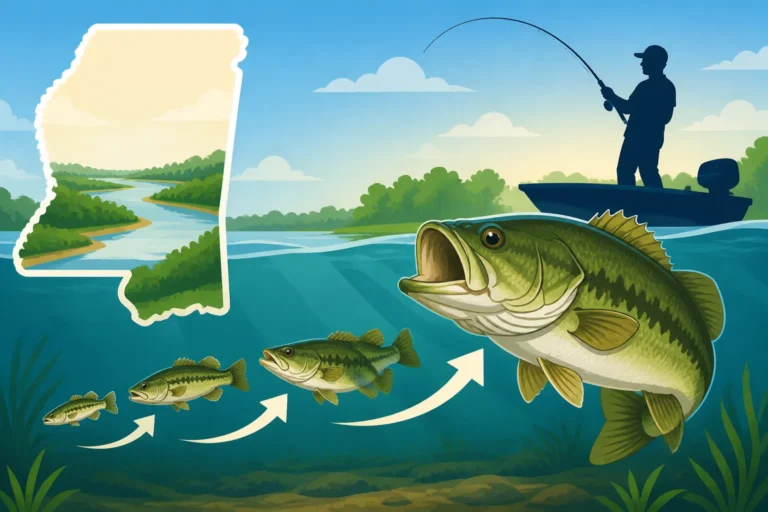
The largemouth bass is arguably the king of freshwater game fish in Mississippi, and the state record for this species is highly coveted. Anglers dream of catching a bass that pushes into the double digits, and Mississippi has a history of producing them. The current Mississippi State Record Largemouth Bass Weight stands as a monumental achievement, a testament to both the fish's size potential and the angler's skill. Chasing this record means understanding where these giant bass live, what they eat, and how they behave throughout the year.
Often, these record-breaking bass come from our larger, fertile reservoirs like Ross Barnett or Sardis Lake, where conditions are prime for fish to grow large and old. Anglers often spend years honing their techniques, using specialized lures and baits designed to entice these wary giants. It's not just about casting; it's about patterning, understanding structure, and presenting baits flawlessly. Many dedicated bass anglers spend countless hours researching fishing reports, studying contours, and experimenting with different approaches, all for that one chance at a record.
The Elusive Trophy Crappie
While largemouth bass might get a lot of glory, the pursuit of a true trophy crappie holds a special place in the hearts of Mississippi anglers. Known as "slab" crappie for their impressive size and delicious fillets, these fish can grow surprisingly large in our state's fertile waters. The current Mississippi State Record Crappie Weight showcases just how immense these panfish can become, often exceeding many anglers' expectations. The crappie record is often a target for those who spend their winters and early springs meticulously working brush piles and deep channels.
Lakes like Grenada, Sardis, and Enid are famous for their crappie populations and regularly produce fish that make anglers' jaws drop. Catching a state record crappie requires a delicate touch, the right bait (often live minnows or small jigs), and a deep understanding of their schooling behavior and preferred habitats. It’s a pursuit that combines patience with precision, often involving advanced techniques like spider rigging or slow trolling to cover water and locate those elusive mega-slabs.
Monster Catfish: River Giants
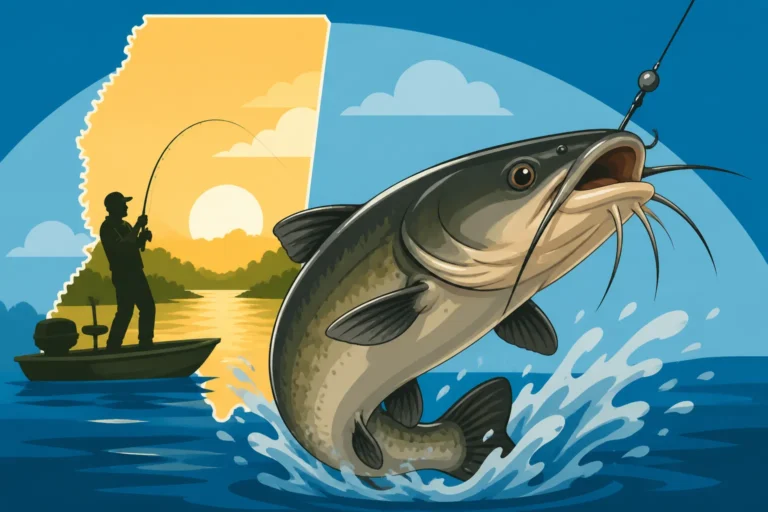
Mississippi’s rivers and reservoirs are home to some of the biggest catfish in the country, making the pursuit of a state record catfish a truly epic endeavor. Blue catfish and flathead catfish are the primary contenders in this category, known for their immense size and incredible fighting power. The Mississippi State Record Catfish Weight is a staggering figure, often representing a fish that could easily outweigh a grown person. These are the true bottom-dwellers, often found in the deepest holes and strongest currents of our major river systems.
Catching a record catfish often involves heavy-duty gear, strong lines, and robust baits like cut bait or live shad. Anglers targeting these giants might use trotlines or jug fishing methods for the biggest specimens, but plenty of monsters are also landed on stout rod and reel setups. It's a battle of strength and endurance, and the satisfaction of landing a truly gargantuan catfish is unparalleled. For those who want to tackle these aquatic beasts, exploring the Mississippi River Fishing Guide and its deep channels is often a great starting point.
Bream and Panfish: Overlooked Contenders
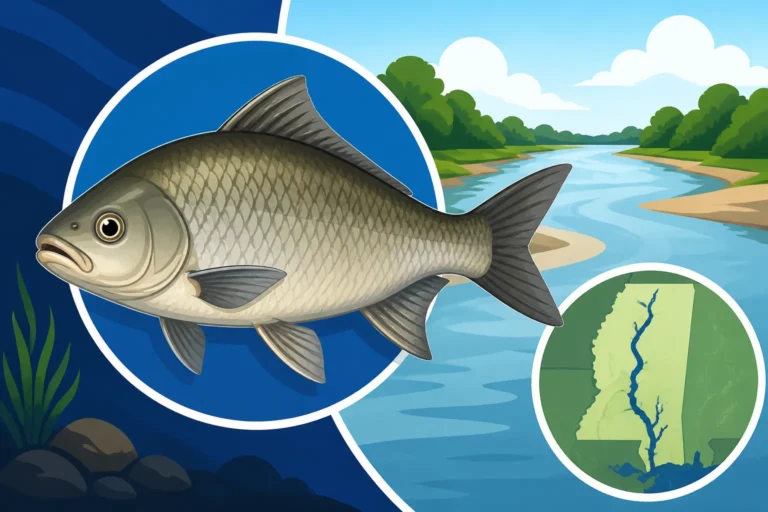
While bass, crappie, and catfish often steal the spotlight, Mississippi's panfish species, collectively known as "bream," also hold their own impressive state records. Species like bluegill, redear sunfish (shellcrackers), and even warmouth can grow to surprisingly large sizes, offering a thrilling challenge for light-tackle enthusiasts. The state record bream might not weigh as much as a record bass, but for its size, it provides an incredible fight and demands a refined angling approach.
These smaller, yet feisty, fish are abundant in almost every pond, lake, and slow-moving river throughout the state. Catching a record-breaking bream often comes down to targeting older, larger specimens in specific habitats, often using crickets, worms, or tiny jigs. It’s a pursuit that often brings anglers back to the simplicity and pure joy of fishing, proving that you don't always need a huge boat and expensive gear to catch a record. Sometimes, it’s about finding that perfect hidden pond and patiently presenting a simple bait.
Iconic Saltwater State Records on the Gulf Coast
The Mississippi Gulf Coast is a vibrant angler's paradise, offering access to the fertile waters of the Mississippi Sound and the vast expanses of the Gulf of Mexico. Here, the pursuit of state records shifts from freshwater behemoths to powerful saltwater species, each presenting its own unique challenge and thrill.
Redfish and Speckled Trout: Coastal Legends
For many inshore anglers on the Mississippi Gulf Coast, the redfish and speckled trout are the quintessential game fish. Both are renowned for their aggressive strikes, strong fights, and delicious table fare. The state records for Redfish Fishing on the Mississippi Coast and Speckled Trout Fishing on the Mississippi Coast represent truly exceptional specimens of these beloved species, often targeted by dedicated anglers who spend countless hours exploring marsh grass, oyster reefs, and bayous.
Catching a record-sized redfish typically involves sight fishing on shallow flats or targeting deep holes near passes. These powerful fish can be fooled with a variety of baits, from live shrimp and mullet to artificial lures like spoons and soft plastics. Speckled trout, on the other hand, are often found over grass beds and around oyster reefs, preferring live shrimp under a popping cork or artificial lures mimicking baitfish. Landing a record in either category requires not only skill but also a deep understanding of tides, currents, and the specific habits of these coastal legends. For many, finding the right gear on Amazon for wading or kayak fishing is key to reaching those prime, less-pressured spots.
Deep-Sea Giants: Amberjack, Tuna, and More
Venturing further offshore into the Gulf of Mexico opens up a whole new world of state record opportunities, featuring some of the most powerful and impressive fish species imaginable. The state records for species like amberjack, various tuna species (like yellowfin), and wahoo are battles of epic proportions, testing both angler and tackle to their limits. These are not fish you typically catch on a casual outing; they require specialized boats, heavy-duty offshore gear, and a significant investment of time and effort.
Chasing these deep-sea giants often means long runs offshore to oil rigs, wrecks, and natural ledges where these pelagic species congregate. Trolling with large artificial lures or live baiting with bigger fish are common methods. The fight can last for hours, pushing anglers to their physical and mental limits. The sheer size and power of these fish make landing a state record an unforgettable achievement and a true testament to the angler’s perseverance in challenging conditions far from shore.
The Mighty Cobia and Red Snapper
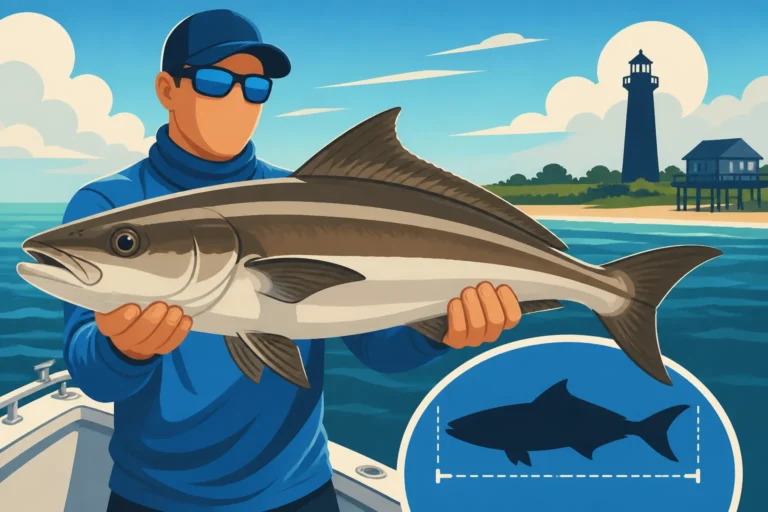
Two other highly sought-after species with significant state record potential on the Mississippi Gulf Coast are cobia and red snapper. Cobia, often called "ling," are known for their strong runs and curious nature, frequently found cruising near buoys, wrecks, and even large rays. Their state record represents a truly massive fish, highly prized for its fight and excellent eating quality. Many anglers look forward to the Cobia Fishing on the Mississippi Coast season with great anticipation, knowing these powerful fish are in play.
Red snapper, a species that has seen extensive conservation efforts, also holds a revered spot on the state record list. These bottom-dwelling fish are incredibly strong and pull hard, making them a favorite target for offshore anglers. While their season can sometimes be short, the opportunity to land a state record red snapper drives many fishermen to venture out to deep-water reefs and structures. Both cobia and red snapper require robust tackle and often specialized techniques to successfully land, but the reward of a record-breaking catch is truly immense.
How a Fish Becomes a State Record: The Official Process
So, you've landed what you believe might be a state record. Congratulations! But the journey doesn't end there. Getting a fish officially recognized as a state record in Mississippi involves a clear, precise process governed by the Mississippi Department of Wildlife, Fisheries, and Parks (MDWFP). It’s not just about catching a big fish; it's about proving its authenticity and adhering to specific guidelines.
Catching, Documenting, and Verification
The first, and arguably most crucial, step after catching a potential state record is proper documentation. This means having an official MDWFP certified weigh station or a designated tackle shop verify the weight. You can't just weigh it on your bathroom scale; it needs to be an official, certified scale. The fish must be alive or kept in prime condition immediately after the catch to prevent weight loss due to dehydration. This often means having a plan in place before you even go fishing if you're seriously targeting a record.
Along with the weight, photographs are absolutely essential. You'll need clear, well-lit photos of the fish, ideally with you and the tackle used, as well as a measurement to verify its length and girth. These visual proofs help the MDWFP verify the species and the overall condition of the fish. Remember, honesty is paramount; any attempt to misrepresent the catch can lead to disqualification and serious repercussions. It's a moment of truth, where all your preparation pays off. The MDWFP also ensures you have the proper Mississippi Fishing License Guide in place, as an unlicensed catch cannot be a record.
Weighing and Measuring: Precision is Key
When it comes to official state records, precision is not just important; it’s everything. The fish must be weighed on scales that are certified legal for trade by the Mississippi Department of Agriculture and Commerce. These scales are regularly calibrated to ensure accuracy. This often means locating a local bait shop, marina, or grocery store that has a certified scale and is willing to assist with the process. Speed is also important to prevent the fish from losing weight.
Measurements, including length and girth, are also critical for verification and species identification. While weight is the primary factor for most state records, these measurements provide additional data for biologists. The MDWFP may also require a biological sample or even retain the fish for further study, especially for rarer species or if there are questions about identification. This meticulous process ensures that every state record is legitimate and stands as a true benchmark for future anglers. Many anglers serious about record chasing will have their own certified handheld scales from reputable brands found on Amazon for preliminary checks, though an official weigh-in is always required.
The Role of the MDWFP
The Mississippi Department of Wildlife, Fisheries, and Parks (MDWFP) is the official governing body for all state fishing records. They set the rules, oversee the application process, and ultimately certify new records. Their role is to ensure the integrity of the record-keeping system and to maintain a comprehensive list of all state records. This includes not only the largest fish but also maintaining the data that contributes to understanding fish populations and overall fisheries health.
When you submit a potential record, MDWFP staff will review all documentation, including the application form, photos, and weigh slips. They may contact witnesses or even conduct interviews to verify the details of the catch. Their biologists are also key in confirming the species identification, which can sometimes be tricky with similar-looking fish. This rigorous verification process, while sometimes feeling lengthy for the excited angler, is vital to ensure that Mississippi's state record list remains credible and respected by the angling community. You can find their official guidelines and application forms, which detail all the necessary steps, by visiting their website.
Tips for Aspiring Record Holders
Dreaming of your name on the Mississippi State Record Fish List? It’s a bold ambition, but one that is absolutely achievable with the right mindset, strategy, and a healthy dose of persistence. While a bit of luck always plays a role, you can significantly increase your chances by approaching your fishing with a record-holder's mentality.
Target the Right Waters and Seasons
One of the most critical factors in catching a record-breaking fish is knowing where and when to fish. Certain bodies of water are simply more renowned for producing trophy-sized specimens of particular species. For instance, if you're chasing a record largemouth, you'd focus on lakes with a history of big bass, such as Lake Columbia or the larger reservoirs. For crappie, the famous flood-control reservoirs like Grenada and Sardis are often the hotspots. Do your research into Best Fishing Spots in Mississippi for your target species.
Beyond location, timing is everything. Fish species have specific seasons when they are most active, when they spawn, or when they are feeding heavily, making them more accessible and often at their peak weight. Understanding the Mississippi Fishing Seasons Calendar for your target fish is paramount. For example, chasing a monster crappie during the pre-spawn or spawn can significantly increase your odds, as they move into shallower waters and are more aggressively feeding. Likewise, knowing when saltwater species like cobia migrate along the coast is essential for planning a record-attempting trip.
Gear and Strategy for Big Fish
You can't bring a knife to a gunfight, and you certainly can't bring ultralight tackle when you're targeting a state record fish. Investing in appropriate, heavy-duty gear is crucial. This means a strong rod with enough backbone to handle a powerful fish, a reel with a smooth, reliable drag, and high-quality fishing line that won't snap under extreme pressure. For offshore fishing, this often means specialized big-game rods and reels, while for freshwater giants, robust baitcasting or spinning setups with braided line are often preferred. Always check your knots and leaders meticulously; one weak point can cost you a record.
Strategy is also key. Are you using live bait, and if so, is it the freshest and most effective for your target species? Are your artificial lures mimicking the natural forage perfectly? Are you fishing in the right depth zones, around the correct structure (like submerged timber, ledges, or oyster reefs), and at the optimal times of day? Sometimes, it's about slowing down and being incredibly patient, meticulously working a single spot. Other times, it's about aggressively covering water until you locate a school of feeding giants. Studying Crappie Fishing Techniques for Mississippi Lakes or Bass Fishing Techniques for Mississippi Anglers can give you a significant edge.
Patience, Persistence, and Respect for the Fish
Perhaps the most important, yet often overlooked, qualities of an aspiring record holder are patience and persistence. Record fish are not caught every day. There will be countless trips where you come up empty-handed, or where you lose a huge fish. It’s during these moments that your resolve will be tested. The ability to learn from each outing, adjust your approach, and keep going back out, even after setbacks, is what separates the dreamers from the record breakers.
Finally, always maintain respect for the fish and the resource. Practice ethical angling, follow all Mississippi Fishing Regulations Explained, and ensure that if you do catch a record, you handle the fish with care, especially if you intend to release it after documentation. While a state record is a personal triumph, it also carries the responsibility of being a good steward of our natural environment. Taking clear photos quickly, minimizing the fish's time out of water, and ensuring a swift, accurate weigh-in process demonstrates genuine respect for these incredible creatures.
| Fish Species (Freshwater) | Current State Record Weight | Typical Habitat | Best Season to Target | Common Baits/Lures |
|---|---|---|---|---|
| Largemouth Bass | Check MDWFP Records | Reservoirs, Lakes | Spring, Fall | Jigs, Worms, Crankbaits, Swimbaits |
| Crappie (White/Black) | Check MDWFP Records | Lakes, Rivers | Spring, Winter | Minnows, Jigs, Spoons |
| Blue Catfish | Check MDWFP Records | Rivers, Large Lakes | Year-Round (best in cooler months) | Cut Bait, Live Baitfish |
| Flathead Catfish | Check MDWFP Records | Rivers, Deep Holes | Summer, Fall | Live Perch, Sunfish |
| Channel Catfish | Check MDWFP Records | Ponds, Lakes, Rivers | Year-Round (active in warm water) | Worms, Stink Bait, Chicken Liver |
| Bluegill (Bream) | Check MDWFP Records | Ponds, Lakes, Rivers | Spring, Summer | Worms, Crickets, Small Jigs |
| Fish Species (Saltwater) | Current State Record Weight | Typical Habitat | Best Season to Target | Common Baits/Lures |
|---|---|---|---|---|
| Redfish | Check MDWFP Records | Marsh, Estuaries, Flats | Fall, Spring | Shrimp, Mullet, Spoons, Soft Plastics |
| Speckled Trout | Check MDWFP Records | Grass Beds, Oyster Reefs | Spring, Fall, Winter | Shrimp, Live Baitfish, Popping Corks |
| Cobia | Check MDWFP Records | Wrecks, Reefs, Buoys | Spring, Summer | Eels, Live Baitfish, Large Jigs |
| Red Snapper | Check MDWFP Records | Offshore Reefs, Wrecks | Summer | Squid, Cut Bait, Live Pinfish |
| Amberjack | Check MDWFP Records | Offshore Rigs, Wrecks | Spring, Summer | Live Baitfish, Jigs |
| Black Drum | Check MDWFP Records | Bays, Estuaries, Oyster Reefs | Year-Round (active in cooler months) | Crab, Shrimp, Cut Bait |
Disclaimer
This article is for general informational purposes only and does not constitute professional advice. Laws, prices and regulations vary by location and change over time. Consult a qualified professional for guidance on your specific situation.