Mississippi State Record Crappie Weight
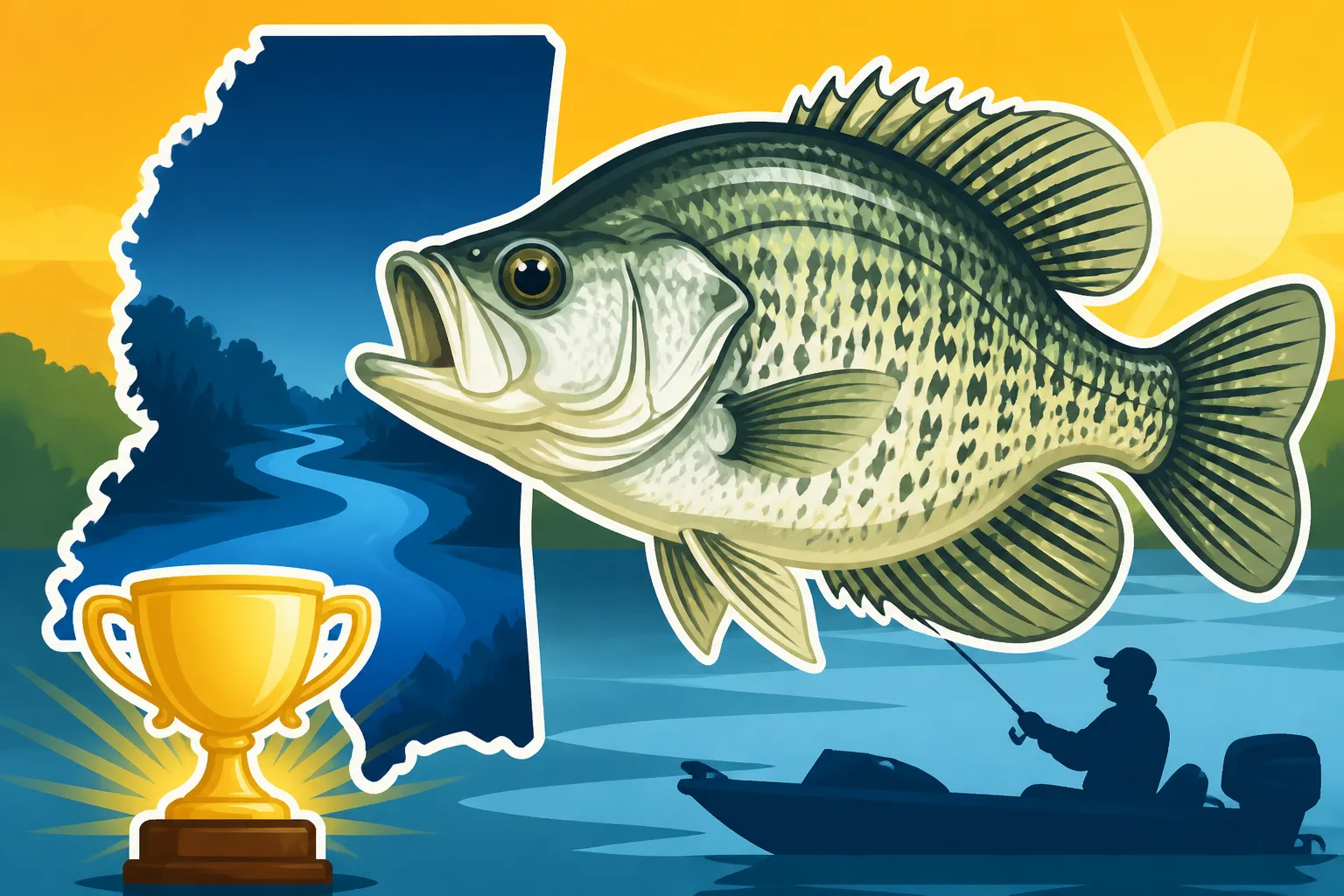
There’s a special kind of thrill that courses through a serious angler’s veins when they think about not just catching a big fish, but the biggest fish. In Mississippi, where crappie fishing is practically a religion, the dream of hooking a state-record slab is very real. This guide dives deep into what it takes to join that elite club, the incredible weight that currently holds the title, and how you might just be the one to break it.
The Quest for Greatness: Why Mississippi Anglers Dream of Record Crappie
For many of us who love casting a line in Mississippi's abundant waters, crappie aren't just fish; they're an obsession. The pursuit of crappie, often affectionately called "sac-au-lait" or "papermouths," is a cherished tradition, passed down through generations. But there's a level beyond simply filling a cooler for a fish fry – there's the monumental goal of landing a state record. This isn't just about bragging rights, though those are certainly sweet; it's about pushing the limits of skill, patience, and understanding of these enigmatic fish.
More Than Just a Fish: The Allure of a State Record
Imagine the scene: you're out on a quiet lake, the morning mist still clinging to the cypress trees, and suddenly your line goes taut with a force you've never felt before. The fight is intense, deliberate, and unlike any crappie you've ever battled. When that monster finally surfaces, glistening in the sun, you realize you might have something truly special. The allure of a state record isn't just about the numbers on a scale; it's about the story, the memory that will be etched into your mind forever. It’s a testament to countless hours spent on the water, learning the subtle shifts in weather, water temperature, and fish behavior. It represents the pinnacle of crappie fishing achievement in a state where crappie are king. It's the kind of accomplishment that makes every early morning, every tangled line, and every missed bite absolutely worth it.
The Legacy of Legends: What a Record Means
Holding a state record means joining an exclusive club of angling legends. These are the names whispered around campfires, celebrated in bait shops, and immortalized in the annals of Mississippi's wildlife department. It solidifies your place in the state's rich fishing history. Think about the impact: for years, your name will be associated with that incredible catch, inspiring others to pick up a rod and chase their own dreams. It encourages conservation, too, as anglers learn the importance of protecting the habitats that produce such magnificent fish. Each record is a benchmark, a challenge to the next generation, proving that giant crappie aren't just a myth – they're out there, waiting.
Unveiling the Mississippi State Record Crappie Weight
Alright, let's get down to the nitty-gritty, the numbers that define greatness in Mississippi crappie fishing. Anglers often wonder what the official benchmark is, how massive a crappie truly has to be to earn that coveted state record title. It’s important to remember that crappie are split into two main species in Mississippi: White Crappie and Black Crappie, and each has its own record. This distinction is crucial because while they share similarities, they often prefer slightly different habitats and can vary in average size.
The Weight to Beat: What the Record Books Show
Historically, Mississippi has been home to some truly colossal crappie. The state record for White Crappie stands at an impressive weight, a testament to the rich, fertile waters found across the state. Similarly, the record for Black Crappie is also a formidable number, showcasing the potential for giant slabs in our reservoirs and oxbow lakes. These aren't just slightly bigger fish; these are true anomalies, fish that have survived multiple seasons, grown exceptionally large, and managed to avoid every hook, net, and predator until that fateful day. To put it into perspective, a typical crappie you might catch for dinner is usually under a pound, maybe a pound and a half. A record crappie is in a different league altogether, often feeling like a small football on the end of your line. Always consult the official Mississippi Department of Wildlife, Fisheries, and Parks (MDWFP) records for the most current and exact figures, as records can sometimes be broken!
How a Record Becomes Official: The Verification Process
So, you've landed what you believe could be a record-breaker. Now what? It's not as simple as just weighing it on your kitchen scale. The MDWFP has a strict, but fair, process to ensure the integrity of any potential state record. First, the fish must be weighed on a certified scale, usually found at a grocery store, a reputable bait and tackle shop, or a post office. The scale must be officially calibrated and sealed. Second, a wildlife biologist or a qualified MDWFP representative must officially identify the species of the fish. This is crucial for distinguishing between white and black crappie, as well as ensuring it's not a hybrid or another species altogether. They’ll also measure the length and girth. Finally, the fish often needs to be kept in a condition that allows for proper inspection, usually on ice, without being cleaned. It's a thorough process, but it's what gives state records their undeniable credibility. Don't forget that accurate documentation, including photos and witness statements, can also play a vital role. For detailed guidelines, check the official MDWFP website. Mississippi Fishing Regulations Explained will give you a good overview of the state's general rules, which often include details on record submissions.
White Crappie vs. Black Crappie: Records for Both
As mentioned, Mississippi maintains separate records for White Crappie and Black Crappie. While many anglers simply call them "crappie," there are distinct differences between the two, and trophy hunters specifically target one or the other.
| Feature | White Crappie | Black Crappie |
|---|---|---|
| Color Pattern | Vertical bars or stripes on sides, often paler | Irregular, scattered dark spots, generally darker |
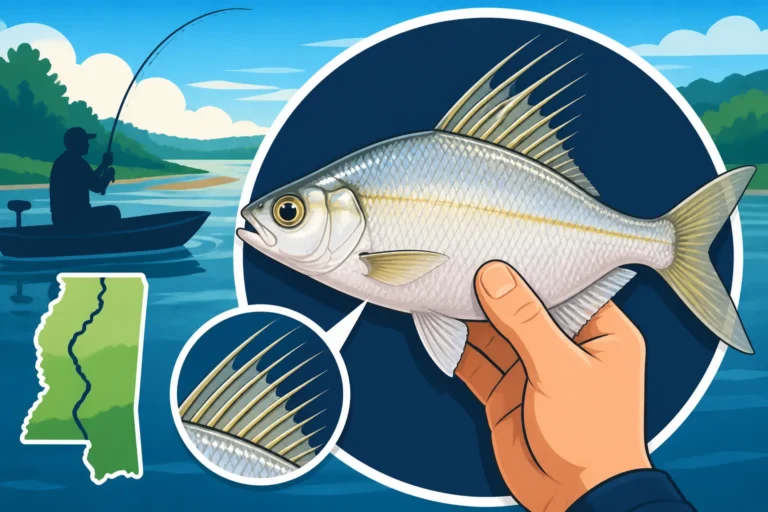
| Dorsal Fin Spines | Typically 6 spines | Typically 7-8 spines |
| Habitat Preference | More tolerant of turbid water, often found in open areas and deeper basins | Prefers clear water, dense vegetation, and structure |
| Body Shape | More elongated body | Deeper, more compressed body |
| Average Size | Can grow very large, often seen as slightly larger on average | Also grows large, often prized for its fight |
Understanding these differences is key not only for submitting a potential record but also for targeting the specific species you hope to catch. If you’re using an app to identify fish, like one you might find on Amazon, make sure it clearly distinguishes between these two. Knowing which species you're after helps you refine your techniques and pinpoint their preferred habitats, which is essential when you're gunning for a true giant. Crappie Identification Guide for Mississippi Anglers can help you tell the difference.
Where Giants Lurk: Prime Mississippi Waters for Trophy Crappie
Mississippi is blessed with an abundance of fantastic crappie fishing spots, from sprawling reservoirs to winding rivers and serene oxbow lakes. But when you’re talking about state-record size crappie, you need to focus on waters that consistently produce giants. These aren't always the easiest places to fish, and they certainly aren't secrets, but they offer the best odds for that once-in-a-lifetime catch.
Key Habitats for Monster Slabs
Trophy crappie, regardless of species, thrive in specific conditions. They need a rich food source, plenty of cover, and stable environments where they can grow undisturbed for years. This often means deep water with submerged timber, brush piles, or dense aquatic vegetation. Lakes with consistent water levels and strong populations of baitfish – especially threadfin and gizzard shad – are prime candidates. Large, mature crappie are often found holding tight to structure in deeper water during the day, moving shallower to feed during low light conditions or during the spawn. They'll gravitate towards standing timber, old creek channels, river bends, and deep ledges. A good fish finder, readily available on platforms like Amazon, is invaluable for locating these specific underwater structures where big crappie congregate. Understanding Crappie Spawning and Egg Production can also help you predict when and where these giants might be more accessible.
Legendary Lakes and Rivers for Crappie Fishing
When anglers talk about trophy crappie in Mississippi, certain bodies of water consistently come up in conversation. The massive flood control reservoirs in the northern part of the state, such as Grenada, Sardis, Enid, and Arkabutla Lakes, are legendary for their crappie populations and their ability to produce true slabs. These lakes have vast expanses of submerged timber and old creek channels that provide ideal habitat. Other notable areas include the Ross Barnett Reservoir, which offers diverse crappie habitats, and many of the oxbow lakes along the Mississippi River, which are often overlooked but can hold massive fish in their secluded backwaters. Each of these spots has its own nuances, from preferred depths to seasonal patterns, so researching the specific body of water you plan to fish is crucial. Articles like Grenada Lake Fishing Guide or Sardis Lake Fishing Guide offer excellent starting points. Remember, while these lakes are known for big fish, consistent effort and strategic thinking are what truly yield results.
Tactics and Tackle for Pursuing Record Crappie
Chasing a state record crappie isn't your everyday panfishing trip. It demands specialized techniques, robust tackle, and an angler's mindset that prioritizes patience and precision over sheer numbers. While you might catch plenty of eating-size fish along the way, the true pursuit is for that one elusive giant.
Specialized Approaches for Giant Slabs
When targeting crappie that could break records, you'll want to move beyond simple bobber and minnow setups, at least for part of your effort. Techniques like "spider rigging," where multiple rods are deployed from the front of the boat, allowing you to cover a wide range of depths and present several baits simultaneously, are highly effective. This allows you to explore different levels of the water column and identify where the bigger fish are holding. Trolling with jigs or small crankbaits can also cover a lot of water and entice aggressive, larger crappie. For more precise presentations, vertical jigging directly over known structure or brush piles can be deadly, especially with electronic assistance from a fish finder. Learning Trolling for Crappie on Mississippi Reservoirs or Jig Fishing for Crappie will give you a significant edge. The key is to be adaptable; if one technique isn't producing, don't be afraid to switch it up and try something new. Big crappie can be incredibly wary, so a subtle approach is often best.
Gearing Up for the Big Catch
Your standard ultralight combo might handle an average crappie just fine, but a state-record fish will put serious strain on your gear. While you don't need heavy bass tackle, opting for a slightly heavier crappie rod with more backbone, perhaps a medium-light action, can provide the control needed to handle a true slab. Pair this with a reliable spinning reel spooled with 6-8 pound test monofilament or fluorocarbon line, or even a light braided line for increased sensitivity. This slightly heavier setup gives you the power to pull a large crappie out of thick cover without breaking your line or snapping your rod.
As for bait and lures, live minnows are always a top choice for crappie, especially larger ones. When using minnows, consider slightly larger sizes than you typically would for smaller fish. Artificial baits, particularly soft plastic jigs in sizes from 1/16 to 1/8 ounce, are also incredibly effective. Colors like chartreuse, white, and various greens are consistent producers. Don't shy away from experimenting with different jig head weights and profiles. You can find a huge variety of these specialized crappie baits and fishing line on Amazon, allowing you to fine-tune your tackle for various conditions and preferences. Having a variety of options on hand ensures you’re prepared for whatever mood the crappie are in. Remember, presenting your bait naturally and stealthily is often the difference between a bite and just another cast.
Disclaimer
This article is for general informational purposes only and does not constitute professional advice. Laws, prices and regulations vary by location and change over time. Consult a qualified professional for guidance on your specific situation.