Cobia Size on the Mississippi Coast
You've heard the tales of monster cobia cruising the Mississippi Gulf Coast, making anglers' hearts pound and reels scream. But when you're out there, waiting for that tell-tale strike, you might wonder: what's the real deal when it comes to cobia size off our shores? Are those fish you're seeing truly keepers, or are you still chasing the dream of a Mississippi giant? This guide will dive deep into what to expect from cobia on the Mississippi Coast, from average catches to the true behemoths that make headlines and forever etch themselves into a fisherman's memory.
The Reality of Cobia Size on the Mississippi Coast
When you hit the waters of the Mississippi Gulf Coast, whether you're stalking nearshore rigs, wrecks, or cruising along the barrier islands, you're always hoping for that brag-worthy cobia. The truth is, cobia sizes can vary wildly, and what's considered "average" often depends on the season, the specific fishing spot, and even the individual year's spawn and conditions. Many anglers, especially those new to chasing these powerful fish, might not know what to realistically expect when they hook into one. It's a valid concern, because knowing the typical size helps manage expectations and, more importantly, ensures you're adhering to all the important regulations.
What Most Anglers Encounter
For the casual angler and even many seasoned veterans, the majority of cobia caught off the Mississippi Coast will fall within a respectable, but not necessarily monstrous, size range. Think of fish that are certainly fun to fight, provide a good meal, and push your gear, but aren't going to set any state records. These are the fish that make up the bulk of catches during a good season, providing plenty of excitement and challenge.
Typically, most cobia brought to the boat will be in the 15 to 30-pound range. These fish are usually between 30 and 40 inches in length, which is a fantastic size for a day on the water. They're strong, they make powerful runs, and they'll give you a real workout. While they might not be the giants you see on television, landing a few of these during a trip is a solid success and a testament to good angling. You'll often find these "average" cobia shadowing rays or turtles, cruising along current lines, or hanging out near structure like buoys or channel markers. They're opportunistic feeders, and their presence is always a welcome sight.
Defining "Keeper" vs. "Average"
It's crucial to understand the difference between an "average" catch and a "keeper" in the eyes of the law. While many fish you encounter might technically be within the average size range for cobia, not all of them will meet the legal minimum size requirements set by Mississippi wildlife officials. These regulations are in place to ensure the sustainability of the cobia population for future generations, and they are rigorously enforced.
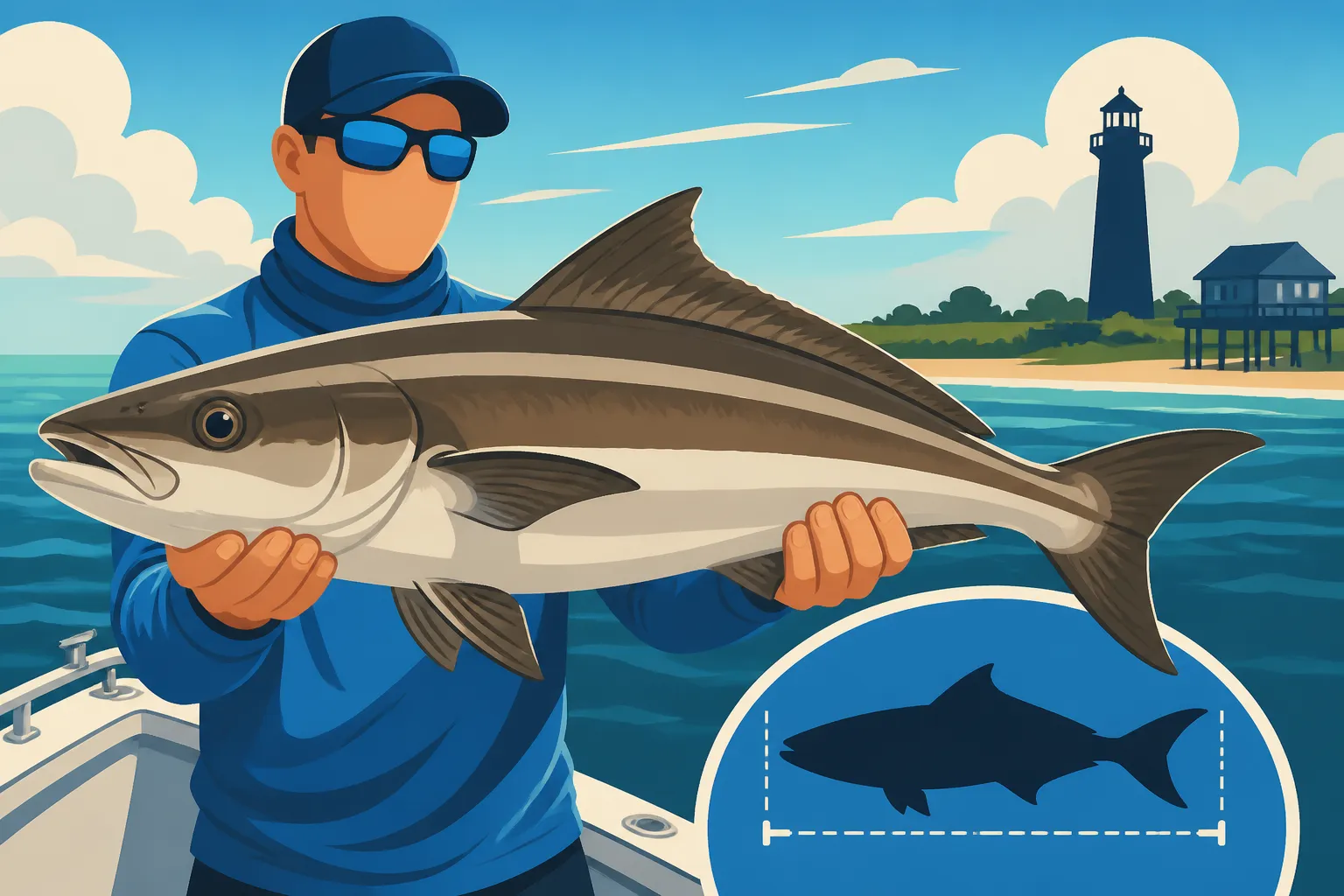
The legal minimum size for cobia in Mississippi typically means a fish must be at least a certain length, measured from the tip of the snout to the fork of the tail. Failing to adhere to these limits can result in significant penalties, including fines and confiscation of your catch. Therefore, always make sure you have a reliable measuring device on board and know the current regulations before you head out. Don't rely on guesswork – an inch or two can make all the difference. You can find all the details on Mississippi Fishing Creel and Size Limits to make sure you're always fishing within the rules. A legal keeper cobia will generally be a good, healthy fish, often overlapping with what many would consider a solid average catch.
Factors That Drive Cobia Growth and Location
Cobia are fascinating fish, and their size isn't just a matter of age. A whole host of environmental factors, their migratory patterns, and the availability of food sources play a significant role in how large they grow and where you might encounter them. Understanding these dynamics can greatly improve your chances of finding larger, more mature cobia.
Environmental Influences on Size
The waters off the Mississippi Coast provide an excellent habitat for cobia, but specific conditions can influence their growth rates. Water temperature, for instance, is a huge factor. Cobia are migratory, preferring warmer waters, and the steady warmth of the Gulf provides an extended growing season compared to areas further north. Abundant, nutrient-rich waters contribute to a healthy ecosystem, which in turn supports a thriving forage base for these predatory fish.
Water quality and overall ecosystem health also play a part. Areas with fewer pollutants and a robust food chain generally lead to healthier, faster-growing fish. During periods of favorable conditions – good water temperatures, ample food, and stable environmental factors – cobia can grow quite rapidly. Conversely, harsher conditions or periods of food scarcity could potentially slow their growth. It's a complex interplay, but generally, the rich waters of the Gulf are conducive to producing some truly impressive specimens, especially for species like cobia that have a good appetite.
The Role of Migration and Forage
Cobia are true wanderers, embarking on significant migrations throughout the year. When Cobia Migrate Past the Mississippi Coast, their movements are largely dictated by water temperature and the availability of their preferred food sources. As they migrate, they feed heavily on crustaceans like crabs, shrimp, and a variety of baitfish, including eels, menhaden, and croaker. Areas rich in these food items are natural magnets for cobia, and sustained access to such a buffet allows them to pack on the pounds.
When cobia move into or through the Mississippi waters during their feeding migrations, they are often actively hunting and bulking up. This is when anglers have their best shot at encountering larger fish that have been feeding consistently. The presence of ample prey around oil rigs, artificial reefs, and natural structures along the coast is what allows these fish to reach their full potential. Targeting these feeding grounds at the right time of year is key to encountering the larger end of the size spectrum.
Mississippi's Cobia Regulations and Record Book
Fishing in Mississippi means understanding and respecting the rules. For cobia, like any other game fish, there are specific regulations designed to ensure the health of the fishery. These aren't just arbitrary rules; they're based on scientific research to protect the species. And for those who dream big, Mississippi also keeps a meticulous record of the largest fish ever caught, a testament to the Gulf Coast's potential.
Legal Size Limits and Creel Restrictions
Staying on the right side of the law is paramount for any angler. When targeting cobia off the Mississippi Coast, you'll need to be aware of both the minimum size limit and the daily creel limit. The minimum length requirement ensures that enough fish can reach maturity and reproduce before being harvested, contributing to a sustainable population. The creel limit restricts the number of fish an individual angler can keep in a single day, preventing overfishing.
These regulations can sometimes change, so it's always smart to double-check the latest guidelines before each season or trip. You can find detailed information by consulting the Mississippi Department of Marine Resources or the Mississippi Department of Wildlife, Fisheries, and Parks. Remember, these rules apply whether you're fishing from your own boat, a pier, or even a charter. A reputable charter, for instance, will always ensure you're fishing legally. If you're considering a guided trip, reading up on Cobia Charter Trips on the Mississippi Coast can help you prepare. Always carry a measuring tape or ruler that's easy to read, and don't hesitate to release a fish that's even a little shy of the minimum length; it's better to be safe and let it grow.
Chasing the Dream: State Records and Personal Bests
While average catches are fun, many anglers dream of landing a true "trophy" cobia—one that pushes the scales well past the typical ranges. Mississippi's waters have a proven track record of producing such giants. The state record for cobia is a testament to the incredible potential of the Gulf Coast fishery. Imagine hooking into a fish weighing well over 90 pounds! That's the kind of catch that truly inspires.
While breaking the state record might be a long shot for most of us, setting a personal best is a much more attainable and equally rewarding goal. Many seasoned anglers consider a cobia over 50 pounds to be an exceptional catch, while anything pushing 70 or 80 pounds is truly a fish of a lifetime. These larger fish are typically older, wiser, and incredibly powerful, making the fight an unforgettable experience. Chasing these larger fish requires patience, dedication, and often a bit of luck, but the Mississippi Coast definitely holds the potential for such encounters.
Here's a general idea of cobia size categories you might encounter off the Mississippi Coast:
| Category | Typical Weight Range (lbs) | Typical Length Range (inches) | Experience Level |
|---|---|---|---|
| Legal Keeper | 15-30 | 33-40+ | Common |
| Good Catch | 30-50 | 40-55 | Frequent for regulars |
| Trophy Fish | 50-80+ | 55-70+ | Rare, experienced |
| Mississippi Record | 90+ | 70+ | Once in a lifetime |
Note: Specific minimum legal lengths for cobia can vary, so always check the latest Mississippi Department of Marine Resources regulations for precise measurements.
Gearing Up and Tactics for Landing Larger Cobia
If you're serious about targeting the bigger cobia that cruise the Mississippi Coast, you'll need to adjust your approach. It's not just about luck; it's about preparation, the right gear, and understanding where and when these behemoths are most likely to be found. Chasing trophy fish demands a different strategy than simply looking for any keeper.
Essential Tackle and Bait for Bigger Fish
When you're trying to subdue a cobia that could potentially weigh 50 pounds or more, your standard fishing gear might not cut it. These fish are incredibly strong, with powerful runs and an undeniable will to fight. You'll want to upgrade to heavier tackle: think stout rods rated for 30-50 pound test line, paired with robust conventional or spinning reels capable of holding a significant amount of strong monofilament or braided line. A good drag system is non-negotiable, as you'll need to apply serious pressure without breaking off. Many anglers turn to online retailers like Amazon to source specialized heavy-duty reels and rods capable of handling the fight of a larger cobia.
As for bait, bigger fish often prefer bigger meals. Live baits are almost always the go-to choice for targeting trophy cobia. Large live eels, hefty pinfish, robust croaker, and even substantial finger mullet are all excellent options. These baits, when presented naturally, are irresistible to a hungry cobia. Ensure your hooks are sharp, strong, and appropriately sized for the bait and the potential catch. A heavy fluorocarbon leader is also essential to withstand their abrasive mouths and provide some stealth in clear Gulf waters. For more detailed insights, you might want to explore Best Bait for Cobia in Spring and other related guides.
Proven Strategies for Targeting Trophy Cobia
Targeting trophy cobia is often a game of patience and observation. These larger fish are frequently found around specific structures and during particular conditions. One of the most effective strategies is to sight-fish them. This involves slowly cruising areas where cobia are known to frequent, such as around barrier islands, sandbars, channel markers, and especially large, floating debris or marine mammals like manta rays or turtles. Cobia often "shadow" these larger objects, using them for cover or to ambush prey.
When you spot a large cobia, present your live bait naturally a few feet in front of it, allowing the fish to track and engulf it. Another highly effective strategy is to fish around nearshore oil rigs, wrecks, and artificial reefs. These structures hold a tremendous amount of baitfish, which in turn attracts larger predators like cobia. Dropping a large live bait down to these structures can often entice a strike from a lurking giant. Remember that Why Anglers Chase Cobia goes beyond just their size; their fighting ability makes them a highly sought-after game fish. Always be prepared for an intense battle, and have a gaff or a large, sturdy landing net ready to secure your trophy. Having a reliable digital scale, often found on Amazon, can quickly confirm if your catch is a new personal best.
Disclaimer
This article is for general informational purposes only and does not constitute professional advice. Laws, prices and regulations vary by location and change over time. Consult a qualified professional for guidance on your specific situation.