Paddlefish Size in Mississippi Rivers
There’s a unique thrill that comes with fishing the wide, winding rivers of Mississippi, especially when you encounter something truly ancient and powerful. Many anglers dream of landing a trophy bass or a monster catfish, but sometimes, an even more enigmatic creature sparks our curiosity: the paddlefish. If you've ever wondered about the colossal size these prehistoric fish can reach in our local waters, you're not alone. It's a question that brings a mix of awe and wonder, and often, a little frustration when trying to find clear answers. This guide will dive deep into the fascinating world of Mississippi paddlefish, exploring their typical and maximum sizes, the factors that influence their growth, and what you can expect to encounter on a truly special day out on the water.
The Majestic Mississippi Paddlefish: An Ancient Giant
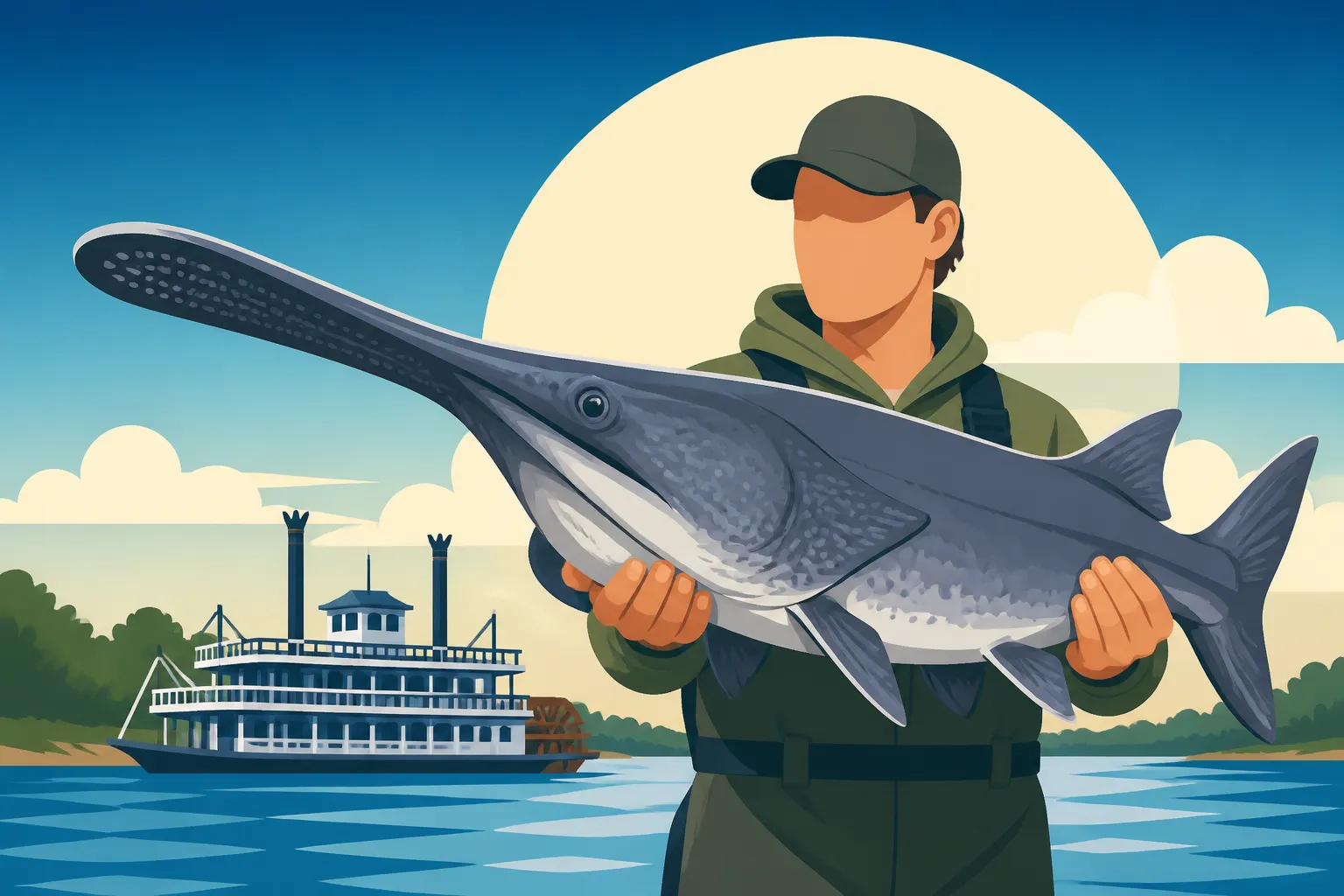
When we talk about paddlefish in Mississippi, we're not just talking about another fish; we're discussing a living fossil, an incredible creature that has patrolled our waters for millions of years. Their distinctive, paddle-like snout and sleek, shark-like body make them instantly recognizable and truly unique among freshwater fish. For many, just seeing one surface or snagging one by accident is an unforgettable experience.
Understanding Their Unique Biology and Growth
Paddlefish (often referred to as spoonbill catfish, though they are not actually catfish) are filter feeders, cruising through the water with their mouths open, sifting out microscopic zooplankton. This unique feeding strategy means they don't strike lures in the traditional sense, which is part of their mystique. Their biology dictates a slow and steady growth pattern. Unlike some rapidly growing game fish, paddlefish invest their energy over many years, allowing them to reach impressive dimensions. Their cartilaginous skeleton, similar to sharks, also contributes to their flexible, powerful build, enabling them to navigate strong river currents.
Their growth potential is truly remarkable. While most fish species might max out after a few years, a paddlefish can continue to grow for decades, adding length and girth throughout its long life. This makes accurately predicting their size challenging, as it depends heavily on the individual fish's age and the abundance of food in its environment. A young paddlefish might be just a few feet long, but a truly ancient specimen could be significantly larger, a testament to its endurance in our dynamic river systems.
Average Size Expectations in Mississippi Waters
So, what can an angler realistically expect when it comes to paddlefish size in Mississippi? Most paddlefish encountered by recreational anglers, particularly those snagged incidentally, will fall into a respectable but not record-breaking range. You might see fish ranging from 3 to 5 feet in length, weighing anywhere from 20 to 60 pounds. These are still substantial fish, certainly enough to give you a strong fight and leave you with a memorable story.
However, the true giants are out there. Mississippi's major river systems, especially the mighty Mississippi River itself, are known to harbor much larger specimens. These are the fish that can push the scales to well over 100 pounds and stretch beyond 6 feet from the tip of their paddle to their tail. It's a bit like searching for a needle in a haystack, but the possibility of encountering one of these true river monsters is what keeps the legend alive. It's a fantastic feeling to battle a fish of that size and power, a true testament to the health and vitality of our rivers.
Factors Influencing Paddlefish Size in Mississippi Rivers
The sheer size a paddlefish can attain isn't just about time; it's a complex interplay of environmental conditions, food sources, and even their genetic makeup. Mississippi’s diverse aquatic ecosystems offer both challenges and opportunities for these ancient fish to thrive and grow. Understanding these factors helps us appreciate the true scale of their development.
Habitat and Food Availability
Paddlefish are creatures of large, free-flowing rivers and associated backwater lakes. In Mississippi, this means iconic waterways like the Mississippi River, the Pearl River, and parts of the Tennessee-Tombigbee Waterway. These extensive systems provide the vast areas necessary for their migratory patterns and, crucially, for the production of the zooplankton they rely upon for sustenance. When conditions are right – meaning abundant plankton blooms and stable water flows – paddlefish have a banquet laid out before them, allowing them to pack on the pounds.
Conversely, disruptions to these habitats can impact their growth. Dams, while creating reservoirs for other fish, can impede paddlefish migration to spawning grounds and alter natural flow regimes, which in turn can affect zooplankton populations. A paddlefish in a less productive stretch of river, or one that faces constant environmental stress, might not reach its full genetic potential for size. It's a delicate balance, and the health of our river systems directly correlates to the health and size of our paddlefish. For more on what these giants eat, check out our article on Paddlefish Diet and Feeding Habits.
Age, Genetics, and Environmental Conditions
One of the most astonishing aspects of paddlefish is their longevity. They can live for many decades, some individuals exceeding 50 years. This long lifespan is a critical factor in their ability to reach truly enormous sizes. Each year they survive, they add a little more length and girth, slowly accumulating the mass that makes them river titans. Imagine a fish that has witnessed half a century of changes in the Mississippi River – that's a truly humbling thought.
Genetics also play a role, of course. Just like in any species, some paddlefish are simply predisposed to grow larger and faster than others. However, even with great genes, environmental conditions are paramount. Factors like water temperature, dissolved oxygen levels, and the presence of pollutants can either support robust growth or hinder it. A pristine river environment, rich in nutrients and free from harmful contaminants, is essential for a paddlefish to fully realize its growth potential. Healthy rivers are not just good for fishing; they're vital for the survival and flourishing of species like the paddlefish, which in turn reflects the overall health of our state's aquatic ecosystems. We've compiled more information about these ancient species in our guide to Paddlefish (Spoonbill) in Mississippi Rivers.
The Quest for a Trophy Paddlefish in Mississippi
The allure of a trophy catch is powerful for many anglers, and while paddlefish aren't typically targeted with rods and reels in the same way as bass or crappie, the sheer possibility of encountering a truly massive one adds to the mystique of Mississippi's rivers. The sensation of a huge paddlefish on the line, even for a short time, is a tale worth telling.
Record-Breaking Catches and Notable Sizes
Mississippi has a proud history of producing some truly impressive fish, and paddlefish are no exception. While regulations on snagging and possession mean that officially weighed and recorded paddlefish state records might be less frequently updated than other game fish, the anecdotal evidence and the occasional photo circulating among local anglers attest to the presence of absolute giants. Fish well over 100 pounds are certainly possible in the deeper channels of the Mississippi River, and some reports suggest even larger ones lurk in those murky depths. These are the fish that would make any angler's heart pound, rivaling some of the largest catfish in terms of sheer bulk.
Catching one of these behemoths, whether intentionally or as an accidental encounter, is often the pinnacle of a fishing career. It’s a testament not only to the angler’s luck and skill but also to the remarkable productivity and wildness of Mississippi’s major river systems. For a broader look at the biggest fish caught in our state, you can read about the Mississippi State Record Fish List, where you might find some other incredible catches.
Practical Tips for Estimating Size and Safe Handling
If you are fortunate enough to hook into a large paddlefish, whether it's through incidental snagging (which is regulated, so be aware of Is It Legal to Snag Paddlefish in Mississippi?) or during legal fishing activities, estimating its size respectfully and accurately is important. Since these are often protected species, keeping them out of the water for extended periods for weighing is generally discouraged and often illegal. A simple, flexible measuring tape can be invaluable. Many anglers carry a foldable, waterproof measuring tape – readily available from retailers like Amazon – to quickly get a length measurement from the tip of the rostrum (paddle) to the fork of the tail. Girth measurements, while trickier, can also give an indication of weight.
More importantly, safe handling is paramount. Given their size and delicate nature (especially their cartilaginous jaw and long rostrum), it’s crucial to minimize stress. Keep the fish in the water as much as possible, use wet hands when handling, and support their body adequately if you must lift them briefly for a quick photo. Many anglers consider paddlefish a catch-and-release species, contributing to their conservation. Understanding Mississippi Freshwater Fishing Rules and Mississippi Fishing Creel and Size Limits will also ensure you're compliant with all regulations.
Conservation and the Future of Mississippi's Paddlefish
The presence of large, healthy paddlefish in Mississippi's rivers is more than just a bragging right for anglers; it's a vital indicator of the ecological health of our most important waterways. Protecting these magnificent, long-lived creatures ensures that future generations can also marvel at their ancient presence.
Why Size Matters for Conservation
When we see truly large paddlefish, it’s a strong sign that the river system they inhabit is robust, with ample food resources and suitable habitat. These fish grow slowly, taking many years to reach maturity and even more to attain trophy sizes. This slow growth rate means that mature, large paddlefish are irreplaceable assets to the population, contributing significantly to spawning success over many seasons. Losing these larger, older fish through overfishing or habitat degradation can have a disproportionately negative impact on the species’ ability to rebound.
Therefore, conservation efforts specifically target the protection of these vulnerable, long-lived species. Regulations, such as those detailed in the Mississippi Fishing Regulations Explained and Mississippi Non-Game Fish Rules Explained, are put in place not to hinder anglers, but to ensure these incredible fish continue to thrive. It’s a collective responsibility to respect these rules and champion practices that promote their survival. Think of paddlefish as the ancient sentinels of our rivers; their wellbeing reflects the overall health of their domain.
Supporting Paddlefish Populations in Our Rivers
The Mississippi Department of Wildlife, Fisheries, and Parks (MDWFP) plays a crucial role in monitoring paddlefish populations, managing their habitats, and setting regulations. Their work helps ensure a sustainable future for these unique fish. As anglers and outdoor enthusiasts, we also have a part to play. Practicing responsible catch-and-release, especially for species like the paddlefish that are not commonly harvested for sport, is one of the best ways to contribute. Ensuring quick, safe handling techniques, as mentioned earlier, minimizes stress and improves their chances of survival post-release.
Beyond individual actions, supporting broader conservation initiatives that protect river ecosystems and water quality benefits paddlefish immensely. This can involve anything from advocating for habitat restoration to simply being mindful of what we contribute to our waterways. Just as we protect other unique river residents like sturgeon (as explored in Are Sturgeon Protected in Mississippi?), paddlefish deserve our utmost care. By working together, we can ensure that the majestic paddlefish continues to grow to impressive sizes and grace Mississippi’s rivers for many more millennia, a true symbol of our natural heritage.
Disclaimer
This article is for general informational purposes only and does not constitute professional advice. Laws, prices and regulations vary by location and change over time. Consult a qualified professional for guidance on your specific situation.