Mississippi Non-Game Fish Rules Explained
Navigating the fishing regulations in Mississippi can feel like trying to untangle a really stubborn knot in your fishing line, especially when it comes to species that aren't your typical bass or crappie. Many folks wonder if they even need a license or if there are any rules at all for "trash fish" or those less sought-after species. Rest assured, there are indeed regulations, and understanding them is crucial not just for staying legal, but for contributing to the health of our state's incredible aquatic ecosystems. This comprehensive guide is here to unravel the mystery surrounding Mississippi's non-game fish rules, ensuring you're informed and ready for your next adventure on the water.
What Exactly Are Non-Game Fish in Mississippi?
When you hear "non-game fish," it might conjure images of rough-looking species, or maybe just anything that isn't a bass, crappie, or catfish. While that's a decent starting point, the legal definitions are a bit more precise and carry significant implications for how you can fish for them. It's about more than just what tastes good; it's about classification and conservation.
Defining Non-Game Fish Species
In Mississippi, the Mississippi Department of Wildlife, Fisheries, and Parks (MDWFP) clearly distinguishes between game fish and non-game fish. Game fish are typically those species primarily managed for sport fishing due to their popularity, fighting qualities, or table fare. Think largemouth bass, various panfish like bream and bluegill, crappie, and the most common catfish species. Non-game fish, on the other hand, encompass a much broader category. These are fish species that are not classified as game fish, and while many are still sought after for food or sport, they often have different management strategies and, consequently, different regulations.
Common non-game fish you'll encounter in Mississippi waters include various species of gar (like longnose gar, spotted gar, and the impressive alligator gar), buffalo fish (such as bigmouth and smallmouth buffalo), carp (including common carp and various invasive Asian carp species), drum (like the freshwater drum), suckers, and bowfin (often called grinnel). These species play vital roles in the ecosystem, from consuming algae and detritus to providing a food source for other predators. Their classification isn't a judgment of their value, but rather a tool for effective resource management. It's important to know the difference because the methods you can use and the limits you might face can drastically change depending on whether you're targeting game or non-game species.
The Importance of These Regulations
It might seem odd to have rules for fish that aren't typically "sporting" in the traditional sense, but these regulations are fundamental to sound fisheries management and conservation efforts across the state. Without them, there would be unchecked exploitation, which could quickly lead to population declines even for species considered abundant. Non-game fish often occupy different ecological niches than game fish, and their health is intrinsically linked to the overall health of our rivers, lakes, and reservoirs.
For example, species like buffalo fish are important for controlling aquatic vegetation and filtering water, while gar are apex predators that help maintain balance in the food chain. The MDWFP imposes regulations to ensure sustainable populations, protect critical habitats, and prevent the spread of invasive species. These rules also aim to prevent conflict between different user groups, as some methods that are highly effective for non-game species might unintentionally harm game fish if not regulated properly. Ultimately, these regulations are designed to maintain biodiversity and ensure that Mississippi's rich fishing heritage can be enjoyed by future generations.
General Regulations for Harvesting Non-Game Fish
One of the biggest differences between targeting game fish and non-game fish in Mississippi is often the methods allowed for their harvest. Many traditional methods, like using a single rod and reel, are perfectly acceptable for both, but non-game fish often open up a wider array of specialized gear and techniques.
Permitted Gear and Methods
When it comes to non-game fish in Mississippi, anglers have access to a broader toolkit of methods compared to game fish. This is where things get really interesting and a bit more diverse. While the standard rod and reel is always an option, you can also legally use methods like trotlines, which are long lines with multiple baited hooks, or jug fishing, where individual baited lines are attached to floating jugs. These are incredibly popular for catfish but can also be effective for other large non-game species like buffalo and gar. For those looking to set up these methods, you can find a variety of durable lines and hooks on platforms like Amazon, making sure you adhere to the specific regulations for how many hooks and lines you can deploy, which we'll touch on in more detail in our guide on Mississippi Trotline and Jug Fishing Rules.
Another thrilling method is bowfishing, where anglers use specialized bows and arrows to shoot fish, typically in shallow water. This is a highly selective method often used for gar and carp, and it requires a strong understanding of fish behavior and water conditions. You'll need specialized equipment, including a bowfishing reel and strong, barbed arrows designed to retrieve fish. Then there's noodling, or hand-grabbing, a raw and exciting way to catch large catfish and occasionally other non-game species by hand. This method is legal in Mississippi, as detailed in our article Is Noodling Legal in Mississippi?. Each of these methods has its own set of rules regarding gear specifications, placement, and retrieval, so always consult the latest MDWFP regulations before heading out. The key takeaway here is that non-game fish offer opportunities for unique, sometimes more primitive, and often very productive fishing experiences.
Statewide Limits and Restrictions
Unlike game fish, which almost universally have strict daily creel limits and often size restrictions, many non-game fish species in Mississippi have fewer, or sometimes no, specific daily harvest limits. This doesn't mean it's a free-for-all, but it reflects their different management goals. For instance, common carp and most species of buffalo fish generally do not have daily creel limits in most public waters, allowing anglers to keep as many as they can reasonably use. This flexibility often attracts anglers looking for quantity or those who enjoy processing a large catch for consumption or bait.
However, it's absolutely critical not to assume that "no specific limit" means "no rules at all." There can still be regulations concerning possession limits, especially if you're traveling, or specific restrictions on certain water bodies. For example, while many non-game species may not have statewide creel limits, some state fishing lakes or private waters might impose their own rules, so it's always wise to check local signage or specific lake regulations. Also, when it comes to gear like trotlines or jugs, there are strict limits on the number of devices you can deploy and how they must be marked. These types of restrictions are often covered more broadly under Mississippi Fishing Creel and Size Limits or Mississippi Statewide Creel Limits for all species, so it's essential to review those as well. The lack of species-specific limits for many non-game fish is a testament to their robust populations and different ecological roles, but responsible harvesting remains paramount.
Licensing Requirements for Non-Game Fishing
This is a point of frequent confusion for many anglers: "If it's just a non-game fish, do I still need a fishing license?" The short answer is, almost always, yes. Unless you are specifically exempt from needing a fishing license in Mississippi (e.g., fishing on your own private pond, certain age groups, or during designated free fishing days), you will need a valid Mississippi fishing license to fish for non-game species in public waters. This is irrespective of the method you're using. Whether you're casting a rod and reel for a carp, setting a trotline for buffalo, or bowfishing for gar, that basic fishing license is your entry ticket. You can find comprehensive details on this in our guide: Do You Need a License to Fish in Mississippi?.
In addition to the standard fishing license, some specialized methods for non-game fishing might require additional permits or tags. For example, while basic trotline or jug fishing falls under the general license, if you're engaging in certain commercial activities or using very large numbers of devices, further permits may be required. Furthermore, highly regulated species, even if non-game, might have special tag requirements. It's always best practice to consult the current Mississippi Outdoor Digest, published annually by the MDWFP, or visit their official website before you go. Think of your license as a general admission ticket, and any additional permits as special access passes for certain experiences. Our guide, the Mississippi Fishing License Guide, provides a full breakdown of all license types and requirements.
Specific Non-Game Fish Species and Their Regulations
While many non-game fish fall under broad regulations, a few species have unique rules due to their specific conservation status, size, or popularity for certain types of fishing. It's critical to know these distinctions before you target them.
Alligator Gar Rules
The alligator gar is a truly ancient and impressive fish, and its unique status means it comes with its own set of distinct regulations in Mississippi. These magnificent creatures can grow to immense sizes, often exceeding six feet in length and over 100 pounds, making them a formidable target for specialized anglers. Because of their long lifespan and slower reproductive rates compared to many other fish, alligator gar populations require careful management to ensure their sustainability.
In Mississippi, regulations for alligator gar can be quite specific and may include daily limits, size restrictions, and even specific tag requirements in certain areas. For instance, there might be a limit of one alligator gar per person per day in some waters, and you might need to obtain a special permit or tag from the MDWFP before you even head out to fish for them. This permit system helps the state track harvest numbers and manage populations effectively. It's also worth noting that bowfishing is a popular method for alligator gar, but even with this method, the aforementioned limits and tags still apply. Always check the very latest MDWFP regulations for alligator gar, as these rules can change to reflect current conservation needs. Our article on Alligator Gar Fishing in Mississippi delves deeper into the thrill and challenge of pursuing these prehistoric giants, and understanding whether Is It Legal to Keep an Alligator Gar in Mississippi? is absolutely paramount.
Other Notable Non-Game Fish Regulations
Beyond the alligator gar, other non-game species also have specific considerations, though often not as strict.
-
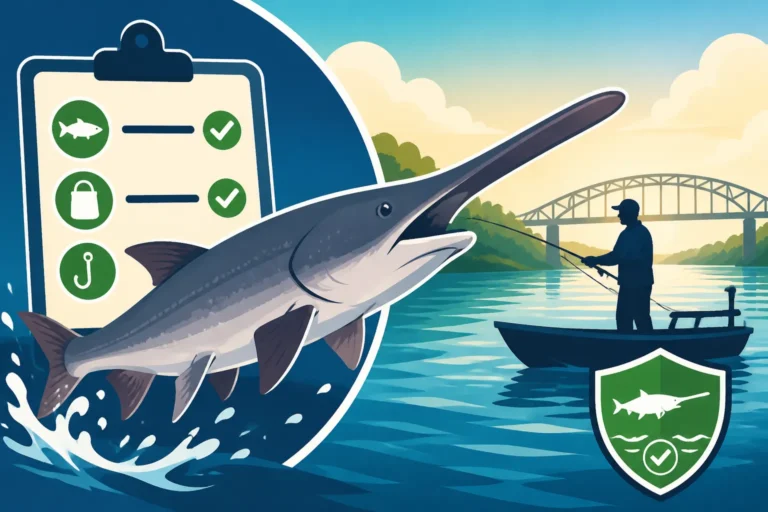
Paddlefish (Spoonbill): These unique filter feeders are often found in larger rivers and reservoirs. While they are a fascinating species, paddlefish populations are carefully monitored. In Mississippi, snagging (a method of hooking fish externally) is sometimes allowed for paddlefish during specific seasons, but often with strict daily limits and sometimes even size restrictions. Be sure to check the MDWFP's annual digest for specific dates and locations, as these can vary significantly. You can learn more about Mississippi Paddlefish Fishing Rules.
-
Sturgeon: Mississippi waters are home to different species of sturgeon, some of which are federally protected (like the Gulf Sturgeon). Fishing for sturgeon in Mississippi is generally prohibited, and if one is accidentally caught, it must be immediately released unharmed. Identifying these fish accurately is crucial. For more on this, consult Mississippi Sturgeon Fishing Regulations.
-
Buffalo Fish (Bigmouth, Smallmouth, Black): These large, robust members of the sucker family are abundant in many Mississippi lakes and rivers. They are excellent table fare and are popular targets for anglers using trotlines, jugs, and even rod and reel. Generally, buffalo fish do not have daily creel or size limits in most public waters, but again, always verify for specific water bodies. Knowing your Buffalo Fish Identification and Where They Live is helpful for targeting them.
-
Bowfin (Grinnel): Known for their aggressive nature and powerful bite, bowfin are a unique predatory fish found throughout the state. They provide a strong fight and are often targeted by anglers looking for a challenge. Like buffalo, bowfin typically do not have daily creel or size limits, making them a great option for those interested in catching multiple fish. If you're looking for tips, check out Bowfin Grinnel Fishing Tips.
-
Freshwater Drum: Also known as "gaspergoo," the freshwater drum is a common species in many Mississippi waterways. They can grow quite large and are known for their strong pulling power. Similar to buffalo and bowfin, freshwater drum generally do not have specific daily creel or size limits. Understanding Freshwater Drum Identification and Habits can aid in your pursuit.
What Happens If You Break Non-Game Fish Rules?
It's tempting to think that since non-game fish aren't as "glamorous" as game fish, the rules might be less enforced or the penalties less severe. This couldn't be further from the truth. The MDWFP takes all its regulations seriously, and breaking non-game fish rules can lead to real consequences.
Penalties and Enforcement
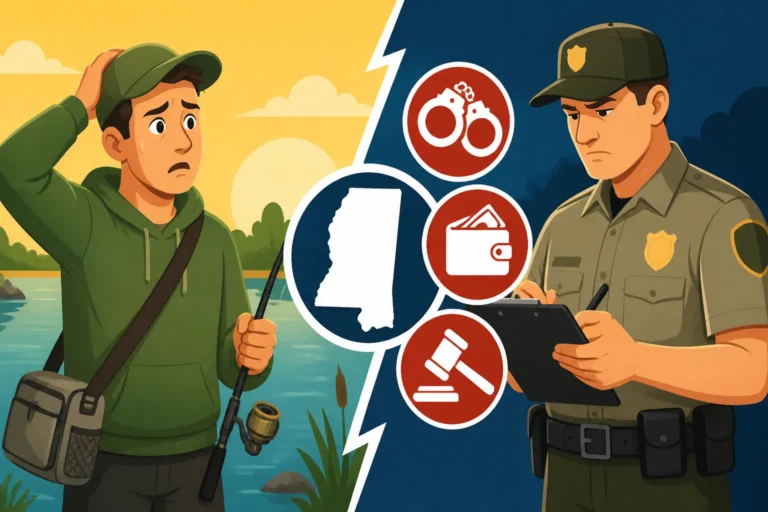
Violating Mississippi's non-game fish regulations, just like any other fishing violation, can result in significant penalties. These aren't just slaps on the wrist; they can include hefty fines, confiscation of fishing gear (including your boat and vehicle in severe cases), and even suspension or revocation of your fishing privileges. For instance, if you're caught using an illegal method, exceeding a rare daily limit for a specific non-game species like alligator gar, or fishing for a protected species like sturgeon, you could face hundreds of dollars in fines. Our article on Mississippi Fishing License Penalties and Fines goes into greater detail about the financial and legal repercussions.
The MDWFP conservation officers are diligent in enforcing all regulations, not just those pertaining to bass or crappie. They patrol lakes, rivers, and coastal areas, checking licenses, inspecting catches, and ensuring compliance with gear restrictions. These officers are highly trained and are focused on protecting the state's natural resources for everyone. Ignorance of the law is never an excuse. If you're ever in doubt about a specific regulation, it's always better to err on the side of caution and consult the MDWFP's official resources rather than risk a citation. As we discuss in What Happens If You Fish Without a License in Mississippi?, similar principles of enforcement and consequences apply across the board.
The Role of Conservation
Every single regulation, whether it applies to a prized game fish or a humble non-game species, is ultimately rooted in the principle of conservation. The MDWFP's goal isn't just to catch violators; it's to ensure the long-term health and sustainability of Mississippi's diverse aquatic ecosystems. Non-game fish, though sometimes overlooked, are integral components of these systems. They play roles in nutrient cycling, provide forage for other species, and contribute to the overall biodiversity that makes Mississippi's waters so vibrant.
Responsible angling, therefore, extends to all species. When you follow the non-game fish rules, you're not just avoiding a fine; you're actively participating in the stewardship of our natural resources. This means taking only what you need, releasing fish carefully if they are not to be kept, properly disposing of trash, and reporting any suspicious activities to conservation officers. By understanding and respecting these rules, you help maintain the ecological balance and ensure that future generations can also experience the joy and challenge of fishing for every kind of fish Mississippi has to offer. Whether you're targeting a trophy alligator gar with specialized bowfishing gear from Amazon or simply enjoying catching a few common carp, your actions contribute to the bigger picture of conservation.
Mississippi Non-Game Fish Regulations at a Glance
To help simplify the common rules for some of Mississippi's frequently targeted non-game fish species, here's a quick reference table. Remember, this is a general overview, and specific water bodies or temporary regulations can always apply. Always consult the official MDWFP Outdoor Digest for the most current information.
| Fish Species | Typical Methods Allowed | Daily Creel Limit | Size Limit | Special Requirements |
|---|---|---|---|---|
| Common Carp | Rod & Reel, Trotline, Jug Line, Bowfishing, Gigs | Generally No Limit | None | Must possess valid fishing license. |
| Buffalo Fish | Rod & Reel, Trotline, Jug Line, Bowfishing, Gigs | Generally No Limit | None | Must possess valid fishing license. |
| Freshwater Drum | Rod & Reel, Trotline, Jug Line, Gigs | Generally No Limit | None | Must possess valid fishing license. |
| Bowfin (Grinnel) | Rod & Reel, Trotline, Jug Line, Bowfishing, Gigs, Noodling | Generally No Limit | None | Must possess valid fishing license. |
| Longnose Gar | Rod & Reel, Trotline, Jug Line, Bowfishing, Gigs | Generally No Limit | None | Must possess valid fishing license. |
| Spotted Gar | Rod & Reel, Trotline, Jug Line, Bowfishing, Gigs | Generally No Limit | None | Must possess valid fishing license. |
| Alligator Gar | Rod & Reel, Bowfishing, Gigs | 1 per person per day | Varies by Waterbody | Must possess valid fishing license; special tag/permit may be required for certain areas/seasons. Check MDWFP. |
| Paddlefish (Spoonbill) | Snagging (seasonal/specific areas), Rod & Reel | 1 per person per day | None | Must possess valid fishing license; only during designated seasons/areas. Check MDWFP. |
| Sturgeon | N/A (Protected) | 0 | N/A | Catch & immediate release only. |
Disclaimer
The information provided in this guide is intended for general informational purposes only and is not a substitute for the official regulations issued by the Mississippi Department of Wildlife, Fisheries, and Parks (MDWFP). Fishing regulations can change frequently. Always consult the most current Mississippi Outdoor Digest or the MDWFP's official website before engaging in any fishing activity to ensure compliance with all state laws and local ordinances.