What Mississippi Is Doing About Asian Carp
Oh, the Asian Carp. Just hearing those two words can make any Mississippi angler sigh, or worse, recall a near-miss with a flying fish on the river! It's a genuine frustration, a real headache that impacts our beloved waterways, from the mighty Mississippi River itself to our smaller tributaries and lakes. These aren't your grandpa's carp; they're a whole different beast, and they've caused quite a stir. This guide is all about diving deep into exactly what Mississippi is doing to tackle the ever-present challenge of Asian Carp, from the state's official efforts to what you, as an angler, can do to help. We'll explore the problem, the strategies, and the ongoing fight to protect our native fish populations and ensure safe, enjoyable fishing for everyone.
The Growing Concern: Why Asian Carp Are a Problem in Mississippi Waters
Let's be honest, for many of us, fishing is about peace, quiet, and the thrill of the catch. But when you're out on certain stretches of water, the presence of Asian Carp can turn that peaceful outing into something else entirely. These fish aren't just another species; they represent a significant ecological and even physical threat to our cherished angling traditions and aquatic health.
Understanding the Asian Carp Threat
When we talk about "Asian Carp," we're usually referring to four main species: Bighead, Silver, Grass, and Black Carp. While each has its own nuances, they all share a common thread: they are highly invasive and extremely problematic. They were originally brought to the United States for aquaculture purposes, primarily to control weeds and parasites in confined ponds. However, as often happens, they escaped into the wild during flood events, making their way into the Mississippi River basin and subsequently spreading throughout much of the state's interconnected waterways.
The core of the problem lies in their aggressive feeding habits and incredible reproductive rates. Bighead and Silver Carp are filter feeders, consuming vast amounts of plankton, which is the base of the food web for many of our native sport fish like crappie, bass, and even juvenile catfish. Imagine a hungry cow constantly grazing in your vegetable garden; that's essentially what these carp do to our fish's food supply. They outcompete native species for vital resources, leading to declines in our beloved game fish populations. It's truly disheartening to see how these fish can disrupt a thriving ecosystem. If you want to learn more about the specifics of these fish, check out What a Silver Carp Is and Why It's a Problem.
The "Jumping Carp" Phenomenon
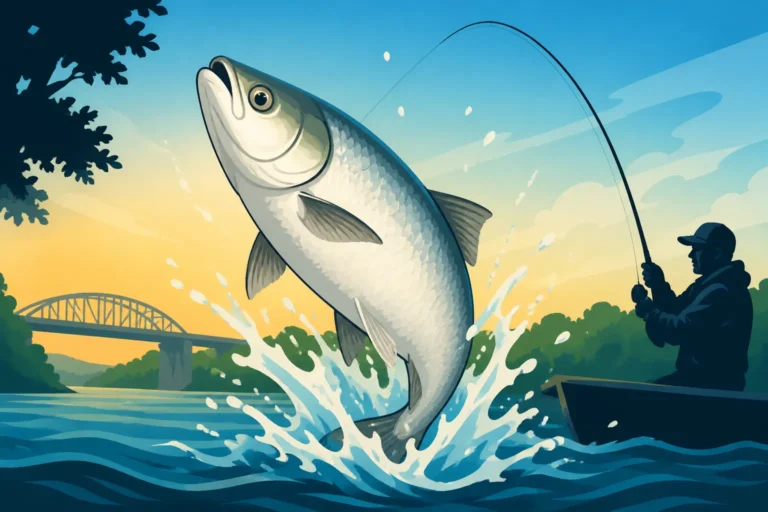
If you've ever boated on the Mississippi River or certain other large waterways, you might have experienced the truly bizarre and frankly dangerous "jumping carp" phenomenon, predominantly caused by Silver Carp. These fish have an uncanny ability to leap several feet into the air when startled by boat motors. It sounds like something out of a science fiction movie, but it's a very real hazard.
Imagine cruising along, enjoying the breeze, and suddenly a 20-pound fish comes flying out of the water, hitting you, your boat, or even your passengers. Anglers have reported broken noses, concussions, and even broken bones from these airborne fish. It’s not just an inconvenience; it’s a legitimate safety concern that can make boating and fishing in affected areas a risky proposition. This behavior directly contributes to the negative fishing experience and validates the frustration of many anglers who just want to enjoy their time on the water without fear of a flying fish attack. If you've never seen it, it's hard to believe, but it's very real. For more on this, you might be interested in Why Silver Carp Jump Out of the Water.
Mississippi's Multi-pronged Approach to Asian Carp Management
Acknowledging the severity of the Asian Carp issue, the state of Mississippi isn't sitting idly by. The Mississippi Department of Wildlife, Fisheries, and Parks (MDWFP), along with other agencies and partners, has developed and implemented a robust, multi-faceted strategy to manage and, where possible, reduce Asian Carp populations across our waters. It’s a long-term battle, but the commitment is clear.
Monitoring and Research Efforts
One of the first steps in tackling any widespread ecological problem is understanding its scope. The MDWFP continuously monitors Asian Carp populations in our major river systems and lakes. This involves extensive sampling using various methods, including electrofishing, netting, and hydroacoustics, to track their numbers, distribution, and overall health. Knowing where the carp are, how many there are, and how quickly they’re spreading is crucial for effective management. This data helps state biologists identify hot spots and prioritize where control efforts will be most effective.
Research also plays a pivotal role. Mississippi collaborates with universities and federal agencies to study Asian Carp biology, behavior, and potential vulnerabilities. This research explores everything from their spawning habits to their migratory patterns, and even their sensory perceptions, hoping to find innovative ways to deter or remove them. It’s about being smarter than the fish, finding their weaknesses, and developing targeted solutions. Understanding the life cycle and habits of these fish is key to formulating effective long-term strategies.
Removal and Control Programs
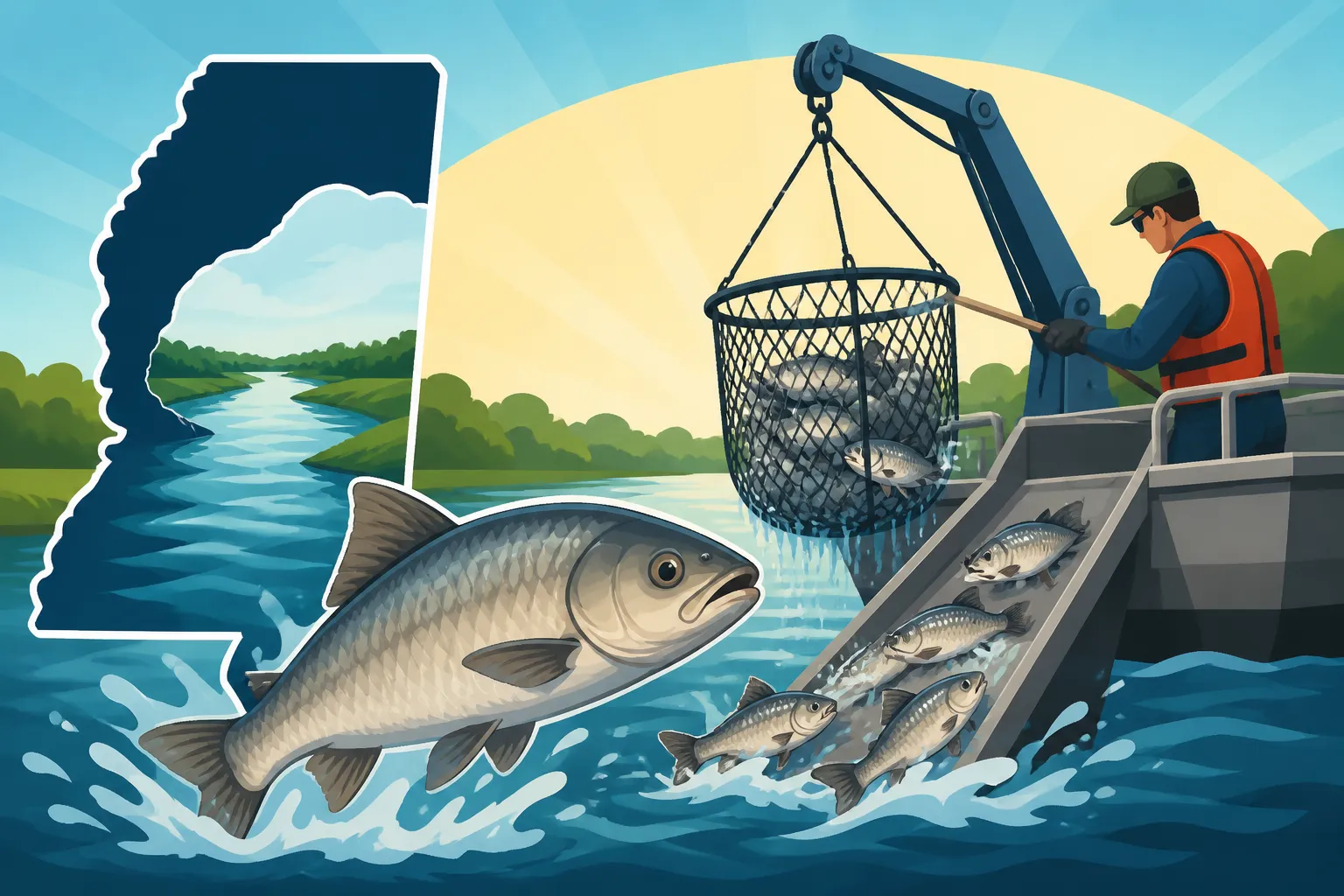
Once the data is in and research points to viable methods, the state implements direct removal and control programs. A significant component of this is encouraging commercial harvest. Asian Carp, particularly Bighead and Silver Carp, can be commercially fished under specific regulations. The state works to support and facilitate commercial fishermen who target these species, effectively turning a problem into a potential resource, albeit a limited one. These fishermen use specialized netting techniques to capture large quantities of carp, helping to reduce their numbers in specific areas.
Beyond commercial fishing, MDWFP biologists sometimes employ targeted removal techniques like intense electrofishing efforts in specific backwater areas or during known spawning aggregations. The goal is often to reduce localized populations, especially where native species are particularly vulnerable or where recreational boating is heavily impacted. While it’s challenging to eradicate them from vast systems like the Mississippi River, these efforts can make a difference in local fishing holes. Barriers, though more common in upstream states, are also concepts that are continually explored for controlling spread in certain bottleneck areas. For those interested in the broader framework, understanding Mississippi Fishing Regulations Explained can provide context on how these efforts fit into overall wildlife management.
Public Awareness and Education
Education is a powerful tool in the fight against invasive species. The MDWFP invests in public awareness campaigns to inform anglers, boaters, and the general public about the dangers of Asian Carp. A key message is the importance of not moving live fish from one body of water to another. This unintentional transfer can accelerate the spread of invasive species and create new problems in previously unaffected areas.
You’ll often see signage at boat ramps or receive information through various MDWFP channels, urging you to "clean, drain, and dry" your boats and gear to prevent the spread of all aquatic invasive species, including Asian Carp. Additionally, the department encourages citizens to report sightings of new Asian Carp populations, especially in waters where they haven't been previously documented. Your eyes on the water are invaluable in tracking their movement and responding quickly.
Current Initiatives and Future Strategies
The battle against Asian Carp is dynamic and ongoing. Mississippi, understanding that this isn't a problem that can be solved overnight or in isolation, is constantly refining its strategies and collaborating with a broader network of stakeholders to address the issue effectively.
Collaborative Efforts with Neighboring States and Federal Agencies
Asian Carp don't respect state lines. The Mississippi River and its tributaries flow through multiple states, making this an inherently regional problem. Because of this, Mississippi actively collaborates with neighboring states like Louisiana, Arkansas, and Tennessee, as well as federal agencies such as the U.S. Fish and Wildlife Service and the U.S. Army Corps of Engineers. These partnerships are crucial for sharing research, coordinating monitoring efforts, and implementing control measures across large geographic areas.
For instance, efforts to control carp in border waters, such as those shared with Louisiana, require coordinated management plans. Understanding Fishing Rules on the Mississippi-Louisiana Border Waters becomes even more important when dealing with species that move freely across these boundaries. By working together, states can create a more cohesive and impactful response, rather than isolated efforts that might only push the problem elsewhere. This united front is our best shot at long-term management.
Innovation and Emerging Technologies
The MDWFP and its partners are always on the lookout for innovative solutions to combat Asian Carp. This includes exploring and testing emerging technologies. For example, some research focuses on bio-acoustics – using sound to deter carp from entering certain areas – or even carbon dioxide barriers, which create a CO2 bubble curtain that fish avoid. While these are complex and often experimental, they represent the cutting edge of invasive species management.
Another area of innovation involves refining netting and harvesting techniques to be more efficient and selective. The long-term vision is not necessarily eradication, which is largely impossible in such vast river systems, but rather effective population control that minimizes their impact on native species and recreational activities. This means continually adapting strategies based on new data, new technologies, and a deeper understanding of these tenacious invaders. The funding for such initiatives often comes from a variety of sources, including fishing license fees. It’s a good reminder of How Mississippi Fishing License Fees Are Used to support our fisheries.
What Anglers Can Do to Help
While state agencies lead the charge, we, as anglers and outdoor enthusiasts, have a vital role to play in the fight against Asian Carp. Your actions, big or small, can contribute significantly to the overall effort to protect our waterways.
Reporting Sightings and Responsible Disposal
One of the simplest yet most effective ways you can help is by being the eyes and ears on the water. If you encounter Asian Carp, especially in waters where they haven't been common, report your sightings to the MDWFP. Providing details like the location, date, and even a photograph if safely possible, can help biologists track their spread and develop targeted responses. Don't assume someone else will report it; every piece of information is valuable.
Equally important is responsible disposal. If you catch an Asian Carp, do not release it alive back into the water. These are non-native, invasive species, and releasing them only exacerbates the problem. The best practice is to harvest them for consumption (yes, they are edible!) or dispose of them properly on land, away from waterways. While the idea of eating them might sound odd, Are Invasive Carp Edible? can offer some insights into their culinary potential, which can be a fun and unique way to contribute to their removal.
Participating in Commercial Harvest or Recreational Bowfishing
For those who want to be more directly involved in removal, there are avenues available. Mississippi permits the commercial harvest of Asian Carp, and while this requires specific licenses and equipment, it's a vital part of the state's control strategy. You can find more details on Mississippi Commercial vs Recreational Fishing Rules if this path interests you.
Recreational anglers can also make a difference, particularly through bowfishing. Bowfishing for Asian Carp, especially the jumping Silver Carp, has become a popular and effective method of removal. It's an exciting, adrenaline-pumping way to help thin the herd, and it can be incredibly rewarding. If you're interested in giving it a try, you'll want to familiarize yourself with Mississippi Bow Fishing Regulations and ensure you have the right gear. Many bowfishing enthusiasts find specialized equipment like bows, reels, and arrows designed for carp fishing available on platforms like Amazon, making it accessible to get started. Just be sure to research local regulations and safety precautions before heading out.
Here's a quick overview of the main Asian Carp species you might encounter and some key identifying features:
| Species | Key Identifying Features | Typical Habitat | Primary Threat |
|---|---|---|---|
| Bighead Carp | Large head, dark blotches, eyes low on head | Large rivers, lakes | Competes with native fish for plankton (food) |
| Silver Carp | Silvery body, eyes low on head, keeled belly, jumpers | Large rivers, backwaters | Competes for plankton, dangerous jumpers |
| Grass Carp | Torpedo-shaped body, dark scales, blunt head, large scales | Rivers, lakes, ponds, vegetation | Consumes vast amounts of aquatic vegetation |
| Black Carp | Dark body, blunt head, large scales, pharyngeal teeth | Large rivers, deep areas, mussels | Eats native mussels and snails |
This table can help you differentiate between the species, as their impact and behavior can vary slightly. Remember, all of them are a concern for Mississippi's aquatic ecosystems. For a broader perspective on the species in our waters, consider reviewing Mississippi Freshwater Fish Species Guide.
The fight against Asian Carp in Mississippi is a marathon, not a sprint. It requires continuous effort, adaptation, and the active participation of dedicated individuals like you. From rigorous monitoring and targeted removal programs by the MDWFP to the crucial role of public awareness and angler involvement, every piece of the puzzle contributes to protecting our precious fishing heritage. By staying informed, reporting sightings, and considering direct involvement through methods like bowfishing, we can collectively work towards mitigating the impact of these invasive species and ensuring that Mississippi's waters remain vibrant and healthy for generations to come. Your passion for fishing is a powerful asset in this ongoing endeavor.
Disclaimer
This article is for general informational purposes only and does not constitute professional advice. Laws, prices and regulations vary by location and change over time. Consult a qualified professional for guidance on your specific situation.