Are Invasive Carp Edible?
The sight of an invasive silver carp leaping out of Mississippi waters, or the growing numbers of bighead carp, often sparks a mix of frustration and curiosity among local anglers. We know they're a problem for our native fish populations and ecosystems, but a question many secretly ponder is: can we actually eat them? This guide will dive deep into the edibility of invasive carp species found in Mississippi, exploring how to prepare them, addressing common misconceptions, and offering practical tips for potentially bringing them from our beautiful waters to your dinner table, serving as a unique way to help manage their populations.
Understanding the Invasive Carp Problem in Mississippi Waters
Before we talk about whether these fish are table-worthy, it's really important to understand why they're even a topic of conversation in the first place. Invasive carp aren't native to our Mississippi river systems and lakes, and their presence causes significant issues.
What Are Invasive Carp and Why Are They Here?
When we talk about "invasive carp" in Mississippi, we're usually referring to a few specific species: Silver Carp, Bighead Carp, and sometimes Grass Carp. These aren't the common "common carp" that many folks have seen lurking in ponds for generations. These particular invaders were initially brought to the United States decades ago for aquaculture purposes, primarily to control algae and vegetation in ponds and wastewater treatment facilities. Unfortunately, as so often happens, they escaped into the wild during floods and other events, finding the vast Mississippi River basin and its tributaries, including many of our larger reservoirs, to be an ideal environment for unchecked reproduction.
The population explosion of these carp is a real concern. They're incredibly prolific, meaning they reproduce quickly and in large numbers, and they grow fast. Unlike some native fish that rely on specific spawning conditions, these carp are adaptable, allowing them to dominate various habitats. It's a classic case of good intentions leading to unintended, widespread problems for our fisheries. You can learn more about their presence in our waters by reading Invasive Fish Species in Mississippi and What a Silver Carp Is and Why It's a Problem.
The Ecological Impact of Invasive Carp
The problem with invasive carp isn't just that they're plentiful; it's what their abundance does to our native fish and aquatic environments. Silver and Bighead carp are filter feeders. They consume vast quantities of plankton – the microscopic plants and animals that form the base of the food web. Our native species, like young crappie, bass, and even baitfish, depend heavily on plankton. When invasive carp outcompete them for this vital food source, it creates a cascade effect, essentially starving out our desirable game fish. Imagine trying to feed a growing family when a dozen uninvited guests show up and eat all the groceries before you can even get a plate. That's what's happening in our lakes.
Grass Carp, on the other hand, are voracious eaters of aquatic vegetation. While they can be used for targeted vegetation control in contained ponds, in larger, open systems, they can decimate crucial aquatic plant beds that provide cover and food for many native fish and waterfowl. This isn't just about fishing; it's about the health of the entire ecosystem. The Mississippi Department of Wildlife, Fisheries, and Parks (MDWFP) is constantly working on strategies to control these populations, but it's an uphill battle. If you're concerned about the danger they pose, you might be interested in Are Asian Carp in the Mississippi River Dangerous?.
Debunking the Myths: Are Invasive Carp Actually Edible?
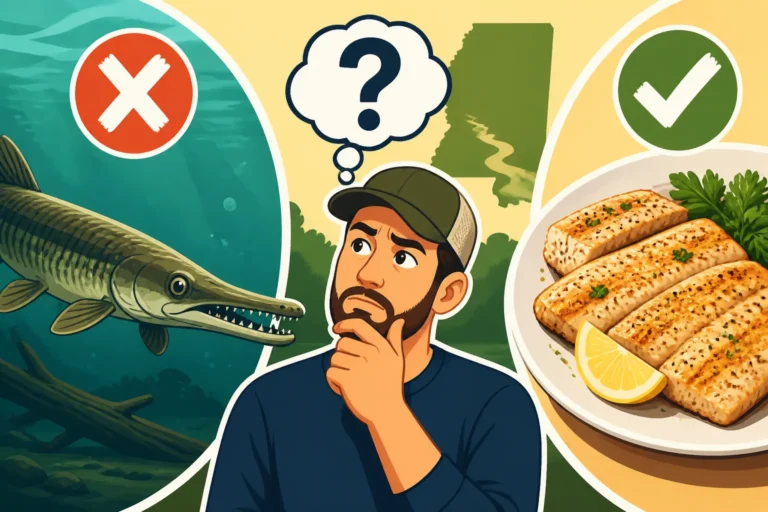
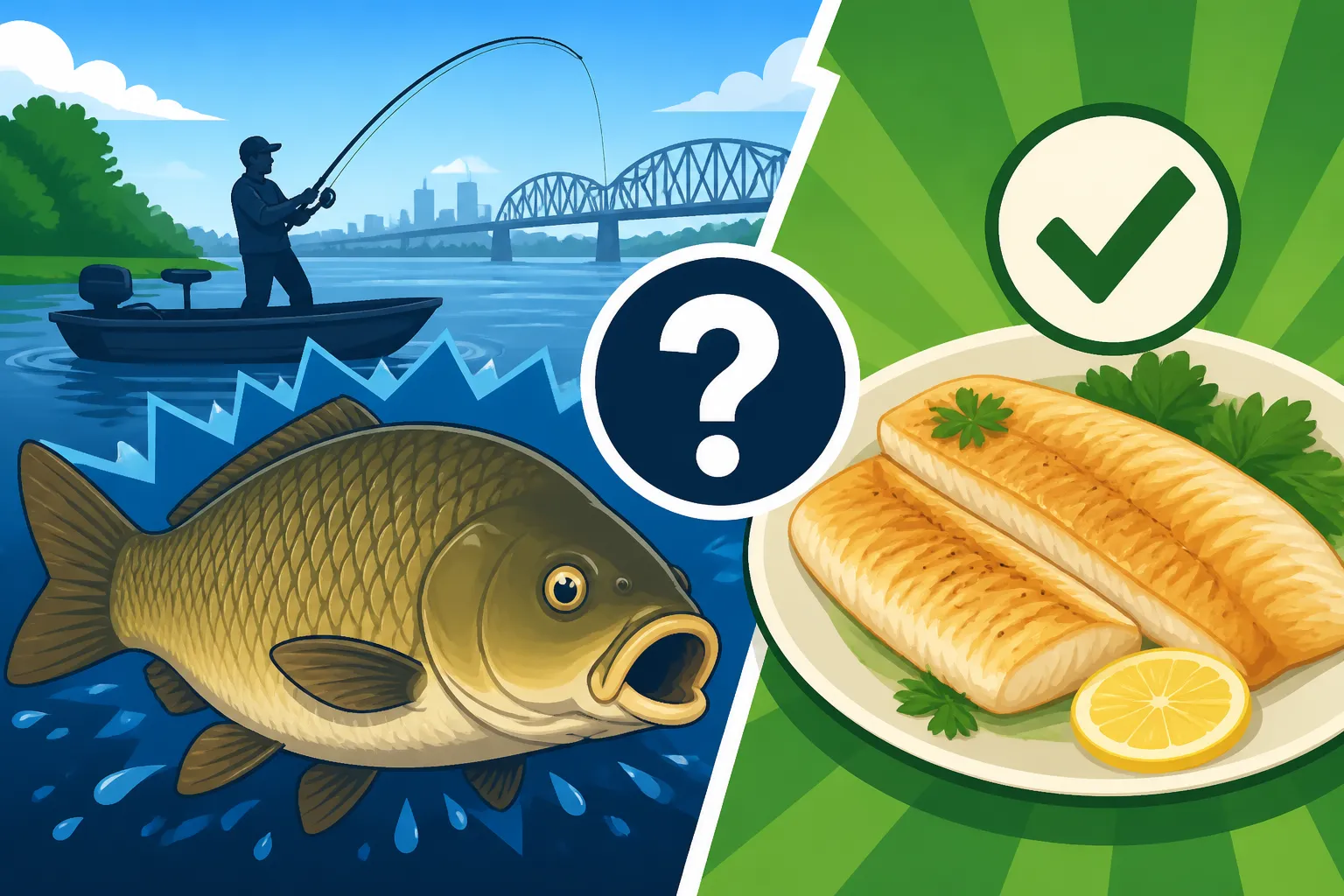
Now for the burning question: can you actually eat these fish? The short answer is yes, absolutely! But like many things in life, it's not quite as simple as just throwing them in a pan. There are a lot of misconceptions out there that prevent people from even considering them for the dinner table.
The "Muddy Taste" Misconception
One of the biggest hurdles for accepting carp, especially invasive species, as food is the persistent myth of a "muddy taste." Many folks associate carp with bottom-feeding, dirty water, and a resulting unappetizing flavor. While common carp, which are true bottom feeders, can sometimes carry this flavor if not prepared correctly, the invasive Silver Carp and Bighead Carp are primarily filter feeders, mostly consuming plankton in the water column. They don't typically root around in the mud like common carp.
The flavor of any fish, including these carp, can be influenced by their environment. A fish caught from a clean, flowing river or a large, clear reservoir is likely to taste much cleaner than one from a stagnant, muddy pond. Also, how the fish is handled immediately after being caught – bled properly and kept on ice – makes a huge difference. Just like a crappie caught from a muddy creek might not taste as good as one from a pristine lake, the same goes for carp. With proper cleaning and cooking, many anglers are surprised at how mild and flaky the white meat of these carp can be. Don't let old wives' tales deter you from trying them!
Common Edible Invasive Carp Species in Mississippi
Among the invasive carp in Mississippi, the Silver Carp and Bighead Carp are generally considered the most palatable and are often targeted for human consumption. Their flesh is typically white, firm, and flaky when cooked.
- Silver Carp: These are the ones famous for jumping out of the water when startled by boat motors. They have a lean, white meat and relatively few bones if filleted correctly. Their diet of plankton contributes to a cleaner flavor.
- Bighead Carp: Similar to silver carp, Bighead carp also have good quality white meat. They grow to impressive sizes, offering a substantial amount of meat for cooking. Like Silver Carp, their filter-feeding diet helps ensure a milder flavor profile.
- Grass Carp: While edible, Grass Carp tend to have a firmer, more muscular flesh due to their diet of aquatic vegetation. Some people enjoy them, but they might require different preparation methods than their filter-feeding cousins.
Many people who have tried them describe the taste as similar to cod or tilapia, especially the Silver Carp. This makes them a versatile fish that can be used in a variety of recipes. Considering how abundant they are, and the positive environmental impact of removing them, adding these carp to your diet is a win-win.
Preparing Invasive Carp for the Table: From Catch to Cuisine
Alright, you've decided to give these carp a chance! That's awesome. Now, let's talk about turning them into something delicious. The key to making invasive carp tasty lies almost entirely in how you handle and prepare them.
Essential Cleaning and Filleting Techniques
This is where the rubber meets the road. Proper cleaning is absolutely crucial to getting rid of any potential "off" flavors and maximizing the yield of good, clean meat. Carp have a bony structure that can be intimidating, but with the right technique, it’s manageable.
- Bleed Immediately: As soon as you catch a carp you intend to keep, cut its gills to bleed it out. This significantly improves the flavor and quality of the meat. Place it on ice immediately. This step is critical for almost any fish you plan to eat.
- Scale or Skin: Carp have large, tough scales. You can either scale them thoroughly or, more commonly, skin them. Skinning is often easier for larger carp.
- Filleting is Key: Due to the Y-bones in the mid-section of these fish, simply cutting cross-sections like you might with a catfish won't work well. You'll want to fillet them. Start by cutting behind the head, down to the backbone, and then run your knife along the backbone towards the tail, separating the fillet.
- Removing the "Red Meat" or Bloodline: Once you have your fillets, you'll notice a strip of darker, reddish meat along the lateral line. This is often where stronger, fishier flavors are concentrated. Trim this dark meat away aggressively. This step is a game-changer for getting a mild flavor.
- Dealing with Y-Bones: Silver and Bighead carp have a distinctive "Y-bone" structure in their upper fillets. There are a few ways to tackle this:
- "Ribbing Out" or "Scoring": For smaller carp, you can make a series of parallel cuts through the Y-bones, allowing them to soften and cook out if frying.
- Filleting Around Them: For larger fish, a skilled hand can make V-cuts around the Y-bones, removing them entirely. This leaves you with two boneless strips of meat from each side. There are plenty of online videos demonstrating these specific filleting techniques, and an investment in a good flexible fillet knife from a place like Amazon will make this process much easier. It's similar in concept to how you might clean an alligator gar, as discussed in How to Clean an Alligator Gar.
Culinary Tips for Enhancing Flavor
Once you have those beautiful, clean fillets, it's time to infuse them with flavor!
- Brining: A simple brine can do wonders. Soak your carp fillets in a solution of saltwater (about 1/4 cup salt per quart of water) for 30 minutes to an hour in the refrigerator. You can add other aromatics like lemon slices, garlic, or bay leaves to the brine for extra flavor. This helps firm up the flesh and further remove any lingering strong tastes.
- Seasoning is Your Friend: Don't be shy with seasonings! Think bold flavors that complement white fish. Lemon pepper, garlic powder, paprika, cayenne, and fresh herbs like dill or parsley all work incredibly well. A sprinkle of Old Bay seasoning is always a solid choice, especially for pan-fried preparations.
- Acidic Marinades: Marinating the fillets in something acidic like buttermilk, lemon juice, or even a mild vinegar dressing for an hour or two can help tenderize the meat and impart a brighter flavor. This is a common trick for many types of fish.
Popular Recipes and Cooking Methods
The versatility of carp means you have a wide range of cooking options. Don't limit yourself to just one idea!
- Frying (The Southern Classic): This is perhaps the most popular way to prepare carp, especially Silver Carp. Cut the boneless fillets into strips or nuggets, dip them in a buttermilk wash, then dredge them in a seasoned cornmeal or flour mixture. Fry them in hot oil until golden brown and crispy. This method is fantastic for making delicious fish sandwiches or serving with hushpuppies and coleslaw. Many people find fried carp to be indistinguishable from fried crappie or catfish.
- Smoking: Carp takes incredibly well to smoking. After brining, pat the fillets dry and apply a dry rub. Smoke them low and slow with fruitwood (like apple or cherry) or hickory until flaky. Smoked carp can be eaten on its own, flaked into fish dips, or used in fish tacos. This method is particularly effective for larger Bighead Carp fillets.
- Grinding for Patties or Fish Cakes: If you're hesitant about the Y-bones, or simply want a different texture, run the fillets (bones and all, the grinder will pulverize the bones) through a meat grinder. Mix the ground carp with breadcrumbs, egg, finely diced vegetables (like onion and bell pepper), and seasonings to form patties. These can be fried, baked, or grilled, making fantastic fish burgers or a great base for fish cakes. This is also an excellent way to introduce carp to picky eaters! You can even find specific seasoning blends for fish cakes and patties on Amazon that would work perfectly here.
- Baking or Broiling: For a lighter option, season the fillets well, place them on a baking sheet, and bake at around 375°F (190°C) until cooked through and flaky, usually 15-20 minutes depending on thickness. A squeeze of lemon juice after baking brightens the flavor. Broiling works quickly to give a nice crispy top.
Health and Safety Considerations When Eating Invasive Carp
While invasive carp can be a delicious and sustainable food source, it's always wise to consider health and safety, just as you would with any wild-caught fish.
Mercury and Contaminant Levels
A common concern with eating fish, especially larger fish, is the potential for mercury or other contaminant accumulation. Invasive carp, being often large and long-lived, can certainly accumulate contaminants from their environment. However, many studies suggest that the levels in filter-feeding carp, particularly Silver and Bighead, are often lower than in predatory fish like large bass or catfish because they feed lower on the food chain.
It's crucial to check with local authorities like the Mississippi Department of Environmental Quality or the MDWFP for any current fish consumption advisories for the specific body of water where you plan to fish. Advisories can vary widely by lake or river section. While I can't provide live data, generally, fish from larger, cleaner, more flowing waters tend to have lower contaminant levels than those from smaller, stagnant, or more industrialized areas. Always err on the side of caution and follow any posted guidelines. This is similar to the caution taken with species like larger catfish, as you might read in Mississippi Catfish Regulations.
Proper Handling and Storage
Food safety starts the moment the fish leaves the water.
- Keep it Cold: As mentioned, bleed the fish immediately and get it on ice. Maintaining a cold temperature (below 40°F or 4°C) is paramount to preventing bacterial growth and preserving the quality of the meat. A cooler full of ice is your best friend when fishing for consumption.
- Cleanliness: Use clean knives, cutting boards, and work surfaces when filleting. Sanitize everything afterward.
- Timeliness: Fillet your fish as soon as possible after catching. The sooner you get it cleaned and stored, the better the quality will be.
- Storage: Fresh fillets can be stored in the refrigerator for 1-2 days. For longer storage, vacuum seal and freeze the fillets. Properly frozen fish can last for several months. Always label and date your packages. If you're fishing in the Mississippi River Fishing Guide areas, keeping your catch fresh on the trip home is paramount.
Here's a quick comparison of the three main invasive carp types you might encounter and how they stack up for eating:
| Carp Species | Primary Diet | Common Flavor Profile | Filleting Challenge | Best Cooking Methods |
|---|---|---|---|---|
| Silver Carp | Plankton (Filter) | Mild, flaky, white meat (like cod) | Moderate (Y-bones) | Frying, Smoking, Grinding for patties, Baking, Broiling |
| Bighead Carp | Plankton (Filter) | Mild, firm, white meat (like tilapia) | Moderate (Y-bones) | Frying, Smoking, Grinding for patties, Baking, Broiling |
| Grass Carp | Aquatic Vegetation | Firmer, more muscular flesh | Moderate (Y-bones) | Frying (smaller fish), Grilling, Stews (larger fish) |
Trying invasive carp for dinner is not just a culinary adventure; it's a practical step you can take to help our local fisheries. By educating yourself and your fellow anglers, you can turn a problematic species into a sustainable and surprisingly delicious meal. So next time you're out on the water, consider keeping a few of those leaping carp – you might just discover a new favorite!
Disclaimer
This article is for general informational purposes only and does not constitute professional advice. Laws, prices and regulations vary by location and change over time. Consult a qualified professional for guidance on your specific situation.