Are Asian Carp in the Mississippi River Dangerous?
It's completely understandable to be curious, and perhaps even a little concerned, about Asian carp in the Mississippi River. Many folks who love to fish and boat on our beautiful waters have heard stories or seen videos, and they naturally wonder if these fish pose a genuine threat. This guide aims to clear up some of those questions, giving you a realistic look at what Asian carp are, why they're here, and whether you truly need to worry about them impacting your time on the water.
Understanding Asian Carp in Mississippi Waters
When we talk about "Asian carp," it's not just one type of fish; it's a blanket term for several species that were originally imported to North America for various reasons. Over time, these fish found their way into our natural waterways, including the mighty Mississippi River, and have since become a significant ecological issue. Understanding these different species and their habits is the first step in grasping their presence in our state.
What Exactly Are Asian Carp?
The term "Asian carp" primarily refers to four species: Bighead carp, Silver carp, Grass carp, and Black carp. Each of these has distinct characteristics and impacts, though the Silver carp is often the one that garners the most attention due to its dramatic jumping behavior. These fish were initially brought to the U.S. in the 1970s to control aquatic weeds and parasites in aquaculture and wastewater treatment facilities, a purpose they served quite well in contained environments. Unfortunately, flooding events allowed them to escape into the Mississippi River basin, where they found ideal conditions to reproduce and spread rapidly.
Bighead carp and Silver carp are filter feeders, meaning they consume vast quantities of plankton – the microscopic organisms at the base of the aquatic food web. This directly competes with our native plankton-eating fish, including the juvenile stages of many popular sportfish like Largemouth Bass Fishing in Mississippi and Crappie Fishing in Mississippi, as well as baitfish. Grass carp, on the other hand, primarily eat aquatic vegetation, which can devastate natural plant beds essential for native fish habitat and waterfowl. Black carp are mollusk eaters, posing a threat to native mussel populations, some of which are endangered. The sheer volume and rapid reproduction rates of these species allow them to quickly dominate an ecosystem, outcompeting natives for crucial resources.
Where Are They Found in Mississippi?
Asian carp have established themselves firmly throughout the Mississippi River and its major tributaries that flow through or border our state. This includes areas from the northern reaches, where the river forms part of our western border, all the way down to the Gulf of Mexico. They thrive in the slow-moving, nutrient-rich backwaters, oxbow lakes, and main channel areas of the river system. Their ability to adapt to a wide range of conditions means they've spread far and wide, making them a common sight in many parts of the Mississippi River Fishing Guide.
While the main channel of the Mississippi River is their primary highway, these invasive fish have also infiltrated many connected waterways, reservoirs, and smaller rivers. This widespread distribution makes control efforts incredibly challenging. Boaters and anglers recreating in these areas, particularly those with strong connections to the main river, are most likely to encounter Asian carp. Their presence can vary depending on water levels, currents, and specific habitat types, but it's safe to assume they are a factor in most major river systems in Mississippi.
Why Are They Such a Concern?
The concern surrounding Asian carp isn't just about their presence; it's about their significant ecological and potential economic impact. Ecologically, their voracious appetites, particularly the Bighead and Silver carp consuming plankton, mean less food for native species. Imagine a buffet where the biggest, hungriest guests arrive first and eat almost everything before anyone else gets a chance – that's what Asian carp do to the aquatic food web. This competition can lead to declines in native fish populations, disrupting the delicate balance of our river ecosystems.
Beyond direct competition, their sheer numbers and feeding habits can also degrade water quality. Silver carp, for instance, are known to stir up bottom sediments while feeding, which can increase turbidity, reduce light penetration, and negatively affect aquatic vegetation. This can further stress native fish that rely on clear water and healthy plant life for spawning, foraging, and cover. Economically, these fish pose a threat to commercial fisheries that target native species, as well as to recreational fishing and tourism, especially when their jumping behavior becomes a safety hazard, deterring people from enjoying our waterways. The state is actively working on solutions, as detailed in articles like What Mississippi Is Doing About Asian Carp.
Are Asian Carp Dangerous to Humans? Addressing the 'Dangerous' Question
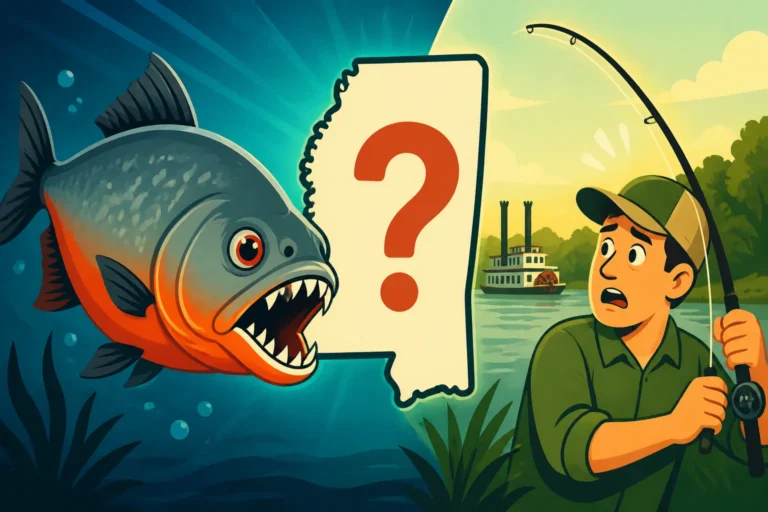
When people ask if Asian carp are "dangerous," they're often thinking of a direct physical threat. While these fish aren't venomous or actively aggressive in the way some wildlife might be, certain species, particularly the Silver carp, can indeed pose a physical danger to humans, especially those enjoying recreational activities on the water.
The Jumping Silver Carp Phenomenon and Physical Injury Risk
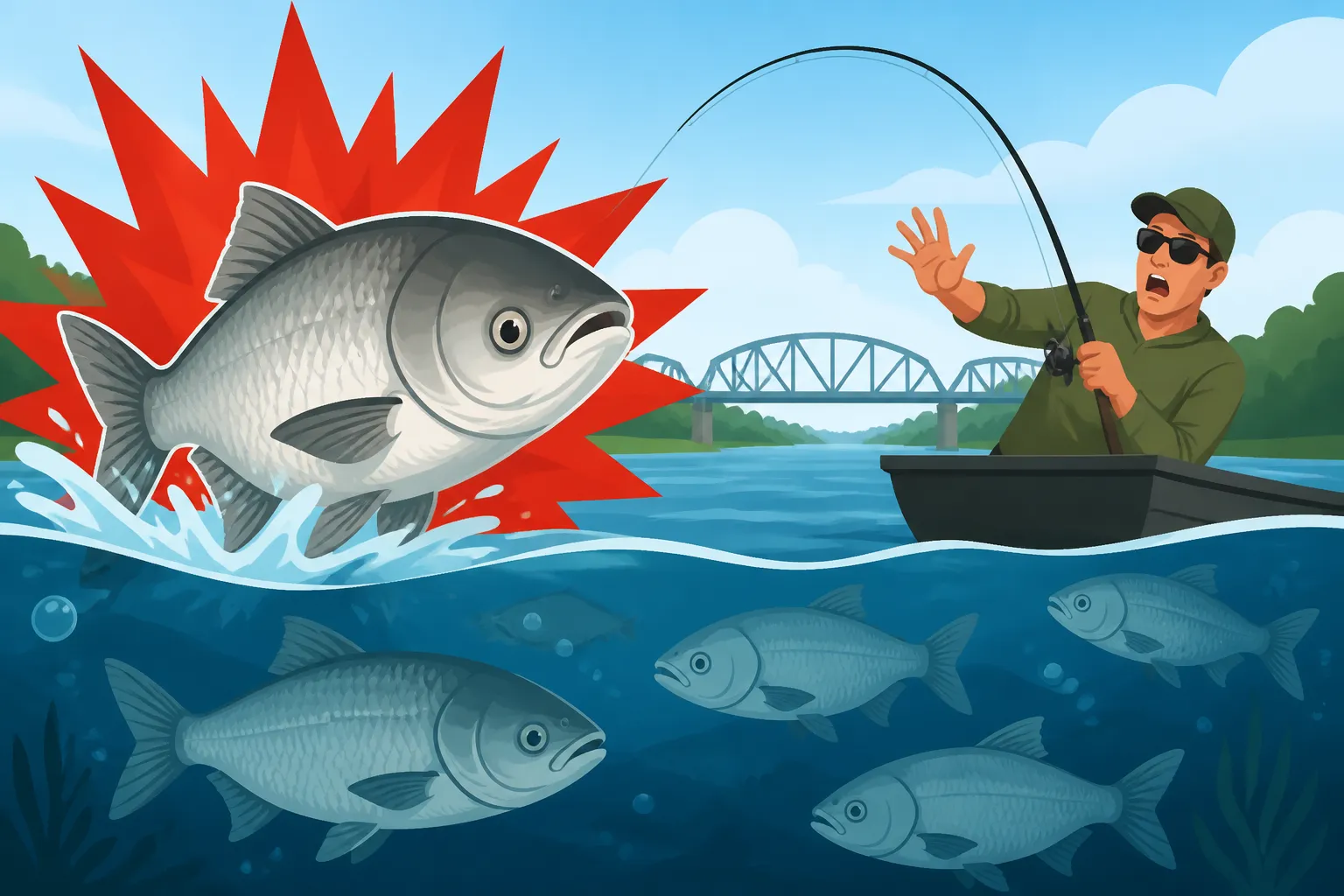
This is where the "dangerous" aspect becomes very real, and it's almost exclusively attributed to the Silver carp. Silver carp have a unique physiological reaction to noise and vibrations, especially those produced by boat motors. When startled, these fish can leap several feet out of the water, sometimes reaching heights of 10 feet or more. Imagine cruising along, enjoying a calm day on the river, and suddenly a 20-pound fish comes flying out of the water directly at you or into your boat. This isn't a rare occurrence in heavily infested areas; it's a known hazard.
These jumping fish can cause serious injuries. There have been numerous documented cases of boaters, jet skiers, and even kayakers being struck by airborne Silver carp, resulting in broken bones, concussions, black eyes, and other significant trauma. It's not a matter of the fish trying to attack you; it's a purely defensive, startled reaction. However, the force of impact from a large, fast-moving fish can be substantial, turning a pleasant day on the water into an emergency room visit. Because of this, many people are wary of navigating waters known to have high populations of Silver carp, impacting recreational enjoyment. For a deeper dive into this specific issue, you might read What a Silver Carp Is and Why It's a Problem.
Are They Dangerous to Eat?
Despite their invasive nature and the physical risks associated with jumping Silver carp, Asian carp are generally not considered dangerous to eat. In fact, in many cultures, they are a popular food source. The meat is often white, firm, and flaky, with a mild flavor, though some people report a "muddy" taste if the fish are caught in certain stagnant waters. They are high in protein and omega-3 fatty acids, making them a nutritious option.
The main challenge for consumers is often the presence of numerous small bones, which can make filleting and preparing the fish more difficult than with many native species. However, with proper preparation techniques, these bones can be managed. There are no known toxins or inherent dangers in consuming Asian carp from the Mississippi River, provided they are handled and cooked like any other freshwater fish. In fact, harvesting them for food is encouraged as a way to help manage their populations. For those interested in culinary uses, Are Invasive Carp Edible? offers some great insights.
Other Potential Dangers
While physical injury from jumping fish is the most direct human danger, there are other, more indirect concerns related to Asian carp, though these usually don't pose an immediate threat to an individual. One area of ongoing research is the potential for disease transmission. Like any fish species, Asian carp can carry parasites and diseases. If these are introduced to native fish populations that lack natural immunity, it could lead to widespread die-offs, further destabilizing ecosystems and potentially impacting sportfish. However, direct transmission of diseases from Asian carp to humans is not a common or significant concern.
Another long-term concern involves their impact on infrastructure. Large populations of these fish can put stress on certain aquatic structures, and their feeding habits could potentially undermine the stability of levees or shorelines in specific, localized circumstances. This is more of an environmental management issue than a direct danger to an individual angler enjoying a quiet afternoon. The overall picture is that while they are an ecological nuisance and a physical hazard in certain situations, they aren't inherently "dangerous" in the sense of being venomous or predatory towards humans.
Mitigating the Risks and Coexisting with Asian Carp
Living with Asian carp in our waterways requires a multi-faceted approach, combining personal safety measures, active angler participation, and large-scale management efforts. It's about minimizing risks and contributing to the health of our Mississippi River ecosystem.
Safety Measures for Boaters and Anglers
If you plan to be on sections of the Mississippi River or its tributaries where Asian carp are prevalent, particularly Silver carp, taking a few precautions can significantly reduce your risk of injury. One of the most important steps is to be aware of your surroundings. Maintain a vigilant watch, especially when operating a boat. Wearing eye protection, like sunglasses or even safety glasses, can prevent a direct hit to the face. If you're in a smaller boat like a kayak or canoe, consider wearing a helmet, particularly if you're venturing into areas known for heavy carp activity.
Additionally, reducing your boat speed in areas with high carp density can help. While it won't eliminate jumping entirely, a slower speed might make the fish less likely to jump violently, and it gives you more time to react. Some anglers even use "carp screens" or other protective barriers around their boats in highly infested areas, especially when bowfishing for them. Familiarizing yourself with general boating safety and obtaining a Mississippi Fishing License Guide is always a good practice, as is understanding all Mississippi Fishing Regulations Explained before heading out.
What You Can Do as an Angler
Anglers play a vital role in both managing Asian carp populations and gathering valuable data. One of the most direct things you can do is to participate in harvesting these fish. Unlike many native species, there are often no bag limits or size restrictions on Asian carp, and authorities encourage their removal from the water. Bowfishing has become a very popular and effective method for targeting these fish, especially the jumping Silver carp, providing both a thrilling recreational experience and a conservation benefit. Many anglers find great success targeting them with specialized equipment. You can often find a good selection of bowfishing gear and accessories on platforms like Amazon if you're looking to get started.
If you do catch an Asian carp by traditional rod and reel, consider keeping it for consumption, if you enjoy eating fish, or disposing of it properly. Never release an Asian carp, or any invasive species, back into a different body of water. If you encounter an unusual number of fish, or suspect a new population in an area, reporting your observations to the Mississippi Department of Wildlife, Fisheries, and Parks (MDWFP) can be very helpful for monitoring and management efforts. Understanding Mississippi Non-Game Fish Rules Explained can also provide context for harvesting.
State and Federal Efforts to Control Asian Carp
The challenge of controlling Asian carp is immense, requiring sustained effort and collaboration between state and federal agencies. In Mississippi, the MDWFP, along with partners like the U.S. Fish and Wildlife Service, is actively involved in various management strategies. These efforts include monitoring populations, researching effective control methods, and, in some cases, implementing direct removal programs. This might involve commercial fishing operations targeting large numbers of carp or using specialized gear.
One key area of focus is preventing further spread of these fish, especially into new river systems or isolated lakes. This involves studying their migration patterns and exploring the feasibility of deterrents or barriers in strategic locations. Education and outreach programs are also crucial, informing anglers and boaters about the risks and what they can do to help. These coordinated efforts are essential for safeguarding Mississippi's precious aquatic resources for future generations. For more details on regulatory frameworks, refer to guides like Mississippi Freshwater Fishing Rules or Mississippi Fishing Season Dates and Limits.
Impact on Native Fish Species and Mississippi's Ecosystem
The ecological ramifications of Asian carp in Mississippi's waters extend far beyond the direct interaction with humans. Their presence fundamentally alters the delicate balance of aquatic ecosystems, creating significant challenges for native fish species and the overall health of our rivers and lakes.
Competition for Food Resources
The most profound impact of Bighead and Silver carp is their direct competition with native species for food. These carp are incredibly efficient filter feeders, capable of consuming enormous quantities of plankton – both zooplankton and phytoplankton. This is a critical issue because plankton forms the base of the food web. Many of our cherished native sportfish, such as juvenile Largemouth Bass Fishing in Mississippi, various species of Crappie Fishing in Mississippi, and all stages of panfish like bluegill and bream, rely heavily on zooplankton as a primary food source, especially when they are young and growing. When Asian carp are present in high numbers, they essentially strip the water of this vital food, leaving little or nothing for the native species.
This food scarcity can stunt the growth of native fish, reduce their reproductive success, and ultimately lead to population declines. It's not just about sportfish either; baitfish, which are themselves a food source for larger predatory fish, also compete for plankton. A depleted food base at the lower levels of the food chain creates a ripple effect, impacting every species higher up, from small panfish to large predators. This disruption to the natural food web is a primary driver of concern for environmental managers and anglers alike.
Habitat Alteration and Water Quality
Beyond competing for food, Asian carp, particularly Silver and Bighead carp, can directly and indirectly affect the quality of aquatic habitats. Their vigorous feeding habits involve continually filtering water and, in the process, often stirring up sediments from the river bottom. This activity increases the turbidity (cloudiness) of the water. While some native fish are adapted to murky water, many species, especially sight feeders, struggle in conditions with reduced visibility. Increased turbidity can make it harder for them to find food, avoid predators, and even navigate their environment effectively.
Moreover, the churning of sediments can have a detrimental effect on aquatic vegetation. Submerged plants require sunlight to grow, and cloudy water reduces the light penetration needed for photosynthesis. When plant beds are reduced or eliminated, it removes critical habitat for numerous native species, including spawning grounds, nursery areas for juvenile fish, and cover from predators. These plants also play a role in maintaining water quality and oxygen levels. The destruction of these vital aquatic nurseries ultimately weakens the entire ecosystem, making it less resilient and productive for native wildlife.
The Future of Mississippi's Fisheries with Asian Carp
The ongoing presence of Asian carp represents a persistent challenge for the future of Mississippi's fisheries. Their established populations mean they are likely here to stay, and complete eradication from the vast Mississippi River system is widely considered impossible. Therefore, the focus has shifted from eradication to long-term management and control, aiming to mitigate their impacts and protect native species as much as possible. This involves a continuous cycle of monitoring, research, and targeted removal efforts, as outlined in articles like What Mississippi Is Doing About Asian Carp.
Anglers, conservationists, and government agencies must continue to work together to develop and implement effective strategies. This might include exploring new technologies for deterrents, encouraging commercial harvest, and continuing public education campaigns. The goal isn't to eliminate every carp, but to reduce their numbers and spread to a point where native fish populations can thrive once again. It's a long road, but with collective effort and vigilance, we can strive to maintain the rich and diverse aquatic heritage that makes Mississippi such a fantastic place to fish.
Disclaimer
This article is for general informational purposes only and does not constitute professional advice. Laws, prices and regulations vary by location and change over time. Consult a qualified professional for guidance on your specific situation.