Most Common Fish Caught in Mississippi
It’s a truly disheartening feeling to spend hours on the water in Mississippi, gear perfectly set, hopes high, only to pack up at the end of the day with an empty cooler or just a couple of small bites. You might wonder if you're targeting the right species or using the best approach for what's actually thriving in our local waters. This comprehensive guide is here to shed light on the most common fish you'll encounter across Mississippi's diverse fishing landscapes, helping you understand their habits, preferred environments, and the best ways to catch them, so your next trip is filled with success.
Understanding Mississippi's Diverse Fisheries
Mississippi is a truly blessed state when it comes to fishing opportunities, offering everything from vast freshwater reservoirs and winding rivers to the abundant saltwater estuaries and open Gulf of Mexico. This incredible diversity means that while some species are widespread, others are distinctly regional. Knowing what fish are most commonly caught in a given area can dramatically improve your chances of a successful outing, saving you time and frustration.
Factors Influencing Common Catches
Several key factors determine which fish species thrive and become the most common catches in Mississippi. These aren't just random occurrences; they're driven by environmental conditions and management efforts. Understanding these helps you appreciate why certain fish are so prevalent.
First, habitat plays an enormous role. For instance, the sprawling hydrilla beds and cypress stumps of our freshwater lakes are prime real estate for bass, while the oyster reefs and marsh grass of the Gulf Coast are perfect for speckled trout and redfish. Water quality, depth, and the presence of natural cover all contribute to creating ideal homes for different species. Second, forage availability is crucial. Fish go where the food is. If a lake has a booming population of shad or bream, you can bet that predatory fish like bass and crappie will be abundant there. Finally, the Mississippi Department of Wildlife, Fisheries, and Parks (MDWFP) actively manages our fisheries. They conduct stocking programs, set Mississippi Fishing Season Dates and Limits, and implement regulations to ensure healthy, sustainable populations of popular game fish. This proactive management significantly contributes to the consistent availability of our most commonly caught species.
Freshwater Favorites: The Everyday Catches
When you talk about fishing in Mississippi, most folks immediately think of our fantastic freshwater opportunities. These are the fish that dominate our lakes, rivers, and ponds, providing countless hours of enjoyment for anglers of all skill levels. They're accessible, abundant, and often, delicious!
The Reigning King: Largemouth Bass
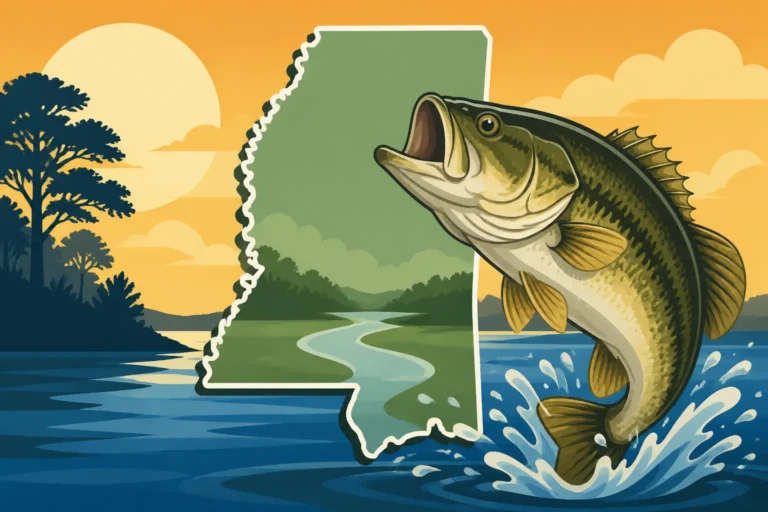
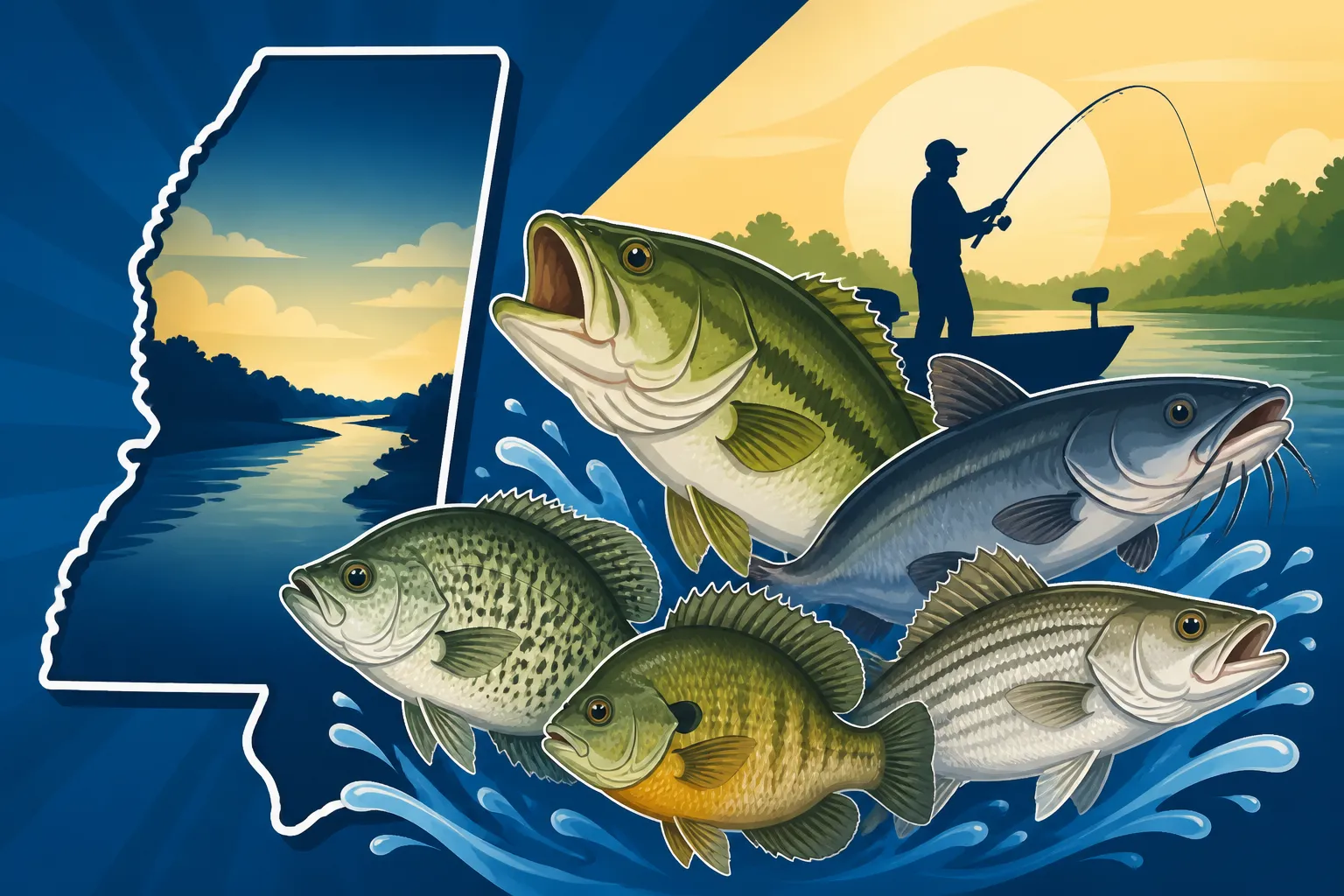
The largemouth bass is undeniably the most sought-after freshwater game fish in Mississippi, and for good reason. They're aggressive, put up a fantastic fight, and are found in almost every body of freshwater across the state. From the massive Ross Barnett Reservoir Fishing Guide to smaller farm ponds, bass are everywhere.
Their prevalence comes from a combination of factors. Largemouth bass are highly adaptable, thriving in warm, slow-moving waters with plenty of cover like submerged timber, aquatic vegetation, and docks. They’re also prolific breeders, and MDWFP actively manages populations, often stocking them to maintain robust numbers. Anglers target them with a vast array of techniques, from throwing topwater lures in the early morning to flipping jigs into heavy cover. You'll find a wide selection of suitable lures, rods, and reels for bass fishing readily available on Amazon, making it easy for anyone to get started. Learning Bass Fishing Techniques for Mississippi Anglers can greatly improve your success rate.
Panfish Perfection: Crappie and Bream
If bass are the kings, then crappie and bream (which includes bluegill, redear sunfish, and others) are the beloved commoners that fill up stringers and introduce countless kids to the joy of fishing. These panfish are abundant, relatively easy to catch, and offer fantastic table fare.
Crappie, both white and black varieties, are incredibly popular, especially in our large reservoirs like Grenada Lake Fishing Guide and Sardis Lake Fishing Guide. They school up, especially around submerged brush piles, standing timber, and bridge pilings. Anglers often employ Crappie Fishing Techniques for Mississippi Lakes such as spider rigging, trolling, or simply jigging with small plastics or live minnows. Bream, on the other hand, are the quintessential warm-water fish. Bluegill, the most common of the bream species, are found almost everywhere, from large lakes to small creeks. They're incredibly aggressive, making them perfect for kids with a simple cane pole and a worm or a small cricket. They'll readily bite small jigs or crickets, and you can often find them near lily pads, docks, or other shallow cover. Both crappie and bream offer consistent action, which is why they're so commonly caught.
Bottom Dwellers with Big Appeal: Catfish
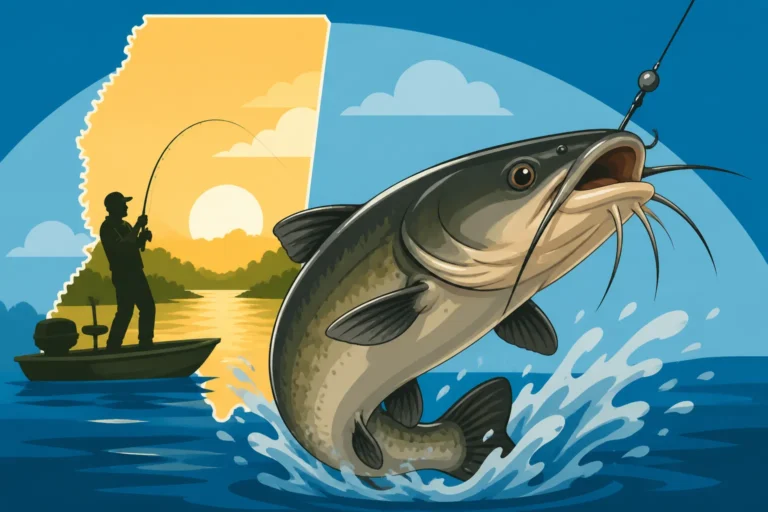
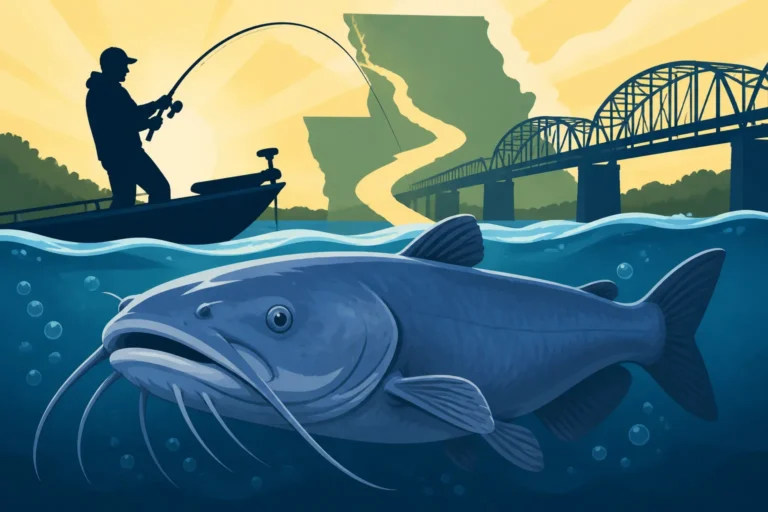
Catfish are another cornerstone of Mississippi's freshwater fishing scene, known for their powerful fights and delicious meat. Channel catfish, blue catfish, and flathead catfish are all widely distributed, offering different challenges and rewards.
Channel catfish are arguably the most widespread and commonly caught, thriving in lakes, rivers, and even smaller ponds. They’re scavenger-eaters, making them susceptible to a variety of baits like cut bait, stink baits, or even hot dogs. You can find specialized catfish rigs and strong line on Amazon to handle their tug. Blue catfish grow to immense sizes, particularly in the Mississippi River Fishing Guide and its major tributaries, making them a trophy fish for many. Flathead catfish are more predatory, often preferring live bait and structure like logjams or rocky outcrops. Catfish Fishing Techniques range from simple bank fishing with a bottom rig to more advanced methods like trotlining or jug fishing, which are popular traditional ways to harvest them. Their abundance and strong fighting spirit make them a favorite among many Mississippi anglers.
Saltwater Stars: Gulf Coast Abundance
While freshwater fishing gets a lot of attention, Mississippi's Gulf Coast offers spectacular saltwater opportunities, with certain species being incredibly common catches that draw anglers from all over. The rich estuarine system, barrier islands, and nearshore waters provide ideal habitats.
The Coastal Redfish Challenge
Redfish, also known as red drum, are a quintessential Gulf Coast species and one of the most commonly caught fish for inshore anglers. They're powerful, beautiful, and put up a formidable fight, making them a highly prized catch.
Redfish are abundant throughout the Mississippi Sound, the marshy bayous, and around the barrier islands like Horn Island Fishing Guide. They cruise shallow flats, oyster reefs, and grass beds, often with their tails breaking the surface as they feed – a thrilling sight for sight-fishing enthusiasts. Their diet consists mainly of crabs, shrimp, and small fish, which is why live bait like shrimp or finger mullet are so effective, as are artificial lures like spoons, soft plastics, and topwater plugs. Many dedicated redfish fishing techniques on the Mississippi Coast revolve around casting to visible fish or targeting prime ambush points. Rods, reels, and a wide array of redfish-specific lures are easily found online, including on Amazon, ensuring you're well-equipped for your next coastal adventure.
Speckled Trout: A Gulf Coast Classic
Closely rivaling redfish in popularity and abundance, speckled trout (spotted seatrout) are another cornerstone of Mississippi's saltwater fishing scene. Known for their delicate flavor and aggressive strikes, they are a favorite target for both experienced and novice anglers.
Speckled trout inhabit similar waters to redfish, often found in the same bayous, estuaries, and around the barrier islands. They tend to congregate around structure like oyster reefs, jetties, and grass beds, especially during tidal movements. Trout are voracious predators, feeding on shrimp and small baitfish. This makes live shrimp under a popping cork one of the most effective methods for catching them. Artificial lures such as soft plastic "shrimp" imitations, topwater plugs, and suspending twitch baits also yield great results. Learning various Speckled Trout Fishing Techniques can make a huge difference in your success. They offer consistent action and are widely distributed along the entire Mississippi Gulf Coast, making them a reliably common catch for anyone venturing into our salty waters.
Gear Up for Success: Essential Tackle for Common Fish
Having the right gear doesn't just make fishing easier; it makes it more enjoyable and increases your chances of landing those common catches. You don't need to break the bank, but having appropriate tackle is key.
Basic Rod and Reel Setups
For the majority of freshwater fishing in Mississippi, a medium-light to medium-action spinning rod and reel combo is incredibly versatile. This setup is perfect for throwing small jigs for crappie, casting worms for bream, or even tossing lighter lures for bass. A 6'6" to 7' fast-action rod paired with a 2500 or 3000 series spinning reel spooled with 8-12 lb monofilament or braided line will cover most situations. This is a fantastic all-around setup that you can easily find at most sporting goods stores or online retailers like Amazon.
For bass, many anglers prefer baitcasting setups, especially when throwing heavier lures or fishing in thick cover. A 6'6" to 7'6" medium-heavy baitcasting rod with a matching reel spooled with 15-20 lb fluorocarbon or 30-50 lb braided line is ideal. For saltwater, particularly for redfish and speckled trout, a medium to medium-heavy spinning rod (7' to 7'6") paired with a 3000-4000 series reel spooled with 15-20 lb braided line and a fluorocarbon leader is a fantastic choice. The braided line offers sensitivity and casting distance, while the fluorocarbon leader provides stealth and abrasion resistance in salty environments.
Go-To Baits and Lures
Choosing the right bait or lure can make all the difference. For our freshwater panfish like crappie and bream, live minnows, crickets, or worms are classic and highly effective choices. Small soft plastic jigs in colors like chartreuse, white, or black are also incredibly productive for crappie, especially when fished under a bobber or trolled. Many anglers swear by particular jigs, and you can explore endless options on Amazon to find your new favorite.
When targeting largemouth bass, a tackle box with a variety of lures is essential. Spinnerbaits, crankbaits, plastic worms (Texas-rigged or Carolina-rigged), and topwater frogs are all proven fish catchers. For catfish, the most common baits include cut bait (shad or mullet), chicken livers, nightcrawlers, and commercially prepared stink baits. It really just depends on the type of catfish you're after and where you're fishing.
On the Gulf Coast, live shrimp are perhaps the most universally effective bait for both redfish and speckled trout. Fished under a popping cork or free-lined, they're irresistible. Artificial lures like soft plastic "paddletails" or "shrimp" fished on a jig head are also incredibly popular and can be extremely effective, especially in a variety of colors. Spoons and topwater plugs are also great for covering water and enticing aggressive strikes from these saltwater favorites. Remember, the best bait often depends on the specific conditions and what the fish are actively feeding on that day, so it’s always wise to have a few different options ready to go.
| Species | Habitat | Common Baits/Lures | Best Seasons | Typical Size Range |
|---|---|---|---|---|
| Largemouth Bass | Lakes, rivers, ponds, heavy cover | Plastic worms, crankbaits, spinnerbaits | Spring, Fall | 1-5 lbs (trophies larger) |
| Crappie | Lakes, reservoirs, brush piles | Live minnows, small jigs, spider rigging | Spring, Winter | 0.5-2 lbs |
| Catfish | Rivers, lakes, ponds, bottom structure | Cut bait, worms, stink baits, live bait | Spring, Summer | 1-10 lbs (blues much larger) |
| Bream/Bluegill | Lakes, ponds, shallow cover | Worms, crickets, small jigs | Spring, Summer | 0.25-1 lb |
| Redfish | Estuaries, marsh grass, oyster reefs | Live shrimp, cut bait, soft plastics, spoons | Fall, Spring | 3-15 lbs (bulls larger) |
| Speckled Trout | Estuaries, grass beds, jetties | Live shrimp, soft plastics, topwater plugs | Spring, Fall | 1-5 lbs |
Knowing which fish are commonly caught in Mississippi is more than just trivia; it’s practical knowledge that transforms your fishing experiences from hopeful casting to strategic angling. Whether you're chasing the spirited fight of a largemouth bass in a local lake, reeling in a cooler full of panfish, or battling a powerful redfish along the coast, Mississippi's waters offer a fantastic bounty. By understanding these common species, their habitats, and the best ways to target them, you’re well on your way to more memorable and successful trips on the water. Don't forget to review the Mississippi Fishing Regulations Explained before you head out, and secure your Mississippi Fishing License Guide to ensure you're compliant. Happy fishing, y'all!
Disclaimer
This article is for general informational purposes only and does not constitute professional advice. Laws, prices and regulations vary by location and change over time. Consult a qualified professional for guidance on your specific situation.