Fish Native to Mississippi Rivers
There's a special kind of satisfaction that comes from casting a line into one of Mississippi's beautiful, winding rivers, knowing that the fish you might catch have called these waters home for generations. But let's be honest, sometimes it's tough to tell exactly what you've reeled in, or even what fish you should be targeting in a specific river system. This guide is here to help you navigate the rich tapestry of fish species that are truly native to Mississippi's rivers, offering insights into their lives and why they're so important to our state's aquatic heritage.
The Importance of Understanding Native River Fish in Mississippi
When you think about fishing in Mississippi, images of sprawling reservoirs might come to mind, but our rivers — from the mighty Mississippi itself to the winding Pearl and Pascagoula — are the true veins of our aquatic ecosystems. These rivers host an incredible diversity of fish species, many of which are native and have adapted perfectly to the unique conditions of these flowing waters. Understanding these native inhabitants isn't just for marine biologists; it's crucial for every angler and nature enthusiast.
Why Identification Matters for Anglers and Ecosystems
Picture this: you've just landed a beautiful fish, shimmering in the sun, and you're wondering what it is. Is it a largemouth bass, or perhaps a spotted bass? Is that a channel catfish or a blue catfish? Knowing the difference isn't just about bragging rights. Proper identification helps you understand fishing regulations, like creel and size limits, which are often species-specific. For instance, Mississippi Catfish Regulations might differ based on species, or Mississippi Black Bass Regulations could vary between largemouth and spotted bass. Beyond the hook and line, accurate identification allows you to appreciate the ecological role each species plays. Each native fish contributes to the delicate balance of the river, from controlling insect populations to serving as food for larger predators, including us! You can find excellent field guides on platforms like Amazon that can be invaluable for on-the-water identification, helping you quickly distinguish between similar-looking species.
How Native Species Define River Health
Think of native fish as the canary in the coal mine for our rivers. When native populations are thriving, it often indicates a healthy, balanced ecosystem. These species have evolved alongside the river's flow, its natural sediment, and its specific food chains. They are indicators of good water quality, ample habitat, and a stable environment. The introduction of non-native or invasive species can often throw this delicate balance off, competing with native fish for food and habitat, or even preying on them. Protecting our native fish means protecting the very health of our rivers, ensuring they remain vibrant, productive, and beautiful places for generations of anglers and wildlife. Understanding the Mississippi Freshwater Fish Species Guide really opens your eyes to this rich biodiversity.
Iconic Game Fish Native to Mississippi's Rivers
Mississippi's rivers are legendary for their fishing, and much of that reputation comes from the incredible native game fish that call them home. These are the species that get our hearts racing and provide countless hours of enjoyment on the water.
Largemouth Bass: The River Ambush Predator
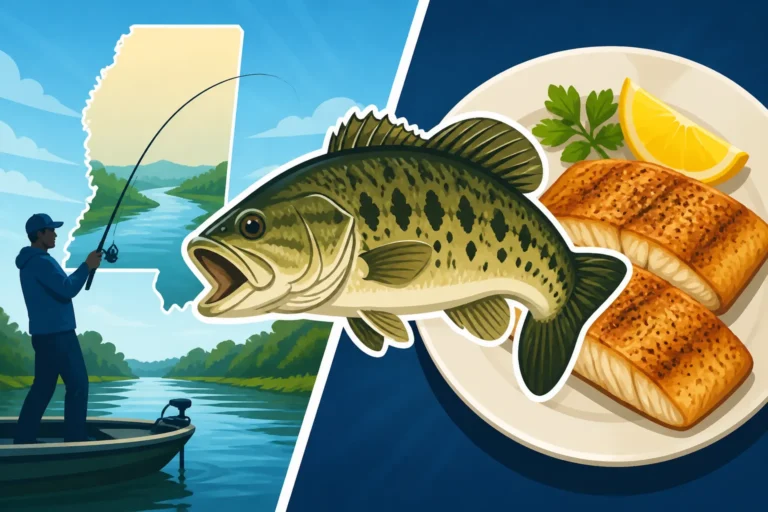
Ah, the largemouth bass. While often associated with lakes and reservoirs, the largemouth is a true native river fish, especially prevalent in the slower-moving backwaters, oxbow lakes, and tributary mouths of Mississippi's river systems. These fish are masters of ambush, lurking in submerged timber, dense vegetation, or along undercut banks, ready to explode on unsuspecting prey.
Riverine largemouth tend to be lean and powerful, adapting to the current and the often-turbulent conditions. They feed on a varied diet, from baitfish like shad and sunfish to crawfish, frogs, and even small snakes. Targeting them in rivers often means focusing on current breaks, eddies, and the mouths of smaller creeks. Techniques like pitching jigs into woody cover or working spinnerbaits along weed lines can be incredibly effective. For those looking to understand their growth patterns, you might be interested in Largemouth Bass Size and Growth in Mississippi or even Largemouth Bass Diet and Feeding Habits for tailoring your bait choices.
Crappie: Speckled Panfish of the Backwaters
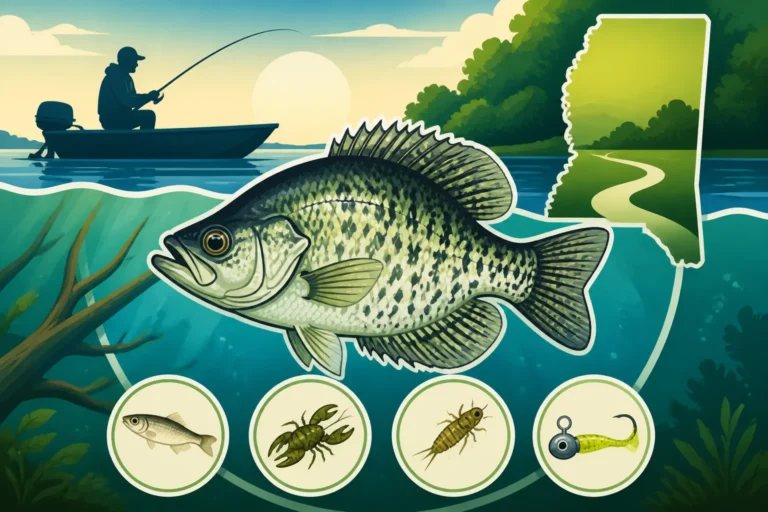
Both white crappie and black crappie are native to Mississippi and are highly sought after by anglers in our river systems. While they certainly thrive in our major reservoirs like Sardis Lake Fishing Guide and Grenada Lake Fishing Guide, they also inhabit the calmer waters of river backwaters, bayous, and oxbows, particularly those connected to larger river flows like the Mississippi River or the Pearl River. They prefer submerged structure such as brush piles, standing timber, and cypress knees, where they can find cover and ambush small minnows and aquatic insects.
Crappie are schooling fish, so once you find one, you're likely to find more. In rivers, this often means slowly working jigs or live minnows around flooded timber or along the edges of slower-moving channels. Their delicate bites and delicious white meat make them a favorite. If you're keen to learn more about the differences between the two native species, check out White Crappie vs Black Crappie: How to Tell Them Apart. Finding specialized crappie jigs and minnow buckets for river fishing is easy, and a quick search on Amazon will show you a wide range of options to get started.
Catfish: The Bottom Dwellers
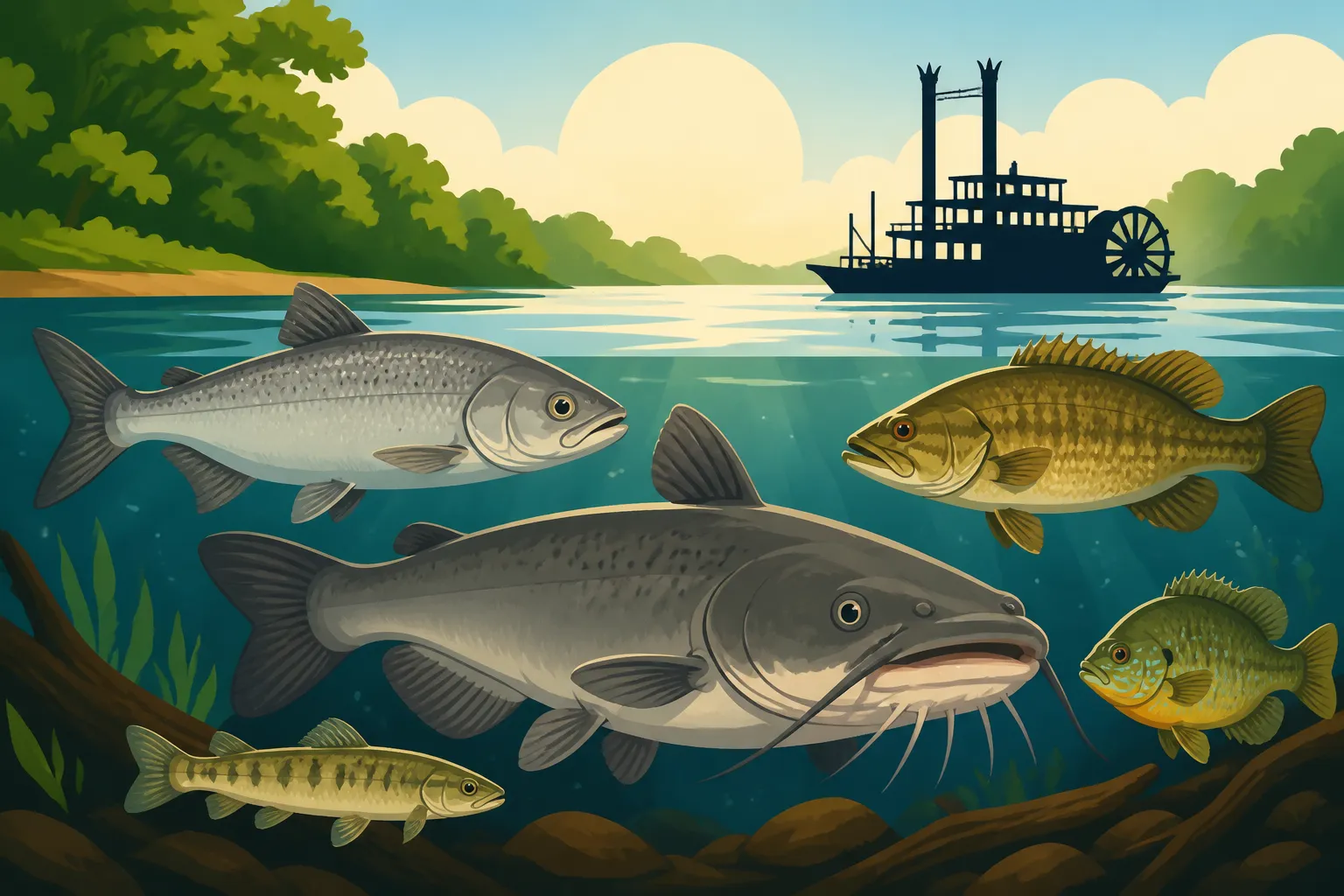
When it comes to native river fish in Mississippi, you simply cannot overlook catfish. Channel catfish, blue catfish, and flathead catfish are all indigenous species that dominate the depths of our rivers, from the massive Mississippi River itself to the smaller, more intimate streams. Each species has its own personality and preferred habitat within these flowing waters.
- Channel Catfish: Often found in moderate currents, channel cats are opportunistic feeders, eating everything from insects and small fish to decaying organic matter. They are characterized by their deeply forked tail and scattered spots, though these can fade with age. They're a favorite for their fight and their fantastic table fare.
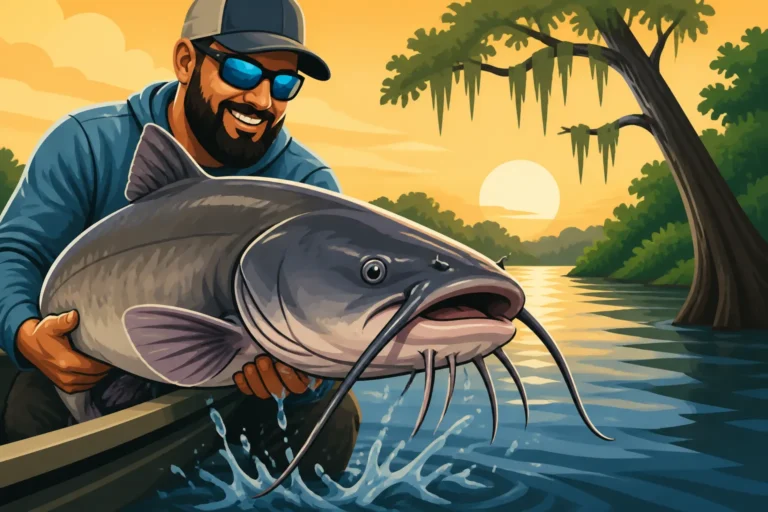
- Blue Catfish: The true giants of our river systems, blue cats prefer deeper channels and strong currents. They are primarily piscivores, meaning they prefer to eat other fish, though they will also consume crawfish and mussels. Their size can be truly astounding, with some reaching over 100 pounds in the Mississippi River. If you're serious about river monsters, exploring Blue Catfish Fishing in Mississippi is a must.
- Flathead Catfish: These solitary predators love woody cover and sluggish currents. With their distinctive flat heads, underslung jaws, and mottled brown coloration, flatheads are ambush predators that prefer live bait, primarily other fish. You'll often find them lurking in logjams or undercut banks in the main river channel or large tributaries. Flathead Catfish Habits and Habitat offers more detail on these fascinating fish.
Whether you're jug fishing, trotlining, or simply fishing with a rod and reel from the bank or boat, catfish offer a thrilling and rewarding experience in Mississippi's rivers. Many anglers swear by specific baits, from chicken livers for channels to live sunfish for flatheads.
Bream and Bluegill: Abundant Panfish
"Bream" is a beloved catch-all term in Mississippi for a variety of native sunfish species, including the incredibly popular bluegill, redear sunfish (shellcracker), and often even warmouth and green sunfish. These panfish are abundant in the slower sections of rivers, backwaters, ponds connected to rivers, and smaller streams throughout the state.
Bluegill, with their dark spot on the gill flap and overall bluish hue, are arguably the most iconic. They are prolific breeders and provide fantastic angling opportunities, especially for children or those just starting out. They feed on insects, small crustaceans, and larvae, and can be caught on nearly any small bait, from crickets and worms to tiny jigs and flies. Bream and Bluegill Fishing in Mississippi dives deeper into how to target these widespread favorites. Redear sunfish, known for their "red ear" flap, are famous for their ability to crack open snails, making them a great choice for keeping your local river areas clean. These fish are a cornerstone of the river ecosystem, providing food for larger game fish and a joyful pursuit for anglers of all ages.
Lesser-Known but Equally Important Native River Residents
While the bass, crappie, and catfish get most of the glory, Mississippi's rivers are also home to a host of other fascinating native fish species that are vital to the ecosystem and offer unique angling challenges.
Gar Species: Ancient Riverine Hunters
Gar are truly ancient fish, their lineage stretching back millions of years. Mississippi rivers are home to several native species, including longnose gar, spotted gar, shortnose gar, and the impressive alligator gar. These fish are easily recognizable by their long, tooth-filled snouts and armored, diamond-shaped scales. They are ambush predators, often seen lurking just beneath the surface in slow-moving or stagnant river sections, backwaters, and oxbows.
- Longnose Gar: The most common gar in many Mississippi rivers, characterized by their exceptionally long, slender snout.
- Spotted Gar: Identified by distinct dark spots on their body and fins, they prefer clear, vegetated waters.
- Alligator Gar: The largest of the gar species, these powerful fish can grow to massive sizes, often exceeding 100 pounds. They are true apex predators in their river habitats. Angling for alligator gar requires specialized heavy tackle and techniques, often using large live bait or cut bait. For those intrigued by these living fossils, Alligator Gar Fishing in Mississippi provides an in-depth look. They play a crucial role in the ecosystem, helping to control populations of slower-moving fish.
While often considered "rough fish," gar offer a unique and powerful fight, and their numbers are a sign of a healthy, diverse river environment. You can find robust braided lines and heavy-duty hooks suitable for gar fishing on Amazon, ensuring you have the right gear for these formidable creatures.
Freshwater Drum: The River's "Gaspergou"
The freshwater drum, often affectionately called "gaspergou" or "gou" by local Mississippi anglers, is another native river inhabitant. These fish are widespread in large rivers like the Mississippi and its major tributaries, preferring deeper channels with moderate currents. They are bottom feeders, using their sensitive barbels (whiskers) to locate invertebrates, mussels, and small fish on the riverbed.
Drum are characterized by their high, arched back, large scales, and two dorsal fins. They get their name from the drumming sound they can produce using muscles vibrating against their swim bladder, particularly during spawning. While not typically a glamour species, drum can grow quite large and offer a surprisingly strong fight. They are also quite palatable, with firm white flesh, especially the larger ones. Many anglers target them with bottom rigs using shrimp, worms, or small pieces of cut bait. Learning more about their habits, check out Freshwater Drum Identification and Habits.
Buffalo Fish: The Gentle Giants
The bigmouth buffalo, smallmouth buffalo, and black buffalo are native carp-like fish that are often misunderstood. These species are widespread in Mississippi's large rivers and their associated backwaters, thriving in sluggish to moderately flowing waters. Unlike invasive carp species, buffalo fish are native and play an important ecological role as filter feeders (bigmouth buffalo) or bottom feeders on invertebrates and detritus (smallmouth and black buffalo).
These fish can grow to impressive sizes, with some exceeding 50 pounds. They are powerful fighters on the end of a line, especially when hooked in a strong current. While often overlooked by recreational anglers, they are a significant food source for many, particularly in commercial fisheries. They are typically caught on dough balls, corn, or small worms fished on the bottom. If you're curious about their role in the ecosystem or how to tell them apart, Buffalo Fish Identification and Where They Live can be a great resource.
Paddlefish and Sturgeon: Relics of the Deep
Perhaps the most unique and historically significant native fish in Mississippi's larger river systems are the paddlefish (also known as "spoonbill") and various sturgeon species, such as the shovelnose sturgeon. These fish are truly living fossils, having changed little over millions of years.
- Paddlefish: With their distinctive, elongated, paddle-shaped rostrum (snout) and filter-feeding habits, paddlefish are one of a kind. They swim with their mouths open, filtering zooplankton from the water column in large rivers like the Mississippi. While they can grow very large, they are not typically caught with traditional hook-and-line methods due to their feeding style, often requiring snagging techniques where legal. Paddlefish (Spoonbill) in Mississippi Rivers delves into these fascinating creatures.
- Sturgeon: Mississippi is home to sturgeon, though some species are endangered and protected. They are characterized by their five rows of bony plates (scutes) along their body and barbels near their mouth, which they use to forage for invertebrates and small fish on the river bottom. Like paddlefish, they are long-lived and slow-growing, making their conservation particularly critical. Sturgeon in Mississippi Waters provides more information on their status and importance.
These ancient fish highlight the incredible biodiversity and historical significance of Mississippi's river ecosystems, reminding us of the wildness that still thrives within these waterways.
Protecting Our Native River Fish Heritage
Our native river fish are more than just targets for anglers; they are integral parts of a complex and vibrant ecosystem. Protecting them means understanding their needs and acting responsibly.
Understanding Conservation Efforts
The Mississippi Department of Wildlife, Fisheries, and Parks (MDWFP) is constantly working to monitor and manage native fish populations in our rivers. This includes conducting surveys, habitat restoration projects, and enforcing fishing regulations designed to ensure sustainable harvests and protect vulnerable species. For instance, regulations for species like paddlefish and sturgeon are very specific due to their conservation status. Programs that educate the public on identifying native versus invasive species are also crucial. By supporting these efforts, through license purchases or volunteer work, we contribute directly to the health of our aquatic resources. A great place to start is familiarizing yourself with Mississippi Fishing Regulations Explained to understand the broader framework of conservation.
Your Role as a Responsible Angler
Every angler has a vital role to play in preserving Mississippi's native river fish.
1. Know Your Regulations: Always be aware of the current Mississippi Fishing Creel and Size Limits for the species you're targeting. These limits are in place for a reason – to ensure healthy populations for future generations. Don't assume that what applies to a reservoir also applies to a specific river segment, as regulations can sometimes differ.
2. Practice Catch and Release When Appropriate: For many species, especially larger trophy fish or those with tight limits, careful catch and release is an excellent practice. Minimize handling, use appropriate tools to remove hooks, and release fish quickly to maximize their survival chances.
3. Prevent the Spread of Invasive Species: Never move live fish from one body of water to another, and always clean, drain, and dry your boat and gear to prevent the spread of aquatic invasive species. Invasive species can severely harm native fish populations by outcompeting them for food and habitat.
4. Protect Habitat: Be mindful of the river environment. Avoid littering, report pollution, and support efforts to protect riparian zones and submerged habitat. These areas are critical nurseries and feeding grounds for native fish.
5. Educate Yourself and Others: The more we know about our native fish, the better equipped we are to protect them. Share your knowledge with fellow anglers, especially younger generations, instilling in them a respect for these incredible creatures. You can find comprehensive guides on native Mississippi fish on Amazon, helping you deepen your understanding and become a better steward of our waters.
By embracing these responsibilities, we ensure that the native fish of Mississippi's rivers continue to thrive, providing endless beauty and angling opportunities for years to come.
| Native Mississippi River Fish Species | Typical Habitat | Primary Diet | Key Identifier | Angling Interest |
|---|---|---|---|---|
| Largemouth Bass | Backwaters, oxbows, vegetated areas | Baitfish, crawfish, frogs | Large mouth extending past eye | High (Sportfish) |
| White Crappie | Slow-moving backwaters, brush piles | Minnows, insects | 5-6 dorsal spines, vertical bars | High (Panfish) |
| Black Crappie | Clearer backwaters, dense cover | Minnows, insects | 7-8 dorsal spines, irregular spots | High (Panfish) |
| Channel Catfish | Moderate currents, deeper holes | Omnivorous (fish, insects, detritus) | Forked tail, scattered spots | High (Food & Sport) |
| Blue Catfish | Deep channels, strong currents | Fish, mussels, crawfish | Deeply forked tail, straight anal fin margin | High (Trophy & Food) |
| Flathead Catfish | Woody cover, sluggish currents | Live fish, crawfish | Flat head, protruding lower jaw, mottled body | High (Trophy & Food) |
| Bluegill (Bream) | Slow areas, vegetated banks | Insects, larvae, small crustaceans | Small mouth, dark spot on gill flap | High (Panfish, Beginner) |
| Alligator Gar | Sluggish backwaters, deep holes | Fish, waterfowl | Broad, alligator-like snout, large size | Moderate (Specialty Trophy) |
| Longnose Gar | Surface, calm areas, current breaks | Fish, frogs | Very long, slender snout | Moderate (Sport) |
| Freshwater Drum | Deeper channels, moderate currents | Invertebrates, mussels, small fish | High back, rounded tail, 'drumming' sound | Moderate (Food & Sport) |
| Bigmouth Buffalo | Open water, large rivers | Plankton, detritus | Large, terminal mouth, dark coloration | Low-Moderate (Commercial/Roughfish) |
| Paddlefish | Open water, main channels | Zooplankton | Long, paddle-shaped snout | Very Low (Protected/Snagging only) |
| Shovelnose Sturgeon | Main channels, strong currents | Bottom invertebrates | Flat, shovel-like snout, five rows of scutes | Very Low (Protected/Rare) |
Disclaimer
This article is for general informational purposes only and does not constitute professional advice. Laws, prices and regulations vary by location and change over time. Consult a qualified professional for guidance on your specific situation.