Sturgeon in Mississippi Waters
Many Mississippi anglers are passionate about exploring the diverse fish species that grace our waters, from the feisty largemouth bass to the plentiful crappie. But amidst these popular game fish, there's a mysterious, ancient inhabitant that often sparks curiosity: the sturgeon. If you've ever heard whispers of these prehistoric giants and wondered if they truly swim in our rivers and coastal areas, or what you should do if you encounter one, you're in the right place. This guide will dive deep into the world of sturgeon in Mississippi, shedding light on their presence, their protected status, and how you, as a responsible angler, can contribute to their survival.
The Elusive Giants of Mississippi's Waters
When most folks think of Mississippi fishing, they picture reeling in a big catfish from the muddy depths of the Mississippi River or casting for speckled trout along the Gulf Coast. But our waters hold a much older secret, a living fossil that has navigated these currents for millions of years: the sturgeon. These aren't your everyday catches, and encountering one is a rare and special event, a true testament to the ecological richness of our state.
What Kinds of Sturgeon Call Mississippi Home?
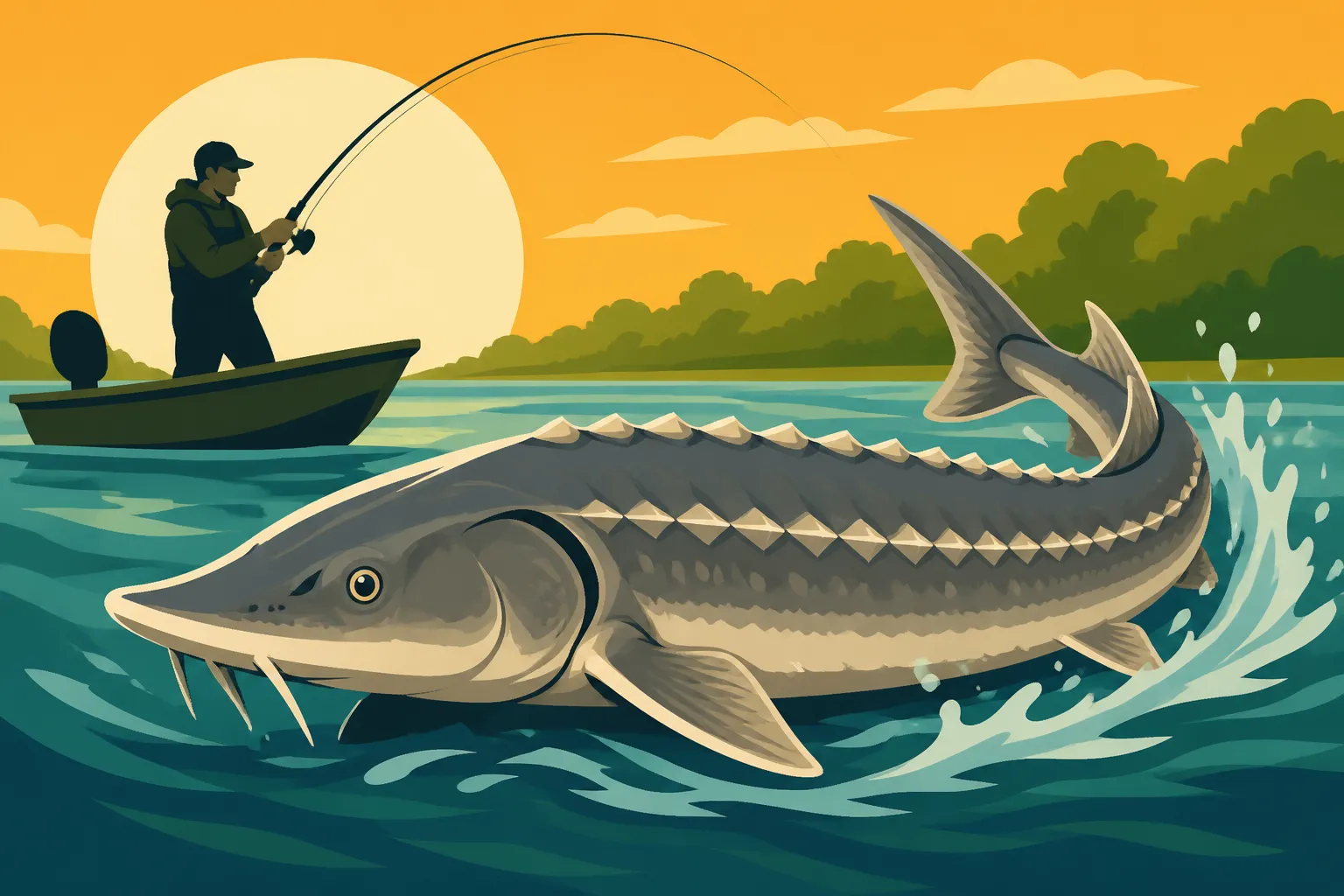
While several species of sturgeon exist globally, the primary sturgeon species found in Mississippi waters is the Gulf Sturgeon. This incredible fish is a relic from another time, easily recognizable by its elongated, torpedo-shaped body, rows of bony plates (called scutes) instead of scales, and its unique, shovel-like snout with four barbels on the underside, which it uses to forage along the riverbed. Unlike many of the fish we typically pursue, the Gulf Sturgeon is largely cartilaginous, more akin to a shark than a typical bony fish, though it's certainly no shark.
The Gulf Sturgeon can grow to impressive sizes, often reaching 5-8 feet in length and weighing over 200 pounds, with some records pushing even larger. Imagine pulling up a fish longer than most people are tall! These magnificent creatures are also incredibly long-lived, with some individuals reaching ages of 50 to 60 years or even more. Their slow growth and late maturity make them particularly vulnerable to environmental changes and historical overfishing, which is a major reason why they are now a federally protected species. While other sturgeon species, like the Lake Sturgeon, might have historically ranged into parts of the Mississippi River basin, the Gulf Sturgeon is the one we focus on when discussing its presence in our state today.
Where Do Sturgeon Live in Mississippi?
The Gulf Sturgeon has a fascinating life cycle that takes it between freshwater rivers and the saltwater of the Gulf of Mexico. They are anadromous, meaning they spend a significant portion of their lives in saltwater but migrate upstream into freshwater rivers to spawn. This dual habitat requirement makes healthy, free-flowing rivers and estuaries absolutely critical for their survival.
In Mississippi, their primary habitats include major rivers that flow into the Gulf, such as the Pearl River, Pascagoula River, and the Escatawpa River. During the warmer months, typically from spring through fall, adult sturgeon migrate upstream into the freshwater reaches of these rivers, often congregating in deeper holes, bends, and areas with stable gravel or sand bottoms, which are vital for spawning. As winter approaches, they make their way back down to the brackish and saline waters of the Mississippi Sound and the Gulf of Mexico, where they spend the colder months feeding and maturing. Pearl River Fishing Guide and Pascagoula River Fishing Guide offer more insight into these important waterways. It's a journey that showcases the incredible resilience and migratory instinct of these ancient fish, connecting our inland rivers directly to the vastness of the Gulf. Maintaining these migratory corridors free from obstruction and pollution is paramount for their continued existence.
Understanding Sturgeon Behavior and Habitat
To truly appreciate the sturgeon in Mississippi waters, it helps to understand a bit more about how they live their lives. They are not like the bass that ambush prey from cover or the schooling crappie that suspend in open water. Sturgeon operate in a different realm, relying on ancient instincts to survive and thrive. Their methods of finding food and reproducing are as unique as their appearance, making them a marvel of natural adaptation.
Sturgeon Diet and Feeding Habits
Sturgeon are classic bottom feeders, perfectly equipped for their role as aquatic scavengers and opportunistic predators. Unlike many game fish that rely on sight to hunt, sturgeon use their highly sensitive barbels, which dangle like whiskers beneath their shovel-like snout, to detect prey buried in the substrate. These barbels are packed with chemoreceptors, allowing them to "taste" and "feel" for food in murky waters where vision might be limited.
Their diet consists primarily of benthic invertebrates—creatures living on or in the bottom. This includes a variety of worms, insect larvae, crustaceans like shrimp and small crabs, and mollusks such as snails and small clams. Occasionally, they might also consume very small, slow-moving fish. They don't have teeth in the traditional sense; instead, their protrusible, tube-like mouths act like a vacuum, sucking up food from the riverbed or seafloor. This specialized feeding strategy means that conventional fishing lures and baits designed for predatory fish are generally ineffective for sturgeon. If you do happen to snag one, it's almost always by accident, a hook simply catching them as they cruise the bottom rather than biting a bait.
Spawning and Life Cycle of Mississippi Sturgeon
The life cycle of the Gulf Sturgeon is a marathon, not a sprint, which underscores their vulnerability. These fish exhibit incredible longevity but take a long time to reach sexual maturity. Females may not spawn until they are 8-12 years old, and even then, they don't spawn every year, often taking several years between reproductive cycles. Males mature a bit earlier, usually around 7-9 years of age. This slow reproductive rate means that it takes a long time for populations to recover from decline.
When it's time to spawn, typically in the late spring or early summer when water temperatures and river flows are just right, adult sturgeon migrate upstream into suitable freshwater stretches of their natal rivers. They seek out areas with clean, hard bottoms, often gravel or rocky substrates, where females can deposit their sticky eggs. The eggs adhere to the bottom, and after fertilization by the males, they develop and hatch within a few days. The young sturgeon spend their first few months to a year in the freshwater nursery habitats before migrating downstream to the more brackish and saltwater environments of the estuaries and Gulf. The health of these freshwater spawning grounds is crucial, and any disruption—like dredging, pollution, or changes in water flow caused by dams—can severely impact their reproductive success. Understanding Mississippi Freshwater Fish Species Guide can give you a broader picture of the ecosystem sturgeon depend on.
The Conservation Imperative: Protecting Mississippi's Sturgeon
Catching a sturgeon in Mississippi isn't like catching a bass or a catfish; it's a profound interaction with a species fighting for survival. These ancient fish face immense pressure from habitat loss, pollution, and the lingering effects of historical overfishing. Their continued existence relies heavily on our collective efforts and understanding of their protected status. The rules aren't just suggestions; they're critical for keeping these magnificent creatures from disappearing forever.
Federally Protected Status and Why It Matters
The Gulf Sturgeon (and by extension, any sturgeon found in Mississippi) is listed as "Threatened" under the U.S. Endangered Species Act. This isn't just a label; it carries significant legal implications. What it means for anglers and anyone interacting with these fish is that it is absolutely illegal to harvest, harm, harass, or possess a Gulf Sturgeon. This prohibition includes intentionally fishing for them, keeping one you've accidentally caught, or even attempting to interfere with their natural behavior. The penalties for violating these regulations can be severe, including substantial fines and even imprisonment. Mississippi Fishing License Penalties and Fines can give you an idea of the seriousness involved with violating fishing regulations in general.
This federal protection is critical because it mobilizes resources and mandates actions to ensure the species' recovery. Agencies like the U.S. Fish and Wildlife Service, in cooperation with the Mississippi Department of Wildlife, Fisheries, and Parks (MDWFP), work tirelessly to monitor populations, protect and restore habitat, and enforce regulations. The purpose is to prevent extinction and, ultimately, to recover the species to a point where it no longer needs the protection of the Endangered Species Act. Your role as an angler is paramount: understand the regulations, respect the fish, and report any suspicious activity.
Threats to Sturgeon Populations in Mississippi
The decline of sturgeon populations in Mississippi, and across their range, is a complex issue driven by several interconnected factors. One of the most significant threats is habitat degradation and loss. Dams built on rivers like the Pearl and Pascagoula impede their migratory routes, preventing them from reaching historical spawning grounds. When a dam blocks their path, it isolates populations and makes it impossible for them to complete their natural life cycle. Dredging operations in rivers and estuaries, often for navigation, can destroy critical spawning habitats and feeding areas, while also increasing sedimentation which smothers eggs and larval sturgeon.
Water quality degradation from agricultural runoff, industrial pollution, and urban development also poses a severe threat. Pollutants can directly harm sturgeon, reduce their food sources, or degrade the water quality necessary for healthy egg development. Historically, overfishing played a massive role, particularly driven by the demand for their valuable caviar and meat. While these practices are now illegal for Gulf Sturgeon, the populations are still recovering from centuries of exploitation. Finally, factors like bycatch in other commercial or recreational fisheries, though often accidental, can still add pressure to already fragile populations. Protecting these species requires a holistic approach that addresses all these threats, from restoring river connectivity to improving water quality across the entire watershed.
Encountering Sturgeon: Regulations and Best Practices
While the odds of intentionally catching a sturgeon in Mississippi are incredibly slim due to their feeding habits and protected status, accidental encounters do happen. Imagine the surprise of reeling in something that looks like it swam straight out of a dinosaur movie! It’s an exciting thought, but it’s crucial to know exactly what to do, because your actions can directly impact the survival of these rare and vulnerable fish.
Is it Legal to Fish for Sturgeon in Mississippi?
Let's be absolutely clear: no, it is not legal to fish for sturgeon in Mississippi, nor is it legal to possess one, even if caught accidentally. The Gulf Sturgeon is a federally protected species, and its conservation is a top priority. This means that any targeted fishing for sturgeon is strictly prohibited. You cannot use baits or techniques specifically designed to catch sturgeon, nor can you keep one if you happen to hook into it.
If you are fishing for other species in areas where sturgeon are known to inhabit – such as the lower Pearl River, Pascagoula River, or tributaries leading to the Gulf – and you accidentally catch a sturgeon, your immediate priority is its safe and quick release. Do not bring the fish into your boat if you can avoid it. Cut the line as close to the hook as possible while the fish is still in the water, minimizing any stress or injury. If the fish is too large or entangled to release easily, and you must bring it aboard to remove the hook, handle it with extreme care, keep it wet, and get it back into the water as quickly as humanly possible. Documenting the catch with a quick photo (if possible and safe for the fish) and reporting the sighting to MDWFP or the U.S. Fish and Wildlife Service can also be valuable for conservation efforts. Mississippi Fishing Regulations Explained provides broader context for all regulations.
Responsible Angling Around Sturgeon Habitat
Being a responsible angler means understanding not just the letter of the law, but also the spirit of conservation. Even when fishing for other species, there are best practices you can adopt to minimize your impact, especially in areas where sturgeon might be present.
One of the easiest things you can do is to embrace catch-and-release practices for all non-target species, particularly if you're not planning to keep fish for consumption. This generally reduces stress on fish populations. Using barbless hooks is another excellent practice. If you accidentally hook a sturgeon or any other non-target species, a barbless hook makes removal much quicker and causes less damage to the fish's mouth. You can easily pinch down the barb on most hooks with a pair of pliers. When you're outfitting your tackle box, consider looking for barbless hook options on platforms like Amazon to ensure you're prepared.
When it comes to handling, the less you handle any fish you plan to release, the better. If you must handle a sturgeon for hook removal, always keep it in the water as much as possible. If it's too big, try to support its body horizontally to avoid putting stress on its internal organs, and never hold it by the tail or gills. Wet your hands before touching the fish to protect its slime coat, which is vital for its health and disease resistance. Use a net with a fine mesh, also available on Amazon, if necessary, rather than dragging the fish onto rough surfaces. Educate yourself and your fellow anglers on proper release techniques. The more everyone understands, the better chance these incredible creatures have to recover.
Here's a quick reference for handling an accidental sturgeon catch:
| Action | Description | Why It Matters |
|---|---|---|
| Do Not Keep | Release immediately. It is illegal to possess a sturgeon. | Federally protected "Threatened" species; severe penalties for possession. |
| Cut the Line | If the hook is deep or hard to remove, cut the line as close to the hook as possible. | Minimizes handling stress and injury; hook will rust out over time. |
| Keep in Water | Do not remove the fish from the water if avoidable. If necessary, keep it in the water as much as possible. | Reduces stress, protects gills, and maintains slime coat essential for health. |
| Handle Gently | If handling is necessary, use wet hands. Support the body horizontally. Never hold by gills or tail. | Protects skin, slime coat, and internal organs from damage. |
| Report Sightings | Note location, approximate size, and time. Report to MDWFP or U.S. Fish and Wildlife Service. | Aids in monitoring population recovery and understanding their distribution. |
| Educate Others | Share information about sturgeon protection with fellow anglers. | Fosters a culture of conservation and responsibility within the fishing community. |
The Future of Sturgeon in Mississippi
The plight of the sturgeon is a powerful reminder of how human activities can impact even the most ancient and resilient species. However, their story is not just one of decline; it's also a testament to dedicated conservation efforts and the hope for recovery. The future of sturgeon in Mississippi waters depends heavily on continued scientific understanding, proactive management, and the crucial support of informed citizens and anglers.
Ongoing Research and Monitoring Efforts
Across the Gulf Coast region, including Mississippi, numerous government agencies and academic institutions are actively involved in research and monitoring programs focused on the Gulf Sturgeon. These efforts are vital for understanding the current status of the populations, identifying critical habitats, and evaluating the effectiveness of conservation strategies. Scientists use various techniques, including acoustic telemetry, where sturgeon are fitted with small transmitters that emit signals, allowing researchers to track their movements between freshwater and saltwater, locate spawning grounds, and understand their seasonal migration patterns.
Another important aspect is genetic analysis, which helps scientists understand population structure, genetic diversity, and potential bottlenecks. Population surveys, including larval sampling and gill net surveys (conducted under strict scientific permits), provide data on recruitment success and overall population trends. These studies are expensive and require significant expertise, but they are indispensable for making informed management decisions. Organizations like the MDWFP and federal partners are continuously collecting this data to ensure the most effective strategies are in place to help these magnificent fish rebound. Their work also often involves habitat restoration projects, such as efforts to improve river connectivity or restore degraded spawning beds, giving sturgeon a better chance at successful reproduction.
How Anglers Can Contribute to Conservation
As anglers, we have a unique connection to the waterways and a vested interest in the health of our fisheries. Our actions, collectively, can make a significant difference in the conservation of species like the Gulf Sturgeon. It starts with education: understanding the regulations, the challenges these fish face, and why their protection is so critical.
Beyond simply releasing accidentally caught sturgeon safely, you can contribute in several proactive ways. One is to become an advocate for clean water and healthy habitat. Support initiatives that aim to reduce pollution, protect riparian zones, and remove outdated dams that impede fish migration. Learning about How Mississippi Fishing License Fees Are Used can also highlight how your license purchase contributes to broader conservation efforts. Participate in local river or coastal clean-up events, or join conservation organizations focused on river and coastal health. Some organizations even have citizen science programs where anglers can report sightings or participate in data collection, providing invaluable ground-level information.
Spreading awareness among your fishing buddies and community members is also incredibly powerful. When you share what you've learned about the Gulf Sturgeon—its unique biology, its protected status, and the importance of careful handling—you become a force multiplier for conservation. Every angler who understands and respects these ancient fish increases their chances of survival. By making conscious choices about our angling practices and supporting broader environmental stewardship, we can ensure that future generations of Mississippians will also have the opportunity to marvel at the mighty sturgeon in our waters.
Disclaimer
This article is for general informational purposes only and does not constitute professional advice. Laws, prices and regulations vary by location and change over time. Consult a qualified professional for guidance on your specific situation.